连锁餐饮

Search documents
罗永浩发长文表态,贾国龙:今晚10点,将全面回应
YOUNG财经 漾财经· 2026-01-16 10:08
Core Viewpoint - The article discusses the ongoing public dispute between Luo Yonghao and Xibei's founder, Jia Guolong, focusing on the accusations regarding the use of pre-prepared dishes in Xibei restaurants and the implications for both parties involved [2][4][6]. Group 1: Luo Yonghao's Statements - Luo Yonghao claims that his company, Smartisan Technology, faced significant criticism for four years, attributing its failure to internal mistakes rather than external attacks [8]. - He argues that the cost of frozen broccoli is indeed higher, suggesting that the criticism regarding this ingredient is somewhat unjustified, while asserting that Xibei primarily serves pre-prepared dishes [8]. - Luo emphasizes that if a business owner is genuinely concerned about employee layoffs, they should not engage in reckless behavior, highlighting a disconnect between some older entrepreneurs and the realities of the business world [9]. Group 2: Jia Guolong's Response - Jia Guolong asserts that Xibei's restaurants do not use pre-prepared dishes, clarifying the distinction between "central kitchen preparation" and "pre-packaged dishes" [6]. - He addresses rumors about the closure of 102 Xibei locations, stating that affected employees will receive their full wages and that customer prepaid cards will remain valid at other locations [6]. - Jia plans to respond comprehensively to Luo's accusations, demanding an apology for the alleged harm caused to Xibei and the broader restaurant industry [10].


贾国龙:请罗永浩认真道歉,并赔偿相应损失
Feng Huang Wang Cai Jing· 2026-01-16 09:27
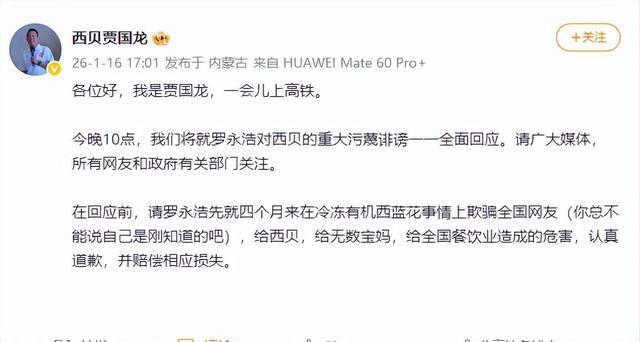
16日下午,西贝贾国龙微博最新发文,称将在晚上10点将就罗永浩对西贝的重大污蔑诽谤一一全面回 应。 全文如下: 各位好,我是贾国龙,一会儿上高铁。 得更糟糕吧。 4. 多数发达国家的预制菜都比我国预制菜的市 场份额要高,但这些国家的大部分预制菜都去 了消费者市场和快餐业,而不是像在我们这 里:去了正式的餐厅冒充现做的饭菜(否则也 解释不了我们的餐饮业为什么会有锅气香精这 么变态的"科技狠活儿") 国家支持发展预制菜工业,是为了让中国人吃 得更方便、更卫生,更健康,不是为了让餐馆 老板用料理包骗同胞(之前有媒体报道说他家 的海外店就不用预制菜 = 不是为了让成 千上万受过训练的厨师下岗,被"微波炉操作 师"和"料理包加热师"替代。 今晚10点,我们将就罗永浩对西贝的重大污蔑诽谤一一全面回应。请广大媒体,所有网友和政府有关部 门关注。 在回应前,请罗永浩先就四个月来在冷冻有机西蓝花事情上欺骗全国网友(你总不能说自己是刚知道的 吧),给西贝,给无数宝妈,给全国餐饮业造成的危害,认真道歉,并赔偿相应损失。 此前,罗永浩在微博再次发长文回应西贝贾国龙近日的言论。他表示,锤子科技做了五年,集中被黑就 有足足四年。"锤子科 ...
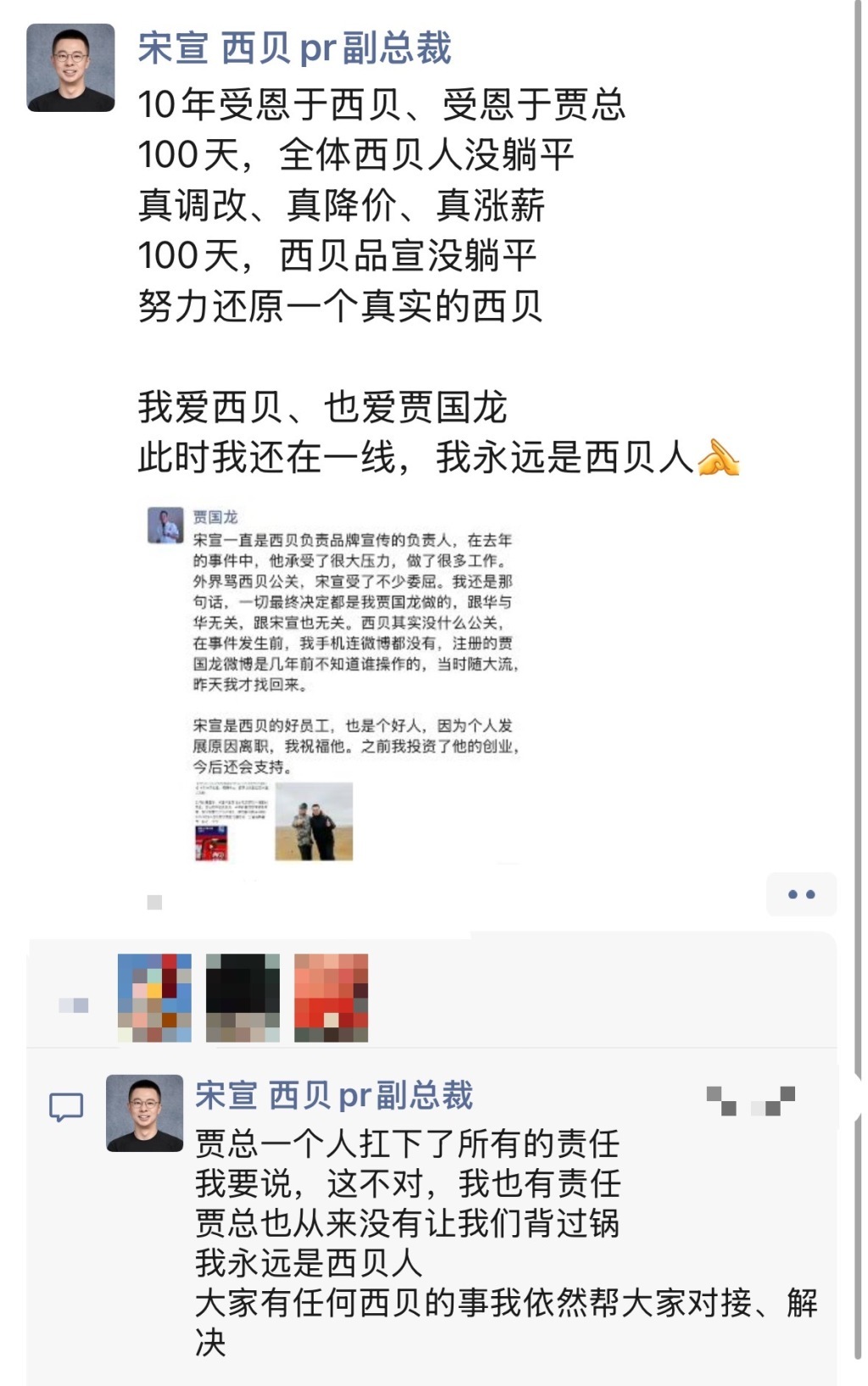
西贝公关负责人离职,贾国龙:去年事件他受了不少委屈,一切最终决定都是我做的
Feng Huang Wang· 2026-01-16 05:47
Core Viewpoint - The recent statements from Xi Bei Group's founder, Jia Guolong, and Vice President, Song Xuan, highlight the company's commitment to transparency and customer service amidst challenges related to public perception and operational adjustments following controversies surrounding pre-prepared dishes [1][2][3][4]. Group 1: Company Response to Controversy - Xi Bei Group confirmed the closure of 102 stores, representing 30% of its total locations, with a commitment to ensure that all departing employees receive their full wages and that customer prepaid cards remain valid at other locations [3]. - Jia Guolong emphasized that the company has never engaged in public relations in the traditional sense, focusing instead on genuine customer service and product quality, which he believes has contributed to the brand's success [4]. - The company has implemented measures such as price reductions, issuing coupons, and increasing employee salaries to mitigate the impact of declining customer traffic and sales following the controversy [4]. Group 2: Leadership Statements - Song Xuan expressed his ongoing commitment to Xi Bei and acknowledged shared responsibility for the company's challenges, distancing himself from the blame placed on Jia Guolong [2]. - Jia Guolong defended Song Xuan's role in the company, stating that he has faced significant pressure and criticism during the recent events, and reiterated that all decisions ultimately rest with him [2][3]. - Jia Guolong criticized the negative portrayal of Xi Bei in the media, asserting that the company maintains high standards for food quality and safety, and that accusations of using pre-prepared dishes are unfounded [4].
各地公布最低时薪|首席资讯日报
首席商业评论· 2026-01-16 04:10
Group 1 - The Ministry of Human Resources and Social Security has released the minimum wage standards for various provinces, with Guangdong's monthly minimum wage set at 2500 yuan for the highest tier and 1750 yuan for the lowest tier, while hourly wages range from 23.7 yuan to 17.4 yuan [2] - Two films, including "Boonie Bears: Year of the Bear" and "Fast and Furious 3," have been officially scheduled for release during the 2026 Spring Festival [3] - CK Hutchison is seeking a valuation of approximately $30 billion for its retail subsidiary, Watsons, in an upcoming IPO, aiming for a dual listing in Hong Kong and London by mid-year [4] Group 2 - Xibei's founder confirmed the closure of 102 stores, representing 30% of its total outlets, while ensuring that customer prepaid cards can be used at other locations or refunded [5][6] - The U.S. plans to suspend visa processing for 75 countries, including Somalia, Russia, and Nigeria, to combat potential public burden applicants [7] - Elon Musk's social platform X announced measures to restrict its AI chatbot Grok from generating explicit images, following widespread criticism for misuse [8] Group 3 - Sun Yinan, former CEO of Wei Long, has joined Dayao as CEO, bringing significant experience from the fast-moving consumer goods sector [9] - Nvidia has raised the supply standards for HBM4 chips from Samsung and SK Hynix, prompting Samsung to adjust its chip designs to enhance performance [10] - Tesla's lithium refining plant has commenced operations, marking it as the largest lithium refining facility in the U.S. [11] Group 4 - Daiwa Capital forecasts strong growth in the South Korean robotics market, predicting installations will surge from 31,000 units in 2024 to 99,000 units by 2030, driven by AI advancements [12] - SF Express and Jitu Express have signed a subscription agreement for mutual share recognition, involving nearly 8.3 billion Hong Kong dollars [13] - EDG esports club's affiliated company has been penalized for tax evasion, resulting in a fine of 53,890.93 yuan for underreported tax [14]
美团也要卖车了;贾国龙回应西贝关闭102家;千问App接入支付宝,上线AI付款;雷军:新一代小米SU7将提供9款配色丨邦早报
Sou Hu Cai Jing· 2026-01-16 00:44
Group 1: Company Developments - Xibei Restaurant confirmed the closure of 102 stores, which accounts for 30% of its total outlets, and assured customers that stored value cards can be used at other locations or refunded [1] - Thunder restarted litigation against former CEO Chen Lei, claiming damages of up to 200 million yuan due to alleged hidden asset extraction through a shadow company [3] - Xiaomi's new SU7 model will offer nine color options and is expected to launch in April 2026 with a starting price of 229,900 yuan [4] - Ideal Auto appointed Zhan Kun to lead the base model business, focusing on the development of the VLA (Vision-Language-Action) model [5] - Meituan entered the car sales market by signing a strategic cooperation agreement with Shanghai Xiche Future Intelligent Technology [5] - Wang Jian's company, Bawang Tea, is suing a netizen for defamation related to personal matters, with a court date set for March 3 [5] - Citigroup's CEO Jane Fraser indicated potential layoffs as part of efforts to improve company culture and profitability [7] - Former CEO of Weilong, Sun Yinan, has joined Dayao as CEO [7] - OpenAI's former research vice president is returning to the company following a leadership change at Thinking Machines [7] Group 2: Market Trends and Financial Data - The pickup market in China is projected to sell 589,000 units in 2025, reflecting a year-on-year growth of 11.8% [12] - Omdia's research indicates a slight decline of 1% in China's smartphone market for 2025, with Huawei regaining the top position with 46.8 million units sold [12][13] - The total smartphone shipments in China for 2025 are estimated at 282.3 million units, with Huawei, Vivo, and Apple leading the market shares [13]






西贝将关闭102家门店,贾国龙:一季度陆续完成,离职员工工资一分钱不差,储值卡随时退
YOUNG财经 漾财经· 2026-01-15 11:05
Core Viewpoint - The company Xibei will close 102 stores, accounting for 30% of its total, and will ensure that all departing employees receive their full wages and that customers can use or refund their stored value cards at other locations [1][3]. Group 1: Store Closures and Employee Treatment - Xibei confirmed the closure of 102 stores, which will be completed gradually in the first quarter [1]. - All employees affected by the closures will receive their full wages, and customers can use their stored value cards at other locations or request refunds immediately [1]. Group 2: Response to Public Criticism - The company faced public backlash due to accusations related to its food preparation methods, which led to a significant drop in customer traffic and sales [3]. - In response to customer feedback, Xibei has made adjustments to its menu, including offering freshly prepared dishes [3]. Group 3: Pricing Strategy and Employee Compensation - Starting in October 2025, Xibei plans to reduce prices on over 30 menu items by nearly 20%, lowering the average customer spending from 92 yuan to 75 yuan [4]. - During the recent challenges, Xibei increased the average salary of frontline employees by 500 yuan [4]. Group 4: Future Business Strategy - The company aims to slow down its expansion and focus on stabilizing its existing 300+ stores while exploring new business models that prioritize employee welfare [4]. - Despite current challenges, there is optimism about the potential for Chinese cuisine to develop globally recognized brands, similar to other successful food chains [4].

果然财经|袁记云饺母公司递表港交所,在全国共有4255家门店
Qi Lu Wan Bao· 2026-01-13 09:27
果然财经|袁记云饺母公司递表港交所,在全国共有4255家门店 热门评论我要评论 微信扫码 移动端评论 1月12日,连锁中餐袁记云饺的母公司袁记食品集团股份有限公司递表港交所。袁记食品本次募资主要 用于数字化建设、建设海外供应链并拓展海外市场、品牌建设与产品研发等。 果然财经|袁记云饺母公司递表港交所,在全国共有4255家门店 大众报业·齐鲁壹点27分钟前 暂无评论 鲁ICP备15022957号-13 鲁公网安备 37010202002220号 鲁新网备案号201000101 电信增值业务许可证: 鲁B2-20120085 齐鲁晚报·齐鲁壹点 版权所有(C) All Rights Reserved 联系电话:0531-82625462邮箱: 1790179766@qq.com ...

高价泡面、用户底线、资本困局与零售终局:商业世界的信任博弈与模式重塑
Sou Hu Cai Jing· 2026-01-10 06:10
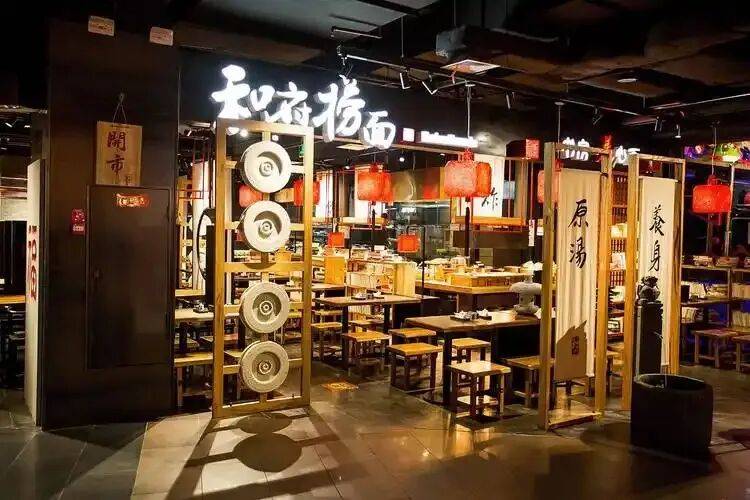
Group 1: Key Insights on HeFu Lao Mian - HeFu Lao Mian's positioning as a "health noodle" is contradicted by the revelation that staff use pre-packaged ingredients, leading to consumer skepticism about the authenticity of their "freshly made" claims [3][4] - The brand's reliance on a narrative of health and craftsmanship is undermined when the reality of industrialized food preparation is exposed, resulting in a significant loss of consumer trust [7][8] - This incident serves as a cautionary tale for all dining brands that depend on appealing narratives to justify premium pricing, highlighting the importance of genuine consumer experiences over marketing rhetoric [7][8] Group 2: Key Insights on Xiaomi - Xiaomi's founder Lei Jun's live-streaming session aimed to clarify multiple controversies, emphasizing that user trust is paramount and announcing the termination of partnerships with KOLs who attacked users [3][11] - The live-stream was a proactive strategy to manage public perception and redirect discussions towards factual and technical aspects, countering fragmented narratives that could harm the brand [11][12] - This approach reflects a broader strategy of reinforcing brand values and establishing a clear boundary regarding user respect and product integrity amidst a competitive landscape [12][13] Group 3: Key Insights on Huiyuan Juice - Huiyuan Group's public statement accused its major shareholder of financial misconduct and using unverified materials to produce counterfeit products, leading to a takeover of Beijing Huiyuan [3][14] - The conflict highlights the clash between financial restructuring strategies and the operational realities of the food industry, where quality and safety are non-negotiable [16][18] - This situation serves as a warning to other national brands seeking capital assistance, emphasizing that financial strategies must align with industry standards to avoid jeopardizing brand integrity [17][18] Group 4: Key Insights on IKEA - IKEA's decision to close several large stores in China marks a shift from its previous "destination retail" model to a focus on smaller stores and enhanced online presence, reflecting changing consumer behaviors [3][21] - The new strategy aims to reduce costs and improve flexibility in urban areas, addressing the challenges posed by local competitors and the rise of e-commerce [21][22] - This transition signifies a broader trend in foreign retail operations in China, indicating that success now requires deep localization and adaptability rather than a one-size-fits-all global approach [22][23]
50万开店,1年半回本!这个快餐巨头要和蜜雪、瑞幸抢加盟商
Sou Hu Cai Jing· 2026-01-09 07:42
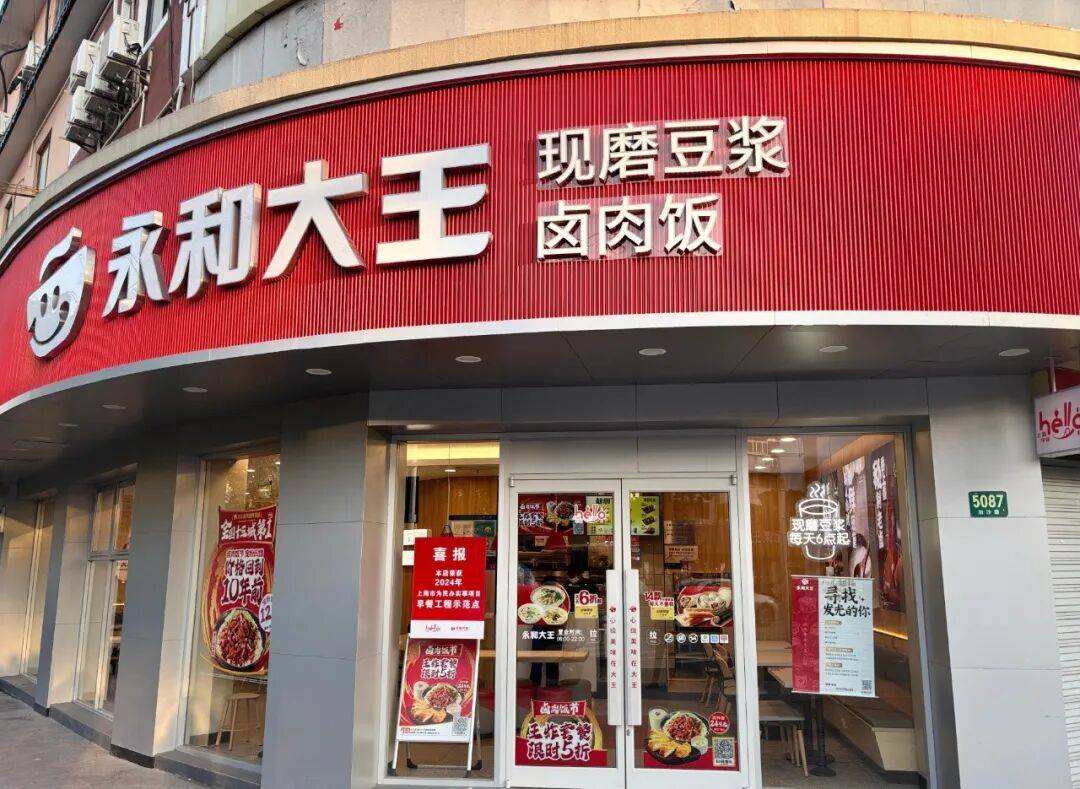
Core Viewpoint - The parent company of Yonghe Dawang, Jollibee Foods Corporation, is planning to spin off its international business into a new entity named Jollibee Foods International, with plans to list on the U.S. stock exchange by the end of 2027 [1]. Group 1: Business Performance in China - Jollibee's international business has over 10,000 stores globally, with nearly 70% located outside the Philippines, including approximately 553 in China [2]. - Yonghe Dawang has around 500 stores in China, making it the primary brand for Jollibee in the region, while other brands like Hongzhuangyuan and Tianhaowang have about 30 stores each [2]. - Jollibee's same-store sales growth in China reached 8.0%, outperforming competitors like McDonald's and Domino's Pizza, which had growth rates of 4.7% and 1.7%, respectively [5]. Group 2: Strategic Initiatives - The company is implementing a "price for volume" strategy, resulting in a 26% increase in transaction volume, which offsets an 11% decline in average ticket price [7]. - Jollibee's expansion strategy in China focuses on a light-asset model, primarily through franchising, with 77% of the 754 new stores opened in the first nine months of 2025 being franchise locations [8]. - The introduction of the "Super Value Model" has reduced the investment payback period from 2.5-3 years to approximately 1.5 years, with single-store investment costs dropping from around 800,000 RMB to below 500,000 RMB [11]. Group 3: Market Positioning and Future Plans - Jollibee is adjusting its store location strategy to focus on residential areas in second-tier cities, where rental costs are lower and operational hours can be extended [11]. - The company is taking a cautious approach with its brand Tianhaowang, pausing expansion while focusing on profitability in the Hong Kong market, where it has seen a fourfold increase in EBITDA cash contribution [12]. - The trend of multinational restaurant companies spinning off their international businesses for better market focus is becoming prevalent, as seen with Yum China and Haidilao [12].
8点1氪:和府捞面否认是预制菜;雷军称绝对不能容忍任何诋毁诅咒车主的KOL;乔布斯私人物品Apple I原型机被拍卖
36氪· 2026-01-08 00:10
Group 1 - He Fu Lao Mian responded to consumer claims about pre-made dishes, stating that their products are made in a central kitchen and do not fall under the category of pre-made meals [5] - He Fu Lao Mian was established in 2012 and currently operates 583 stores, with an average consumer spending of 32.97 yuan, over 50% of which are located in first-tier and new first-tier cities [5] Group 2 - The price of memory modules has surged, with some units exceeding 49,999 yuan, leading to comparisons with the cost of a house in Shanghai [7] - NIO's CEO Li Bin mentioned that rising memory prices are creating cost pressures for the automotive industry, suggesting consumers consider purchasing vehicles sooner [7] Group 3 - ByteDance denied rumors of entering the automotive industry, clarifying that there are no plans to manufacture cars [8] - Google's market value surpassed Apple's for the first time since 2019, reaching 3.88 trillion USD, highlighting a divergence in AI strategies between the two companies [8][9] Group 4 - The State Administration for Market Regulation and the National Internet Information Office released new regulations to prevent platforms from using big data to exploit consumers [9] - Same-day ticket sales for the KPL Spring Season faced issues due to server overload from high traffic, leading to an apology from Tongcheng Travel [9] Group 5 - Long-term rumors about Changan Automobile canceling year-end bonuses were refuted, with the company affirming its commitment to employee rights and sustainable development [12] - The founder of Prince Group was arrested in Cambodia and sent back to China for investigation related to international telecom fraud and money laundering [12] Group 6 - Lenovo announced a partnership with NVIDIA to launch an "AI Cloud Super Factory," aimed at accelerating AI deployment for cloud service providers [13] - Xiaomi's new electric vehicle model SU7 is expected to launch in April, featuring significant enhancements and advanced safety features [13] Group 7 - Berkshire Hathaway increased the salary of its new CEO Greg Abel to 25 million USD, significantly higher than Warren Buffett's long-standing salary of 100,000 USD [14] - The market regulator announced adjustments to the certification model for certain products, shifting from self-declaration to third-party certification [15] Group 8 - Intel unveiled its third-generation Ultra processors at CES 2026, utilizing the latest 18A manufacturing process to enhance transistor density and energy efficiency [21] - The AI company Anthropic is preparing to raise 10 billion USD at a valuation of 350 billion USD [24]