CDMO

Search documents
西部证券晨会纪要-20251009
Western Securities· 2025-10-09 02:00
Group 1 - The report highlights the impact of high-interest deposit repricing on the banking sector, indicating that the inversion between the 10-year government bond yield and bank funding costs may gradually disappear [1][7][11] - It estimates that the total amount of fixed-term deposits maturing in the second half of this year will be approximately 59.52 trillion yuan, with expected declines in funding costs of about 8.3 basis points this year and 9.8 basis points in 2026 [10][11] - The report suggests that the repricing of high-interest deposits could alleviate the pressure of yield inversion, thereby enhancing banks' willingness to invest in bonds [11][12] Group 2 - The report on the TOC fintech sector indicates that the market is expected to benefit from improved liquidity and risk appetite, with technology and traffic remaining core competitive drivers [3][24] - It notes that the total revenue of six major TOC financial information service companies reached 12.182 billion yuan in the first half of 2025, reflecting a year-on-year growth of 47% [25] - The report recommends focusing on companies with strong fundamentals and platform advantages, such as Dongfang Caifu and Xiangcai Co., which are expected to gain market share [26] Group 3 - The report on Youjia Innovation forecasts revenue growth from 1 billion yuan in 2025 to 2.16 billion yuan in 2027, with a compound annual growth rate of 53% [4][28] - It emphasizes the company's strategic partnerships with major automotive manufacturers, which are expected to accelerate project delivery and enhance market presence [29] - The report highlights the potential of the L4 autonomous minibus business as a significant growth driver for the company [29] Group 4 - The report on the energy sector indicates that China Power Construction has signed 3,579 energy and power projects with a total contract value of 516.24 billion yuan in the first eight months of 2025, representing a year-on-year increase of 14.3% [51] - It notes that the company's overseas business has also seen rapid growth, with new contracts amounting to 179.841 billion yuan, up 21.9% year-on-year [52] - The report projects that the company will achieve a net profit of 12.301 billion yuan in 2025, reflecting a growth of 2.4% [53] Group 5 - The report on Sanxia Energy highlights that the company has a cumulative installed capacity of 49.9366 million kilowatts, with wind power accounting for 22.9702 million kilowatts, representing a market share of 4.01% [55] - It indicates that the company's solar power business has also shown strong growth, with a cumulative installed capacity of 25.9055 million kilowatts [56] - The report maintains a "buy" rating for the company, projecting a net profit of 6.125 billion yuan for 2025, reflecting a slight increase [57] Group 6 - The report on Miniso indicates that the company's domestic revenue grew by 11.4% in the first half of 2025, with a focus on optimizing store quality rather than quantity [58] - It highlights the strategic shift towards self-owned IP development, which is expected to enhance brand value and customer loyalty [58] - The report anticipates that the company's self-owned IP will contribute significantly to future revenue growth, targeting a GMV of 1 billion yuan for the year [58]
奥浦迈14.5亿重组澎立生物遭独董多次反对 CDMO业务毛利率持续为负并购必要性被疑
Chang Jiang Shang Bao· 2025-09-26 01:25
Core Viewpoint - The restructuring plan of Aopumai (688293.SH) to acquire Chengli Biotechnology has faced dissent from independent director Tao Hua'an, who believes the company currently lacks the necessity for acquisitions and has not expressed an opinion on the rationality of the merger [1][3][4] Summary by Sections Restructuring Plan - Aopumai plans to acquire 100% of Chengli Biotechnology for a total consideration of approximately 14.5 billion yuan, consisting of 7.1 billion yuan in cash and 7.4 billion yuan in shares [2][5] - The valuation of Chengli Biotechnology is set at 14.52 billion yuan, with an appraisal increase rate of 56.92% [2][6] - Aopumai aims to enhance its business model from "cell culture media + CDMO" to "cell culture media + CRDMO" through this acquisition [2][5] Independent Director's Concerns - Tao Hua'an has consistently opposed the restructuring, citing that the acquisition does not align with the company's goals of improving the profitability of cell culture products and reducing losses in the CDMO business [1][4][6] - He has raised concerns about the low capacity utilization of CDMO services, which has led to declining performance, arguing that the merger will not directly improve this situation [4][6] Financial Performance - Aopumai has experienced a decline in net profit for two consecutive years, with a significant drop in CDMO service revenue in 2024, down 25.66% and a gross margin of -25.29% [5][6] - In the first half of 2025, Aopumai reported a revenue of 1.78 billion yuan, a year-on-year increase of 23.77%, but the CDMO service still faced a gross margin of -47.53% [5][6] Future Projections - The acquisition is expected to generate an additional goodwill of 6.17 billion yuan, which will account for 15.34% of the total assets and 21.76% of the net assets attributable to the parent company by the end of 2024 [6] - Chengli Biotechnology has made performance commitments for the years 2025 to 2027, with net profits not less than 52 million yuan, 65 million yuan, and 78 million yuan respectively [6]

全球医疗健康 -不断演变的CDMO格局-从韧性到未来潜在重估-Global Healthcare_ Evolving CDMO landscape_ #7_ Takeaways from Inaugural Asia CDMO Day; from resilience to potential re-rating ahead
2025-09-25 05:58
Summary of Key Points from the Asia CDMO Day Conference Industry Overview - **Industry Focus**: The conference centered on the Contract Development and Manufacturing Organization (CDMO) sector within the healthcare industry, particularly in Asia, including companies from mainland China, India, Taiwan, Korea, and Singapore [7][8]. Core Insights - **Current Demand and Future Outlook**: - Resilient demand is noted currently, driven by CMO projects and emerging modalities such as GLP-1/peptide capacity and Antibody-Drug Conjugates (ADCs) [7]. - The demand for obesity drugs is significantly influencing manufacturing orders, with ADCs and bispecific antibodies (BsAbs) identified as growth areas [7]. - A mixed recovery is expected for early-stage R&D in 2025 due to weak funding in 2024 and the first half of 2025, but a positive outlook is anticipated for 2026, especially among Chinese players [7][8]. - **Geopolitical Impact**: - Investors are less concerned about geopolitical uncertainties, focusing instead on tangible deliverables like earnings and order momentum [2]. - CDMOs are implementing strategic measures to mitigate risks, such as offshore facilities and M&A plans in the US, with business operations largely unaffected by geopolitical issues [2][9]. - **Performance of Chinese CDMOs**: - Chinese CDMOs have outperformed global peers with a 47% re-rating over the past six months, attributed to positive investor sentiment and strong earnings [3][6]. Capital Expenditure Trends - **Capex Execution**: - Capital expenditure (capex) is on track for FY25, with a focus on expanding peptide and ADC capabilities, as well as strategic offshore sites despite higher costs [7][44]. - Chinese CDMOs typically allocate a higher percentage of revenue to capex (average 20% of sales) compared to Indian counterparts (13%) [12]. - **Diverging Strategies**: - There is a notable divergence in capex strategies between Chinese and Indian CDMOs, with Indian firms adopting a more conservative approach tied to visible demand [12][44]. Demand Dynamics - **Recovery Variability**: - The industry is experiencing uneven recovery across the value chain, particularly in early-stage services, with a noted decline in small molecule projects due to funding challenges [14][15]. - High-quality and emerging modalities, especially peptides for obesity and ADCs, continue to see strong demand [14][15]. - **Emerging Opportunities**: - The GLP-1 market is expected to grow significantly, with projections indicating a potential increase in the total addressable market (TAM) in India from Rs13 billion in FY26 to Rs126 billion by FY31 [18]. ADC Market Insights - **Expansion in ADC Capabilities**: - CDMO players are expanding their ADC capabilities to capture growth opportunities, with WuXi XDC reporting a backlog of US$1,329 million in 1H25, reflecting a 48% year-on-year increase [23][25]. - The global ADC market is projected to grow at a CAGR of 31% from 2024 to 2030 [26]. Conclusion - The Asia CDMO sector is poised for growth, driven by resilient demand for innovative therapies and strategic investments in capacity expansion. The geopolitical landscape is less of a concern for investors, who are focusing on operational performance and future growth potential. The divergence in capex strategies between Chinese and Indian CDMOs highlights differing approaches to market opportunities and risk management.

研报掘金丨国盛证券:九洲药业业绩表现逐季回暖,维持买入”评级
Ge Long Hui· 2025-09-18 10:35
Group 1 - The core viewpoint of the article highlights that Jiuzhou Pharmaceutical's performance is gradually improving, with the CDMO industry currently having a comparative advantage [1] - In the second quarter, the company achieved revenue of 1.381 billion yuan, representing a year-on-year increase of 7.15% [1] - The net profit attributable to the parent company for the same period was 270 million yuan [1]

CXO 2025H1业绩综述:海外和国内需求共振
2025-09-17 00:50
Summary of CXO Industry and Company Insights Industry Overview - The CXO sector demonstrated exceptional performance in the first half of 2025, with revenue growth of approximately 15% year-on-year and a scale growth exceeding 60% [1][5] - The CDMO industry benefited from increased capital expenditures and improved capacity utilization, leading to a non-GAAP net profit growth of 26%, significantly outpacing revenue growth [1][5] - The overseas CDMO companies saw a notable improvement in orders in the second and third quarters of the previous year, translating to a revenue growth of around 20% in the first half of this year [6] Key Insights - WuXi AppTec contributed over 40% of the CXO sector's revenue and more than 60% of its profits, serving as a major growth driver [1][5] - The gross profit margin for overseas businesses is significantly higher than domestic counterparts, with an increase in capacity utilization further enhancing profitability [6] - The trend of overseas biopharmaceutical investment and financing is negatively correlated with the Federal Reserve's interest rates, with a 20% increase in quarterly average investment amounts compared to 2021 [7][8] Domestic Market Dynamics - The domestic innovative drug R&D landscape is on an upward trend, with increased funding availability and improved channels for capital sourcing [9] - The resurgence of IPOs in the Hong Kong market reflects an improved capital environment, which is expected to sustain the growth of domestic innovative drug R&D [2][10] - The A-share market's allowance for unprofitable companies to list has significantly expanded the fundraising capabilities of pharmaceutical companies, enhancing their cash reserves [11] Financial Performance - The overall performance of the innovative drug industry chain, including CRO and life sciences services, showed approximately 10% revenue growth in both the first and second quarters of 2025, with profits exceeding revenue growth [3][4] - The CRO companies, such as Kanglong Chemical and Hongbo Pharmaceutical, returned to double-digit revenue growth in the first half of the year [16] - The clinical phase CRO companies experienced a smaller decline in performance compared to the preclinical phase, with improving orders and revenue expected to enhance overall industry performance in the latter half of the year [18] Investment Trends - The second quarter saw external BD upfront payments become a significant and reliable source of R&D funding, exceeding twice the amount of China's biopharmaceutical investment and financing [12] - The biopharmaceutical investment market in China showed signs of recovery, with significant improvements in funding levels observed in July and August [13] - The new BD business model has shifted focus towards early-stage clinical projects, increasing the proportion of early R&D investments compared to previous years [14][15] Conclusion - The CXO sector and innovative drug R&D in China are poised for growth, driven by improved capital conditions, increased funding sources, and a favorable investment environment. The performance of key players like WuXi AppTec highlights the potential for continued success in this dynamic industry [1][9][10]

细分领域分析与展望(2025H1)——CDMO
2025-09-17 00:50
Summary of CDMO Industry Analysis and Outlook (2025 H1) Industry Overview - The CDMO (Contract Development and Manufacturing Organization) industry demonstrated strong performance in the first half of 2025, achieving double-digit revenue growth and over 50% year-on-year net profit increase, with non-GAAP net profit growth nearing 30% driven by accelerated orders, increased demand for innovative drugs, and enhanced international influence [1][3][11]. Key Insights - **Performance Comparison**: CDMO outperformed CRO (Contract Research Organization) in terms of order resilience and fulfillment rates. While CRO faced challenges, it is expected to improve in the second half of the year as price competition eases and new orders emerge [1][4]. - **Order Concentration**: Orders are increasingly concentrated among leading companies such as WuXi AppTec, Hualan Biological Engineering, and Kelun Pharmaceutical [1][4]. - **Valuation Trends**: The pharmaceutical sector's valuation is currently at a historical low following geopolitical pressures in 2024, indicating potential for upward elasticity. Leading companies like WuXi AppTec and TaiGen Biotechnology have seen significant order growth, with WuXi's orders up 37% and TaiGen's nearly 150% [1][5]. - **Investment Climate**: Global investment and financing remained stable in the first seven months of 2025 compared to the previous year, with a 20% increase in July. Domestic investment is recovering, supported by new listing standards for innovative drug companies [1][6][7]. Market Dynamics - **Clinical Trials**: The proportion of clinical trials conducted by Chinese innovative drug companies has risen from under 10% in 2016 to approximately 28% in 2023, with oncology drugs increasing from 15% to 35.5%, indicating China's growing position in the global pharmaceutical supply chain [1][8]. - **Future Projections**: Goldman Sachs projects that by around 2030, Chinese innovative drugs could account for 30% of FDA approvals, suggesting significant commercial transformation and global influence [1][8]. Company-Specific Performance - **WuXi AppTec**: In the first half of 2025, WuXi AppTec's revenue grew by 20%, with a non-GAAP growth of 26%. The company reported a 37% increase in orders, driven by strong demand, and plans to allocate 70%-80% of capital expenditures to expansion in the U.S., Switzerland, and Singapore [1][11]. - **Kelun Pharmaceutical**: Kelun's revenue increased by 15% in the first half of 2025, with adjusted net profit growth nearing 10%. The company is showing strong resilience and capacity expansion [1][12]. Conclusion and Outlook - The CDMO sector is expected to continue its upward trajectory, with leading companies likely to maintain double-digit order and revenue growth. Emerging businesses such as TaiGen and CGT are also contributing to new growth. The confidence in performance resilience and certainty is bolstered by the easing of geopolitical risks, and overseas capacity will play a more significant role in future CRO performance [1][13].

中信证券:医药板块涨势还远未结束 主升浪有望中长期持续
智通财经网· 2025-09-11 00:27
Core Viewpoint - The pharmaceutical sector in A-shares and Hong Kong stocks is expected to see a significant recovery in the first half of 2025, driven by major policy optimizations in medical insurance, a strong recovery in hospital demand, and returns from innovation [1] Pharma Sector - The pharmaceutical sector's revenue and net profit growth rates for the first half of 2025 are -4.04% and -0.50% respectively, with traditional and generic drug companies facing revenue pressure due to centralized procurement policies [2] - Companies with a high proportion of innovative drugs are benefiting from rapid commercialization, maintaining good growth [2] - The sector's R&D expense ratio is 12.69%, up 0.29 percentage points from the first half of 2024, indicating a commitment to innovation [2] - The gross margin and net margin for the sector are 66.83% and 20.73%, respectively, showing improvement due to the higher proportion of high-margin innovative drug revenues [2] Biotech Sector - The biotech sector's revenue growth rate is 14.12%, with a significant contribution from BD licensing income [3] - Many biotech companies are achieving operational profitability through drug commercialization, with companies like BeiGene and Innovent Biologics leading the way [3] - The sector is expected to showcase innovative products at international conferences, indicating a strong presence in global innovation [3] Medical Devices - The medical device sector's revenue and net profit growth rates for the first half of 2025 are -5.11% and -17.99%, respectively, due to policy disruptions and delayed procurement funding [4] - Despite the overall decline, certain sub-sectors show promise, with expectations of a turning point in Q3 2025 [5] CRO and CDMO - The CRO sector's revenue growth is 14.05%, with net profit growth of 18.34%, benefiting from a recovery in overseas investment and innovation [8] - The CDMO sector's revenue growth is 10.34%, with strong demand for projects in drug development and production [9] Blood Products - The blood products sector's revenue growth is 0.64%, with net profit declining by 13.06%, but long-term growth remains strong due to increasing domestic supply [12] Internet Healthcare - The internet healthcare sector is experiencing a significant upward trend, with a revenue growth rate of 16.31% and a net profit growth rate of 134.16%, indicating a shift towards profitability [18]

2025中报分析之CRO、CDMO:轻舟已过万重山,再举云帆万里程,积极把握新一轮产业周期
ZHONGTAI SECURITIES· 2025-09-10 10:51
Investment Rating - The report maintains a rating of "Buy" for key companies in the CRO and CDMO sectors, including WuXi AppTec, WuXi Biologics, and others [4][12]. Core Insights - The report indicates that the current industry cycle is expected to continue, driven by improved global liquidity, recovering overseas demand, and technological breakthroughs in areas such as XDC, peptides, and oligonucleotides [6][19]. - In the first half of 2025, the CRO and CDMO sectors showed significant revenue growth, with a 10.4% increase in revenue and a 73.2% increase in net profit attributable to shareholders [6][30]. - The report highlights a divergence in performance between CDMO and CRO, with CDMO experiencing rapid growth while CRO faces slight pressure [6][23]. Summary by Sections Revenue and Profit - In the first half of 2025, the CRO and CDMO sectors achieved a total revenue of 709.1 billion yuan, reflecting a 10.4% year-on-year increase [21]. - The net profit attributable to shareholders reached 151.4 billion yuan, up 73.2%, while the adjusted Non-IFRS net profit was approximately 165.8 billion yuan, marking an 84.8% increase [30][35]. Key Indicators - Demand recovery is evident, with significant increases in orders for major companies such as WuXi AppTec, which reported a 37.2% year-on-year increase in orders [7][37]. - The report notes that the CDMO sector's revenue reached approximately 320.8 billion yuan, a 40.8% increase, while CRO revenue was about 235.9 billion yuan, down 3.5% [23][30]. Focus Companies - The report identifies 30 key companies in the CRO and CDMO sectors, including WuXi AppTec, WuXi Biologics, and others, which are expected to benefit from ongoing industry trends [12][19]. - Specific companies like WuXi Biologics and WuXi AppTec are highlighted for their strong order backlogs and growth potential [38]. Investment Recommendations - The report suggests focusing on CDMO companies due to their expected growth driven by technological advancements and increasing demand for commercialized products [8][19]. - For CRO companies, the report anticipates a gradual recovery as the investment environment improves and orders stabilize [8][19].

皓元医药十年狂飙:从1亿元到22亿元的增长神话,为何难掩现金流“失血” 与转型迷局?
Hua Xia Shi Bao· 2025-09-04 00:19
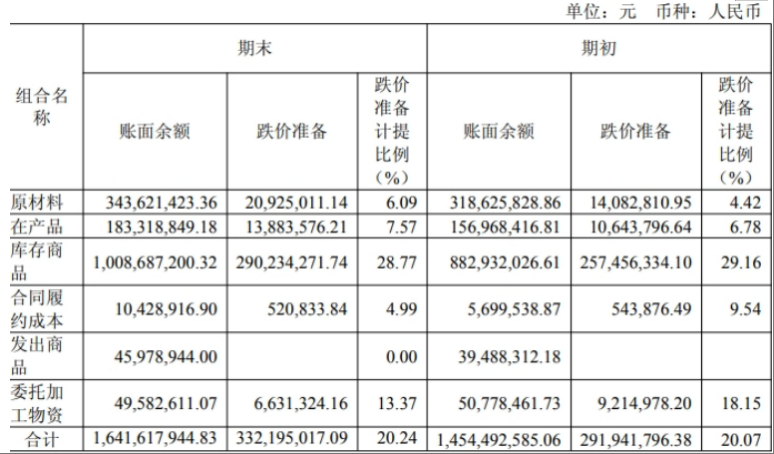
Core Viewpoint - The financial report of Haoyuan Pharmaceutical reveals a contradiction of "increased revenue and profit but decreased cash flow," indicating a shortfall in the quality of profitability amid scale expansion, raising alarms about the company's operational health [1] Financial Performance - In the first half of 2025, Haoyuan Pharmaceutical reported operating revenue of 1.311 billion yuan, a year-on-year increase of 24.20%, and a net profit attributable to shareholders of 155 million yuan, a significant year-on-year surge of 115.55% [1] - However, the operating cash flow turned negative, reaching -10.43 million yuan, a sharp decline of 113% year-on-year [1][2] - The company’s inventory impairment provision stood at 332 million yuan, accounting for 20.24% of the inventory book balance [1][3] Cash Flow and Inventory Issues - The negative cash flow is primarily attributed to high accounts receivable and inventory levels, with accounts receivable reaching 610 million yuan, up 16.89% year-on-year, and over 18.7% of accounts receivable being over one year old [2] - Inventory increased to 1.309 billion yuan, a 12.54% year-on-year rise, with over 80% consisting of raw materials and finished goods [2] - The inventory turnover days extended from 186 days in 2022 to 243 days in the first half of 2025, significantly higher than peers such as WuXi AppTec and Kanglong Chemical [2] Business Structure and Profitability - The company’s business is divided into front-end life science reagents and back-end raw materials and intermediates, with the front-end segment achieving revenue of 904 million yuan, a 29.2% increase, and a gross margin of 63.0%, contributing 69.4% of total revenue [5] - The back-end segment generated revenue of 399 million yuan, a 13.6% increase, but its gross margin fell to 17.8%, down from 20.05% in 2024, indicating competitive weaknesses [5] Sales and Marketing Expenses - Sales expenses surged to 130 million yuan, a 33.56% increase year-on-year, with the sales expense ratio rising from 9.25% in 2024 to 9.9% [7] Strategic Challenges - The company faces strategic challenges due to a lack of clear direction following a board reshuffle, with the new leadership failing to establish a coherent strategy for either maintaining traditional markets or advancing into high-end sectors [11][12] - The ongoing price competition from centralized procurement and the inability to secure significant orders due to underutilized capacity further complicate the company's operational landscape [11][12] R&D and Innovation - Haoyuan Pharmaceutical's R&D expenditure was 117 million yuan in the first half of 2025, a 4.23% increase, but the R&D expense ratio decreased from 9.0% in 2024 to 8.9%, falling below industry peers [12] - The company is at risk of being outpaced by technological advancements in the industry, particularly in areas like recombinant technology and synthetic biology, which could threaten its existing business model [13]


皓元医药十年狂飙:从1 亿元到22 亿元的增长神话,为何难掩现金流“失血” 与转型迷局?
Hua Xia Shi Bao· 2025-09-03 12:16
Core Viewpoint - The financial report of Haoyuan Pharmaceutical reveals a contradiction of "increased revenue and profit without increased cash flow," indicating concerns about the company's operational health amid its expansion efforts [2][4]. Financial Performance - In the first half of 2025, Haoyuan Pharmaceutical reported revenue of 1.311 billion yuan, a year-on-year increase of 24.20%, and a net profit attributable to shareholders of 155 million yuan, a significant year-on-year surge of 115.55% [2][4]. - However, the operating cash flow turned negative, reaching -10.43 million yuan, a sharp decline of 113% year-on-year [2][4]. - Inventory impairment provisions stood at 332 million yuan, accounting for 20.24% of the inventory balance, indicating potential issues with unsold products [5][7]. Cash Flow and Inventory Concerns - The company's accounts receivable exceeded 610 million yuan, up 16.89% year-on-year, with over 18.7% of receivables aged over one year [4][7]. - Inventory levels rose to 1.309 billion yuan, a 12.54% increase year-on-year, with over 80% consisting of raw materials and finished goods [4][7]. - The inventory turnover days increased from 186 days in 2022 to 243 days in the first half of 2025, significantly higher than competitors [4][7]. Business Structure and Profitability Risks - The business is divided into high-margin life science reagents and lower-margin raw materials and intermediates, with the former generating 904 million yuan in revenue (up 29.2%) and a gross margin of 63.0%, while the latter generated 399 million yuan (up 13.6%) with a gross margin of 17.8% [7][9]. - The disparity in profitability between the two segments raises concerns about the overall business health [7][9]. Increased Sales Expenses - Sales expenses surged to 130 million yuan, a 33.56% increase year-on-year, with the sales expense ratio rising from 9.25% in 2024 to 9.9% in 2025 [9][10]. Strategic Challenges and Market Position - The company faces challenges in transitioning from traditional markets to high-end sectors, with a lack of clear strategic direction following a board restructuring [11][14]. - The competitive landscape is tightening due to price wars initiated by centralized procurement, impacting the company's ability to secure significant orders [13][15]. - R&D investment remains below industry standards, with a research expense ratio declining from 9.5% in 2022 to 8.9% in the first half of 2025, which is lower than peers [14][15]. Industry Context - The challenges faced by Haoyuan Pharmaceutical reflect broader issues within the Chinese CDMO industry, as companies struggle to transition from "scale dividends" to "innovation dividends" amid evolving market dynamics [15].