清洁能源

Search documents
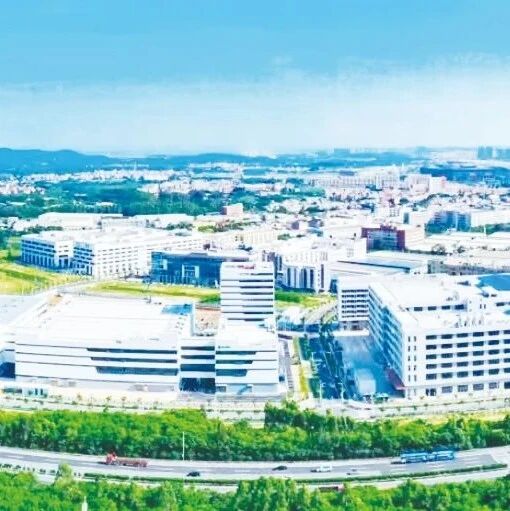
下一个五年,力争建成100个左右零碳园区
中国能源报· 2025-11-03 06:03
Core Viewpoint - The article emphasizes the importance of developing national-level zero-carbon parks during the "14th Five-Year Plan" period, aiming to create around 100 such parks to significantly boost the green low-carbon industry [3]. Group 1: Development and Significance of Zero-Carbon Parks - Zero-carbon parks are defined as areas where carbon dioxide emissions from production and daily activities are reduced to "near zero" levels, with the potential to achieve "net zero" conditions [4]. - The construction of zero-carbon parks is seen as a crucial step in the green transition, with various regions actively exploring this initiative and establishing local standards [4][5]. - The National Development and Reform Commission (NDRC) has issued systematic guidelines for zero-carbon park construction, marking a significant advancement in this area [4][5]. Group 2: Challenges in Implementation - Despite enthusiasm for zero-carbon park development, there are significant challenges, including misconceptions that equate zero-carbon parks solely with renewable energy projects [7]. - Key issues identified include the stable supply of green energy, the need for top-level industrial planning, and the establishment of international recognition mechanisms for carbon standards [7][9]. - Specific regional challenges, such as those faced by Jiangsu Province, highlight the difficulties in achieving high clean energy consumption ratios due to existing energy resource limitations [9]. Group 3: Strategies for Effective Development - A comprehensive understanding of carbon emissions sources is essential for effective planning and prioritization of reduction projects [10]. - Collaboration among various stakeholders, including industrial parks, enterprises, and power grids, is crucial for successful zero-carbon transitions [10]. - The article advocates for pilot projects in typical regions and industries to develop replicable models for zero-carbon park construction [10][11].

巴西媒体:“中国表明,不破坏环境也可实现增长”
Huan Qiu Wang· 2025-11-03 02:51
Core Viewpoint - China demonstrates that achieving growth without harming the environment is possible, gaining attention for its significant achievements in sustainable development and environmental protection [1][2]. Group 1: Environmental Initiatives - China has implemented various influential initiatives, such as the "Water Pollution Prevention Action Plan," aimed at revitalizing polluted water bodies due to rapid industrialization [1]. - The initiative has expanded environmental monitoring and encouraged public participation in water resource protection [1]. - Urban transportation in Beijing promotes the use of electric vehicles and bicycles, which are seen as small daily actions that can lead to significant improvements in urban living [1]. Group 2: Waste Management and Energy - China's environmental awareness is evident in clean streets and the presence of recycling centers that convert waste into electricity [2]. - A major waste-to-energy project in Brazil, located in São Paulo state, will process approximately 870 tons of waste daily to generate power, inspired by China's practices [2]. - From January to May, China added approximately 198 gigawatts of photovoltaic capacity and 46 gigawatts of wind power capacity, reflecting its commitment to clean energy development [2]. Group 3: Global Positioning - China has the potential to solidify its status as a major global power, largely due to its multilateral approach in foreign policy [2]. - The country is focused on enhancing relationships and cooperation with other nations while integrating its sustainable development actions into international policies [2]. - China's experience serves as an inspiration for Brazil and the world in terms of sustainable development and technological solutions [2].
政策有望驱动绿醇未来需求上行,绿色燃料投资元年
2025-11-03 02:35
Summary of Conference Call Notes Industry Overview - The focus is on the green methanol industry, driven by new policies from the International Maritime Organization (IMO) aimed at achieving zero emissions in the shipping sector by 2050 [1][2][4]. Key Points and Arguments - **IMO's Revised Emission Targets**: The IMO has advanced its zero-emission target to 2050, requiring shipowners to adopt measures such as slow steaming and wind-assisted propulsion. The new carbon tax policy includes the entire lifecycle carbon emissions of fuels, making traditional fuels less viable [2][4]. - **Green Methanol as a Key Alternative**: Green methanol is gaining attention due to its high safety, controllable costs, and compliance with IMO carbon tax requirements. Under neutral assumptions, the demand for green methanol-powered vessels could reach 40 million tons by 2030, positioning it as a significant clean energy option [1][4][5]. - **Cost Comparisons**: A lifecycle model indicates that biodiesel and green methanol are approximately twice as expensive as heavy oil. However, as carbon costs for heavy oil rise, biodiesel and hydrogen-powered vessels are expected to reach price parity with heavy oil between 2033 and 2034 [6][8]. - **Impact of IMO's Delay**: The IMO's one-year delay in policy announcements does not imply a relaxation of regulations. Historical trends show that IMO's environmental policies are strictly enforced, suggesting that companies should prepare for stricter standards in the coming years [7][8]. Additional Important Insights - **Current Market Prices for Emission Reduction**: The market trading price for current emission reduction costs ranges from $100 to $300 per ton. Biodiesel and green methanol can achieve price parity with heavy oil under certain conditions, such as specific pricing for green electricity and biodiesel [8][9]. - **Production Processes for Green Methanol**: Green methanol production involves several processes, including using green electricity, capturing CO2 from industrial sources, and utilizing biogas. Companies like Aerospace Engineering and Donghua Technology are positioned to benefit from these developments [9][10]. - **Trends in Green Fuel Development**: Both domestic and international trends in green fuel development are positive, with significant support from government policies and initiatives. Companies with green electricity resources, such as Goldwind Technology, are expected to gain advantages in this evolving market [11][12]. Conclusion - The green methanol industry is poised for growth due to regulatory pressures and the need for sustainable alternatives in shipping. Companies involved in the production and technology of green fuels are likely to see increased opportunities as the market evolves towards stricter environmental standards.
财信证券宏观策略周报(11.3-11.7):风格再平衡,关注低估且滞涨方向-20251102
Caixin Securities· 2025-11-02 10:57
Group 1 - The report emphasizes a style rebalancing in the market, focusing on undervalued and stagnant sectors as institutional funds tend to take profits from high-valuation stocks and shift towards low-valuation sectors during the fourth quarter [4][7][16] - The report highlights that the manufacturing PMI for October decreased by 0.8 percentage points to 49.0, indicating a contraction in the manufacturing sector, with both production and new orders indices showing declines [8][9] - The report notes that profits of industrial enterprises above designated size increased by 3.2% year-on-year from January to September, with September alone seeing a profit growth of 21.6%, driven by high-tech manufacturing and equipment manufacturing sectors [9][10][11] Group 2 - The report identifies key investment areas, including high-dividend large-cap blue chips such as banks and utilities, new consumption sectors like health and cultural tourism, and sectors benefiting from the "anti-involution" policy such as steel and photovoltaic [4][16] - The report discusses the ongoing reforms in the capital market, particularly the deepening of the ChiNext reform and the enhancement of the Beijing Stock Exchange's role as a capital market hub [12] - The report mentions the positive developments in US-China trade negotiations, which may enhance market resilience and provide a favorable environment for A-share performance [13][14]
智利麦哲伦大区8.3亿美元绿氢项目通过环评
Shang Wu Bu Wang Zhan· 2025-11-01 16:20
Core Insights - HIF Global has officially received environmental approval for its $830 million green fuel project in Chile's Magallanes region, marking a significant step in the development of the green hydrogen industry [1] - The project will establish a fuel chemical plant that utilizes electrolysis to produce synthetic fuels, powered by the South Wind Power Plant, with an annual output of 173,600 tons of e-methanol and 70,000 tons of e-gasoline [1] - The construction phase is expected to create 600 jobs, while the operational phase will provide 500 jobs [1] Industry Developments - The project is part of a broader strategy to transform Chile from an energy-importing country into a global clean energy supply hub [1] - The region is also home to two other major projects: HNH Energy with an investment of $11 billion and TotalEnergies with $16 billion, indicating significant investment interest in the area [1] - Although the TotalEnergies project has been delayed until the end of 2026 due to environmental inquiries, it remains the largest project ever submitted for environmental assessment in Chile's history [1]

如何让更多绿电穿越山海、点亮万家灯火?
Jing Ji Ri Bao· 2025-10-31 23:29
Core Viewpoint - The construction of a new energy system is essential for achieving carbon peak and carbon neutrality goals, with a focus on developing clean energy sources and reducing reliance on fossil fuels [1][5] Group 1: New Energy System Development - The new energy system aims to create a modern energy system dominated by non-fossil energy, ensuring energy security and facilitating a low-carbon transition [1][2] - By the end of the 14th Five-Year Plan, most new electricity demand will be met by increased clean energy generation [1] - The introduction of the Energy Law in 2024 provides a legal framework for the construction of the new energy system and new power systems [1] Group 2: Clean Energy Expansion - There is a need to significantly develop non-fossil energy sources, including wind, solar, hydro, and nuclear power, to enhance the clean energy portfolio [3] - The transition period requires the clean and efficient use of fossil fuels, with coal power being transformed into a flexible and stable energy source to support renewable energy [3] Group 3: Infrastructure and Technology - The establishment of a new power system requires the construction of high-capacity transmission lines and smart grid technologies to ensure efficient distribution and utilization of green electricity [4] - The integration of distributed energy resources will enable households and businesses to participate actively in energy production and consumption, fostering a green lifestyle [4] Group 4: Socioeconomic Impact - The shift to green energy will serve as a new engine for high-quality economic development, reducing production costs for businesses and enhancing competitiveness in international trade [4] - The transition to a new energy system is a comprehensive response to the aspirations for high-quality development, energy security, and improved living standards [5]
中国清洁能源助亚太绿色发展
Jing Ji Ri Bao· 2025-10-31 22:07
Group 1 - The Phu Cuong offshore wind power project in Vietnam, constructed by China Power Construction Group, is the first total contracting offshore wind project by a Chinese company overseas, with a capacity of 141 MW, saving 38,600 tons of standard coal and reducing CO2 emissions by 26,200 tons annually [1] - The project faced challenges due to variable coastal weather and strong winds, but achieved technical innovations through independent research and international cooperation in installation, transportation, and cable laying [1] - The project has trained a significant number of local technicians and managers, enhancing Vietnam's sustainable development capabilities in renewable energy [1] Group 2 - Chinese companies are actively participating in clean energy projects in the Asia-Pacific region under initiatives like the Belt and Road and Lancang-Mekong cooperation, expanding from hydropower and wind to waste-to-energy projects [2] - A renewable energy plant in Malaysia, constructed by Shanghai Electric, is designed to process 2,900 tons of waste daily, becoming the largest of its kind in the country, and is expected to generate 400 million kWh of electricity annually, saving 140,000 tons of standard coal [2] - The project aims to serve as a platform for community environmental education and promote green energy across ASEAN countries [2] Group 3 - The China General Nuclear Power Group is constructing a clean energy base in northern Laos, planning a 10,000 MW integrated clean energy system, with the first phase of 1,000 MW solar power expected to start in late 2024 [3] - The project emphasizes ecological protection, ensuring zero occupation of forest reserves and villages, while also training 50 local professionals in renewable energy technology [3]
MasTec(MTZ) - 2025 Q3 - Earnings Call Transcript
2025-10-31 14:00
Financial Data and Key Metrics Changes - Revenue for the third quarter was just shy of $4 billion, representing a 22% year-over-year increase [4] - Adjusted EBITDA was $374 million, a 20% year-over-year increase, marking the highest level since Q1 2024 [4] - Adjusted earnings per share was $2.48, exceeding consensus by nearly $0.20 [4] - Backlog at quarter end was $16.8 billion, a sequential increase of approximately $325 million [4] Business Line Data and Key Metrics Changes - Communications segment revenue grew by 33% year-over-year, with EBITDA increasing by 38% [5] - Clean energy and infrastructure segment revenue increased by 20% year-over-year, with EBITDA improving by 36% [5] - Power delivery segment revenue grew by 17% year-over-year, with EBITDA increasing by 21% [5] Market Data and Key Metrics Changes - Total backlog increased by 21% year-over-year, with a book-to-bill ratio of 1.1 times [7] - Communications segment backlog totaled $5.1 billion, showing a slight sequential increase despite record quarterly revenue [18] - Power delivery backlog increased by 11% year-over-year, with expectations for continued growth [10] Company Strategy and Development Direction - The company is focused on diversifying its business to benefit from the changing landscape of power generation and delivery [6] - There is a strong outlook for continued growth driven by significant investments in infrastructure across communications, energy, and power sectors [27] - The company is actively pursuing a disciplined, return-focused capital allocation strategy, including investments in equipment and capacity expansion [27] Management's Comments on Operating Environment and Future Outlook - Management expressed confidence in the growth trajectory of the business across all operating segments, citing strong infrastructure investment needs [27] - The company remains optimistic about the power delivery segment, expecting double-digit growth in revenues and EBITDA for the full year 2025 [10] - Management highlighted the importance of ongoing investments in operating productivity and cost management to achieve better margins [25] Other Important Information - The company generated cash flow from operations of $89 million in Q3 and free cash flow of $36 million [26] - Total liquidity at the end of the quarter was approximately $2 billion, with net leverage of 1.95 times [27] - The company has a share repurchase authorization and will deploy capital for buybacks opportunistically [27] Q&A Session Summary Question: Can you provide guidance on pipeline backlog revenue for 2026? - Management indicated optimism about achieving double-digit growth in 2026, with substantial growth expected in 2027 and beyond based on committed projects [30][31] Question: What is the expected CapEx level for 2026? - CapEx is expected to be around $350 million, slightly above depreciation levels, reflecting growth opportunities in the pipeline segment [32][33] Question: How are permitting issues with GreenLink impacting guidance? - The change in guidance is primarily due to GreenLink, with expected revenue for 2025 now around $250 million, significantly lower than previous expectations [38][39] Question: How many large projects can the company handle simultaneously? - Management expressed confidence in handling multiple projects, emphasizing that most of the power delivery business is maintenance-driven, providing a stable revenue base [41][42] Question: Is $8 EPS still achievable for next year? - Management is comfortable with consensus estimates of over $8 EPS, supported by expected revenue and EBITDA growth [44][45] Question: What is the outlook for margins in the communications segment? - Margins in the communications segment improved to 11.3%, with expectations for continued growth driven by investments in new geographies [50][51] Question: How does the delay in GreenLink affect overall project profitability? - Management does not expect any negative impact on profitability from the GreenLink project, only a shift in timing [54][55]

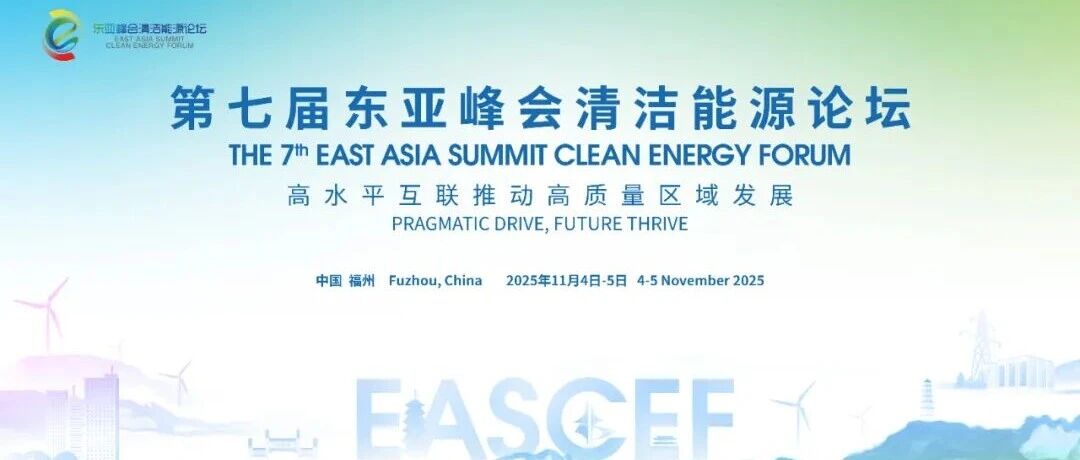
预告︱第七届东亚峰会清洁能源论坛即将开幕
国家能源局· 2025-10-31 13:45
Core Viewpoint - The article highlights the upcoming 7th East Asia Summit Clean Energy Forum, emphasizing the importance of regional cooperation in clean energy and the commitment to high-quality regional development through enhanced connectivity [2] Group 1: Event Overview - The forum will take place from November 4 to 5 in Fuzhou, Fujian Province, co-hosted by China's National Energy Administration, Malaysia's Ministry of Energy and Water Management, and the Fujian Provincial Government [2] - The theme of the forum is "High-level Connectivity Promotes High-quality Regional Development," aligning with ASEAN's annual energy theme and regional energy development priorities [2] Group 2: Forum Structure - The forum will feature four sub-forums focusing on New Energy and New Technologies, the role of women in regional clean energy development, sustainable hydropower, and green investment [2] - The first day will include an opening ceremony, keynote speeches, and a results release ceremony, along with the sub-forums, while the second day will involve site visits [2]
浙江五年对共建“一带一路”国家直接投资项目超2400个
Zhong Guo Xin Wen Wang· 2025-10-31 13:40
Core Insights - Zhejiang Province has made significant progress in high-level opening up during the "14th Five-Year Plan" period, particularly in its participation in the Belt and Road Initiative, with over 2,400 direct investment projects in Belt and Road countries [2][3] Group 1: Connectivity Enhancement - Over the past five years, the Ningbo-Zhoushan Port in Zhejiang has strengthened its connectivity, launching over 130 Belt and Road shipping routes, including the world's first China-Europe Arctic Express route in September this year [2] - The cumulative number of China-Europe freight trains (Yixinou) from Zhejiang has surpassed 13,000, covering over 160 cities in more than 50 countries and regions across Asia and Europe, making it one of the most market-oriented and high-capacity freight train services in the country [2] Group 2: Trade Growth - The import and export volume between Zhejiang and Belt and Road countries has increased from 1.16 trillion yuan in 2020 to 2.90 trillion yuan in 2024, with its share of the province's total trade rising from 34.1% to 55.2% [3] - The province has deepened the construction of platforms such as the commodity resource allocation hub, Yiwu Small Commodity City, cross-border e-commerce pilot zones, and overseas warehouses, leading to continuous innovation in trade models [3] Group 3: Private Sector Participation - During the "14th Five-Year Plan," Zhejiang's direct investment in Belt and Road countries exceeded 37 billion USD, with over 90% of these investments coming from private enterprises, which have become the main force in the province's Belt and Road participation [3] - Notable overseas industrial parks, such as the Thailand-China Rayong Industrial Park and Vietnam's Long Jiang Industrial Park, have emerged as important vehicles for Zhejiang's private enterprises to optimize their global layout and expand international markets [3] Group 4: Cultural Exchange - The "Silk Road Academy," focusing on vocational education cooperation, has expanded significantly, with 50 universities in Zhejiang establishing 65 Silk Road Academies in 41 countries and regions [3] - The province has actively participated in health cooperation projects, such as building hospitals in Mali, Central Africa, and Namibia, and has established overseas centers for traditional Chinese medicine in Belarus, New Zealand, and Cuba [3]