传感器

Search documents
康斯特:公司高端压力传感器及相关终端产品主要定位在工业领域
Zheng Quan Ri Bao Wang· 2025-08-04 10:17
Group 1 - The company, Kangst (300445), focuses on high-end pressure sensors and related terminal products primarily in the industrial sector [1] - The first phase of the product is currently in the capacity ramp-up stage, with an initial emphasis on replacing externally sourced sensors in detection instruments [1] - The goal is to achieve stable capacity enhancement and rapid product iteration [1]

让机器人拥有智能触觉,「悟通感控」获数千万元融资 | 早起看早期
36氪· 2025-08-01 00:17
Core Viewpoint - The article discusses the advancements and commercialization of flexible tactile sensing technology by "Wutong Gankong," highlighting its significance in robotics and medical applications, particularly in enhancing the interaction between robots and the physical world [1][2]. Group 1: Company Overview - "Wutong Gankong" recently completed several rounds of financing, raising tens of millions of yuan, with investments from various venture capital firms [1]. - The company was founded in 2023 by Chen Liyang, who has a strong academic background and experience in robotics and supply chain management [2]. - The core hardware team consists of members from prestigious universities, and the company has already attracted talent from renowned scientific institutions [2]. Group 2: Technology and Innovation - The company focuses on overcoming the "impossible triangle" of tactile sensors, which includes sensitivity, stability, and wide range, by developing a novel non-electric flexible sensing technology [2][5]. - The new technology utilizes an "ionic water film" that significantly enhances signal strength, allowing the sensors to detect minute changes in weight while withstanding high pressure [5][6]. - Innovations such as "molecular anchoring" have been introduced to address issues of signal drift and stability, achieving a long-term static drift rate of only 3.34% after extensive use [10][11]. Group 3: Market Applications - The initial commercial application of the sensors is in the medical field, specifically for knee joint replacement surgeries, where precise pressure measurement is crucial for successful outcomes [15]. - The company is also targeting the renewable energy sector, particularly in lithium battery management systems, where pressure signals can provide early warnings of thermal runaway [17]. - The global market for flexible tactile sensors is projected to grow significantly, from approximately $1.53 billion in 2022 to $5.32 billion by 2029, with a compound annual growth rate of 17.9% [18].


监察风暴来袭!17位A股一把手被留置,已有人被刑拘
商业洞察· 2025-07-31 09:25
Core Viewpoint - The article discusses the recent wave of investigations and detentions of executives from various listed companies in China, highlighting the extensive reach of regulatory scrutiny across multiple industries, including agriculture, manufacturing, home retail, information technology, environmental protection, chemicals, military, healthcare, and new energy [2][3]. Group 1: Overview of Detained Executives - As of this year, 18 listed companies have had 19 executives subjected to detention measures by regulatory bodies, primarily targeting founders, actual controllers, and chairpersons [3][4]. - Notable cases include the detention of prominent figures such as the founders of major home retail companies, indicating a significant impact on the industry [3][4]. Group 2: Specific Cases - The recent case of Wang Linpeng, the actual controller and CEO of Juran Smart Home, who was initially detained and later returned to work, only to pass away shortly after, has raised questions about the circumstances surrounding his death [5][6]. - Guo Baichun, chairman of Yayi International, was detained for alleged embezzlement and abuse of power, with his case highlighting the dramatic nature of his return to China after fleeing abroad [8][9]. - Dan Senlin, chairman of Senba Sensor, was detained for a brief period, which is unusual, and his involvement in both sensor and liquor industries has drawn attention [10]. Group 3: Industry Impact - The ongoing investigations have led to significant turmoil within companies, affecting their operations and stock prices, as seen with Meikailong, which has faced substantial losses despite high dividend payouts [12][17]. - The detention of executives from companies like Zhongfu Information, which operates in sensitive sectors related to national security, raises concerns about potential irregularities in their business practices [16]. Group 4: Regulatory Implications - The reasons for detentions include allegations of embezzlement, abuse of power, and serious job-related violations, indicating a pattern of misconduct among high-ranking officials [18]. - The article emphasizes the need for listed companies to adhere to regulatory standards and maintain ethical governance to protect shareholder interests and ensure market integrity [18].







山西证券研究早观点-20250731
Shanxi Securities· 2025-07-31 01:18
研究早观点 2025 年 7 月 31 日 星期四 市场走势 资料来源:最闻 国内市场主要指数 | 指数 | | 收盘 | 涨跌幅% | | | --- | --- | --- | --- | --- | | 上证指数 | | 3,615.72 | 0.17 | 持续上涨 | | 深证成指 | | 11,203.03 | -0.77 | | | 沪深 | 300 | 4,151.24 | -0.02 | | | 中小板指 | | 6,961.64 | -0.47 | | | 创业板指 | | 2,367.68 | -1.62 | | | 科创 | 50 | 1,058.57 | -1.11 | | 资料来源:最闻 分析师: 李明阳 【今日要点】 2019 年 2 月 21 日 星期四 请务必阅读最后股票评级说明和免责声明 1 【宏观策略】海外市场周观察(20250721~20250727) 【行业评论】化学原料:新材料周报(250721-0725)-世界人工智能大 会正式开幕,人形机器人领域材料有望实现高速发展 【山证农业】海大集团 2025 年半年报点评-饲料业务基本面显著回升 【山证专精特新】安培龙(30 ...
民营企业转型发展与城市共生
Chang Jiang Ri Bao· 2025-07-31 00:47
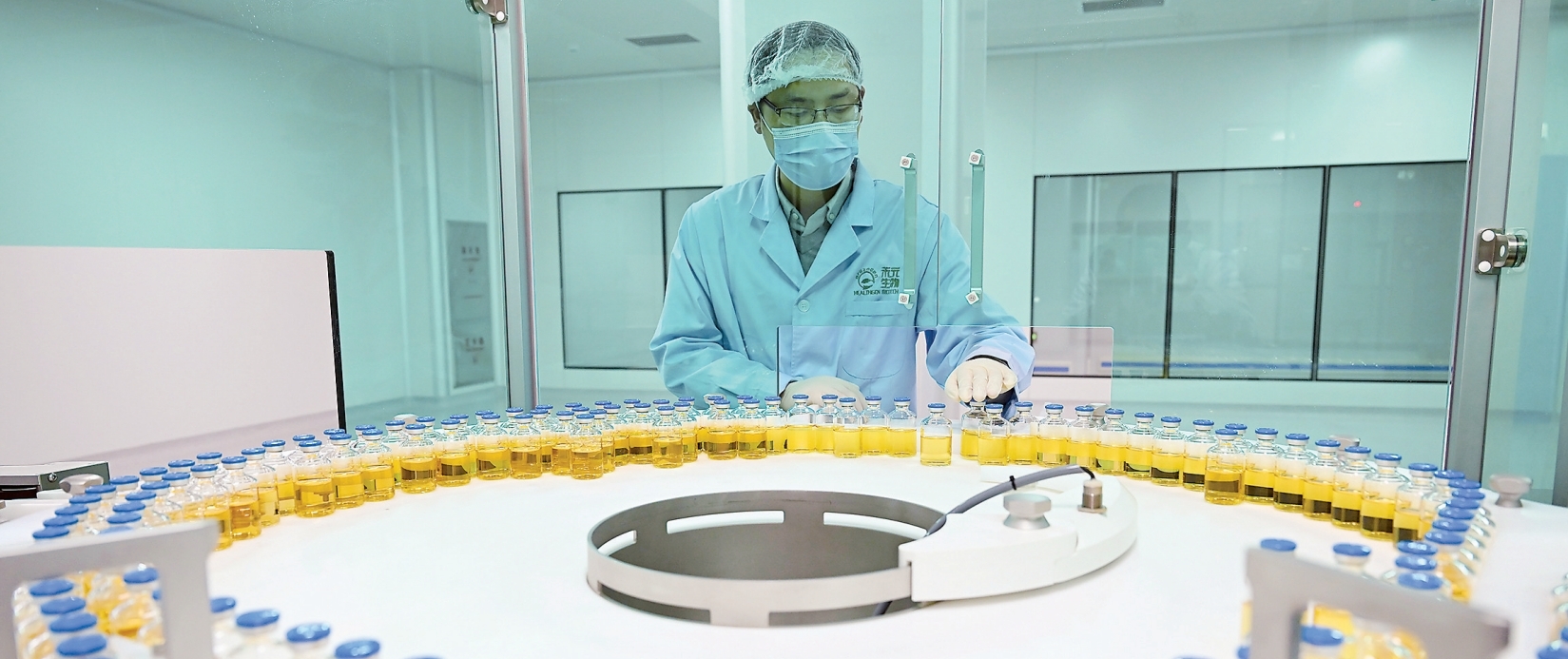
Group 1 - Anpao Optoelectronics has established the world's first autonomous 8-inch thin-film lithium niobate wafer production line, positioning itself in the next-generation optical communication market [1] - The private enterprise Heyi Biotech has developed a recombinant human albumin injection (from rice), which has been approved for sale, becoming the world's first "rice-based" innovative drug [3][8] - The industrial investment in Wuhan is significantly driven by private enterprises, with nearly 70% of the total investment coming from them [4][5] Group 2 - Wuhan's high-tech manufacturing industry saw a 15.7% increase in value added in the first half of the year, with private enterprises contributing nearly half of the city's tax revenue [2] - The "little giant" enterprises and newly regulated companies in Wuhan have maintained double-digit growth in industrial output, significantly contributing to the development of emerging industries [9] - The total import and export volume of Wuhan's private enterprises reached 252.94 billion yuan in 2024, an 18.2% increase from 2023, accounting for 62.7% of the city's total import and export volume [11] Group 3 - Private enterprises in Wuhan are playing a crucial role in employment, contributing over 80% to the employment of new college graduates [12] - The private sector's R&D expenditure among the top 100 private enterprises in Wuhan increased by 21.36% compared to the previous year [5] - Companies like Sifang Optoelectronics are breaking international monopolies with their sensor integration modules, showcasing the global competitiveness of Wuhan's private enterprises [10]


济南高新这家“小巨人”冲刺新三板!去年净利润超千万
Da Zhong Ri Bao· 2025-07-30 10:10
Core Viewpoint - Shandong Weiguan Optoelectronics Co., Ltd. (Weiguan) has applied for listing on the New Third Board, driven by strong downstream customer demand, projecting revenue growth to 101.51 million yuan and net profit to 14.50 million yuan in 2024 compared to 2023 [1][3]. Company Overview - Established in December 2004 with a registered capital of 30 million yuan, Weiguan specializes in laser and fiber optic sensing products and solutions, positioning itself as a high-tech enterprise [1][2]. - The company is recognized as a national "little giant" enterprise and has received accolades as a "gazelle enterprise" and a manufacturing champion in Jinan [1]. Financial Performance - Revenue for 2023, 2024, and January 2025 is reported as 80.53 million yuan, 101.51 million yuan, and 10.38 million yuan, respectively, with net profits of 5.12 million yuan, 14.50 million yuan, and 0.79 million yuan [3]. - The main business revenue consists of laser and fiber optic sensing products, accounting for over 99% of total revenue during the reporting period [3]. Profitability Metrics - The gross margin for the main business was 43.10%, 49.41%, and 44.92% for the respective years, with an increase in 2024 attributed to market demand expansion and cost optimization [3]. - The company has focused on developing high-value-added products, contributing to the upward trend in revenue and gross margin [3]. Expense Analysis - The proportion of operating expenses to revenue remained relatively stable at 39.48%, 34.94%, and 36.42% during the reporting period [4]. - Research and development expenses were significant, amounting to 16.83 million yuan, 16.35 million yuan, and 2.22 million yuan, representing 20.91%, 16.11%, and 21.40% of revenue, respectively [4]. Accounts Receivable - Accounts receivable values were 21.44 million yuan, 35.52 million yuan, and 42.17 million yuan at the end of each reporting period, indicating a rising proportion of current assets [4]. - The company acknowledges potential risks related to the collection of accounts receivable, despite most customer accounts being less than one year old [4]. Raw Material Costs - The cost of raw materials, primarily optical devices and electronic materials, constituted a high percentage of the main business costs, at 76.63%, 77.31%, and 93.36% during the reporting period [5]. - The company warns that significant fluctuations in raw material prices could adversely affect its operational performance [5].
东方电热:上海织识的柔性织物压力传感技术主要应用于智能汽车等领域
Zheng Quan Ri Bao· 2025-07-30 09:43
Group 1 - The core viewpoint is that Dongfang Electric Heat is actively engaging in the flexible fabric pressure sensing technology, which has applications in various sectors including smart automobiles, medical care, sports, and robotics [2] - The technology also has potential applications in military and low-altitude fields, indicating a broad scope for future development [2]

东方电热:上海织识具有较强的技术优势,短期内竞品超越的可能性较小
Zheng Quan Ri Bao Wang· 2025-07-30 09:42
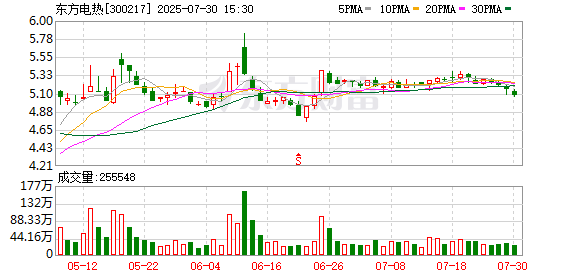
证券日报网讯东方电热(300217)7月30日在互动平台回答投资者提问时表示,目前为止,上海织识是 国内唯一一家耐久性实现车规级、精度实现仪器级的柔性织物传感器企业,具有较强的技术优势,短期 内竞品超越的可能性较小。 ...
安培龙(301413):温度、压力及氧传感器夯实基础 力传感器开辟机器人应用新场景
Xin Lang Cai Jing· 2025-07-30 04:31
Core Viewpoint - The company specializes in the research, production, and sales of thermistors, temperature sensors, oxygen sensors, and pressure sensors, possessing a leading intelligent sensor R&D platform and mastering key core technologies across the entire industry chain from materials to chips to sensors [1] Group 1: Company Overview - The company's main products include pressure sensors, oxygen sensors, temperature sensors, PTC thermistors, NTC thermistors, and torque sensors, which are widely used in various fields such as automotive, robotics, smart home, photovoltaic, energy storage, charging piles, IoT, consumer electronics, aerospace, and industrial control [1] - The revenue composition indicates that thermistors and temperature sensors, along with pressure sensors, are the primary sources of income, each accounting for nearly 50% in 2024 [1] - The company has experienced steady revenue growth with a year-on-year growth rate of approximately 20% from 2020 to 2024, while maintaining a gross margin of around 30% from 2021 to 2023 [1] Group 2: Market Potential - The global market for thermistors is expected to grow steadily, with NTC and PTC market sizes projected to reach 5.1 billion and 477 million USD by 2030, respectively [2] - The temperature sensor market is anticipated to reach 8.646 billion USD by 2030, with significant contributions from home appliances, consumer electronics, and industrial sectors [2] - The company has expanded its application scenarios from home appliances to automotive, photovoltaic, energy storage, and medical fields, indicating promising future development [2] Group 3: Product Development - The company is rapidly developing pressure sensors, with the global market for mid-high pressure sealed pressure sensors expected to reach 58.9 million USD and low-pressure sealed pressure sensors projected to reach 15.2 million USD by 2032 [3] - The company offers a range of pressure sensor products, including ceramic capacitive, MEMS, and glass micro-melt pressure sensors, covering low, medium, and high-pressure ranges, with some products already in mass delivery in the automotive sector [3] - The company is also developing force sensors based on MEMS technology and glass micro-melt processes, which are expected to see rapid growth as application scenarios industrialize [3] Group 4: Oxygen Sensors - Initially used in home appliances, the company's oxygen sensors have successfully expanded into automotive and medical industries, with the global oxygen sensor market projected to reach 7.417 billion USD by 2032 [4] - Major players in the oxygen sensor market include DENSO, Niterra, Bosch, Drager, and Walker Products, with the top five manufacturers holding nearly 70% of the market share [4] - The company is set to become the first domestic sensor company to secure a project in the automotive front-mounted market for oxygen sensors by 2024 [4] Group 5: Financial Forecast and Valuation - Revenue projections for the company from 2025 to 2027 are 1.17 billion, 1.44 billion, and 1.76 billion CNY, with growth rates of 24.5%, 23.1%, and 22.2% respectively [5] - Net profit forecasts for the same period are 112 million, 143 million, and 180 million CNY, with growth rates of 36.1%, 27.0%, and 26.1% respectively [5] - The company is expected to benefit from its mastery of the entire industry chain, the ongoing trend towards domestic production of sensors, and the rapid development of humanoid robots, leading to a positive outlook for future growth [5]

万通智控签订板卡具身智能领域独家授权协议 推动多元化发展
Zheng Quan Shi Bao Wang· 2025-07-29 11:28
Core Viewpoint - The company, Wantong Intelligent Control, has signed an exclusive sales and cooperation agreement with Shanghai Shenming Aosi Semiconductor Technology Co., Ltd. to produce and sell boards based on the Fellow1 chip in the field of embodied intelligence [1][2]. Group 1: Agreement Details - The agreement allows Wantong Intelligent Control to manufacture and sell boards using the Fellow1 chip, with procurement based on sales performance and market expectations [1]. - Wantong Intelligent Control must inform Shenming Aosi before initiating any design projects with clients, and both parties will share a customer coding system [1][2]. - The exclusive authorization period is set for five years, with the possibility of renewal or termination six months prior to expiration [2]. Group 2: Industry Context and Future Plans - The intelligent driving and robotics industries are experiencing significant growth, prompting leading automotive companies to explore robotics [2]. - Wantong Intelligent Control aims to leverage its strengths in large model chips, sensors, and sales channels to accelerate product deployment in the field of embodied intelligence [2]. - The company has set development goals for the next three years, focusing on digital and intelligent products, optimizing product structure, and expanding into the embodied intelligence perception field [3]. Group 3: Financial Performance - In the first half of the year, Wantong Intelligent Control reported a net profit of 87.75 million to 99.86 million yuan, representing a year-on-year growth of 45% to 65% [3]. - The increase in profit is attributed to product structure optimization and a higher proportion of high-margin sensor and digital information control device businesses [4]. - The growth in the passenger vehicle TPMS business is driven by the expanding aftermarket replacement market, while the commercial vehicle market shows stable demand [4].