
烘焙

Search documents
2025年烘焙行业深度资讯全解析 | 第九期
东京烘焙职业人· 2025-06-14 01:29
东京烘焙职业人为方便大家及时了解行业内的最新动态,包括:供应商产品资讯、服务商动 向、教培动态、行业及周边行业活动、相关赛事进程等,特开设周六行业资讯分享特别板块,定期 为大家更新上述相关内容,帮助大家快速了解行业一手信息。 我们探寻烘焙行业更多不同细分领域的元素,只为更好地推动烘焙行业的发展。 本期看点 烘焙设备 烘焙原材料 1、 金城制冷【中心开放展示柜】 2、 韩焙科技【BRESSO®冠军联盟MAX烤箱 】 3、 三能【咖啡滤纸】 4、安琪【预制 面种 连续生产设备】 5、新麦机械【分割机】 6、藤泽丸善【全自动瑞士卷生产线】 7、辰品食品机械【中式汉堡胚成型机】 8、恒联食品机械【商用双动和面机】 9、Birminton【私房组合炉】 10、元焙烘焙设备【分体层炉】 1、嘉吉【星贝可乳脂奶油】 2、科麦【木田制粉北海道产小麦粉】 3、雀巢【丝滑牛乳乳饮品】 4、尚贝利【巧克力系列】 5、奥昆【爆汁鲜肉饼】 6、南顺金像【青稞面包预拌粉】 7、随果乐【复配浓浆系列】 8、奥良德【日式面包粉系列】 9、白燕【顺芯面包小麦粉】 服务商动态 教育培训 10、顶焙良品【青稞面包粉】 11、丁丁立【意塔米尔酸面种 ...

2025年第23周:食品饮料行业周度市场观察
艾瑞咨询· 2025-06-12 09:32
Group 1 - The Chinese herbal health water market is rapidly growing, with brands like Laoshang Baihua Shecao Water and Yuanqi Forest leading the way, expected to exceed 10 billion yuan by 2028. However, issues such as poor taste, severe homogenization, and inadequate channel distribution are prominent [2][9][32] - The beer and beverage industries are increasingly overlapping, with beer companies like Chongqing Beer and Yanjing Beer entering the non-alcoholic beverage market, while beverage companies are attempting to enter the alcoholic sector, indicating a competitive landscape that requires precise consumer and scenario positioning [3][18] - The compound seasoning industry in China is experiencing rapid growth, with a market size reaching 203.2 billion yuan in 2023, accounting for 34% of the total seasoning market, driven by the rise of restaurant chains and the popularity of takeout culture [5] Group 2 - The trend of "Chinese medicine + dining" is gaining traction among young consumers, but issues such as illegal additives and exaggerated efficacy are prevalent, highlighting the need for improved regulations and quality control in the industry [7] - The beverage market is seeing a rise in functional drinks favored by young consumers, with platforms like Xiaohongshu driving trends and product popularity, particularly in the juice category [8][26] - The launch of "Wahaha's" new sugar-free tea brand "Wah Xiaozong" aims to capture the young consumer market, with a focus on product differentiation and brand transformation [13] Group 3 - The energy drink market is dominated by Dongpeng Beverage, which reported a revenue of 15.84 billion yuan and a net profit of 3.33 billion yuan in 2024, but faces uncertainties regarding future growth due to reliance on its flagship product [21] - The non-alcoholic beverage market is becoming increasingly competitive, with Yanjing Beer launching a new soda product to adapt to market trends and consumer preferences [18] - The rapid growth of the "no-sugar tea" market is evident, with brands like "Guozi Shule" achieving significant sales increases through innovative product design and marketing strategies [34]

法兰西的灵魂——从一根法棍,读懂法国人的味觉
东京烘焙职业人· 2025-06-12 08:51
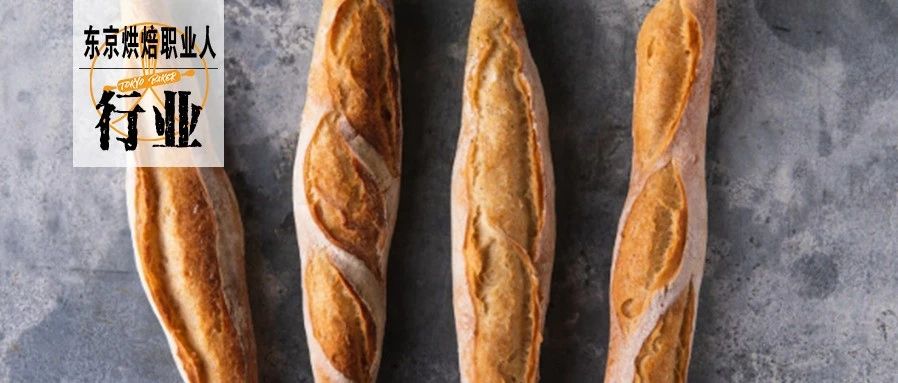
它 细 长 如 棍 , 外 脆 里 嫩 ; 它 是 法 国 街 头 最 常 见 的 风 景 , 也 是 面 包 中 的 " 国 家 象 征 "—— 它 就 是 Baguette,法棍。 每一个烘焙师入行,它都是基础课程。但你是否想过,这根在全世界都广为人知的法式面包,是如 何变成现在这个样子的?它为何细长?用什么做成?要通过怎样的"考核"才能称之为真正的"法 棍"? 今天就来揭开这根面包的奥秘。 因为从老师那里学习的就是细长的啊 ...(bushi ) 其实这并不是一个能随口回答出来的问题不是吗?当顾客提出该问题时,你是否有自信给出答案? 实际上,面包师、店员或店长可能会给出 "因为......所以要卷起来" 等模糊回答。然而,面包行业的 专业书籍中却未详细解释为何法棍要烤成细长形状。仔细思考会发现,世界上几乎只有法国面包是 这种独特形状,这背后的原因值得探究。 网络给出很多解释,比如: " 为了夹火腿更方便 "" 是为了加快烘焙时间 " , 甚至还有 " 因为法律规 定面包师晚上不能工作所以才这样做了 " 的说法。 但这些都只是"部分真相"甚至"误解"。如果我们从 历史、消费逻辑、技术发展与文化心理 几个角 ...
全球烘焙工业化的教科书:年销售额1600亿元的宾堡,如何用一片面包征服全球?
东京烘焙职业人· 2025-06-10 08:29
Core Viewpoint - The article highlights the significant growth and strategic evolution of Bimbo, a leading player in the global baking market, emphasizing its innovative approaches and market penetration strategies, particularly in China [3][12][18]. Group 1: Global Baking Market Overview - The global baking market reached a size of $440 billion in 2022, with the Americas accounting for 36.9% of the market share, and bread products dominating at 54.8% [3]. - Bimbo holds a 3.4% global market share, leading the industry ahead of competitors like Yamazaki (1.4%) and Flower Foods (0.7%) [3]. - As of 2023, Bimbo's annual revenue reached $22.5 billion (approximately 160 billion RMB), with a market capitalization exceeding $22.3 billion [3]. Group 2: Bimbo's Historical Growth - Founded in 1945 by Lorenzo Servitje in Mexico City, Bimbo started with 34 employees and faced early challenges, including product spoilage and competition [5]. - The introduction of glassine packaging in 1948 extended the shelf life of bread from 8 hours to 72 hours, revolutionizing the distribution of baked goods [5]. - Bimbo established a "central factory + capillary wholesale network" in the 1950s, covering 83% of small grocery stores in Mexico by 1963 [6]. Group 3: Global Expansion Strategy - Bimbo entered the U.S. market in 1984, initially facing losses but later adjusted its strategy through acquisitions, including Oroweat and Mrs. Baird's [7]. - The company expanded into Europe and Asia between 2000 and 2010, acquiring major local brands and significantly reducing waste rates in Spain [8]. - Bimbo implemented a "T+12 production rule," ensuring rapid order fulfillment and optimizing inventory turnover to 6.2 days [9]. Group 4: Insights from the Chinese Market - Bimbo's entry into China began with the acquisition of Beijing Panrico in 2006, followed by further acquisitions to create a multi-brand matrix [12]. - The company established a dual R&D center and regional factory cluster to adapt to China's market demands, achieving a 5-day inventory turnover [13]. - Bimbo's product innovation includes localized flavors and health-focused offerings, addressing the 35% of consumers seeking low-sugar options [14]. Group 5: Sustainable Growth Strategies - Bimbo's approach in China illustrates the importance of localizing global resources and adapting supply chain management to fit the e-commerce landscape [17]. - The company targets segmented markets with its three-brand strategy, avoiding direct competition in the short-shelf-life market [17]. - Bimbo's innovation extends into the snack sector, blurring the lines between baking and snacking, similar to successful strategies employed by other global brands [17]. Group 6: Future Outlook - Bimbo's extensive market presence across 34 countries and its diverse product range position it as a significant player in the global food industry [18]. - The company's strategic focus on health and sustainability is expected to redefine food consumption patterns in the future [18].

“贵价”面包又掀种草热潮?Z世代的“可负担奢侈”正重塑烘焙市场
东京烘焙职业人· 2025-06-10 08:29
Core Viewpoint - The article discusses the evolving consumer behavior in the bakery market, particularly among young people, who are increasingly willing to pay a premium for perceived value and quality in baked goods, reflecting a shift in their consumption philosophy [4][6][11]. Group 1: Consumer Behavior Changes - Young consumers are showing less price sensitivity and are willing to pay more for quality baked goods, indicating a shift from simply seeking low prices to valuing "perceived value" [4][11]. - The concept of "value transparency" is becoming crucial, as consumers are now more informed and critical about the ingredients and quality of the products they purchase [6][11]. - The acceptance of high-priced bread is supported by data, with 40.1% of consumers spending between 21-40 yuan per purchase, and 23.3% spending between 41-60 yuan [11]. Group 2: Market Dynamics - The bakery market is experiencing a transformation where consumers are prioritizing quality and authenticity over brand prestige, leading to a "silent revolution" in consumption patterns [4][6]. - Successful bakeries are leveraging local ingredients and traditional flavors to create a unique value proposition, moving away from mere imitation of foreign styles [22][24]. - The market for premium bread is expected to remain, but not all high-end brands will succeed, as it depends on their ability to maintain quality and consumer interest [26][28]. Group 3: Emotional and Social Aspects - The willingness to pay for premium baked goods is also tied to emotional satisfaction, with consumers viewing these purchases as rewards for their hard work [13][31]. - The concept of "social currency" is evolving, where knowledge about quality ingredients and baking techniques becomes a form of social capital among young consumers [15][31]. - Visual appeal plays a significant role in consumer choices, with attractive presentation being a key factor in driving sales [18][20].
【法国探店】曾被英国女王翻牌的面包店!在巴黎最古老的面包店get皇室最爱同款!
东京烘焙职业人· 2025-06-09 06:36
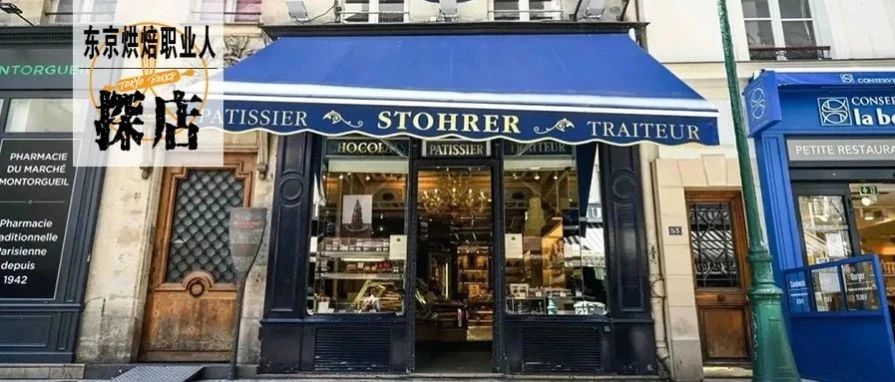
跟随皇室成员,品尝巴黎最古老的面包店—— 「Pâ tiss e r i e St ohr e r」 。 曾被英国女皇伊丽莎白二世翻牌,它的历史可以追溯到1 8世纪…… 创始人 尼古拉斯·斯托雷尔(Ni c o l a s St ohr e r) 来自法国东部的阿尔萨斯,曾为波兰国王工作。 波兰公主玛丽·莱什琴斯卡与法国路易十五结婚后,这位新娘把他父亲的御用糕点师Ni c o l a s St o h r e r带到了凡尔赛。 1 7 3 0年,St o h r e r获得了路易十五的准许,在巴黎蒙托格伊街开了这家面包店,自那之后就开始正式服务皇室。 英国女皇伊丽莎白二世 还曾在 2 0 0 4年访问法国时来过这里。当然这里也很欢迎普通老百姓。 店内装潢由1 9世纪旅居巴黎的法国画家 Paul Baudr y 设计,整体采用了巴洛克风格,光是看着就是一场视觉享受。 店里蓝色马赛克上镶嵌的St o h r e r几个大字和上方王冠的设计暗示着这里由王室御用甜点师创办。 1 9 9 2 年,巴黎市政府在希拉克总统时期下令为市内7 6 7 个古迹设立 「巴黎历史」立牌 ,用文字介绍过去史实,强化地景印象,St o h ...
从原料选择到制作工艺全面革新 烘焙食品从“被动式健康”转向“主动式健康管理”
Zhong Guo Chan Ye Jing Ji Xin Xi Wang· 2025-06-09 00:13
Core Insights - The baking industry in China is undergoing a transformation towards healthier products, driven by changing consumer preferences for nutritional value and ingredient transparency [1][4][7] Group 1: Market Growth and Consumer Demand - The global baking market reached a size of $248.8 billion in 2022 and is projected to grow to $394.3 billion by 2032, indicating significant growth potential [2] - China's baking market is expected to reach approximately 859.56 billion yuan by 2029, reflecting increasing consumer demand [2] - The primary consumers of baked goods in China are women, particularly those born in the 1980s and 1990s, with a significant portion of consumers located in new first-tier and second-tier cities [2] Group 2: Industry Trends and Innovations - The baking industry is shifting from traditional high-sugar and high-fat products to healthier options with lower sugar, fat, and salt content, as well as higher fiber [4][5] - Companies are increasingly focusing on clean label products, with over 25% of consumers recognizing the importance of clean label foods for healthy eating [6][7] - The trend towards clean labels is prompting many baking companies to adjust their product formulations to meet consumer demands for transparency and natural ingredients [7] Group 3: Challenges and Strategic Focus - Despite the growth in health-oriented products, the baking industry faces challenges such as increased costs and technical difficulties in transitioning to healthier options [5] - Companies are investing significantly in research and development for health-focused innovations, with 33.3% of firms allocating over 20% of their R&D resources to this area [5] - The successful transformation of the industry relies on enhancing technological innovation capabilities and improving consumer education regarding health benefits [5]
团结孤岛门店,「如慕令」用新玩法重构蛋糕生意 | 早期项目
3 6 Ke· 2025-06-08 07:07
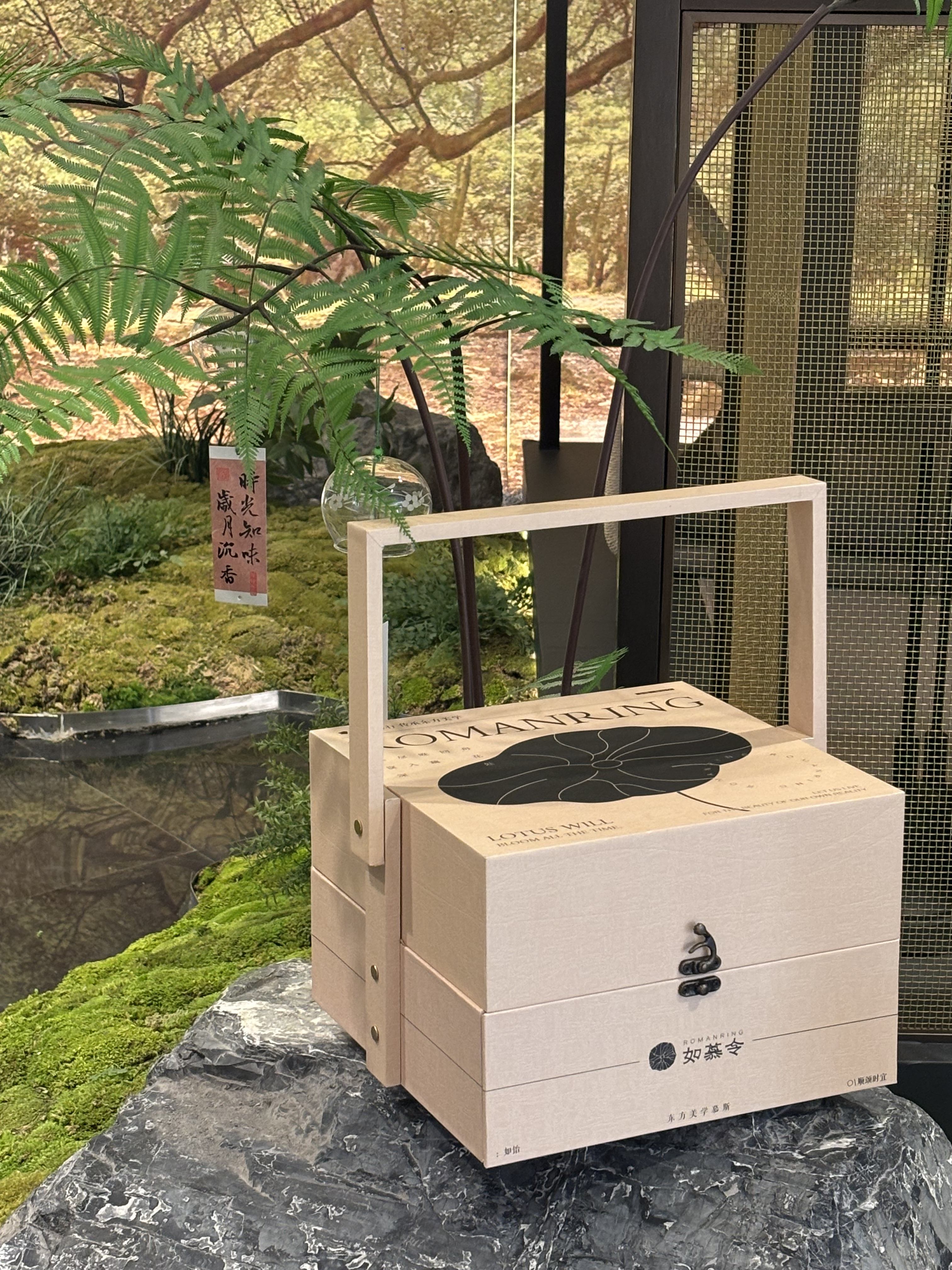
Industry Overview - The baking industry in China is undergoing rapid transformation, with a variety of products emerging and consumer preferences shifting continuously. The market size for baked goods reached 561.42 billion yuan in 2023, growing by 9.2% year-on-year, and is expected to reach 859.56 billion yuan by 2029 [1] - The industry remains fragmented, with the top nine listed companies accounting for less than 6% of the market share as of 2022, indicating significant growth potential [1] Company Profile: 如慕令 - 如慕令, founded in late 2024, focuses on reinterpreting mousse cakes within a Chinese cultural context, integrating elements from traditional poetry and architecture into its designs, appealing to local consumer sentiments [5][9] - The brand targets younger consumers who view cakes as emotional products, emphasizing the importance of aesthetic appeal and cultural significance in their offerings [5][8] Product Strategy - 如慕令's cakes are designed with cultural symbols that convey specific meanings, such as "prosperity" and "peace," making them more relatable and meaningful to consumers [8][9] - The company emphasizes health by offering "0-calorie" options using sugar substitutes like erythritol, catering to health-conscious consumers who seek both taste and lower calorie intake [9] Business Model Innovation - The company utilizes a "cold chain" logistics model, allowing for standardized production in a central kitchen and consistent quality across locations, which is a departure from traditional baking methods that rely heavily on skilled labor [10][11] - 如慕令 adopts a "S2B2C" model, partnering with local bakeries to distribute its products, thus creating a network of small stores that can offer standardized cakes without extensive training or investment [11][12] Market Potential and Growth Plans - The cold baking market in China has significant growth potential, with only 10% penetration as of 2020, compared to higher rates in Japan and North America [10] - 如慕令 plans to expand rapidly, aiming to open 100 stores within two years and achieve monthly revenues exceeding 8 million yuan, with a current goal of raising 2.5 million yuan in angel funding [13]
食品饮料行业5月月报:食饮行情延续,多数子板块表现优异
Zhongyuan Securities· 2025-06-06 12:33
Investment Rating - The industry investment rating is "In line with the market," indicating that the industry index is expected to fluctuate between -10% to 10% relative to the CSI 300 index over the next six months [58]. Core Insights - The food and beverage sector showed a slight increase, primarily affected by the decline in the liquor segment. In May 2025, the sector's overall performance was a 0.25% increase, with significant net outflows from major funds totaling 15.43 billion yuan, while small investors showed a net inflow of 15.57 billion yuan, indicating a positive sentiment among retail investors [5][7]. - The valuation of the food and beverage sector has decreased slightly, currently at 21.50 times earnings, which is at a ten-year historical low. The liquor segment's valuation is even lower at 19.06 times [18][23]. - In May 2025, over 70% of the listed companies in the food and beverage sector saw their stock prices rise, with notable increases in other liquor, health products, snacks, dairy, and soft drinks [23][24]. - Investment in the food and beverage manufacturing sector has continued to grow significantly, with fixed asset investments in food manufacturing up 16.6% year-on-year as of April 2025, compared to a 4% increase in overall social fixed asset investments [27][31]. Summary by Sections 1. Market Performance - The food and beverage sector experienced a slight increase of 0.25% in May 2025, heavily influenced by the liquor segment's decline. Major funds saw a net outflow of 15.43 billion yuan, while retail investors contributed a net inflow of 15.57 billion yuan [5][7]. - The sector's performance was better than the same period last year, with significant gains in other liquor, health products, soft drinks, baking, and pre-processed foods, which rose by 20.71%, 19.62%, 10.99%, 8.25%, and 6.42% respectively [8][11]. 2. Valuation - As of May 31, 2025, the food and beverage sector's valuation is at 21.50 times earnings, slightly down from 21.59 times the previous month, marking a ten-year low. The liquor segment's valuation is at 19.06 times, while health products, snacks, and other segments exceed 30 times [18][23]. 3. Individual Stock Performance - In May 2025, 90 out of 127 listed companies in the food and beverage sector reported stock price increases, with a rise rate of 70.87%. Notable performers included companies in the liquor, health products, dairy, and snack sectors [23][24]. 4. Investment Trends - The food and beverage manufacturing sector's investment growth has continued to exceed the overall social investment growth, with fixed asset investments in food manufacturing up 16.6% year-on-year as of April 2025 [27][31]. - The report recommends focusing on investment opportunities in soft drinks, health products, baking, beer, and snacks for June 2025, highlighting the potential for growth in these segments [52][55].
玉米蛋挞收割流量,烘焙圈期待品质、性价比兼顾单品
Cai Jing Wang· 2025-06-06 06:40
Core Insights - The emergence of corn egg tarts has sparked significant attention due to their high price point, with some brands pricing them at 48 yuan each, leading to discussions about value for money and market positioning [1][3][4] - The market for baked goods is experiencing dynamic changes, with a high rate of new store openings and closures, indicating a competitive landscape where both premium and budget brands are vying for consumer attention [7][8] Pricing and Consumer Behavior - The pricing of corn egg tarts has become a hot topic, with some consumers finding the 48 yuan price tag excessive, while others appreciate the taste despite the cost [3][4] - Online platforms show a wide range of prices for corn egg tarts, with many stores offering them between 9 to 20 yuan, indicating a shift towards more affordable options [4][5] Market Trends and Innovations - The corn egg tart's success is attributed to its unique flavor profile and the novelty it brings to the traditional tart market, appealing to consumers' desire for new experiences [5][6] - Social media has played a crucial role in amplifying the popularity of corn egg tarts, with platforms like Douyin and Xiaohongshu driving consumer interest and engagement [5][6] Industry Growth and Future Outlook - The baking industry is projected to grow, with estimates suggesting a market size of 1,160 billion yuan by 2025, driven by increasing consumer demand for baked goods as part of emotional wellness [7][8] - The competitive landscape is characterized by a "pyramid pricing structure," where premium brands coexist with budget-friendly options, catering to diverse consumer needs [8][9] Brand Strategies and Consumer Preferences - Brands are focusing on balancing quality and price to attract consumers, with high-end brands needing to enhance their unique selling propositions while budget brands must ensure consistent quality [9][10] - Digital capabilities are identified as a common area for improvement across both high-end and budget brands, emphasizing the need for better data-driven operations and customer engagement strategies [10]