啤酒

Search documents
押中“中式精酿”风口,河南老厂金星啤酒年赚超3亿,如今要去港股上市
Sou Hu Cai Jing· 2026-01-14 10:44
Core Viewpoint - The launch of "Zhongshi Craft Beer" by Jin Xing Brewery has revitalized the sluggish beer market, positioning the company for a potential IPO on the Hong Kong Stock Exchange, making it the first "Zhongshi Craft Beer" stock if successful [1][6]. Company Overview - Jin Xing Brewery, established in 1982, has a production capacity of 2 million tons annually, making it the largest in Henan province, with 15 production bases across 9 provinces [7]. - The company has recently shifted its focus to "Zhongshi Craft Beer," which incorporates local tea flavors, significantly contributing to its revenue [8]. Product and Revenue Insights - The introduction of "Zhongshi Craft Beer" in August 2024, particularly the "Maojian Beer," has led to a rapid increase in sales, with 166 SKUs available as of September 30, 2025, and 50 of those being craft beer variants contributing 78.1% of revenue [8]. - The retail revenue growth rate from 2022 to 2024 is 23.7%, making Jin Xing Brewery one of the fastest-growing companies among the top ten in the industry [8]. Financial Performance - Revenue surged from 356 million yuan in 2023 to 1.11 billion yuan in the first nine months of 2025, with net profit increasing from 12.2 million yuan to 305 million yuan during the same period [9]. - The gross margin improved from 27.3% to 47%, and net margin rose from 3.4% to 27.5% [9]. Market Position and Competition - The craft beer segment in China is experiencing rapid growth, with a compound annual growth rate of 38.4% from 2019 to 2024, projected to reach 182.1 billion yuan by 2029 [13]. - Jin Xing Brewery holds a 14.6% market share in the flavor craft beer segment, but faces increasing competition as larger companies enter the market with similar products [15]. Strategic Challenges - The company must navigate the challenges of maintaining its unique regional characteristics and product differentiation in a competitive landscape, as well as transitioning from a single product model to a diversified product matrix [15]. - The recent trademark disputes and market saturation highlight the need for Jin Xing Brewery to strengthen its brand and product innovation strategies [12][15]. Future Outlook - The ability of Jin Xing Brewery to convert its current growth momentum into long-term brand equity and support its valuation expectations in the Hong Kong market will be critical for its future success [16].

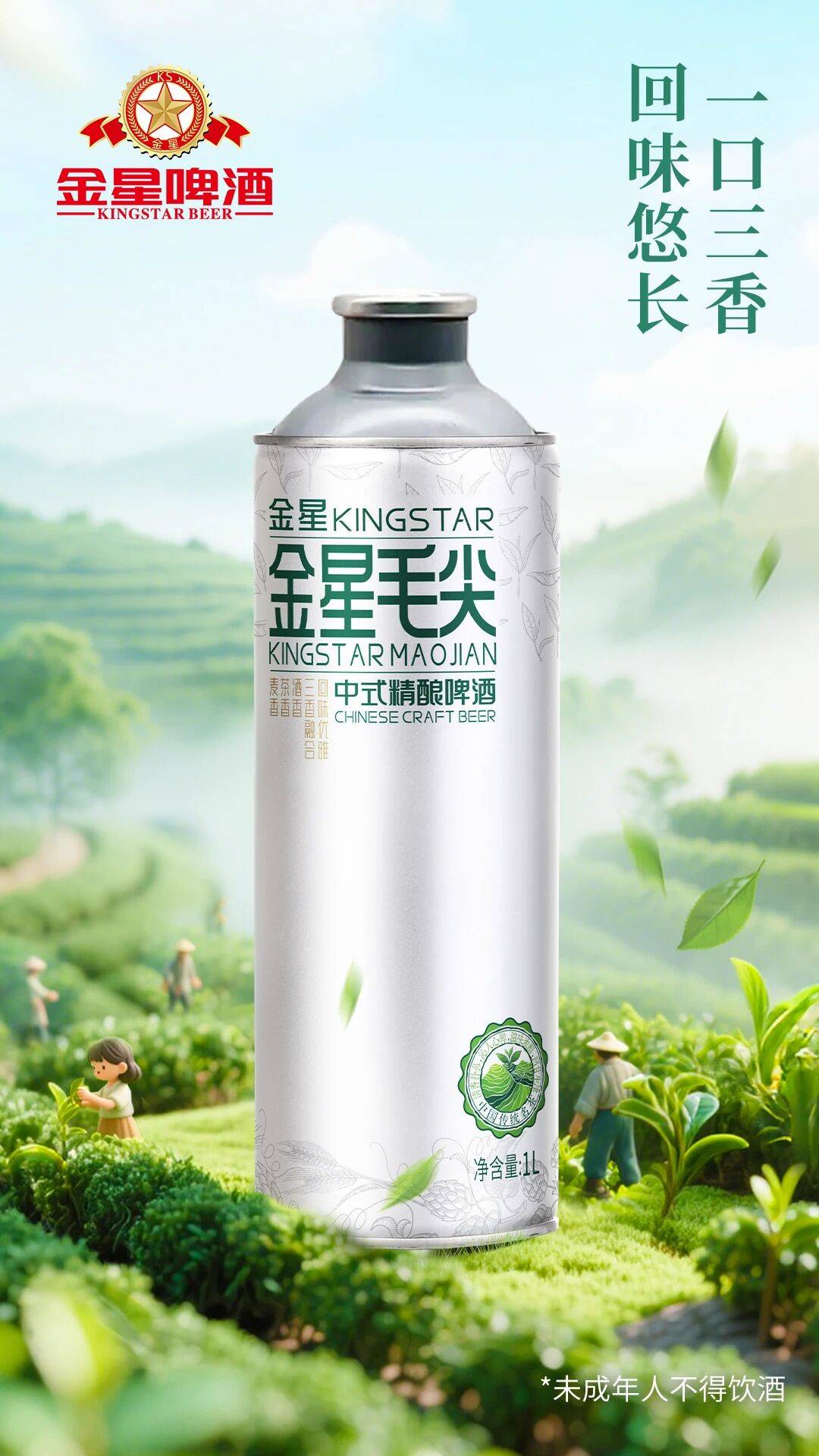
金星啤酒闯关港股,中式精酿黑马面临估值之问
2 1 Shi Ji Jing Ji Bao Dao· 2026-01-14 09:29
Core Viewpoint - Henan Jinxing Beer Co., Ltd. has submitted its listing application to the Hong Kong Stock Exchange, marking its official entry into the public market, with a focus on its innovative "Chinese craft beer" products that have driven significant revenue growth [1][2]. Company Overview - Founded in 1982, Jinxing Beer has evolved from a regional brand to the eighth largest beer company in China, and the fifth largest domestic beer producer [1][2]. - The company has experienced a transformation in the past two years, particularly with the launch of its innovative products like "Jinxiang Maojian," which has contributed to its rapid growth [5][7]. Financial Performance - Jinxing Beer reported revenues of 356.4 million yuan in 2023, projected to reach 730.2 million yuan in 2024, and 1.109 billion yuan for the first nine months of 2025, with net profits increasing from 12.2 million yuan in 2023 to 305.3 million yuan in 2025 [2][7]. - The revenue contribution from "Chinese craft beer" has surged to 78.1% by the first three quarters of 2025, compared to 0% in 2023 [7][10]. Market Position - Despite its growth, Jinxing Beer still lags behind major competitors, with the sixth largest competitor, Zhujiang Beer, generating over 5 billion yuan in revenue, significantly more than Jinxing Beer [8][9]. - The company aims to maintain a growth rate above the industry average to close the gap with leading brands [8]. Product Innovation - Jinxing Beer has successfully created a new category of "Chinese craft beer," with over 50 SKUs, including unique flavors like ice sugar hawthorn and sugar orange [5][10]. - The pricing strategy for "Chinese craft beer" is significantly higher, with products priced around 20 yuan per can, compared to traditional products priced between 3 to 6 yuan [10][11]. Market Sentiment and Valuation - The capital market's interest in alcoholic beverage stocks is currently low, which may affect Jinxing Beer's valuation despite its growth potential [15][16]. - Comparatively, Jinxing Beer is expected to achieve a higher valuation than its peers in the Hong Kong market due to its growth trajectory and innovative product offerings [14]. Distribution and Sales Channels - Jinxing Beer relies heavily on traditional distribution channels, with over 90% of its revenue coming from offline sales, indicating a need for further development in e-commerce and direct sales [17]. - The company has expanded its distribution network to 29 provinces, but still faces competition from established brands in the market [18]. Ownership Structure - The largest shareholder of Jinxing Beer is Jinxing Holding Group, which holds 74.56% of the company, with key figures Zhang Tieshan and Zhang Feng holding significant stakes [19].
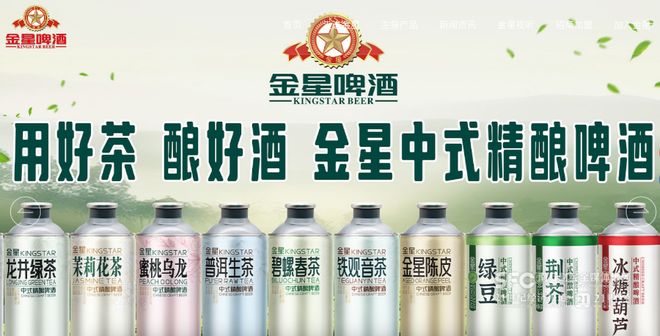
非白酒板块1月14日跌0.63%,燕京啤酒领跌,主力资金净流出7660.75万元
Zheng Xing Xing Ye Ri Bao· 2026-01-14 08:50
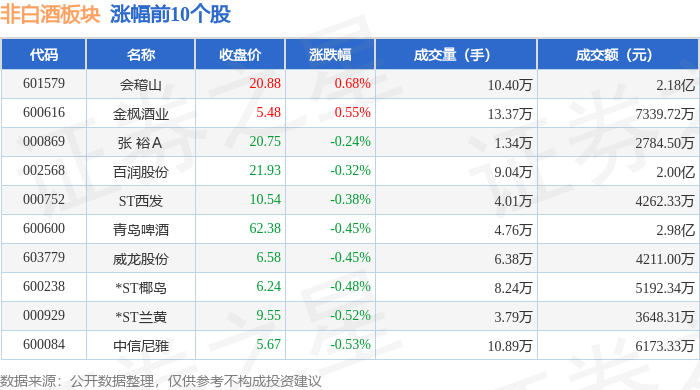
Market Overview - The non-baijiu sector experienced a decline of 0.63% on January 14, with Yanjing Beer leading the drop [1] - The Shanghai Composite Index closed at 4126.09, down 0.31%, while the Shenzhen Component Index closed at 14248.6, up 0.56% [1] Stock Performance - Key stocks in the non-baijiu sector showed varied performance, with Kuaijishan closing at 20.88, up 0.68%, and Zhangyu A at 20.75, down 0.24% [1] - Other notable declines included ST Xifa at 10.54, down 0.38%, and Qingdao Beer at 51.80, down 0.97% [2] Trading Volume and Value - Kuaijishan had a trading volume of 104,000 shares and a transaction value of 218 million yuan, while ST Xifa had a volume of 40,100 shares and a value of 42.62 million yuan [1] - The non-baijiu sector saw a total net outflow of 76.61 million yuan from main funds, with retail investors contributing a net inflow of 43.96 million yuan [2] Fund Flow Analysis - Main funds showed a net inflow of 10.61 million yuan for Kuaijishan, while Zhangyu A experienced a net outflow of 2.52 million yuan [3] - The overall fund flow indicates a mixed sentiment, with retail investors showing interest in certain stocks despite the overall outflow from main funds [3]


德邦股份拟主动退市 京东物流近38亿元收购剩余股份
Chang Jiang Shang Bao· 2026-01-14 07:26
Group 1 - Vanke's "whistleblower" Yu Liang announced retirement without gratitude, raising concerns about the company's future as it receives a 30.8 billion yuan financial support from Shenzhen Metro to aid in orderly recovery [1] - Chang'an Bank received a 10 billion yuan capital injection from state-owned enterprises, with its capital adequacy ratio dropping to 11.66% after four years without an IPO [1] - Ideal Auto's delivery volume fell short of expectations, achieving only 63% of its target, resulting in a net loss of 620 million yuan for the quarter [1] Group 2 - Jiaoyun Co. is planning a restructuring, leading to a strong stock price surge, despite having accumulated a non-recurring loss of 1.9 billion yuan over the past six years while attempting to pivot into the cultural tourism sector [1] - Jiechuan Intelligent has only 200 million yuan in cash but plans to spend 4 billion yuan on procurement, with a net profit of 23 million yuan in the first three quarters, raising questions about the effectiveness of its entry into AI [1] - Hearty Noodle is facing challenges in the prepared food sector, having raised 7 rounds of financing with no movement towards an IPO, despite involvement from Tencent and Alibaba [1] Group 3 - Chang'an Automobile's claim of "cancelling year-end bonuses" is disputed, as Zhu Huarong sets an ambitious sales target of 3 million vehicles by 2025, which remains unfulfilled [1] - China Resources Double Crane's subsidiary has a product on the blacklist, with performance growth stagnating and R&D expense ratio dropping to 4.5% [1] - Xiamen Port's 6.2 billion yuan restructuring is close to completion, with the target assets projected to earn 430 million yuan before August 2025 [1] Group 4 - Chongqing Beer resolved an 18-year sales dispute, resulting in an increase of 1.908 million yuan in profits, despite facing declining sales and spending 2.5 billion yuan annually on sales expenses [1] - Zhang Yushuang is leading an 80 billion yuan empire into a second entrepreneurial phase, with Dongyang Sunshine Manufacturing earning 900 million yuan in nine months, raising questions about sustainability [1] - Tesla's projected annual delivery of 1.636 million vehicles in 2025 lags behind BYD, with China remaining its largest market [1] Group 5 - Tianpu Co. saw a stock surge of 1631% amid regulatory scrutiny and rumors of a backdoor listing involving Zhonghao Xinying [1] - Zheshang Bank underwent a management reshuffle, eliminating four assistant positions, with a declining non-performing loan ratio of 1.36% for four consecutive periods [1] - The Xie family, with a wealth of 375.3 billion yuan, re-entered the global wealth rankings, as the "Zhengda System" aims for its first A-share IPO after over 40 years in China [1]


河南金星啤酒向港交所递交上市申请
Sou Hu Cai Jing· 2026-01-14 07:09
Core Insights - The company, Jinxing Beer, ranks as the eighth largest enterprise in China's beer industry based on retail sales for 2024 and the nine months ending September 30, 2025, and is the fifth largest domestic beer company [2][4]. Group 1: Market Position and Growth - In the craft beer sector, the company is the third largest in China, holding a 14.6% market share, making it the largest flavored craft beer producer in the country [3]. - The company's product range includes traditional lagers and wheat beers, with a focus on developing Chinese craft beers, such as jasmine tea and Jinxing Maojian tea-flavored innovative products, which contributed 78.1% of revenue for the nine months ending September 30, 2025 [3]. - From 2022 to 2024, Jinxing Beer achieved a compound annual growth rate (CAGR) of 23.7% in retail sales, making it the fastest-growing company among the top ten enterprises in the Chinese beer industry [3]. Group 2: Distribution and Financial Performance - The company has established a distribution network covering 29 provinces in China, adding over 1,000 specialized distributors to expand its Chinese craft beer business [4]. - The revenue for the nine months ending September 30 for the years 2023, 2024, and 2025 is approximately 356 million yuan, 730 million yuan, and 1.11 billion yuan respectively, with profits for the same periods being approximately 12.2 million yuan, 125 million yuan, and 305 million yuan [4]. - The Chinese beer market has grown from 604.3 billion yuan in 2019 to an estimated 734.7 billion yuan in 2024, with a CAGR of 4.0%. It is projected to continue growing steadily, reaching 929.3 billion yuan by 2029, with a further increase in CAGR to 4.8% from 2024 to 2029 [4]. Group 3: Industry Overview - Based on retail sales for 2024, the top five companies in the Chinese beer industry have a combined market share (CR5) of approximately 64.7%, while the top ten companies (CR10) account for about 69.4% [4]. - The top ten listed beer companies in China include Snow Beer (China Resources Beer), Tsingtao Beer, Budweiser Beer (Anheuser-Busch InBev), Heineken (Heineken China), Yanjing Beer, Harbin Beer (Anheuser-Busch InBev), Carlsberg (Chongqing Beer), Zhujiang Beer, Blue Ribbon Beer, and Hoegaarden (Anheuser-Busch InBev) [6].
泰山啤酒正式进入破产重整程序,负债6.63亿元已资不抵债
Xin Lang Cai Jing· 2026-01-14 05:53
Core Viewpoint - The bankruptcy reorganization application of Shandong Taishan Beer Co., Ltd. has been officially accepted by the court, indicating the company's entry into judicial reorganization due to severe financial distress [1][5]. Financial Status - As of October 31, 2025, Taishan Beer has total assets of approximately 622 million yuan and total liabilities of 663 million yuan, resulting in a debt-to-asset ratio of 106.63%, indicating serious insolvency [1][5]. - The company is facing multiple large overdue debts that it is unable to repay [1][5]. Company Background - Taishan Beer was established on August 1, 2000, with a registered capital of 397.96 million yuan and is classified as a joint-stock company (Hong Kong, Macau, and Taiwan investment, not listed) [3][7]. Operational Challenges - The company has faced financial difficulties due to significant fixed asset investments in expansion and upgrades, which have heavily occupied its working capital [4][7]. - The operational struggles have been exacerbated by the deteriorating business conditions of its parent company, Hucai Group Co., Ltd., and its affiliates [4][7]. Reorganization Potential - Despite the financial crisis, the court recognizes that Taishan Beer still possesses advantages in product technology reserves, innovative marketing models, and brand vitality, indicating potential for reorganization [4][7]. - The local government has established a liquidation team to assist in the reorganization process [4][7]. IPO and Shareholder Agreements - Taishan Beer had previously signed a bet agreement with shareholders, stipulating that if it fails to complete a qualified IPO by June 30, 2024, the parent company and founder must repurchase shares [4][7]. - The failure to achieve the IPO target has further intensified the company's financial pressures [4][7].
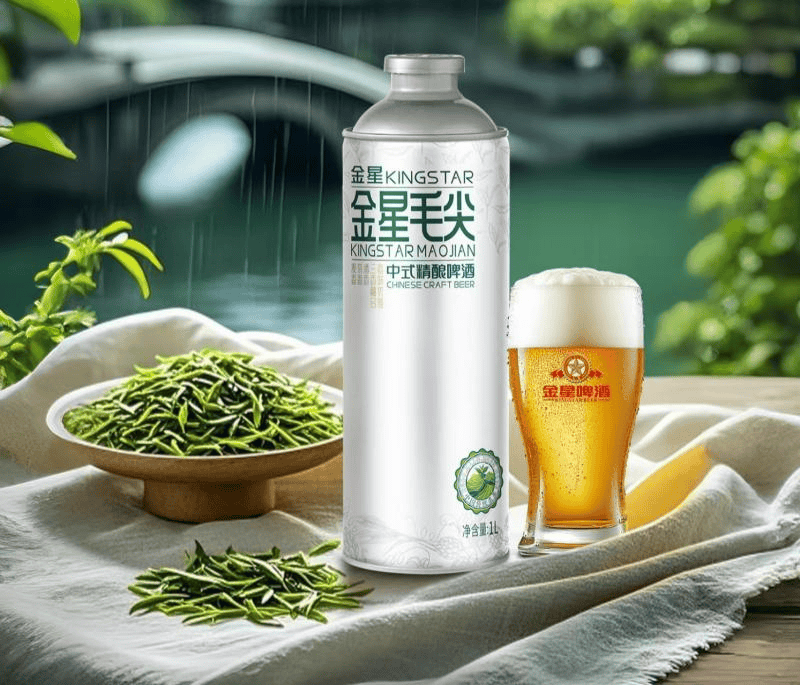
金星啤酒冲刺港股IPO,2025年前9个月营收破11亿元
Sou Hu Cai Jing· 2026-01-14 04:56
Core Viewpoint - Henan Jinxing Beer Co., Ltd. has submitted an application for listing on the Hong Kong Stock Exchange, aiming to enhance production capacity, global sales channels, marketing activities, brand building, and product innovation [1][7]. Group 1: Financial Performance - Jinxing Beer is projected to achieve revenues of 356 million yuan and 730 million yuan in 2023 and 2024, respectively, with a revenue of 1.109 billion yuan in the first nine months of 2025. Net profit is expected to rise from 12.196 million yuan in 2023 to 305 million yuan in the first nine months of 2025 [1][6]. - The gross profit margins for Jinxing Beer are reported at 27.3%, 37.8%, and 47% for the years 2023, 2024, and the first nine months of 2025, respectively, while net profit margins are 3.4%, 17.2%, and 27.5% during the same periods [6][7]. Group 2: Market Position and Growth - Jinxing Beer ranks as the eighth largest company in China's beer industry and the fifth largest domestic beer company, holding a market share of 14.6% in the craft beer segment [3][5]. - The craft beer market in China is rapidly growing, with retail sales expected to increase from 12.5 billion yuan in 2019 to 63.2 billion yuan in 2024, representing a compound annual growth rate (CAGR) of 38.4% [5]. Group 3: Product Innovation and Strategy - Jinxing Beer has successfully transitioned to craft beer, launching a series of products that cater to young consumers' preferences for unique flavors and aesthetics, including tea-infused beers and "national trend" flavors [5][9]. - The company has developed a unique "1258 core process" to ensure high-quality ingredients and product innovation, which has contributed to its rapid growth and market expansion [9][10]. Group 4: Marketing and Consumer Engagement - Jinxing Beer has redefined consumption and channel strategies, expanding the drinking occasions for craft beer beyond traditional settings to include casual gatherings and home consumption, thereby attracting younger and female consumers [9][10]. - The company effectively utilizes social media platforms like Xiaohongshu and Douyin to engage with younger audiences, leveraging influencer marketing and content co-creation to enhance brand visibility [9][10].
百威旗下米狮龙啤酒期待在冬奥会前再现奇迹
Xin Lang Cai Jing· 2026-01-14 04:09
Core Viewpoint - Michelob Ultra, the official beer sponsor of Team USA, is launching a promotional campaign centered around the "Miracle on Ice" event from the 1980 Winter Olympics, aiming to enhance brand visibility ahead of the 2026 Winter Olympics [1][5]. Group 1: Marketing Strategy - The campaign will feature an immersive event on January 15, recreating the iconic match where the U.S. hockey team defeated the Soviet Union, with footage included in a special program on Peacock [1][6]. - Nostalgia and national pride are key themes in Michelob Ultra's marketing, aligning the brand with elite athletes and promoting it as a healthy beverage choice [1][3]. - The brand collaborates with U.S. hockey players Brady and Matthew Tkachuk, who will appear in various digital and broadcast content, enhancing the brand's association with hockey [1][3]. Group 2: Event Details - The "Recreating the Miracle" event will take place at the Herb Brooks Arena in Lake Placid, New York, the site of the original game, and will utilize holograms and video projections to showcase key moments [2][6]. - Fans can participate in a sweepstakes through the "Superior Access" platform for a chance to attend the "Ultra Summit" event in Park City, Utah, featuring Olympic memorabilia, live performances, and interactive games [2][6]. Group 3: Brand Positioning - Michelob Ultra emphasizes its connection to sports, positioning itself as a healthier beer option amidst changing consumer preferences, with over 53% of Americans believing drinking is harmful [4][8]. - The brand's recent marketing efforts highlight past Olympic successes, indicating a belief in the value of nostalgia marketing, even as competitors move away from this strategy [3][7]. - An increase in sales is noted, with Anheuser-Busch reporting third-quarter revenue of $15.13 billion, partly attributed to the success of Michelob Ultra [4][8].

金星啤酒赴港IPO:中式精酿啤酒贡献78.1%收入,净利率27.5%,曾委托第三方为部分员工缴付社保和公积金
Cai Jing Wang· 2026-01-14 03:40
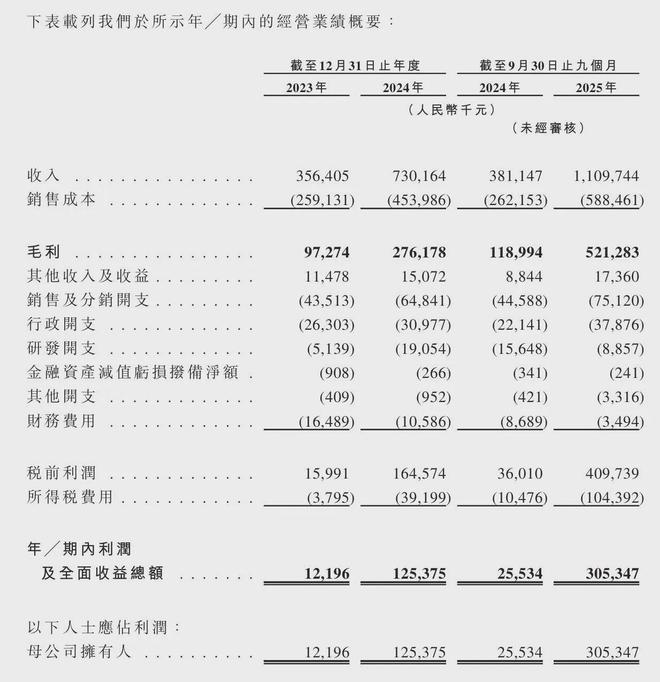
Core Viewpoint - The company, Jinxing Beer, has submitted its prospectus for an IPO, positioning itself as the eighth largest beer company in China and the fifth largest domestic brewery, with a strong focus on craft beer innovation and market expansion [1][2]. Company Overview - As of the nine months ending September 30, 2025, Jinxing Beer ranks as the third largest craft beer company in China and the largest flavored craft beer producer, holding a market share of 14.6% [1]. - The company has introduced a new category of "Chinese craft beer," integrating traditional Chinese cultural elements into its product design, notably through the creative fusion of tea and beer [1]. Product Development - The first Chinese craft beer, Jinxing Maojian, was launched in August 2024, followed by additional flavors such as jasmine tea, candied hawthorn, and sugar tangerine, with a total of 50 SKUs contributing to 78.1% of revenue for the nine months ending September 30, 2025 [1][6]. Market Growth - The craft beer market in China has seen significant growth, with the market size increasing from RMB 12.5 billion in 2019 to an estimated RMB 63.2 billion in 2024, reflecting a compound annual growth rate (CAGR) of 38.4% [2][3]. - The domestic craft beer market is projected to grow from RMB 2.5 billion in 2019 to RMB 36 billion in 2024, with a CAGR of 70.6% [3]. Financial Performance - Revenue nearly doubled from RMB 356.4 million in 2023 to RMB 730.2 million in 2024, with a further increase to RMB 1.1 billion for the nine months ending September 30, 2025 [4][6]. - Gross profit rose from RMB 97.3 million in 2023 to RMB 276.2 million in 2024, and further to RMB 521.3 million for the nine months ending September 30, 2025, with gross margins improving significantly [6]. Sales Channels - The company has diversified its sales channels, with distributor contributions to revenue decreasing from 97.6% in 2023 to 94.8% by September 30, 2025, indicating a balanced dual-channel strategy [9][11]. - Direct sales through self-operated online stores have also seen significant growth, driven by new product launches and targeted marketing campaigns [9]. Supply Chain and Transparency - The company collaborates directly with leading tea suppliers for high-quality tea used in fermentation, ensuring traceability and transparency in its products [2]. - The company has established a robust distribution network with over 1,000 new distributors, covering 29 provinces in China [1].
张勇重任海底捞CEO,能否打造第二曲线?
2 1 Shi Ji Jing Ji Bao Dao· 2026-01-14 03:26
Group 1: Company Leadership Changes - Zhang Yong has returned to the CEO position of Haidilao, effective January 13, 2026, following the resignation of Guo Yiqun as CEO [1] - Zhang Yong previously handed over the CEO role to Yang Lijuan in March 2022, and Guo Yiqun took over in June 2024 [1] - The leadership change comes as Haidilao faces performance challenges, with a 3.0% year-on-year revenue decline to 20.703 billion yuan and a 13.7% drop in net profit to 1.755 billion yuan in the first half of 2025 [1] Group 2: Industry Context - The Chinese restaurant industry is experiencing a slowdown, with revenue growth decelerating, profits declining, and competition intensifying, as reported by the China Cuisine Association [1] - Competitors like Xiaobai Xiaobai reported an 18.88% revenue decline to 1.942 billion yuan and a net loss of 84 million yuan in the same period [1] Group 3: Strategic Initiatives - Zhang Yong's return is linked to the "Pomegranate Plan," a multi-brand incubation strategy launched in August 2024, aimed at creating a second growth curve for Haidilao [2] - As of June 2025, the "Pomegranate Plan" has incubated 14 restaurant brands, generating a 227% year-on-year revenue increase to 600 million yuan from related businesses [2] - The company is at a critical transformation juncture, with Zhang Yong becoming more involved in operational details [2]