
智能网联汽车

Search documents
广州出台建设国家车网互动规模化应用试点城市工作方案
Huan Qiu Wang· 2025-09-17 00:57
Group 1 - Guangzhou has launched a work plan to establish itself as a pilot city for large-scale applications of vehicle-to-grid (V2G) technology, aiming to build at least 300 V2G charging piles by the end of 2025 [1] - The city has also initiated a special campaign to promote automobile consumption, offering subsidies of up to 5,000 yuan for car purchases from September 15 to 30 [1] Group 2 - The China Academy of Information and Communications Technology (CAICT) emphasizes that with the development of the digital economy, data has become a crucial factor in fostering new productive forces and promoting high-quality economic growth [3] - The vehicle networking industry is at a critical stage of new application development and model promotion, with vehicle networking data serving as a new production factor and an important source of value creation [3] - Vehicle networking data supports internal business integration for industry chain enterprises and facilitates the creation of new services and business models through data circulation, aiding innovation in the automotive, information communication, and transportation sectors [3] - Global attention is focused on the empowering role of vehicle networking data, with many countries and regions issuing policies and establishing special funds to build data-sharing platforms, accelerating the opening, sharing, and circulation of vehicle networking data [3] - Industry stakeholders, including automakers, roadside infrastructure operators, cloud platform service providers, and communication network operators, are actively exploring the value of vehicle networking data, enhancing internal business processes and product functionalities [3] - The advancements in intelligent connected vehicles and roadside infrastructure have improved auxiliary driving and autonomous driving services, reduced traffic accidents, and enhanced transportation efficiency and urban digital governance [3]

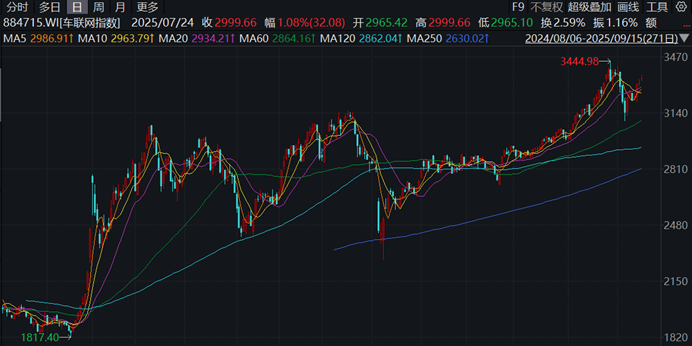
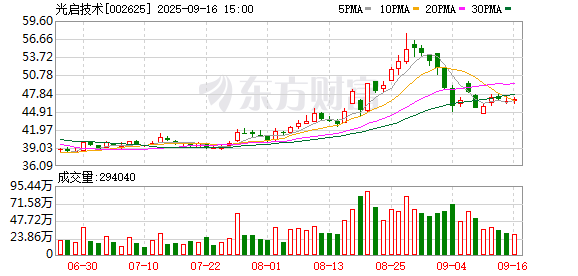
光启技术汽车紧缩场联合实验室迎里程碑突破
Zheng Quan Ri Bao· 2025-09-16 14:06
Core Insights - Guangqi Technology Co., Ltd. and China Automotive Research Center (Tianjin) have established a joint "Automotive Compression Field Joint Laboratory" to validate the communication performance of Huawei's Xiangjie S9T, achieving the world's first S-level certification for vehicle communication performance [2] - The signal strength and communication effective range of the tested vehicle are 2.8 times higher than the industry average, and the network connection recovery speed exceeds 10 times [2] Group 1 - Traditional automotive communication performance testing relies heavily on near-field or external environments, leading to significant measurement deviations and inefficiencies in replicating scenarios, which do not meet the stringent requirements for high-precision, all-scenario communication capabilities in intelligent connected vehicles [2] - The joint laboratory innovatively employs "aerospace testing methods" and utilizes advanced inspection and testing technologies from Guangqi Technology's seven capabilities platform to construct a comprehensive vehicle communication testing solution [2] - This initiative addresses core technical challenges in traditional near-field testing, significantly enhancing the accuracy and stability of test results, and aims to establish global industry standards, thereby increasing China's influence in the intelligent automotive sector and accelerating the development and market application of vehicle networking [2]
中汽中心智能网联科技创新基地启动建设
Cai Jing Wang· 2025-09-16 07:29
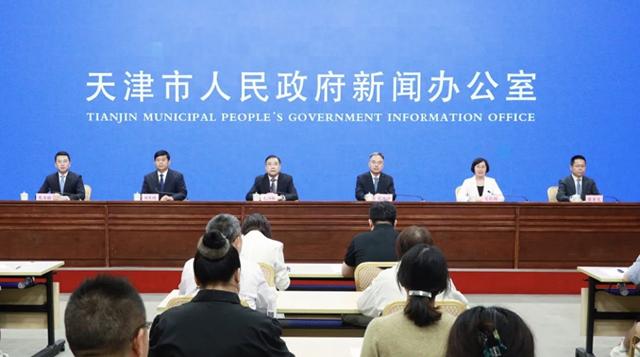
建成后,新基地将聚焦国家战略性新兴产业及未来产业,深耕智能网联汽车关键共性技术,引领技术进 步,助力中国汽车产业高质量发展。(新浪财经) 中汽中心在天津正式启动智能网联科技创新基地建设,该基地将成为我国首个智能网联汽车全价值链技 术创新的综合性基地,标志着我国在智能网联汽车领域迈入系统性创新新阶段。 新基地将构建世界一流的智能网联综合技术服务体系,覆盖智能驾驶、智能座舱、信息安全、车联网、 人工智能、低空经济等领域的36个先进试验室集群,实现研发测试能力的全覆盖。 ...
长沙发布“车路云一体化”城市级智能网联全场景体系建设目标
Chang Sha Wan Bao· 2025-09-16 01:42
展望未来,长沙目标明确:建设"中部地区'车路云一体化'应用示范标杆",推动智能网联汽车实现城市 级规模应用。以湖南湘江新区为核心,逐步扩展至全市域,并联动株洲、湘潭,共同构建辐射中南地区 的智能网联生态体系。 9月15日,作为2025互联网岳麓大会最受瞩目的硬科技论坛之一,AI与智能网联汽车产业融合发展 论坛在梅溪湖艺术博物馆举行。论坛上,长沙发布"车路云一体化"城市级智能网联全场景体系建设目 标,明确到2026年建成中部地区首个"车路云一体化"应用生态示范标杆,产业规模突破1000亿元,实现 智能网联车辆接入1万辆以上,完成1450平方公里试点区域C-V2X网络全覆盖。 在这一总体目标引领下,长沙将分阶段推进全域路侧智能网联化,实现5G网络全域覆盖及重点区域5G- A增强覆盖,完成信号机网联化改造与重点路口路段的全面感知能力建设。 以应用场景为导向,长沙将推进"十城十车"数据互联示范,与上海、杭州、成都、合肥、无锡等城市协 同,推动红绿灯信息、道路信息等数据能够面向车端提供C-V2X应用服务;构建智能电轨、网联公交、 微循环小巴、自动驾驶出租车等联动的智慧交通体系;推动无人配送、无人环卫、无人零售等功能型无 ...
驶上发展“快车道”,京津中关村科技城入驻市场主体1883个
Bei Jing Ri Bao Ke Hu Duan· 2025-09-16 01:08
Core Insights - The Tianjin government is actively promoting the integration of the Baodi District into the Beijing-Tianjin-Hebei collaborative development strategy, enhancing its significance in the region [1] Group 1: Industrial Development - The "Zhongguancun-like" industrial ecosystem is being established in the Beijing-Tianjin Zhongguancun Science City, with 1,883 market entities and sustained double-digit growth in key economic indicators [3] - The Science City has signed an agreement with the Zhongguancun Development Group to deepen cooperation, with an 80 million yuan investment planned for a new round of capital increase [3] - Baodi District has adopted a comprehensive service package from Zhongguancun, implementing 22 policy measures to support high-quality development in the Science City [3][4] Group 2: Innovation and Technology - The Science City has developed a full-chain incubation system, recognized as an innovative base for entrepreneurship by the China Association for Science and Technology [4] - Collaborations with prestigious universities have led to the appointment of "technology vice presidents" for ten companies, enhancing innovation capabilities [4] - Significant technological advancements have been achieved, with certifications for international and domestic leading levels in semiconductor and robotics technologies [4] Group 3: Transportation Infrastructure - The opening of the Jing-Tang and Jing-Bin intercity railways has marked Baodi's entry into the "high-speed rail era," significantly improving transportation connectivity [5] - Baodi has upgraded 170 kilometers of trunk roads and constructed 39 kilometers of new primary roads, resulting in a total road network of 2,235 kilometers [5] - The Baodi Station has become a hub for high-speed rail, with a 34.8% increase in daily train services and a doubling of average passenger volume since the initial opening [6]

绘制自动驾驶“零事故”的安全线路图
Ke Ji Ri Bao· 2025-09-15 23:32
Core Insights - The rapid development of intelligent connected vehicles in China has raised concerns about traffic safety incidents caused by intelligent driving systems, highlighting safety "pain points" in the process of automotive intelligence and connectivity [1] - The Ministry of Industry and Information Technology and eight other departments issued the "Automotive Industry Stabilization and Growth Work Plan (2025-2026)", which conditionally approves the production access of L3-level vehicles [1] - The 2025 World Intelligent Safety Conference held in Xi'an focused on the trends and safety challenges of autonomous driving technology, with experts emphasizing the need for collaboration in the industry to continuously improve the safety roadmap towards "zero accidents" [1] Group 1: Safety and Testing - The ultimate goal of autonomous driving systems is to achieve "zero traffic accidents," which can be guided by the evolution path of achieving "near-zero emissions" in automotive emissions [2] - Key points of safety testing differ from environmental testing, as some autonomous driving systems may function well during the day but fail at night due to a lack of necessary environmental factor testing and calibration during training [2] - A team from Tsinghua University has collaborated with companies like Changan Automobile and FAW Group since 2020 to develop a scene collection that includes 100 types of scenarios and evaluation standards, forming a Safety of the Intended Functionality (SOTIF) index [2] Group 2: Technological Innovations - To train AI effectively, a laboratory has been established using virtual simulation technology to simulate extreme sudden situations, helping AI accumulate experience and promote system iteration towards the "zero traffic accident" goal [3] - The evaluation system developed is expected to be adopted as a standard for production access in China, contributing to the improvement of international safety assessment regulations for autonomous driving systems [3] Group 3: Industry Development and Collaboration - The penetration rate of L2-level assisted driving in China's passenger vehicles reached 62.1% in the first half of the year, while the approval and testing trials for L3/L4-level autonomous driving are steadily advancing [4] - There is a need to promote the development of policies and regulations that adapt to industry safety requirements, strengthen safety testing and evaluation technology research, and build a global collaborative industrial ecosystem [4] - The development of safety chips and network security for intelligent connected vehicles is crucial, with efforts in Shaanxi focusing on the autonomous research and development of vehicle-grade safety chips and the commercialization of L4-level intelligent heavy trucks [4]
政策法规与技术协同引领,泰达论坛聚焦汽车智能化升级新路径
Zhong Guo Qi Che Bao Wang· 2025-09-15 07:31
Core Insights - The 2025 China Automotive Industry Development (Teda) International Forum focused on the theme of "Policy Regulations and Key Technological Innovations Driving Intelligent Upgrades" to discuss the development of intelligent connected vehicles in China [1] Group 1: Industry Trends - The automotive industry is transitioning from electrification to intelligentization, with a critical phase of moving from L2 to L5 levels of autonomous driving [1] - The integration of AI, chips, and data technologies is essential for this transition, but challenges remain in policy regulations, standardization, and industry collaboration [1] Group 2: Safety and Standards - Changan Automobile emphasized the importance of safety in intelligent vehicles, proposing a "human factors safety architecture" to enhance user interaction and safety [3] - The China Automotive Technology Research Center reported progress in the standardization of intelligent connected vehicles, with 31 standards in the ADAS field, of which 16 have been completed, including 4 that have transitioned to mandatory standards [4][5] Group 3: Infrastructure and Technology - The telecommunications sector highlighted the need for enhanced network capabilities to support intelligent connected vehicles, focusing on a "four-level computing system" to meet the demands of low latency and high reliability [7] - The demand for high-performance chips is rapidly increasing, with the assembly rate of L2+ and higher advanced driver assistance systems expected to double from 2023 to 2024 [7] - The required computing power for urban navigation has increased from 50-100 TOPS to 300-500 TOPS, while fully autonomous driving (Robotaxi) requires 1000-2000 TOPS [7] Group 4: Application Ecosystem - The forum served as a platform for collaboration among industry, academia, and research, showcasing China's latest achievements in intelligent connected vehicles and promoting the industry's transformation [8]

自动驾驶沉浸式探馆活动,带您体验智慧未来出行
Zhong Guo Qi Che Bao Wang· 2025-09-15 05:54
Core Insights - The upcoming World Intelligent Connected Vehicles Conference and Autonomous Driving Future City Carnival will be held in Beijing Economic-Technological Development Area in October [2] - An autonomous driving event titled "Enjoy Technology, Cool Yizhuang" was successfully conducted on September 12-13, showcasing the capabilities of autonomous driving technology [2][5] Group 1: Event Overview - The event attracted over 80 industry professionals and citizens, providing opportunities for technical exchanges and test rides to experience the convenience and charm of autonomous driving technology [2][5] - The exhibition hall at the Beijing High-level Autonomous Driving Demonstration Zone Innovation Operation Center is divided into four areas: Prologue Hall, Technology Hall, Achievement Hall, and Cloud Control Command Hall, each highlighting different aspects of autonomous driving [3] Group 2: Technological Highlights - The Prologue Hall features dynamic videos that outline the development and achievements of the Beijing High-level Autonomous Driving Demonstration Zone [3] - The Technology Hall emphasizes the unique advantages of the integrated vehicle-road-cloud technology route, showcasing practical applications and innovations in six key areas: vehicle, road, cloud, network, map, and safety [3] - The Achievement Hall focuses on real-world applications and the complete industrial chain layout, illustrating the significant value of intelligent connected vehicles as a new productive force [3] Group 3: Public Engagement - The interactive session was lively, with participants discussing safety in autonomous driving and future travel modes, leading to a deeper understanding of smart travel ecosystems [5] - The highlight of the event was the test ride of autonomous minibuses, which demonstrated smooth operation without a driver, impressing attendees with their ability to safely navigate and recognize traffic signals [5] Group 4: Future Initiatives - The Beijing Economic-Technological Development Area plans to continue hosting diverse activities to integrate cutting-edge industrial achievements with cultural tourism, promoting the concept of "Technology Empowering Culture and Tourism" [5] - The goal is to create a new IP for technology and cultural tourism that is visually appealing, interactive, educational, and experiential, injecting new momentum into high-quality development [5]

“投资中国—选择经开”国家级经开区招商引资对接推介活动成功举办
Shang Wu Bu Wang Zhan· 2025-09-15 05:31
Group 1 - The "Invest in China - Choose Economic Development Zones" event successfully took place in Xiamen, attracting over 110 national-level economic development zones and related provincial business departments, along with more than 120 multinational companies and industry representatives [1] - The Ministry of Commerce presented the "Work Plan for Deepening the Reform and Innovation of National Economic and Technological Development Zones," focusing on investment cooperation along the industrial chain, including suggestions on positioning, layout, and pathways [1] - The Ministry of Industry and Information Technology introduced policies related to industrial digital transformation and digital park construction, encouraging foreign enterprises to seize development opportunities and increase investment [1] Group 2 - National-level economic development zones and industry representatives engaged in discussions on key areas such as equipment manufacturing, intelligent technology, and life health, focusing on building and strengthening industrial chains [1] - Representatives from various national-level economic development zones shared their experiences in attracting investment in sectors like robotics, intelligent connected vehicles, and innovative pharmaceuticals, providing insights into industrial chain investment considerations [1] - Foreign business associations and companies shared their experiences in investment cooperation with national-level economic development zones, expressing their commitment to deepening their presence in China and collaborating for mutual development [2]
AI上车凸显隐私伦理挑战
Zhong Guo Qi Che Bao Wang· 2025-09-15 03:00
Core Viewpoint - The rapid development of intelligent connected vehicles in China is driven by strong government policies, but concerns about privacy and data security are emerging as significant issues [1][9]. Group 1: Policy and Market Trends - The State Council issued the "Opinions on Deepening the Implementation of 'Artificial Intelligence +'" in August, emphasizing the development of intelligent connected vehicles and the construction of a full-scenario intelligent interaction environment [1]. - The penetration rate of new intelligent connected passenger vehicles in China reached 68.2% in 2023, with expectations to rise to 78.9% by the end of 2025 [1]. Group 2: Privacy and Data Security Concerns - A data leak incident in 2023 affected over 2.15 million users, highlighting vulnerabilities in cloud storage systems [4]. - In 2024, privacy issues arose with high-profile brands like HiPhi and Li Auto, raising public concerns despite companies denying remote data access capabilities [1][4]. - Over 50% of popular models tested in 2024 were equipped with in-car cameras, but about 60% lacked adjustable physical covers, and 24% had cameras that could not be manually turned off, indicating inherent privacy risks [3]. Group 3: Legal and Regulatory Framework - China has established a legal framework centered around the Cybersecurity Law, Data Security Law, and Personal Information Protection Law, but the rapid evolution of technology often outpaces regulatory measures [6][7]. - A 2025 survey indicated that 71.8% of respondents believed that data from intelligent cabins should belong to users, reflecting a gap between consumer expectations and corporate privacy policies [7]. Group 4: Industry Self-Regulation and Consumer Awareness - The China Automobile Industry Association introduced a "Automobile Privacy Protection" label in November 2024, but only 56.6% of consumers actively inquired about data collection practices [7][8]. - Experts suggest that companies should adopt user-controllable designs and establish strict data management protocols to enhance privacy protection [8]. Group 5: Future Directions and Recommendations - Experts advocate for the adoption of advanced protective technologies, such as decentralized access control systems and privacy computing, to address privacy concerns [5][8]. - The industry is encouraged to create transparent authorization mechanisms and improve consumer awareness regarding data usage and privacy policies [8][9].
