自动驾驶

Search documents
Robotaxi行业深度:商业化进展、竞争格局、产业链及相关公司深度梳理
Sou Hu Cai Jing· 2026-01-11 14:54
Group 1 - Robotaxi is a shared mobility service based on L4/L5 autonomous driving technology, offering advantages such as safety and low cost, and is a key application for advanced intelligent driving [1][5] - The global Robotaxi market is rapidly commercializing, with significant developments in the Middle East, Europe, and major cities in Asia, supported by favorable policies and demographic trends [1][2] - In China, Robotaxi development is advanced due to cost control, infrastructure, data richness, and resource reuse, with a regulatory framework being established to support commercialization [1][2][20] Group 2 - The industry is currently in a pilot phase, characterized by a bipolar driving pattern between the US and China, with leading companies like Waymo and Tesla in the US, and companies like Baidu's Apollo and Pony.ai in China [2][39] - The business model typically involves a triangular cooperation model of "intelligent driving technology + hardware production + terminal operation," with ongoing negotiations over profit distribution and control [2][41] - The global market for Robotaxi is projected to reach $352.6 billion by 2035, with the Chinese market expected to exceed 158.3 billion yuan by 2030 [2][6] Group 3 - The industry is experiencing a shift in value from hardware to data operations, with the supply chain comprising core hardware, autonomous driving solution providers, and operational efficiency [2][6] - Companies are accelerating their global expansion, leveraging technological and cost advantages, particularly in markets like the Middle East [2][48] - The competitive landscape is evolving, with leading companies in China focusing on full autonomous operations in major cities, while the second tier is rapidly catching up [2][46] Group 4 - The regulatory framework in China is crucial for the development of Robotaxi, with multiple departments creating a closed-loop management system to ensure safety and compliance [20][21] - Cost reduction is a fundamental driver for Robotaxi, as eliminating human driver costs allows for a more competitive pricing model [22][23] - Technological advancements are driving down the costs of key components, such as sensors and chips, which is essential for scaling operations [30][40]



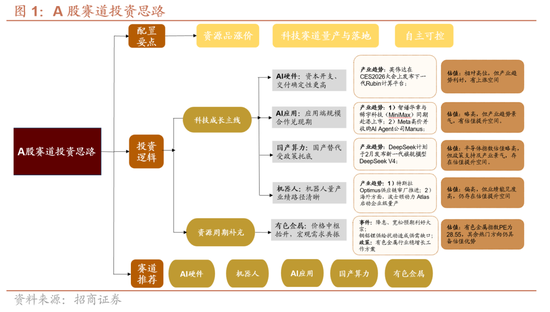
招商证券:A股有望延续上行,1月科技+周期牛的主线不会有变化
Xin Lang Cai Jing· 2026-01-11 11:23
Core Insights - The 2026 industry trend update focuses on AI computing hardware, edge AI, physical AI (autonomous driving, robotics, brain-computer interfaces), AI large models and applications, and commercial aerospace [2][6][8] - The CES 2026 event in Las Vegas highlighted a shift from traditional consumer hardware to AI infrastructure and industrial intelligence, covering various sectors including artificial intelligence, robotics, automotive technology, digital health, and quantum technology [2][7][18] Market Performance - The A-share market has continued its upward trend into 2026, driven by significant net inflows of financing, with a total of 857.8 billion yuan in the first four trading days of January [3][4][8] - The average guarantee ratio of margin trading has increased due to rising stock prices, indicating strong market confidence [3][8] Industry Trends - AI computing hardware advancements include NVIDIA's launch of the next-generation Rubin computing platform, which integrates various components for enhanced performance and cost efficiency [9][21][24] - Edge AI is gaining traction with products like ByteDance's "Doubao" AI glasses entering the market, indicating a shift towards productization in consumer electronics [10][11] - Physical AI developments include NVIDIA's Alpamayo autonomous driving ecosystem, which aims to enhance vehicle decision-making capabilities through multi-step reasoning [12][34][36] Funding and Investment - Significant net inflows in financing have been observed, while ETF redemptions have occurred, indicating a mixed sentiment in the investment landscape [4][8] - Meta's acquisition of AI startup Manus for over $2 billion reflects a strategic move to enhance its AI capabilities and address application gaps [4][14] Valuation Metrics - The overall valuation level of A-shares has increased, with the Wind All A Index PE (TTM) at 18.15, indicating a relatively high valuation compared to historical levels [4][8] Sector Recommendations - The report recommends focusing on cyclical and technology sectors, particularly in the context of the upcoming spring market dynamics and annual report previews [3][8] - Key sectors to watch include power equipment, machinery, non-bank financials, electronics, and basic chemicals, with an emphasis on AI hardware, robotics, and AI applications [8][12]



香港运输署:自动驾驶技术测试加速推进
Huan Qiu Wang Zi Xun· 2026-01-11 08:38
Core Insights - The Hong Kong government has issued six pilot licenses for autonomous vehicles starting in 2024 to promote the development of related technologies in the region [1] - The first approved company has over ten years of experience in autonomous driving research and development, with testing set to begin in late 2024 in North Lantau, expanding to other areas like Cyberport and Kai Tak Development [1] - The total safe driving mileage achieved so far exceeds 80,000 kilometers, demonstrating significant progress in handling complex road conditions [1] Group 1 - The Transport Department has reported that the testing project has been running smoothly, achieving four major technological advancements: simultaneous operation of multiple vehicles, non-commercial passenger transport, expanded testing range, and increased speed limits [2] - The autonomous vehicle fleet has grown from a single vehicle to ten operating simultaneously, with speed limits on some test routes increased to 50 kilometers per hour [2] - The six pilot licenses issued cover a total of 62 autonomous private cars and minibuses, with plans to gradually move towards a "driverless" phase, retaining only remote backup operators [2]
本周新增石头科技、海致科技等5家企业港股发行上市获证监会备案
Sou Hu Cai Jing· 2026-01-11 06:54
Core Viewpoint - The China Securities Regulatory Commission (CSRC) has disclosed that five companies have recently obtained approval for overseas issuance and listing or full circulation of unlisted shares in China, all targeting the Hong Kong Stock Exchange and are in the process of secondary applications [1] Group 1: Company Summaries - Stone Technology, once known as a "sweeping broom" in the A-share market, saw its stock price peak at 1494.99 yuan per share in June 2021, with a market capitalization of 99.266 billion yuan, but has since decreased to a total market value of 42.361 billion yuan, representing a decline of over 50%. The company plans to issue no more than 33.108 million shares [1] - Haizhi Technology, an AI application company founded by former Baidu executives and backed by Hillhouse Capital, focuses on products like the Atlas mapping solution and Atlas intelligent agents. It intends to issue no more than 47.5846 million shares and convert 372 million shares held by shareholders into H-shares [1] - Yushi Technology specializes in L4-level autonomous driving technology, with investors including Innovation Works. The company plans to issue no more than 18.9142 million shares and convert 112 million shares held by shareholders into H-shares [1] - Deshi Biotech aims to become the first company to launch a medical imaging large model, planning to issue no more than 31.004 million shares and convert 80.88 million shares held by shareholders into H-shares [1] - Shangmi Technology, a provider of commercial IoT (BIoT) solutions with shareholders including Ant Group, Meituan, and Xiaomi, plans to issue no more than 46.004 million shares and convert 261 million shares held by shareholders into H-shares [1]

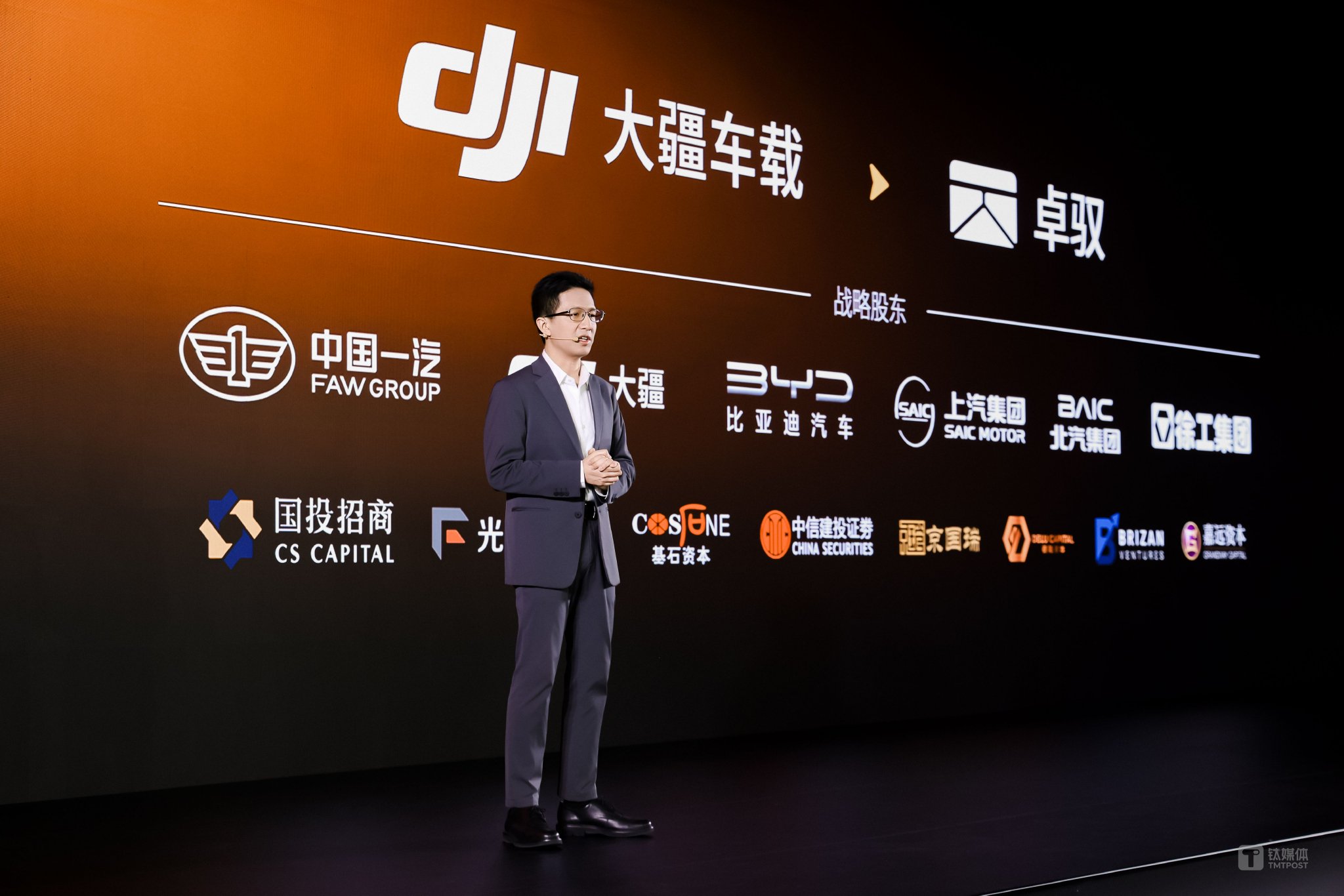
卓驭创始人沈劭劼:2026,智驾要从“端到端” 到“端到所有地方”
Xin Lang Cai Jing· 2026-01-11 05:53
Core Insights - The autonomous driving industry is experiencing significant turbulence, with companies like Maomao Zhixing facing collapse despite strong backing and funding, while others like Zhuoyu Technology secure substantial investments [2] - The competitive landscape has shifted from rule-driven to data-driven models, emphasizing the importance of rapid iteration and efficiency in development cycles [3][4] Company Developments - Zhuoyu Technology announced a strategic investment exceeding 3.6 billion yuan from China FAW, highlighting its growth amidst industry challenges [2] - The founder of Zhuoyu, Shen Shaojie, noted that the company's model iteration cycle has been reduced to weekly updates, significantly improving project delivery times from six months to just over one month [3] Industry Trends - Companies that fail to transition to a data-driven development paradigm are at risk of being eliminated from the market [4][5] - The core competitive factor in the intelligent driving sector is the ability to integrate data-driven approaches with traditional manufacturing processes [5] Transformation Challenges - Transitioning to a data-driven model has been challenging for teams traditionally focused on rule-based systems, as exemplified by Zhuoyu's decision to delete its original codebase [6] - The company has shifted its safety protocols from relying on numerous rules to a comprehensive evaluation system, emphasizing data quality over quantity [6] Engineering and Operational Changes - The integration of data-driven methodologies into all aspects of operations is crucial for the success of intelligent driving solutions [7] - Zhuoyu's engineering processes have evolved, with a focus on maintaining a disciplined approach to problem-solving without adding rules that could complicate models [10] Future Outlook - The competition in the intelligent driving industry is expected to intensify, with significant breakthroughs anticipated in 2026 [10][11] - Zhuoyu aims to expand its technology across various vehicle models and scenarios, leveraging a "base model" strategy that allows for customization by automotive manufacturers [13]
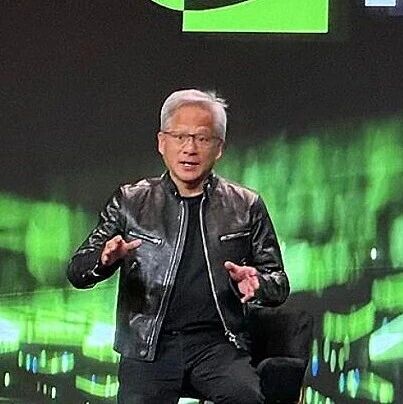
黄仁勋揭露当33年CEO的两大秘诀
半导体行业观察· 2026-01-11 04:23
Core Viewpoint - Nvidia's founder Jensen Huang emphasizes that the current shortage of HBM4 memory is not a cyclical issue but a structural change, positioning Nvidia as a global buyer rather than a passive participant in the shortage [2]. Group 1: HBM4 Memory and Market Position - Huang asserts that Nvidia is the first user of HBM4 and has secured production capacity from all HBM manufacturers, indicating a strong demand for high-bandwidth memory that is essential for GPU workloads [2]. - The demand for HBM4 is described as irreplaceable, diverging from traditional IT market needs [2]. Group 2: Autonomous Driving Platform - Nvidia's new autonomous driving platform, "Alpamayo," is designed to provide a training system for various car manufacturers, differentiating it from Tesla's Full Self-Driving (FSD) system [3]. - Huang praises Tesla's FSD as a world-class solution but highlights that Nvidia's platform includes both hardware (Thor chip) and crucial simulation training software (Omniverse) [3]. Group 3: AI Market Outlook - Huang expresses optimism about AI demand, stating that it is not merely about expanding data centers but about the rise of AI factories as foundational infrastructure [3]. - The shift from chips to tangible AI markets is noted as a significant trend in the industry [3].
自动驾驶激战CES:黄仁勋硬刚马斯克,中国军团已默默量产破局
Sou Hu Cai Jing· 2026-01-10 13:41
Core Insights - The autonomous driving industry is experiencing a pivotal moment at CES 2026 after years of volatility, with significant technological advancements and a shift towards practical applications [2][54] - The competition is intensifying among major players, including Nvidia, Tesla, Qualcomm, Mobileye, and various Chinese companies, each pursuing different technological and business strategies [4][10][18] Group 1: Nvidia's Role - Nvidia's CEO Jensen Huang introduced the open-source autonomous driving model Alpamayo, which is described as a "ChatGPT moment for physical AI," emphasizing the importance of sensor fusion in autonomous driving [4][7] - The competition between Nvidia and Tesla highlights a broader industry debate between vision-based and sensor-based approaches to autonomous driving [7][8] Group 2: Competitive Landscape - Qualcomm is collaborating with Leap Motor to create an integrated solution that combines cockpit, driving assistance, and vehicle control systems, showcasing a shift towards multi-domain control [10][14] - Mobileye is advancing its L3 solutions in partnership with Audi and is testing a prototype that allows drivers to close their eyes while driving, indicating significant progress in autonomous technology [16] Group 3: Chinese Companies' Innovations - Great Wall Motors is showcasing its ASL architecture, which aims to integrate AI capabilities into vehicles, with plans for ASL 1.0 to be implemented in the first half of the year [18][21] - Geely has announced its upgraded AI 2.0 technology system, which integrates driving, cockpit, and chassis systems, with plans to roll out L3 and L4 functionalities by the end of 2026 [27] Group 4: Market Trends and Business Models - The CES 2026 event indicates a lowering of entry barriers for new players in the autonomous driving sector, with a clear divergence in business models emerging [45][46] - Two primary paths are identified: one focusing on vertical market breakthroughs for profitability in closed environments, and the other targeting the Robotaxi market for broader expansion [51][54] Group 5: Future Outlook - The industry is moving beyond technical validation into commercial viability, with various applications like RoboBus and autonomous delivery vehicles beginning to emerge [51][54] - The next 12 months are critical for the autonomous driving sector, as it transitions into a phase where practical implementations will be tested and scaled [54]

全球Robotaxi商业化拐点将现,看好国内L4公司出海再扬帆
Soochow Securities· 2026-01-10 07:04
Investment Rating - The report maintains a positive outlook on the commercialization of Robotaxi, particularly for domestic L4 companies expanding internationally [2]. Core Insights - The global shared mobility market is undergoing a critical transition from human-driven to automated services, with significant regional disparities [2]. - North America is characterized by a duopoly of Uber and Lyft, with regulatory barriers hindering the entry of Chinese Robotaxi companies [2][11]. - Europe faces fragmented regulations and a technological gap, creating opportunities for a hybrid model combining American platforms with Chinese technology [2][11]. - The Middle East presents a unique opportunity with high customer spending, strong policy support, and low energy costs, making it an ideal market for Chinese companies [2][11]. - Southeast Asia has a large but low-margin ride-hailing market, where Robotaxi may struggle to achieve cost-effectiveness in the short term [2][11]. Summary by Sections Global Robotaxi Market Overview - The report highlights the dual nature of regulatory policies in overseas markets, which generally support Robotaxi development while imposing strict safety and operational requirements [7]. North American Shared Mobility Market - The North American ride-hailing market is dominated by Uber and Lyft, with a significant regulatory barrier for non-local Robotaxi companies [11][39]. - The market has evolved into a dual monopoly, with Uber holding a 76% market share and Lyft 24% as of March 2024 [45]. - The report notes that Waymo has established a dominant position in the Robotaxi market, with a fleet of approximately 2,500 vehicles and a weekly order volume exceeding 250,000 [58][60]. European Shared Mobility Market - The European market is characterized by high competition and stringent regulatory requirements, making entry challenging for foreign companies [11]. Middle Eastern Shared Mobility Market - The Middle East is seen as a blue ocean for Robotaxi, with significant government support and a unique market structure that favors shared mobility [11]. Southeast Asian Shared Mobility Market - The report indicates that the Southeast Asian market is dominated by local players, and Robotaxi may not be economically viable in the short term due to low customer spending [11]. Investment Opportunities - The report suggests focusing on the L4 RoboX industry chain, recommending investments in software and hardware companies, as well as downstream application and upstream supply chain players [2].



Alphabet的新时代来了?
美股研究社· 2026-01-10 06:16
Core Viewpoint - Alphabet Inc. has surpassed Apple in market capitalization for the first time since 2019, although analysts view this as more anecdotal than a bullish market driver, with the company's stock price rising by a low single-digit percentage [1]. Group 1: Key Drivers - The current performance of Alphabet is driven by three main narratives: consumer AI chatbot powered by Gemini [2], AI chips driven by Ironwood TPU [3], and autonomous driving through Waymo [4]. Group 2: Gemini vs. ChatGPT - Gemini has shown a 30% growth in monthly active users (MAU) from August to November 2025, reaching 346 million, while ChatGPT only grew by 6% during the same period, with 810 million MAU [8][9]. - In December, traffic data indicated a 5.6% decline for ChatGPT, while Gemini's traffic increased by 28.4%, with average visit durations of 6 minutes 31 seconds for ChatGPT and 7 minutes 16 seconds for Gemini [8]. - Analysts estimate that if Gemini maintains its growth rate, it could potentially surpass ChatGPT in about 12 months [11]. Group 3: TPU and Market Dynamics - Alphabet's TPU is designed for inference tasks, reducing reliance on Nvidia GPUs, with significant cost advantages: a Google TPU cluster costs $99 million compared to $852 million for an equivalent Nvidia setup [15]. - However, analysts express skepticism about the TPU narrative due to energy efficiency concerns, as Nvidia's GPUs outperform Google's TPUs in this regard [18]. Group 4: Valuation and Market Sentiment - Alphabet's P/E ratios are competitive within the cloud services sector, with a Non-GAAP P/E of 30.58 for FY1, second only to Amazon [20]. - Analysts believe the optimistic sentiment is driven by Gemini's growing appeal against ChatGPT, positioning Alphabet as a key challenger in the consumer AI space [22]. - There are potential headline risks related to regulatory scrutiny, particularly concerning the acquisition of Wiz, which could impact market sentiment [23][26]. Group 5: Future Outlook - Analysts are closely monitoring Gemini's user growth and the outcome of the Wiz acquisition decision by the European Commission, as these factors will influence Alphabet's valuation and market position [26]. - Alphabet is currently testing historical highs in market capitalization, indicating strong investor interest [27].

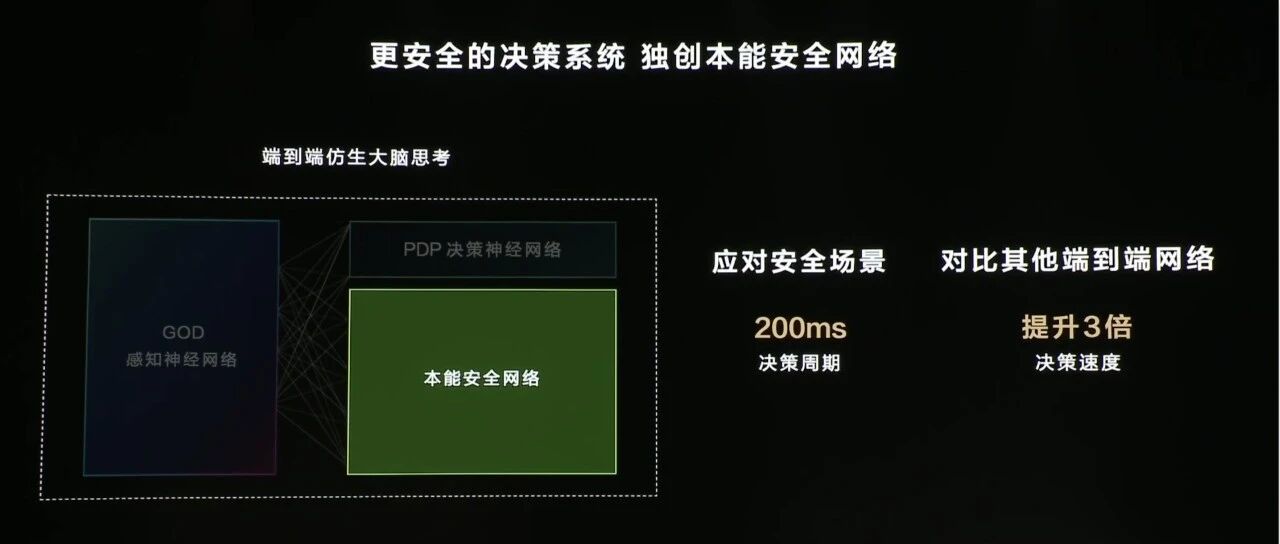
华为ADS智驾方案分析
自动驾驶之心· 2026-01-10 03:47
Core Viewpoint - Huawei's ADS (Autonomous Driving System) has evolved through multiple iterations, focusing on multi-sensor fusion to enhance perception capabilities under various conditions, ultimately aiming for a fully autonomous driving experience by 2025 [2][4]. Summary by Sections ADS Iterations - ADS 1.0 was launched in April 2021, featuring multi-sensor fusion and basic intelligent driving capabilities, primarily in urban areas [4]. - ADS 2.0, released in April 2023, introduced advanced algorithms (GOD 2.0 and RCR 2.0) for improved object and road recognition, achieving a 99.9% recognition rate for common obstacles [4][8]. - ADS 3.0, expected in April 2024, will implement an end-to-end neural network design, enhancing the system's ability to mimic human driving decisions and improve overall driving experience [18][20]. - ADS 4.0, projected for April 2025, aims to integrate cloud training and vehicle inference, fundamentally restructuring the driving logic to enhance safety and adaptability [4]. Sensor Fusion and Perception - The system employs a combination of LiDAR, millimeter-wave radar, ultrasonic radar, and cameras to create a comprehensive perception framework, capable of functioning in various weather conditions [3][20]. - LiDAR provides high-precision 3D mapping, while millimeter-wave radar enhances performance in adverse weather, and cameras assist in recognizing traffic signs and dynamic objects [3][20]. Key Algorithms - The General Obstacle Detection (GOD) network is crucial for identifying various obstacles, including atypical ones, and is trained using extensive driving data [12][21]. - The Road Topology Reasoning (RCR) network enhances the system's ability to match navigation maps with real-world conditions, significantly improving the vehicle's situational awareness [16]. Innovative Features - ADS 3.0 introduces a Park-to-Park feature, allowing vehicles to autonomously navigate from parking lot entrances to designated spots, achieving a parking success rate of over 95% in complex scenarios [24]. - The system includes a comprehensive Collision Avoidance System (CAS 3.0) with 23 active safety features, reportedly preventing over 2 million potential collision incidents [25]. - The Navigation Cruise Assist (NCA) function supports both urban and highway driving, with a 99% accuracy rate in traffic signal recognition [26]. Future Developments - The transition from rule-based to data-driven approaches in ADS iterations aims to address complex driving scenarios and enhance overall driving safety and efficiency [4].