
养老服务

Search documents
调查显示:上海老年人消费能力强,月均消费3300元!但对这些方面不太满意→
Sou Hu Cai Jing· 2025-12-09 08:03
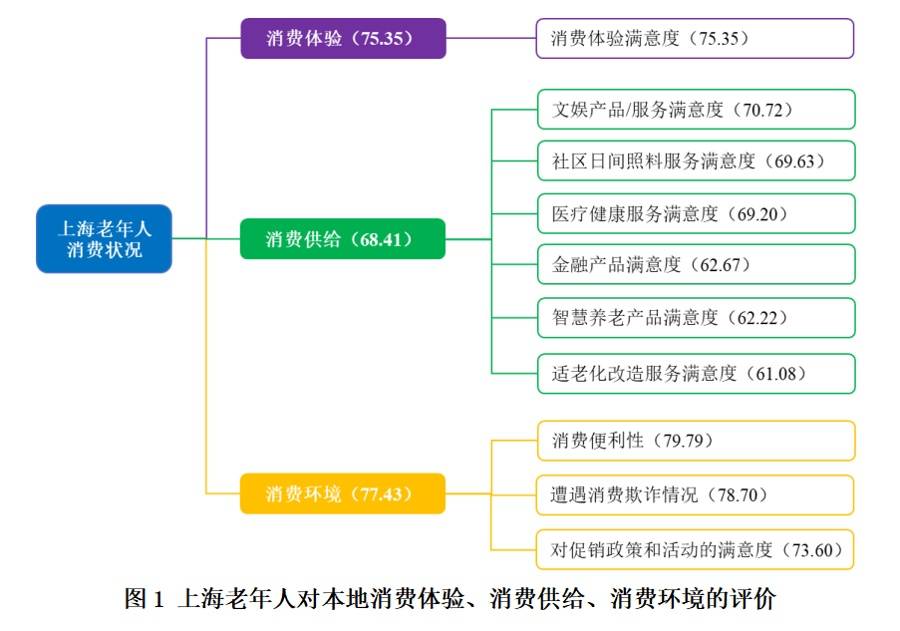
Core Insights - The "silver economy" is a significant driver of consumption market upgrades in Shanghai, where the elderly population aged 60 and above accounts for 37.6% of the city's residents [1][53] - A recent survey highlights the disparity between the high evaluation of the consumption environment (77.43) and the lower satisfaction with consumption supply (68.41) among the elderly [3][8] Consumption Experience - Elderly respondents rated their consumption experience positively, with a score of 77.43, while satisfaction with supply was lower at 68.41 [3] - The highest satisfaction was found in cultural and entertainment products/services (70.72), while satisfaction with age-friendly renovation services was lower (61.08) [3][8] Regional Differences - Baoshan district received high ratings for consumption experience (89.25), supply (79.91), and environment (87.65), while Chongming district scored lower in all categories [8][9] - Pudong New Area had a low evaluation of the consumption environment (69.77), particularly regarding promotional policies and activities [8] Consumption Trends - The elderly in Shanghai have strong consumption capabilities and preferences for practicality and quality, with 46.8% having a monthly disposable income above 5000 yuan [11][14] - Monthly consumption expenditure of over 3000 yuan was reported by 48.0% of respondents, indicating a higher spending capacity compared to national averages [14] Key Consumption Categories - Major consumption areas include necessities like food (83.6%), housing (75.7%), and transportation (54.6%), with health-related spending also significant (67.8% for medical health) [14][16] - An increasing trend in spending was noted in food (69.0% increase), medical health (49.0%), and wellness products (40.7%) [14] Satisfaction with Services - 51.1% of elderly respondents expressed satisfaction with their recent consumption experiences, while 17.8% felt it was average or unsatisfactory, mainly due to price and quality issues [16] - In the medical health sector, 70.1% of respondents were satisfied with services, but concerns about community hospital capabilities were prevalent [19] Focus Areas for Improvement - The survey identified medical health (85.6% interest) and community care services as key areas for improvement, with a need for enhanced community hospital capabilities and service offerings [19][27] - In the entertainment sector, social interaction activities were highly valued (77.6%), but dissatisfaction stemmed from inadequate age-appropriate activities [23] Financial Products and Services - Interest in deposit-based financial products was high (81.9%), but only 55.4% expressed satisfaction, citing complex terms and high-risk levels as concerns [31] - Satisfaction with smart elderly care products was moderate, with 49.8% expressing contentment, but issues with pricing and complexity were noted [35] Recommendations for Policy and Market Adaptation - The report suggests enhancing community healthcare services, improving age-friendly renovations, and developing affordable smart health monitoring products to meet the needs of the elderly [53][54] - It also recommends expanding community meal services and integrating diverse care options to improve overall service quality [54][55]

“新职业”“老行当”从细微处为百姓雕琢美好生活 职业更新为劳动者打开就业新空间
Yang Shi Wang· 2025-12-09 06:35
Group 1 - The emergence of new professions and revitalization of traditional industries are creating new opportunities in the job market for 2025 [1][28] - The introduction of 17 new professions and 42 new job categories by the Ministry of Human Resources and Social Security indicates a significant increase in job specialization [29][32] - The role of the "drone swarm flight planner" has been officially recognized as a new profession, highlighting the need for multi-disciplinary talents in the low-altitude economy [18][21] Group 2 - The professionalization of roles such as sleep health managers and elderly care service providers reflects a shift towards comprehensive service models in traditional sectors [3][33] - Training programs are evolving to incorporate industry-specific skills, preparing workers for future job requirements, as seen in the case of the "beef noodle making master" training in Gansu [35][38] - The demand for positions in emerging fields like artificial intelligence and drone operations is rapidly increasing, with job postings for AI product managers growing by over 138% [40][42]

四川成都建设复合型开放型养老机构、打造智慧医疗场景 强化民生保障 描绘幸福图景
Ren Min Ri Bao· 2025-12-09 06:17
Group 1: Healthcare Infrastructure Improvements - Sichuan University West China Hospital experiences nearly 20,000 outpatient and emergency visits daily, leading to significant traffic congestion in the surrounding area [1] - Traffic congestion duration has been reduced from 40 minutes to 10 minutes due to the implementation of a traffic management plan, enhancing patient access to the hospital [1] - Chengdu's "Open Door to Traffic Jam" initiative has addressed 372 traffic bottlenecks across the city, improving overall traffic flow [1] Group 2: Elderly Care Innovations - Chengdu has introduced an "intergenerational care" model, combining elderly care centers with childcare facilities, allowing for shared activities between seniors and children [2][4] - The model has improved community integration, with 80% of elderly residents coming from nearby neighborhoods, enhancing their connection to family and community [2] - Chengdu has established 127 open-type elderly care institutions, offering various services such as meal assistance, cultural activities, and health management [5] Group 3: Education System Enhancements - Chengdu has implemented an immediate enrollment policy for children aged three, allowing them to register at available kindergartens, alleviating pressure on working families [6] - The city plans to add 7,500 public kindergarten spots by 2025, with a total of 149,000 small class seats available across public and private institutions [6] - A 12-year integrated education model is being piloted, allowing students to progress from elementary to high school without facing traditional entrance exams, reducing academic pressure [6] Group 4: Healthcare Service Integration - A two-way referral information platform has been established, allowing patients to transfer between healthcare facilities more efficiently, with 10% of appointment slots reserved for referred patients [8] - The platform is operational in 64 pilot medical institutions across seven districts, enhancing patient access to higher-level care [8] - Chengdu's health information platform has created 30 smart healthcare scenarios, benefiting nearly 9.5 million patients and saving approximately 10.11 million yuan in medical costs [8]
山东将深化养老服务改革发展
Da Zhong Ri Bao· 2025-12-09 01:02
Core Viewpoint - The recent implementation opinion aims to enhance the quality of elderly care services by establishing a comprehensive three-tiered service network by 2029, focusing on care for the disabled and cognitively impaired elderly [1][2][3] Group 1: Government Role - The government will prioritize the development of basic security and inclusive support-type elderly care institutions, targeting a 65% share of inclusive support-type institutions by the end of 2029 [1] - There is a goal to ensure that by the end of 2026, 90% of caregivers in elderly care institutions will have obtained vocational skill certificates [1] - By the end of 2029, there should be at least 100 inclusive elderly care beds per 10,000 elderly individuals [1] Group 2: Market Development - By the end of 2029, the province aims to have over 2,000 private elderly care institutions and more than 300 large-scale elderly service enterprises [2] - New elderly care institutions are expected to have at least 80% of their beds designated for nursing care, with public institutions aiming for 90% [2] - The establishment of over eight health and elderly care industry clusters is targeted by 2029, with over 100 professional, chain-operated, and branded elderly service institutions [2] Group 3: Social Participation - The implementation opinion emphasizes the integration of grassroots elderly care resources under the leadership of local party organizations, enhancing community involvement [2] - There is a push for innovative mutual assistance in elderly care, encouraging collaboration among elderly individuals, their families, and community members [2] Group 4: Family Support - The establishment of an "elderly care consultant" system is proposed to provide elderly individuals with planning, policy consultation, and resource recommendations [3] - There is an initiative to promote filial piety and respect for the elderly, with localities encouraged to create incentive measures for virtuous behavior [3] - By the end of 2027, the province aims to have over 100,000 family elderly care beds [3]
山东出台养老服务改革发展意见,到2029年基本建成覆盖城乡的三级养老网络
Feng Huang Wang Cai Jing· 2025-12-09 00:21
Core Viewpoint - Shandong Province has released an implementation opinion aimed at deepening the reform and development of elderly care services, focusing on building a three-tiered elderly care service network by 2029, particularly for disabled and cognitively impaired elderly individuals [1][3]. Group 1: Government Role in Elderly Care - The opinion emphasizes the government's leading role in developing elderly care services, aiming for over 65% of supportive elderly care institutions to be inclusive by the end of 2029 [1]. - By the end of 2026, 90% of elderly care workers in the province's institutions are expected to obtain vocational skill certificates [1]. - Aiming for 80% of counties to establish a three-tiered elderly care service network by the end of 2029, with over 100 inclusive elderly care beds per 10,000 elderly individuals [1]. Group 2: Market Development in Elderly Care - The opinion aims to cultivate high-quality market entities in elderly care, targeting over 2,000 private elderly care institutions and over 300 large-scale elderly service enterprises by the end of 2029 [3]. - New elderly care institutions are required to have at least 80% of their beds designated for nursing care, with public institutions needing to meet a 90% threshold [3]. - By 2029, the proportion of nursing care beds and cognitive impairment care beds in elderly care institutions is expected to reach 80% and over 5%, respectively [3]. Group 3: Community and Family Involvement - The opinion calls for enhanced coordination of grassroots elderly care resources, encouraging community involvement and mutual assistance among elderly individuals and their families [5]. - Establishing a "care consultant" system to provide elderly individuals with planning, policy consultation, and resource recommendations is emphasized [5]. - By the end of 2027, the province aims to have over 100,000 family care beds to strengthen home-based elderly care services [5].
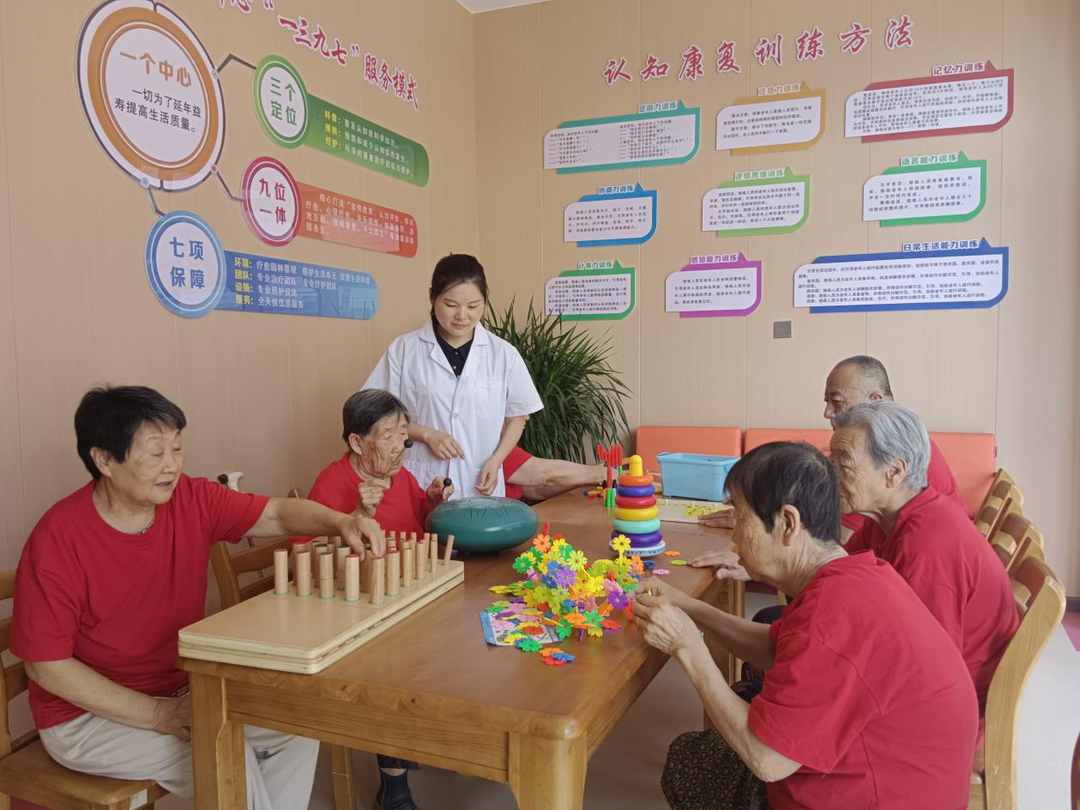
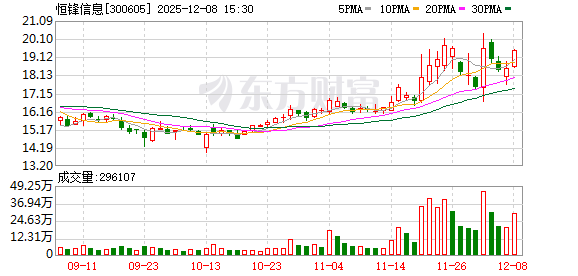
恒锋信息:目前,微尚生活运营社区居家养老服务照料中心29个,社区居家养老服务站91个
Mei Ri Jing Ji Xin Wen· 2025-12-08 16:31
Core Viewpoint - The company, Hengfeng Information, is actively involved in providing elderly care services through its subsidiary, Fujian Weishang Life Service Co., Ltd, which focuses on community-based elderly care solutions [2]. Group 1: Business Operations - The subsidiary operates 29 community elderly care service centers and 91 community elderly care service stations, serving nearly 130,000 individuals and providing services to approximately 800,000 people annually [2]. - The company has developed several platforms, including a smart elderly care service supervision platform, an intelligent home safety care platform, and a cloud health management platform, aimed at enhancing elderly care services [2]. Group 2: Market Coverage - The services are currently available across two provinces, covering ten cities and twenty-four counties [2].

税收数据显示:中国消费市场呈现积极变化
Zhong Guo Xin Wen Wang· 2025-12-08 10:20
税收数据显示:中国消费市场呈现积极变化 中新社北京12月8日电 (记者 赵建华)中国国家税务总局总经济师、新闻发言人荣海楼8日在北京介绍, 从税收大数据来看,今年以来,中国消费市场呈现出不少积极变化:以旧换新政策促进消费需求释放, 文旅融合发展激发新的消费活力,体育和健康领域呈现较高消费热度,银发和年轻群体展现较大消费潜 力。 国家税务总局当天举行的新闻发布会上,荣海楼介绍,家电产品保持增长态势,新能源汽车消费持续向 好、市场活跃度持续走强。文化、旅游新业态新场景不断涌现,消费活力释放。发票数据显示,1至11 月,手机等通信设备零售业、冰箱等日用家电零售业销售收入同比分别增长20.3%、26.5%;新能源乘 用车销售收入增长19.1%;文艺创作与表演、电影放映销售收入分别增长15.6%和19.1%;旅行社及相关 服务、名胜风景区、休闲观光活动销售收入分别增长10.8%、29.4%和16.6%。 同时,各地体育赛事不断增多,由此带来的"赛事经济"产出随之增加;银发群体消费需求增加,带动养 老服务需求多元增长。发票数据显示,1至11月,体育会展服务、体育用品及器材零售同比分别增长 29.7%、6.6%。健康类消费 ...
国家信息中心智慧康养调研组莅临立林考察,共探智慧养老服务体系发展路径
Sou Hu Wang· 2025-12-08 09:30
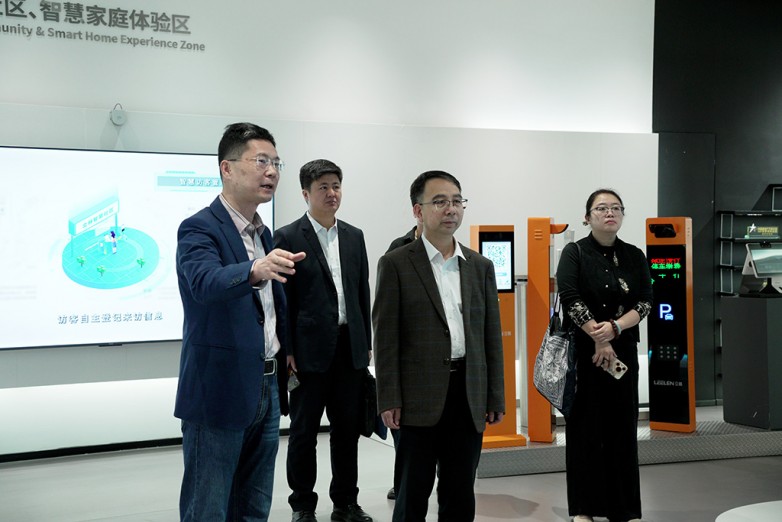
△立林董事长陈旭黎介绍立林居家助老体系 12月6日,国家信息中心智慧康养调研组莅临立林开展专题调研考察。双方聚焦养老服务发展议题,围 绕政策导向与实践创新进行了深入交流与探讨。 立林董事长陈旭黎首先介绍了立林居家助老的初心与理念是"让儿女不在身边视同在身边"。围绕这一理 念,立林构建了以居家助老运营与管理平台为核心的居家助老解决方案,打造覆盖家庭、社区/乡村、 机构、医疗的全场景养老服务生态。该体系以养老机构或医院为服务中心,将专业养老服务辐射至周边 多个社区与乡村,有效联通老人、子女、服务驿站及运营服务方,形成高效便捷的15分钟管理服务闭 环。 调研组针对下一步工作,提出了四个着力方向:一是以平台建设为核心,夯实综合养老体系基础;二是 提升服务供给端质量,加强物业运营能力与养老服务人员培训;三是推动场景培育与技术创新相结合, 深化适老化改造;四是加快行业标准建设,鼓励立林所参与的中国安防协会智慧社区与智能家居专业委 员会发挥引领作用,推动相关标准制定,促进养老服务规范化、高质量发展。 △调研组吕欣研究员发言 同时,调研组成员表示:"立林的养老服务体系以安防为基础延伸而来,更具系统性与前瞻性。未来在 建设'1 ...
税收大数据显示:新场景新模式带动服务消费快速增长
Sou Hu Cai Jing· 2025-12-08 08:41
新华社北京12月8日电(记者刘开雄)国家税务总局12月8日发布的最新税收大数据显示,今年以来,在 国家一系列提振消费政策的支持以及消费新场景、新模式带动下,我国服务消费亮点不少。 "今年以来,文化、旅游新业态新场景不断涌现,消费活力释放。"国家税务总局总经济师、新闻发言人 荣海楼在当日举行的例行新闻发布会上说。 从税收发票数据看,今年前11个月,文艺创作与表演、电影放映销售收入同比分别增长15.6%和 19.1%,并与旅游产业融合,带动沉浸式、场景式旅游消费蓬勃发展。同期的旅行社及相关服务、名胜 风景区、休闲观光活动销售收入同比分别增长10.8%、29.4%和16.6%。 从税收发票数据看,前11个月,老年人及残疾人养护、社会看护与帮助、疗养院服务消费同比分别增长 33.6%、9.6%和14.6%。而在年轻消费群体中,以游戏动漫等数字文化服务为代表的情绪价值、社交属 性消费颇受年轻人青睐,展现出一定消费潜力。前11个月,与其相关的数字文化服务销售收入同比增长 16.5%。 "税务部门将持续落实好支持消费的税费政策,不断优化办税缴费服务举措,促进以政策红利和服务便 利更好地激发内需潜力、提升消费活力。"荣海楼说 ...
税务总局:前11月家电零售收入增长26%,体育消费热度高
2 1 Shi Ji Jing Ji Bao Dao· 2025-12-08 06:09
Economic Performance - The National Taxation Administration reported that from January to November, the amount of machinery and equipment purchased by enterprises increased by 10.7% year-on-year, indicating a stronger investment in equipment [1] - Sales revenue in the home appliance and communication retail sectors, supported by the old-for-new consumption policy, grew by 26.5% and 20.3% respectively, reflecting the ongoing effectiveness of consumption promotion policies [1] - Export tax refunds processed by tax authorities increased by 6.8% year-on-year, showcasing the resilience of Chinese enterprises in maintaining good growth amid complex international trade conditions [1] Consumption Trends - The integration of culture and tourism has stimulated new consumption vitality, with sales revenue from cultural and artistic performances and film screenings increasing by 15.6% and 19.1% respectively [2] - The travel industry has also benefited, with sales from travel agencies and related services, scenic spots, and leisure activities growing by 10.8%, 29.4%, and 16.6% respectively [2] - The sports and health sectors have shown high consumer enthusiasm, with sales in sports exhibition services and sports goods retail increasing by 29.7% and 6.6% respectively [2] Demographic Insights - The elderly population has shown increased consumption demand, leading to diverse growth in elder care services, with spending on elder care and social assistance rising by 33.6% and 9.6% respectively [3] - The younger demographic is also exhibiting significant consumption potential, particularly in digital cultural services related to gaming and animation, which saw a sales increase of 16.5% [3] - The tax authorities plan to continue implementing supportive tax and fee policies to further stimulate domestic demand and enhance consumption vitality [3]