汽车及零部件

Search documents
全球感知|中企赴泰投资增速逾20% 需防范三大跨境风险
Xin Lang Cai Jing· 2025-12-20 03:36
Core Insights - The "Thailand-China Investment Forum" highlighted the deepening collaboration between Thailand and China, emphasizing the importance of cross-border risk management in areas such as equity structure, tax compliance, and human resource management [1] Group 1: Economic Cooperation - Thailand has been China's largest trading partner for 12 consecutive years and the biggest source of foreign investment [1] - In the first nine months of 2025, Thailand's investment promotion project applications reached 1.37 trillion Thai Baht (approximately 301.4 billion RMB), a 94% year-on-year increase, marking the highest record in 60 years [1] - Chinese investment applications accounted for 839 projects, with an investment amount of 142.9 billion Thai Baht (approximately 32 billion RMB), a 26% year-on-year increase, primarily in the electronics, metals, and automotive sectors [1] Group 2: Strategic Investment Policies - Thailand's "Future-Oriented Strategic Investment" aims to transform the economy from traditional to high-value modern industries, with foreign investment at its core [2] - The government has adjusted electric vehicle policies to accelerate market penetration through subsidies and aims to increase the share of clean energy from 22% to 50% by 2027 [2] - Thailand has signed 17 free trade agreements with 24 countries, enhancing its position as a pharmaceutical production and export hub [2] Group 3: Investment Facilitation - The "Thailand Fast Track" mechanism aims to expedite the approval process for high-value strategic projects, reducing approval times by 20% to 50% [2] - This mechanism applies to projects with a minimum investment of 1 billion Thai Baht and in targeted high-tech industries [2] Group 4: Talent Development - The Thai government plans to train 100,000 skilled professionals to meet the demands of new industries, supported by various training programs [3] - BOI encourages Chinese companies to assist in upgrading local industries, particularly in transitioning traditional automotive suppliers to electric vehicle components [3] Group 5: Compliance Risks - Companies investing in Thailand must pay attention to compliance risks related to equity structure, tax arrangements, and human resource management [5] - The Thai government has established a scrutiny committee focusing on high-risk sectors, and companies in restricted industries must apply for foreign business licenses [5] - Tax compliance is critical, as residing in Thailand for over 180 days may classify individuals as tax residents, requiring global income reporting [5]


拉美拓展合作渠道消减对美依赖
Jing Ji Ri Bao· 2025-12-18 06:14
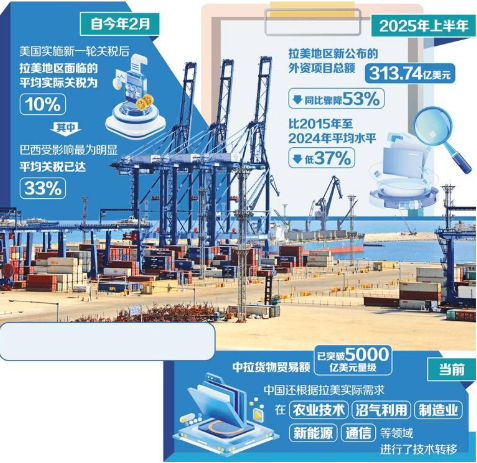
Core Viewpoint - The global tariff increase policy implemented by the U.S. government has significantly impacted the Latin American region, which is highly integrated with the U.S. economy. The UN Economic Commission for Latin America and the Caribbean (ECLAC) emphasizes the urgent need for these countries to reduce their trade dependence on the U.S. and pursue market diversification strategies [1][2]. Trade Dependency Challenges - Since the U.S. imposed a new round of tariffs in February, the average actual tariff faced by Latin America has reached 10%, with Brazil being the most affected at 33%. Despite a projected 5% growth in goods exports by 2025, structural risks remain [2]. - The current trade resilience is largely due to U.S. importers engaging in "front-loading" to avoid anticipated tariffs, indicating that this short-term prosperity is unsustainable. The negative impacts of tariffs are expected to become more pronounced by 2026 [2]. - Foreign investment attractiveness has been severely undermined, with new foreign investment projects in Latin America totaling only $31.374 billion in the first half of 2025, a 53% year-on-year decline and 37% below the average from 2015 to 2024. Investment in export-oriented industries targeting the U.S. market has contracted significantly, with declines exceeding 60% in sectors like automotive, consumer goods, and metal minerals [2]. Structural Transformation Setbacks - The deep dependence of Latin America on the U.S. market is rooted in over a century of "center-periphery" economic relations, with the Monroe Doctrine shaping U.S. policies towards the region. This has led to a dependency on primary product exports, resulting in weak industrial manufacturing and development capabilities [6]. - Despite efforts to promote industrial transformation, the region remains heavily reliant on primary product exports, particularly to the U.S. market, where a significant portion of imports in categories like bananas, sugar, and refined copper comes from Latin America [6]. - Internal structural challenges, such as high informal employment rates, tax system flaws, and inadequate infrastructure, complicate the path to reducing market dependency [7]. Diversified Cooperation for Solutions - To address tariff escalations and dependency issues, ECLAC recommends that regional countries deepen trade relations with diverse partners, including China, the EU, India, and ASEAN, while enhancing regional infrastructure connectivity and trade facilitation [8]. - The current U.S. administration's "America First" policy, characterized by exclusivity, poses challenges to Latin America's ability to collaborate with other major powers. However, the rise of the Global South offers new strategic opportunities for Latin America [8]. - Latin American countries are actively seeking diversified cooperation channels, focusing on practical collaboration with major economies and enhancing South-South cooperation through multilateral platforms [9]. Regional Integration Revitalization - Latin American regional integration is experiencing a resurgence, with leaders focusing on strengthening regional cooperation to collectively address external interventions and hegemonic actions. Countries like Brazil and Colombia are promoting regional integration processes in key areas such as security and energy connectivity [9].
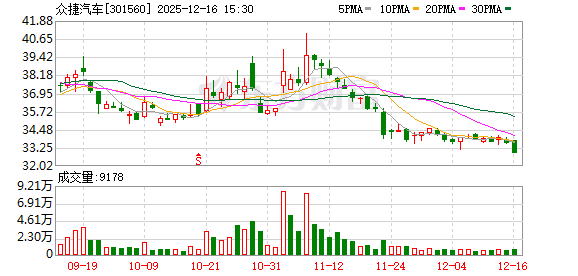
众捷汽车:公司已成功与Boyd宝德集团建立合作
Zheng Quan Ri Bao· 2025-12-16 12:41
证券日报网讯 12月16日,众捷汽车在互动平台回答投资者提问时表示,公司已成功与全球热管理解决 方案领导者Boyd宝德集团建立合作,给Boyd北美和欧洲正在供应数据中心液冷的相关产品。 (文章来源:证券日报) ...
沈阳布局智能网联新能源汽车全产业链
Cai Jing Wang· 2025-12-16 02:07
Group 1 - The core viewpoint of the article emphasizes the development of the automotive and parts industry in Shenyang, aiming to strengthen the entire production and supply system for vehicles and components, while also focusing on the intelligent connected new energy vehicle industry chain [1] Group 2 - The proposal includes expanding consumer goods consumption, boosting major consumption, and increasing the automotive aftermarket consumption [1] - The Tiexi District will focus on developing the automotive and parts, equipment manufacturing, and biomedicine and medical equipment industries [1] - The Dadong District will prioritize the development of automotive and parts, equipment manufacturing, and cultural tourism industries [1]
沈阳“十五五”规划建议:构建以先进制造业为骨干的现代化产业体系,推进区域性金融中心建设
Zheng Quan Shi Bao Wang· 2025-12-15 03:26
Core Insights - The proposal outlines the development strategy for Shenyang during the 15th Five-Year Plan period, emphasizing the enhancement of the real economy and the promotion of intelligent, green, and integrated manufacturing [1][2] Group 1: Economic Development and Industry Upgrades - Shenyang aims to optimize and elevate traditional industries by advancing intelligent, green, and service-oriented manufacturing, and promoting the "smart transformation and digital upgrade" of manufacturing [2] - The city plans to cultivate emerging and future industries, focusing on innovative infrastructure, technology research and development, and large-scale application of new technologies and products [2] - Key industrial chains and advanced manufacturing clusters will be developed, with a focus on the automotive and parts industry, equipment manufacturing, aerospace, information technology, and renewable energy sectors [3] Group 2: Financial and Systemic Reforms - The proposal emphasizes the need for comprehensive economic system reforms, particularly in the financial sector, to enhance financial supply and support the development of various financial services [4] - It includes plans to optimize the financial institution system, expand financing scales in credit, bonds, and capital markets, and establish a multi-level investment fund system [4] - The initiative aims to improve the financial ecosystem by establishing a bad asset trading center and enhancing financial arbitration and mediation mechanisms [4]
工银国际-2026全球经济展望及投资策略
2025-12-15 02:13
Summary of Key Points from the Conference Call Industry Overview - The global economy is experiencing critical inflection points due to various factors including the Federal Reserve's interest rate cut cycle, geopolitical tensions, and supply chain restructuring. This has led to increased volatility in risk assets, particularly in high valuation ranges [10][11] - China's economy is navigating through complex challenges while achieving steady growth, successfully meeting the high-quality development targets set under the "14th Five-Year Plan" [10][11] - Hong Kong's capital market has shown robust recovery, with the Hang Seng Index outperforming global indices and IPO fundraising reclaiming the top position worldwide [10][11] Core Insights and Arguments - Looking ahead to 2026, the global economic landscape is characterized by short-term resilience and medium-to-long-term structural risks, which will significantly influence global investment flows [11] - The "15th Five-Year Plan" is expected to further unleash China's economic potential through industrial upgrades, technological innovation, and domestic demand stimulation, enhancing its strategic advantage in value investing [11] - Hong Kong is positioned as a key "super-connector" and "super value-adder" in the global capital market, with ongoing reforms and expansion of interconnection programs solidifying its status as the premier offshore Renminbi hub [11] Additional Important Points - The ongoing AI revolution and the reconfiguration of East-West dynamics are seen as significant factors influencing investment strategies and opportunities [12] - ICBC International Research emphasizes its commitment to providing high-quality, differentiated research to guide global investors through technological disruptions and macroeconomic transformations [12] - The research team at ICBC International is recognized for its strong professional reputation and aims to expand the breadth and depth of its research services to better serve clients [15][16] Conclusion - The conference highlighted the interplay between global economic trends and China's strategic initiatives, positioning Hong Kong as a vital hub for investment in Chinese assets. The insights provided by ICBC International Research reflect a deep understanding of the current market dynamics and future opportunities.
广西持续支持企业拓展多元化市场 稳住外贸增长势头
Zhong Guo Xin Wen Wang· 2025-12-14 05:15
Core Viewpoint - Guangxi is committed to supporting enterprises in diversifying their markets, focusing on expanding exports of key industries such as automotive, engineering machinery, and electronic information [1][2] Group 1: Trade Performance - In the first 11 months of 2025, Guangxi's foreign trade import and export value reached 726.54 billion yuan, a year-on-year increase of 9.5% [1] - Exports amounted to 429.69 billion yuan, reflecting a year-on-year growth of 13.2%, while imports were 296.85 billion yuan, with a growth of 4.6% [1] - ASEAN remains Guangxi's largest trading partner, with a total trade value of 384.22 billion yuan, up 10% year-on-year [1] - Trade with Vietnam reached 282.98 billion yuan, increasing by 7.1% year-on-year, while trade with Indonesia and Singapore saw significant growth rates of 51.7% and 62.7%, respectively [1] Group 2: Future Initiatives - Guangxi will continue to implement the "Industrial Trade Strengthening" project to expand the scale of major outward-oriented industrial projects [2] - The region aims to enhance the service mechanism for key foreign trade projects and strengthen trade situation monitoring and analysis to assist enterprises in adjusting their business strategies [2] - Innovations in border trade will be promoted, including support for the construction of small-scale trade warehousing and consolidation centers to improve export customs inspection efficiency [2] - The development of cross-border e-commerce will be accelerated, with efforts to establish a comprehensive pilot zone and attract cross-border e-commerce enterprises [2] - Guangxi plans to expand bonded logistics and encourage bonded logistics companies to engage in warehousing, consolidation, and distribution services [2]
又一反华国家出现?官宣对华加关税,外交部回应,恐步入美国后路
Sou Hu Cai Jing· 2025-12-13 02:51
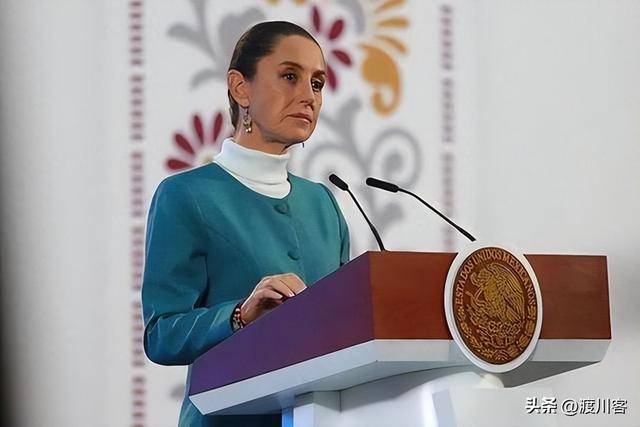
Core Viewpoint - Mexico's Congress has rapidly passed a tariff law that will impose tariffs of up to 50% on goods from several Asian countries, including China and South Korea, starting January 1, 2026, aiming to protect local industries and jobs while potentially responding to U.S. pressures [2][4][10]. Group 1: Tariff Law Details - The tariff law covers 1,463 product categories across 17 industries, including automotive parts, textiles, and plastics, with a tiered tax structure: raw materials at 10%-15%, semi-finished products at 20%-35%, and finished products at 35%-50%, with light vehicles taxed at the maximum rate of 50% [10][12]. - The proposal underwent over 750 revisions before passing, with 302 products exempted from tariffs, indicating significant governmental negotiation and adjustment [12][14]. Group 2: Economic Implications - The Mexican government claims the tariffs will strengthen local industry competitiveness and protect 325,000 jobs, projecting an additional revenue of $3.76 billion by 2026 [14][16]. - However, the law has raised concerns among Mexican businesses, with industry leaders warning that the tariffs could hinder technological development, disrupt supply chains, and increase costs for consumers [25][29][31]. Group 3: International Reactions - China's Ministry of Commerce has criticized the tariffs as unilateral and protectionist, indicating that they will closely monitor the situation and assess the impact on trade [21][23]. - The U.S. has not clearly indicated any benefits for Mexico following this tariff move, leading to speculation about Mexico's motivations and the potential for economic repercussions [33][36]. Group 4: Historical Context and Future Outlook - The article draws parallels with the U.S. experience of imposing tariffs, which led to significant cost increases for American consumers, suggesting that Mexico may face similar challenges [40][42]. - The OECD has noted that previous U.S. tariffs have already slowed Mexico's economic growth, and the new tariffs could further weaken Mexico's international competitiveness [46][48].
盛阅春赴蔡甸区调研并召开车谷区域协同发展座谈会:协同联动,共谋发展,高水平打造“世界车谷”
Chang Jiang Ri Bao· 2025-12-12 11:15
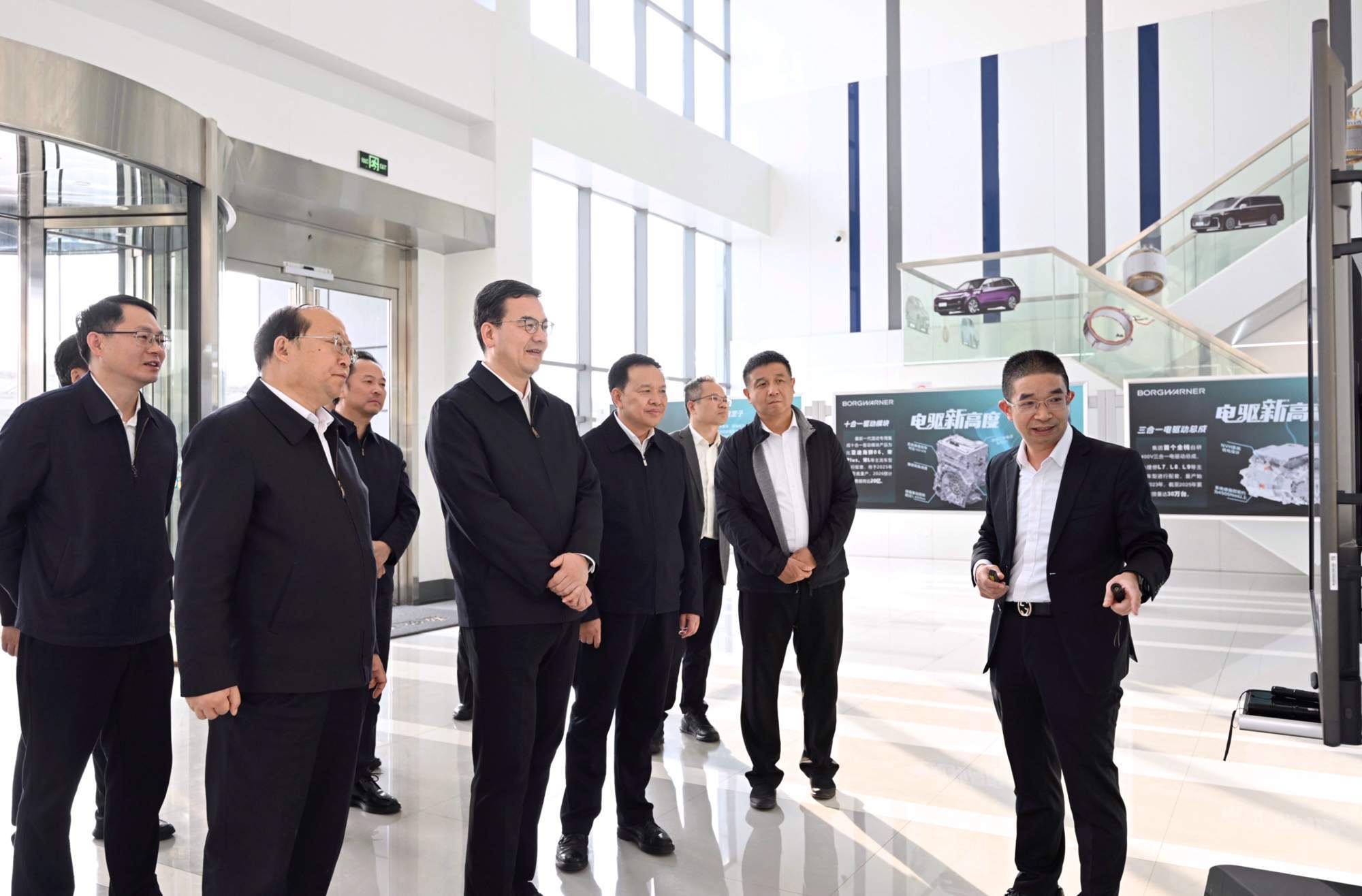
在随后召开的座谈会上,武汉经开区、汉阳区、蔡甸区分别汇报车谷区域产业协同发展情况及下步工作安排,相关单位作交流发言。 认真听取发言后,盛阅春指出,深入推进"五谷丰登",做大做强"五谷"特色产业集群,是加快构建体现武汉优势的现代化产业体系的 重要抓手。要牢固树立"大车谷"意识,进一步强化协同联动,激发合作积极性,构建发展共同体,在"五谷"特色产业集群建设中率先探 索、当好示范,引领大汉阳地区汽车产业高质量发展,推动"中国车谷"加速迈向"世界车谷"。 12月11日,省委常委、市委书记盛阅春赴蔡甸区调研并召开车谷区域协同发展座谈会。他强调,要深入学习贯彻党的二十届四中全会 精神和习近平总书记考察湖北重要讲话精神,认真落实省委十二届十一次全会、市委十四届十二次全会部署,完善机制、加强合作、优势 互补,推动大车谷区域协同联动发展,高水平打造"世界车谷",为全力打造"五个中心"、全面建设现代化大武汉提供坚实支撑。 盛阅春先后来到博格华纳汽车零部件(武汉)有限公司、中法武汉生态示范城永久会址,了解企业生产经营、园区建设、国际合作等 情况。 他表示,要坚决扛牢政治责任,锚定目标定位,坚持走好开放路、打好产业牌、念好生态经,大 ...
突发!南美与亚洲两国同时对中国商品加税!最高50%!2026年起实施→
Xin Lang Cai Jing· 2025-12-11 10:17
Core Viewpoint - The Mexican Congress has overwhelmingly approved a significant tariff bill that will impose tariffs on 1,463 products from Asian countries, including China, that do not have free trade agreements with Mexico, with rates ranging from 10% to 50% [1][6] Group 1: Tariff Details - The new tariffs will increase from the previous range of 0-20% to a new range of 10-50%, with most products falling between 10-30% [1][6] - The legislation is expected to be finalized by December 15, 2025, and will take effect on January 1, 2026 [1][6] - Affected countries include China, South Korea, India, Vietnam, Thailand, Indonesia, Russia, Turkey, Brazil, Nicaragua, the UAE, and South Africa, while countries with free trade agreements with Mexico, such as the EU, the US, and Canada, will not be affected [1][6] Group 2: Impact on Trade - Approximately 70% of the affected trade volume originates from China, with projected trade between China and Mexico reaching $109.426 billion in 2024, where Chinese exports are expected to be $90.232 billion, leading to a growing trade deficit that has prompted the tariff increase [3][8] - The Chinese Ministry of Commerce has expressed strong opposition to this unilateral and protectionist approach, stating that it will significantly harm Chinese interests and urging Mexico to correct its course [3][8] Group 3: Specific Industries Affected - The tariff bill will impact various industries, including: - Textiles and apparel (1,014 tariff codes, rates 10%-35%) - Steel and products (249 tariff codes, rates 15%-50%) - Automotive and parts (235 tariff codes, rates 20%-50%) - Plastics (81 tariff codes, rates 10%-35%) - Home appliances (18 tariff codes, rates 15%-30%) - Toys (37 tariff codes, rates 10%-25%) - Furniture (28 tariff codes, rates 15%-35%) - Footwear and leather (67 tariff codes, rates 10%-30%) - Paper and cardboard (47 tariff codes, rates 10%-20%) - Motorcycles (8 tariff codes, rates 20%-40%) - Aluminum products (21 tariff codes, rates 15%-35%) - Cosmetics and soaps (24 tariff codes, rates 10%-25%) [4][11]