智能手机

Search documents
雷军直播回应争议:澄清营销标签、续航误解及多项质疑
Xin Lang Cai Jing· 2026-01-08 00:02
Core Viewpoint - Lei Jun addressed recent controversies surrounding Xiaomi's collaboration with "Universal Bear" and various criticisms directed at him and the company, emphasizing the importance of protecting users and maintaining a rational public discourse [1][6]. Group 1: Response to Controversies - The decision to penalize the relevant KOL was made after careful investigation and management discussion, as the KOL's behavior included long-term attacks on Xiaomi users, which the company cannot tolerate [1][6]. - Lei Jun acknowledged shortcomings in the public relations department's handling of the situation, attributing it to sustained negative public sentiment over the past eight to nine months [1][6]. - The public relations manager clarified that Xiaomi's marketing approach has evolved significantly since its early days, where direct communication was primarily through engineers without a dedicated marketing team [1][6]. Group 2: Marketing and Product Development - Lei Jun explained that the label of "marketing master" originated from a competitive context in 2013 or 2014, where Xiaomi's sales were highlighted, but he stressed that the company's success is rooted in product quality rather than marketing alone [2][7]. - The public relations manager responded to the claim regarding multiple meetings about a product design, stating that the actual number of discussions was at least 16, involving various aspects of product development [8]. Group 3: Technical Clarifications - Lei Jun clarified that the claim of "charging only once for 1300 kilometers" was taken out of context, as the Xiaomi YU7 standard version achieved this distance with only one charge under specific conditions [3][9]. - The CLTC range for the Xiaomi YU7 standard version is 835 kilometers, and the new SU7 Pro has a range of 902 kilometers, positioning them favorably within the electric vehicle market [9]. - The "wheel drop protection" technology is designed to enhance safety by allowing wheels to detach under certain conditions to protect the passenger cabin, a concept not unique to Xiaomi but part of established automotive safety practices [10].

雷军直播间"护粉"又"护队":徐洁云致歉背后,是小米8个月舆情战
Sou Hu Cai Jing· 2026-01-07 23:52
Core Viewpoint - Xiaomi faced a significant trust crisis among its fans due to a controversial collaboration with a KOL known for derogatory remarks about Xiaomi users, prompting a public apology and accountability measures from the company's leadership [1][3][5]. Group 1: Incident Overview - The incident was triggered by Xiaomi's plan to collaborate with a KOL who had previously made negative comments about Xiaomi users, leading to a backlash from fans who felt betrayed [3]. - Xiaomi's public relations team responded quickly, halting the collaboration and announcing disciplinary actions against involved personnel, including the dismissal of the responsible staff and penalties for senior management [5][9]. - The founder, Lei Jun, emphasized the importance of user respect and acknowledged the ongoing challenges faced by the PR team amid a series of negative public sentiments [5][10]. Group 2: Implications for the Company - The incident highlighted the need for careful vetting of KOL partnerships, focusing on value alignment rather than just traffic, revealing internal management oversights [10]. - Xiaomi's commitment to rectify the situation and maintain user trust was seen as a crucial step in rebuilding relationships with its fanbase [9][12]. - The company must continue to prioritize user satisfaction and improve both product quality and communication strategies to navigate the challenges in the new energy vehicle sector [12][13].

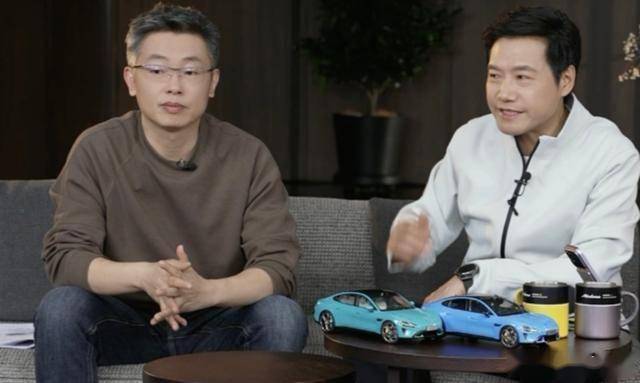
雷军全面回应“营销大师”标签:娱乐节目中刘强东开个玩笑,被人放大利用,现在听到营销两个字都有点恶心
Xin Lang Cai Jing· 2026-01-07 23:14
"实话实说,我觉得营销是个中性词,其实营销做得好,显然在正常的情况下是一种夸奖。但对我这样 一个工程师,对小米这样一个技术公司说只靠营销,各位你细品。" 雷军还调侃称,"很多人说不是小米产品好,是小米营销好,各位你买的是小米的产品还是小米的营 销?所以我下次见到东哥,我一定要跟东哥请教一下,请东哥帮忙辟个谣,东哥营销也很好。所以难道 我们要一起把营销这个词污名化吗?你看全世界,咱们中国有多少人在从事营销行业,我觉得营销行业 的朋友们肯定不答应。所有营销行业的同事们和朋友们,能不能帮帮我。" 1月7日晚间,小米集团创始人、董事长、CEO雷军开启直播。 谈到新一代SU7涨价,雷军表示:"新一代SU7从里到外都有大的进步,在今天整个成本大涨的情况下很 难做到加量不加价,而且我们加了好几万的配置,所以肯定做不到,也请朋友们能够谅解,当然我看到 更多的评论是觉得这个预售价非常非常厚道。" 雷军再次谈及小字营销:"我被小字营销搞怕了,所以我现在要求他们力求准确。网友们觉得哪里不对 就立刻投诉,督促去改。" 对于"营销大师"的标签,雷军回忆称,"营销大师"这个标签源于2013年或2014年一档娱乐节目,节目中 两个团队PK ...
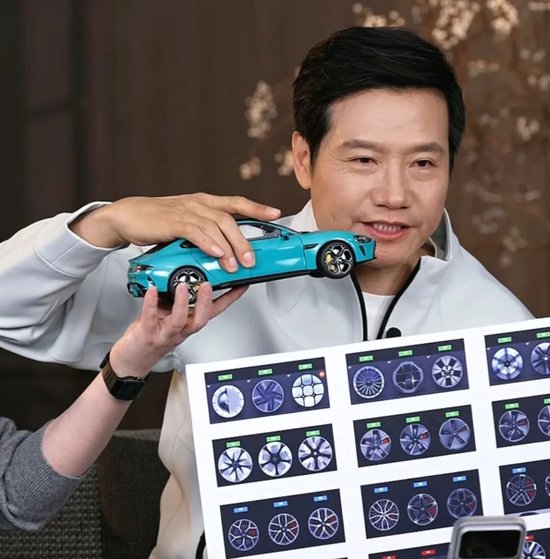
雷军直播:新一代SU7真涨价但“炸裂”!KOL风波触及小米底线
Sou Hu Cai Jing· 2026-01-07 23:14
Core Viewpoint - Xiaomi's founder Lei Jun held two live broadcasts within a week focusing on Xiaomi's automotive developments, particularly the new generation SU7, while addressing various controversies surrounding the company and himself [1][13]. Group 1: New Generation SU7 - The new generation SU7 is described as a significant upgrade, with many enhancements yet to be revealed, and Lei Jun expressed 100% confidence in the product's capabilities [3][5]. - The new SU7 will be priced higher than its predecessor, with the standard and Pro versions increasing by 14,000 yuan to 229,900 yuan and 259,900 yuan respectively, while the Max version will rise by 10,000 yuan to 309,900 yuan [6]. - The new SU7 features advanced technology, including standard laser radar and 4D millimeter-wave radar, with a driving assistance computing power of 700 TOPS, and various safety features including nine airbags [10]. Group 2: Market Strategy and User Engagement - Lei Jun emphasized that the design changes in the new SU7, while subtle, are aimed at improving functionality and reflect user feedback, maintaining a competitive edge in the market [8]. - The company plans to deliver 410,000 vehicles by 2025 and aims for 550,000 in 2026, indicating a strong growth trajectory in the automotive sector [18]. Group 3: Controversies and Public Relations - Lei Jun addressed the recent KOL collaboration controversy, stating that Xiaomi cannot tolerate negative behavior towards its users and will take steps to protect its reputation [15]. - The company is committed to improving its public relations strategies and ensuring accurate communication to avoid misunderstandings [18].
雷军回应“营销大师”标签
Shang Hai Zheng Quan Bao· 2026-01-07 16:04
Group 1 - The core message emphasizes that while marketing is important, the foundation lies in product development, as stated by the founder and CEO of Xiaomi, Lei Jun [2] - Lei Jun recalls the origin of the "marketing master" label, which emerged from a competitive entertainment show in 2013 or 2014, where his marketing capabilities were highlighted [4] - Lei Jun expresses discomfort with the term "marketing," suggesting that it is often misused by competitors to undermine Xiaomi's reputation, and he insists that good marketing should be viewed positively [5] Group 2 - Xiaomi faced controversy regarding its engagement with a KOL, leading to an internal investigation and subsequent termination of the collaboration, as the KOL's actions were deemed harmful to Xiaomi's user community [7][8] - The company announced disciplinary actions against involved personnel, including the dismissal of responsible staff and penalties for senior management, highlighting the seriousness of the violation [8] - Lei Jun reaffirmed the company's commitment to protecting its users and maintaining a positive public image, urging fans to remain rational and supportive [8] Group 3 - During a live broadcast, Lei Jun announced the upcoming launch of the new SU7 luxury electric sedan, with a starting price of 229,900 yuan, and acknowledged the challenges of maintaining pricing amid rising costs [10] - He clarified that vehicles used for testing after disassembly would not be resold, ensuring transparency about the product lifecycle [11]

手机业务如何应对内存风险、AIot、电车、研发布局.....一文读懂小米高管在高盛电话会发言
硬AI· 2026-01-07 15:35
Core Viewpoint - Xiaomi is focusing on increasing the average selling price of smartphones as a primary operational goal for 2026, while significantly boosting investments in artificial intelligence to transform its entire business line and setting an annual delivery target of 550,000 electric vehicles [1][3]. Group 1: Smartphone Business - Xiaomi's strategy to counter the unprecedented rise in memory chip costs involves increasing the average selling price (ASP) of its smartphones [5][6]. - The upcoming Xiaomi 17 Ultra will be priced 500-700 RMB higher than the Xiaomi 15 Ultra, reflecting the company's commitment to price increases [6]. - The company aims to improve its market share in China by 1 percentage point annually, emphasizing the strategic importance of the Chinese market for its premiumization strategy [8]. Group 2: AIoT Business - The AIoT segment is positioned as a profit stabilizer for Xiaomi, with expectations of approximately 20% year-on-year revenue growth in 2025 and a 2-2.5 percentage point expansion in gross margin [10]. - Xiaomi plans to increase the number of its retail stores from about 500 in 2025 to over 1,000 in 2026, while expanding product categories and exploring partnerships with cross-border e-commerce platforms [10][11]. - Currently, overseas AIoT revenue accounts for about 30% of total revenue, with the company viewing its overseas smartphone revenue (60%) as a long-term reference for AIoT business expansion [10]. Group 3: Electric Vehicle Business - Xiaomi has raised its 2026 delivery target for electric vehicles to 550,000, significantly higher than the previously set target of 410,000 for 2025 [13]. - The growth is driven by increased manufacturing capacity and consumer confidence in new vehicle models, including the SU7 and a new third model [14]. - The company aims to focus on the high-end electric vehicle market, which constitutes 50% of annual passenger car sales in China, while accounting for 80-90% of industry profits [15]. Group 4: R&D Investments - Xiaomi plans to invest 200 billion RMB in R&D from 2026 to 2030, focusing on AI, intelligent driving, and chip development [16]. - The company aims to leverage AI to empower its ecosystem and internal operations, with a significant portion of its code being AI-generated [17]. - Xiaomi has invested 135 billion RMB in the development of its XRING O1 chip over the past four years, with plans to enhance its self-developed smart electric vehicle chips [19][20].

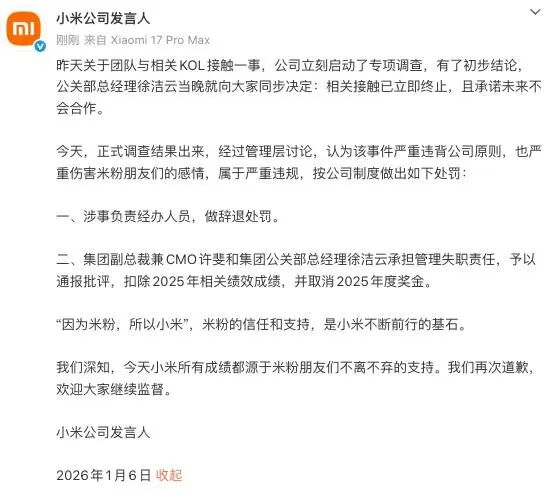
小米深夜通报处罚,辞退涉事人员、公关总经理徐洁云遭重罚,祸及46号员工许斐!网友:这才是弃轮保车
Xin Lang Cai Jing· 2026-01-07 15:35
2026年1月6日深夜,小米公司发言人官方微博一则通报炸翻科技圈,用最硬核的处罚姿态回应了持续发 酵的KOL合作争议。通报明确:涉事经办人员因严重违规被直接辞退,集团副总裁兼CMO许斐、公关 部总经理徐洁云因管理失职,双双被通报批评,扣除2025年相关绩效成绩,取消全年奖金。短短百余字 的处罚决定,背后是米粉滔天的怒火,更是小米对核心用户群体的紧急"止血"。 这场震动行业的舆情风暴,源头要追溯到1月5日下午的一则网传消息。有网友曝光小米团队正与知名 KOL"万能的大熊"(本名宗宁)洽谈商业合作,甚至传出双方已达成年度框架合作的说法。消息一出, 瞬间点燃米粉群体的抵制情绪——在米粉圈,"万能的大熊"早已是公认的"反米先锋",不仅长期公开贬 低小米产品战略,更曾放出"小米不会死,死的是米粉"这种诛心言论,此前还因编造企业对立谣言被法 院判决道歉并赔偿16万余元。 让米粉彻底破防的,是一张流传的群聊截图。截图中,"万能的大熊"轻描淡写地炫耀"很简单,因为小 米投了我呀",语气里的挑衅彻底刺痛了核心用户。 大量米粉涌入雷军、徐洁云等高管的微博评论区,有人晒出从小米1代到最新机型的收藏清单,直言"多 年支持的底气被这波 ...
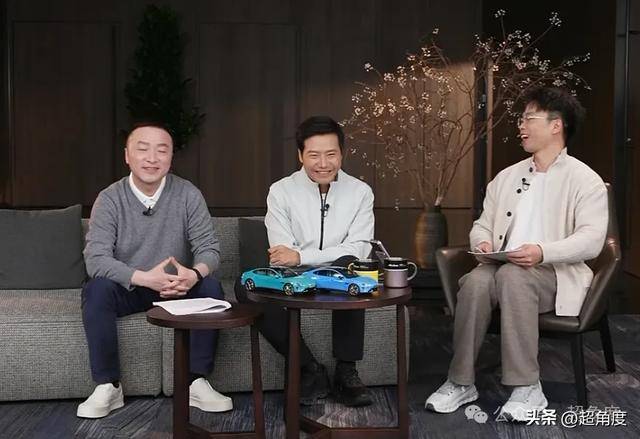
雷军首谈KOL事件:不能和诅咒用户的人合作,这是我们的底线
Sou Hu Cai Jing· 2026-01-07 14:22
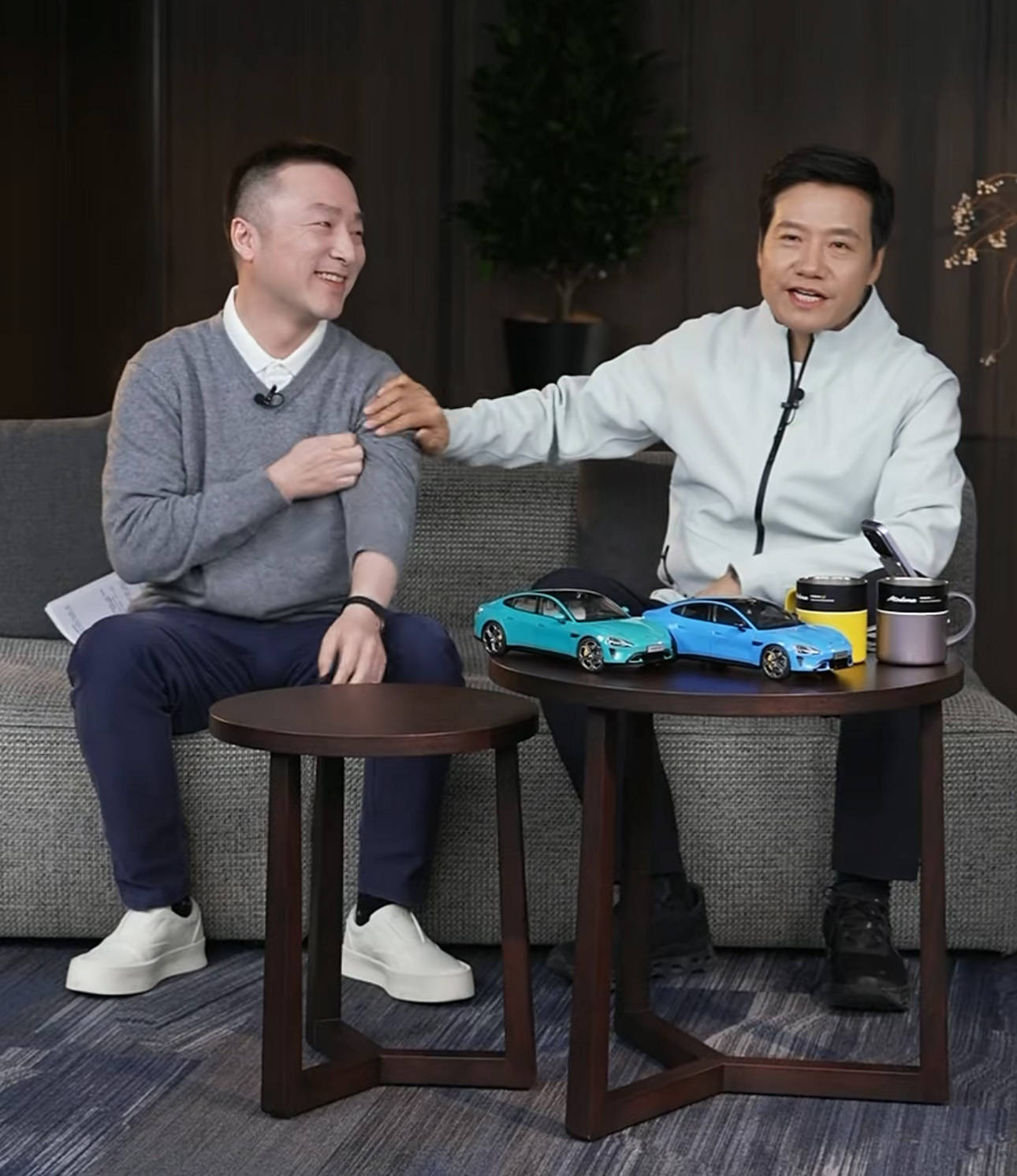
雷军称,过去8-9个月,小米处于长期高密度的攻击之中,公关部压力大,动作有点变形,希望给他们 个机会。 徐洁云进入直播间后,谈及这个事件,有些脸红。他回应道:"确实做错了,诚挚向大家道歉,以后要 坚决维护用户的声誉。" 雷军又接话道:"该起诉起诉,该投诉投诉,要主动站出来帮我们车主。虽然徐洁云被处罚了,但是回 答网友的问题还是徐洁云的工作。" 今日晚间,在雷军的直播中,雷军与小米公关部总经理徐洁云再次回应了KOL事件。 这也是雷军首次谈及KOL事件。 雷军表示:"我觉得这事情,整个小米公司做了非常认真的调查和商量,做出了严肃的处理。不是因为 KOL批评了小米,得罪了米粉。而是15年来,很多批评小米的人加入了小米。这个KOL一直在诅咒小 米用户,我们肯定不能容忍。我们坚定的站出来保护我们用户和车主,不能和诅咒车主的人合作,这是 我们的底线。我们公关部做的不对,应该对他们处罚。" 对于雷军之前"不做推广投放,这次还是找KOL合作"的疑问。徐洁云表示,雷总之前确实说过不做推 广,没有公关部,那个时候小米创立不久,主要靠工程师活跃在微博上跟大家沟通。现在10多年过去 了,小米规模不可同日而语,跟同行学习,一点点建立了 ...
雷军谈新一代SU7定价:成本大涨 真的没有能力做到加量不加价
Xin Lang Cai Jing· 2026-01-07 13:00
Core Viewpoint - Xiaomi's CEO Lei Jun announced the pricing for the new generation SU7, indicating significant upgrades compared to the first generation, with price increases for different versions due to rising costs [1][1]. Pricing Details - The standard and Pro versions of the new SU7 have increased by 14,000 yuan compared to the first generation, while the Max version has increased by 10,000 yuan [1][1]. - Lei Jun emphasized that the new SU7 includes many upgrades and improvements both internally and externally [1][1]. Cost Considerations - The company acknowledged the challenges of maintaining price levels amid rising costs, stating that it was not feasible to increase features without raising prices [1][1]. - Lei Jun requested understanding from consumers regarding the price increases, highlighting the addition of several high-value configurations [1][1].
小米2025:大模型怎么走向现实?答案在“人车家”
Xin Lang Cai Jing· 2026-01-07 10:52
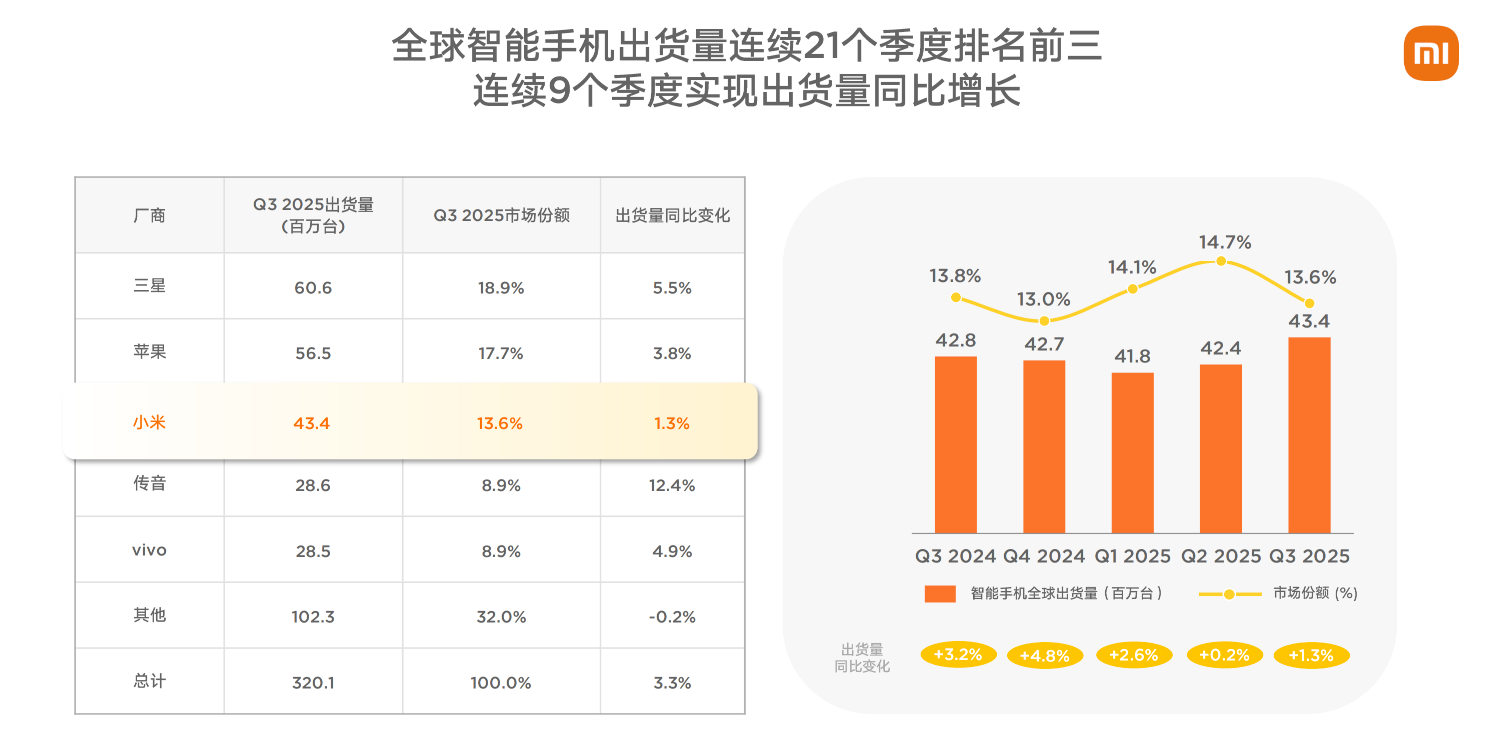
Core Insights - Xiaomi's transformation by 2025 is driven by three key factors: the density of its engineering team, long-term R&D investment capability, and the will to continue betting on uncertain directions [1][53][102] - The focus is not merely on the success of individual products but on the formation of a cohesive structure within the larger AI wave, where the competition is about having complex, real, and continuous application scenarios [1][53] Smartphone Business - Xiaomi's smartphone shipments in Q3 2025 reached 43.4 million units, maintaining a global market share of 13.6%, and showing a 1.3% year-on-year increase [3][54] - In the Chinese market, Xiaomi's sales in the 4000 yuan and above price segment rose to about 25%, indicating a shift from occasional high-end hits to a structural component of its offerings [5][56] - The smartphone has evolved from a high-cost-performance terminal to an ecological entry point, serving as a personal identity credential and a control hub for the interconnected ecosystem of vehicles and home appliances [5][56] Automotive Business - Xiaomi's electric vehicle deliveries reached a record high of 108,800 units in Q3 2025, with total deliveries exceeding 250,000 units in the first three quarters, and an annual target of over 400,000 units [8][59] - The automotive business transitioned from loss-making to operational profitability, with Q3 2025 revenue of approximately 28.3 billion yuan, nearly tripling year-on-year, and a gross margin of around 25% [11][62] - Xiaomi's self-developed intelligent driving technology has received multiple high-level driving licenses, showcasing its commitment to full-stack self-research in smart driving [13][64] AIoT Ecosystem - By Q3 2025, Xiaomi's AIoT platform connected over 1 billion devices, marking a significant increase from 624 million devices at the end of 2023 [22][73] - The AIoT ecosystem has evolved from "connecting everything" to "intelligent interconnection," with the voice assistant, Xiao Ai, upgraded to serve as a smart home hub capable of executing complex cross-device commands [23][74] - Xiaomi's AIoT devices are now part of a dynamic system that integrates user intent, cloud-based models, and home devices, enhancing the overall user experience [22][73] R&D and Manufacturing - Xiaomi's R&D investment in 2025 is projected to exceed 30 billion yuan, with a focus on building long-term capabilities rather than just optimizing functions and experiences [34][96] - The establishment of the Wuhan smart home appliance factory, with a planned annual capacity of 7 million air conditioners, represents a significant step in achieving a complete closed-loop from R&D to mass production [18][69] - Manufacturing capabilities have been enhanced through automation and digitalization, with the Beijing smartphone factory achieving high production efficiency and the automotive factory implementing advanced manufacturing techniques [41][94] Future Outlook - Xiaomi's strategy is to integrate all dispersed devices, scenarios, data, and capabilities into a cohesive system, positioning itself uniquely in the AI landscape [99][101] - The company is seen as an "ecological empire," with a complete structure that connects smartphones, vehicles, home appliances, and IoT, continuously expanding its boundaries and capabilities [50][101] - Xiaomi's long-term vision emphasizes patience in building foundational capabilities, which will support the expansion of its interconnected ecosystem [102]