
比亚迪纯电动汽车

Search documents
汽车“自主五强”的2025年:增长之下现战略分野
经济观察报· 2026-01-10 08:22
Core Viewpoint - The Chinese automotive market is entering a critical phase in 2025, with domestic brands collectively capturing nearly 70% of the passenger car market share, driven by the rise of new energy vehicles and international expansion [2][4]. Group 1: Market Dynamics - The "self-owned five strong" brands, including BYD, Geely, Chery, Changan, and Great Wall, have established a stable market presence, with total sales of 14.67 million units, accounting for over half of the overall passenger car market [2][4]. - BYD leads the global new energy vehicle sales with 4.6024 million units sold in 2025, marking a 7.73% year-on-year increase, while its pure electric vehicle sales reached approximately 2.257 million units, surpassing Tesla [4][5]. - Geely's total sales exceeded 3.02 million units in 2025, a 39% increase, with new energy vehicle sales reaching 1.6878 million units, reflecting a 90% growth [5][6]. Group 2: Strategic Developments - Geely has initiated a significant restructuring by merging with Zeekr Technology to enhance operational efficiency and resource integration, aiming to save billions in R&D costs annually [9][10]. - Chery has restructured its brand architecture to improve domestic market efficiency, establishing a new business group to streamline operations and enhance competitiveness [9][10]. - Changan has launched a 6 billion yuan capital increase plan to support the development of new energy vehicles and global R&D centers, reinforcing its strategic alignment with major shareholders [10][11]. Group 3: Technological Advancements - The competition among Chinese automakers has evolved from individual technological breakthroughs to a more systemic confrontation, with companies like BYD and Geely focusing on comprehensive technology integration and smart driving solutions [11][12]. - Great Wall has introduced a next-generation intelligent super platform that supports various powertrains, emphasizing its advancements in smart cockpit and driving technologies [12].






喜娜AI速递:昨夜今晨财经热点要闻|2026年1月5日
Xin Lang Cai Jing· 2026-01-04 22:57
Group 1 - The U.S. military strike on Venezuela has led to significant geopolitical changes, with potential short-term spikes in international oil prices due to supply constraints and long-term implications for U.S. control over the oil industry [2][7] - The "iMoutai" platform has adjusted its purchase limits for Moutai liquor, reducing the maximum purchase from 12 bottles to 6 per person per day, which has resulted in a drop in the wholesale price below 1499 yuan per bottle [2][7] - Notable investor Duan Yongping has reported a substantial return on his Apple stock investments, achieving a cumulative return of 1623.48% and a current profit of approximately 34.26 million USD [2][7] Group 2 - CITIC Securities is optimistic about the A-share market's performance, citing improved liquidity and exchange rate conditions compared to previous years, with a focus on sectors like semiconductors and AI [3][8] - The second phase of the Tongling Nonferrous Metals copper mine project has been delayed, which may impact the company's performance in 2026 due to political instability in Ecuador [3][8] - Public mutual funds have reported strong performance in 2025, with the top fund achieving a 233.29% annual increase, and a focus on technology and resource sectors is expected to continue into 2026 [3][9] Group 3 - Xiaomi's vehicle deliveries for 2025 exceeded expectations, with over 410,000 units delivered, and the company addressed safety concerns and marketing strategies during a live broadcast [4][9] - BYD announced that its electric vehicle sales for 2025 reached 2.2567 million units, surpassing Tesla for the first time, with a year-on-year growth of nearly 28% [4][9] - Investment institutions are focusing on technology and resource sectors for 2026, highlighting opportunities in AI, renewable energy, and lithium battery materials [4][9] Group 4 - The Guotou Silver LOF has issued a premium risk warning, indicating significant fluctuations in its secondary market price compared to net asset value, which could lead to potential losses for investors [5][10]

车企2025“年终考”成绩单出炉
Mei Ri Jing Ji Xin Wen· 2026-01-04 14:21
Core Insights - The 2025 Chinese automotive market showcased a "stronger getting stronger, increasing differentiation" trend amid deepening new energy transitions and intense industry competition [1] Group 1: Performance of Leading Companies - BYD achieved sales of 4.6024 million vehicles in 2025, with overseas sales surpassing 1 million for the first time, marking a 145% year-on-year increase in passenger and pickup truck sales [2] - BYD's pure electric vehicle sales reached 2.2567 million units, a nearly 28% increase, surpassing Tesla's 1.636 million units, making BYD the global leader in annual electric vehicle sales [2] - Geely also exceeded its annual sales target, achieving 3.0246 million units sold, a 39% year-on-year increase, with new energy vehicle sales reaching 1.6878 million units, up 90% [2] Group 2: Performance of Other Companies - Dongfeng Motor achieved its dual target of over 1 million new energy vehicles and 1.5 million total vehicle sales, with new energy vehicle sales reaching 1.04 million, a 21% increase [3] - Changan Automobile reported sales of 2.913 million vehicles, a growth of 8.5%, with new energy vehicle sales of 1.109 million, up 51% [5] - Chery Group sold 2.8064 million vehicles, a 7.8% increase, with new energy vehicle sales reaching 903,800 units, a 54.9% increase [5] Group 3: Underperformance of Certain Companies - China FAW achieved a total vehicle sales of 3.302 million, a 3.2% increase, but fell short of its target of 3.45 million [4] - Great Wall Motors reported sales of 1.3237 million vehicles, a 7.33% increase, but only achieved 33.09% of its 4 million target [5][6] - New energy vehicle sales for Great Wall reached 403,700 units, a 25.44% increase, but the overall performance was below expectations [5][6] Group 4: New Forces in the Market - Among new forces, Leap Motor, Xiaomi, and Xpeng all exceeded their annual sales targets, with Leap Motor achieving 596,600 units sold, marking a 119.3% target completion rate [7] - Xiaomi's vehicle deliveries surpassed 50,000 in December 2025, exceeding its annual target of 350,000 [7] - NIO and Li Auto, however, did not meet their targets, with NIO selling 326,000 units and Li Auto selling 406,300 units, both falling short of their respective goals [8][9]


最高降30万!宝马中国回应30多款车型降价;比亚迪超越特斯拉!拿下纯电汽车全球第一;山姆被指多款商品货源与小象超市趋同,多方回应!
雷峰网· 2026-01-04 00:22
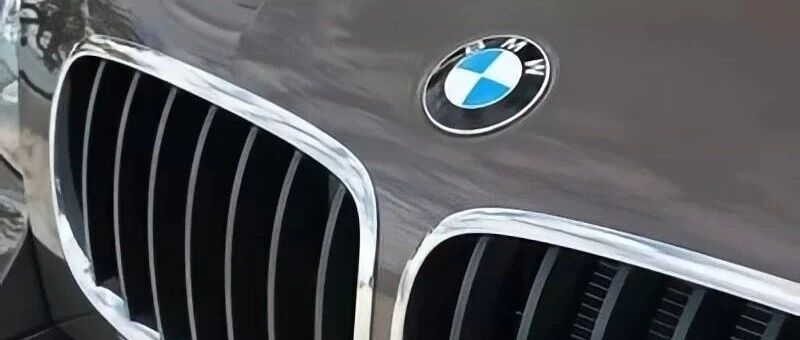
Group 1 - BMW China announced price adjustments for over 30 models, with some reductions exceeding 300,000 yuan, indicating a strategic response to market dynamics and performance pressures [4][5] - The most significant price drop was for the BMW iX1 eDrive25L, which decreased from 299,900 yuan to 228,000 yuan, a reduction of 24% [4] - BMW's sales in China have declined by 11.2% year-on-year, and the company does not expect rapid growth in the Chinese market in 2026 and 2027 [5] Group 2 - BYD is projected to sell 2.25 million pure electric vehicles in 2025, surpassing Tesla's expected deliveries of 1.64 million, marking a significant milestone in the electric vehicle market [7][8] - BYD's overall vehicle sales are expected to reach 4.6 million in 2025, with a year-on-year growth of approximately 8% [7] Group 3 - Wallmart's Sam's Club in China is expected to achieve sales of over 140 billion yuan in 2025, a 40% increase from the previous year, contributing to Walmart China's goal of reaching 200 billion yuan in sales by 2026 [23][24] - Sam's Club plans to open 10 new stores in 2025, bringing the total to 63, supporting its growth strategy through both same-store sales and new store openings [24] Group 4 - Wallmart's Sam's Club aims for a comparable store sales growth of 15% in 2026, driven by both existing store performance and new openings [23] - The strong performance of Sam's Club is expected to significantly enhance Walmart China's market position, making it a dominant player in the retail sector [23] Group 5 - Kimi, a Chinese AI startup, completed a $500 million Series C financing round, with a post-investment valuation of approximately $4.3 billion, indicating strong investor confidence [16] - The company reported a significant increase in overseas revenue, with a month-on-month growth of over 170% in paid users from September to November 2025 [16] Group 6 - Wallmart's Sam's Club in China achieved a record number of new store openings in 2025, contributing to its robust sales growth and market expansion strategy [24] - The company is leveraging its strong brand and operational efficiency to enhance its competitive position in the retail market [23]

中国消费品企业大举进入巴西市场
36氪· 2025-11-14 13:36
Core Viewpoint - Chinese consumer brands are increasingly entering the Brazilian market, capitalizing on the growing middle class and consumer demand, while also facing some local resistance due to competitive pressures [4][11][15]. Group 1: Market Entry and Expansion - Chinese brands like Meituan, Didi, and Mixue Ice City are expanding their presence in Brazil, with Mixue planning to open numerous stores and invest 3.2 billion reais (approximately 4.235 billion yuan) by 2030 [5][8]. - Meituan's overseas brand "Keeta" is set to invest 5.6 billion reais in the next five years, starting its services in the suburbs of São Paulo [7]. - Didi is doubling its investment in Brazil to 2 billion reais by 2026 to expand its food delivery service [8]. Group 2: Consumer Perception and Brand Image - Brazilian consumers are increasingly favoring Chinese products, with over 60% expressing a preference for Chinese goods in the tech sector, surpassing the 30% favoring American products [10]. - The perception of Chinese brands as offering "low prices and high performance" is becoming entrenched in Brazil, driven by the success of companies like BYD [11]. Group 3: Economic and Political Context - The strengthening political ties between China and Brazil are enhancing the investment environment, encouraging Chinese companies to target Brazilian consumers directly [8][12]. - Brazil's economic landscape, characterized by a population exceeding 200 million and a growing middle class, presents significant opportunities for Chinese brands [8]. Group 4: Local Resistance and Competitive Pressure - There are emerging concerns in Brazil regarding the competitive pressure from Chinese companies, particularly in light of the entry of cross-border e-commerce platforms like Temu and SHEIN [15]. - Local businesses are advocating for measures to counter the impact of Chinese brands, including adjustments to import tax policies [15].

中国消费品企业大举进入巴西市场
日经中文网· 2025-11-06 02:26
Core Insights - Chinese consumer brands are increasingly entering the Brazilian market, with a focus on low prices and high performance, as exemplified by companies like Mixue Ice City, BYD, Meituan, and Didi [2][6][10] - The Brazilian market is seen as a promising emerging market due to its large population of over 200 million and a growing middle class with strong consumption desires [6][10] Group 1: Mixue Ice City - Mixue Ice City has signed a memorandum with the Brazilian government to create approximately 25,000 jobs and plans to invest 3.2 billion reais (about 4.235 billion yuan) by 2030 [4] - The company aims to open its first store in São Paulo by the end of 2025, with preparations underway in a shopping center [4] - Mixue Ice City has grown to over 47,500 stores globally, surpassing McDonald's in scale, and is now targeting Brazil as a new market [2] Group 2: Other Chinese Brands - Meituan's overseas brand "Keeta" is set to invest 5.6 billion reais in the next five years, starting its services in the suburbs of São Paulo [5] - Didi is rapidly expanding its food delivery service in Brazil, planning to invest 2 billion reais, which is double its original plan, by 2026 [6] - The increasing presence of Chinese brands in Brazil is supported by the strengthening political ties between China and Brazil, which enhances the investment environment [6][10] Group 3: Consumer Perception - A survey in Brazil revealed that over 60% of respondents prefer Chinese products in the mobile and personal computer sectors, surpassing the preference for American products [9] - BYD has significantly increased its market share in Brazil, accounting for about 70% of the electric vehicle sales, reflecting a shift in consumer perception towards Chinese technology [9] - The perception of Chinese brands as offering "low prices and high performance" is becoming more entrenched among Brazilian consumers [9]


车企出海的上半年:建厂、本地化、赴港上市|36氪出海·行业
36氪· 2025-07-30 09:11
Core Viewpoint - The article discusses the significant growth and strategies of Chinese automotive companies in the global market, highlighting their export achievements and unique approaches to internationalization in the first half of 2025 [3][4]. Group 1: Overall Industry Trends - In the first half of 2025, China's automotive exports reached 3.083 million units, marking a year-on-year increase of 10.4% [3]. - Chinese automakers are no longer focused solely on sales numbers but are embedding capital, production capacity, and supply chains into global markets through methods such as Hong Kong IPOs, overseas factories, and joint ventures [4]. - The global expansion of Chinese car manufacturers has entered a new phase, with a shift from merely selling cars to establishing production facilities abroad [3][4]. Group 2: Chery Automotive - Chery maintained its position as the top exporter, with an export volume of 548,000 units, accounting for 17.8% of total exports [6]. - Chery's overseas sales revenue was approximately 29.1 billion RMB in 2022, representing 35.3% of total revenue, and is projected to approach 50% by 2024 [6][8]. - The company has established a global sales network with 1,075 dealers and 2,541 sales outlets outside China, leading in several international markets [7]. Group 3: BYD - BYD's exports surged by 130% year-on-year to 470,000 units in the first half of 2025, becoming the second-largest exporter among Chinese automakers [10][11]. - In Europe, BYD's electric vehicle sales surpassed Tesla for the first time in April, with registrations reaching 7,231 units [11]. - BYD is expanding its global production and supply chain network, with a new factory in Brazil marking its third overseas production line [12]. Group 4: Great Wall Motors - Great Wall Motors achieved overseas sales of 198,000 units, with 30,083 units of pickup trucks sold, representing a 24.3% increase [15][16]. - The company has a long history of exporting pickups, having entered the international market in 1998 [16]. - Great Wall's high-end brand WEY is also accelerating its internationalization efforts [16]. Group 5: Geely - Geely's overseas export volume reached 184,000 units in the first half of 2025, with a strong performance in the electric vehicle segment [18]. - The company is expanding its dealer network in Australia and New Zealand, aiming to establish 100 dealerships in the next three years [20]. - Geely's high-end brand Zeekr has entered over 40 countries, with a significant presence in the luxury vehicle market [20]. Group 6: XPeng Motors - XPeng Motors achieved overseas sales of approximately 19,000 units, expanding its business to 46 countries and regions [21][26]. - The company is focusing on Southeast Asia and Europe, with plans to establish a localized production facility in Indonesia [25]. - XPeng aims to cover 60 countries and regions by the end of 2025, with a goal of being among the top three global exporters of new energy vehicles by 2027 [25][26]. Group 7: Leap Motor - Leap Motor's overseas sales reached approximately 20,000 units in the first half of 2025, aided by a partnership with Stellantis [27][31]. - The company has established over 100 sales outlets in Germany, achieving a market share of over 1% in the pure electric vehicle segment [28]. - Leap Motor is also planning localized assembly projects in Malaysia to enhance its market presence [28]. Group 8: Seres - Seres submitted its IPO application to the Hong Kong Stock Exchange and has established operations in multiple countries across Europe, the Middle East, and Africa [33][35]. - The company is focusing on localized manufacturing in Indonesia and has plans for expansion in the Middle East and Africa [37][38]. - Seres aims to enhance its overseas sales channels and delivery capabilities through diverse partnerships and local manufacturing [38].

【美股盘前】三大股指齐跌,热门中概股多数上涨;特朗普被曝将发布核能相关行政令,核电股集体上涨;特斯拉欧洲销量被比亚迪反超;因关税撤回全年业绩指引,罗斯百货跌超11%
Mei Ri Jing Ji Xin Wen· 2025-05-23 10:16
Group 1 - The Dow futures fell by 0.17%, S&P 500 futures decreased by 0.09%, and Nasdaq futures dropped by 0.11% [1] - Trump is expected to sign an executive order to stimulate the nuclear energy industry, leading to significant increases in nuclear-related stocks, with Uranium Energy up 14.34%, Constellation Energy up 5.07%, and Oklo up 19.23% [1] - Popular Chinese concept stocks mostly rose, with Ctrip increasing by 1.99% and Baidu by 1.16% [1] Group 2 - Tesla's electric vehicle registrations in Europe were surpassed by BYD, with Tesla registering 7,165 units and BYD 7,231 units in April, marking a 49% drop for Tesla and a 169% increase for BYD [2] - Major U.S. banks are exploring the issuance of a joint stablecoin to enter the cryptocurrency market, with discussions involving JPMorgan Chase, Bank of America, Citigroup, and Wells Fargo [2] Group 3 - Ross Stores reported Q1 revenue of $5 billion and earnings per share of $1.47, exceeding market expectations, but withdrew its full-year guidance due to increased uncertainty from tariffs, resulting in an 11.69% drop in stock price [3] - SpaceX received FAA approval for its ninth test flight of the Starship after completing a safety review of the eighth flight, with the requirement to implement corrective measures identified during the investigation [3] - GlaxoSmithKline's asthma drug received FDA approval for treating chronic lung disease commonly known as "smoker's lung," which is a leading cause of death globally, resulting in a 0.82% increase in stock price [3]