高端装备

Search documents
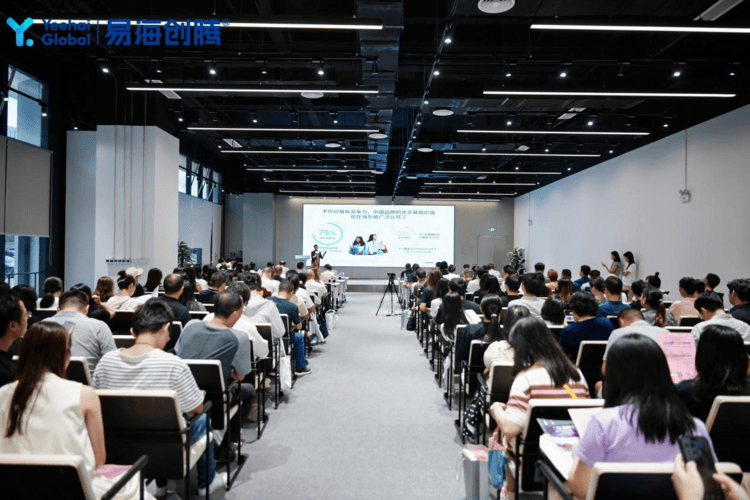
易海创腾B2B品牌出海营销峰会圆满落幕,“广州开发区品牌周”正式启动
Sou Hu Cai Jing· 2025-09-15 03:39
Core Insights - The event "B2B Brand Going Global" marketing summit and "Guangzhou Development Zone Brand Week" was successfully launched in Guangzhou, focusing on how brands can become new growth engines for foreign trade [1][2] - The initiative aims to enhance the international brand competitiveness and global influence of local enterprises, injecting new momentum into the transformation and upgrading of the manufacturing industry in the Guangzhou Development Zone [1][2] Group 1: Event Overview - The event gathered nearly 300 representatives from B2B foreign trade factories, integrated trade enterprises, and cross-border e-commerce companies to explore new paths for Chinese manufacturing brands going global [1] - The "Guangzhou Development Zone Brand Week" project is led by the Guangzhou Development Zone Commerce Bureau and aims to provide systematic support for enterprises to transition from "product export" to "brand export" [4][17] Group 2: Industry Trends and Insights - The global economic environment is complex, and brands have become the core competitiveness for enterprises entering international markets, with a focus on transitioning from selling products to building brands [2][10] - Google and LinkedIn representatives emphasized the importance of digital marketing strategies and data insights in helping Chinese brands effectively reach international decision-makers and enhance brand loyalty [8][10][12] Group 3: Support and Resources - The project will integrate resources from platforms like Google, LinkedIn, and Yandex to provide comprehensive solutions for brand building, digital marketing, and cross-border compliance [4][17] - The initiative is part of a broader strategy to support the high-quality development of cross-border e-commerce and aims to create a public service platform for brands in the Guangdong-Hong Kong-Macao Greater Bay Area [16][17]

北交所策略专题报告:开源证券北交所机构化浪潮引领生态重构,“920代码”切换赋能市场活力
KAIYUAN SECURITIES· 2025-09-14 08:45
Group 1 - The report highlights that the North Exchange (北交所) has seen a significant institutional preference trend, with the North Index 50 and the North Specialized and Innovative Index reaching historical highs of 1647.01 and 2806.39 points respectively as of September 8, 2025 [2][10][43] - The report indicates that large-cap stocks have outperformed small-cap stocks during the recent market rally, with average gains for different market cap segments showing that stocks over 10 billion have increased by 18.75% [2][12][50] - The report notes that public funds' total holdings in the North Exchange reached a historical high of 22.383 billion yuan, reflecting a year-on-year increase of 265.24% [2][17][19] Group 2 - The report states that the North Exchange has seen a rise in the number and scale of passive index funds, with the North Index 50 fund size reaching 11.322 billion yuan and the number of products increasing to 60 as of September 12, 2025 [2][23][24] - The report mentions that the North Exchange will implement a new securities code "920" for existing stocks starting October 9, 2025, which is expected to enhance market recognition and attract high-quality enterprises [2][29][31] - The report identifies that the average PE ratios for key sectors such as high-end equipment, information technology, and chemical new materials are 45.18X, 109.68X, and 50.59X respectively, indicating varying levels of valuation across industries [2][51][54]
北京昌平做强先进制造业
Jing Ji Ri Bao· 2025-09-13 00:28
Group 1 - In the first half of the year, the industrial output value of advanced manufacturing enterprises in Changping District reached 71.48 billion yuan, a year-on-year increase of 11%, accounting for 90% of the district's total industrial output value [1] - Changping District has achieved an average GDP growth of 6.2% over the past five years, with a total exceeding 180 billion yuan, emphasizing the integration of manufacturing and technological innovation [1] - The revenue growth rate of the advanced manufacturing industry in Changping District reached 15% in the first half of the year, indicating a continuous increase in industrial scale [1] Group 2 - Beijing Aikang Yicheng Medical Equipment Co., Ltd. showcased the first domestic 3D-printed artificial knee joint system, highlighting the district's support for high-tech industries [2] - Changping District is building a modern manufacturing industry chain focused on high-end equipment, pharmaceutical manufacturing, and new-generation information technology, providing stable momentum for economic growth [2]

优质项目带动骨干企业支撑 北京昌平做强先进制造业
Jing Ji Ri Bao· 2025-09-12 21:57
Core Insights - The advanced manufacturing sector in Changping District achieved an industrial output value of 71.48 billion yuan in the first half of the year, marking an 11% year-on-year growth and accounting for 90% of the district's total industrial output [1] - Changping District has seen an average GDP growth of 6.2% over the past five years, surpassing 180 billion yuan in total [1] - The district is focusing on the integration of manufacturing and technological innovation, leading to an increasing proportion of manufacturing in the economy [1] Manufacturing Development - Changping District is promoting the transformation of its manufacturing sector through digital transformation, nurturing leading enterprises, and enhancing supply chain capabilities [1] - Xiaomi's first self-owned digital smart factory in Changping has achieved high automation, producing a high-end smartphone every 6 seconds, and has been recognized as one of the first national exemplary smart factories [1] - The revenue growth rate of the advanced manufacturing industry in Changping reached 15% in the first half of the year, indicating a continuous increase in industrial scale [1] Policy Support - Changping District has introduced a "specialized, refined, distinctive, and innovative" support policy package to address the core needs of high-end manufacturing enterprises regarding energy, land, and labor [1] - The district aims to create a development environment characterized by responsive services and efficient processes to retain high-end manufacturing companies [1] High-Precision Industries - The International Medical Device City in Changping features the first domestic 3D-printed artificial knee joint system, showcasing the district's focus on high-precision industries [2] - Companies like Beijing Aikang Yicheng Medical Equipment Co., Ltd. are expanding local production capacity and R&D investments, supported by Changping's industrial foundation and policies [2] - Changping is building a modern manufacturing industry chain centered around high-end equipment, pharmaceutical manufacturing, and new-generation information technology, providing stable momentum for economic growth [2]
会长话封关:“迎来产业升级与国际化布局的重要机遇”
Zhong Guo Xin Wen Wang· 2025-09-12 11:43
Core Viewpoint - The upcoming full island closure operation of Hainan Free Trade Port presents significant opportunities for industrial upgrading and international expansion for businesses, particularly for those from Chongqing [1][3]. Group 1: Industrial Opportunities - Over 19,000 Chongqing enterprises are currently registered in Hainan, with the Hainan Chongqing Chamber of Commerce actively guiding these businesses towards high-tech, green manufacturing, and modern service industries [1]. - Major projects facilitated by the Hainan Chongqing Chamber of Commerce include investments exceeding 5 billion yuan in areas such as photovoltaic integration and zero-carbon new material industries [1][3]. Group 2: Policy Benefits - The implementation of the "one line open, one line controlled" import and export management policy has improved logistics between Hainan and overseas markets, reducing trade costs for Chongqing enterprises [3]. - Tax incentives such as a 15% corporate income tax and personal income tax, along with duty-free processing for value-added products, are key advantages attracting businesses to Hainan [3][4]. Group 3: Digital and Training Initiatives - The Hainan Chongqing Chamber of Commerce is utilizing the "Shanghui Tong" digital service platform to provide policy interpretation and practical training, enhancing member companies' understanding of policies and benefits [4]. - Recent regulations aimed at optimizing the business environment in Hainan have significantly reduced the burden on enterprises, boosting their confidence in entrepreneurship [4]. Group 4: International Market Expansion - The Hainan Chongqing Chamber of Commerce is focusing on leveraging overseas Chinese resources to expand into Southeast Asian markets, promoting Chongqing-made products internationally [6]. - Future plans include supporting qualified enterprises in exploring global markets and providing systematic services for cross-border connections [6]. Group 5: Future Development Plans - The Hainan Chongqing Chamber of Commerce aims to facilitate more high-quality projects and cultivate internationally competitive Chongqing brands, enhancing industrial collaboration between Chongqing and Hainan [8]. - Initiatives such as investment activities and the establishment of enterprise service centers are planned to promote industrial synergy and project implementation [8].
我国已布局建设80个国家先进制造业集群
Xin Hua Cai Jing· 2025-09-12 06:31
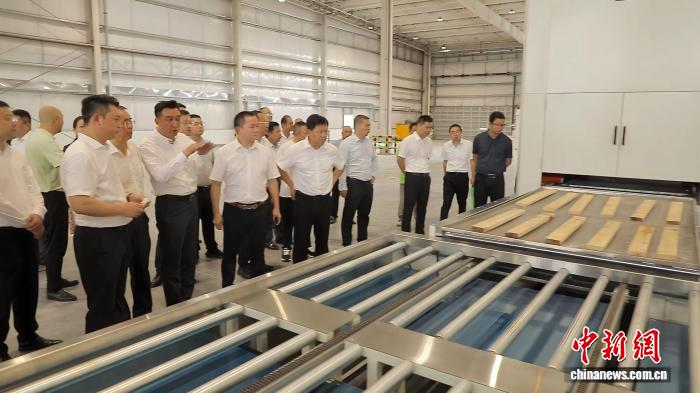
Core Insights - China has established 80 national advanced manufacturing clusters, focusing on six major industries including new generation information technology, high-end equipment, and new materials [1] Group 1: Overview of Manufacturing Clusters - The 80 national advanced manufacturing clusters involve over 2,200 national-level innovation carriers [1] - These clusters have led to the development and participation in over 2,100 international standards [1] - A number of critical core technologies have been tackled within these clusters [1] Group 2: Investment and Distribution - The total scale of various industrial investment funds exceeds 3 trillion yuan [1] - The 80 national-level clusters are distributed across 26 provincial-level administrative regions [1] - A tiered development system has formed, with national-level clusters as the backbone and provincial-level clusters as the foundation [1]
“宁”聚创新 “质”赢未来——江苏南京加快打造以质量赋能新质生产力发展的重要阵地
Zhong Guo Zhi Liang Xin Wen Wang· 2025-09-12 04:44
Core Viewpoint - Nanjing is committed to quality improvement as a key driver for innovation and development, establishing itself as a model city for quality enhancement in various sectors [1][18]. Quality-Driven Enterprises - Nanjing promotes quality-driven enterprises through policies that encourage participation in quality awards and the establishment of a quality credit rating system, resulting in 70 enterprises receiving "Jiangsu Quality" certification [2][4]. - The city has recognized 34 enterprises and 26 individuals with the Mayor's Quality Award, covering key sectors such as software, smart grids, and biomedicine [2]. Quality Service Hubs - The "Quality Station" initiative provides comprehensive services including measurement, standards, certification, and intellectual property support to over 20,000 small and micro enterprises [3][8]. - Nanjing has established 140 high-value patent cultivation demonstration centers, ranking third in the nation for the number of high-value patents [4]. Quality Chain Strengthening - Nanjing focuses on enhancing quality as a foundation for industrial advancement, aiming to build a robust industrial ecosystem through quality improvement initiatives [5][6]. - The city has implemented a strategic plan to develop advanced manufacturing clusters, with a goal of creating multiple billion-dollar industry clusters [5]. Quality and Innovation Integration - Nanjing fosters collaboration among manufacturers, research institutions, and users to create quality innovation alliances, enhancing the competitiveness of its industrial quality [6][19]. - The city has established 63 innovation alliances, driving breakthroughs in key technologies across various industries [6]. Regional Quality Development - Nanjing integrates quality concepts into regional development, with districts like Jianye and Pukou recognized for their quality initiatives [8][9]. - The city emphasizes public safety and consumer protection, achieving a 95% compliance rate in quality supervision for consumer goods [9]. Brand Empowerment in Agriculture - Nanjing promotes agricultural brand development to enhance quality and drive rural revitalization, with several local products gaining national recognition [10]. Quality Awareness and Education - The city fosters a culture of quality through community engagement and educational initiatives, ensuring that quality becomes a fundamental aspect of daily life [11]. Quality Infrastructure Development - Nanjing enhances its quality infrastructure by establishing standards, measurement systems, and testing services to support industrial growth [15][16][17]. - The city has developed a comprehensive testing and certification service network, facilitating quality control for various industries [17].
上交所副总经理王泊最新发声
Zhong Guo Ji Jin Bao· 2025-09-11 14:44
Group 1 - The Science and Technology Innovation Board (STAR Market) has gathered 589 listed companies with a total market value exceeding 9 trillion yuan, showcasing strong technological capabilities [1] - Since its inception in 2019, the STAR Market has evolved into a demonstration area for technological innovation, focusing on "hard technology" and forming a significant "chain-cluster" development pattern [2] - The STAR Market has 120 companies in the integrated circuit sector, covering over 60% of the A-share industry, and 113 companies in biomedicine, making it a key listing venue for global biomedicine after the US and Hong Kong [2] Group 2 - In the first half of 2025, STAR Market companies invested a total of 84.1 billion yuan in R&D, which is 2.8 times their net profit, with a median R&D investment ratio of 12.61%, the highest in the A-share market [2] - The STAR Market has implemented a "quality improvement and efficiency enhancement" initiative, significantly benefiting both financing and investment sides, with over 280 billion yuan in index tracking products [3] Group 3 - The STAR Market's inclusive system design allows unprofitable companies and those with special equity structures to access the capital market, enhancing its vitality [4] - The newly introduced "1+6" policy aims to support technology-driven companies, allowing them to enter the market without waiting for profitability, with 15 new IPO applications received since its launch [4] Group 4 - The STAR Market has tailored a "growth toolbox" to support companies throughout their lifecycle, with the "K8 Reform" proposing 35 measures to improve M&A efficiency for tech firms [5] - Since the release of the "K8 Reform," 134 new M&A transactions have been disclosed, with a total transaction value exceeding 40 billion yuan, surpassing the total of the past five years [6] Group 5 - The Shanghai Stock Exchange has developed a comprehensive service model to support companies at all stages of development, including on-site supervision and customized training [7] - The STAR Market has facilitated numerous significant achievements, referred to as "DeepSeek moments," highlighting its role in fostering innovation and technological breakthroughs [7]
上交所副总经理王泊最新发声
中国基金报· 2025-09-11 14:43
Core Viewpoint - The Science and Technology Innovation Board (STAR Market) has successfully gathered 589 listed companies with a total market capitalization exceeding 9 trillion yuan, showcasing its strong capabilities in hard technology [2][4]. Group 1: Development and Achievements - Since its inception in 2019, the STAR Market has evolved into a demonstration area for technological innovation, focusing on "hard technology" characteristics [4]. - The STAR Market has formed a significant "chain-group" development pattern, with 120 companies in the integrated circuit sector covering over 60% of the A-share industry, and 113 companies in biomedicine focusing on major diseases, making it a key listing venue globally [4]. - In the first half of 2025, STAR Market companies invested a total of 84.1 billion yuan in R&D, which is 2.8 times their net profit, with a median R&D investment ratio of 12.61%, the highest in the A-share market [4]. Group 2: Financing and Investment - The STAR Market emphasizes the synergy between investment and financing, allowing funds to flow effectively while enabling investors to share in the returns [5]. - The STAR Market has initiated a "quality improvement and efficiency enhancement" action plan, and its indices cover all fields, with over 280 billion yuan in tracking product scale, making it the highest proportion of index investment in A-shares [6]. Group 3: Inclusive Policies - The STAR Market's vitality stems from its inclusive institutional design, allowing unprofitable companies and those with special equity structures to access the capital market [8]. - The newly introduced "1+6" policy has established a "growth layer" and restarted the fifth set of listing standards, supporting cutting-edge fields like artificial intelligence and commercial aerospace [8]. - Since the "1+6" policy was launched, 15 IPO applications have been accepted, including 4 from unprofitable companies, with existing growth layer companies showing a 37.79% increase in revenue [8][9]. Group 4: Support for Enterprises - The STAR Market has tailored a "growth toolbox" to enhance support for technology companies throughout their lifecycle, with 35 measures proposed in the "K8 Reform" to improve merger and acquisition efficiency [9]. - Since the implementation of the "K8 Reform," 134 new merger transactions have been disclosed, with a total transaction amount exceeding 40 billion yuan [9]. Group 5: Comprehensive Services - The Shanghai Stock Exchange has developed a comprehensive service model to support the growth of STAR Market companies, including on-site supervision, customized training, and proactive problem-solving [11]. - STAR Market companies have achieved significant milestones, such as breakthroughs in drug development and equipment independence, contributing to the overall innovation landscape [12].
借助服贸会平台 绍兴放大“文化会展名城”声量
Bei Jing Shang Bao· 2025-09-11 13:14
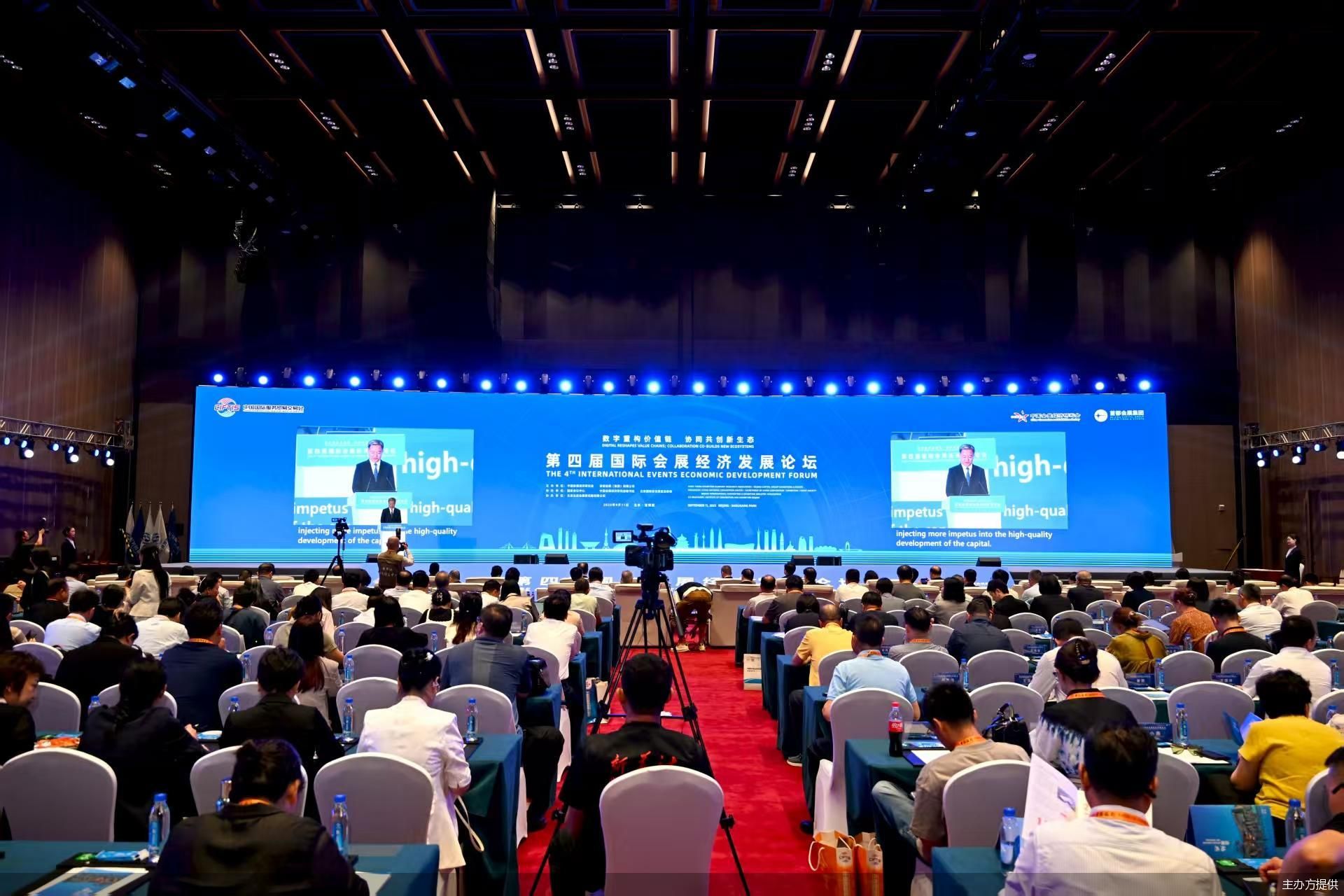
Group 1 - The fourth International Convention and Exhibition Economic Development Forum was held during the 2025 China International Service Trade Fair, showcasing Shaoxing's innovative achievements in the exhibition economy [1] - Shaoxing has established a cluster of five professional exhibition venues, with a total construction area of 491,000 square meters, centered around the Shaoxing International Exhibition Center [1][3] Group 2 - The exhibition economy is becoming a strong engine for urban industrial and cultural innovation, with Shaoxing focusing on both traditional and emerging exhibition brands to support its transformation from a textile city to a hub for new industries [3] - Shaoxing is integrating culture with exhibitions through unique models, enhancing visitor engagement and increasing average stay duration by 15% through innovative exhibition routes [3] Group 3 - Shaoxing is a key city in the Yangtze River Delta and a national historical and cultural city, recognized as the largest production base for chemical fiber fabrics and dyeing, as well as a major center for freshwater pearls and socks [5] - The city has developed a modern industrial system characterized by three major industries (textiles, chemicals, metal processing) and two historical industries (yellow wine, pearls), along with four emerging industries [5] Group 4 - Shaoxing is leveraging exhibitions as a key strategy for national opening-up, with the 2025 Spring Textile Expo attracting over 7,773 international buyers from 80 countries, resulting in intended orders worth 369 million yuan [5] - The city plans to organize 300 groups and 3,000 enterprises to participate in domestic and international exhibitions, having already sent 236 groups and 2,139 enterprises, achieving an intended transaction amount of 370 million USD [5] Group 5 - Future plans for Shaoxing include establishing 3-5 high-level international exhibition projects in collaboration with international organizations over the next three years, aiming to enhance the international influence of its exhibition brands [6] - The city will focus on four key tasks: strengthening dual-feature exhibition IPs, creating a smart exhibition ecosystem, expanding international cooperation, and integrating into the Yangtze River Delta exhibition economy [6]