
通用航空

Search documents
“低空经济”的蛋糕,哪些城市能分到?
Hu Xiu· 2025-06-16 02:40
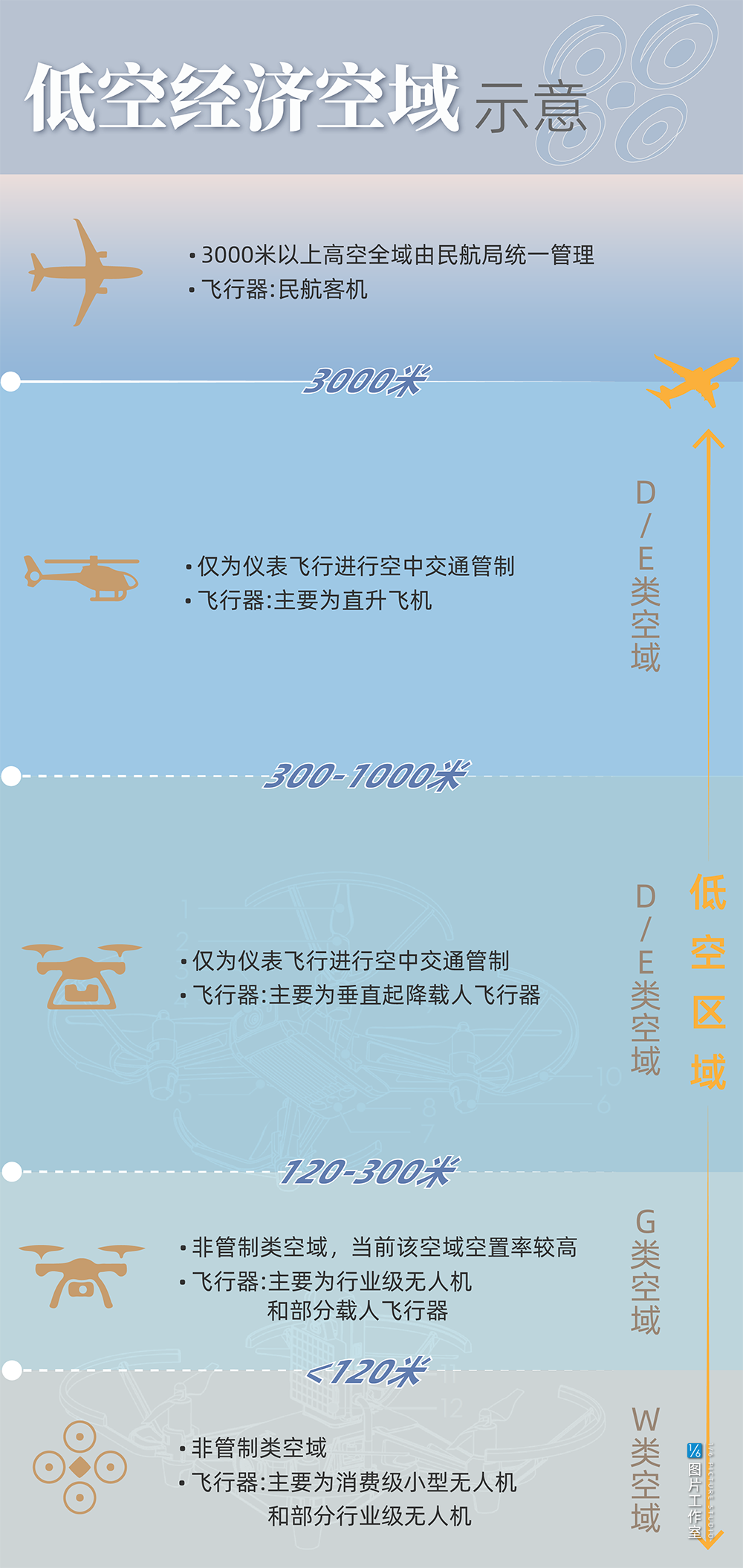
当人们还在讨论下一个风口是AI还是机器人时,一片全新的蓝海已经悄然在我们头顶展开。 "低空经济"——正以超乎想象的速度从科幻走进现实。它已连续两年被写入政府工作报告,相关数据显示,2024年,我国低空经济的市场规模 已经达到了5059.5亿元,同比增长了33.8%。 业界普遍预计,今年低空经济的规模将突破1.5万亿元,到2035年,这个数字将飙升至3.5万亿元,一个足以重塑产业格局的庞大市场正在加速 形成。 ▼低空经济特指在1000米以下,进行有人或无人低空飞行活动,带动相关领域融合发展的综合性经济形态 时至今日,全国已有超过30个省级行政区将低空经济明确写入政府工作报告的重点发展领域,从东部沿海到中西部腹地,一场关乎天空的竞赛 已然打响! 一、低空经济下的城市机遇 然而,伴随这股热潮而来的,也有一丝熟悉的担忧。很多人不禁会问:这会不会是三年前"元宇宙"热潮的重演? 毕竟,当初超过23个省份发布元宇宙相关政策,产业园遍地开花,资本疯狂涌入,NFT数字收藏品炒到了天价;但转眼间,热潮退去,科技巨 头纷纷裁撤部门,今年第一季度,NFT交易量同比暴跌70%。 那么,低空经济会是下一个"元宇宙"吗? 答案是:当然不会 ...


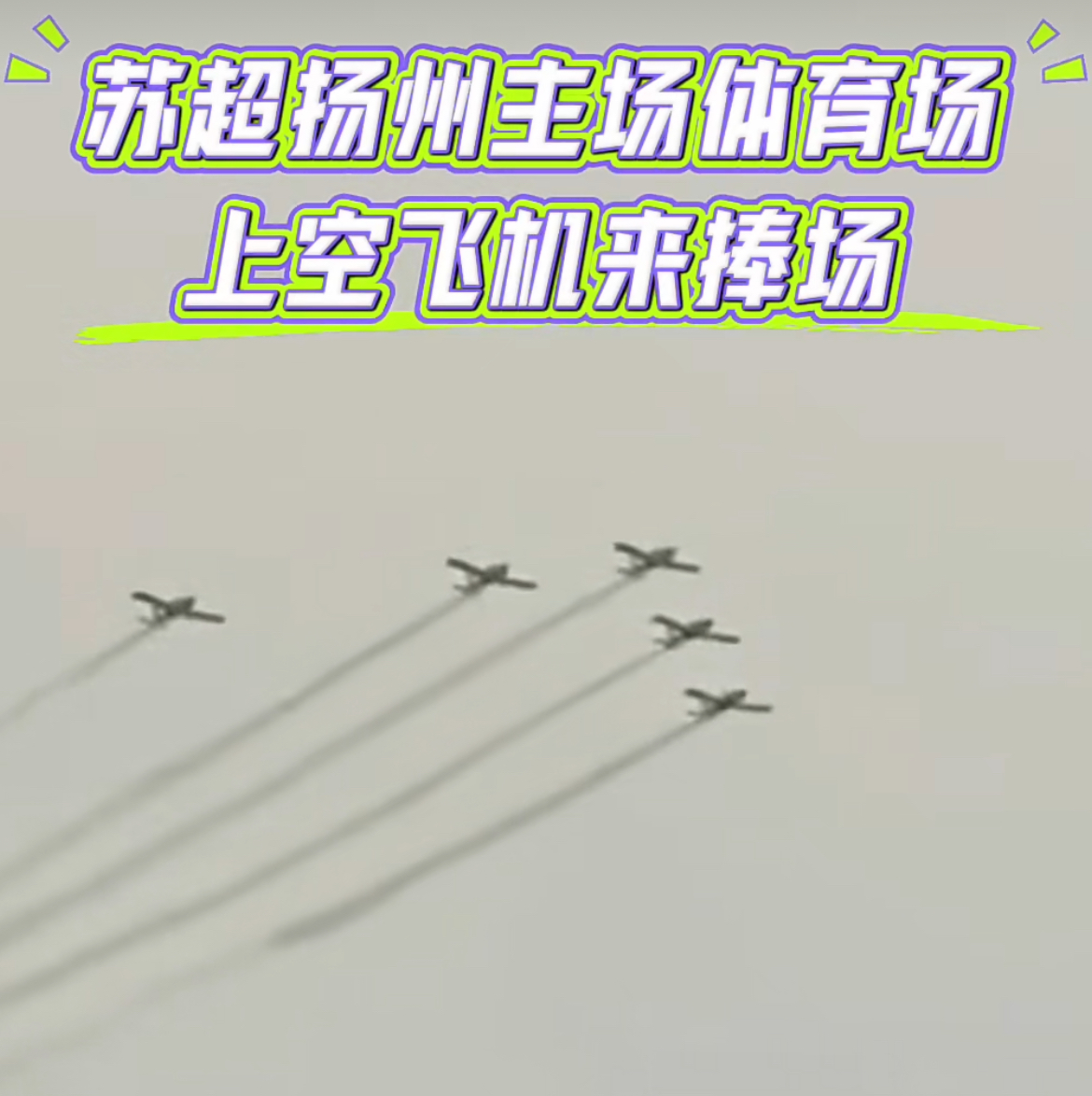
5 架轻型飞机掠过扬州“战场”——飞行编队来自镇江大路通用机场
Zhen Jiang Ri Bao· 2025-06-15 23:47
Group 1 - The "Su Chao" league has gained significant popularity this summer, with various cultural and social media trends emerging, such as the "dinosaur girl" and the "who is Nan Ge" debate, showcasing the league's cultural impact [1] - A flying team from Zhenjiang performed a remarkable aerial display over the "Su Chao" league match between Yangzhou and Taizhou, with five light aircraft flying in formation and creating smoke trails, enhancing the event's atmosphere [1] - The attendance at the match was 20,897, and the aerial display received over 1.5 million likes on social media, indicating a shift in focus from the match's performance to the spectacle of the event [1] Group 2 - The flying team was organized by Jiangsu Yahua General Aviation Co., which operates from Zhenjiang Dalu General Airport, highlighting the airport's strategic location for such events [2] - The chairman of Yahua Aviation, Shen Gang, noted that the flight training coincided with the "Su Chao" league match by chance, emphasizing the potential for future aerial displays to enhance local events [2] - Zhenjiang has been actively developing its low-altitude economy since the Dalu Airport opened in 2014, attracting over ten general aviation companies and hosting multiple low-altitude economic events this year [2] Group 3 - The Dalu Water Airport project is progressing steadily, aiming to become the first water-land amphibious general airport in East China, which will further enhance the region's aviation capabilities [3] - Dalu Airport has signed agreements for drone test flight projects with companies like Jiangsu Xinyang and Star Space, providing essential airspace resources and facilities for drone production and research [3]
从球场卷到天上!赞助商挤破头!苏超这波操作让中超都懵了?
第一财经· 2025-06-15 13:41
Core Viewpoint - The 2025 Jiangsu Province Urban Football League ("Su Super") is gaining significant attention and engagement, with various cities leveraging the event to boost local economies and tourism, showcasing innovative promotional activities and attracting numerous sponsors [1][13]. Group 1: Event Highlights - The fourth round of "Su Super" features impressive aerial displays, including over 1,000 drones in Nanjing and a formation of five planes in Yangzhou, enhancing the event's visibility and excitement [2][3][5]. - The attendance for the Yangzhou vs. Taizhou match reached nearly 20,000 spectators, indicating a strong local interest in the league [2][11]. Group 2: Celebrity Engagement - Football star David Beckham participated in a promotional event in Suzhou, energizing local fans by cheering in the local dialect [10]. - Renowned sports commentator Han Qiaosheng made a surprise appearance at the Yangzhou match, further elevating the event's profile [11]. Group 3: Sponsorship Growth - The number of sponsors for "Su Super" has surged from 6 to 20, with sponsorship fees reaching 3 million, highlighting the event's increasing commercial appeal [13][15]. - Major brands such as JD.com and Yili have joined as official sponsors, reflecting the event's attractiveness to large corporations [13][14]. Group 4: Economic Impact - Various cities are capitalizing on the event to promote tourism, with initiatives like free access to attractions in Wuxi and special dining offers in Changzhou and Huai'an [16][17]. - The Jiangsu Provincial Cultural and Tourism Department has launched over 1,800 cultural and tourism activities during the league, anticipating a total economic impact exceeding 300 million [17].

从球场卷到天上!赞助商挤破头!苏超这波操作让中超都懵了?
第一财经· 2025-06-15 13:28
Core Viewpoint - The Jiangsu Province Urban Football League ("Su Super") is gaining significant popularity and economic impact, with various cities leveraging the event for tourism and local business growth [1][19]. Group 1: Event Highlights - The fourth round of "Su Super" has seen innovative promotional activities, including a drone show in Nanjing with over 1,000 drones showcasing the event [3][4]. - The match between Yangzhou and Taizhou attracted nearly 20,000 spectators, with aerial displays from five light aircraft adding to the excitement [4][6]. - Celebrities and sports figures, such as David Beckham and renowned sports commentator Han Qiaosheng, have participated in promoting the league, enhancing its visibility [11][12]. Group 2: Sponsorship and Economic Impact - The number of sponsors for "Su Super" has increased from 6 to 20, with sponsorship fees rising to 3 million, indicating high demand for sponsorship opportunities [15][17]. - Major brands like JD.com and Yili have joined as official sponsors, alongside other notable companies, reflecting the league's growing commercial appeal [16]. - The league is projected to generate over 300 million in comprehensive economic benefits throughout the season, driven by increased tourism and local promotions [19]. Group 3: Local Economic Initiatives - Cities are actively promoting local tourism during the league, with initiatives such as free access to 44 attractions in Wuxi and special discounts in local businesses [18]. - Events like the "Lobster Feast" in Huai'an are expected to attract significant visitor numbers, with projections of selling 100 tons of lobsters over three days [18]. - The Jiangsu Provincial Department of Culture and Tourism has launched over 1,800 cultural and tourism activities to coincide with the league, aiming to boost local economies [19].

苏超排面“杀疯了”!赞助商暴增、飞机拉烟秀翻天、海军13舰助阵
Di Yi Cai Jing· 2025-06-15 12:34
Core Insights - The Jiangsu Provincial Urban Football League ("Su Super") is gaining significant popularity, drawing comparisons to major events like the Super Bowl due to its vibrant activities and community engagement [1][2] - The league has seen a substantial increase in sponsorship, with the number of sponsors rising from 6 to 20, reflecting a growing interest from major brands and industries [1][10] Group 1: Event Highlights - The fourth round of the "Su Super" attracted nearly 20,000 spectators to the Yangzhou Sports Park, showcasing the event's ability to draw large crowds [3] - A spectacular drone show featuring over 1,000 drones was held in Nanjing, enhancing the event's visibility and excitement [2] - The event included aerial displays from five light aircraft, which added to the festive atmosphere and drew cheers from the audience [5] Group 2: Sponsorship and Economic Impact - The number of sponsors for the "Su Super" has increased significantly, with sponsorship fees reaching 3 million, indicating a high demand for sponsorship opportunities [10] - Major brands such as JD.com and Yili have joined as official sponsors, further solidifying the league's commercial appeal [10] - The league is projected to generate over 300 million in comprehensive economic benefits throughout the season, highlighting its potential impact on the local economy [14] Group 3: Community Engagement and Promotions - Various cities are leveraging the league's popularity to boost local tourism and economy, with initiatives like free entry to attractions and special discounts on local cuisine [13] - Events such as the "Lobster Feast" in Huai'an are expected to attract significant visitor numbers, with projections of selling 100 tons of lobsters during the event [13] - The Jiangsu Provincial Department of Culture and Tourism has launched over 1,800 cultural and tourism activities to coincide with the league, aiming to enhance visitor experiences [14]
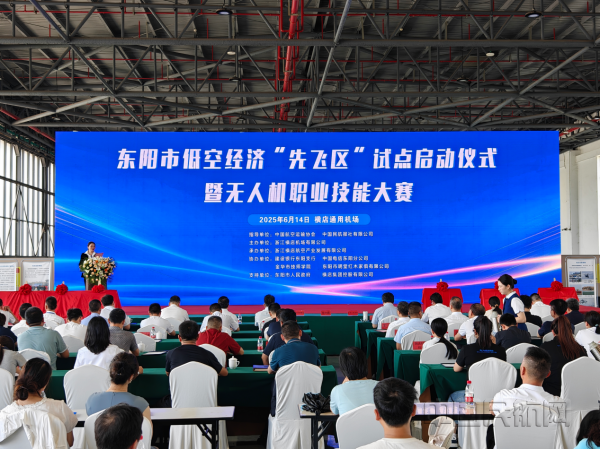
打造低空经济“东阳样板” 东阳市低空经济“先飞区”试点启动
Zhong Guo Min Hang Wang· 2025-06-15 04:59
Core Insights - The launch of the low-altitude economy "pilot zone" in Dongyang aims to integrate low-altitude aviation with the film and tourism industries, establishing a modern transportation industry cluster [1][5] - Dongyang is recognized as a pilot city for low-altitude economy in Zhejiang Province, which is expected to set a model for low-altitude economic development in China [5][6] Group 1: Infrastructure and Development - The Hengdian General Airport, located in a renowned film production area, is China's first town-level general airport and has attracted around 30 general aviation companies with 60 aircraft, achieving an annual flight volume exceeding 10,000 [2][5] - The airport is undergoing an expansion of its 1,800-meter runway, which will become the longest in East China and will support a comprehensive general aviation service network [2][6] - New testing bases for eVTOL aircraft, stratospheric airships, and drone communication are planned to be established at Hengdian [2] Group 2: Economic Impact and Opportunities - The low-altitude economy is viewed as a new growth engine for Dongyang, with the pilot program expected to create new opportunities and enhance the local economy [5][6] - The "Air Tour Hengdian" project has become a significant attraction, offering 10 low-altitude routes for tourists to view various film shooting locations [6] - The airport has established a provincial emergency rescue base and is equipped with professional rescue helicopters to support aerial rescue operations in central Zhejiang [6] Group 3: Skills Development and Collaboration - The event included the signing of multiple agreements related to drone service bases and low-altitude economic development, alongside a drone skills competition to promote technology exchange [8][11] - The establishment of a drone training system and the initial development of an aviation test flight base are expected to provide essential talent and technical support for the general aviation industry [6][8]
四川已形成环成都平原、贯通川南川北的低空飞行网络 向云端探新路 低空文旅开启新视界
Si Chuan Ri Bao· 2025-06-15 00:40
Core Insights - Young consumers have become a significant force in the cultural tourism market, seeking unique life experiences and emotional value beyond traditional sightseeing [1][4] - Low-altitude tourism scenarios are not limited to scenic spots but can effectively channel traffic between different attractions, enhancing tourism consumption frequency [1][6] Group 1: Consumer Trends - The majority of visitors to the Sichuan aviation base are under 30 years old, with a 30% increase in visitor experiences year-on-year and a 40% increase during peak holiday periods [2][4] - The "Air View of Shihai" helicopter tour project in Yibin has become a new hotspot in the local cultural tourism market since its launch during the May Day holiday [3][4] Group 2: Technological Advancements - Advances in low-altitude flying technology have significantly reduced noise levels, improving the passenger experience [4][5] - The company plans to introduce new air routes to connect scenic spots, reducing travel time and enhancing the attractiveness of aerial views [5][6] Group 3: Market Development - The company aims to establish vertical take-off and landing networks in every town, offering flight training and themed flight experiences, which will also support emergency rescue services [7] - Sichuan has formed a low-altitude flight network that connects various regions, promoting the development of low-altitude tourism and short-distance transportation [7]
深圳市长覃伟中:探索AI辅助医疗设备、低空空域管理创新经验
2 1 Shi Ji Jing Ji Bao Dao· 2025-06-12 05:09
Core Viewpoint - The article discusses the launch of a new round of comprehensive reform pilot programs in Shenzhen, aimed at enhancing its role as a key engine in the Guangdong-Hong Kong-Macao Greater Bay Area and promoting national reform and opening-up initiatives [1][2]. Group 1: Key Measures - The "Opinions" document outlines four major initiatives: 1. Integrated reform of education, technology, and talent systems to enhance collaboration between industry, academia, and research [2]. 2. Promotion of high-quality development of the real economy through financial, technological, and data empowerment, alongside reforms in data factor marketization [2]. 3. Establishment of a higher-level open economy, optimizing goods trade and enhancing service trade [2]. 4. Improvement of governance models to enhance public service levels and resource management [2]. Group 2: Economic Growth and Innovation - Shenzhen's GDP is projected to grow from 2.78 trillion yuan in 2020 to 3.68 trillion yuan in 2024, with an average annual growth rate of 5.5% [3]. - The city's R&D investment increased from 151.08 billion yuan in 2020 to 223.66 billion yuan in 2023, reflecting an average annual growth of 13.9% [3]. - Shenzhen's foreign trade is expected to reach 4.5 trillion yuan in 2024, marking a year-on-year increase of 16.4% [3]. Group 3: Focus on Emerging Industries - The city aims to support emerging industries through innovative mechanisms, including the establishment of a full-chain service system for technology transfer and the exploration of AI-assisted medical device regulations [4]. - Shenzhen is positioning itself as a global leader in artificial intelligence and low-altitude economy, with plans to build significant infrastructure and support over 2,600 AI enterprises [5][6]. - The city has launched nearly 300 drone routes and completed over 1.7 million cargo flights, indicating its leadership in the drone industry [5]. Group 4: Future Development Plans - Shenzhen plans to focus on four key areas: tackling core technologies, implementing innovative reforms, expanding application scenarios, and nurturing technology innovation enterprises [6]. - The city aims to create a comprehensive ecosystem for AI and low-altitude economy, ensuring safety while promoting innovative applications in various sectors [6].
上海中心城区低空观光扰民后续:暂停飞行 监管部门介入调查
Xin Jing Bao· 2025-06-11 11:29
Core Viewpoint - The helicopter charter project by Global Harbor and Shanghai Hongjian General Aviation has faced significant noise complaints from nearby residents, leading to the suspension of the project and an investigation by local environmental authorities [1][2]. Group 1: Project Overview - The helicopter charter project is located at Global Harbor, specifically on the fifth-floor platform, and has been operational since May 19, with multiple flights conducted [1]. - The project was launched in collaboration with Shanghai Hongjian General Aviation, utilizing the sixth-floor helipad for takeoffs and landings [2]. Group 2: Community Impact - Residents living approximately 100 meters from the helipad have reported severe noise disturbances, particularly during takeoff and landing, which have affected their daily lives [2]. - The project has been criticized for its noise pollution, with residents expressing concerns that the vibrations from the helicopters have caused their windows to shake [2]. Group 3: Regulatory Response - In response to the complaints, the project operator has temporarily halted flights, closed ticket sales, and arranged refunds for booked flights [1]. - Local regulatory bodies, including the Putuo District Environmental Protection Bureau, are investigating the situation and have mandated the project to consult on noise control and flight safety standards to ensure compliance post-correction [1].
改革“起势”低空经济,制度推动深圳飞出“新高度”
2 1 Shi Ji Jing Ji Bao Dao· 2025-06-11 03:54
南方财经记者林典驰深圳报道 据新华社,中办、国办印发《关于深入推进深圳综合改革试点深化改革创新扩大开放的意见》。 当中提到,创新支持新兴产业发展的体制机制。支持深圳深化无人驾驶航空器飞行管理制度改革创新, 完善低空飞行监管规则,探索开展跨境直升机飞行、公益服务等通用航空业务。 这一政策被业内视为对深圳低空经济"先行先试"探索的再升级,或将加速低空产业从"试验区"迈向"规 模化"时代。 空域改革或成焦点 从低空管理制度改革创新来看,深圳主要从"立法先行""标准引领"两方面着手。 去年,《深圳经济特区低空经济产业促进条例》正式实施,这也是全国首部低空经济地方性法规。 该条例创新提出建立产业发展和低空飞行协同机制,对低空飞行基础设施建设、低空空域协同管理、低 空飞行服务等方面予以规范,为深圳低空经济高质量发展提供法律保障。 另一方面,深圳发布《深圳市培育发展低空经济与空天产业集群行动计划(2024-2025年)》,提出了 强化技术攻关、加快新型基础设施建设、培育壮大重点产业链、优化低空生态、拓展应用场景、完善监 管机制六个方面共十九项重点任务,将低空经济发展蓝图落实为"施工图"。出台《深圳市支持低空经济 高质量发展 ...