
水产养殖

Search documents
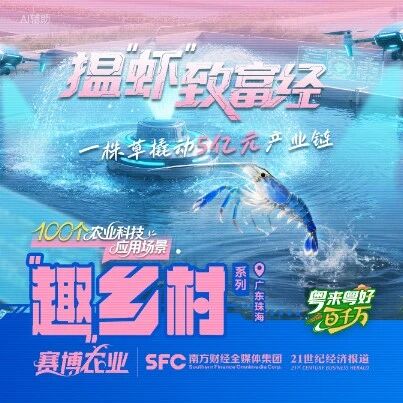
虾塘“变身记”:渔草共生带动养虾户收入翻番
21世纪经济报道· 2025-10-03 14:13
Core Viewpoint - The article highlights a transformative "aquaculture revolution" in Zhuhai's Doumen District, driven by the promotion of the "Reed-Rosette Shrimp" symbiotic model, which replaces traditional extensive farming methods and addresses past issues of water quality, disease, and low yields, achieving both ecological and economic benefits, thus becoming a new driving force for rural revitalization [1][2]. Summary by Sections Aquaculture Model - The core of the model is "cultivating shrimp by first cultivating water, and cultivating water by first cultivating reeds." The reeds effectively absorb harmful substances like nitrites and ammonia, purifying the water [1]. - The dense foliage of the reeds provides habitat for shrimp, reducing competition and mortality rates, while also serving as supplementary feed, enhancing shrimp quality and yield [1]. Economic Impact - The area of Rosette shrimp farming in Lianzhou Town has exceeded 12,000 acres, with a total industrial output value of 526 million yuan [1]. - The average yield of Rosette shrimp has increased from 1,200 pounds per acre last year to 1,500 pounds this year, with farmers earning over 20,000 yuan per acre [2]. Brand Development and Community Engagement - Local leaders emphasize the importance of building an agricultural brand, leveraging the Reed-Rosette shrimp farming to create demonstration bases and promote "one town, one industry" initiatives [2]. - The success of this model is closely tied to the Guangdong Province's "High-Quality Development Project," which supports the integration of technology and industry [2]. Future Prospects - The "Reed-Rosette Shrimp" model is seen as a successful example of the intersection of agricultural technology and rural revitalization strategies, with potential for further development through brand strengthening, financial support, and demonstration promotion [3].

284亿元!“链”就美味24小时“鲜”达全国 “数”说从海洋到餐桌全产业链
Yang Shi Wang· 2025-10-03 07:44
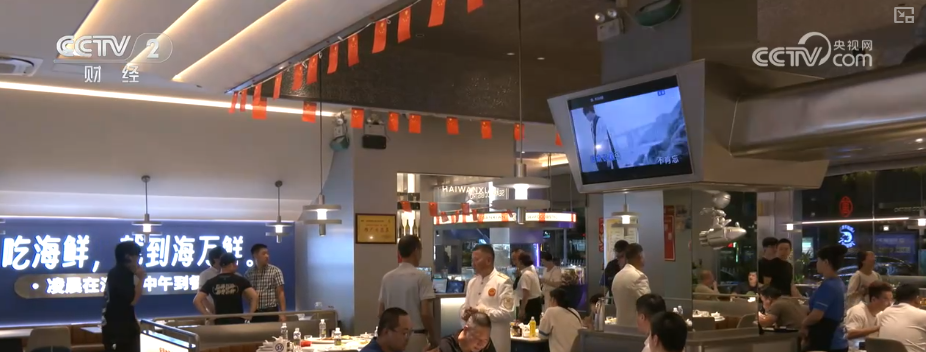
Core Viewpoint - Fujian Ningde is the main production area for large yellow croaker in China, contributing to 80% of the national supply, supported by an efficient supply chain from ocean to table [1][4][18] Industry Overview - The daily catch of large yellow croaker in Ningde exceeds 300 tons, with a 30% increase compared to previous periods, highlighting the peak sales season [4] - The total output of large yellow croaker in Ningde is projected to reach 215,000 tons in 2024, marking a 20.4% growth over four years [18] - The industry chain value for large yellow croaker has reached 28.4 billion yuan, with processing output exceeding 12 billion yuan [18] Supply Chain and Logistics - The supply chain includes rapid processing and cold chain logistics, ensuring that freshly caught fish are delivered within 30 minutes from catch to packaging [4][6] - The integration of online and offline sales channels has led to a distribution model where ice-fresh products account for 50-60% and frozen products for 35-45% of the market [16] Technological Advancements - The introduction of new breeding technologies and facilities has significantly improved the quality and yield of large yellow croaker, with production per acre increasing from 30 tons to 50 tons [10][12] - Genetic selection techniques have led to the development of five new strains of large yellow croaker, enhancing disease resistance and growth rates [12] Economic Impact - The aquaculture sector in Ningde has seen a rise in breeding output, with over 2 billion fry produced annually, accounting for more than 90% of the national supply [14] - The increase in breeding efficiency and product quality has resulted in a rise in purchase prices from 15 yuan to 25 yuan per kilogram [10]
虾塘“变身记”:渔草共生带动养虾户收入翻番
2 1 Shi Ji Jing Ji Bao Dao· 2025-10-02 22:44
Core Insights - The "Reed Grass-Rosette Shrimp" co-culture model in Doumen District, Zhuhai, is transforming traditional aquaculture into a more sustainable and productive practice, addressing past issues of water quality and disease while promoting rural revitalization [1][2][3] Group 1: Co-culture Model - The model emphasizes "cultivating shrimp by first cultivating water, and cultivating water by first cultivating reed grass," which purifies water and provides habitat for shrimp, leading to lower mortality rates and improved shrimp quality and yield [1] - The area of Rosette shrimp farming in Lianzhou Town has exceeded 12,000 acres, with a total industrial output value of 526 million yuan [1] Group 2: Economic Impact - The average yield of Rosette shrimp has increased from 1,200 pounds per acre last year to 1,500 pounds this year, with farmers earning over 20,000 yuan per acre [2] - The success of this model is linked to the "Hundred Counties, Thousand Towns, and Ten Thousand Villages High-Quality Development Project" in Guangdong Province, which supports technological integration and industry development [2] Group 3: Brand and Tourism Integration - The local government is focused on building a unique agricultural brand and integrating cultural tourism with the aquaculture industry to enhance the overall image of the village [2] - The model has led to the development of a rich industrial chain, including deep-processing products like frozen shrimp, and promotes the combination of agriculture with tourism experiences [2]
近40万吨年产量!“数”说江苏大闸蟹的千亿产业密码
Sou Hu Cai Jing· 2025-10-02 10:17
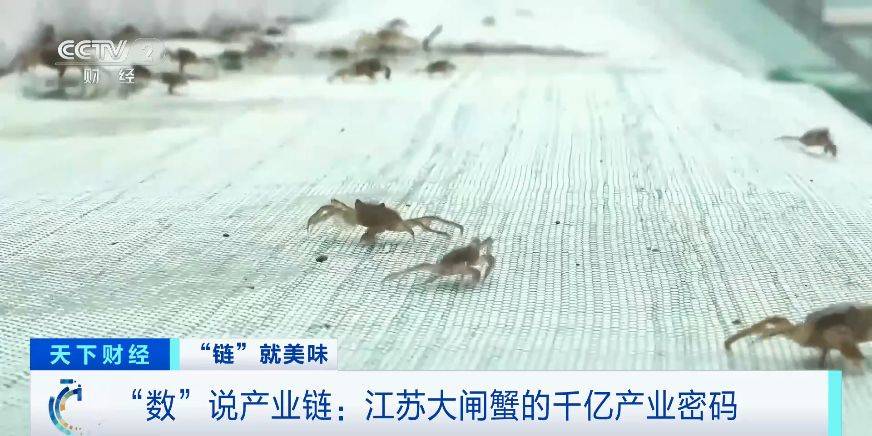
Core Insights - The Mid-Autumn Festival marks the peak season for the harvest and sale of hairy crabs, revealing significant market dynamics and industry chain insights [1] Industry Overview - Jiangsu province is the core area for hairy crab farming in China, with a cultivation area of 3.5 million acres and an annual production of nearly 400,000 tons, accounting for half of the national output [3] Market Trends - In September, the shipment volume of hairy crabs from Jiangsu increased by 70% month-on-month, with a remarkable growth of over 600% in sales during the week of September 23-28 [5] - Automated sorting lines in smart logistics bases can handle an average of 400,000 orders daily, and the enhancement of cold chain logistics has expanded the market reach, allowing for next-day delivery of live hairy crabs to major cities nationwide [5] Value Addition - Nearly 1,000 processing enterprises in Jiangsu have introduced over 40 deep-processed products such as drunken crabs and crab roe, significantly increasing the value of hairy crabs [7] - The total scale of the national hairy crab industry is estimated to reach 82.4 billion yuan by 2025, with deep-processed products contributing 20.6 billion yuan, accounting for 25% of the total [7] Economic Impact - The hairy crab industry has stimulated the integration of primary, secondary, and tertiary industries, boosting local sectors such as culture, tourism, dining, and retail, with the brand value of Yangcheng Lake hairy crabs reaching 28.265 billion yuan [9]
万吨阳澄湖大闸蟹上桌,有养户日入8万元
创业邦· 2025-10-01 10:06
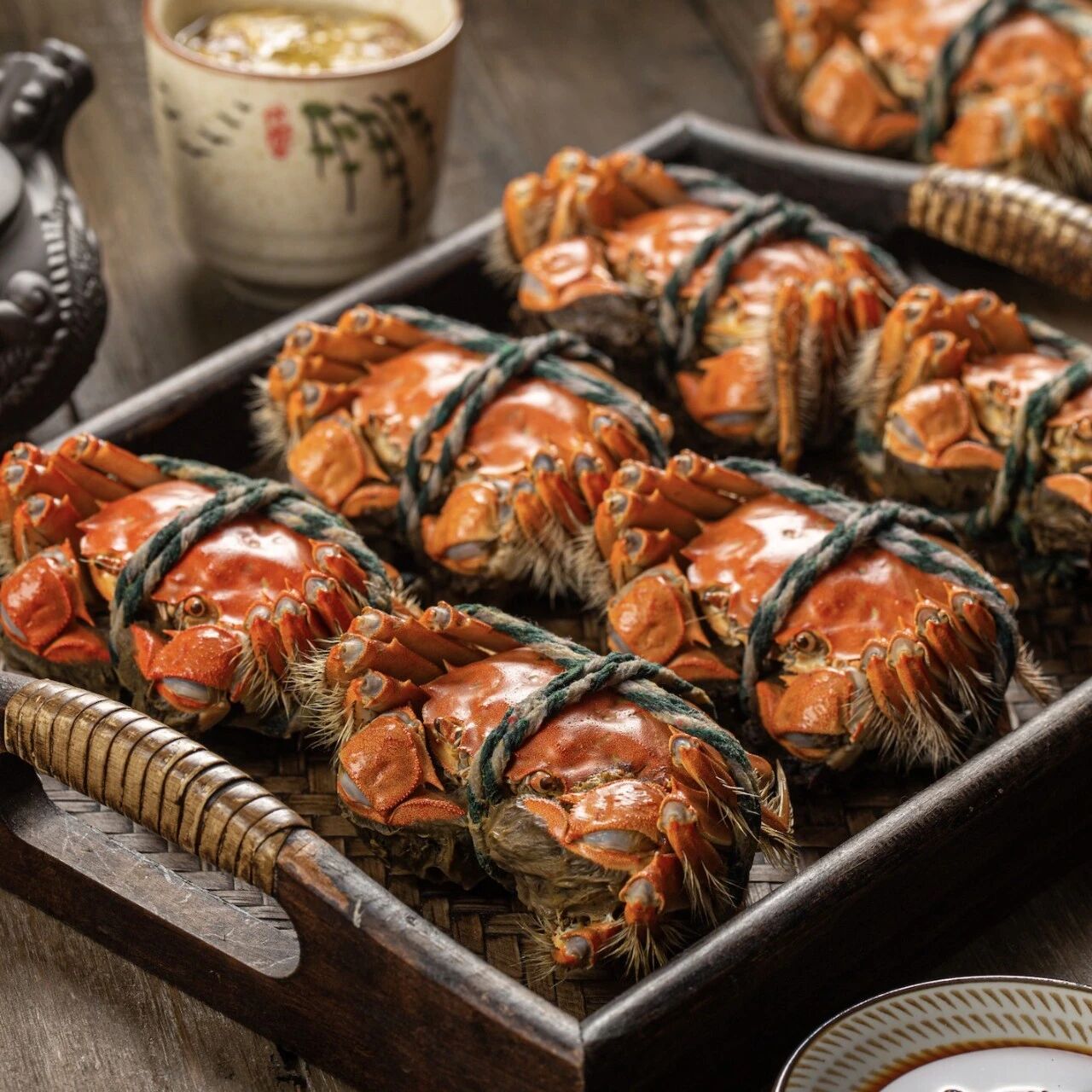
Core Viewpoint - The article highlights the significant increase in the production and sales of Yangcheng Lake hairy crabs this year, driven by favorable weather conditions and aggressive pricing strategies by sellers to attract consumers [5][12]. Production and Quality - The expected production of Yangcheng Lake hairy crabs for this year is approximately 10,350 tons, an increase from over 9,000 tons last year [5]. - The quality of the crabs is reported to be better this year, with plump meat and rich roe, marking it as a "harvest year" [5]. Sales and Pricing Trends - The sales of crab cards have surged, with some sellers reporting sales of over 80,000 yuan in a single day [8]. - Discounts on hairy crabs are more aggressive this year, with prices expected to be at least 10% lower than last year due to increased production [6][12]. - The average selling price of crab cards has decreased from around 600 yuan last year to approximately 450 yuan this year, indicating a shift in consumer purchasing behavior [14]. Market Dynamics - The competition among sellers has intensified, leading to a price war as they attempt to capture market share by offering lower prices [12]. - Many consumers are now more budget-conscious, with corporate clients reducing their procurement budgets by an average of 20% [14]. - The average discount rate for crab cards and vouchers has dropped to 68% of the listed price, compared to 75% last year [12]. Consumer Behavior - There is a noticeable shift in consumer preferences, with smaller-sized crabs becoming more popular, while larger crabs are not selling as well as in previous years [14]. - The demand for crab cards has increased significantly, with sales during the promotional period rising 13 times compared to the same period last year [8][9].
万吨阳澄湖大闸蟹上桌,有养户日入8万元
3 6 Ke· 2025-09-30 09:40
Core Insights - The harvest of Yangcheng Lake hairy crabs has begun, with expectations of higher yield and quality compared to previous years due to favorable weather conditions [1] - The total expected production for this year is approximately 10,350 tons, an increase from over 9,000 tons last year [1] - E-commerce platforms and supermarkets have already listed hairy crabs, with significant promotional activities underway [1][2] Production and Sales - The first batch of mature hairy crabs, around 2,000 tons, is expected to be available from late September to early October, followed by additional batches totaling approximately 6,000 tons in mid-October to mid-November, and 2,000 tons in late November to December [1] - A specific type of small hairy crab, known as "net bag crab," is gaining popularity, with wholesale prices at 28 yuan per 500 grams [2] - The price of hairy crabs is anticipated to be at least 10% lower than last year due to increased production [2] Market Dynamics - The sales of crab cards have surged, with some sellers reporting sales of over 80,000 yuan in a single day [3] - The demand for crab cards has increased significantly, with sales during the peak season rising 13 times compared to the same period last year [3] - Discounts and promotional strategies have intensified, with average discount rates for crab cards dropping to 68% of the listed price, compared to 75% last year [7] Pricing and Profitability - Despite increased sales volume, profit margins are declining, with reports of a 10% decrease in profitability compared to last year [6] - The average selling price of crab cards has decreased from around 600 yuan last year to 450 yuan this year, indicating a shift in consumer purchasing behavior [6] - Many businesses are experiencing pressure to lower prices due to heightened competition and changing consumer budgets, with some clients reducing their procurement budgets by approximately 20% [6][7] Future Outlook - Experts suggest that the increased production and aggressive pricing strategies may lead to further price reductions in the future [8] - There are concerns about potential pressure on redemption rates for crab cards if too many are sold initially [8]
银川贺兰“十五五”发力冷水鱼全产业链
Zhong Guo Jing Ji Wang· 2025-09-30 03:23
Group 1 - The core focus of Helan County during the 14th Five-Year Plan period is the construction of a comprehensive cold-water fish industry chain, with a total investment exceeding 3 billion yuan [1] - Partnerships have been established with companies such as Hong Kong Huixin and Zhonglian Zhike to develop a high-end cold-water fish breeding base primarily for Atlantic salmon and rainbow trout, aiming for an annual output value of 2.4 billion yuan [1] - Helan County is recognized as a significant aquaculture region, with a projected aquatic product output of 63,500 tons and a value of 940 million yuan in 2024, reflecting a growth rate of 12.7% [1] Group 2 - The county emphasizes the efficient use of water resources, implementing "water rights reform" as a core strategy, which includes technical and mechanism improvements to enhance water efficiency by over 90% [2] - A secondary market for water rights trading has been established, allowing for contract-based water savings and market transactions, resulting in an annual water savings of approximately 30 million cubic meters [2] - Helan County is promoting diversified and efficient development of the water-adapted industry, leveraging saline-alkali land for enhanced productivity [2]
五指山集中签约一批项目
Hai Nan Ri Bao· 2025-09-30 01:34
Core Points - Five Finger Mountain City held a signing ceremony for investment projects with a total investment exceeding 1.5 billion yuan, covering various industries including cultural tourism, tropical agriculture, health care, and high-tech sectors [1][2] Group 1: Project Overview - A total of 5 projects were signed, including the Fenyunlu Five Finger Mountain Health and Tourism Complex, a beverage factory, an Atlantic salmon full industry chain project, a rural vacation complex, and a pig breeding project [1] - The Fenyunlu project is the largest single investment project with a total investment of approximately 1.12 billion yuan, planned to be constructed in three phases [2] Group 2: Project Details - The Fenyunlu project will include a comprehensive training base for cycling, an athletics and football field, and other related sports training facilities, along with a tourism area integrating economic forestry, traditional medicine planting, cultural experiences, and leisure tourism [2] - The project is expected to be completed within 5 years [2]
獐子岛:股东和岛一号基金减持708万股,减持计划实施完毕
Mei Ri Jing Ji Xin Wen· 2025-09-29 12:56
Group 1 - The major shareholder, Beijing Jirong Yuantong Asset Management Co., Ltd., plans to reduce its stake in the company by up to 1% within a specified period, translating to a maximum of 7.111 million shares [1] - The reduction plan has been fully executed, with the major shareholder having sold 7.08 million shares, representing a decrease of 0.9956% [1] - The company's revenue composition for the first half of 2025 is as follows: 42.55% from fishery trade, 35.05% from fishery processing, 18.24% from aquaculture, 2.22% from technical services, and 0.95% from catering services [1] Group 2 - The current market capitalization of the company is 2.8 billion yuan [2]

保险赋能“百千万工程” 构建广东渔业高质量发展保障网
Zhong Guo Jin Rong Xin Xi Wang· 2025-09-29 10:53
Core Viewpoint - Guangdong, as a leading province in both total aquatic product output and aquaculture production in China, is accelerating the construction of a diversified food supply system, focusing on building a "blue granary" with the support of insurance institutions through an "insurance+" model [1] Group 1: Product Innovation - The aquaculture seedling industry in Guangdong faces high investment and risk, which has historically constrained its development. Guangdong Wulonggang Aquatic Technology Development Co., Ltd. has made significant progress in breeding species like yellow catfish, but concerns about industry risks have limited R&D investments [2] - The introduction of aquaculture seedling insurance in April 2022 has allowed companies to confidently invest in higher quality seed fish, leading to a projected output of 1.926 billion fry and an annual output value of 57.7 million yuan in 2024 [2] - China Life Property Insurance Guangdong Branch has innovated with "aquaculture temperature index insurance + weather derivatives," improving loss assessment efficiency and reducing claims difficulties, with over 200 million yuan paid in claims to date [2] Group 2: Service Downstream - A "mobile laboratory" has been deployed in Guangzhou to provide rapid health diagnostics for fish, delivering reports within two hours, showcasing the integration of financial support in advancing Guangdong's aquaculture sector [3] - The mobile inspection vehicle, developed in collaboration with various institutions, features advanced monitoring equipment and has been instrumental in providing proactive services, shifting from reactive claims to proactive risk management [3][4] - Since November 2023, the mobile lab has served over 100 farmers, covering nearly 10,000 mu of fish ponds and preventing losses exceeding 30 million yuan [4] Group 3: Comprehensive Empowerment - Insurance serves as the first line of defense against risks for small and medium-sized aquaculture operators, with Guangdong Water Tianjiao Aquaculture Co., Ltd. benefiting from policy insurance that facilitated quick claims processing after typhoon damage [5] - From 2023 to August 2025, Guangdong Life Property Insurance's policy insurance has provided 6.906 billion yuan in risk coverage for over 20,000 aquaculture entities across 1.22 million mu of freshwater aquaculture [6] - The company has established various risk reduction projects, including disease prevention laboratories and smart aquaculture systems, leveraging technology for disaster warning and decision-making support [6] Group 4: Future Development - Under the "Hundred-Thousand Project," the company plans to optimize deep-sea aquaculture insurance and introduce meteorological and remote sensing data to enhance its service system, aiming to provide comprehensive support for high-quality development in Guangdong's aquaculture sector [7] - The transformation of Guangdong's aquaculture industry from relying on natural conditions to a more systematic approach reflects a significant shift towards modernized practices, with a focus on ensuring food security and contributing to the province's economic strength [7]