智能穿戴

Search documents
智能眼镜纳入2026国补范围 2025年销量预计达137万副
Sou Hu Cai Jing· 2025-12-31 03:29
AI眼镜 【CNMO科技消息】12月31日,洛图科技最新数据显示,2025年,AR眼镜的全球出货量将达110万副, 同比增长41%;中国市场的销量为45.2万副,同比增长近70%。2025年,全球智能眼镜的出货量为预测 为630万副,同比增长110%;中国市场的销量预计达137.0万副,同比增长215.7%。 据CNMO了解,12月30日,中国发改委、财政部发布了《关于2026年实施大规模设备更新和消费品以旧 换新政策的通知》。该《通知》明确指出,与2025年相比,在数码/智能产品方面,补贴范围从数码扩 围至数码和智能产品,首次新增智能眼镜。补贴标准和2025年保持一致,比例为售价的15%,上限为 500元。 洛图科技表示,智能眼镜作为当下极具潜力但市场渗透率尚低的新兴品类,扩大其消费规模能够有效对 冲传统数码产品市场的饱和。随着智能终端产业的持续演进,未来将加速从手机领域向智能穿戴领域拓 展延伸。同时,补贴刺激终端需求,倒逼企业加大研发投入;政策也将在民生方面,契合民众的高品 质、适老化、无障碍场景下的生活和工作需求。 洛图科技认为,国家将智能眼镜纳入补贴范围,核心逻辑可概括为"扩消费、促产业、惠民生",同 ...


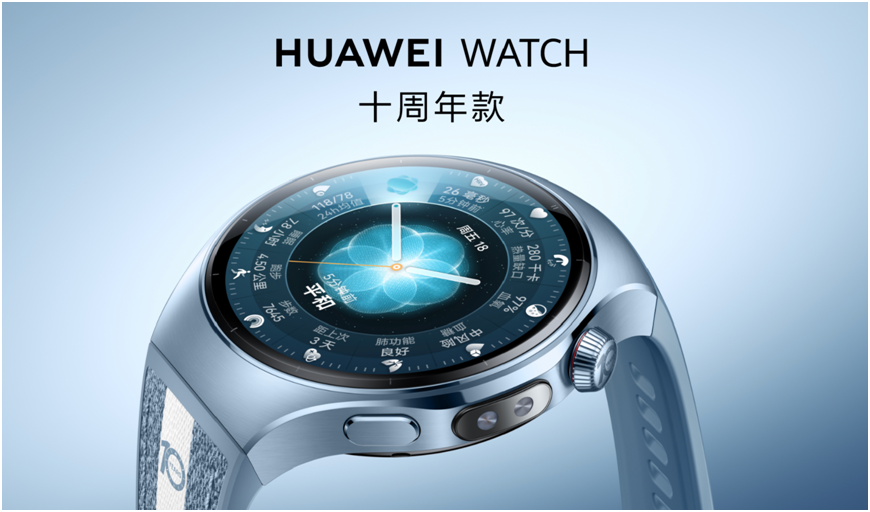
十年破局,价值重构:华为WATCH十周年款锚定智能穿戴健康新航向
Huan Qiu Wang· 2025-12-31 03:07
Core Viewpoint - Huawei's WATCH series has established a differentiated path based on technology and long-termism over the past decade, culminating in the launch of the 10th Anniversary model, which serves as a milestone for the series [1]. Group 1: Technological Innovation - The industry leadership is built on continuous foundational technology development rather than isolated functional breakthroughs, with Huawei integrating technological innovation into its DNA since the launch of the first HUAWEI WATCH in 2015 [5]. - The latest Huawei WATCH5 is the first Harmony AI smartwatch, showcasing significant technological upgrades that enhance the smart experience on the wrist [6]. - The core "X-TAP sensing window" in the 10th Anniversary model integrates multiple sensors for precise health monitoring, allowing for quick and continuous measurements of vital health indicators [8]. Group 2: Health Monitoring and Software Ecosystem - The upgraded HarmonyOS 6.0 in the 10th Anniversary model transforms the smartwatch into a more intelligent health companion, providing personalized health data analysis and recommendations [10]. - The smartwatch features advanced capabilities such as one-click health checks and multi-dimensional emotional health monitoring, addressing both physiological and psychological health needs [8][11]. Group 3: Long-term Commitment and Industry Insight - Huawei's approach contrasts with the industry's trend of rapid product launches, emphasizing long-term investment and deep user insight as keys to overcoming market challenges [11][13]. - The development of the X-TAP sensing window involved extensive research and trials, reflecting Huawei's commitment to precision and user-centric design [11][13]. - The collaboration with medical institutions since 2018 has led to significant health research outcomes, demonstrating Huawei's dedication to addressing real user needs rather than merely competing on features [13].
伊藤忠商事会长:中国依然存在机会
日经中文网· 2025-12-31 03:02
Core Viewpoint - The article discusses the current economic situation in China, the challenges faced by Japanese companies in the Chinese market, and the potential opportunities that still exist despite geopolitical tensions [2][3][5]. Group 1: Current Economic Situation in China - The adjustment in China's real estate market is not yet complete, and the economy is expected to face severe challenges until 2026. The potential returns from real estate investments are decreasing, and personal consumption is facing headwinds [3]. - The Chinese government is attempting to increase investments in infrastructure and advanced technologies like AI, but these efforts are insufficient to boost economic growth rates [3]. Group 2: Japanese Companies' Response to China - Japanese companies should cautiously explore opportunities in China while managing risks. There are still potential markets for products and services favored by Chinese consumers, despite the ongoing Japan-China tensions [7]. - Companies that have developed low-cost, high-quality food services in Japan are successfully entering the deflationary Chinese market [7]. Group 3: Opportunities in Chinese Products and Technology - China has a wealth of engineering talent, and its humanoid robots have set Guinness World Records for walking distances. These robots could be useful in Japan, especially in sectors facing labor shortages [8]. - Chinese products, such as BYD's electric vehicles and Huawei's smartwatches, are not only competitively priced but also of high quality. However, there are psychological barriers among Japanese consumers regarding Chinese products that need to be addressed [8]. Group 4: Itochu Corporation's Future Plans - Itochu Corporation aims to achieve the highest consolidated net profit among general trading companies for the fiscal year ending March 2026, with a target of exceeding 900 billion yen [9].

腕上智能十年:华为WATCH系列的“笨功夫”与健康科技“大棋局”
Jing Ji Guan Cha Wang· 2025-12-30 13:30
Core Insights - Huawei's 10th anniversary of the WATCH series marks a significant milestone, showcasing the evolution of smartwatches from mere tech gadgets to essential health companions [1][10][18] - The company emphasizes a user-friendly experience by transforming complex health technologies into accessible features, reflecting a commitment to continuous research and development over the past decade [5][9][18] Group 1: Product Development and Innovation - The new Huawei WATCH incorporates the advanced X-TAP sensing technology, allowing for quick health assessments, such as a 10-second blood oxygen reading and a comprehensive health check in 60 seconds [7][9] - Huawei's collaboration with authoritative medical institutions has enabled the identification of health risks for over 200,000 users, demonstrating the integration of medical-grade insights into everyday health monitoring [9][10] Group 2: User Experience and Interaction - The "health dashboard" feature innovatively displays 12 core health metrics on the watch face, allowing users to monitor their health effortlessly while checking the time [12][10] - The upgraded HarmonyOS 6.0 and AI capabilities enhance user interaction, enabling personalized health insights and simplifying complex data interpretation [14][10] Group 3: Market Positioning and Strategy - Huawei's product strategy aims for comprehensive coverage across various consumer needs, offering a range of models from the flagship WATCH5 to the fashion-oriented GT series, ensuring digital health is accessible to all [16][18] - The anniversary edition not only pays homage to the original model but also reinforces Huawei's commitment to quality and durability through premium materials [16][18]
2026年国补:智能眼镜首次入选,家电只补一级能效
第一财经· 2025-12-30 12:38
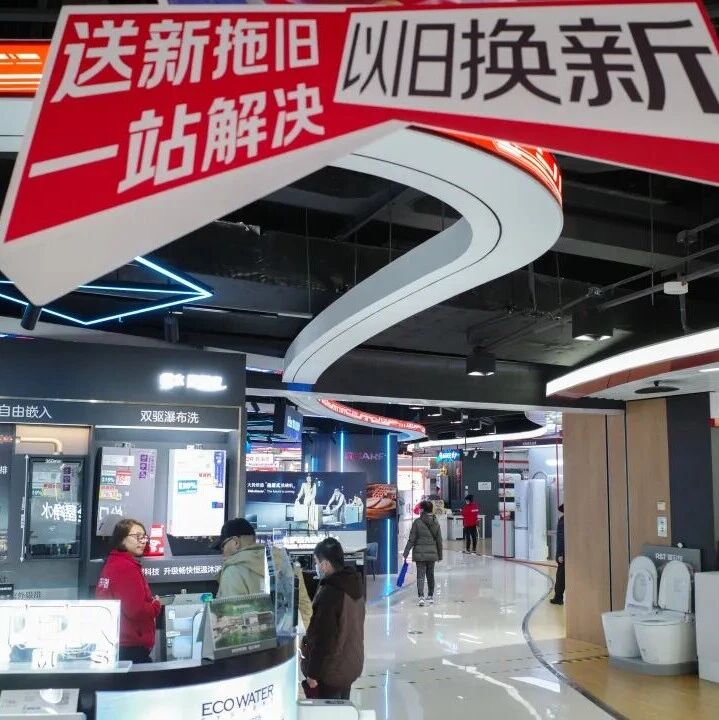
2025.12. 30 本文字数:2393,阅读时长大约4分钟 据洛图科技数据,2025年中国含AR眼镜在内的AR设备(带显示)销量预计达45.2万台,同比增长近 70%。而在AI大模型的驱动下,AI眼镜(不带显示)迎来爆发式增长,2025年中国AI眼镜销量预计达137 万副,同比增长215.7%。 在政策实施方面,严厉打击骗补套补和"先涨后补"等违法违规行为。同时,落实全国统一大市场建设要 求,对汽车报废更新、汽车置换更新、6类家电以旧换新、4类数码和智能产品购新,明确在全国范围内执 行统一的补贴标准。 作者 | 第一财经 王珍 封图 | 第一财经记者 任玉明 拍摄 2026年消费品国家补贴政策今日正式发布,补贴产品有增有减,第一财经记者留意到,智能眼镜首次进入 国补范围。 明年国家继续实施家电以旧换新补贴,支持范围聚焦冰箱、洗衣机、电视、空调、电脑、热水器等6类产 品,家用灶具和吸油烟机不再列入国补范围;同时,将数码产品购新补贴拓展为数码和智能产品购新补 贴,支持范围包括手机、平板、智能手表(手环)、智能眼镜和智能家居产品(含适老化家居产品)。 家电以旧换新调整为补贴1级能效或水效产品,补贴产品售价的15 ...
理想业绩大下滑,纯电转型阻力重重
Xin Lang Cai Jing· 2025-12-30 11:04
Core Viewpoint - Li Auto reported a net loss of RMB 6.25 billion in Q3 2025, marking a shift from profit to loss after 11 consecutive profitable quarters, primarily due to the recall of 11,400 units of the Li MEGA model [1][16]. Financial Performance - Vehicle sales revenue for Q3 2025 was RMB 25.9 billion (USD 3.6 billion), a decrease of 37.4% compared to RMB 41.3 billion in Q3 2024 [2][16]. - Total deliveries amounted to 93,211 units, down 39.0% year-on-year [2][16]. - Total revenue was RMB 27.4 billion (USD 3.8 billion), a decline of 36.2% from RMB 42.9 billion in Q3 2024 and a 9.5% decrease from RMB 30.2 billion in Q2 2025 [2][16]. - The net loss for the quarter was RMB 6.244 billion (USD 877 million) [2][16]. Market Outlook - For Q4 2025, Li Auto anticipates a continued decline, with expected vehicle deliveries between 100,000 and 110,000 units, representing a year-on-year decrease of 30.7% to 37.0% [4][18]. - Revenue for Q4 2025 is projected to be RMB 26.5 billion, reflecting a 40% year-on-year decline [13][25]. Competitive Landscape - The competition in the new energy vehicle market is intensifying, with price wars becoming more prevalent, putting pressure on Li Auto from various competitors [6][19]. - In the extended-range vehicle market, brands like AITO and Deep Blue are competing aggressively, while in the pure electric segment, Tesla and NIO have established significant advantages in technology, brand, and market share [6][19]. - Li Auto needs to accelerate the delivery and technological implementation of its pure electric models while balancing investments in both extended-range and pure electric strategies [6][19]. Production Challenges - New electric models i6 and i8 have received positive market feedback with over 100,000 orders, but supply chain challenges have limited their delivery to only 18% of total deliveries in Q3 [6][19]. - Li Auto is working to enhance production capacity by introducing a dual-supplier system with CATL and Sunwoda, aiming to increase the monthly production capacity of the i6 to 20,000 units by early 2026 [6][19]. New Business Ventures - In addition to its core automotive business, Li Auto has initiated new ventures, including the establishment of "Space Robotics" and "Wearable Robotics" departments, and launched its first AI glasses, Livis, priced from RMB 1,999 [7][21]. - However, the market response to these new products has been lukewarm, with significant competition from established brands like Xiaomi and Huawei in the AI glasses market [9][22]. Consumer Base - Despite declining sales, Li Auto's app user engagement remains high, indicating a stable consumer base that could be crucial for the company's recovery [10][22].

闪极loomos系列AI眼镜重磅发布,重构日常佩戴体验,再次引领智能穿戴赛道
Feng Huang Wang Cai Jing· 2025-12-30 11:04
近日,闪极科技(SHARGE)在主题为"电磁弹射 无限进步"的发布会上,推出全新一代AI眼镜基座平 台及闪极 loomos AI拍摄眼镜 L1(以下简称:闪极 L1)、闪极 loomos AI显示眼镜 S1(以下简称:闪 极 S1)两款核心产品。通过架构创新、体验优化与生态布局,闪极科技重新定义智能眼镜产品形态与 价值,彰显其在AI眼镜赛道的创新优势与技术硬实力。 | 以用户需求为核心,重构AI眼镜全场景体验 闪极loomos系列AI眼镜精准洞察市场痛点,从架构、影像、音频、个性化、隐私续航等多维度实现突 破,精准破解行业普遍存在的佩戴不适、外观单一、功能与日常需求脱节等核心难题,打造真正适配日 常场景的智能穿戴产品。两款核心产品针对不同用户需求精准发力,核心优势各具特色。 在架构设计上,闪极 L1 依托创新的"凤凰架构1.0"实现形态革新,开创性地将摄像头与前框解耦并集成 于镜腿,通过重心后移大幅降低佩戴体感重量,让镜腿"轻如飞羽",摆脱传统AI眼镜的"冷硬器械感"。 智能生态方面,闪极 L1搭载全新Loom OS 2.0 AI主动记忆系统,可通过AI技术自动记录整理生活片 段,生成个人记忆库。同时闪极宣布 ...
小天才×《中国新声代2026》:再续成长之约,守护童真敢表达
Sou Hu Wang· 2025-12-30 06:51
Core Viewpoint - The collaboration between Xiaotianqi and the children's music variety show "Chinese New Voice 2026" aims to enhance children's growth through technology, emphasizing the importance of authentic expression and support for their development [1][3]. Group 1: Collaboration Background - The partnership is a continuation of a previous successful collaboration that began in 2018 with the fifth season of "Chinese New Voice," reflecting a shared belief that children's growth should not be driven by profit motives [3]. - Both Xiaotianqi and "Chinese New Voice" prioritize the value of genuine expression and support for children's attempts, moving away from competitive elimination formats [4]. Group 2: Program Characteristics - "Chinese New Voice 2026" distinguishes itself by avoiding traditional competition and instead focuses on collaboration and personal progress among children, capturing their genuine emotions and experiences [4]. - The program features children reinterpreting classic songs from the 1990s, showcasing their unique perspectives rather than nostalgia [4]. Group 3: Brand Philosophy - Xiaotianqi emphasizes a user-centric approach in product development, integrating advanced technology such as dual-frequency GPS and AI algorithms to ensure children's safety and privacy [5]. - The brand encourages children to engage in social interactions independently, mirroring the supportive environment created by "Chinese New Voice" [5]. Group 4: Technological Integration - Xiaotianqi views technology as a warm support for growth, aligning with the digital-native Alpha generation's habits of self-expression and exploration [7]. - The brand's products are designed to be more than just tracking devices, incorporating features that promote global communication and exploration [7]. Group 5: Commitment to Child Development - An excellent children's brand not only provides quality products but also offers appropriate support for children's endeavors, similar to how "Chinese New Voice 2026" nurtures musical aspirations [9]. - The collaboration exemplifies the philosophy of creating a nurturing environment for children to express themselves and confidently pursue their futures [10].

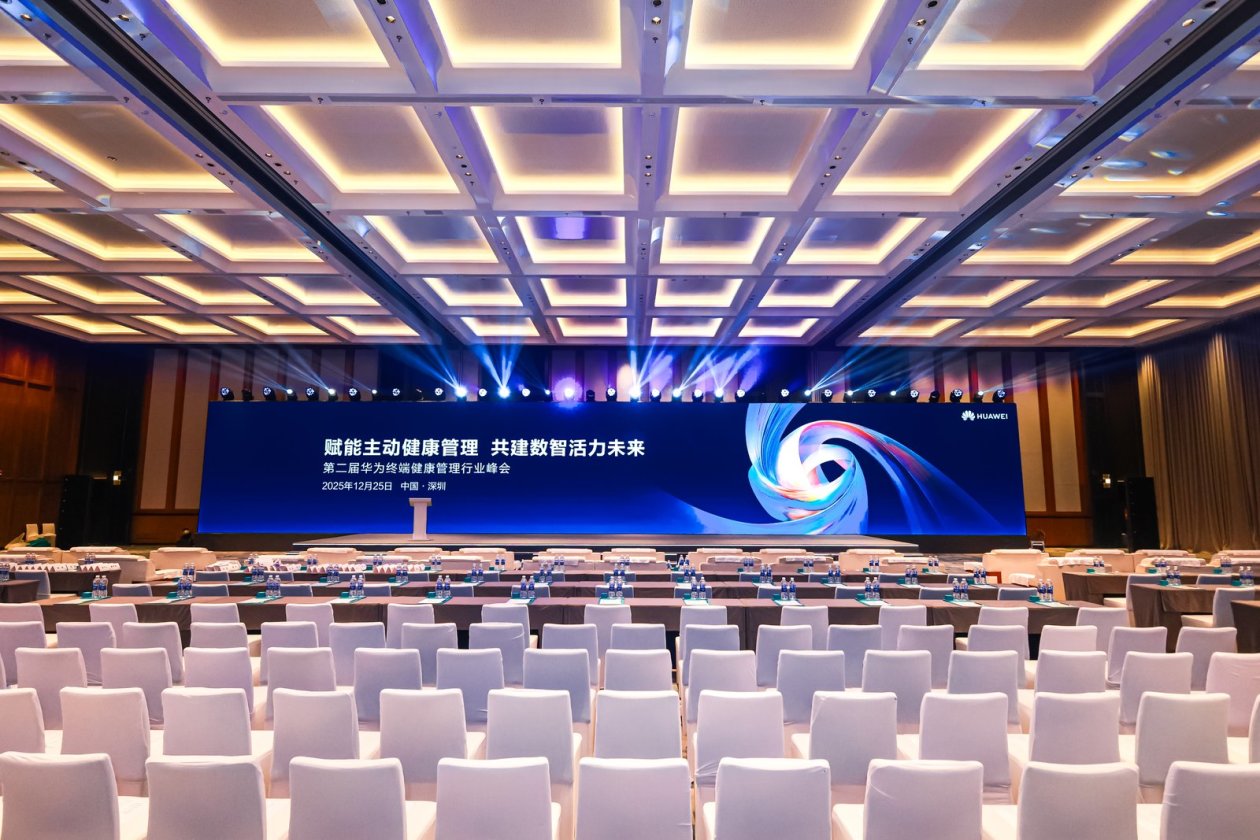
华为擎云六大解决方案和标杆案例亮相:数字底座填补主动健康拼图
Sou Hu Cai Jing· 2025-12-30 04:18
Core Insights - The article emphasizes the need to transform the concept of "proactive health" into actionable and replicable industry standards as part of the "Healthy China 2030" strategy [1] - Huawei's solutions aim to bridge the gap in out-of-hospital monitoring and shift the healthcare industry from a labor-intensive model to a technology and service-driven approach [3] Industry Challenges - The healthcare sector faces significant challenges due to an aging population and an imbalance between medical resource supply and demand, leading to a "data gap" in health management [4] - Traditional health management practices often result in isolated annual check-ups, leaving patients in a monitoring blind spot after hospital visits, which negatively impacts chronic disease management [4] Digital Transformation - The summit highlighted that digitalization is no longer optional but essential for building a proactive health defense line amid chronic disease prevention pressures [4] - Huawei's "Smart Medical Solutions" aim to create a comprehensive service loop through "digital intelligence integration" [4] Innovative Solutions - Shandong Xinyue Health Technology's smart health solution integrates dynamic and static medical data to provide continuous monitoring, addressing the issue of data discontinuity [5] - Hebei Zhixing Health Management's community health management solution utilizes wearable devices for real-time monitoring of vital signs, significantly reducing long-term care burdens [7] - Ping An Good Doctor's digital health management solution offers a one-stop approach for chronic disease management through deep integration of user data [7] Vertical Applications - The summit showcased specific cases in stroke prevention, demonstrating the economic and social value of digital tools in healthcare, with a reported savings of 120 million yuan annually through early detection and treatment [8] - Huawei's solutions in family health management and lifestyle management emphasize personalized health interventions based on precise data from wearable devices [8] Industry Standards - The establishment of the "Smart Follow-up Platform Wearable Data Access Standard" by leading medical institutions marks a significant milestone in recognizing the data value of commercial wearable devices [10] - This standard paves the way for deeper integration of healthcare and technology, positioning wearable devices as potential "digital stethoscopes" for healthcare professionals [10] Future Outlook - Huawei aims to solidify its "digital foundation" to transform continuous and precise digital assets into a robust shield for life protection, making proactive health a tangible reality for all [10]
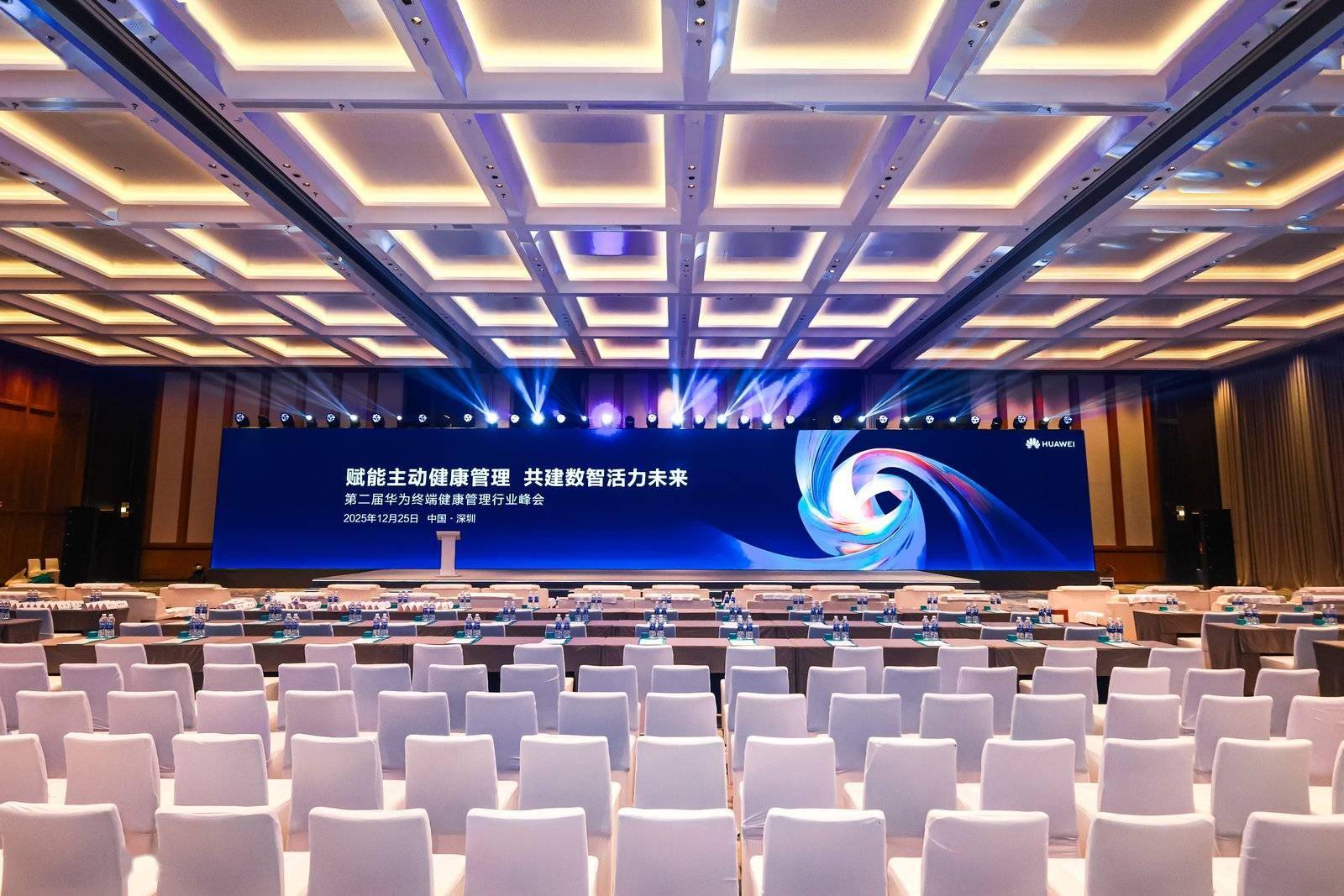
从“口号”到“落地”:华为擎云六大解决方案和标杆案例重构主动健康新范式
Huan Qiu Wang· 2025-12-30 03:05
Core Viewpoint - The article emphasizes the urgent need for a proactive health management system in response to the challenges posed by an aging population, the rise of chronic diseases among younger individuals, and the imbalance in medical resource supply and demand. The traditional reactive medical model is no longer sustainable, highlighting the importance of continuous and dynamic health data management [1][2]. Group 1: Industry Challenges and Opportunities - The current bottleneck in health management is the lack of a continuous, dynamic, and intervenable data loop, with traditional health check-ups being insufficient to capture subtle health changes [2]. - The aging population and the increasing prevalence of chronic diseases necessitate a shift from a disease-centered approach to a more comprehensive health management strategy [1][2]. Group 2: Solutions and Innovations - Huawei's Qingtian Cloud has introduced three "universal" solutions to address the core pain points in health management, creating a seamless health network that covers home, community, institutions, and workplaces [2]. - The Shandong Xinyue Health Technology Co., Ltd. has developed a smart health management solution using Huawei's wearable devices, which continuously collects vital signs and integrates them with static medical data to create a complete "digital life portrait" [2]. - The Hebei Zhixing Health Management Service Co., Ltd. has implemented a community health management solution that allows users to monitor key health indicators through Huawei's wearable devices, enhancing health literacy and reducing the burden on hospitals [3]. Group 3: Vertical Scene Development - Huawei's Qingtian Cloud has successfully implemented a "stroke risk monitoring management" system in collaboration with Nantong University Affiliated Hospital, utilizing high-precision monitoring and AI algorithms for emergency responses [5]. - The "general practitioner health management" initiative at Central South University Xiangya Third Hospital extends health management to family units, promoting proactive health maintenance [5]. - The "healthy lifestyle management" program at the Chinese Academy of Medical Sciences Fuwai Hospital focuses on personalized and intelligent health interventions based on evidence-based medicine [5]. Group 4: Industry Standards and Future Directions - The summit highlighted the importance of establishing industry standards, such as the "smart follow-up platform wearable data access standard," which has gained recognition and aims to bridge the gap between consumer-grade hardware and medical applications [7]. - The digital transformation in health management is deemed essential for improving resource accessibility and chronic disease management efficiency, with Huawei's Qingtian Cloud facilitating a shift from experience-driven to data-driven approaches [7]. - The future vision includes building a comprehensive proactive health ecosystem that empowers individuals to take responsibility for their health, supported by open ecosystems and standardized interfaces [7].