
汽车工业

Search documents
7月11日周五《新闻联播》要闻28条
news flash· 2025-07-11 12:01
Group 1 - The automotive industry in China achieved double-digit growth in multiple indicators during the first half of the year [10] - The China Export-Import Bank issued over 610 billion yuan in new loans for foreign trade in the first half of the year [13] - The implementation of the departure tax refund policy has stimulated new vitality in inbound consumption [12] Group 2 - A preliminary establishment of the fertility support policy system in China has been reported [16]
美加征关税被指填补财政赤字 专家建议欧盟征收数字税反制
news flash· 2025-07-10 03:24
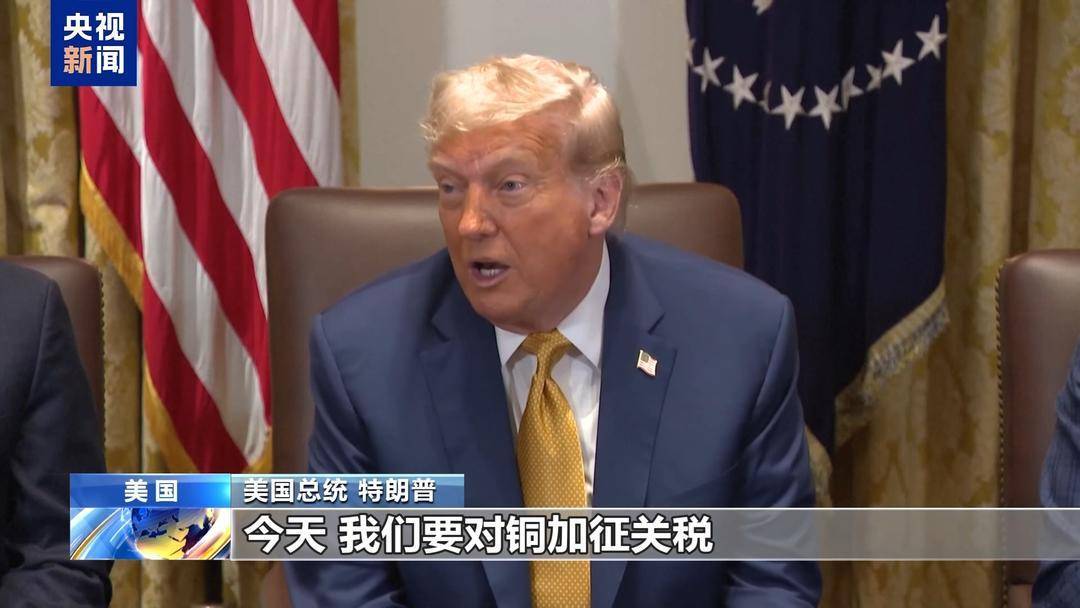
Core Viewpoint - The U.S. President Trump announced a 50% tariff on all copper imports starting August 1, as part of a broader strategy to address the U.S. fiscal deficit and generate new revenue sources [1] Group 1: Tariff Implementation - The 50% tariff on copper imports is a significant move that follows previous tariff letters sent to over 20 countries, indicating a systematic approach to trade policy [1] - The decision reflects an ongoing trend in U.S. trade policy aimed at increasing tariffs on various imported goods [1] Group 2: Economic Implications - Experts suggest that the primary goal of the tariff policy is to compensate for the increasing fiscal deficit resulting from the "big and beautiful" tax and spending legislation [1] - The potential for retaliatory measures from the EU is highlighted, with suggestions that the EU could target the approximately 150 billion euros in service trade deficit with the U.S. [1] Group 3: Expert Opinions - Various professionals, including leaders from the German automotive industry and economic research institutions, have commented on the implications of U.S. tariff policies, emphasizing the need for new revenue sources due to rising fiscal challenges [1]
美国宣布对铜征收50%关税 其消费量几乎一半来自进口
news flash· 2025-07-10 00:49
Core Viewpoint - The U.S. will impose a 50% tariff on imported copper starting August 1, 2025, which could significantly impact various sectors of the economy due to increased costs [1] Group 1: Tariff Details - The tariff on copper imports is set at 50% and will take effect on August 1, 2025 [1] - Copper is the third most consumed metal globally, following iron and aluminum [1] Group 2: Import Dependency - Nearly half of the copper consumed in the U.S. is imported, with a majority coming from Chile [1] Group 3: Economic Impact - The imposition of tariffs is expected to lead to cost increases across multiple sectors, including electronics manufacturing, automotive industry, construction, and data centers [1]
特朗普称将对进口铜征收50%关税 经济学家认为将致美物价上涨
Sou Hu Cai Jing· 2025-07-09 23:50
Group 1 - President Trump announced a 50% tariff on all copper imports to the U.S., with implementation expected around late July or August 1 [1][3] - Following the announcement, copper futures on the New York Stock Exchange surged by 17%, reaching a historic high of $5.8955 per pound [5] - The U.S. consumes nearly half of its copper from imports, primarily from Chile, indicating significant reliance on foreign supply [5] Group 2 - The imposition of tariffs on copper is expected to increase costs across various sectors, including electronics, automotive, construction, and data centers, potentially leading to inflationary pressures in the U.S. economy [5] - Douglas Holtz-Eakin, former chief economist of the White House Council of Economic Advisers, questioned the effectiveness of the tariff in addressing national security risks while highlighting the likelihood of increased domestic prices [7] - Trump also indicated plans to impose new tariffs on pharmaceuticals, semiconductors, and other specific industries, with potential tariffs on foreign-manufactured drugs reaching up to 200% [9]

“中美签了”!特朗普宣布好消息,中美“握手言和”,稀土稳了?
Sou Hu Cai Jing· 2025-07-03 10:09
Group 1 - The recent confirmation of the framework details between China and the US indicates a potential easing of trade tensions, with China agreeing to approve certain controlled item export applications while the US will lift a series of restrictive measures [1] - Despite the progress, there remains a long road ahead for a definitive trade agreement, as highlighted by cautious commentary from US media [1] - The narrative in some US circles blaming China for trade issues is seen as unjust, with the argument that the imposition of tariffs by the US initiated the current difficulties in trade relations [1] Group 2 - President Trump expressed excitement over the negotiation progress, indicating that a trade agreement has been reached and that the US is beginning to open up to China [3] - The strategic importance of rare earth resources has played a significant role in the negotiations, with the US feeling the impact of shortages in various industries, including defense and automotive [3] - The urgency for the US to reach an agreement with China is underscored by the potential negative effects on American industries if the trade conflict continues [3] Group 3 - The US continues to impose restrictions in critical areas such as the semiconductor industry, indicating that the core pressure from the US on China has not significantly eased [5] - Although the US has regained access to some rare earth materials from China, the supply remains barely sufficient, and efforts to increase imports face challenges due to China's new export licensing system [5] - The control of rare earth processing and refining capabilities largely remains with China, complicating efforts by the US and EU to develop domestic alternatives [7] Group 4 - China's measures to control rare earth exports serve to strengthen its position in the market while protecting domestic interests and preventing the use of these materials in military applications [7] - The potential decrease in rare earth exports to the US may not significantly impact overall profits for China, as the country retains the ability to leverage this resource strategically [5][7]
打关税战,一味的躲是没用的,中国用实际行动,给日本打了个样
Sou Hu Cai Jing· 2025-06-30 14:29
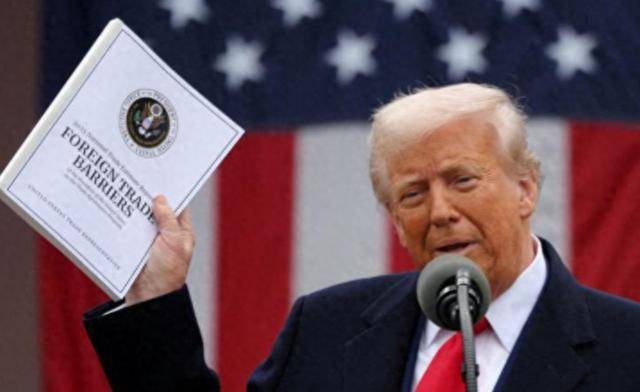
Group 1 - The core issue of the global trade war is the impending end of the 90-day suspension period for "reciprocal tariffs" announced by the Trump administration, which is set to expire on July 9 [3] - China's Ministry of Commerce has issued a strong warning against any party sacrificing Chinese interests for trade negotiations, indicating a firm stance in the ongoing discussions [3][5] - The focus of the current global trade situation is shifting towards geopolitical dynamics rather than just tariff negotiations, as the U.S. seeks to form an "anti-China alliance" with other countries [5] Group 2 - The European Union is experiencing internal divisions, with Germany proposing to accept a 10% "minimum baseline tariff" from the U.S., which raises questions about its role as the EU's economic engine [6][8] - French President Macron has taken a hardline stance, insisting on either zero tariffs or a trade war, reflecting the significant stakes for French agricultural exports [8] - The UK has already moved forward with a temporary agreement with the U.S., raising concerns about the implications and hidden clauses within this deal [8] Group 3 - Japan has surprisingly taken a strong position against the U.S. regarding tariffs, with its government demanding either zero tariffs or no negotiations, despite its significant automotive exports to the U.S. [9][11] - Japan is reportedly adjusting its strategy by leveraging its rare earth resources to negotiate for exemptions on automotive tariffs, indicating a complex trade maneuvering [11] - India is rapidly advancing negotiations with the U.S., potentially at the risk of becoming a tool for U.S. interests in Asia, which could have significant implications for the global trade landscape [13][14]
美国想要的,中方终于松口!特朗普突然公布喜讯,稀土有着落了
Sou Hu Cai Jing· 2025-06-29 14:41
Group 1 - The recent trade agreement between the US and China focuses on rare earth elements, which are crucial for various industries, including military and high-tech sectors [3][4][5] - The US has become increasingly dependent on China's rare earth supplies, especially for military equipment and advanced technology production [3][4] - The agreement includes provisions for China to approve export applications for controlled items, likely including rare earths, while the US will lift certain trade restrictions [4][5] Group 2 - The political context surrounding the agreement is significant, as President Trump aims to announce a deal before the July 4th Independence Day to bolster his domestic standing [5] - Despite the agreement, uncertainties remain regarding the stability of rare earth imports from China, as the approval process for export licenses is subject to China's discretion [5][7] - The trade agreement is seen as a step towards easing tensions in US-China relations, benefiting both countries' economies and potentially impacting global economic dynamics [7]
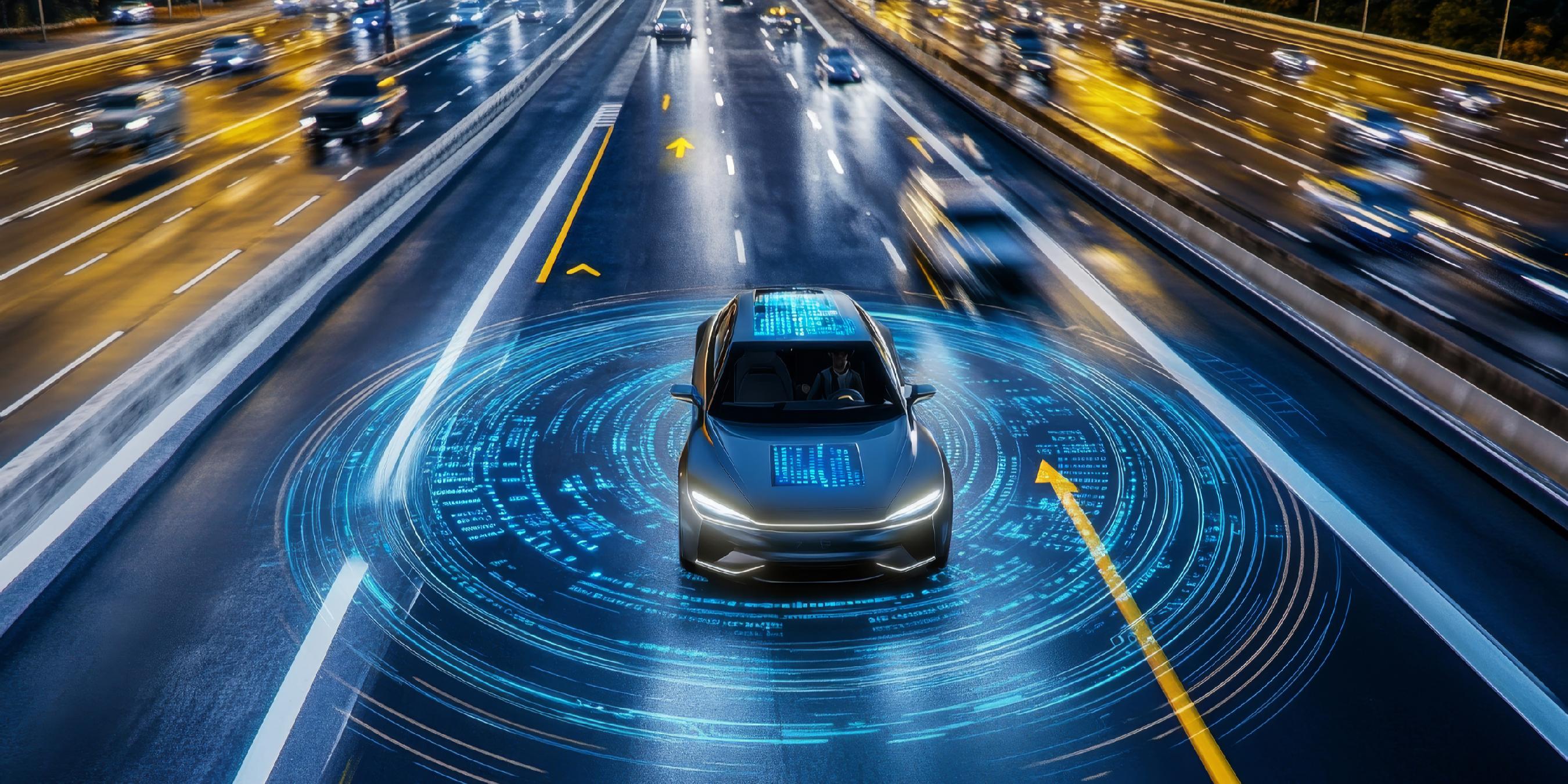
技术、成本、规则,谁能撬动自动驾驶汽车落地
Jing Ji Guan Cha Wang· 2025-06-28 06:30
Group 1: Technology - The advancement of AI technology is shifting from content generation to goal-driven intelligent agents, which is expected to lead to significant breakthroughs in autonomous driving capabilities [2] - Two main technological approaches in autonomous driving are identified: "end-to-end" technology, which requires vast amounts of high-quality data for training, and modular technology, which combines human-designed algorithms with neural networks [3][4] - Current autonomous driving systems are primarily in the realm of assisted driving rather than full autonomy, limited by technological capabilities and costs [4] Group 2: Cost - The reduction of costs is crucial for the widespread adoption of new technologies, as seen historically with the introduction of the Ford Model T, which made cars affordable for the middle class [5] - China has made significant progress in reducing AI training costs, exemplified by DeepSeek's training costs being one-thirtieth of OpenAI's, which may accelerate the application of autonomous driving [6] - Companies like Tesla are also focusing on cost reduction, with projections for autonomous taxi services to be economically viable by 2026 [6] Group 3: Regulation - The integration of autonomous driving into society requires adaptive regulations that reflect technological advancements and societal needs [7] - Historical precedents show that technological progress often leads to significant societal changes, necessitating a reevaluation of existing rules and norms [7] - Establishing foundational rules for autonomous driving, such as human-machine relationships and liability distribution, is essential for future industry development [8] Group 4: Safety - Research indicates that 90% of traffic accidents are caused by human error, and transitioning to algorithm-driven driving could reduce accidents significantly [9] - The ethical implications of autonomous driving decisions, particularly in unavoidable accident scenarios, highlight the need for societal consensus on moral choices [9] - Extensive testing is required to ensure the safety of autonomous vehicles, with estimates suggesting that they need to cover 440 million kilometers without errors to match human driver safety levels [10]

滨州|滨州向跨国企业递出合作发展邀约
Da Zhong Ri Bao· 2025-06-27 01:27
Group 1: Low-altitude Economy - Binzhou participated in the "General Aviation and Low-altitude Economic Development Forum" during the sixth Multinational Corporation Leaders Qingdao Summit, inviting multinational companies for cooperation [2] - Binzhou has a low-altitude airspace of 6,607 square kilometers and over 330 days of favorable flying conditions, with three major aviation industrial parks hosting leading companies like COMAC and WanFeng Aircraft [3] - The forum provided a platform for Binzhou to discuss development with representatives from 43 countries and regions across six continents, promoting the concept of a "Sky City" [3] Group 2: Silver Economy - Binzhou is accelerating its layout in the silver economy sector, with the "123+N" home care model focusing on the core needs of the elderly, generating a silver economy output value of 2 billion yuan [4] - The "Learn, Practice, and Work" talent training model for medical and health care supports the industry by providing skilled personnel [4] - Binzhou's strong research capabilities position it as a leader in producing silver economy products nationwide [4] Group 3: Economic Cooperation with Germany - In 2024, the bilateral trade volume between Binzhou and Germany is expected to exceed 1.5 billion yuan, with a growth rate of 20.1% in the first quarter of this year [2] - Binzhou's investment in high-end aluminum, fine chemicals, and intelligent textiles aligns well with Germany's machinery manufacturing and automotive industries, creating a natural complementarity [2] - The "China-Germany Multinational Corporation Development Exchange Forum" featured discussions with representatives from major German companies, enhancing economic ties [2][3]
日美首脑简短会晤 贸易谈判进展未明
news flash· 2025-06-16 21:19
日美首脑简短会晤 贸易谈判进展未明 金十数据6月17日讯,据日本政府称,美国总统特朗普和日本首相石破茂周一在七国集团峰会间隙进行 了30分钟的会谈。日本政府没有详细说明双方讨论了什么,也没有说明两位领导人是否在贸易谈判上取 得了任何进展。后者是目前日本的一个关键优先事项,日本正在寻求全面取消特朗普征收的关税,包括 对关键的汽车工业出口征收25%的关税。石破茂正试图在加拿大阿尔伯塔省与特朗普达成贸易协议。空 手而归将给日本经济带来不确定性,并给下个月的大选前首相的政治前景蒙上阴影。如果没有达成协 议,随着日本与通胀作斗争,关税可能会使该国陷入技术性衰退。 ...