粮食产业

Search documents
河南省粮食安全保障条例
He Nan Ri Bao· 2025-10-15 23:47
Core Points - The "Henan Province Grain Security Guarantee Regulations" was approved on September 29, 2025, and will take effect on December 1, 2025 [3][5] - The regulations aim to ensure effective grain supply, enhance the ability to prevent and resist grain security risks, promote high-quality development of the grain industry, and maintain national food security [5][6] - The regulations emphasize the importance of a collaborative approach among various government departments to strengthen grain security capabilities and ensure effective supply [7][8] Chapter Summaries General Principles - The regulations are established to align with national laws and local conditions, emphasizing the leadership of the Communist Party and a comprehensive national security perspective [5][6] - Responsibilities for grain security are shared between the government and the party, with a focus on integrating grain security into economic and social development planning [7] Grain Production - Strict land protection measures are mandated to ensure the quantity and quality of arable land, with a focus on sustainable agricultural practices [11][12] - Governments are required to support technological innovation in grain production and promote the use of advanced agricultural techniques [14][16] - The regulations encourage the establishment of new agricultural entities, such as family farms and cooperatives, to enhance grain production efficiency [17][18] Grain Reserves - Local governments are tasked with establishing grain reserves to stabilize supply and respond to emergencies, with a focus on optimizing reserve management [18][20] - The regulations outline the need for a balanced rotation system for government grain reserves to ensure freshness and quality [25][26] Grain Circulation - Measures are to be taken to ensure compliance with national grain macro-control policies and maintain fair market competition among grain operators [29][30] - The development of a comprehensive grain logistics infrastructure is emphasized to support efficient grain circulation [30][31] Industry Development - Local governments are encouraged to promote the development of the grain industry by leveraging local resources and enhancing value chains [39][40] - Support for technological research and development in the grain sector is highlighted to improve product quality and sustainability [41][42] Grain Regulation - A monitoring and early warning system for grain security is to be established to analyze market conditions and respond to significant changes [36][37] - The establishment of a grain risk fund is mandated to support reserve efforts and stabilize the market [47][48] Emergency Management - A unified emergency management system is required to coordinate responses to significant disruptions in grain supply due to natural disasters or other emergencies [49][50] - Regular training and drills are to be conducted to enhance emergency preparedness in the grain sector [52][53] Supervision and Management - Various government departments are responsible for supervising grain production, reserves, and circulation, with an emphasis on collaboration and information sharing [46][47] - A credit system for grain producers is to be established to enhance accountability and compliance with regulations [56]
我国粮食产后节约减损取得新成效
Ren Min Ri Bao· 2025-10-15 22:17
Core Viewpoint - The national grain and material reserves departments have made significant progress in promoting grain post-harvest savings and loss reduction through various measures and public participation, aligning with the directives of the central government and the spirit of Xi Jinping's important instructions on saving food and reducing waste [1][2]. Group 1: System Improvement - The legal framework for grain savings and loss reduction has been strengthened, with the implementation of the revised Grain Circulation Management Regulations in April 2021 and the upcoming Grain Security Law in June 2024, which includes a dedicated chapter on "grain savings" [2][3]. - The National Food and Material Reserve Bureau has issued multiple action plans and guidelines since the 14th Five-Year Plan, focusing on key points in grain circulation to enhance the legal governance of grain savings and loss reduction [2][3]. Group 2: Farmer Support - Investment subsidies have been provided to farmers to build scientific grain storage facilities, resulting in a reduction of storage loss rates to approximately 3%, a decrease of 5 percentage points compared to a decade ago [3][4]. - The establishment of grain post-harvest service centers has been crucial, with these centers clearing approximately 69 million tons of grain and drying about 40 million tons in 2024, effectively reducing grain loss by over 3 million tons [3][4]. Group 3: Storage Efficiency - The implementation of green storage initiatives has led to improvements in grain storage facilities, with over 730 million tons of standard storage capacity available nationwide [4][5]. - The application of advanced storage technologies, such as low-temperature and gas-controlled storage, has increased, with 220 million tons of capacity for low-temperature storage and over 67 million tons for gas-controlled storage [4][5]. Group 4: Technological Innovation - The integration of technology in grain savings and loss reduction has been emphasized, with the establishment of national research platforms focusing on grain cleaning, drying, and storage technologies [6][7]. - New green storage technologies have been developed, enabling efficient low-temperature storage while maintaining grain quality and reducing energy consumption [6][7]. Group 5: Standardization and Public Engagement - Over 30 standards related to grain savings and loss reduction have been revised or established since the 14th Five-Year Plan, promoting higher output rates of processed grains [7][8]. - The initiative to reduce grain waste involves collaboration across all sectors, with ongoing efforts to enhance public awareness and support for grain savings and loss reduction [7][8].
中国粮食应急保障体系进一步健全
Chang Jiang Shang Bao· 2025-10-15 03:30
长江商报奔腾新闻记者 李璟 悠悠万事,吃饭为大。"十四五"时期,各地各部门积极践行新粮食安全观,大力实施国家粮食安全 战略,扎实推进粮食产购储加销协同保障,粮食流通改革发展各项任务进展符合预期,国家粮食安全得 到有效保障,为经济社会高质量发展提供了有力支撑。 国家发展改革委、国家粮食和物资储备局相关负责人在10月14日国新办举行新闻发布会上介 绍,"十四五"时期,我国年均粮食收购量在4亿吨以上。我国由粮食应急储运、加工企业和应急配送中 心、供应网点构成的粮食应急保障体系进一步健全,在应对重大突发事件中发挥了重要作用。 粮食市场供应方面,5年来,全国粮食年产量稳定在1.3万亿斤以上,2024年首次迈上1.4万亿斤新台 阶,人均粮食占有量比"十三五"期末增加25公斤,达到500公斤,高于国际公认的人均400公斤粮食安全 线,做到了谷物基本自给、口粮绝对安全。年均粮食收购量在4亿吨以上,粮食库存充裕、市场平稳, 中国人的饭碗端得更牢、更有成色。 制度保障方面,粮食储备体系进一步完善,中央政府储备规模结构布局持续优化,地方政府储备规 模进一步落实。粮食购销和储备管理制度进一步健全,管理措施不断完善,长效机制逐步形成。 ...
仓廪实百姓安·透过鲜活数据看中国人饭碗端得更牢 餐桌更丰富
Yang Shi Wang· 2025-10-15 02:54
Core Insights - The article highlights the achievements in China's grain circulation reform and development during the "14th Five-Year Plan" period, emphasizing food security and supply stability [1][21]. Grain Supply and Security - During the "14th Five-Year Plan," China's grain market supply has been sufficient and stable, with per capita grain availability increasing by 25 kg to 500 kg, surpassing the international safety line of 400 kg [1][25]. - The grain storage capacity has significantly improved, with the number of standard grain warehouses exceeding 730 million tons, an increase of 58 million tons compared to the end of the "13th Five-Year Plan" [3][10]. Emergency Supply and Storage - The emergency supply network for grain has expanded from 43,000 to 59,000 outlets, increasing daily supply capacity from 1.06 million tons to 1.67 million tons, a growth of 57% [7][5]. - Major cities maintain a minimum of 15 days' worth of grain and oil reserves, enhancing emergency supply capabilities [5][8]. Reduction of Grain Loss - The grain circulation sector has seen significant reductions in losses, with average annual losses in storage, transportation, and processing accounting for about 2% of annual grain production over the past three years [8][12]. - The loss rate for household grain storage has decreased to approximately 3%, down 5 percentage points from a decade ago [14][12]. Quality Development of Grain Industry - The "14th Five-Year Plan" has led to a new phase of high-quality development in the grain industry, with a focus on enhancing quality and efficiency [16][20]. - By 2025, over 40 major grain-producing counties will implement more than 270 projects, attracting nearly 10 billion yuan in total investment [20][18]. Agricultural Infrastructure and Income Growth - The total grain production has stabilized above 1.3 trillion jin, with projections to exceed 1.4 trillion jin by 2024, marking an increase of 74 billion jin since 2020 [25][21]. - Rural residents' per capita disposable income has risen from 17,131 yuan in 2020 to 23,119 yuan in 2024, with an average annual growth rate of nearly 8% [32][30].

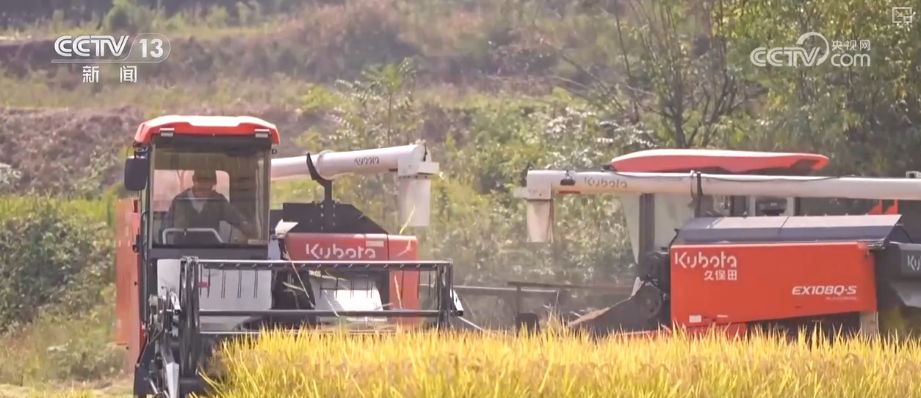
我国粮食产量迈上1.4万亿斤新台阶 人均占有量达500公斤 | “十四五”成绩单
Zhong Guo Jing Ying Bao· 2025-10-14 17:23
Core Insights - China's grain inventory is abundant and the market is stable, ensuring food security for its population [1] - The national grain production has remained stable at over 1.3 trillion jin annually for the past five years, with a projected increase to 1.4 trillion jin in 2024 [1] - The per capita grain availability has increased by 25 kg compared to the end of the 13th Five-Year Plan, reaching 500 kg, surpassing the international safety line of 400 kg [1] Group 1: Supply and Storage - The construction of grain storage and logistics facilities has been advanced, with the national grain standard storage capacity exceeding 730 million tons, an increase of 58 million tons compared to the end of the 13th Five-Year Plan [2] - High-standard grain storage capacity has also increased, with low-temperature storage capacity reaching 220 million tons, up by 70 million tons [2] - The implementation of the "High-Quality Grain Project" has enhanced the supply chain and improved quality, with the total industrial output value of grain enterprises expected to exceed 4 trillion yuan in 2024 [2] Group 2: Autumn Harvest and Market Mechanisms - The autumn grain procurement is underway, accounting for nearly three-quarters of the annual grain production, with market-based procurement becoming the main channel, representing over 90% of the total procurement [3] - Policy-based storage measures, including minimum purchase price policies for wheat and rice, play a crucial role in stabilizing expectations and providing a safety net [3] - The combination of market-based procurement and policy-based storage is deemed suitable for China's conditions and should be continuously improved [3] Group 3: Loss Reduction and Efficiency - Recent surveys indicate that annual losses in grain storage, processing, and transportation account for about 2% of the annual production [4] - The loss rate for farmers' stored grain is approximately 3%, a reduction of 5 percentage points compared to a decade ago [4] - The comprehensive loss rate in grain storage facilities is controlled within 1% over a storage cycle of 3 to 5 years, primarily due to natural losses such as moisture and impurities [4]
1.4万亿斤!粮食市场供应充足 中国饭碗端得更牢
2 1 Shi Ji Jing Ji Bao Dao· 2025-10-14 15:25
Core Insights - The article highlights the achievements in grain circulation reform and development during the "14th Five-Year Plan" period, emphasizing the stability and growth in grain production and the effectiveness of grain security measures [1][2][3]. Grain Production and Supply - Grain production in China has remained stable at over 1.3 trillion jin annually, with a projected increase to 1.4 trillion jin in 2024, and per capita grain availability reaching 500 kg, surpassing the international safety line of 400 kg [1][3]. - The average annual grain procurement has exceeded 400 million tons, ensuring ample grain stocks and market stability [1][3]. Grain Circulation and Logistics - The capacity for grain circulation has significantly improved, with the total capacity of standard grain storage exceeding 730 million tons, an increase of 58 million tons from the end of the "13th Five-Year Plan" [6]. - The construction of grain logistics hubs and key nodes has accelerated, enhancing the efficiency of grain circulation [6]. Quality and Safety Management - The quality and safety management systems for grain procurement and storage have been continuously improved, with enhanced standards and inspection systems [1][6]. Emergency Response and Resilience - The grain emergency response system has been strengthened, with a four-tier emergency plan established at national, provincial, municipal, and county levels [6][7]. - The number of emergency grain processing enterprises has increased from 5,448 to 6,872, a growth of 26%, and daily processing capacity has risen from 1.2 million tons to 1.78 million tons, an increase of 48% [7]. Loss Reduction and Resource Utilization - The annual average loss of grain during storage, processing, and transportation is approximately 2% of the annual production, with significant reductions in loss rates across various stages [8]. - The loss rate for household storage has decreased to 3%, and the loss rate in grain warehouses is maintained below 1% [8]. Future Outlook - The National Grain and Material Reserve Bureau plans to continue advancing grain circulation reforms and enhance the national grain security system in the "15th Five-Year Plan" [8].
粮食年产量首次超1.4万亿斤,中国饭碗端得更牢
21世纪经济报道· 2025-10-14 14:34
Core Viewpoint - The article highlights the significant achievements in China's grain circulation reform and development during the "14th Five-Year Plan" period, emphasizing the stability of grain production, improvements in storage and logistics, and the establishment of a robust emergency response system for grain supply [1][2][4]. Grain Production and Supply - China's annual grain production has remained stable at over 1.3 trillion jin, with a projected increase to 1.4 trillion jin in 2024, and a per capita grain availability of 500 kg, surpassing the international safety line of 400 kg [1][4]. - The average annual grain purchase volume exceeds 400 million tons, ensuring sufficient grain stocks and market stability [1][4]. Grain Circulation and Logistics - The capacity for grain circulation has significantly improved, with the total storage capacity of standard grain warehouses exceeding 730 million tons, an increase of 5.8 million tons compared to the end of the "13th Five-Year Plan" [8]. - The construction of key logistics hubs and nodes has accelerated, enhancing the efficiency of grain circulation [8]. Quality and Safety Management - The quality and safety management systems for grain purchasing and storage have been continuously improved, with a more robust standard and inspection system in place [2][4]. Emergency Response and Supply Chain - The grain emergency response system has been strengthened, with a four-level emergency plan established across national, provincial, municipal, and county levels [8][9]. - The number of emergency grain processing enterprises has increased from 5,448 to 6,872, a growth of 26%, and the daily processing capacity for grain oil emergencies has risen from 1.2 million tons to 1.78 million tons, an increase of 48% [9]. Reduction of Grain Loss - The average annual grain loss during storage, processing, and transportation is approximately 2% of the annual grain production, with significant reductions in loss rates across various stages [10]. - The storage loss rate for farmers has decreased by 5 percentage points compared to a decade ago, now standing at 3% [10].
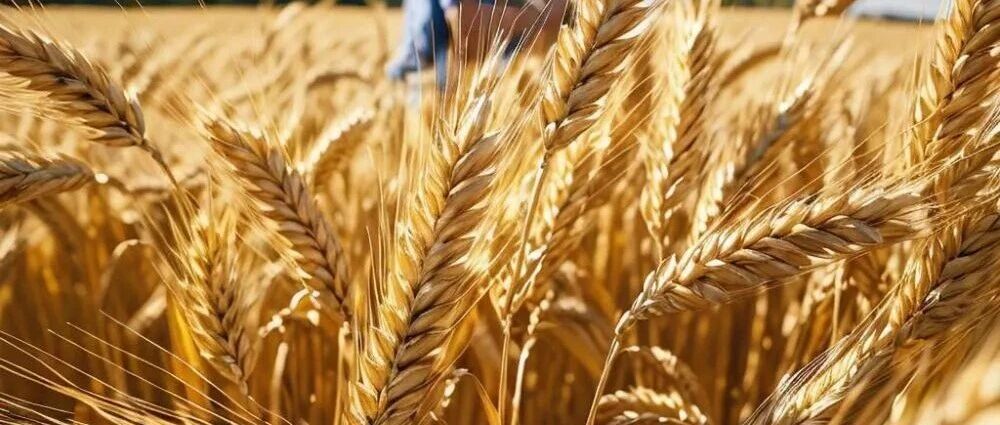
1.4万亿斤!粮食市场供应充足,中国饭碗端得更牢
2 1 Shi Ji Jing Ji Bao Dao· 2025-10-14 13:17
Core Insights - The article discusses the achievements in grain circulation reform and development during the "14th Five-Year Plan" period in China, highlighting the stability and growth in grain production, storage, and logistics capabilities [1][2][5]. Grain Production and Supply - Grain production in China has remained stable at over 1.3 trillion jin annually, with a target of reaching 1.4 trillion jin in 2024, ensuring a per capita grain availability of 500 kg, surpassing the international safety line of 400 kg [1][2]. - The average annual grain purchase volume has exceeded 400 million tons, indicating sufficient grain reserves and a stable market [1][2]. Grain Circulation and Logistics - The capacity for grain circulation has significantly improved, with the total capacity of standard grain storage exceeding 730 million tons, an increase of 58 million tons compared to the end of the "13th Five-Year Plan" [5]. - The construction of key logistics hubs and nodes has accelerated, enhancing the efficiency of grain circulation [5]. Quality and Safety Management - The quality and safety management systems for grain purchasing and storage have been continuously improved, with a strengthened quality inspection system [2][5]. - The grain loss rate during storage, processing, and transportation has been reduced to approximately 2% of annual grain production [7]. Emergency Response and Support Systems - The grain emergency response system has been established at multiple levels, ensuring that major cities maintain a supply of finished grain and oil for over 15 days [6]. - The number of emergency processing enterprises has increased from 5,448 to 6,872, a growth of 26%, enhancing the emergency supply capacity [6]. Future Outlook - The National Grain and Material Reserve Bureau plans to further advance grain circulation reforms and improve the national grain security system during the "15th Five-Year Plan" [7].
国家粮食和储备局:“十四五”时期粮食产业规模和效益齐头并进
Zheng Quan Ri Bao Wang· 2025-10-14 12:29
Core Insights - The national grain production in China has stabilized above 1.3 trillion jin for five years, with a projected increase to 1.4 trillion jin in 2024, resulting in a per capita grain availability of 500 kg, surpassing the international safety line of 400 kg [1] - The grain market during the 14th Five-Year Plan period is characterized by sufficient supply and enhanced circulation capabilities, with significant improvements in storage and logistics infrastructure [1] - The grain industry is experiencing high-quality development, with a focus on both scale and efficiency, supported by innovative policies and initiatives [2] Group 1: Production and Supply - National grain production is expected to reach 1.4 trillion jin in 2024, with a per capita availability increase of 25 kg compared to the end of the 13th Five-Year Plan [1] - The total capacity of standard grain storage facilities has increased to over 730 million tons, with a notable rise in high-standard storage capabilities [1] Group 2: Industry Development - The grain industry has seen a total industrial output value exceeding 4 trillion yuan in 2024, driven by the implementation of quality grain projects [1] - Since 2021, over 462 billion yuan in fiscal funds have been allocated, leading to more than 840 billion yuan in social investments and the initiation of over 8,400 projects [2] Group 3: Policy and Support - The government has launched projects to enhance grain circulation efficiency, focusing on major grain-producing counties, with an investment of nearly 100 billion yuan for 270 projects [3] - New policies have been introduced to support the grain industry, including improvements in storage logistics and the promotion of advanced processing equipment [3]
农业大省的乡村振兴探索:以片区建设打造齐鲁样板
经济观察报· 2025-10-14 11:49
Core Viewpoint - Shandong province is recognized as China's leading agricultural province, with a significant mission to create a model for rural revitalization, as emphasized by President Xi Jinping [2][4]. Group 1: Rural Revitalization Strategy - The "Qilu Model" for rural revitalization is being explored through a reform model led by regional planning, with a total of 2,070 areas established across Shandong, covering over 18,000 administrative villages [2][8]. - The "5210N" industrial cluster in Binzhou focuses on five trillion-level industries, two national-level characteristic industry clusters, and ten provincial-level characteristic industry clusters, which are crucial for rural revitalization [4][5]. Group 2: Case Studies and Implementation - The Xiwang provincial rural revitalization model in Wudi County covers 13 villages and has developed a cotton production capacity of 20,000 tons of yarn annually [5]. - The Li Zhuang model in Huimin County integrates the "Internet + rope net" strategy, resulting in 29 Taobao villages and an online transaction volume exceeding 3 billion yuan [5]. Group 3: Challenges and Demographics - Rural areas face significant population outflow, with 91% of surveyed villages experiencing net population loss, highlighting the issue of "hollow villages" [10]. - The aging population in rural areas has increased dramatically, with the elderly population rate rising from 5.82% in 1989 to 19.3% in 2022, nearing the threshold of a super-aged society [11]. Group 4: Recommendations for Future Development - Emphasis on equitable investment in rural areas, focusing on low-income villages, and ensuring that rural construction meets the needs of the local population [12]. - The need for a modernized urban-rural integration development ecosystem is highlighted, addressing the challenges of agricultural labor migration and promoting the integration of urban and rural industries [11].