
无人机

Search documents
新华视点·关注无人机乱象|小心“头顶上的隐患”:无人机不能任性飞
Xin Hua She· 2025-12-16 07:44
Core Viewpoint - The rapid adoption of drones in various sectors has led to an increase in illegal activities, particularly unauthorized flights in restricted airspace, creating significant safety concerns [1][4]. Group 1: Illegal Drone Activities - Recent incidents in Shanghai highlight the issue of unauthorized drone flights, with a specific case involving a live streaming team flying a drone in a no-fly zone, leading to police intervention [2]. - Authorities have uncovered a black market for drone hacking services, where individuals illegally modify drones to bypass flight restrictions, indicating a growing trend in such illicit activities [4][5]. - A recent case involved a suspect who provided hacking services for drones, earning over 20,000 yuan through 27 illegal transactions, showcasing the profitability of this black market [5]. Group 2: Technical and Regulatory Responses - Major drone manufacturers have implemented flight restrictions in their control systems, requiring users to provide personal information and authorization documents to unlock specific flight capabilities [4]. - Despite these measures, the prevalence of unauthorized flights persists, with some manufacturers acknowledging that older drone models are more susceptible to hacking [7]. - New national standards have been approved to address issues related to drone registration and operation, aiming to enhance safety and regulatory compliance in the industry [9]. Group 3: Industry Challenges and Recommendations - The market for drone components is thriving, with easy access to parts for DIY drone assembly, raising safety concerns due to the lack of regulation and quality control [8]. - Experts suggest that a multi-faceted regulatory approach is necessary to ensure safe drone operations, including collaboration among various government departments and the implementation of clearer flight rules [10]. - Recommendations include urging manufacturers to enhance software and hardware security, as well as developing automatic safety features for drones to prevent unauthorized flights [10].


彩虹-7首飞成功,中国战略隐身无人机研发获重大突破
Zhong Guo Xin Wen Wang· 2025-12-16 07:20
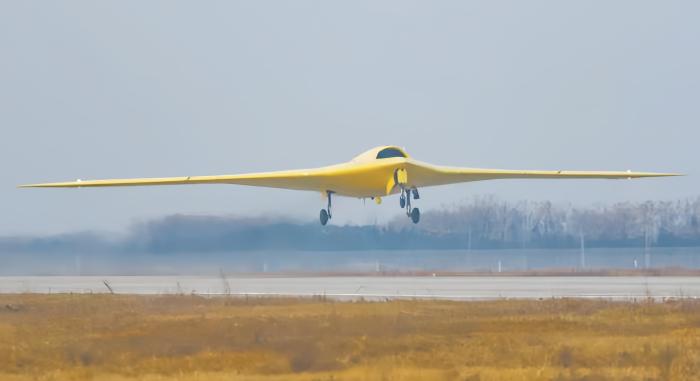
彩虹-7首飞成功,中国战略隐身无人机研发获重大突破 中新网12月16日电(钟新军)近日,中国航天科技集团研制的彩虹-7高空高速隐身无人机,在西北某机场 成功首飞,后续将继续开展一系列严格的测试、验证工作。有说法认为,此举意味着中方跻身"高端隐 身无人机俱乐部",成为全球极少数掌握相关技术的国家之一。 弹指一挥间,从首次公开到首飞成功,彩虹-7已走过7年不凡历程。 美国"战区"网站称,该型无人机最早在2018年珠海航展上亮相,当时还是全尺寸模型。 此后的2022年、2024年,彩虹-7多次参展,外媒注意到其外形、尺寸都有所变化。概括来讲,就是翼展 加长、体量增大,整体性能持续优化。 彩虹-7首飞。图/中国航天科技集团 数据显示,彩虹-7翼展约26米,飞行高度可达15000米,作战半径超2000公里,最大起飞重量约10吨。 梳理相关报道可知,彩虹-7被设计用于执行战略级任务,包括隐蔽侦察、战场监视、预警探测,以及引 导和直接对高价值目标进行打击。 据介绍,作为集尖端技术于一身的高端装备,彩虹-7堪称军用无人航空领域的国产大飞机,研发难度超 乎想象。 报道称,与采用常规气动布局的彩虹家族早期型号不同,彩虹-7在立项 ...

范科峰:推动低空经济标准化发展
Ren Min Wang· 2025-12-16 05:31
Core Viewpoint - The implementation of the mandatory national standard GB 46860-2025 for the unique product identification code of civil unmanned aerial vehicles (UAVs) is crucial for promoting the healthy, orderly, and high-quality development of the civil UAV industry in China, set to take effect on January 1, 2027 [1] Group 1: Background and Development - The civil UAV industry in China has entered a critical phase of large-scale, intelligent, and integrated development, with over 1,000 registered manufacturers and more than 3,300 product models by mid-December 2025 [2] - The rapid growth of the industry has revealed challenges such as "multiple codes for one machine," "code-free flights," and "identity impersonation," posing significant challenges for product traceability and flight safety regulation [2] - The establishment of the unique product identification code standard is guided by recent regulations, including the "Interim Regulations on the Flight Management of Unmanned Aerial Vehicles" and the "Several Provisions on the Production Management of Civil Unmanned Aerial Vehicles" [3][4] Group 2: Importance of the Standard - The unique product identification code will enhance safety regulation efficiency, standardize market order, and ensure air traffic and public safety throughout the entire lifecycle of civil UAVs [5] - It will facilitate the implementation of related policies, transforming regulatory requirements into practical applications and providing standardized support for a modern low-altitude governance system [5][6] - The standard will enable unified management of UAV identities and full lifecycle traceability, improving the ability to monitor and manage civil UAVs effectively [5] Group 3: Key Content of the Standard - The standard specifies the coding rules for the unique product identification code, which consists of a 20-character structure for different production entities, ensuring uniqueness and traceability [8] - It outlines the registration and filing requirements for all civil UAVs produced, sold, or used within China, mandating that they be registered in the UAV product information system [9] - A three-layer security protection system is established to ensure the safety and integrity of the unique product identification code, including storage security, anti-tampering measures, and transmission protection [10] Group 4: Implementation and Transition - The standard will be implemented on January 1, 2027, with a 36-month transition period for existing UAVs to comply with the new requirements [11] - During the transition, manufacturers, owners, or importers of existing UAVs must gradually complete the registration of product identity information and make necessary technical modifications [11] - Relevant departments will provide technical guidance and support to assist in the compliance process, while non-compliant UAVs may face operational restrictions post-transition [11]
影石无人机首销观察:48小时3000万销售额与一场“遇冷”争议
华尔街见闻· 2025-12-16 04:17
Core Viewpoint - The article discusses the launch of the "影翎 Antigravity A1" drone by影石, highlighting the controversy surrounding its sales data and market performance, while emphasizing the potential for the product to redefine user experience in the consumer drone market [1][2][3]. Group 1: Market Context and Challenges - The consumer drone market is facing a significant challenge, with the global civil drone market projected to grow at a compound annual growth rate (CAGR) of 24.14% from 2019 to 2024, while the consumer segment lags behind with a CAGR of only 15.24% during the same period [6]. - Despite the slower growth in the consumer drone market, there remains a strong interest in aerial photography, indicating that the demand for drones has not diminished [8]. - The high learning curve associated with operating traditional drones has limited the expansion of the user base, as many potential users find the skills required to operate drones daunting [9][11]. Group 2: Product Innovation and User Experience - The A1 drone aims to lower the operational barriers for users, allowing for a more accessible aerial photography experience by integrating features like first-person view flying and simplified controls [17][21]. - Weighing only 249 grams, the A1 allows users in many regions to operate it without needing a flight license, thus broadening its potential user base [18]. - The product combines immersive flying experiences with advanced features, such as AI-assisted editing, which alleviates the pressure of composition during flight [18][23]. Group 3: Sales Performance and Market Potential - Within 48 hours of its launch in China, the A1 generated over 30 million yuan in sales, indicating a strong initial market acceptance for this new category of panoramic drones [3][26]. - Compared to影石's average daily sales of over 24 million yuan in the first three quarters of the year, the A1's launch performance exceeded expectations [27]. - Given that over 70% of影石's revenue typically comes from international sales, there is significant growth potential for the A1 in foreign markets, suggesting a promising future for影石's growth strategy [29].

国内首款"三全"脑机接口成功完成首例临床试验;我国彩虹-7无人机成功首飞丨智能制造日报
创业邦· 2025-12-16 03:43
Group 1 - Sichuan Changhong's self-developed 800V high-voltage battery pack successfully supported the first flight of China's first heavy-duty eVTOL, AR-E800, overcoming technical challenges in high voltage insulation, thermal management, and lightweight design [2] - Shanghai Brain Tiger Technology announced the successful completion of the first clinical trial of its domestically developed "three-in-one" brain-computer interface, allowing a paralyzed participant to control a wheelchair and play games using only their thoughts [2] - China's new high-altitude long-endurance drone, Rainbow-7, successfully completed its maiden flight, featuring a wingspan of over 27 meters and advanced aerodynamic, stealth, and control technologies [2] Group 2 - Aetherflux announced its Galactic Brain project to build a space data center, with the first satellite planned for launch in Q1 2027, addressing power supply issues that typically delay ground-based AI data center construction [2]

青春奔涌向太湖
Su Zhou Ri Bao· 2025-12-16 00:19
清晨的西山岛,越野跑者踏着湖畔薄雾奔向缥缈峰;午后阳光洒进太湖科创中心,一场海外学子创 业路演正热烈进行;傍晚时分,在长沙岛凤凰台旧址上,LIM咖啡馆里年轻人举杯自拍,定格"橘子日 落"…… 这并非精心编排的宣传片,而是苏州太湖国家旅游度假区的日常作息。 作为全国首批国家级旅游度假区,近年来,太湖度假区悄然完成了一场深刻转型——从单一的观光 目的地,升级为集"生活美学、创业沃土、创新生态"于一体的青年友好型区域。它不再只是被静静欣赏 的风景,更成为被深度参与的舞台。 生活即场景 让青年"愿意来"的潮流生态 年轻人为何奔赴太湖?答案不仅藏在那些被重新定义的生活场景里,更根植于当代青年对"理想生 活"的集体想象正在发生结构性转变。 过去,"诗与远方"意味着逃离都市;而今天,越来越多的年轻人渴望一种既能安放精神又能承载事 业的"第三空间"——它既非纯粹的乡村,也非拥挤的城市,而是兼具自然松弛感、文化厚度与社交活力 的"中间地带"。 太湖度假区敏锐捕捉到这一趋势,不再满足于做传统意义上的旅游目的地,而是主动重构人、地、 产的关系,将湖光山色转化为可参与、可共创、可生长的生活系统。 曾经荒废十多年的凤凰台景点,得益于优 ...
江苏张家港为青年科技人才双创提供量身服务
Xin Hua Ri Bao· 2025-12-16 00:04
Core Viewpoint - Zhangjiagang is actively supporting young technology talents in innovation and entrepreneurship through tailored services and resources, including free incubation spaces and financial support [2][3][4]. Group 1: Support for Young Technology Talents - Zhangjiagang has established incubation spaces, including the Dongdu International Talent Port, offering at least 12 months of free office space to young technology talents [2]. - Projects recognized under the Zhangjiagang Leading Talent Program can receive customized support for up to three years, including factory space [2][3]. - The city aims to attract at least 150 high-level innovative young talents and reserve 100 national-level young talents over the next three years [4][5]. Group 2: Incubation and Development - The first batch of "zero-rent" incubators in Zhangjiagang covers five industrial parks, releasing nearly 17,000 square meters of incubation space [4]. - The Dongdu Talent Port focuses on high-end talent projects, while other parks target specific sectors like medical devices and research commercialization [4]. - Successful projects, such as the Red Chapter (Suzhou) Technology Co., have shown significant early success, with over 6 million yuan in orders and projected sales of 20 million yuan by 2026 [1][3]. Group 3: Strategic Industry Focus - The selected teams for the "zero-rent" incubators primarily come from strategic emerging industries such as new energy, new materials, and low-altitude economy, aligning with Zhangjiagang's development needs [3]. - Companies like Zhuoshij Aviation and Suzhou Aerospace Xingrui have made significant advancements, including a 100 million yuan investment in drone production and over 27 million yuan in financing for high-temperature materials [3].
南财早新闻|证监会最新发声;人民币汇率升至14个月新高
2 1 Shi Ji Jing Ji Bao Dao· 2025-12-15 23:26
Economic Data - In November, industrial, service, consumption, and investment data showed a downward trend due to high base effects and adjustments in the real estate market, while exports and retail services saw a rebound [2] - The National Bureau of Statistics reported that in November, the overall housing prices in 70 large and medium-sized cities continued to adjust, but some indicators improved, with new home prices rising in eight cities [3] Policy and Regulation - The China Securities Regulatory Commission held a meeting to discuss the implementation of measures based on the Central Economic Work Conference, focusing on macroeconomic stability and the development of the capital market [2][5] - The Ministry of Commerce and other departments issued a notice aiming to cultivate internationally competitive service outsourcing enterprises by 2030 [3] Market Performance - On December 15, the A-share market experienced fluctuations, with the Shanghai Composite Index down 0.55% and the Shenzhen Component Index down 1.1%, with a total trading volume of 1.77 trillion yuan [7] - The Hang Seng Index fell by 1.34%, with the technology sector seeing a decline of 2.48% [7] Company Developments - Muxi Co., Ltd. is set to be listed on the Shanghai Stock Exchange's Sci-Tech Innovation Board on December 17, 2025 [10] - China Molybdenum plans to acquire 100% equity in two subsidiaries of Canadian-listed EQX for $1.015 billion, gaining full rights to four gold mines in Brazil [10] - McDonald's announced a price increase of 0.5 to 1 yuan for some menu items starting December 15, 2025 [10] International Dynamics - The U.S. stock market saw declines, with the Dow Jones down 0.09% and the Nasdaq down 0.59%, while major tech stocks like Apple and Amazon saw gains [12] - European leaders reached a consensus that any territorial concessions by Ukraine would only be made with strong security guarantees in place [12]

聚四方之才 建开放之港——海南省引才用才一线见闻(前沿观察)
Ren Min Ri Bao· 2025-12-15 22:15
Core Viewpoint - Hainan is rapidly developing as a hub for high-end talent and innovation, particularly in the aerospace and agricultural biotechnology sectors, supported by government initiatives and infrastructure development [1][4]. Group 1: Talent Attraction and Development - Hainan has implemented the "Million Talents into Hainan" initiative to attract skilled professionals, creating a conducive environment for innovation and entrepreneurship [1][2]. - The establishment of the Hainan Free Trade Port is set to officially commence on December 18, 2023, which is expected to further enhance the region's appeal to talent [1]. - The province is focusing on building key industrial parks and introducing national-level scientific innovation platforms to provide effective support for high-end talent [2][4]. Group 2: Success Stories of Talent - Xu Hui, a local engineer, returned to Hainan to work at the commercial space launch site, finding fulfillment in contributing to a significant national project despite initial hardships [2]. - Researcher Lv Peitao chose to work in Hainan due to its strong agricultural research environment and support for banana cultivation, benefiting from a high-level research platform [3]. - Liu Ji, a deputy director at the National South Breeding Research Institute, experienced seamless access to health insurance benefits, highlighting Hainan's commitment to providing comprehensive support for high-level talent [7]. Group 3: Policy Innovations - Hainan is reforming its talent evaluation system to include market-oriented metrics, moving away from traditional academic qualifications to recognize skills and contributions [10]. - The province has introduced a unified talent service platform and various initiatives to address housing, medical care, and other concerns for high-level talent, fostering a sense of belonging [7][8]. - The "Skills Free Trade Port" action plan aims to provide equal benefits to skilled workers, breaking the previous bias towards higher academic qualifications [9]. Group 4: Economic and Industrial Growth - Companies in Hainan, such as Hainan Huayan Collagen Technology Co., are leveraging the relaxed regulations to attract talent and enhance their research capabilities, becoming leaders in their respective industries [11]. - The government is empowering enterprises with greater autonomy in talent recognition and resource allocation, allowing them to directly identify high-level talent based on their contributions [11][12]. - The collaborative efforts between government and businesses are creating a vibrant ecosystem for innovation, with various sectors experiencing significant growth and development [12].
必须充分挖掘经济潜能——学习领会“五个必须”做好明年经济工作
Xin Hua She· 2025-12-15 15:29
Core Insights - The central economic work meeting emphasized the need to fully tap into economic potential, with a focus on transforming this potential into driving forces for high-quality economic development [1][5]. Economic Potential - International institutions, including the World Bank and IMF, have raised China's economic growth forecasts for 2025, highlighting its role as a major engine of global economic growth [2]. - China's economic resilience is noted, with expectations of achieving key development goals by 2025, supported by a strong economic foundation and various advantages [3]. - The vast domestic market presents significant potential, driven by new urbanization, industrialization, and public service investments [4]. - Innovation is a key driver of economic potential, with China ranking first in R&D personnel and achieving a notable share of GDP from the "new economy" [4][9]. Strategic Focus Areas - The central economic work meeting identified eight key tasks for the upcoming year, prioritizing domestic demand and the construction of a robust domestic market [8]. - The meeting outlined measures to stimulate consumption and investment, including urban-rural income plans and optimizing policies to enhance service consumption [8][13]. - The importance of innovation in driving economic growth was reiterated, with plans to enhance traditional industries and explore future industries [9]. Regional Development - The meeting emphasized the need for coordinated regional development, with specific strategies for major economic zones like the Yangtze River Economic Belt and the Greater Bay Area [10]. - The integration of various regions is seen as crucial for improving resource allocation and addressing development imbalances [10]. Reform and Opening Up - The necessity of deepening reforms and opening up to unleash economic potential was highlighted, with specific policies aimed at enhancing the business environment and international competitiveness [12]. - A series of measures were proposed to support enterprises and stimulate economic vitality, including the establishment of a unified national market [12][13]. Implementation and Local Adaptation - The importance of aligning national strategies with local realities was stressed, with provinces developing tailored plans to maximize their unique potential [14]. - The leadership of the Communist Party is viewed as essential for effectively executing economic strategies and ensuring a strong start to the 14th Five-Year Plan [14].