
酒店业

Search documents
Job seekers feel awful about the labor market. Data is finally starting to explain why.
Yahoo Finance· 2025-09-17 16:20
Job Market Overview - The US job market is experiencing significant challenges, with the unemployment rate rising to 4.3% in August, the highest since October 2021, after remaining between 4% and 4.2% since May 2024 [3] - Economic data revisions indicate a net loss of 13,000 jobs in June 2024, marking the first monthly job loss since December 2020, and nearly a million fewer jobs added than previously reported for the year prior through March 2025 [3] Job Seekers' Experience - Job seekers, particularly those trying to enter the labor market or switch jobs, are facing difficulties, as evidenced by one individual who submitted over 500 applications but only secured two interviews [4] - The share of unemployed Americans who have been out of work for more than 27 weeks reached 25.7% in August, a level not seen since early 2022 [5] Employment Dynamics - Employed individuals are hesitant to leave their current jobs due to the challenging job market, leading to a situation where job applications have become a full-time endeavor for many [5] - The current labor market is characterized as a "no-hire, no-fire" environment, where economic uncertainty is causing companies to refrain from hiring [5]
岭南控股:公司旗下各酒店逢年节均会推出各式贺年糕点、盆菜及礼盒
Zheng Quan Ri Bao Zhi Sheng· 2025-09-17 12:09
Core Viewpoint - Lingnan Holdings stated that its hotels will offer various festive pastries, pen cai, and gift boxes during holidays, but currently has no investment plans in this area [1] Summary by Category Company Information - The company confirmed that it will launch a variety of festive products during holidays at its hotels [1] - The company emphasized that it will fulfill its information disclosure obligations if any relevant legal requirements arise [1]

中高端市场成酒旅“价值高地”,首旅如家如何以文化撬动破局?
Di Yi Cai Jing· 2025-09-17 10:34
Core Viewpoint - The "2025 Puyin New National Trend Cultural Festival" organized by Shoulu Rujia Hotel Group aims to integrate traditional cultural heritage with hotel experiences, promoting a sustainable ecosystem of "intangible cultural heritage + hotels" [2][3] Company Summary - Shoulu Rujia Hotel Group is leveraging its hotel platform to connect culture and accommodation, with a focus on enhancing the guest experience through cultural activities [2][3] - The company has launched a "Cultural Heritage Support Plan" to revitalize traditional culture and integrate it with mid-to-high-end accommodation experiences [2] - As of June 2025, Puyin has established 55 stores across major cities, with nearly 6,400 rooms and over 150 stores in the pipeline, creating a network of "Eastern Aesthetic Accommodation" [3][6] - In the first half of 2025, the revenue from mid-to-high-end hotels accounted for 60.47% of total hotel revenue, reflecting a year-on-year increase of 1.06 percentage points [9] Industry Summary - The mid-to-high-end hotel segment is becoming a core growth engine for the hotel industry, with a projected compound annual growth rate (CAGR) of 21.1% from 2019 to 2024, outpacing other segments [2][7] - The rise of cultural experiences in hotels is driven by a new generation of consumers who prioritize lifestyle and emotional resonance over cost [7][10] - The integration of cultural experiences into hotel offerings is seen as a key operational strategy to enhance investment returns, transforming cultural experiences from a cost item to a value-added item [10] - The mid-to-high-end hotel market is expected to continue its growth trajectory, with a forecasted CAGR of 10.1% from 2024 to 2029 [7]



别装了,酒店养不起行政酒廊了
3 6 Ke· 2025-09-17 09:32
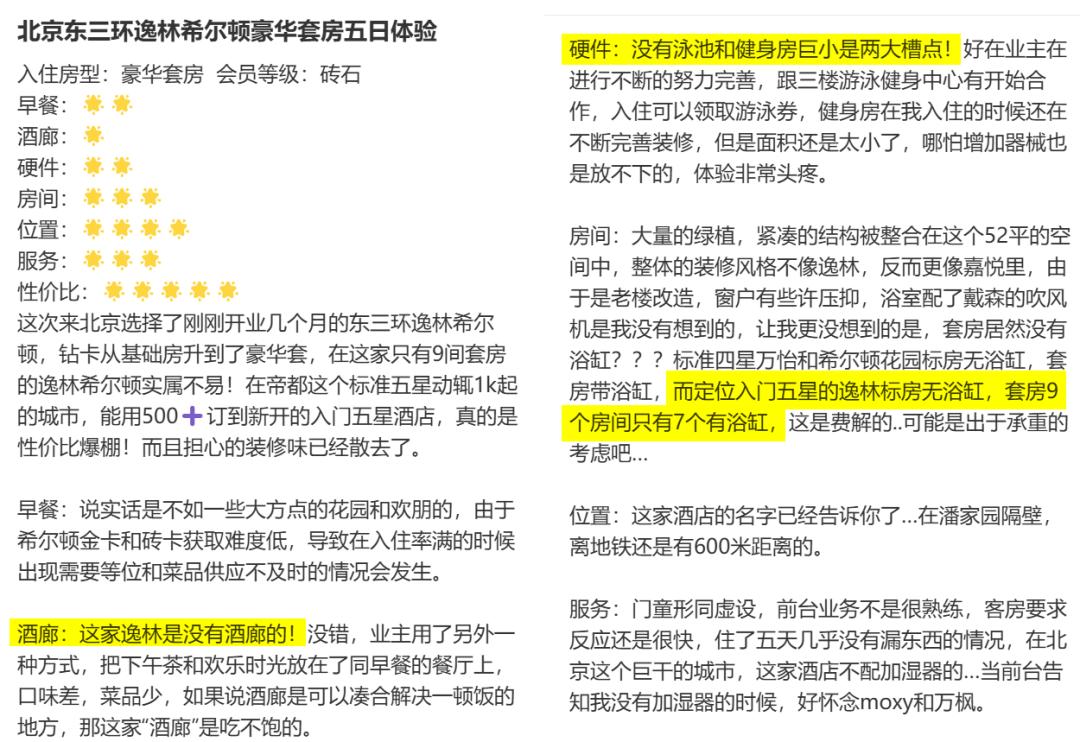
Core Viewpoint - Hilton Group has quietly allowed some hotels to cancel executive lounges based on actual conditions, indicating a shift in operational strategy towards flexibility and cost management [1][2][6]. Group 1: Hilton's Strategy - The cancellation of executive lounges is not a mandate but an operational suggestion, allowing hotels to provide alternative options for guests [2][3]. - The approach to executive lounges will be more selective and strategic, focusing on properties that can effectively attract guests and generate positive reviews [5][10]. - New Hilton properties in China have not consistently included executive lounges, reflecting a flexible approach to amenities based on market conditions [3][10]. Group 2: Industry Trends - Marriott is also closing executive lounges in several Courtyard hotels starting March 2025, with some locations announcing permanent closures without alternatives [6][8]. - The trend of closing executive lounges is part of a broader "slimming down" strategy among five-star hotels, as these amenities have become cost burdens rather than value-adds [9][12]. - The operational costs of maintaining an executive lounge are significant, often exceeding the revenue generated from them, leading to their removal in favor of more profitable services [13][19]. Group 3: Changing Consumer Preferences - There is a noticeable shift in consumer expectations, with many guests feeling relieved rather than disappointed by the removal of executive lounges, indicating a change in the perceived value of such amenities [9][15]. - The concept of executive lounges has evolved, with their original purpose of providing a high-end experience for business travelers becoming less relevant in the current market [10][20]. - The hotel industry is moving towards a model where services are tailored to actual demand rather than a one-size-fits-all approach, emphasizing quality over quantity [21].


沉寂9年,居舍酒店携王炸团队归来?
3 6 Ke· 2025-09-17 04:04
Core Insights - Kristina Snaith-Lense has been appointed as the General Manager of the Shenzhen House Hotel, which is the first new project by Swire Hotels in nearly nine years and marks the company's entry as a hotel operator [1][3] - The Shenzhen House Hotel is strategically located in the Shenzhen Bay area, which is a hub for high-end enterprises and cultural facilities, indicating a strong market potential for luxury hotels in the region [2][4] - The hotel is designed by renowned architect Ole Scheeren and will feature 115 guest rooms and 44 serviced apartments, with a focus on integrating wellness and health concepts into the guest experience [3][4] Company Overview - Swire Hotels has a history of collaboration with designer André Fu, who has previously worked on successful projects like the Hong Kong House Hotel, indicating a strong design pedigree for the Shenzhen House Hotel [3][7] - The hotel is part of a larger mixed-use development that includes office, residential, and commercial spaces, showcasing a trend towards integrated urban developments [2][4] - The appointment of Kristina Snaith-Lense, who has a successful track record in hotel management, signals a commitment to high standards in service and brand identity for the new hotel [3][4] Industry Trends - The shift towards a light-asset model in the high-end hotel market is evident, with Swire Hotels focusing on brand management rather than ownership, reflecting a broader trend among Hong Kong-based luxury hotel brands [10][14] - The emphasis on utilizing existing high-quality properties in prime locations for hotel development is becoming a strategic focus, as it allows for quicker market entry and lower costs compared to new builds [10][11] - The collaboration between Hong Kong-based hotel brands and local state-owned enterprises is increasing, as seen in recent projects, which enhances the viability of hotel operations in competitive markets [11][12]

29元一晚的“县城招待所”巨头,如今估值570亿
3 6 Ke· 2025-09-17 00:29
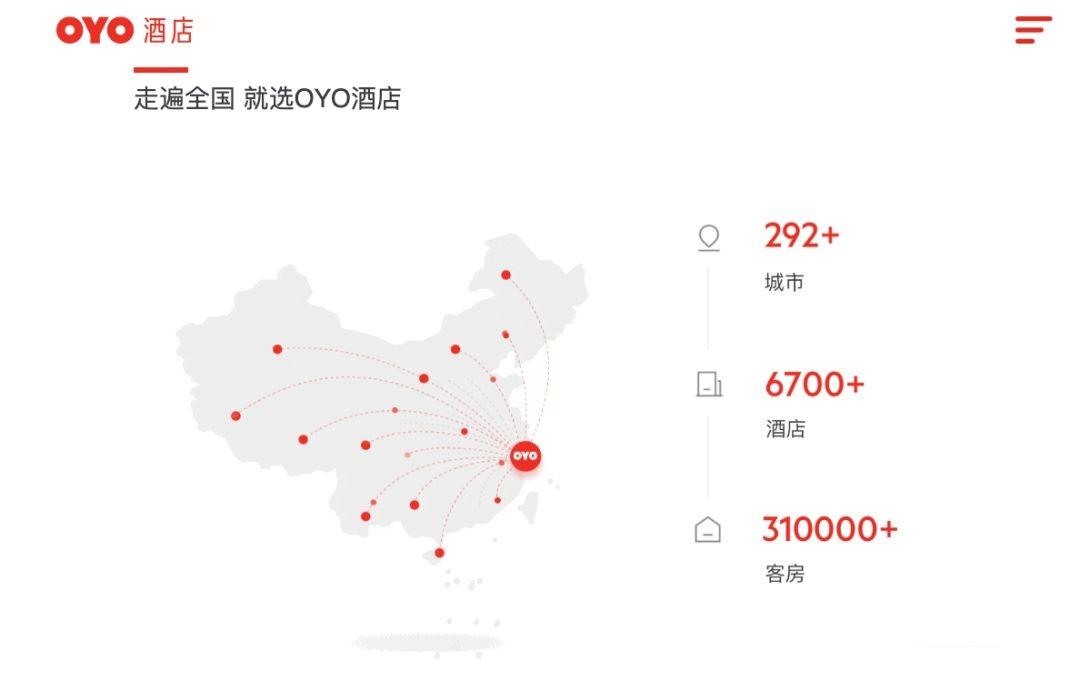
Core Viewpoint - OYO, the Indian hotel chain known as the "king of budget hotels," is preparing for an IPO with a target valuation of $8 billion (approximately 57.2 billion RMB) scheduled for November 2023, following a challenging period in the Chinese market where it faced significant losses and operational issues [1][20]. Group 1: Company Background and Expansion - OYO rapidly expanded in China, covering over 300 cities and partnering with more than 10,000 hotels within 20 months, significantly outpacing competitors like Home Inn and 7 Days Inn [1][19]. - At its peak in 2019, OYO had approximately 1.2 million hotel rooms globally, making it the second-largest hotel chain after Marriott [2][19]. - The company initially focused on low-cost, budget accommodations, leveraging a light-asset model that primarily generated revenue through commission from franchise hotels [7][9]. Group 2: Challenges and Setbacks - OYO faced criticism for its rapid expansion strategy, which relied heavily on franchise agreements with minimal quality control, leading to a proliferation of low-quality hotels [10][12]. - By 2020, OYO's aggressive growth resulted in significant financial losses, with monthly expenditures reaching approximately 150 million RMB while generating only 13 million RMB in commission income [12][15]. - The company experienced a drastic reduction in its Chinese operations, with the number of hotels plummeting from over 10,000 to just over 1,000 due to management issues and market exit [19][20]. Group 3: Financial Recovery and Future Plans - OYO has reported a turnaround in its financial performance, achieving its first quarterly profit in Q2 of the 2024 fiscal year, with a net profit of over 13.6 million RMB [20][24]. - The company aims to expand its presence in core growth markets, including India, Indonesia, Europe, and Malaysia, while also exploring opportunities in the U.S. and China [20][24]. - OYO's recent acquisition of Motel 6 for $525 million marks its largest acquisition to date, indicating a strategic shift towards enhancing its portfolio and market presence [23][24]. Group 4: Market Trends and Competitive Landscape - The domestic low-tier market is growing at a rate 150% faster than high-tier markets, presenting significant opportunities for budget hotel chains like OYO [20][28]. - OYO's low-price strategy aligns with current consumer trends, where price-sensitive consumers are increasingly seeking value, creating a fertile ground for budget offerings [28][30]. - The company's approach of attracting a large user base through low prices and achieving profitability through scale and cost control is becoming increasingly relevant in today's economic climate [29][30].
温州机场挂牌转让温州锦绣酒店投资48%股权,底价6767万元
Sou Hu Cai Jing· 2025-09-16 10:39
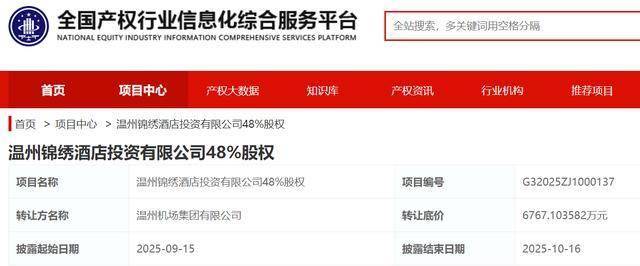
| 首页 项目中心 | | 产权大数据 | 知识库 | 产权资讯 | 行业机构 | 推荐项目 | | --- | --- | --- | --- | --- | --- | --- | | 首页 > 项目中心 > 温州锦绣酒店投资有限公司48%股权 | | | | | | | | 温州锦绣酒店投资有限公司48%股权 | | | | | | | | 项目名称 | 温州锦绣酒店投资有限公司48%股权 | | | 项目编号 | G32025ZJ1000137 | | | 转让方名称 温州机场集团有限公司 | | | | 转让底价 | 6767.103582万元 | | | 披露起始日期 2025-09-15 | | | | 披露结束日期 | 2025-10-16. | | 瑞财经 王敏 9月16日,据全国产权交易中心,温州锦绣酒店投资有限公司48%股权挂牌转让,转让底价 为6767.1万元,转让方为温州机场集团有限公司,披露结束日期为2025-10-16。 温州锦绣酒店投资有限公司成立于2005-01-28,法定代表人为沈凯,注册资本为1.69亿元,经营范围包 含餐饮服务;对酒店业、旅游业、房地产、商场的投资、国际 ...
十一黄金周,酒店收客不如淡季?
Hu Xiu· 2025-09-16 00:58
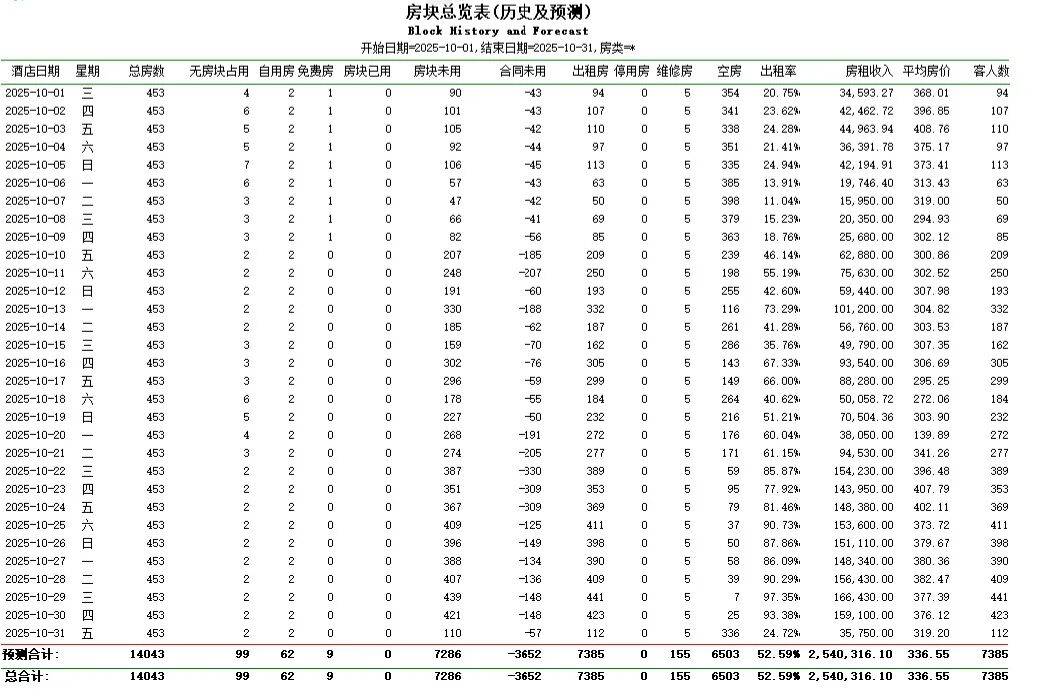
Core Viewpoint - The hotel industry is experiencing a significant decline in occupancy rates during the National Day holiday, with many hotels reporting lower than expected bookings, particularly in tourist destinations that require air travel [1][10][12]. Group 1: Hotel Performance - A five-star hotel in Lijiang reported occupancy rates of only 20% on October 1, increasing slightly to 23% on October 2, but then dropping to as low as 11% by October 5 [3][4]. - A hotel in Sichuan maintained occupancy rates above 75% on October 2 and 3, but saw a rapid decline to below 30% by October 4 and 5 [6][5]. - Many hotel operators noted that this year's National Day holiday resembles the booking patterns of smaller holidays like the Dragon Boat Festival, rather than the typical surge seen during the Golden Week [5][10]. Group 2: Booking Trends - There is a noticeable trend of last-minute bookings, with many guests waiting until just days before the holiday to make reservations, which is more pronounced than in previous years [15][16]. - The booking behavior is influenced by weather forecasts, with guests in regions like the Pearl River Delta waiting until closer to the holiday to check the weather before making decisions [20][21]. - The overall sentiment among hotel operators is that guests are tightening their budgets, leading to a shift in the type of clientele, with more price-sensitive customers dominating the market [23][30]. Group 3: Market Dynamics - The hotel industry is facing challenges as guests opt for alternative accommodations, such as camping or staying in their vehicles, due to rising costs associated with flights and hotels [26][29]. - Some hotel operators are adapting by diversifying their offerings, such as selling local products or engaging in live streaming sales, to supplement their income [40][41]. - The traditional expectations of the Golden Week are changing, with operators now seeking alternative revenue streams as the holiday's profitability diminishes [43][44].
上海半岛酒店停车超4小时收三百被指“天价”!称系明码标价
Nan Fang Du Shi Bao· 2025-09-15 07:44
Group 1 - The incident regarding the parking fee at the Peninsula Hotel in Shanghai has sparked significant public discussion, with a customer reporting a charge of 300 yuan for over four hours of parking, which was perceived as exorbitant [1] - The hotel management clarified that the parking fee is set at 60 yuan per hour, with clear signage at the parking entrance and approval from relevant authorities, indicating that the pricing is transparent [1][1] - The hotel emphasized that due to its location in the Bund area, parking spaces are limited, and they prioritize parking for hotel guests, offering discounts for those staying or dining at the hotel [1] Group 2 - The Peninsula Hotel in Shanghai opened in 2009 and serves as the flagship property for the Peninsula Hotels Group in mainland China [2]
神秘山西富豪,手持重金连续“扫货”奢华酒店
3 6 Ke· 2025-09-15 04:09
Core Viewpoint - The luxury hotel market in China is witnessing significant acquisitions by wealthy individuals, particularly from the Shanxi coal industry, indicating a shift in investment strategies towards long-term value assets like luxury hotels [2][8][31]. Group 1: Recent Acquisitions - The Changsha R&F Wanda Hotel was auctioned for 5.13 billion yuan, acquired by Hunan Lichi Consulting Management Co., Ltd. [2] - Hunan Lichi is a subsidiary of Beijing Lichi Consulting Management Co., Ltd., which has previously acquired the 100% stake in the Hilton Sanya Yalong Bay Resort for 1.849 billion yuan [3][10]. - The actual controller of these acquisitions is Zhang Yuelong, who has been linked to Shanxi coal tycoon Zhang Yuesheng [3][6]. Group 2: Investment Trends - The trend of Shanxi coal tycoons investing in luxury hotels reflects a broader strategy of diversifying assets away from traditional coal investments towards high-potential sectors like luxury hospitality [8][22]. - The luxury hotel market is seen as a stable investment due to its asset attributes, scarcity, and potential for long-term operational returns [9][28]. - The recent auction results indicate a growing interest in high-star hotels, with only 6 out of 94 listed hotels sold in the first half of 2025, highlighting the selective nature of these investments [9]. Group 3: Market Dynamics - The luxury hotel sector is characterized by its location scarcity and brand value, making it an attractive investment for those with substantial cash reserves [9][12]. - The acquisition of luxury hotels is increasingly viewed as a strategic move for wealth preservation and generational wealth transfer among wealthy families [24][31]. - The shift from short-term speculative investments to long-term value investments among Shanxi coal tycoons signifies a maturation of investment strategies in response to changing market conditions [31].
