高端装备

Search documents
上海:推动人工智能技术与制造业深度融合
Xin Hua Cai Jing· 2025-08-19 05:30
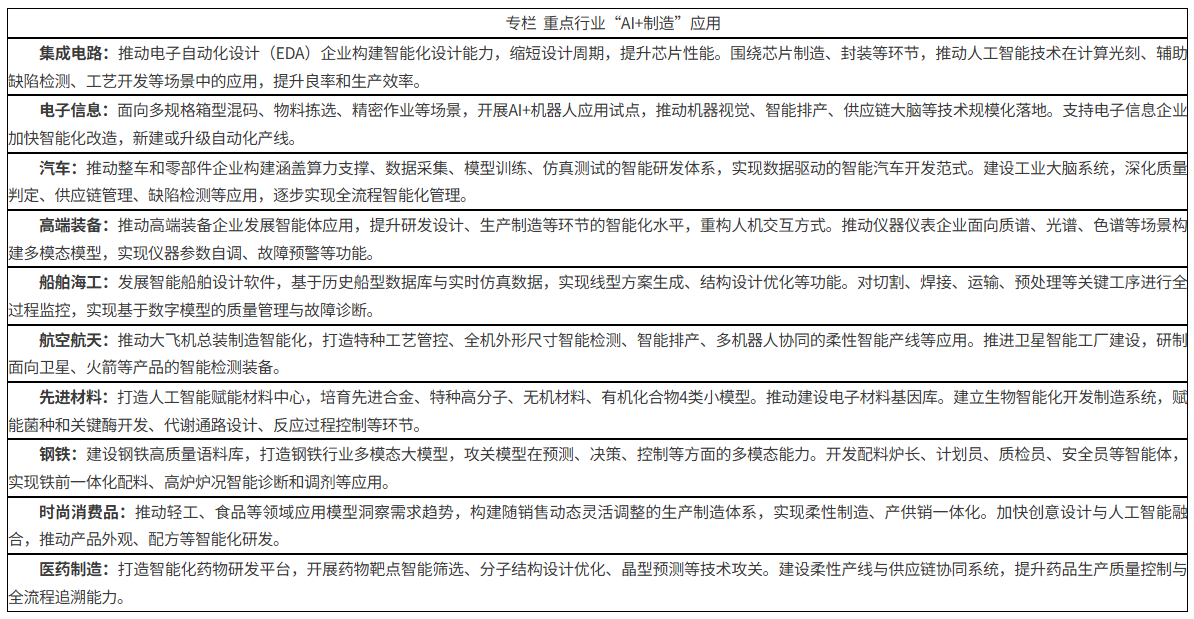
Core Insights - Shanghai's Economic and Information Technology Commission has launched an implementation plan to accelerate the integration of AI and manufacturing, aiming to enhance the level of intelligent development in the manufacturing sector over the next three years [1] Group 1: Implementation Goals - The plan aims to enable 3,000 manufacturing enterprises to adopt intelligent applications and establish 10 industry benchmark models, resulting in 100 benchmark intelligent products [1] - It also seeks to promote 100 demonstration application scenarios and build around 10 "AI + Manufacturing" demonstration factories [1] - The initiative will foster the development of approximately 5 comprehensive integration service providers and cultivate a competitive ecosystem for intelligent manufacturing [1] Group 2: Industry Focus Areas - The plan emphasizes key industries such as integrated circuits, electronic information, automotive, high-end equipment, shipbuilding, aerospace, advanced materials, steel, fashion consumer goods, and pharmaceutical manufacturing [1] - In the integrated circuit sector, the focus will be on enhancing intelligent design capabilities and improving chip performance through AI applications in defect detection and process development [2] - For the automotive industry, the initiative aims to establish a data-driven intelligent vehicle development paradigm, enhancing the entire process from design to supply chain management [2] Group 3: Specific Applications - In high-end equipment, the plan encourages the development of intelligent applications to improve research and design processes [2] - The shipbuilding sector will see the development of intelligent design software to optimize structural designs and monitor critical processes [2] - In aerospace, the focus will be on intelligent manufacturing for large aircraft, including smart detection and flexible production lines [2]

博时基金冯春远:如何在震荡市中“攻守兼备”?
Xin Lang Ji Jin· 2025-08-18 02:52
Group 1: Market Style Divergence - The current market style divergence is primarily driven by macroeconomic conditions and policy direction, with high dividend sectors like banks and utilities becoming attractive in a declining risk-free interest rate environment [1] - The Hang Seng Technology Index has seen a year-to-date increase of over 20%, driven by new AI regulations and the accelerated return of Chinese concept stocks [1] Group 2: Impact of Fiscal and Monetary Policies on A-shares - The combination of proactive fiscal policy and moderately loose monetary policy has positively influenced the overall valuation and capital flow in A-shares, enhancing investor confidence and increasing the activity of leveraged funds [2] - Industries such as photovoltaics and AI have notably benefited from improved corporate profit expectations due to lower financing costs [2] Group 3: Long-term Market Sentiment from Real Estate and Exports - The stabilization of the real estate market positively impacts stock market sentiment, particularly benefiting banks, home appliances, and building materials sectors [3] - Strong export growth to ASEAN and Africa provides robust support for overall export data, despite uncertainties from US-China trade tensions [3] Group 4: Key Macroeconomic Variables for Growth and Value Style Divergence - Key macroeconomic variables influencing the divergence between growth and value styles include economic growth trends, interest rate changes, policy direction, inflation pressures, and global macro factors like Federal Reserve monetary policy [4] - A stable economic growth phase tends to expand demand in technology innovation sectors, boosting growth stock performance [4] Group 5: Investment Logic of Indices - The CSI Dividend Low Volatility 100 Index is designed to provide continuous cash flow returns with lower volatility, making it suitable for investors seeking stable cash flow [5] - The SSE Sci-Tech Innovation 100 Index focuses on mid-cap hard tech companies, emphasizing sectors like semiconductors and biomedicine, appealing to investors optimistic about domestic technology replacement trends [5] Group 6: Industry Distribution of CSI Dividend Low Volatility 100 Index - The index exhibits a "financial dominance + cyclical support" structure, with approximately 25% in industrials, over 22% in financials, and around 13% in materials [6] - This diversified design retains the advantages of industry dispersion while focusing on high dividend core sectors [6] Group 7: Dividend Asset Yield Advantage - In the current market environment, allocating to dividend low volatility index funds remains a favorable choice, especially as market volatility increases [7] - The supportive policies for dividend assets, such as the new "National Nine Articles" encouraging cash dividends from listed companies, enhance the long-term allocation value of dividend assets [7] Group 8: Core Competitiveness and Growth Potential of SSE Sci-Tech Innovation 100 Index - The core competitiveness of the SSE Sci-Tech Innovation 100 Index lies in its high R&D intensity and balanced coverage of key technology sectors, supported by policy incentives [8] - The index's average R&D intensity exceeds the average of the Sci-Tech Innovation Board, covering critical areas like semiconductors and renewable energy [8] Group 9: Participation Methods for Ordinary Investors - Ordinary investors can participate in the CSI Dividend Low Volatility 100 Index and SSE Sci-Tech Innovation 100 Index through ETFs or ETF-linked funds, with options tailored for different investment strategies [9] - Specific funds like Bosera CSI Dividend Low Volatility 100 ETF and Bosera SSE Sci-Tech Innovation 100 ETF are suitable for investors familiar with market trading rules [9]
前七个月长三角进出口9.59万亿元 同比增长5.4% 外贸“压舱石”凸显韧性与活力
Jie Fang Ri Bao· 2025-08-16 02:05
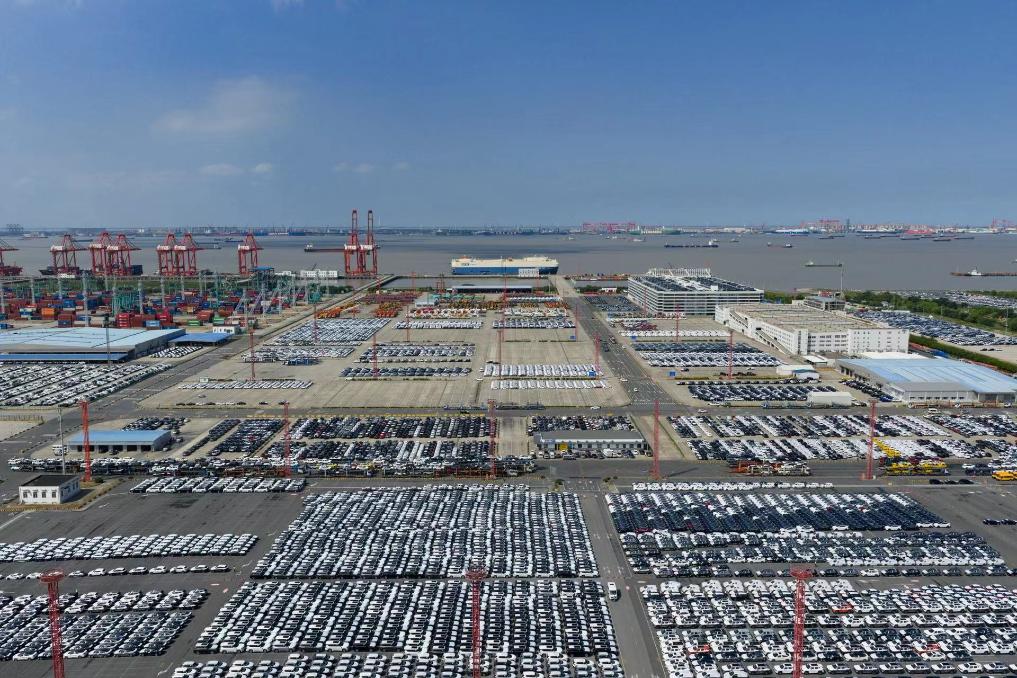
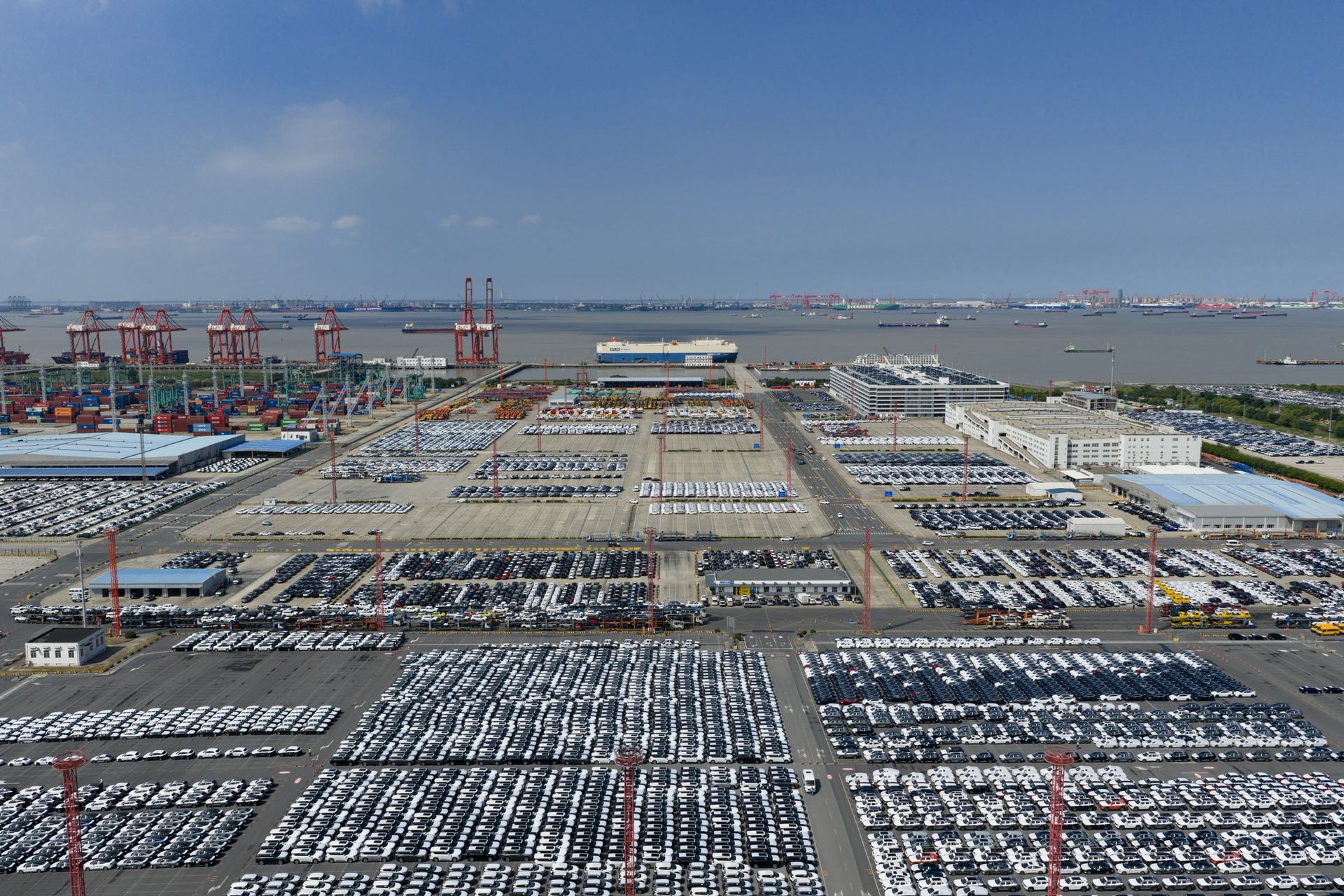
Core Insights - The Yangtze River Delta region has demonstrated strong foreign trade performance, with imports and exports reaching 9.59 trillion yuan in the first seven months of the year, a year-on-year increase of 5.4%, accounting for 37.3% of the national total [1] - The region's exports of electromechanical products amounted to 3.64 trillion yuan, growing by 9.4%, with significant increases in electric vehicles, integrated circuits, and high-end equipment [1] - Shanghai continues to play a leading role in the Yangtze River Delta's development, facilitating exports through its port, particularly for vehicles produced in neighboring provinces [1] Trade Partnerships - The ASEAN region has become the largest trading partner for the Yangtze River Delta, with trade reaching 1.51 trillion yuan, a growth of 17.5% [2] - Trade with countries involved in the Belt and Road Initiative reached 4.77 trillion yuan, increasing by 10.3%, while trade with RCEP member countries grew by 8.9% to 3.02 trillion yuan [2] - Exports to African countries also saw a significant rise, reaching 499.47 billion yuan, an increase of 15.2% [2]
前7个月长三角地区实现进出口逾9万亿元
Xin Hua Wang· 2025-08-15 10:59
Core Insights - The Yangtze River Delta region achieved an import and export value of 9.59 trillion yuan in the first seven months of the year, representing a year-on-year growth of 5.4% and accounting for 37.3% of the national total, an increase of 0.7 percentage points compared to the same period last year [1] Group 1: Export Performance - In the first seven months, the Yangtze River Delta exported electromechanical products worth 3.64 trillion yuan, a year-on-year increase of 9.4% [3] - Exports of electric vehicles, high-end equipment, and integrated circuit products grew by 43.9%, 10.2%, and 20.1% respectively [3] Group 2: Import Trends - The region saw imports of food, medical instruments and devices, and daily chemical products increase by 4.8%, 10.1%, and 1.9% respectively in the first seven months [3] Group 3: Trade with Specific Regions - The Yangtze River Delta's trade with ASEAN reached 1.51 trillion yuan, up 17.5% year-on-year; trade with Belt and Road countries was 4.77 trillion yuan, up 10.3%; trade with other RCEP member countries was 3.02 trillion yuan, up 8.9%; and trade with African countries was 499.47 billion yuan, up 15.2% [5] Group 4: Role of Private Enterprises - Private enterprises in the Yangtze River Delta played a significant role in foreign trade, achieving an import and export value of 5.35 trillion yuan, a year-on-year increase of 9.5%, accounting for approximately 55.8% of the total trade value, an increase of 2.1 percentage points compared to the same period last year [5]
“2025寻找宁波最具投资价值企业”活动圆满收官
Zheng Quan Ri Bao Wang· 2025-08-15 10:45
本报讯 (记者吴奕萱)8月14日上午,一年一度"寻找宁波最具投资价值企业"活动圆满收官。 近年来,宁波高度重视新质生产力的培育发展,立足"宁波制造"的雄厚基础,锚定打造"全球智造创新之都"的目标,以科 技创新为引领,积极抢滩布局战略性新兴产业和未来产业,全力培育打造一批一流企业和知名品牌。 本届活动紧扣"科创"主题,锚定"新质生产力",聚焦高端装备、芯片制造、数字经济、新材料等宁波战略性新兴产业赛 道,通过多维度评审机制,最终选出四大领域"最具投资价值企业TOP5"及"卓越人才""创业先锋""最具潜力企业""最佳组织 方"等荣誉,并揭晓年度"科创之星"。宁波锦辉光学科技股份有限公司从660余家参选企业中脱颖而出,摘得本届"科创之星"桂 冠。 同时,"寻找"系列活动也为优质企业与金融资本搭建了快速高效的交流合作通道,十年来累计为相关企业撮合各类融资近 150亿元。本届"寻找"活动再度汇聚数十家国内顶级投资机构,仪式现场,还举行了签约仪式,多家金融机构为企业提供意向 授信金额超千万。 (编辑 郭之宸) 目前,"寻找"活动已成为宁波资本市场服务中小微企业成长的一张"金名片",成为宁波企业展示实力、对接资本的重要平 ...
《关于促进长三角科技创新协同发展的决定》将于9月1日在三省一市同步施行——立法协同,推动科创协同
Ren Min Ri Bao· 2025-08-15 08:32
Core Points - The "Decision" on promoting collaborative technological innovation in the Yangtze River Delta marks a new phase of legal governance in the region's tech innovation development, effective from September 1 [1] - The legislation aims to transform effective practices into institutional arrangements to address bottlenecks in collaborative technological innovation [1][2] - The "Decision" includes 19 articles focusing on national strategy implementation, fostering original innovation capabilities, and developing new growth drivers [1][2] Group 1: Major Technological Infrastructure - The Yangtze River Delta is home to significant national scientific centers and major research facilities, enhancing its status as a hub for technological innovation [2] - The "Decision" emphasizes the creation of a cluster of major technological infrastructure and collaborative planning for significant projects [2][3] - A shared service platform for scientific resources has been established, offering access to over 610 billion yuan worth of scientific instruments [2] Group 2: Innovation Support Mechanisms - The initiative aims to upgrade the accessibility of technological resources through a platform that allows cross-province use of innovation vouchers, benefiting over 5,000 companies [3] - A joint fund for basic research will be established to support cross-regional and interdisciplinary collaborative research with clear industrial objectives [3][4] - The "Decision" incorporates a "pay after use" mechanism for technology transfer, allowing companies to trial innovations before committing to purchase [4][6] Group 3: Collaborative Innovation Development - The "Decision" outlines mechanisms for optimizing task organization in research, encouraging market-driven construction of incubators and innovation centers [7] - Collaborative efforts have led to successful technology applications, significantly reducing the time from research to market for new products [7][8] - The implementation of the "Decision" is expected to enhance the efficiency of technology transfer and foster deeper integration of technological and industrial innovation [8] Group 4: Formation of Innovative Industrial Clusters - The initiative supports the development of high-quality projects like the G60 Science and Technology Corridor and the Yangtze River Delta Ecological Integration Demonstration Zone [9] - Collaborative agreements have been signed among cities in the region to promote innovation and industrial integration [9][10] - The establishment of innovation joint bodies in key sectors such as artificial intelligence and biomedicine is planned to accelerate breakthroughs in critical technologies [11]
开创“科创济南”建设新局面
Da Zhong Ri Bao· 2025-08-15 08:02
Group 1 - The core objective for Jinan in 2022 is to create a comprehensive national science center, enhancing technological innovation capabilities and implementing various actions to improve innovation platforms and enterprise capabilities [3][4] - In 2021, Jinan achieved significant milestones, including a total of 4,397 high-tech enterprises and a technology contract transaction amount of 473.48 billion yuan, ranking first in the province [2] - The establishment of the Yellow River Technology Transfer Center aims to create a comprehensive transaction platform that integrates evaluation, trading, database management, and policy search [4] Group 2 - Jinan's R&D expenditure accounted for 2.67% of GDP, with an increase of 900 high-tech enterprises and 20 provincial-level R&D institutions [1] - The city plans to introduce 20 new provincial-level R&D institutions and deepen the reform of technology program management [3] - The "1+6+N" service system for technology achievement transformation is being developed, with 527 intellectual property and technology financial achievements registered, amounting to 3.293 billion yuan [2][4]
引领科创浪潮 竞逐产业高地——“2025寻找宁波最具投资价值企业”活动圆满收官
Zhong Zheng Wang· 2025-08-15 06:57
Group 1 - The annual event "Finding the Most Investable Enterprises in Ningbo" concluded successfully, highlighting the importance of nurturing new productive forces and aiming to establish Ningbo as a global hub for intelligent manufacturing innovation [1] - The event serves as a significant platform for showcasing the strength of Ningbo enterprises, connecting them with capital, and promoting innovation and transformation [1] - Since its establishment in 2016, the Ningbo Equity Exchange Center has developed a comprehensive incubation system for small and medium-sized enterprises, discovering and nurturing nearly 300 quality innovative companies [1] Group 2 - This year's event focused on the theme of "scientific and technological innovation," targeting strategic emerging industries such as high-end equipment, chip manufacturing, digital economy, and new materials [2] - The event recognized top enterprises in various categories, with Ningbo Jinhui Optical Technology Co., Ltd. winning the "Science and Technology Innovation Star" award among over 660 participating companies [2] - Over the past decade, the event has facilitated nearly 15 billion yuan in financing for award-winning companies, creating efficient communication channels between quality enterprises and financial capital [2] Group 3 - The event featured a keynote speech by Professor Liu Jianjun, providing insights into the development strategies of entrepreneurial enterprises, which resonated well with the audience [3] - The successful hosting of the event reflects the proactive role of the Ningbo Equity Exchange Center in discovering and nurturing innovative enterprises, optimizing the regional business environment [3] - The event aims to create a high-quality platform for deep integration between scientific and technological enterprises and the capital market, driving Ningbo's advancement in the new technological revolution and industrial transformation [3]
前7月长三角外贸创新高,这些增长尤为迅猛
Di Yi Cai Jing· 2025-08-15 05:46
Core Insights - The export of electric vehicles, high-end equipment, and integrated circuit products in the Yangtze River Delta region has seen significant year-on-year growth of 43.9%, 10.2%, and 20.1% respectively [1][3] - The total import and export value of the Yangtze River Delta reached a historical high of 9.59 trillion yuan in the first seven months of the year, marking a 5.4% increase year-on-year and accounting for 37.3% of the national total [1][3] Group 1: Export Performance - The export of electromechanical products in the Yangtze River Delta reached 3.64 trillion yuan, with a year-on-year growth of 9.4% [3] - Jiangsu province exported electromechanical products worth 1.52 trillion yuan, growing by 10.7%, contributing 7.3 percentage points to the province's overall export growth [4] - Zhejiang province's electromechanical product exports grew by 9.7%, accounting for 46.8% of the province's total exports, with high-tech product exports increasing by 14.3% [4] Group 2: Private Enterprises' Role - Private enterprises in the Yangtze River Delta accounted for 55.8% of the total import and export value, with a year-on-year growth of 9.5% [6] - In Ningbo, private enterprises' imports and exports increased by 7.1%, contributing 5.4 percentage points to the city's total foreign trade growth [6] Group 3: Trade Relationships - The Yangtze River Delta's trade with ASEAN countries grew by 17.5%, and trade with countries involved in the Belt and Road Initiative increased by 10.3% [8] - Anhui province's trade with ASEAN countries surged by 35.7%, while Jiangsu province's trade with Belt and Road countries increased by 10.2% [8][9]
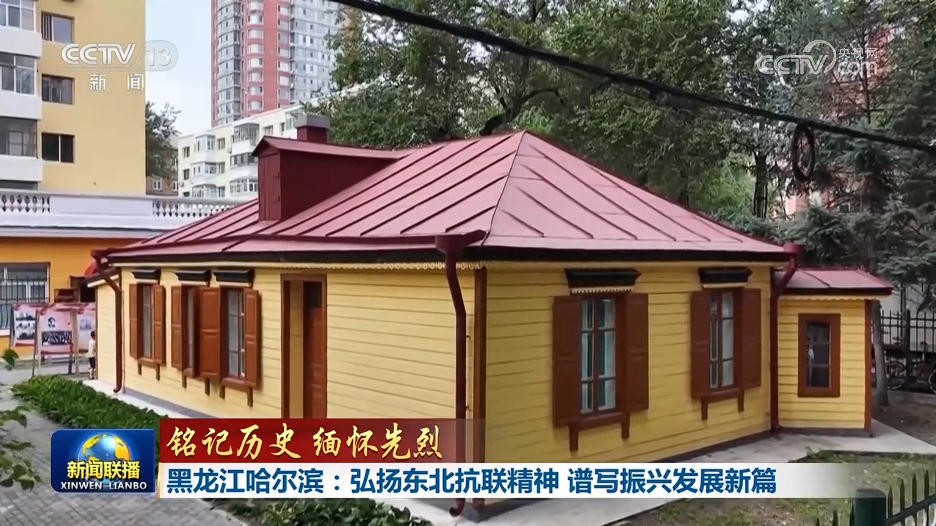
【铭记历史 缅怀先烈】黑龙江哈尔滨:弘扬东北抗联精神 谱写振兴发展新篇
Yang Shi Wang· 2025-08-14 13:00
Core Viewpoint - Harbin is accelerating the cultivation of new productive forces and developing a distinctive cultural tourism industry to enhance the city's attractiveness and competitiveness [1] Group 1: Historical Significance - Harbin was a major activity area for the Northeast Anti-Japanese United Army during the Anti-Japanese War, contributing significantly to the victory [1] - The former site of the Manchuria Provincial Committee of the Communist Party of China in Harbin was the highest leadership body of the Party in Northeast China from 1927 to 1936, leading anti-Japanese guerrilla warfare [3] Group 2: Industrial Development - Harbin is one of the earliest heavy industrial bases established in New China, focusing on the transformation and upgrading of traditional industries while promoting the integration of technological and industrial innovation [5] - The city is developing national-level industrial clusters in aerospace and biomanufacturing, fostering strategic emerging industries such as biomanufacturing, high-end equipment, and new energy [5] Group 3: Tourism Growth - Harbin has been enhancing its regional cultural characteristics and innovating tourism products, transitioning from "one place one season" to "whole area all season" tourism [6] - In 2024, the city is expected to receive 179 million tourists, generating tourism revenue of 231.42 billion yuan, representing growth of 32.2% and 36.7% respectively [6] - The city is building a modern industrial system while consolidating traditional advantageous industries like equipment manufacturing and green food, and is fully cultivating new growth areas such as ice and snow economy, digital economy, and bio-economy [6]