
啤酒

Search documents
重庆啤酒20251222
2025-12-22 15:47
Summary of Chongqing Beer Conference Call Industry Overview - The beer industry is experiencing a stable performance in 2025, but the on-premise channel remains weak, particularly in dining and entertainment sectors. Companies are actively developing off-premise channels and collaborating with instant retail partners. New product categories and packaging, such as tea beer and one-liter cans, are emerging. The cost of raw materials is contributing positively to gross margins, while sales expenses remain stable. A cautious outlook for 2026 is anticipated unless significant stimulus policies are introduced [2][3][4]. Company Strategies and Developments Chongqing Beer - Chongqing Beer is focusing on developing off-premise channels, including O2O and instant retail, and has launched customized craft beers in collaboration with platforms like JD.com and Weima. The company is increasing its investment in one-liter canned products and innovating new categories and packaging under multiple brands to counteract the weakness in on-premise channels [2][3][4]. - The company is committed to a premiumization strategy, continuously launching craft series, high-end one-liter products, and unpasteurized beers. Collaborations with online platforms and instant retailers, along with promotional activities, are aimed at enhancing brand image and market competitiveness [2][4][6]. - The company’s urban strategy focuses on deepening existing channels rather than expanding the number of channels, aiming to increase market share within current channels [4][14]. Uusu Brand - The Uusu brand has been significantly impacted by its reliance on the dining channel, but the company has taken measures to revitalize it through brand ambassadors, image adjustments, and product innovations. The brand has seen a positive sales trend, with a diverse product matrix including various beer types [2][5]. - Uusu is expanding its off-premise channels and has achieved double-digit growth in canned products, compensating for some losses in on-premise sales. The brand will continue to focus on product, brand, channel innovation, and supply chain management [5]. Jing A Brand - Jing A, a craft beer brand under Chongqing Beer, is expanding its product matrix and brand influence through offline craft bars and online sales channels. The brand has introduced new packaging and flavors, although overall sales remain modest [10][11]. Market Trends - The premiumization trend in the beer industry is expected to continue into 2025, particularly in the price range above 8 RMB, which has shown resilience. Brands like Carlsberg have achieved double-digit growth in this segment. The mid-range beer segment faces uncertainty due to policy impacts, making predictions for 2026 challenging [8][9]. - The company’s canning rate reached approximately 29% in the first three quarters of 2025, an increase of 2-3 percentage points year-on-year. However, aluminum can prices are expected to rise slightly in 2026 [15]. Financial Outlook - The dividend policy is expected to maintain a high payout ratio. Despite a long holiday period in October, the dining and entertainment sectors have not shown significant improvement, remaining weak since 2023 [19]. Additional Insights - The company is exploring the beverage sector with initial products like the Tianshan Fresh Fruit Garden series, focusing on taste and channel innovation [13]. - The introduction of low-alcohol white spirits by some companies has not significantly impacted the beer market, as beer remains a widely consumed product with diverse sales channels [16]. - Chongqing Beer is embracing new retail channels and aims to develop customized products and activities to enhance market presence [17]. This summary encapsulates the key points from the conference call, highlighting the company's strategies, market trends, and financial outlook.

燕京啤酒:利润分配股权登记日为2025年12月26日
Sou Hu Cai Jing· 2025-12-22 11:01
每经头条(nbdtoutiao)——新能源重卡爆单了,11月销量同比增长178%!两班倒都供不应求,客户直 接进厂催单,这情景十年难遇 (记者 曾健辉) 免责声明:本文内容与数据仅供参考,不构成投资建议,使用前请核实。据此操作,风险自担。 每日经济新闻 每经AI快讯,燕京啤酒(SZ 000729,收盘价:12.12元)12月22日晚间发布公告称,拟按2025年9月30 日总股本约28.19亿股为基数,每10股派现金1元(含税),不送红股,不以资本公积金转增股本。股权 登记日为2025年12月26日。除权除息日为2025年12月29日。 2025年1至6月份,燕京啤酒的营业收入构成为:啤酒占比92.26%,其他占比7.74%。 截至发稿,燕京啤酒市值为342亿元。 ...

燕京啤酒:截至2025年12月19日股东总户数为44366户
Zheng Quan Ri Bao Wang· 2025-12-22 10:45
Group 1 - The core point of the article is that Yanjing Beer (000729) reported a total of 44,366 shareholders as of December 19, 2025 [1]
燕京啤酒:每10股派1.00元,股权登记日为12月26日
2 1 Shi Ji Jing Ji Bao Dao· 2025-12-22 10:30
Core Viewpoint - Yanjing Beer announced a cash dividend distribution plan for the first three quarters of 2025, confirming a payout of 1.00 RMB per 10 shares to all shareholders, totaling 281.85 million RMB [1] Dividend Distribution Details - The total amount for the dividend distribution is 281.85 million RMB [1] - The record date for the dividend is set for December 26, 2025, and the ex-dividend date is December 29, 2025 [1] - The distribution plan aligns with the proposal approved by the shareholders' meeting [1]
*ST兰黄:12月16日召开董事会会议
Mei Ri Jing Ji Xin Wen· 2025-12-22 09:47
Group 1 - *ST Lanhuang (SZ 000929) announced on December 22 that its 12th Board of Directors meeting will be held on December 16, 2025, in Lanzhou, Gansu Province, to discuss the investment in the bankruptcy reorganization of Zhongning Hengxing Juice Co., Ltd. [1] - For the first half of 2025, *ST Lanhuang's revenue composition is as follows: beer accounts for 73.65%, beverages for 11.94%, malt for 10.71%, and other businesses for 3.71% [1] - As of the report date, *ST Lanhuang has a market capitalization of 1.7 billion yuan [1] Group 2 - The new energy heavy truck industry experienced a significant surge in November, with sales increasing by 178% year-on-year, indicating a strong demand that has led to supply shortages [1] - Customers are reportedly urging manufacturers directly at the factories for orders, highlighting an unprecedented demand scenario in the past decade [1]

海通国际:全球啤酒行业发生结构性变革 中国酒企国际化尚处初级阶段
智通财经网· 2025-12-22 09:04
Core Insights - The global beer industry is undergoing a profound transformation from cyclical fluctuations to structural changes, driven by heightened health awareness and generational shifts in consumption patterns [1] - The market for traditional beer is being increasingly eroded by the rapid rise of craft and non-alcoholic beers, while soft drink sales continue to grow steadily, diverting consumers from alcoholic beverages [1] Group 1: Industry Trends - Global beer sales are projected to decline by 1% in 2024, remaining below pre-pandemic levels from 2019, with 49% of American consumers planning to reduce alcohol consumption, and this figure rises to 65% among Generation Z [1] - The Chinese market faces unique challenges, including a shift towards premiumization, the inefficacy of traditional distribution models, and intensified cross-industry competition [1] Group 2: Strategies for Chinese Companies - Chinese beer companies should focus on three main areas: enhancing quality through premiumization, optimizing cost structures via digitalization and capacity integration, and solidifying local market positions before expanding regionally [2] - Successful diversification requires meeting three core elements: category synergy, channel reuse, and brand extension, with a success rate exceeding 60% for expansions into related categories like spirits and ready-to-drink beverages [3] Group 3: Internationalization - Internationalization is crucial for overcoming domestic market limitations, with companies that have higher international exposure enjoying significant valuation premiums [4] - Chinese beer exports are currently at a nascent stage, accounting for only 2% of production in 2024, and companies should adopt a cautious approach by testing markets through exports and prioritizing investments in Belt and Road countries [4] Group 4: Investment Recommendations - The experience of global beer leaders suggests that Chinese beer companies should focus on enhancing operational efficiency, driving innovation, and pursuing steady expansion [5] - Future investments should concentrate on three main lines: value re-evaluation through operational improvements, long-term beneficiaries of structural upgrades, and pioneers in emerging categories [6]

年度策略报告姊妹篇:2026年食品饮料行业风险排雷手册-20251222
ZHESHANG SECURITIES· 2025-12-22 08:26
Group 1 - The core view of the report indicates that the capital market in 2026 will focus on "structural transformation and confidence restoration, with a complete turnaround in external demand" [4] - The report emphasizes that the risk排雷 is not a bearish outlook but aims to enhance long positions through contrarian thinking [6] - The annual strategy highlights the importance of identifying risks in various industries to better understand market misjudgments and challenges [5] Group 2 - In the liquor industry, the report suggests that the valuation is at a bottom range, making it a good time for allocation, especially with the upcoming Spring Festival sales [10] - The investment logic for the liquor sector is based on the expectation that performance expectations have bottomed out, and the price of Moutai has also reached a low point, signaling a potential rebound [10] - The report recommends focusing on leading brands like Kweichow Moutai and Shanxi Fenjiu, as well as other brands with lower valuations and growth potential [10] Group 3 - The beer industry is expected to see stable volume and rising prices, but the cost advantages are diminishing, presenting seasonal investment opportunities [15] - The investment strategy for the beer sector emphasizes the importance of high-end upgrades driving revenue growth, while cost control will enhance profitability [17] - Recommended stocks include Yanjing Beer and Qingdao Beer, with a focus on companies that can leverage high-end market trends [17] Group 4 - The snack food industry is viewed positively, with ongoing reforms expected to yield results, suggesting active investment [21] - The report highlights that growth opportunities in the snack sector will come from category expansion and new channel penetration, supported by supply chain improvements [23] - Recommended stocks include Weilian Meishi and Yanjin Puzhi, with a focus on companies that are actively adjusting and innovating [23] Group 5 - The soft drink industry is characterized by significant differentiation among segments, with profitability continuing to improve [28] - The investment strategy emphasizes the importance of strong product categories and channel capabilities for sustained growth [31] - Recommended stocks include Dongpeng Beverage, with a focus on companies that can capitalize on high-growth segments and enhance channel operations [31] Group 6 - The dairy industry is expected to focus on profitability during the current downturn in raw milk prices, with leading companies likely to see improved margins [40] - The report suggests that the recovery of raw milk supply is crucial for the industry's performance, with a focus on companies like Yili and New Hope Dairy [40] - The key risk is that the supply recovery may not meet expectations, impacting revenue performance [40]




茅台、啤酒、巧克力:千亿“剩宴”变形记
Xin Lang Cai Jing· 2025-12-22 05:17
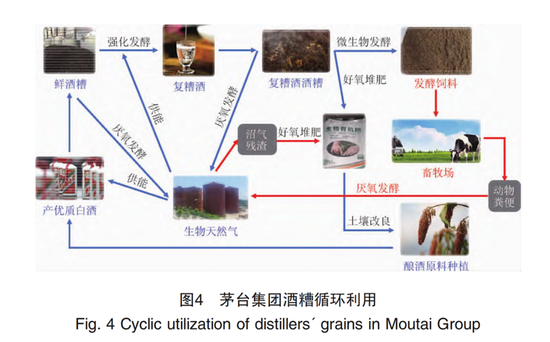
Group 1: Global Market and Technological Drivers - The upcycled food industry is emerging as a significant circular economy pathway, converting food waste into high-value products, addressing the challenge of food waste which accounts for 8%-10% of global greenhouse gas emissions [1][2] - The global upcycled food market is projected to grow at a compound annual growth rate (CAGR) of 5.6%, reaching a market size of $74.8 billion by 2029 according to BCC Research [2][3] - Advanced technologies such as artificial intelligence (AI) and biomanufacturing are driving the rapid development of this industry, with companies like Agrain utilizing AI to optimize the use of brewing waste [2][3][8] Group 2: Diverse Products and Innovative Cases - Upcycled food applications have led to the creation of new product categories, such as upcycled flour from brewing waste by Upcycled Foods and cocoa powder from cocoa fruit pulp [3][10] - Brazilian company Cellva Ingredients has developed "CoffeeCoa," a chocolate ingredient derived from coffee processing waste, providing a unique flavor experience [3][10] - The application of biomanufacturing extends beyond food, as seen in the collaboration between Yiru Biotechnology and China Resources Snow Beer, which produces 100% bio-based leather materials from brewing byproducts [3][10][11] Group 3: Exploration and Practices of Chinese Enterprises - In China, the resource utilization of food byproducts is becoming a key direction for leading companies to implement ESG (Environmental, Social, and Governance) principles [4][11] - Kweichow Moutai's circular investment company has established a complete recycling system for brewing byproducts, processing 300,000 tons annually to produce 120,000 tons of organic fertilizer and 20,000 tons of feed [4][11] - Companies like Shanghai Punotin focus on upgrading byproducts from soybean processing into sustainable food ingredients, while Green Spot Technologies has recently secured €5 million in funding for producing chocolate from fruit waste [5][12] Group 4: Conclusion - The upcycled food industry is building a more efficient and sustainable food supply chain, with potential for greater growth as technology advances and consumer awareness of environmental issues increases [6][14]

珍酒李渡盘中涨超7% 大珍·珍酒200天回款5.8亿元 公司正在规划顶级啤酒新品
Zhi Tong Cai Jing· 2025-12-22 02:19
Group 1 - The stock of Zhenjiu Lidu (06979) rose over 7% during trading, currently up 6.5% at HKD 8.52, with a trading volume of HKD 44.02 million [1] - On December 9, Zhenjiu Lidu's chairman, Wu Xiangdong, launched a large-scale live broadcast themed "Our 200 Days," revealing that the "Dazhen Zhenjiu" product has achieved sales of RMB 580 million across 280 cities in 31 provinces, becoming the top-selling new product in the mid-to-high-end liquor segment [1] - The long-term goal of the company is to become a super product with sales reaching RMB 30 billion [1] - A new premium beer product, priced higher by an additional RMB 100, is currently in planning [1] Group 2 - CITIC Securities released a report indicating that companies like Zhenjiu Lidu, which optimize recruitment and innovate products to expand their market, may achieve excess returns if recruitment adjustments yield results and sales exceed expectations [1]
全球啤酒变革启示:中国的三大战略进阶
Haitong Securities International· 2025-12-22 01:02
Investment Rating - The report assigns an "Outperform" rating to multiple companies in the Chinese staples sector, including Guizhou Moutai, Wuliangye, and Yanjing Beer among others [1]. Core Insights - The global beer industry is undergoing a profound transformation, shifting from cyclical fluctuations to structural changes, driven by health consciousness and generational shifts in consumption [3][10]. - In China, the beer market faces unique challenges, including a transition to value-driven consumption, the failure of traditional distribution models, and intensified cross-industry competition [17][18]. Summary by Sections Global Beer Industry Transformation - Global beer sales are projected to decline by 1% in 2024, remaining below pre-pandemic levels, with significant shifts in consumer behavior noted, particularly among younger generations [10][12]. - Health awareness is leading to a reduction in alcohol consumption, with 49% of American consumers planning to drink less, a trend that is even more pronounced among Generation Z [12][17]. Strategic Directions for Chinese Beer Companies - **Leadership and Efficiency**: Establishing a dominant position in the local market is crucial for global expansion. Companies should focus on high-end product quality, optimizing cost structures, and building strong regional brands before expanding nationally [4][19]. - **Diversification**: Successful diversification should focus on product synergy, channel reuse, and brand extension, with a high success rate in expanding into related categories like low-alcohol and soft drinks [5][37]. - **Internationalization**: Companies should adopt a cautious approach to internationalization, starting with exports and partnerships in Belt and Road countries to mitigate risks [6][7]. Investment Recommendations - The report suggests that Chinese beer companies should enhance operational efficiency, innovate product offerings tailored to local tastes, and pursue diversification and internationalization strategies that are risk-controlled [7][34]. - Key investment lines include operational improvements leading to value reassessment, beneficiaries of structural upgrades, and pioneers in emerging categories [7][34].
