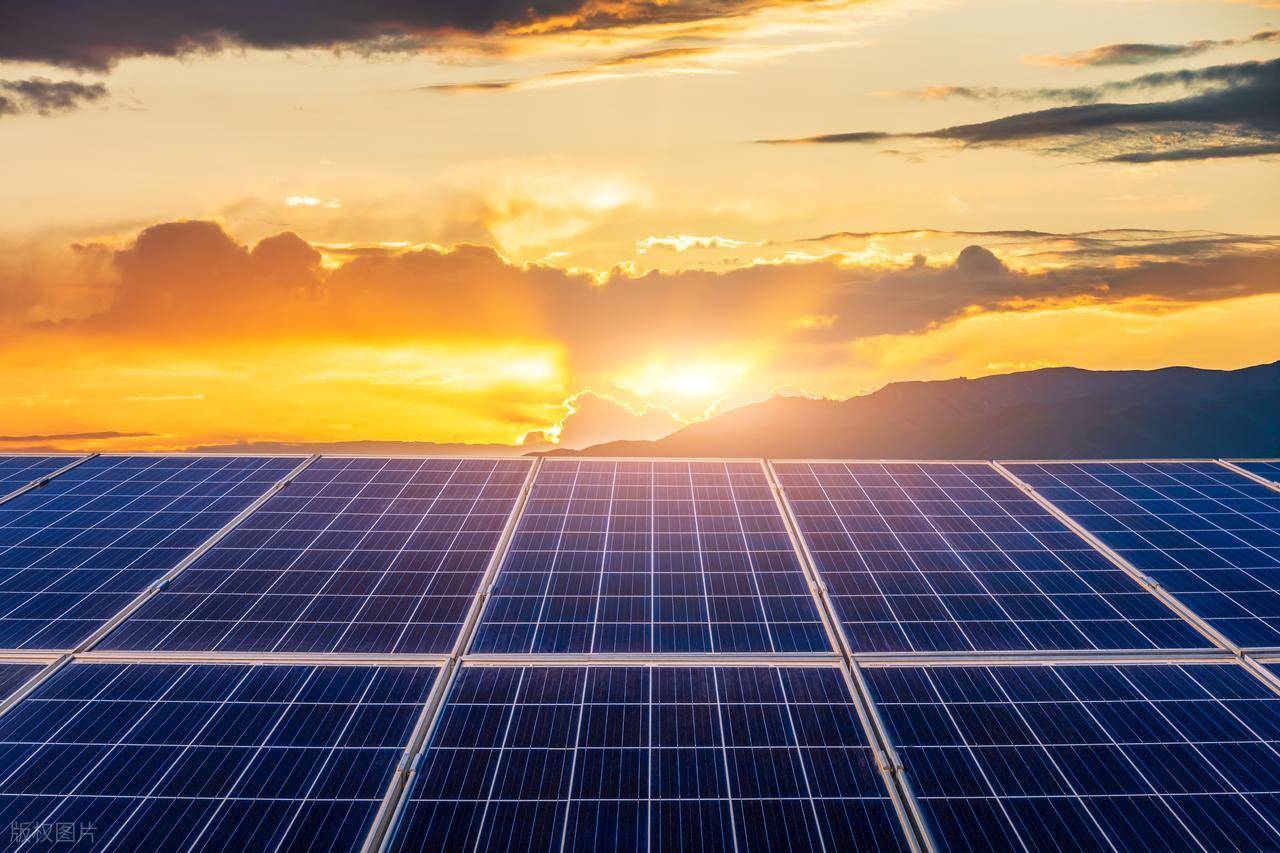
可再生能源

Search documents
“十四五”成绩单 | 保供应、强民生、转低碳 能源强国之路越走越宽广
Yang Shi Wang· 2025-10-13 01:35
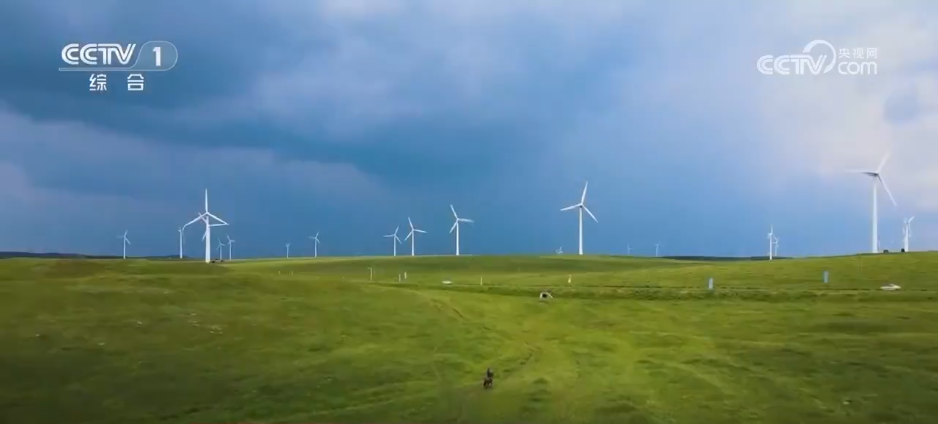
Core Insights - The "14th Five-Year Plan" emphasizes the importance of renewable energy as a key component of national energy security and economic development [1][3] - China has established the world's largest and fastest-growing renewable energy system during the "14th Five-Year Plan" period, with significant increases in installed capacity and energy supply resilience [5][9] Group 1: Renewable Energy Development - The installed capacity of new energy storage reached approximately 95 million kilowatts, growing nearly 30 times over five years, with renewable energy generation capacity increasing from 40% to around 60% [5] - The "Shago Desert" has become a new frontier for renewable energy construction, adding over 130 million kilowatts of installed capacity, transforming previously barren land into an "energy oasis" [7] - Offshore wind power and distributed solar energy have emerged as new engines for energy transition, contributing to a greener energy consumption pattern [7] Group 2: Energy Supply and Infrastructure - Energy consumption in China increased significantly, with the growth in the first four years of the "14th Five-Year Plan" reaching 1.5 times the total increase during the "13th Five-Year Plan" [9] - The energy self-sufficiency rate has remained stable at over 80%, ensuring robust energy supply and resilience despite high demand [9] - China has built the world's largest electric vehicle charging network, with two charging stations for every five electric vehicles, enhancing energy infrastructure [11] Group 3: Global Leadership in Energy Transition - Over 1.4 billion people's energy security has been effectively guaranteed, with China leading globally in renewable technology and low-carbon development [13] - The path towards high-quality energy development in China is expected to expand further, positioning the country as a significant driver of global energy transition [13]

培育壮大绿色生产力 零碳园区建设驶入“快车道”
Jin Rong Shi Bao· 2025-10-13 01:34
当前,绿色低碳发展竞合博弈日趋复杂。我国能源需求和碳排放刚性增长压力大,高质量发展面临 的风险挑战增多。在此背景下,我国部署谋划开展零碳园区建设,彰显了我国坚定走绿色转型之路的战 略定力,体现了应对气候变化的信心和行动。 我国工业园区、经济技术开发区、城市建成区等数量众多,既是集聚要素资源推动经济增长的主要 载体,也是能源活动和碳排放的重要来源。推动各类园区实现由高碳到低碳零碳转型发展,事关高质量 发展和"双碳"工作全局。 今年以来,零碳园区建设驶入"快车道"。7月,国家发展改革委等部门发布《关于开展零碳园区建 设的通知》(以下简称《通知》),明确支持有条件的地区率先建成一批零碳园区,有计划、分步骤推 进各类园区低碳化零碳化改造;9月,工业和信息化部和国家发展改革委发布《工业园区高质量发展指 引》,要求加快园区绿色设施建设,探索建设零碳园区。 "当前,绿色低碳发展竞合博弈日趋复杂。我国能源需求和碳排放刚性增长压力大,高质量发展面 临的风险挑战增多。"国家发展改革委能源研究所副所长、研究员李忠认为,在此背景下,我国部署谋 划开展零碳园区建设,彰显了我国坚定走绿色转型之路的战略定力,体现了应对气候变化的信心和行 ...
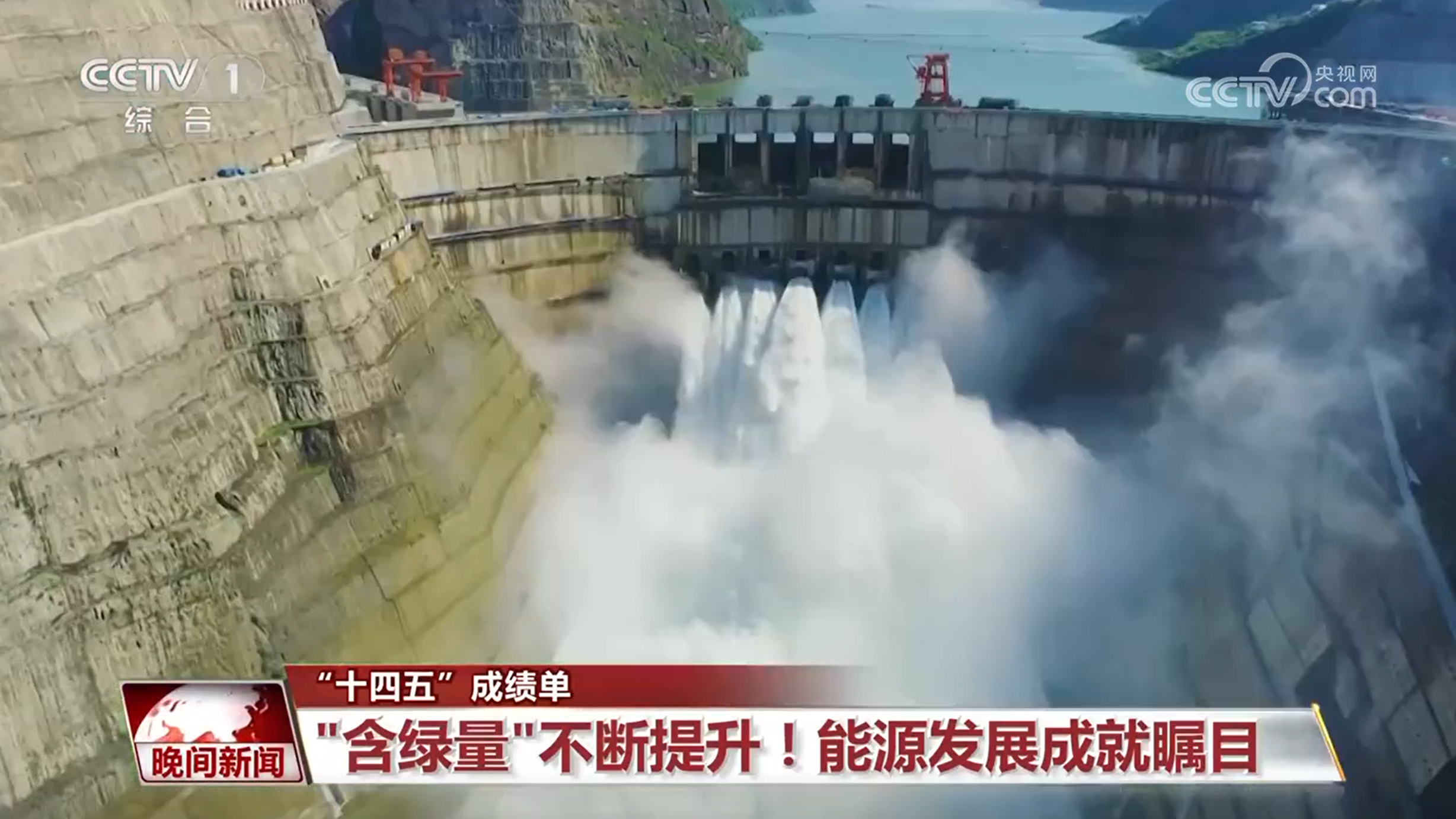
【“十四五”成绩单】“含绿量”不断提升!能源发展成就瞩目
Yang Shi Wang· 2025-10-12 14:59
Core Insights - The "14th Five-Year Plan" emphasizes the importance of energy as the backbone of the economy and daily life, highlighting the significant advancements in renewable energy development in China [1] - The plan aims to build a clean, low-carbon, safe, and efficient energy system, enhancing energy supply security and accelerating the development of non-fossil energy sources [3] Renewable Energy Development - China has established the world's largest and fastest-growing renewable energy system, with new energy storage capacity reaching approximately 95 million kilowatts, a nearly 30-fold increase over five years [3] - The share of renewable energy generation capacity has increased from 40% to around 60% during this period [3] New Energy Infrastructure - The "Shago Desert" has emerged as a new frontier for renewable energy construction, adding over 130 million kilowatts of installed capacity, transforming barren land into an "energy oasis" [5] - Offshore wind power and distributed solar energy have become key drivers of energy transition, contributing to a greener energy consumption pattern [5] Energy Consumption and Supply - During the first four years of the "14th Five-Year Plan," China's energy consumption growth reached 1.5 times the total growth during the "13th Five-Year Plan" [5] - Despite significant demand pressures, China's electricity supply and energy security have remained robust, with a long-term energy self-sufficiency rate stable at over 80% [5] Electric Vehicle Infrastructure - With the continuous growth of electric vehicle ownership, China has built the world's largest electric vehicle charging network, with two charging stations for every five electric vehicles [7] Global Energy Leadership - Over 1.4 billion people's energy security has been effectively guaranteed, with China leading globally in new energy technologies and green low-carbon development [8] - The path towards high-quality energy development in China is expected to broaden significantly in the future [8]
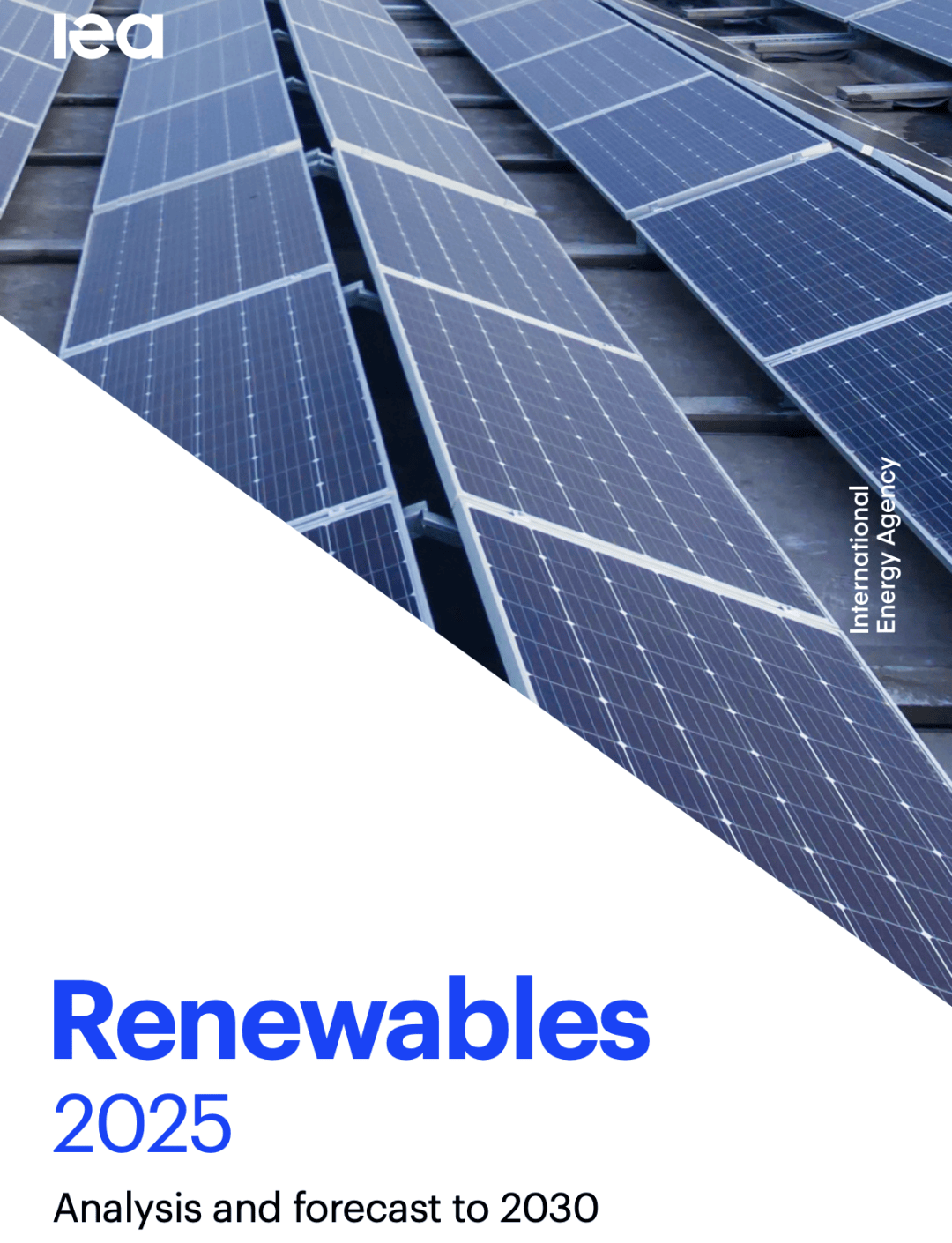
【IEA报告】全球可再生能源2030: 中国将贡献近60%新增容量!
Sou Hu Cai Jing· 2025-10-11 10:49
Core Insights - The International Energy Agency (IEA) report titled "Renewables 2025 Analysis and forecasts to 2030" provides a comprehensive analysis of the current state and future trends of global renewable energy deployment, highlighting key dynamics in technology, market, and policy [1] Group 1: Renewable Energy Growth - The report predicts an addition of 4600 GW of global renewable energy capacity from 2025 to 2030, equivalent to the total installed capacity of China, the EU, and Japan combined [3] - Solar photovoltaic (PV) technology is expected to be the main driver of this growth, contributing nearly 80% of the new capacity due to declining module costs, simplified approval processes, and widespread social acceptance [3] - Over 80% of countries are projected to experience renewable energy growth rates exceeding historical levels within the next five years, indicating a global urgency for clean energy [4] Group 2: Regional Insights - China is anticipated to contribute nearly 60% of the global new capacity, although recent policy shifts from fixed pricing to auction systems may slightly slow growth [7] - The U.S. market faces challenges due to the early expiration of tax credits, leading to downward revisions of wind and solar forecasts by nearly 60% and 40%, respectively [7] - The EU aims to increase the share of renewables from 32% to 43% post-energy crisis, while emerging economies like India and Brazil are achieving rapid growth through auction mechanisms and policy incentives [7] Group 3: Supply Chain and Technological Challenges - The report highlights the complexity and risks of the renewable energy supply chain, with China holding 75% of global solar component production and 90% of rare earth magnets for wind turbines [10] - Financial difficulties are prevalent among wind turbine manufacturers, with cumulative losses reaching $1.2 billion, while solar manufacturers are facing negative profit margins due to price wars [10] - The integration of renewable energy into the grid poses challenges, as the share of wind and solar power is expected to double from 15% to 30% by 2030, leading to increased instances of negative pricing and curtailment [10] Group 4: Economic and Environmental Benefits - From 2010 to 2023, newly added non-hydro renewable energy sources have avoided the import of 700 billion tons of coal and 400 billion cubic meters of natural gas, saving fuel-importing countries $1.3 trillion [11] - The penetration rate of renewables in the electricity sector is projected to rise from 32% in 2024 to 43% by 2030, with solar PV expected to surpass hydropower as the largest renewable energy source [11] - The average auction price for solar PV is expected to drop to $41 per MWh by 2024, although significant regional price disparities exist, with U.S. prices being more than double those in Europe [11] Group 5: Policy and Regulatory Framework - Policy design is identified as a decisive factor influencing renewable energy development, with competitive auctions becoming the mainstream mechanism covering 60% of utility-scale project development [14] - The EU's "Renewable Energy Directive III" sets a target of 42.5% renewable energy share by 2030, while the U.S. Inflation Reduction Act continues to support domestic manufacturing despite revisions [14] - Performance standards, such as carbon intensity requirements, are increasingly important, covering 30% of global biofuel demand and becoming key policy tools in regions like Canada and California [14] Group 6: Future Directions and Innovations - The report emphasizes the need for renewable energy expansion to align with system transformation, including the establishment of cross-regional electricity markets and the development of long-duration energy storage [18] - Innovations in technology, such as perovskite solar cells and floating wind farms, are expected to alter the competitive landscape, with significant investments in new technologies from the EU and China [17] - The integration of renewable energy into transportation and heating sectors is lagging but holds significant potential, with biofuels being mandated in aviation and heat pumps becoming a primary decarbonization tool in buildings [18]
中国电力建设股份有限公司 关于签署重大合同的公告
Zhong Guo Zheng Quan Bao - Zhong Zheng Wang· 2025-10-11 04:43
Core Viewpoint - China Power Construction Corporation has signed significant contracts for two solar photovoltaic projects in Saudi Arabia, indicating strong international expansion and investment in renewable energy [1] Group 1: Contract Details - The contracts were signed with Saudi Afif Renewable Energy Company for the Afif 1 and Afif 2 solar IPP projects, with contract values approximately RMB 5.843 billion and RMB 5.876 billion respectively [1] - Both projects are located in the Afif town of Riyadh Province, Saudi Arabia, and involve the construction of a 2000MW solar field, substations, transmission lines, and related infrastructure [1] - The duration for both contracts is set at 26 months [1] Group 2: Company and Industry Implications - The involvement of subsidiaries such as China Hydropower Engineering Group International and China Power Construction Group East Survey and Design Research Institute highlights the company's collaborative approach in executing large-scale projects [1] - This move aligns with the global trend towards renewable energy investments, showcasing the company's commitment to expanding its footprint in the international renewable energy market [1]


跨国赋能!中国—东盟零碳园区首训启动
中国能源报· 2025-10-11 04:06
「READING」 近日,《2025年亚太地区能源可持续发展区域趋势报告》在联合国亚太经社会"亚太能源周"上发 布。报告围绕可持续发展目标7(SDG7)落实情况,从电力可及性、用于烹饪的清洁燃料和技术、 可再生能源占比、能源利用效率等维度,系统分析了地区能源转型进展、挑战及路径,提出针对性 转型建议。 报告指出亚太地区作是全球能源消耗最大的区域,化石能源(包括石油、天然气和煤炭)占比仍高 达85%,该区域也是全球碳排放的主要来源(占到了60%),碳排放强度(carbon intensity)高于 其他区域,也正深刻影响着全球气候治理进程。 报告原文 ESCAP 2025 Transforming energy systems low carbon future AP 在10月即将举办的首届中国-东盟绿色能源转型与零碳园区能力建设培训中,这些议题都将通过讲 师授课、互动交流和实地参访等形式逐一展开。通过五天的共同学习,链接与东盟各国的长期合 作。 扫码报名 议程海报 图 图 前景展 TENI Capacity-building Training on China-ASEAN Green Energy Trans ...

Mhmarkets迈汇:美国煤炭政策能否守住能源安全?
Xin Lang Cai Jing· 2025-10-11 01:40
Group 1 - The Trump administration is reviving coal as part of the energy agenda, aiming to enhance energy security despite the global trend of phasing out coal [1][2] - The Department of Energy (DoE) is intervening to prevent the closure of coal plants, citing potential risks to the power system, while ignoring the long-term cost implications for consumers [2][3] - The cost of coal power in the U.S. is projected to rise significantly, with a 28% increase expected by 2024 compared to 2021, and many coal plants facing costs that are double the inflation rate [2][3] Group 2 - The extension of the operational life of coal plants has led to increased electricity costs for consumers, with specific examples showing substantial price hikes [3] - The financial data suggests that the revival of coal may impose a heavier cost burden on consumers, contradicting the administration's claims that coal can resolve the energy crisis [3] - The overall trend in the energy market is shifting towards cleaner and more efficient alternatives, with natural gas and renewable energy becoming more competitive in pricing [3]
新一轮国家自主贡献意味着什么?看专家解读
Ren Min Ri Bao· 2025-10-10 23:08
Core Points - China's new round of Nationally Determined Contributions (NDCs) aims for a 7%-10% reduction in greenhouse gas emissions from peak levels by 2035, with a focus on achieving even better results [1][2] - Non-fossil energy consumption is targeted to exceed 30% of total energy consumption, with wind and solar power capacity expected to reach over 360 million kilowatts, six times the 2020 level [1][2] - The new NDCs include qualitative goals such as making new energy vehicles the mainstream of new vehicle sales and establishing a nationwide carbon trading market covering major high-emission industries [2][3] Summary by Categories Emission Reduction Goals - The NDCs represent a significant shift from intensity control to total emission control, marking the first time China has set absolute reduction targets for all greenhouse gases across the entire economy [2][3] - The new targets reflect China's commitment to addressing climate change and provide a clear direction for the country's green and low-carbon transformation [2][3] Energy and Renewable Resources - China aims to increase the share of non-fossil energy in primary energy consumption to over 30% and achieve a total installed capacity of wind and solar power that is six times that of 2020 [2][5] - The country has built the world's largest and fastest-growing renewable energy system, supplying over 80% of global photovoltaic components and 70% of wind power equipment [5] Carbon Trading and Market Development - China has established the largest carbon trading market globally, covering over 60% of national carbon emissions, with recent expansions to include industries such as steel, cement, and aluminum [5] - The carbon market's development is seen as a crucial step in enhancing the effectiveness of carbon emission management [5] International Cooperation and Climate Governance - The new NDCs are expected to boost international confidence in global climate governance and highlight China's leadership role in international climate action [4][7] - Achieving these goals will require a fair international environment, stable cooperation, and mutual trade relations, emphasizing the need for global collaboration in addressing climate change [7]
欧盟援助越南4.3亿欧元 促进公平能源转型
Shang Wu Bu Wang Zhan· 2025-10-10 18:02
Core Points - The European Union has announced a €430 million aid package to Vietnam for the North Anh pumped storage power station project, which is a key initiative under the "Just Energy Transition Partnership" (JETP) framework [1][2] - The project aims to enhance the stability of Vietnam's national power system and facilitate the expansion of renewable energy development, contributing to Vietnam's decarbonization and sustainable development goals [1] - The aid is part of the "Team Europe" cooperation framework, which includes contributions from various EU member states and development financial institutions, with a total commitment of at least €293 million in aid to Vietnam from 2021 to 2027 [2] Summary by Sections - **EU Aid Announcement** - The EU's €430 million aid is aimed at promoting the North Anh pumped storage power station project [1] - The announcement was made during the Global Gateway Forum in Brussels [1] - **Project Significance** - The North Anh project is crucial for building a green, stable, and sustainable energy system in Vietnam [1] - It is expected to attract private investment and promote green growth [1] - **Financial Framework** - The aid is part of the "Team Europe" initiative, which includes contributions from the EU, member states, and development financial institutions [2] - The total support for the JETP project is expected to exceed €2.8 billion [2] - The investment will aid in the development of green infrastructure and enhance electricity interconnectivity in the ASEAN region [2]
全球可再生能源迎来"加速跑",未来5年装机量翻倍!
Sou Hu Cai Jing· 2025-10-10 11:56
Core Insights - The International Energy Agency (IEA) reports that global renewable energy is set for explosive growth over the next five years, with an expected addition of 4,600 gigawatts (GW) of installed capacity, equivalent to the total current generation capacity of China, the EU, and Japan combined, and double the amount added in the past five years [1][3] Group 1: Renewable Energy Growth - The renewable energy sector is projected to experience a significant increase in installed capacity, reaching 4,600 GW in the next five years [1] - This growth will be primarily driven by solar energy, which has become more cost-effective than traditional coal-fired power plants [3] Group 2: Challenges Ahead - Despite the optimistic outlook, the renewable energy sector faces challenges such as the need for grid upgrades to keep pace with development, supply chain fluctuations, and inconsistent policy support in certain regions [3] Group 3: China's Role - China plays a crucial role as the largest renewable energy market, particularly in solar panel manufacturing and wind power equipment, providing strong support for global renewable energy development [4] - The transition to more clean energy will lead to improved air quality, a better environment, and the creation of numerous job opportunities in the renewable energy sector [4] - The next five years will witness a historic shift as renewable energy moves from a "substitute" to a "main player" in the energy landscape [4]