汽车制造

Search documents
【早报】经济主题记者会今日将举行;央行将开展8000亿元买断式逆回购操作
财联社· 2026-03-05 23:12
Macroeconomic News - The 14th National People's Congress (NPC) opened on March 5, with Premier Li Qiang presenting the government work report, which sets a target economic growth rate of 4.5%-5% for 2026 and a budget deficit rate of around 4% [4] - The People's Bank of China (PBOC) announced an 800 billion yuan reverse repurchase operation to maintain liquidity in the banking system, with a term of 91 days [4] Industry News - The Ministry of Industry and Information Technology emphasized the importance of "Artificial Intelligence + Manufacturing" as a mandatory strategy for 2026, aiming to deeply integrate AI into various manufacturing sectors [6] - The government work report highlighted the need to leverage the advantages of the national power grid to support the construction of large-scale intelligent computing clusters and enhance model capabilities [6] - TrendForce reported a projected decline of approximately 7.3% in global smartphone panel shipments for 2026, estimating around 2.14 billion units due to high costs and supply chain issues [8] Company News - *ST Songfa announced contracts for the construction of four ultra-large crude oil tankers, with a total value between 400 million to 600 million USD [9] - JD Group reported a revenue of 352.3 billion yuan for Q4 2025, with a full-year revenue of 1.3091 trillion yuan, indicating a double-digit growth acceleration compared to 2024 [15] - Jiangsu Suhao Fashion Group plans to reduce its stake in Nanjing Julong by up to 2.94% [15]


倒闭大甩卖,中国买爆全球汽车工厂
汽车商业评论· 2026-03-05 23:04
Core Viewpoint - The article discusses the significant restructuring and capacity reduction occurring within major international automotive manufacturers, contrasting this with the rapid expansion of Chinese automotive companies that are seizing opportunities from the global capacity crisis [4][16]. Group 1: Capacity Reductions by Major Automakers - Nissan plans to close 7 out of 17 global manufacturing plants, aiming to cut excess capacity by approximately 2.5 to 3 million vehicles by the fiscal year ending March 31, 2028 [6]. - Volkswagen Group announced plans to close at least 3 factories in Germany by the end of 2024, but later abandoned the complete closure strategy, seeking alternative uses for some facilities [7]. - Stellantis has announced the closure of its historic Vauxhall commercial vehicle plant in Luton, UK, and has temporarily shut down its Windsor assembly plant in Ontario, Canada, affecting 5,400 workers [11]. - General Motors has permanently ceased production of BrightDrop electric delivery vans at its Ingersoll CAMI plant and has reduced shifts at its Oshawa plant, impacting around 500 employees [11][14]. - Ford plans to close its Saarlouis plant in Germany by 2032, while Mercedes-Benz has already closed factories in Brazil, France, and Russia [15]. Group 2: Capacity Utilization Trends - In the U.S., automotive and parts capacity utilization rates have fluctuated between 60% and 70% in 2025, with light vehicle production slightly lower at around 65% [17]. - Canada’s automotive assembly volume is projected to drop from 2.3 million units in 2016 to 1.2 million by 2025, with the capacity utilization rate in the transportation equipment manufacturing sector declining by 6.4% [21]. - In Mexico, the automotive industry capacity utilization rate was 88.1% in July 2025, but historical data shows it previously peaked at 98.7% in 2023, indicating unutilized capacity [23]. - Europe faces a severe capacity underutilization issue, with an average utilization rate of only 55% in 2025, necessitating the closure of 8 factories to achieve sustainable capacity levels [25][26]. Group 3: Strategic Opportunities for Chinese Automakers - Chinese automakers are rapidly expanding their global market presence, with exports reaching 7.098 million vehicles in 2025, a 21.1% increase year-on-year, making them the world's largest exporter for three consecutive years [33]. - In Mexico, Chinese brands have grown from negligible presence in 2018 to nearly 20% market share, while in Europe, they captured 9.5% of the market by December 2025, surpassing Korean competitors [34]. - The article highlights that Chinese companies are strategically acquiring idle production assets from traditional automakers, turning the capacity crisis into an opportunity for localized growth [16][35]. Group 4: Localization Strategies of Chinese Automakers - Chinese automakers are employing various strategies such as acquisitions, joint ventures, contract manufacturing, and greenfield investments to establish localized production [42]. - Notable examples include Chery's acquisition of the Nissan plant in South Africa and plans to produce a new high-end brand in Germany, which would mark a significant entry into the German automotive sector [50]. - The article emphasizes that the localization rate of Chinese brands overseas is currently around 30%, significantly lower than the over 80% rate of their Western counterparts, indicating a need for accelerated localization efforts [39][40]. Group 5: Challenges and Adaptations in Global Markets - Chinese automakers face challenges in adapting to local regulations and market conditions, often opting for joint ventures to leverage local expertise and reduce operational risks [51][59]. - The article notes that the shift in perception towards Chinese automakers as partners rather than mere competitors is growing, with local governments increasingly supportive of their investments [72][74]. - The complexities of entering developed markets like the U.S. and Europe require Chinese companies to navigate stringent regulations and local labor laws, often leading to innovative strategies such as contract manufacturing to mitigate risks [60][63].


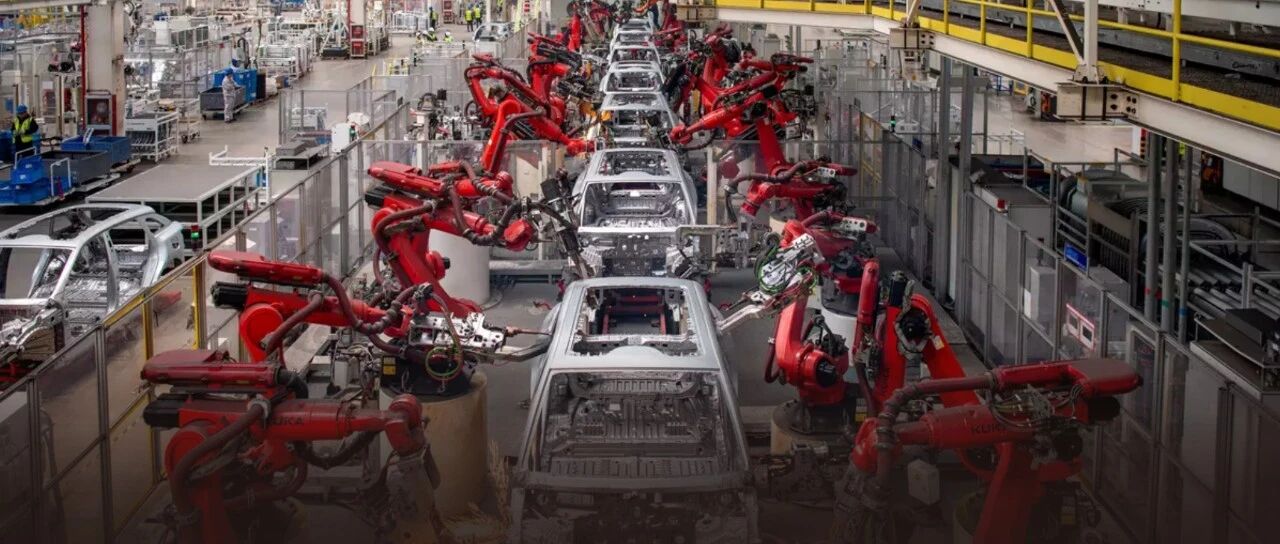
在缅甸,电动车成了“特权车”
汽车商业评论· 2026-03-05 23:04
Core Viewpoint - The article discusses the fuel supply crisis in Myanmar due to geopolitical tensions, leading to the implementation of a strict odd-even fuel rationing system for private vehicles, while electric vehicles are exempt from these restrictions [5][8][9]. Group 1: Fuel Rationing and Crisis - The Myanmar government announced a strict odd-even fuel rationing system starting March 7, 2026, limiting vehicle access based on license plate numbers [5][6]. - Electric vehicles and essential service vehicles are exempt from the rationing, allowing them unrestricted access [8][9]. - The crisis is attributed to escalating geopolitical conflicts, particularly in the Middle East, which have disrupted global oil supply chains [10][12]. Group 2: Supply Shortages and Market Reactions - Myanmar relies on imports for 90% of its fuel, and ongoing internal conflicts have weakened its energy supply chain [12][13]. - The military government claims to have sufficient reserves, with approximately 60 million gallons of gasoline and 70 million gallons of diesel, enough for about 40 days of consumption [15]. - Despite official reassurances, public anxiety is rising, with long queues at gas stations becoming common, and reports of fuel shortages spreading across the country [20][22]. Group 3: Public Sentiment and Economic Impact - Residents express concerns that the odd-even rationing will increase living costs, particularly in urban areas heavily reliant on cars [28][31]. - The policy has sparked criticism on social media, with many questioning the government's fuel reserve strategy and its impact on businesses and daily life [32][33]. - The crisis has led to a surge in black market fuel prices, with significant price increases reported in various regions [26][27]. Group 4: Cross-Border Fuel Dynamics - The fuel crisis has prompted residents near the Thai border to seek fuel across the border, causing traffic congestion and long queues at Thai gas stations [34][36]. - The Thai government is monitoring the situation, emphasizing its own fuel reserves while facing pressure from increased cross-border fuel purchases by Myanmar residents [39]. Group 5: Electric Vehicle Market Dynamics - Electric vehicle owners benefit from the crisis, as they are not subject to fuel rationing, highlighting the government's push for energy alternatives [41][43]. - The promotion of electric vehicles began in late 2022, with policies aimed at reducing fuel import dependency and encouraging local production [44][45]. - However, challenges remain, including inadequate charging infrastructure and regulatory issues that favor certain market players, potentially hindering broader adoption [46][52][55].

比亚迪发布“闪充中国”战略 计划到2026年底建成2万座闪充站
Di Yi Cai Jing· 2026-03-05 12:40
Group 1 - BYD has launched the "Flash Charge China" strategy, aiming to build a large number of flash charging stations nationwide [1] - The company plans to establish 20,000 flash charging stations by the end of 2026, which includes 18,000 "flash charging sub-stations" and 2,000 "flash charging express stations" [1] - As of March 5, BYD has already constructed 4,239 flash charging stations [1]

奇瑞星途ET5高配版涨价5000元
新华网财经· 2026-03-05 12:35
Core Viewpoint - The automotive industry is experiencing a shift as companies like Chery's high-end brand, Exeed, announce price increases in response to rising supply chain costs and a strategic focus on long-term brand value [1][2]. Group 1: Price Adjustment Details - Exeed announced a price increase for its ET5 model, with the high-end version's price rising by 5,000 yuan to 164,900 yuan [1]. - The ET5 was launched in November last year with initial prices of 144,900 yuan for the base model and 159,900 yuan for the high-end version, which included a lifetime free use of advanced driving features [1]. Group 2: Industry Context and Challenges - The price increase reflects broader industry pressures, particularly from rising costs of automotive storage chips, which have seen significant price hikes since the second half of 2025 [3]. - UBS reported a 180% increase in automotive DRAM prices over the past three months, with DDR4 and DDR5 memory prices rising by over 150% and 300%, respectively [3]. - HSBC's research indicates that the surge in prices for metals and storage chips will impose substantial cost pressures on automotive manufacturers, potentially increasing costs by 1,000 to 3,000 yuan, which could adversely affect the cost structure of electric vehicles [3].
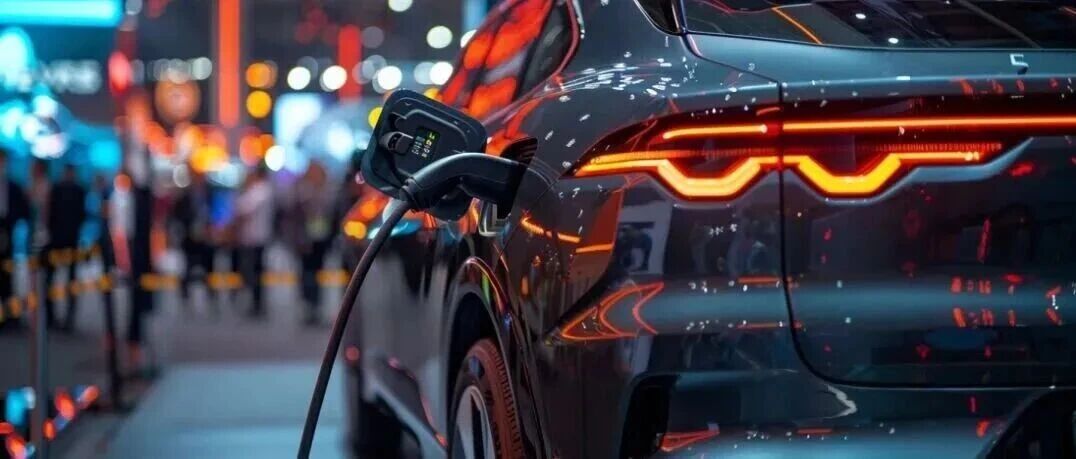
比亚迪王传福:第二代刀片电池9分钟“充饱”
第一财经· 2026-03-05 11:33
Core Viewpoint - BYD's second-generation blade battery can charge from 10% to 70% in just 5 minutes and from 10% to 97% in 9 minutes, showcasing significant advancements in charging speed [1] Group 1 - The second-generation blade battery represents a technological breakthrough in electric vehicle battery performance [1] - The rapid charging capabilities are expected to enhance the user experience and adoption of electric vehicles [1]

159辆保障用车!宇通连续22年主力护航全国两会
第一商用车网· 2026-03-05 11:05
Core Viewpoint - The article highlights the significant role of Yutong Bus in providing transportation support for the National Two Sessions, showcasing its high-quality vehicles and service capabilities, particularly the Yutong T7 model, which has been a reliable choice for high-profile events over the years [1][4][11]. Group 1: Event Participation and Vehicle Performance - Yutong Bus provided 159 vehicles for the National Two Sessions, accounting for 53% of the total, reaffirming its position as a key player in event transportation [1]. - The fleet included 84 Yutong T7 vehicles, which are recognized for their high quality and reliability, having undergone rigorous testing in extreme conditions [3][4]. - The T7 model has been the mainstay for the National Two Sessions for 11 consecutive years, demonstrating its established reputation in high-profile national events [4]. Group 2: Quality Assurance and Service Support - Yutong's commitment to quality is evident in its comprehensive service support system, which includes a dedicated team and a rapid response mechanism for any issues that may arise during the event [9][11]. - The company implemented a thorough inspection process for all vehicles, including the T7, ensuring that over 100 inspection items were checked to maintain high operational standards [9][11]. - Yutong has enhanced its after-sales support and established a robust supply chain for critical components, ensuring efficient service and maintenance during the events [11]. Group 3: Strategic Development and Future Plans - Yutong is advancing its high-end vehicle strategy with the upcoming launch of the Tianyu S12, which aims to further enhance its market position in high-end transportation [12][14]. - The dual flagship strategy, featuring both the T7 and the Tianyu S12, is designed to meet diverse high-end travel needs, reinforcing Yutong's leadership in the premium bus segment [12][14]. - The company's long-term vision aligns with the goals of the 14th Five-Year Plan, emphasizing its capability to provide world-class transportation solutions for national events and contribute to the high-quality development of China's bus industry [14].

豆包解读比亚迪3月5日发布会,真的有颠覆性技术吗?
Xin Lang Cai Jing· 2026-03-05 10:24
Core Viewpoint - The article discusses BYD's March 5th press conference, questioning whether the company has truly developed disruptive technology [1] Group 1 - BYD's press conference highlighted advancements in battery technology, specifically the "megawatt flash charging" system [1] - The company claims that this new charging technology can significantly reduce charging time, potentially transforming the electric vehicle market [1] - Analysts are skeptical about the practicality and scalability of these technologies in real-world applications [1] Group 2 - The article emphasizes the competitive landscape of the electric vehicle industry, where innovation is crucial for maintaining market share [1] - BYD's focus on technological advancements is seen as a strategic move to differentiate itself from competitors [1] - The potential impact of these technologies on consumer adoption and market dynamics is discussed, indicating a need for further evaluation [1]

狂降27万!宝马神车伤透3亿中产
商业洞察· 2026-03-05 09:18
Core Viewpoint - The luxury car market, particularly for brands like BMW, is experiencing significant challenges, including price cuts and declining sales, indicating a shift in consumer preferences and market dynamics [5][9][21]. Group 1: BMW's Market Performance - BMW has adjusted the suggested retail prices for 31 models, with 24 models seeing price cuts exceeding 10% and some over 20%, including a maximum reduction of 301,000 yuan for the i7 M70L [7]. - In 2025, BMW's global deliveries reached 2,463,715 units, a slight increase of 0.5%, but in China, deliveries fell to 625,527 units, a decline of 12.5% [9]. - This marks the second consecutive year of declining sales in China, with a total drop of approximately 200,000 units compared to the peak of 825,000 units in 2023 [11]. Group 2: Competitive Landscape - The Chinese luxury car market is highly competitive, with brands like Audi and domestic manufacturers gaining ground, leading to BMW losing its market share in key segments [12][13]. - BMW's core models, such as the 5 Series and X5, have seen significant drops in sales, with the 5 Series selling fewer than 8,000 units and the X5 around 5,000 units [12]. - The decline in sales has resulted in over 50 BMW dealerships closing or losing authorization, indicating a severe impact on the dealership network [14]. Group 3: Price Wars and Brand Perception - The luxury car segment is facing a price war, with brands like Mercedes and Audi also slashing prices to maintain market share, which could harm their brand image [22][21]. - The drastic price reductions have led to concerns about the perception of luxury brands, as consumers may associate lower prices with diminished quality [22][19]. - The overall decline in the luxury car market is reflected in the sales figures for major brands, with Mercedes, BMW, and Audi experiencing significant year-over-year declines [19]. Group 4: Transition to Electric Vehicles - The luxury car manufacturers are under pressure to transition to electric vehicles, but many are struggling to adapt, with some brands retracting previous commitments to phase out internal combustion engines [30][31]. - BMW is attempting to accelerate its electric vehicle offerings, such as the iX3, and is engaging in partnerships to enhance its technological capabilities [34][32]. - The future success of these brands will depend on their ability to innovate and meet changing consumer expectations in a rapidly evolving market [35].


【快讯】每日快讯(2026年3月5日)
乘联分会· 2026-03-05 08:36
Domestic News - China has implemented a new regulation that mandates a "forced exit" for approximately 10% of electric vehicle models that do not meet energy consumption standards, marking it as the first country to set a mandatory limit on electric vehicle energy consumption [5] - During the 2026 Spring Festival, the total charging volume for new energy vehicles in Guangxi reached 49.93 million kilowatt-hours, an increase of 693 million kilowatt-hours compared to the previous year, setting a new record for the holiday [6] - A total of 84 green electricity direct connection projects have been approved nationwide, with a total installed capacity of 32.59 million kilowatts, aimed at improving the efficiency of renewable energy utilization [7] - Honda plans to export electric vehicles produced in China back to the Japanese market, with the first models expected to launch in Spring 2026 [8] - Huawei has released a new generation of dual-light-path image laser radar, which is claimed to be the highest specification laser radar in mass production globally, enhancing perception capabilities significantly [9] - Youka Technology has partnered with the autonomous driving platform Xiangdao Travel to provide key connectivity support for its Robotaxi project, enhancing commercial viability [10] - The first hydrogen production and refueling integrated station in Guangyuan has been completed, marking a significant step in the region's energy supply diversification [11] - Junsheng Electronics has formed a strategic partnership with Enli Power to develop energy system solutions that integrate battery cells, BMS, and data services [12] International News - In Canada, new car sales in February saw a slight decline of 0.2%, with an estimated 122,000 units sold, indicating a stable automotive market [14] - The UK experienced a 3.6% year-on-year increase in new car sales in February, reaching 83,377 units [15] - Mercedes-Benz plans to launch 11 new models in India in 2026, aiming to enhance its luxury product line and meet growing demand [16] - Ford's CEO highlighted that software poses the greatest challenge in the automotive industry, potentially impacting the industry on a scale ten times greater than electric vehicle competition [17][18]