
餐饮服务

Search documents
进军“平价寿司” 海底捞版图再扩容
Bei Jing Shang Bao· 2025-10-22 12:05
Core Insights - Haidilao has entered the sushi market with its new brand "Rushi Sushi," offering over 200 affordable dishes, primarily priced at 9.9 yuan and 15 yuan, indicating a strategic move to diversify its offerings beyond hot pot [1][3][4] Group 1: Market Entry and Strategy - The sushi market has seen significant growth in recent years, with international chains expanding rapidly in China, making Haidilao's entry into this sector a logical step [1][7] - Rushi Sushi's pricing strategy aligns with popular sushi brands, focusing on high quality at affordable prices, with a menu that includes sushi, sashimi, noodles, and desserts [3][5] - The "Red Pomegranate Plan" initiated by Haidilao aims to incubate and develop new restaurant brands, leading to a richer brand portfolio and new growth avenues [4][5] Group 2: Brand Development and Performance - Since the implementation of the "Red Pomegranate Plan," Haidilao has expanded its brand matrix to 14 second brands, with "other restaurant revenue" increasing by 227% year-on-year, highlighting the success of this diversification strategy [5][8] - The introduction of Rushi Sushi is part of a broader trend where Haidilao is exploring various culinary categories, including hot pot, grilled meat, and now sushi, to mitigate competition in the hot pot sector [8][10] Group 3: Operational Challenges and Market Dynamics - The sushi segment is characterized by high competition and market potential, with over 23,000 sushi outlets in China, but it also faces challenges such as product homogeneity and a lack of innovation [8][9] - Haidilao must navigate significant operational differences between hot pot and sushi, particularly in supply chain management and customer expectations regarding freshness and quality [9][10] - Balancing the core hot pot business with new ventures like sushi requires careful management of supply chains, cost structures, and brand positioning to ensure sustainable growth [10]


吃预制菜有阴影?叶国富谈西贝事件:我顶罗永浩,他贡献很大
新浪财经· 2025-10-22 11:05
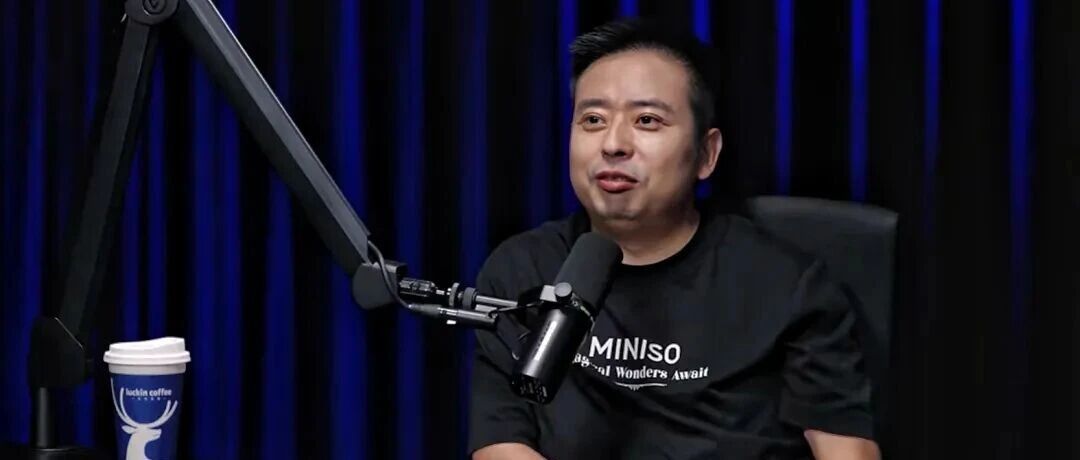
Core Viewpoint - The dialogue between Luo Yonghao and Ye Guofu emphasizes the importance of product quality over the online and offline retail debate, highlighting that good products will sell well regardless of the sales channel [3][6][7]. Group 1: Views on E-commerce and Retail - Ye Guofu believes that the concept of online versus offline retail should be abandoned, focusing instead on the essence of the product. He cites that Miniso's in-store conversion rate is 30%, which is significantly higher than typical e-commerce conversion rates [3][7]. - He recalls that Miniso achieved a revenue of 10 billion in just five years, faster than Alibaba's growth to the same figure, and emphasizes the importance of product quality in driving sales [6][7]. - Ye Guofu acknowledges the rapid growth of e-commerce but insists that retailers must find their own development model, with Miniso successfully balancing both online and offline sales [7]. Group 2: Franchise and Marketing Strategy - Miniso opened its first franchise just three months after its establishment, with Ye Guofu stating that the stores serve as the best advertisement, attracting potential franchisees due to their success [9][10]. - He mentions that franchisees enjoy a gross profit margin of 38%, and the flagship store in Shanghai generated 100 million in nine months, demonstrating the effectiveness of the franchise model without spending on advertising [9][10]. Group 3: IP and Cultural Transformation - Ye Guofu reveals that Miniso has collaborated with over 150 IPs since 2016 and is undergoing a transformation from a retail company to a cultural and creative company, aiming to meet the growing spiritual needs of consumers [10][11]. - He emphasizes the importance of exporting both technology and culture for China's future, aiming to take 100 Chinese IPs global in the next decade [10][11]. Group 4: Views on Industry Collaborations - Ye Guofu expresses strong support for Luo Yonghao's approach to improving the dining experience, advocating for freshly prepared food over pre-packaged options, which he believes consumers are increasingly rejecting [12][14]. - He discusses the collaboration with Yu Donglai, stating that it is a selfless effort to help Yonghui Supermarket improve without any financial gain, highlighting the importance of product quality in retail [15][16]. Group 5: Admiration for Contemporary Entrepreneurs - Ye Guofu identifies three contemporary Chinese entrepreneurs he admires: Ren Zhengfei, Ning Gaoning, and Yu Donglai, praising their contributions to the industry and their unique business philosophies [18].

吃预制菜有阴影?叶国富谈西贝事件:我顶罗永浩,他贡献很大
Xin Lang Cai Jing· 2025-10-22 10:54
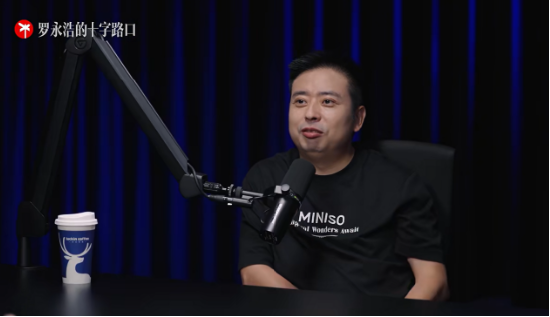
Core Viewpoint - The dialogue with Ye Guofu emphasizes the importance of product quality over the online-offline retail debate, highlighting that good products will sell well regardless of the sales channel [2][4]. Group 1: Ye Guofu's Views on Retail - Ye Guofu believes that the concept of online versus offline retail should be abandoned, advocating for a focus on product quality [4]. - He cites that Miniso's in-store conversion rate is 30%, significantly higher than typical e-commerce rates, demonstrating the effectiveness of physical retail [5]. - Ye Guofu expresses a strong preference for offline retail, stating that 90% of Miniso's sales come from physical stores, with only 10% from online [3]. Group 2: Miniso's Business Model and Growth - Miniso achieved a revenue milestone of 10 billion in just five years, faster than Alibaba's growth to the same figure [5]. - The company opened over 1,000 stores in peak years, showcasing rapid expansion [5]. - Ye Guofu emphasizes that successful franchises do not require advertising, as the stores themselves serve as effective marketing tools [6]. Group 3: Collaboration and Industry Insights - Ye Guofu discusses the collaboration with Yu Donglai, highlighting that it is a selfless effort to help Yonghui Supermarket improve without any financial gain [9]. - He notes that the transformation of Yonghui's stores, referred to as "Fat Transformation Stores," is a trend among various supermarket brands aiming for quality retail [10]. - Ye Guofu admires Yu Donglai for his altruistic approach and considers him a unique figure in the business world [11]. Group 4: Future Directions and Cultural Aspirations - Miniso is transitioning from a retail company to a cultural and creative enterprise, aiming to meet the growing spiritual needs of consumers as material needs become saturated [7]. - Ye Guofu plans to help 100 Chinese IPs go global in the next decade, indicating a strategic shift towards cultural exports [7]. - He believes that the future of China's economy relies on both technological and cultural advancements, moving beyond traditional retail models [7].
北京市石景山区市场监督管理局关于2025年食品安全监督抽检信息的公告(2025年第18期)
Zhong Guo Zhi Liang Xin Wen Wang· 2025-10-22 03:30
Overall Situation - A total of 24 batches of edible agricultural products were sampled, with 16 batches passing inspection and 8 batches failing [2]. Non-compliant Samples - The following non-compliant samples were identified: 1. Sweet potatoes from Beijing Jinxiu Haiyan Trading Co., Ltd. contained chlorpyrifos exceeding national food safety standards [3]. 2. Chili peppers from Ningbo Guagua Agricultural Technology Co., Ltd. contained thiamethoxam exceeding national food safety standards [3]. 3. Eggs from Beijing Xiaoyi Online Technology Co., Ltd. contained doxycycline and methoxyfenozide exceeding national food safety standards [3]. 4. Oil wheat from Beijing Lengxiaoxiang Vegetable Store contained abamectin exceeding national food safety standards [4]. 5. Ginger from Ningbo Guagua Agricultural Technology Co., Ltd. contained thiamethoxam exceeding national food safety standards [4]. 6. Oil wheat from Beijing Dadi Yangzi Trading Center contained abamectin exceeding national food safety standards [4]. 7. Chicken from Hanmeng (Beijing) Catering Co., Ltd. contained volatile basic nitrogen exceeding national food safety standards [4]. 8. Green onions from Beijing Longsheng Tiancai Trading Co., Ltd. contained thiamethoxam exceeding national food safety standards [4]. Regulatory Actions - The local food safety regulatory authorities have been instructed to conduct investigations into the non-compliant food products. Reports of non-compliance have been communicated to the relevant food safety regulatory departments in other provinces for those products produced outside the jurisdiction [4].
北京“夏安”行动收官:处置问题餐饮单位333家
Bei Jing Shang Bao· 2025-10-21 15:28
历时4个月的北京市市场监管局"夏安"专项行动圆满落幕。10月21日,北京商报记者从北京市市场监管 局"夏安"专项行动工作成果新闻发布会上了解到,此次夏季餐饮食品安全的专项治理,通过"自查自 纠、靶向监管、社会共治"的多维模式,累计检查餐饮服务单位1.2万余家,开展食品抽检监测2.3万批 次,以精准施策规范市场秩序,为首都餐饮行业高质量发展筑牢安全根基。线下检查中,结合制售假劣 肉制品等专项整治,重点核查企业进货渠道、索证索票、原料储存等关键环节,累计处置问题餐饮单位 333家;立案查处肉类掺杂掺假违法行为144起,查处过期食品、"两超一非"等违法案件510起,以严格 执法震慑违法经营行为。 烧烤消费杜绝食材"擦边球" 提振消费市场信心 "开门搞监管"的社会共治模式,让食品安全监管从"政府独奏"变为"社会合唱",为餐饮消费市场注入信 心。"你点我检服务惠民生"活动成为重要载体,邀请市民、媒体参与烤串、凉皮等热门品类抽检,2.3 万批次抽检结果实时公示,其中检出的282批次不合格食品已全部处置。对抽检发现的不合格食品,已 及时采取风险控制措施,并依法予以调查处理。 针对连锁餐饮与集中用餐单位等关键主体,监管部门进 ...
秋启新章!潘多拉饮食集团两大新项目双双盛大开业
Jin Tou Wang· 2025-10-21 07:43
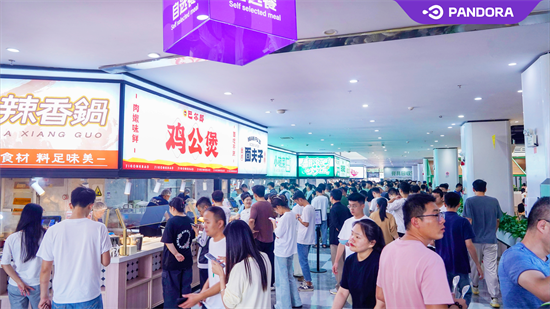
Core Insights - Pandora Dining Group has opened two new restaurants in Shandong Weifang and Beijing, enhancing its presence in key innovation and digital hubs [1][8] - The Weifang restaurant, located in the Goertek Optoelectronics Park, spans over 4,000 square meters and can accommodate over 2,000 diners, offering a diverse menu to cater to various tastes [3][5] - The Beijing restaurant in the Meituan Wangjing Digital Park covers 3,155 square meters and serves over 900 diners, featuring multiple dining lines and flavor stalls [5][8] Weifang Goertek Project - The Weifang Goertek restaurant is designed as a "food energy station" for tech talent, providing convenient dining options within the innovation park [1][8] - The restaurant includes various food stalls, such as tea-scented chicken, self-service noodles, and handmade dumplings, ensuring quick access to meals for employees [3][5] Beijing Meituan Project - The Beijing Meituan restaurant serves as a "flavor gathering place" for internet professionals, aligning with Meituan's strategy of integrating retail and technology [1][8] - It features four dining lines and eight flavor stalls, offering a wide range of culinary experiences from spicy to classic Cantonese dishes [5][8] Company Expansion and Philosophy - The openings mark a significant expansion for Pandora Dining Group, which currently operates nearly 100 projects domestically and internationally across various sectors [8] - The company emphasizes food safety and quality, aiming to create a comfortable dining environment that feels like home for customers [8]


烤肉店用玉米当燃料,公众为何很敏感
Xin Jing Bao· 2025-10-21 06:43
Core Viewpoint - The use of corn as fuel by barbecue restaurants has sparked controversy, highlighting public sensitivity towards food security and resource allocation [1][2][3] Group 1: Industry Practices - A barbecue restaurant in Yantai, Shandong, claims to use corn as fuel, stating that some corn is sourced from local farmers, which they believe helps farmers rather than wasting resources [1] - Similar practices have been reported in other regions, such as a restaurant in Shenyang, Liaoning, which also used corn for grilling, indicating a trend in the industry [1] - The restaurant's management argues that using corn results in a softer fire and less smoke, enhancing the flavor of the meat, and they assert that the price paid for corn is not below market rates [2] Group 2: Policy and Regulation - National policies have shifted from promoting the moderate development of corn-based fuel ethanol to strictly controlling its use, as outlined in the 2022 Central Document No. 1 [2] - This policy change aims to balance corn production and sales while ensuring food security, reflecting a broader regulatory approach to the industrial use of corn [2] Group 3: Public Sentiment and Ethical Considerations - The traditional view holds that food should be used in ways that align with social ethics, and using corn as fuel may contradict values of resource conservation and respect for nature [3] - Public reactions to such practices indicate a strong concern for the rational use of resources and food security, suggesting that any potential waste should be approached with caution [3] - The controversy surrounding the use of corn as fuel could prompt a reevaluation of the diverse values and sustainable utilization paths for food resources [3]
永州市冷水滩区早膳来粉铺(个体工商户)成立 注册资本5万人民币
Sou Hu Cai Jing· 2025-10-21 06:30
Core Viewpoint - A new individual business named "Early Breakfast Noodle Shop" has been established in Lengshuijiang District, Yongzhou City, with a registered capital of 50,000 RMB, focusing on food sales and small catering services [1] Company Summary - The legal representative of the newly established business is Xiang Xianjun [1] - The business is authorized to operate in licensed projects including small catering, food sales, and alcohol sales, subject to approval from relevant authorities [1] - The general business scope includes the sale of pre-packaged food [1]
北京“夏安”行动收官 查处过期食品、“两超一非”等违法案件510起
Bei Jing Shang Bao· 2025-10-21 05:56
靶向监管"零死角" 净化市场竞争环境 以问题为导向的精准监管,成为规范餐饮市场秩序的重要抓手。北京市市场监管局聚焦烧烤店、网红餐厅、网络平台等风险高发领域,打出"线下排查 +线上监测+专项抽检"的组合拳,构建全维度监管网络。 历时4个月的北京市市场监管局"夏安"专项行动圆满落幕。10月21日,北京商报记者从北京市市场监管局"夏安"专项行动工作成果新闻发布会上了解到, 此次夏季餐饮食品安全的专项治理,通过"自查自纠、靶向监管、社会共治"的多维模式,累计检查餐饮服务单位1.2万余家,开展食品抽检监测2.3万批 次,以精准施策规范市场秩序,为首都餐饮行业高质量发展筑牢安全根基。 自查"标准化" 压实企业主体责任 夏季烧烤、凉菜等品类消费激增带来的食品安全风险,成为行业监管的重点。此次行动中,北京市市场监管局从源头发力,通过政策指引推动企业从"被 动监管"转向"主动防控",为餐饮行业合规经营划定清晰标准。 本次夏季食品抽检工作精准锚定两大核心方向。一方面,依托"你点我检 服务惠民生"活动广泛收集消费诉求,累计征集消费者"扫码点单"1.9万人次,监 管部门据此将畜禽肉、水果干制品、鲜蛋、食用油、调味品、水产品等群众关注 ...
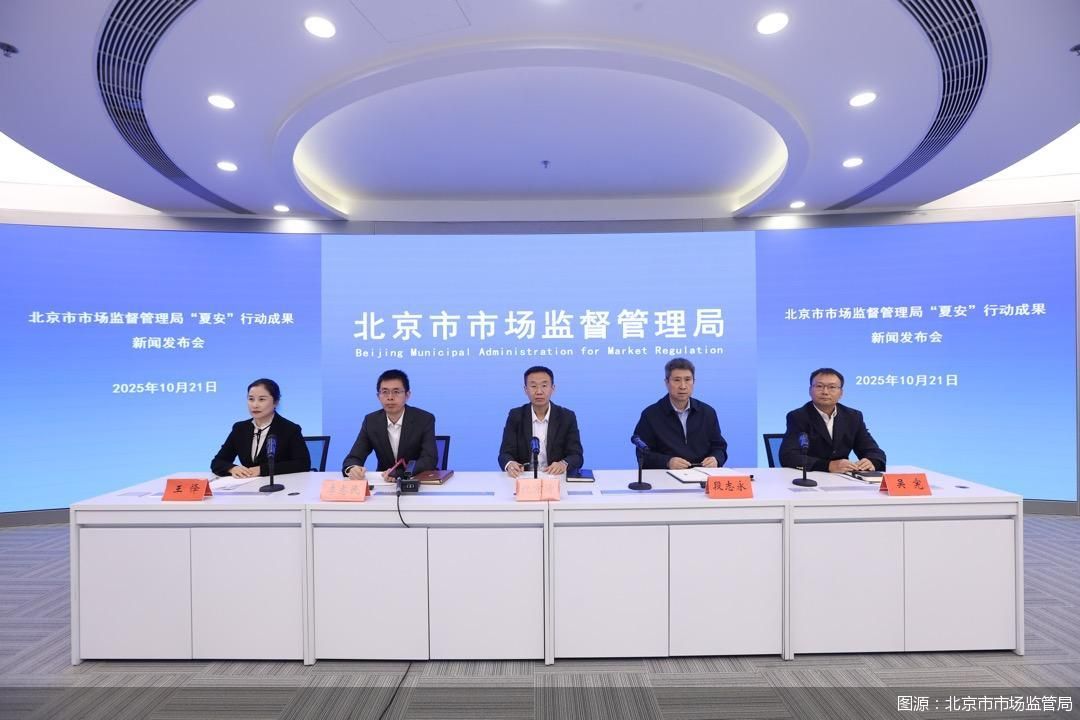
北京“夏安”行动收官,333家餐饮服务单位被依法处置
Xin Jing Bao· 2025-10-21 04:06
聚焦风险源头,推动企业从"被动受查"转向"主动管理",是本次行动的重要方向。北京市市场监管局针 对性发布《餐饮服务单位夏季食品安全自查要点提示》《经营烧烤的餐饮服务单位肉类采购和使用提 示》等指引文件,从从业人员健康管理、后厨环境卫生、食材采购溯源等环节为企业划出"安全红线"。 例如,凉菜间须规范佩戴口罩、消毒液须按标准配制,烧烤类食材须明示真实成分、杜绝"名称擦边 球"。 查处"原切""零添加"等虚假宣传10起 针对连锁餐饮与集中用餐单位,市场监管部门实施精准指导,组织召开连锁企业行政指导会,推动品牌 总部开展全链条自查;同时开展3期食堂负责人培训,覆盖学校、企业等重点单位,强化集体用餐风险 防控。 在监管层面,行动突出"线上线下(300959)联动、智慧监测赋能"。线下以烧烤店、网红餐厅等为重 点,严查肉类真假、储存条件及标签真实性;线上则运用大数据对"原切""零添加"等宣传语开展监测, 累计筛查店铺109家、商品345件,实施网络抽检68批次,查处虚假宣传行为10起,形成"监测-筛查-抽 检-执法"管理闭环。 历时四个月,覆盖1.2万余家餐饮单位,完成2.3万批次食品抽检——10月21日,在北京市市场监 ...