玩具

Search documents
一批重要国家标准发布 涉及家电、交通、养老服务等
Yang Shi Wang· 2025-10-10 03:13
Group 1: Elderly and Child Care - The release of national standards for elderly care institutions specifically addresses the care of elderly individuals with cognitive impairments, providing systematic guidance on service assurance, content, and processes [1] - Seven national standards related to toy safety, children's care products, and children's cycling safety have been published to ensure the safety of children's products [1] - A national standard for baby food processors has been established to enhance product quality and safety, guiding enterprises in production and providing a scientific basis for government supervision [1] Group 2: Daily Life Standards - National standards for the quality evaluation of rice and cooking methods have been released to meet the public's demand for high-quality rice [1] - Twenty-two national standards have been published for household appliances, focusing on design, user experience, and recycling, aimed at improving product requirements [1] - Seven national standards related to public safety and emergency management have been introduced to enhance public disaster prevention and self-rescue capabilities [1] Group 3: Manufacturing and Energy - Twenty-one national standards have been released to support the transportation equipment industry, including vehicle stability testing and safety requirements for hazardous goods transport [2] - Forty-nine national standards have been established to support the high-quality development of traditional energy, including oil product color measurement and natural gas metering system performance evaluation [2] - Six national standards for the aerospace industry have been published to enhance the level of civil aviation [2] Group 4: Emerging Fields - Twenty-eight national standards have been introduced for smart interconnectivity, digital twins, robotics, and the Internet of Things, promoting the healthy development of cutting-edge technologies [2] - Forty-four national standards have been released to support the aerospace and communication industries, including standards for space environments and optical fibers [2] - Four national standards for urban sustainable development have been published to guide healthy and orderly urban construction [2] Group 5: Service Industry - A national standard for agricultural product wholesale market service technology has been released to enhance service clarity and upgrade the agricultural circulation industry [3] - Fourteen national standards related to consumer rights protection and service quality improvement have been published, including guidelines for after-sales service and shopping environments [3] - Two standards for driver training institutions and training grounds have been introduced to optimize training requirements and facilities [3] Group 6: Additional Standards - National standards have also been published in areas such as agriculture and rural development, equipment energy efficiency, and chemical management [4]
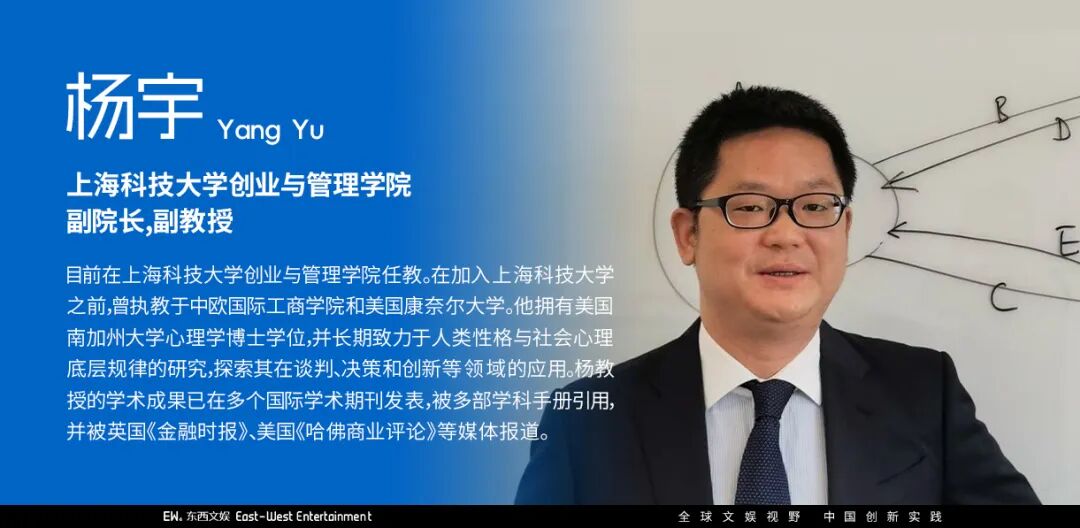
杨宇教授访谈录:哪些心理机制,在催生“AI玩具”消费?
3 6 Ke· 2025-10-10 01:28
Group 1 - The article discusses the evolution of the toy industry in China, highlighting the emergence of "trendy toys" as a specialized term in various sectors, including regulation, industry, consumption, and academia [1][2] - The psychological aspects of consumer behavior towards trendy toys are explored, emphasizing the connection between childhood experiences and adult purchasing decisions [1] - The article identifies different roles in the market, such as leaders, followers, newcomers, and disruptors, and examines how these roles resonate with consumer needs [2][3] Group 2 - The integration of AI with trendy toys is a significant trend, with various stakeholders exploring the commercial and product development aspects [2][3] - The article features an interview with Professor Yang Yu, who discusses the psychological implications of AI in toys and the importance of balancing technology with user experience [3][5] - The potential for AI toys to provide a more personalized and engaging experience compared to traditional gaming and mobile applications is highlighted [6][7] Group 3 - The combination of established intellectual properties (IPs) with AI technology is seen as a way to enhance emotional connections and trust among consumers [8][9] - The article discusses how IPs can inject personality and narrative into AI toys, thereby extending their commercial lifespan and creating new engagement opportunities [9][10] - The risks associated with the commercialization of IPs in AI toys, including consumer disappointment and the potential for over-commercialization, are also addressed [10][11] Group 4 - The article raises questions about the appropriateness of making AI toys overly intelligent or anthropomorphic, suggesting that a balanced approach is crucial for user engagement [12][14] - The concept of the "Uncanny Valley" is introduced, indicating that overly realistic AI toys may evoke discomfort among users [13][14] - The importance of fostering creativity and independent thinking in children through AI toys is emphasized, advocating for a design that encourages exploration rather than providing all the answers [12][14] Group 5 - The article discusses the potential risks associated with AI's self-iterative capabilities, particularly concerning content generation and the spread of harmful information [15][16] - It highlights the need for proactive design and regulation to mitigate these risks, emphasizing that these challenges are inherent to AI technology itself [15][16] - The concept of a "critical point" in the evolution of AI and trendy toys is explored, suggesting that user expectations will evolve over time [16][17] Group 6 - The current market for AI toys is characterized by rapid growth and significant investment, with many companies experiencing substantial increases in valuation [22][23] - The article points out existing challenges, such as high return rates and customer complaints, indicating that the market is still in a phase of exploration and adjustment [22][23] - It questions whether the focus should be on enhancing emotional value in toys rather than merely adding AI functionalities, suggesting a need for a deeper understanding of consumer psychology [22][23]

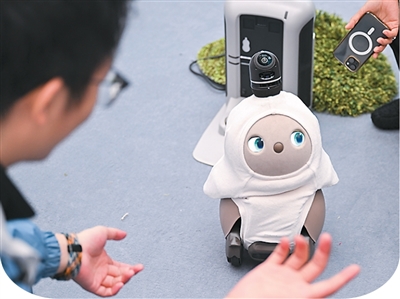
需要陪伴?AI玩具来了
Ren Min Ri Bao Hai Wai Ban· 2025-10-09 23:00
Core Viewpoint - The rise of AI toys is transforming the toy industry, providing new opportunities for growth and innovation, particularly in Guangdong Province, which is a major hub for toy manufacturing and exports [12][17]. Industry Overview - AI toys integrate artificial intelligence with traditional toys, enabling intelligent interaction and personalized experiences for users [12][14]. - The market for AI toys is rapidly expanding, with sales increasing sixfold in the first half of 2025 compared to the previous period, and a year-on-year growth rate exceeding 200% [12][17]. Consumer Demographics - Children are the primary consumers of AI toys, with products designed to engage and educate them through interactive features [13][14]. - There is a growing market for AI toys targeting adult consumers, providing emotional companionship and entertainment [14][15]. Technological Advancements - AI toys utilize technologies such as deep learning, natural language processing, and emotional computing to enhance user interaction [12][15]. - Companies are developing advanced features like emotional recognition and personalized learning experiences tailored to individual users [14][15]. Market Potential - The toy industry in Guangdong Province is projected to expand significantly, with the potential to generate over 100 billion yuan in additional value through AI applications [17]. - The total output value of the toy industry in Guangdong could exceed 300 billion yuan, driven by the integration of AI technologies [17]. Production and Innovation - The production of AI toys requires higher standards and has led to the transformation of related industries, enhancing innovation capabilities [17][18]. - Companies are focusing on developing standardized AI modules to facilitate the integration of intelligence into traditional toy products [18]. Marketing Strategies - The marketing approach for AI toys differs from traditional toys, emphasizing the provision of ongoing valuable content and services to enhance customer loyalty and product value [18].
小玩偶里的匠心巧思
Ren Min Ri Bao· 2025-10-09 22:22
前段时间,浙江杭州之江文化中心,浪浪山小妖怪主题展吸引了许多市民前来拍照打卡。冰箱贴、帆布 袋、毛绒玩具……各种周边产品让人目不暇接,消费者络绎不绝。 "店里浪浪山IP的毛绒玩偶很可爱,热度最高,供不应求。"店员介绍,该系列玩偶由电影出品方之 一"上影元"与杭州问童子文化创意有限公司联合推出。 不少观众被动画电影《浪浪山小妖怪》中的4个"无名小妖怪"圈粉。浪浪山小妖怪系列文创,是问童子 第一次跟电影IP合作,这也与创始人沈泽的理念不谋而合——基于中华优秀传统文化开发产品。合作达 成后,团队很快全力以赴投入开发。经过4个月的设计,打造出了每个"小妖怪"的外形和性格特征。 问童子企业总部的墙上,一张小猪妖打版图被细分成43片部件。通过精细的结构分割、手工缝制和填 充,手感上佳的小猪妖玩偶得以诞生。"动画片是2D的,毛绒玩偶形象是立体的。因此从视觉结构到触 觉,几只小妖怪的毛发质感、服饰设计、材料、厚度都得反复考量。"沈泽拿起一只猩猩怪玩偶说。 一针一线,一步一履,恰是团队这些年来的缩影。近几年,毛绒玩具成为玩具行业中的热门赛道。2010 年成立,2019年转型进军高端布艺毛绒玩具领域,问童子坚持用产品设计、工艺质 ...
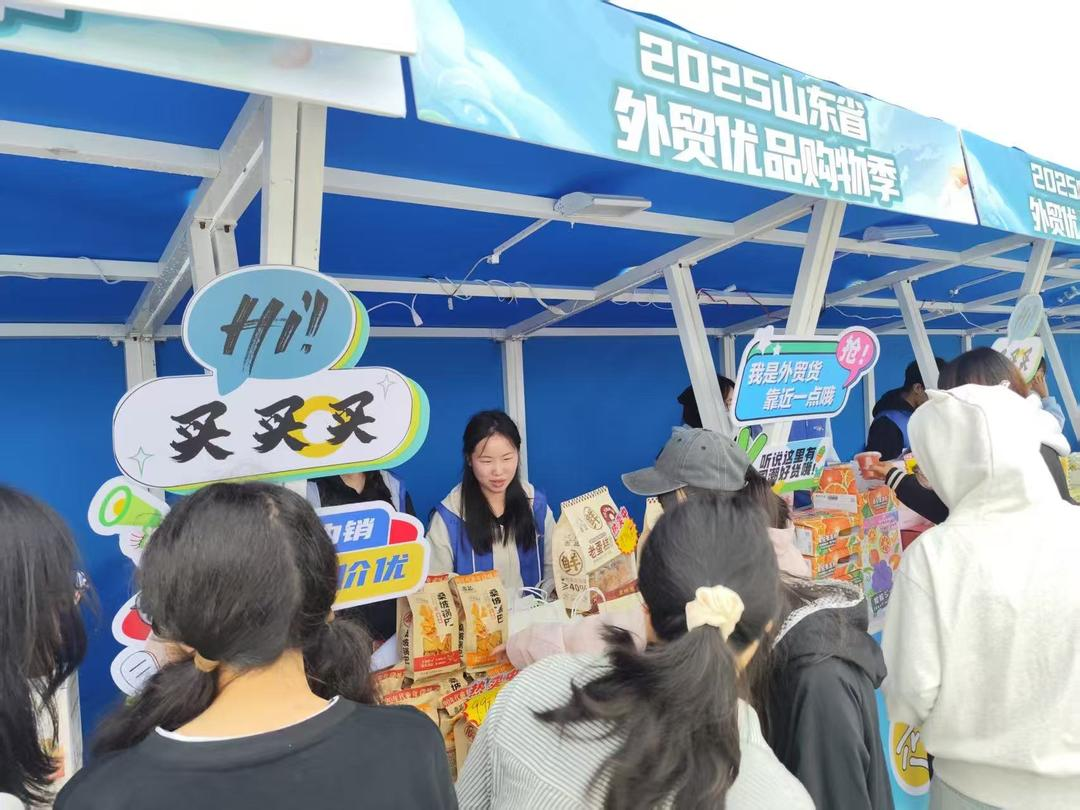
商务发布|“外贸优品进景区”活动走进沂山风景区
Qi Lu Wan Bao· 2025-10-09 08:30
Core Insights - The "Foreign Trade Quality Products Enter Scenic Areas" event was successfully held in Weifang, Shandong Province, showcasing over 500 foreign trade products from more than 60 quality foreign trade enterprises [1][3] - The event aimed to integrate commerce and tourism, allowing visitors to shop for high-quality foreign goods while enjoying the scenic area [3] Group 1: Event Overview - The event took place from October 2 to 3 at the Dongmen Square of Yishan Scenic Area, featuring a variety of products including home appliances, cosmetics, crafts, and specialty foods [1][3] - A special exhibition area for foreign trade products was set up in the core area of the 5A scenic spot, highlighting star products exported to Europe, America, Japan, and South Korea [3] Group 2: Visitor Experience - Tourists were able to purchase foreign trade goods that align with international market trends, enhancing their experience of "shopping anytime while touring" [3] - Feedback from visitors indicated a positive reception, with one tourist expressing surprise at the availability of high-quality foreign goods at reasonable prices [3] Group 3: Future Plans - The first "Foreign Trade Quality Products" store opened at Huanlian Night Market, introducing hundreds of quality foreign trade products into the nighttime consumption scene [3] - The Shandong Provincial Department of Commerce plans to continue expanding the integration of commerce and tourism by leveraging more quality scenic resources, including Mount Tai and Qufu [3]
群兴玩具9月30日获融资买入1303.23万元,融资余额1.86亿元
Xin Lang Zheng Quan· 2025-10-09 01:26
Group 1 - The core viewpoint of the news highlights the trading performance and financial metrics of Qunxing Toys, indicating a slight increase in stock price and a notable decrease in net financing buy [1] - As of September 30, Qunxing Toys' financing balance is 186 million yuan, accounting for 3.91% of its market capitalization, which is below the 50th percentile level over the past year, indicating a low financing level [1] - The company has not engaged in any short selling activities on September 30, with a short selling balance of 0, which is at a high level compared to the 90th percentile over the past year [1] Group 2 - As of June 30, the number of shareholders for Qunxing Toys is 37,400, a decrease of 12.04% from the previous period, while the average circulating shares per person increased by 16.21% to 15,825 shares [2] - For the first half of 2025, Qunxing Toys reported a revenue of 176 million yuan, representing a year-on-year growth of 38.40%, but the net profit attributable to the parent company was a loss of 17.06 million yuan, a significant decrease of 158.63% compared to the previous year [2] - Since its A-share listing, Qunxing Toys has distributed a total of 60.21 million yuan in dividends, with no dividends paid in the last three years [3]

美媒:人工智能玩具风靡中国
Huan Qiu Wang Zi Xun· 2025-10-08 23:18
Core Insights - The trend of AI toys is rapidly growing in China, with over 1,500 AI toy companies expected to operate by the end of 2024, and the global market for AI toys projected to exceed 100 billion RMB by 2030, outpacing other consumer AI sectors [1][2] - New products like BubblePal, an AI toy pendant, have gained popularity, selling 200,000 units since its launch last summer, showcasing the integration of voice assistants in children's toys [1] - Companies like FoloToy are innovating by allowing parents to customize AI toys to mimic their voices, with sales projections indicating a significant increase in demand [2] Industry Trends - The AI toy market in China is built on decades of experience in designing consumer electronics for children, with a mature market for educational electronic products [2] - Competition is intensifying as American companies, such as Mattel, collaborate with AI firms like OpenAI to introduce conversational AI into established toy brands [2] - Chinese AI toy companies are expanding their reach internationally, with products like BubblePal already available in the US, Canada, and the UK, and FoloToy selling in over 10 countries [2] Consumer Feedback - Reviews from Chinese parents regarding AI toys are mixed, with some praising the innovation while others report functionality issues that lead to decreased interest from children [3]
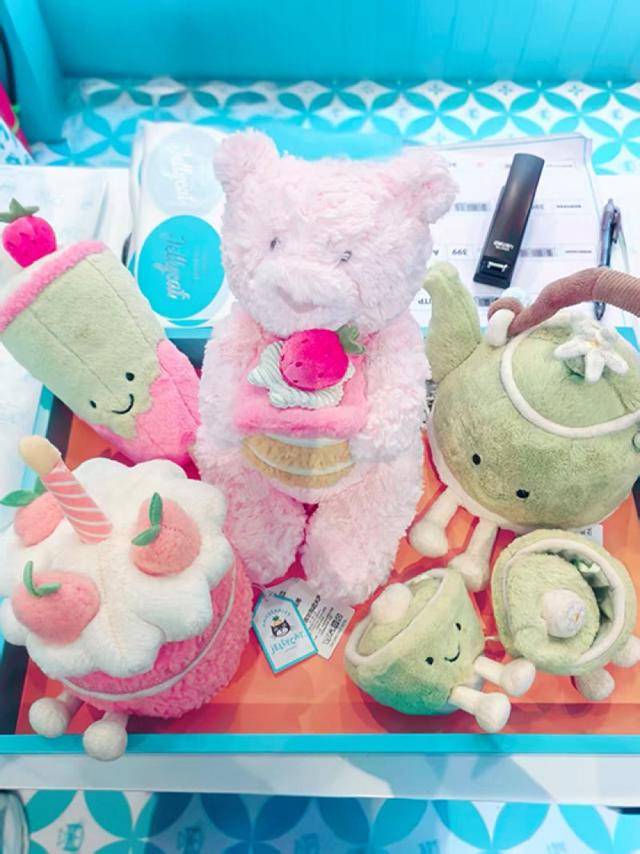
3000元扫货、均价超百元仍疯抢!Jellycat凭情绪价值拿捏全龄段钱包|华夏双节观察
Sou Hu Cai Jing· 2025-10-08 12:03
Core Insights - The article highlights the transformation in consumer behavior, emphasizing the growing importance of emotional and experiential value in purchasing decisions [4][12][17] - The popularity of Jellycat, a high-end plush toy brand, reflects this trend, as consumers are increasingly willing to queue for products that offer emotional connections and unique experiences [5][14][15] Consumer Behavior Trends - Consumers are prioritizing emotional value and experiential aspects over mere functionality when making purchases, as seen in the long queues for Jellycat's limited edition plush toys [4][12] - The phenomenon of queuing for products signifies a shift towards valuing the emotional significance and shopping experience, rather than just the product itself [4][12][17] Jellycat Brand Insights - Jellycat's global sales were estimated at approximately £150 million in 2022, with projections suggesting sales could exceed £200 million (around 18-20 billion RMB) by 2024 [14] - The brand's success is attributed to its innovative anthropomorphism in design, which resonates emotionally with consumers, particularly adults [14][15] Emotional Consumption - The article discusses how consumers view plush toys as companions that provide emotional comfort, reflecting a broader trend of seeking emotional solace through purchases [5][12][17] - The interactive experiences offered in stores, such as virtual dessert decoration, enhance the emotional connection consumers feel towards the products, making the shopping experience more memorable [10][12] Market Implications - The shift towards emotional and experiential consumption indicates that businesses must focus on unique experiences and emotional design to meet the evolving demands of consumers [17] - As consumers increasingly seek products that offer emotional fulfillment, companies like Jellycat are positioned to thrive by catering to these desires [14][17]
美股三大指数涨跌不一,标普纳指再创收盘新高
Feng Huang Wang· 2025-10-06 23:23
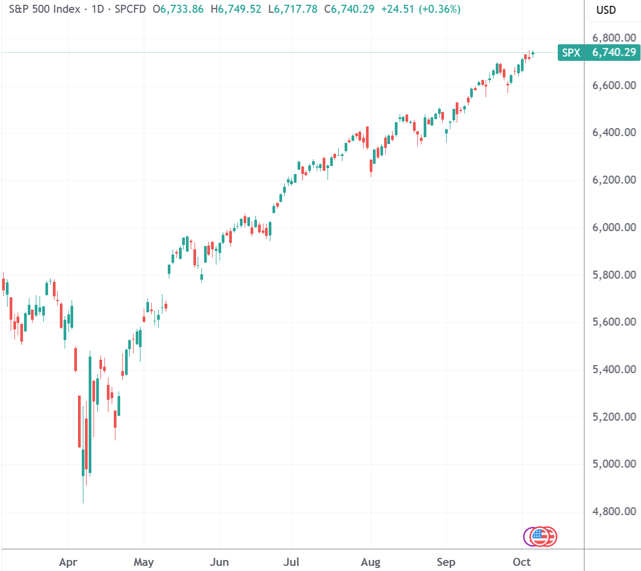
10月7日,昨夜今晨,在热炒人工智能的氛围中,标普500指数连续第7个交易日上涨,并与纳指携手刷新收盘历史新高。 截至收盘,标普500指数涨0.36%,报6740.28点;纳斯达克综合指数涨0.71%,报22941.67点;道琼斯工业平均指数跌0.14%,报46694.97点。 周一的关键词依然是OpenAI。公司先是宣布与AMD达成6吉瓦GPU部署的协议,并将根据部署进度分阶段解锁最多1.6亿股AMD普通股的认股权证,相当于 后者10%的股权。受此消息影响,AMD周一收涨23.71%,单日市值增加633亿美元,相当于人民币4500亿元。 随后在晚些时候举行的OpenAI开发者日活动上,一众被点到名的上市公司应声拉涨。例如Figma涨幅最高接近16%,最终收涨7.39%。在线旅游公司Expedia 也在短线拉涨超7%后,最终回落至2%。"芭比娃娃"品牌母公司美泰也因为奥尔特曼提了一句该公司正在使用Sora 2将玩具设计概念转化为可视化内容,而 一度短线拉涨超5%——但收盘时回吐所有涨幅。 OpenAI首席执行官奥尔特曼也在周一回应了公司显著影响资本市场走势的情况。他表示:"这是最近开始出现的新奇现象,我们正试 ...
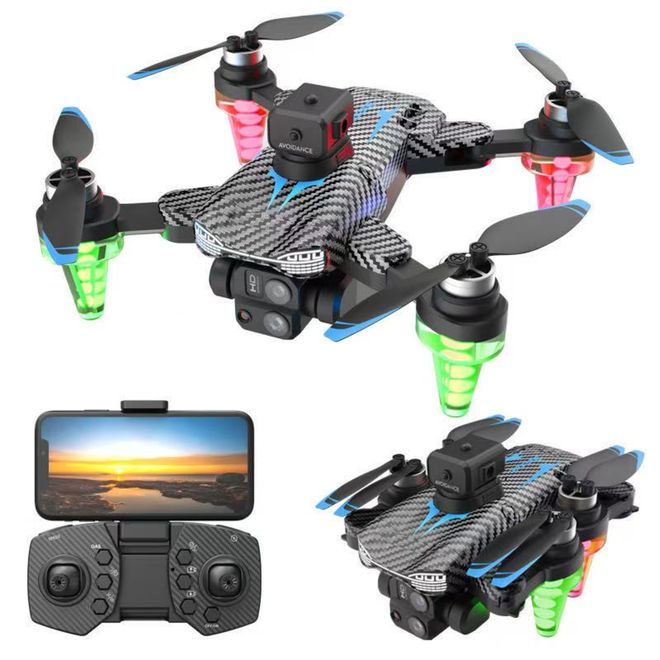
新货盘“革命”,牵动义乌市场大变局
Tai Mei Ti A P P· 2025-10-06 11:40
Core Insights - Yiwu is at a critical crossroads, facing both fragmented low-cost markets and a demand for upgraded consumer products, necessitating a shift towards brand transformation and reduced homogenization [1][2] - The market is experiencing structural changes in its customer base, with a trend towards consumption differentiation and the need for innovative strategies to avoid price wars and inventory issues [2][5] - Emotional value is becoming a key differentiator in product competition, as consumers increasingly seek unique and aesthetically pleasing items [3][4] Market Dynamics - The rise of e-commerce and social media has made consumers more discerning, leading to increased price transparency and competition [3] - The demand for products priced below certain thresholds is growing, with sales in lower price ranges showing positive trends [3] - The shift towards emotional value in products is evident, with younger consumers prioritizing aesthetics and creativity over traditional functionality [4][10] Product Innovation - Companies are adapting by developing products that resonate emotionally with consumers, such as customizable dolls and jewelry that combine various materials for a modern appeal [9][10] - The introduction of new product categories, such as drones and outdoor gear, reflects a pivot towards high-growth sectors, with the drone market projected to exceed 600 billion yuan by 2030 [8][19] - The trend of creating product series rather than standalone items is gaining traction, allowing businesses to cater to specific consumer segments more effectively [12] Operational Changes - The manufacturing process is evolving towards more centralized and mechanized production, with companies integrating AI and design software to enhance efficiency [15][18] - The shift from large batch production to small, rapid response orders is becoming standard, allowing for quicker adaptation to market trends [14][20] - Companies are increasingly focusing on data-driven decision-making and consumer feedback to refine their product offerings [20] Future Outlook - The Yiwu market is undergoing a significant transformation, moving away from reliance on price competition towards a model that emphasizes brand building and emotional engagement [19][20] - The global trade landscape is shifting, with Yiwu positioned to capitalize on emerging trends such as health, leisure, and smart devices [19] - The evolution of Yiwu's market strategy reflects broader changes in Chinese manufacturing, aiming for high-quality development and sustained value creation [20]