
生物医药

Search documents
广东“最强春招”,超4000个岗位年薪超50万
21世纪经济报道· 2026-03-16 11:20
Group 1 - The "Million Talents Gathering in South Guangdong" recruitment fair in Guangzhou showcased over 85,000 job positions from nearly 2,000 employers, attracting around 120,000 job seekers on its opening day [1] - The recruitment fair adopted an innovative "two-hall division, industry clustering" model, with Hall 17.1 focusing on modern service industries and Hall 17.2 on advanced manufacturing, reflecting Guangdong's strategy of integrating manufacturing and services [2][4] - The event highlighted the emergence of new job roles driven by the integration of manufacturing and services, particularly in sectors like low-altitude economy, which has been elevated to a pillar industry status [4][6] Group 2 - High-paying positions, including those with salaries ranging from 200,000 to 500,000 yuan, were concentrated in research and development, software, and information technology services, with over 4,000 positions offering salaries above 500,000 yuan [8][10] - Companies like Xiaopeng Motors are offering numerous high-salary positions, including roles such as large model algorithm engineers and autonomous driving product experts, reflecting the trend of service-oriented manufacturing [6][10] - The recruitment fair also saw a demand for AI-related positions, such as AI art designers and video planning supervisors, indicating a shift towards roles that require a blend of technical and creative skills [8][9] Group 3 - The integration of manufacturing and services is not merely a combination but a deep collaboration that creates new job opportunities in emerging industries, as highlighted by the Guangdong Provincial White Paper on the coordinated development of manufacturing and services [6][11] - The recruitment fair served as a platform for cities in Guangdong to showcase their commitment to this integration, with each city presenting unique strengths and job offerings [13][14] - The event illustrated a shift from competing on industry alone to competing on ecosystem and policy, as cities adopt more youthful and distinctive approaches to attract talent [15]


顺义科创:能进能退,做一个“耐心”的产业培育者
FOFWEEKLY· 2026-03-16 10:00
Core Viewpoint - The article emphasizes the importance of being a long-term nurturer of industries rather than chasing short-term projects in a competitive market, advocating for a patient capital approach to foster sustainable growth in technology sectors [2][4]. Group 1: Industry Development and Investment Strategy - In 2025, China is accelerating its move towards the global technology frontier, with local hard-tech companies emerging in fields like AI, semiconductors, and biomedicine, supported by significant investments from state-owned enterprises [3]. - The investment strategy of Shunyi Technology Innovation Group focuses on being an "industry organizer" rather than merely a financial investor, aiming to create a complete ecosystem that integrates capital and services [7][11]. - Shunyi Technology Innovation Group has invested in 20 funds with a total scale exceeding 1000 billion yuan, contributing 2.5 billion yuan and supporting over 170 projects, showcasing its commitment to long-term industrial development [11]. Group 2: Unique Operational Model - Shunyi's operational model includes a clear division of responsibilities among its departments, ensuring a comprehensive support system for enterprises from incubation to industrialization [11]. - The "district-town linkage" model enhances Shunyi's reach in industry cultivation, with partnerships to establish town-level investment funds tailored to local industrial strengths [12]. - The focus on integrating government guidance with market mechanisms aims to create a closed-loop system of "fund + implementation + ecosystem," positioning Shunyi as a core capital engine for high-end manufacturing and technological innovation [12]. Group 3: Long-term Nurturing and Exit Strategy - The concept of "patient capital" is central to Shunyi's investment philosophy, emphasizing the need for a systematic nurturing process that respects industry rules and supports long-term growth [17]. - Shunyi's exit strategy is designed to be a natural outcome of the growth process, ensuring that exits align with the maturity of the invested enterprises [19]. - The nurturing system includes an online and offline integrated support framework, significantly reducing response times to enterprise needs and providing comprehensive assistance throughout different stages of development [18]. Group 4: Future Vision and Recommendations - The collaboration with Tsinghua alumni seed funds aims to create a high-precision radar for early detection of innovative projects, enhancing Shunyi's ability to identify and support potential industry leaders [16]. - The article advocates for a return to value creation in venture capital, encouraging more patient capital to support early-stage hard-tech projects that require long-term technological breakthroughs [23]. - The ultimate goal is to establish Shunyi as a preferred location for the industrialization of top-tier technological achievements, fostering a self-sustaining cycle of innovation and growth [16][24].

十大增量信息——十五五规划纲要学习心得
Huachuang Securities· 2026-03-16 06:33
Economic Goals - The outline states that by 2035, the per capita GDP is expected to double compared to 2020, reaching a level above $20,000, with an average annual growth rate of 4.17% over the next decade[2][10]. - The GDP growth will be maintained within a reasonable range, with annual adjustments based on circumstances[10]. Major Targets - The "15th Five-Year Plan" outlines 20 major targets, including a 7% annual increase in R&D expenditure and a 17% reduction in carbon emissions per unit of GDP[3][11]. - New indicators include increasing the proportion of care beds in elderly care institutions and improving the enrollment rate of children under three in childcare services[3][11]. Major Projects - A total of 109 major projects will be implemented during the "15th Five-Year Plan," focusing on new industrial capabilities, technological innovation, and infrastructure development, compared to 102 projects in the previous plan[4][12]. - Key areas for new projects include integrated circuits, intelligent manufacturing, and green hydrogen energy[4][12]. Technological Innovation - The plan emphasizes the deep integration of technological and industrial innovation, including establishing a corporate R&D reserve fund and supporting quality tech companies in financing[5][16]. - It aims to enhance the efficiency of data and algorithm supply, promoting innovation in AI and digital technologies[19][20]. Infrastructure Development - The plan prioritizes new infrastructure, renewable energy, and urban renewal, with specific targets for the construction of gas, water, and sewage pipelines totaling approximately 20, 17.5, and 10 million kilometers respectively[23][24]. - It also emphasizes the construction of a national integrated computing network and the development of renewable energy sources[23][24].
背靠背两篇Nature子刊:维生素B2代谢阻止铁死亡,带来癌症治疗新思路
生物世界· 2026-03-16 00:18
撰文丨王聪 编辑丨王多鱼 排版丨水成文 铁死亡 (Ferroptosis) 是 2012 年由哥伦比亚大学 Brent Stockwell 实验室发现的一种铁依赖性的新型细胞程序性死亡方式,由过度堆积的 过氧化脂质 (peroxidized lipids) 诱导发生,其形态特征,作用方式以及分子机制与其他程序性死亡方式截然不同。同时,细胞中存在多个对抗铁死亡的防御途径, 例如 GPX4 通过 谷胱甘肽 (GSH) 特异性催化过氧化脂质来抑制铁死亡的发生; FSP1 通过产生 辅酶 Q10 (CoQ10) 的抗氧化形式促进癌细胞对铁死亡的抵抗。 然而,目前我们对于调控 FSP1 表达和稳定性的机制仍知之甚少,这阻碍了将 FSP1 作为癌症治疗靶点的研究。 近日, Nature Structural & Molecular Biology 和 Nature Cell Biology 同时发表了两项研究, 揭示了 维生素 B2 代谢 与 铁死亡抗性 之间的关联,为基于铁死 亡的癌症治疗带来了新思路。 2026 年 3 月 13 日,加州大学伯克利分校的 研究人员在 Nature 子刊 Nature Structur ...

“烂脸”“骗钱”!315晚会打假“万能神药”:外泌体是三无产品!医美平台紧急下架!
新浪财经· 2026-03-15 15:40
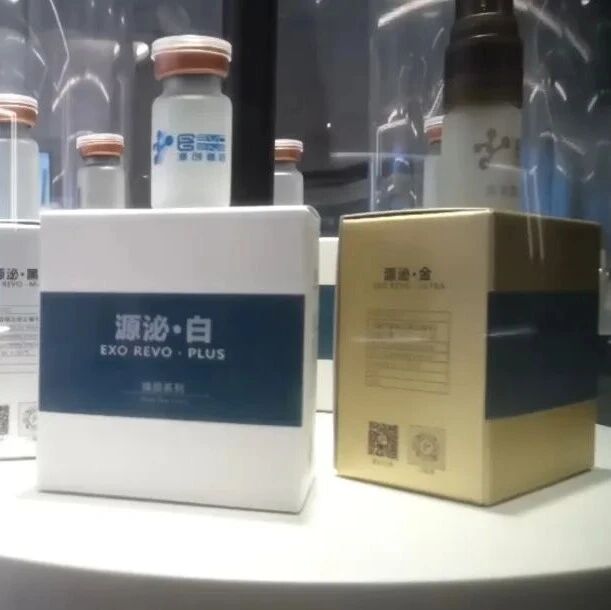
Core Viewpoint - Exosomes have gained significant popularity in the medical beauty market, being referred to as a "darling of anti-aging" products, although their mechanisms and clinical testing remain largely unverified in the medical and academic fields [2][3]. Regulatory Environment - In June 2025, the National Medical Products Administration (NMPA) proposed to include exosomes with therapeutic functions under drug regulation, but no exosome products have received market approval in China as of now [5]. - Despite the lack of approval, unregulated exosome anti-aging products are prevalent in the medical beauty sector, often sold at high prices [5]. Market Practices - There are numerous instances of fraudulent practices in the exosome market, including false advertising and the promotion of products claiming to treat various diseases [7][11]. - Companies are marketing exosome products at different levels, with medical beauty being the lowest tier and claims of treating chronic diseases and even cancer at higher tiers [9][11]. Consumer Experiences - Reports from consumers indicate adverse effects from exosome treatments, including severe infections and allergic reactions, leading to significant dissatisfaction [16]. - Complaints highlight the lack of efficacy and the perception of being scammed, with many consumers expressing regret over their experiences with exosome treatments [16]. Company Profiles - Hunan Lishai Pharmaceutical Co., Ltd. has faced penalties for violating medical device regulations, indicating a problematic compliance history [19]. - Sichuan Jiebothiaer Biotechnology Co., Ltd. was established in May 2024, focusing on cell technology and health consulting, but has no reported employees as of 2024 [22]. - Sichuan Huamei Zixin Plastic Surgery Hospital Co., Ltd. has been fined for advertising violations, reflecting ongoing regulatory scrutiny in the medical beauty sector [23][24].
315最全曝光:七大骗局触目惊心,很多人都中招了
凤凰网财经· 2026-03-15 15:36
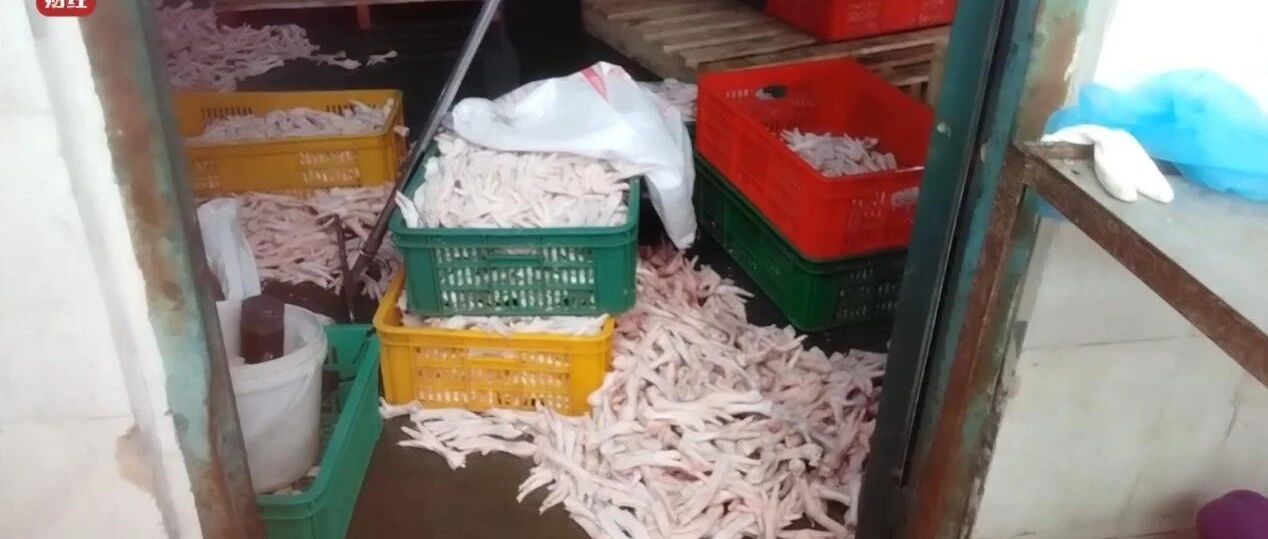
Group 1 - A company was exposed for using over 5,000 barrels of hydrogen peroxide to bleach chicken feet, violating food safety regulations [5][7] - The company admitted to purchasing 5,242 barrels of hydrogen peroxide since May 2025 for processing chicken feet, leading to a serious investigation by food safety authorities [7] - Multiple companies involved in the supply chain were also penalized for providing unlabelled food additives and violating hazardous materials management regulations [7] Group 2 - A product marketed as a "universal remedy" using exosomes was revealed to be an unapproved, ineffective product with significant profit margins [8][10] - No exosome products have been approved for sale in China, yet companies continue to falsely advertise their efficacy in treating various diseases [12] - One company was found to be using collagen-related licenses to circumvent market regulations while selling exosome products [14] Group 3 - Height-increasing services marketed to children were exposed as scams, with companies promising refunds for ineffective treatments while knowing that natural growth would occur regardless [18][20] - Investigations revealed that these companies often mislead parents about the effectiveness of their services, with some even claiming to provide growth solutions for adults [22] Group 4 - The private marketing sector has been criticized for exploiting elderly consumers, with actors posing as medical experts in promotional videos [23][25] - A specific product, marketed as a cure for various serious health conditions, was found to be falsely advertised at a price significantly higher than its actual market value [25][26] Group 5 - Electric bike rental companies, including major brands, were found to be violating national safety regulations by offering bikes that exceed speed limits [34][36] - Investigations showed that some rental bikes could reach speeds of up to 80 km/h, far exceeding the legal limit of 25 km/h [38][39] - Companies involved have faced scrutiny and penalties for their non-compliance with safety standards [41][42] Group 6 - A scheme involving stock recommendation services was exposed as a scam, where companies promised profit-sharing but often left investors with losses [54][56] - One company, established only six months prior, was found to be operating without any financial qualifications, misleading clients into investing in stocks [61][62]
315晚会打假万能神药,网红神药外泌体竟是三无产品
财联社· 2026-03-15 12:47
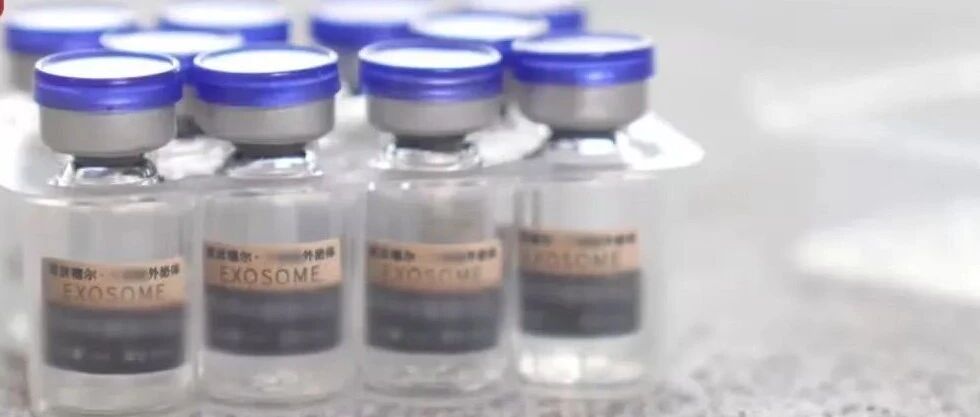
Core Viewpoint - The article highlights the rising popularity of exosomes in the beauty and anti-aging market, while also emphasizing the lack of scientific validation and regulatory approval for their medical use in China [1][3]. Group 1: Market Dynamics - Exosomes are described as bioactive substances secreted during stem cell cultivation, but their mechanisms and clinical applications remain largely theoretical and unproven [1]. - As of now, no exosome-based drugs have received market approval in China, despite the National Medical Products Administration's draft proposal to regulate them as drugs by June 2025 [1]. Group 2: Regulatory and Ethical Concerns - Some companies are engaging in illegal practices, such as using collagen licenses to market exosome products, thereby evading regulatory scrutiny [3]. - There are instances of false advertising, with companies claiming that their exosome products can treat various diseases, including epilepsy and diabetes, without any clinical evidence [4]. Group 3: Consumer Experiences and Complaints - Consumers have reported adverse effects from exosome treatments, including severe infections and allergic reactions, leading to widespread dissatisfaction and claims of fraud [4]. - A specific case revealed a company charging 60,000 yuan for a treatment regimen involving a total of 6 trillion exosome particles, highlighting the lucrative nature of this unregulated market [4].
无锡,悄悄签下14所985
投资界· 2026-03-15 07:34
Core Viewpoint - Wuxi, despite having only one "Double First Class" university, has attracted numerous prestigious universities and research institutes, establishing itself as a hub for higher education and innovation in China [2][5][9]. Group 1: University Presence in Wuxi - Wuxi hosts 14 higher education institutions, including 4 undergraduate and 10 vocational colleges, with Jiangnan University being the only "Double First Class" university [2]. - Notable universities such as Southeast University, Nanjing University of Science and Technology, and Nanjing University of Posts and Telecommunications have established campuses in Wuxi, contributing to a total of at least 14 universities and over 20 "Double First Class" institutions having a presence in the city [2][3][9]. Group 2: Economic Strength and Higher Education - Wuxi has a remarkable economic profile, with a GDP of 1.68 trillion yuan and a per capita GDP exceeding 200,000 yuan, ranking first among major cities in China for four consecutive years [5]. - The city's economic success provides a strong foundation for attracting educational resources and fostering partnerships between universities and industries [5][7]. Group 3: Industry and Innovation - Wuxi is recognized as a key player in the biopharmaceutical industry, housing 487 manufacturing and R&D enterprises, including 6 Fortune 500 companies and 17 listed firms [7]. - The city is also a national leader in the Internet of Things (IoT) and integrated circuits, with significant contributions to software and information technology services [8]. Group 4: Collaboration and Research - Universities in Wuxi are closely aligned with local industries, focusing on research areas such as advanced manufacturing, smart technology, and biomedicine [17]. - The establishment of research institutes and innovation centers by universities like Shanghai Jiao Tong University and Tsinghua University in Wuxi has facilitated technology transfer and commercialization of research outcomes [17][18]. Group 5: Talent Development - Wuxi has initiated programs to attract and train talent in high-tech fields, with nearly 1.8 million participants in training programs since 2022, fostering a skilled workforce for local industries [19]. - Collaborations with top universities have led to the establishment of practical training bases, enhancing the integration of education and industry [19].

周观点:能源问题久期拉长或将推动海外衰退交易-20260315
Huafu Securities· 2026-03-15 06:58
Group 1 - The core viewpoint of the report suggests that if energy issues persist, expectations for overseas recession may increase significantly [2][3] - The report indicates that the U.S. dollar may benefit from prolonged energy issues, potentially aiding the U.S. in maintaining credit expansion temporarily [3] - New energy transactions are expected to outperform in the context of high energy costs combined with recession expectations [3][18] - The report highlights that if energy issues continue, the price transmission in agriculture may be better than in industrial sectors [3][19] - The medium-term outlook is positive for coal, new energy, agriculture, electricity, oil, and U.S. capital goods related to inflation [3] - The long-term outlook favors insurance, central state-owned enterprises, anti-involution strategies, and Chinese internet companies [3] Group 2 - The report notes that the U.S. inflation de-escalation process is showing signs of slowing down, with the overall CPI rising to 0.3% month-on-month, driven by energy prices [8][12] - Core CPI has slightly decreased to 0.2% month-on-month but remains stable at 2.5% year-on-year, indicating that inflation levels are still above the Federal Reserve's long-term target of 2% [8][10] - The report emphasizes that core services inflation remains sticky, with housing prices increasing by 3.0% year-on-year and healthcare services accelerating to 4.1% [10][12] - The report discusses the impact of energy disruptions on overseas recession expectations, indicating that prolonged energy issues could lead to a significant increase in recession probabilities [17] - It is noted that agricultural prices may transmit better than industrial prices due to the rigid demand for food and the direct impact of rising energy costs [19]
招商证券:十五五规划纲要印发 可能带来哪些投资机会?
Xin Lang Cai Jing· 2026-03-15 06:47
Core Insights - The article focuses on the incremental information from the 15th Five-Year Plan, highlighting four key areas for investment opportunities [2][4]. Group 1: Incremental Information from the 15th Five-Year Plan - The length of the 15th Five-Year Plan has decreased slightly, with a significant increase in the frequency of technology-related terms, particularly a rise of 31 mentions for "technology" [9]. - Key changes in major goals include a shift from "reducing energy consumption per unit of GDP" to "increasing the proportion of non-fossil energy in total energy consumption." The target for reducing carbon dioxide emissions per unit of GDP is set at 17%, down from 18% in the previous plan [9]. - The order of indicators related to livelihood has changed, with the urban unemployment rate now prioritized over the growth of per capita disposable income. A new indicator for the number of registered nurses per thousand people has also been introduced [9]. Group 2: Changes in Major Projects - There is a significant increase in the number and proportion of major engineering projects related to new productive forces, including ten new sectors such as integrated circuits and bio-manufacturing [10]. - New areas of focus in cutting-edge technology include controlled nuclear fusion and deep space exploration, while clinical medicine has been redefined to emphasize major disease prevention and innovative drug development [10]. - Infrastructure projects now include new types of infrastructure, such as a national integrated computing network and satellite internet, with a separate focus on clean coal consumption and zero-carbon initiatives [10]. Group 3: Market Trends Post-Plan Release - Historical analysis shows a high probability of market increases following the release of the Five-Year Plan, particularly favoring small-cap stocks. The average returns of the CSI 1000 index have outperformed the CSI 300 index in the weeks following the plan's release [11]. - Industries that tend to perform well post-release include construction materials and social services, with coal and construction materials showing high probabilities of price increases [11]. - Sectors highlighted in previous plans, such as technology and industrial transformation, have historically yielded significant excess returns [11]. Group 4: Future Investment Focus Areas - Recommended areas for future investment include deep space exploration, computing power, and sectors addressing structural contradictions in industries like steel, petrochemicals, and shipbuilding [12]. - New infrastructure related to computing power, low-altitude economy, and satellite technology is also suggested for attention [12].
