
生物医药

Search documents
百奥赛图-B再涨超10% 全年纯利预增最多4.4倍 公司已达成多项重磅对外授权
Zhi Tong Cai Jing· 2026-02-03 03:10
Core Viewpoint - The company BaiO Saite-B (02315) has seen a significant stock price increase, with a recent rise of over 10%, attributed to its strong earnings forecast for 2025, projecting a net profit increase of 384.26% to 443.88% year-on-year [1] Group 1: Financial Performance - BaiO Saite-B forecasts a net profit for 2025 between 162 million to 182 million yuan, indicating substantial growth compared to previous years [1] - The company attributes its revenue growth to the ongoing expansion in overseas markets and the recovery of the domestic biopharmaceutical industry [1] Group 2: Operational Efficiency - High technical barriers have allowed the company to maintain elevated gross margins, while lean management initiatives have further enhanced operational efficiency [1] - The rapid improvement in profitability is a result of these operational enhancements [1] Group 3: Strategic Partnerships - Since 2025, the company has established external licensing agreements with several leading domestic and international pharmaceutical companies, which are expected to contribute to revenue through milestone payments [1] - Notable partnerships include a global licensing agreement with BeiGene for antibody molecules and an agreement with Merck for the development of antibody-drug conjugates using the RenMice platform [1]
港股异动 | 百奥赛图-B(02315)再涨超10% 全年纯利预增最多4.4倍 公司已达成多项重磅对外授权
智通财经网· 2026-02-03 03:09
Core Viewpoint - Baosai Technology-B (02315) has seen a significant stock price increase, with a recent rise of over 10%, attributed to strong earnings forecasts and strategic partnerships in the biopharmaceutical sector [1] Group 1: Earnings Forecast - The company has projected a net profit attributable to shareholders for 2025 between 162 million to 182 million yuan, representing a year-on-year increase of 384.26% to 443.88% [1] - The growth is driven by the continuous expansion in overseas markets and a recovery in the domestic biopharmaceutical industry, leading to rapid revenue growth [1] Group 2: Operational Efficiency - High technical barriers have ensured that the company's gross profit margin remains elevated, while lean management initiatives have further enhanced operational efficiency [1] - The company's profitability has improved rapidly as a result of these factors [1] Group 3: Strategic Partnerships - Since 2025, the company has established external licensing agreements with several leading domestic and international pharmaceutical companies, which are expected to contribute to revenue through milestone payments [1] - Notable partnerships include a global licensing agreement with BeiGene for antibody molecules and an agreement with Merck for the development of antibody-conjugated LNPs using the RenMice platform [1]
英硅智能:获美纳里尼3900万港币里程碑付款,合作项目MEN2501完成首例患者给药
Mei Ri Jing Ji Xin Wen· 2026-02-03 03:08
Core Insights - The company Yingkui Intelligent announced the authorization of the MEN2501 project to Menarini Group, effective January 2025, following the completion of the first patient dosing in Phase I clinical trials [1] - Yingkui Intelligent has received a milestone payment of 39 million HKD from Menarini as part of their collaboration agreement [1] - MEN2501 is a highly differentiated small molecule inhibitor targeting the driver protein KIF18A, showing significant inhibitory activity against chromosomal instability cancers in preclinical data [1]
港股异动 | 药明生物(02269)涨超4% 宣布与Vertex就创新三特异性T细胞衔接子达成授权和研究服务协议
智通财经网· 2026-02-03 02:41
Core Viewpoint - WuXi Biologics (02269) has signed a licensing and research service agreement with Vertex Pharmaceuticals for an innovative trispecific T cell engager (TCE) aimed at treating B cell-mediated autoimmune diseases, which has led to a stock price increase of over 4% [1] Group 1: Company Developments - WuXi Biologics' stock price rose by 3.35% to HKD 37.04, with a trading volume of HKD 439 million [1] - The agreement with Vertex Pharmaceuticals grants Vertex global exclusive rights for the development and commercialization of the trispecific TCE, which is currently in the preclinical stage [1] - WuXi Biologics will receive an upfront payment and is eligible for milestone payments related to development, registration, and sales, as well as a sales commission post-product launch [1] Group 2: Industry Implications - The collaboration focuses on a novel treatment approach for B cell-mediated autoimmune diseases, indicating a growing interest in innovative therapies within the biopharmaceutical industry [1] - The agreement highlights the trend of partnerships between biotech firms and established pharmaceutical companies to accelerate drug development and commercialization [1]

上海:积极支持智能网联新能源汽车、海洋经济、低空经济、航空航天、卫星互联网等产业发展
Jin Rong Jie· 2026-02-03 02:08
上海市第十六届人大四次会议2月3日上午在世博中心开幕。上海市市长龚正作《政府工作报告》。报告 表示,今年要深化国际经济中心建设。聚焦建设现代化产业体系,持续巩固壮大实体经济根基,在石 化、 钢铁等行业持续开展数智技术、绿色技术改造和产线升级,在 集成电路、 生物医药、 人工智能等 领域加快实施一批重大产业项目,积极支持智能网联 新能源汽车、 海洋经济、 低空经济、航空航天、 卫星互联网等产业发展,培育特色数字产业集群,大力推动服务业扩能提质、集聚发展。 ...
上海:大力培育发展脑机接口、第四代半导体等未来产业
财联社· 2026-02-03 02:08
Core Viewpoint - The Shanghai government aims to deepen the construction of an international economic center, focusing on modern industrial systems and supporting various key industries for sustainable economic growth [1][2][3]. Group 1: Economic Goals - The GDP growth target for Shanghai this year is set at approximately 5%, with local public budget revenue expected to grow by 2% [3]. - The proportion of R&D expenditure relative to GDP is targeted to reach 4.6%, while the urban unemployment rate is aimed to remain below 5% [3]. - The report anticipates that the growth in residents' disposable income will align closely with economic growth, and consumer price inflation is projected to be around 2% [3]. Group 2: Long-term Development Plans - By 2035, Shanghai aims to double its per capita GDP compared to 2020 levels, with significant advancements in high-quality development and urban governance [4]. - The "14th Five-Year Plan" outlines goals for enhanced core urban functions, breakthroughs in reform and opening-up, and improved social civilization [4]. Group 3: Innovation and Talent Development - By 2025, Shanghai plans to see an average of over 320 new technology companies established daily, with a focus on high-quality construction of national laboratories and support for leading tech enterprises [5]. - The city aims to attract nearly 150,000 talents from both domestic and international sources, enhancing its innovation capacity [5]. - The technology contract transaction volume is expected to reach 649.68 billion yuan, reflecting a growth of 24.9% [5].

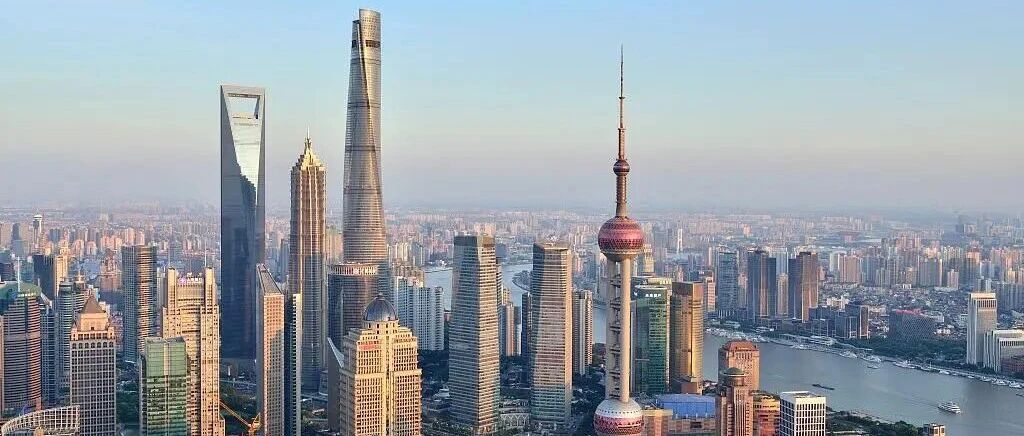
上海市长划重点:这些产业,全力支持
Di Yi Cai Jing· 2026-02-03 02:07
Group 1 - The report emphasizes the need to deepen the construction of an international economic center in Shanghai [1] - Focus will be on building a modern industrial system and strengthening the foundation of the real economy, particularly in industries like petrochemicals and steel through digital and green technology upgrades [1] - Major industrial projects will be accelerated in fields such as integrated circuits, biomedicine, and artificial intelligence [1] Group 2 - Active support will be provided for the development of industries such as smart connected new energy vehicles, marine economy, low-altitude economy, aerospace, and satellite internet [1] - There will be efforts to cultivate distinctive digital industry clusters and promote the expansion and quality improvement of the service sector [1]
华熙生物2月2日获融资买入6800.48万元,融资余额5.50亿元
Xin Lang Cai Jing· 2026-02-03 01:42
Group 1 - On February 2, Huaxi Bio's stock rose by 5.24%, with a trading volume of 562 million yuan [1] - The financing data shows that on the same day, Huaxi Bio had a financing purchase amount of 68.0048 million yuan and a net financing purchase of 3.4537 million yuan [1] - As of February 2, the total balance of margin trading for Huaxi Bio was 554 million yuan, with a financing balance of 550 million yuan, accounting for 2.42% of the circulating market value [1] Group 2 - Huaxi Bio, established on January 3, 2000, and listed on November 6, 2019, operates in the field of microbial fermentation and cross-linking technology, focusing on bioactive materials for health [2] - The company's revenue composition includes 40.34% from skin science innovation, 29.76% from medical terminal products, and 27.70% from raw materials [2] - For the period from January to September 2025, Huaxi Bio reported a revenue of 3.163 billion yuan, a year-on-year decrease of 18.36%, and a net profit of 252 million yuan, down 30.29% year-on-year [2] Group 3 - Since its A-share listing, Huaxi Bio has distributed a total of 1.138 billion yuan in dividends, with 528 million yuan distributed in the last three years [3] - As of September 30, 2025, major shareholders of Huaxi Bio have seen a reduction in holdings, with the top ten circulating shareholders decreasing their shares [3]

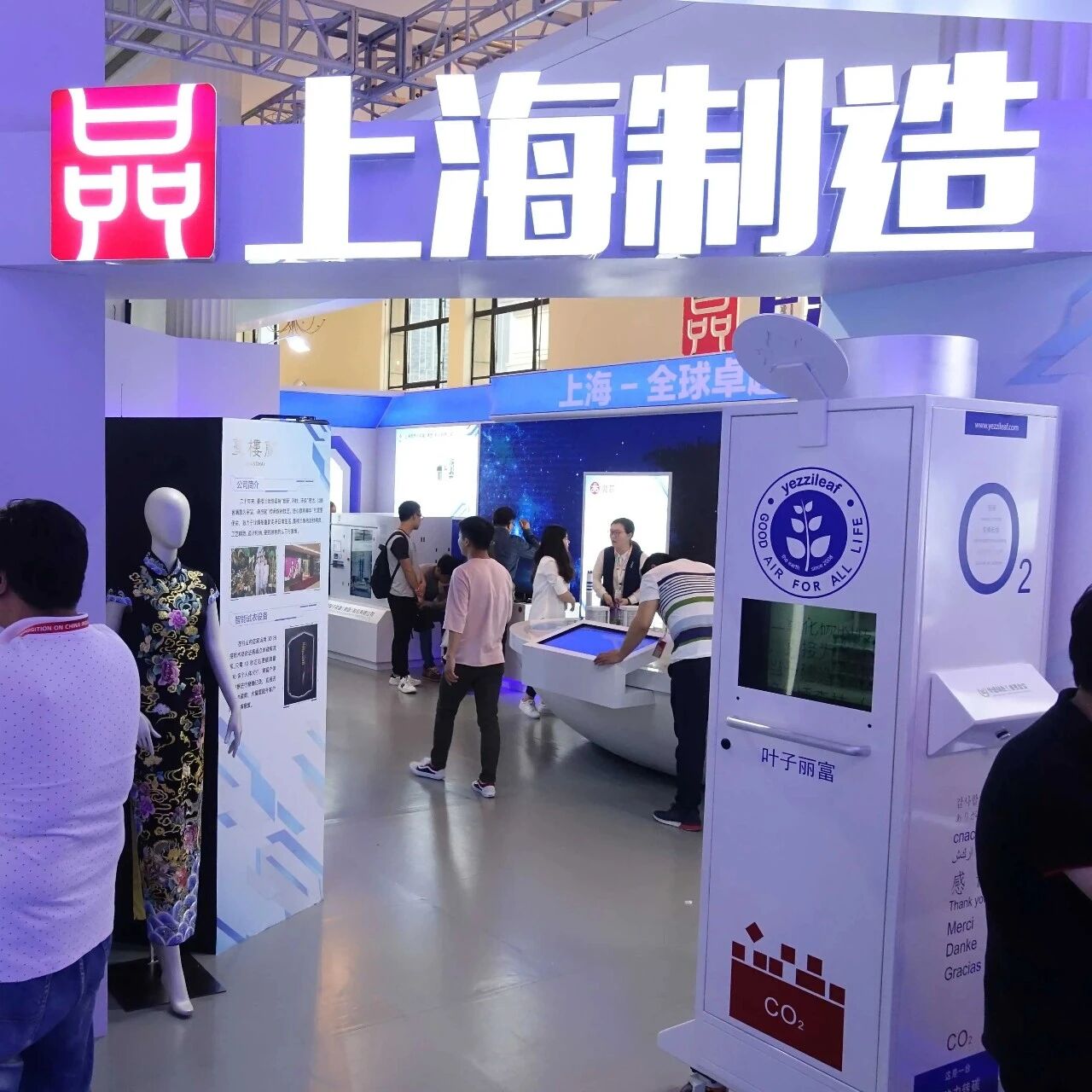
代表委员聚焦“2+3+6+6”,为打响“上海制造”品牌献策
第一财经· 2026-02-03 01:31
Core Viewpoint - The article discusses Shanghai's strategic initiatives to enhance its industrial framework and position as a global high-end manufacturing hub, focusing on the development of key industries and the integration of traditional sectors with emerging technologies [3][4]. Group 1: Modern Industrial System - Shanghai's "14th Five-Year Plan" aims to establish a "2+3+6+6" modern industrial system, which includes promoting the digital and green transformation of traditional industries, accelerating the development of three leading industries, and focusing on six emerging pillar industry clusters [5][6]. - The three leading industries identified are integrated circuits, biomedicine, and artificial intelligence, with projected manufacturing output growth of 9.6% by 2025, including 15.1% for integrated circuits and 13.6% for AI [5][6]. Group 2: Talent and Financial Support - Attracting high-quality talent is crucial for the success of the leading industries, as they are capital and talent-intensive. Shanghai aims to leverage its advantages to recruit top global tech talent, particularly in AI [6]. - Financial support from various sources, including government and private capital, is essential to stimulate the vitality of the leading industries and create a complete ecosystem for development [6]. Group 3: Robotics Industry Development - Shanghai is positioned to become a global hub for the robotics industry, with recommendations to establish a dedicated "Shanghai Robotics Industry Development Task Force" to coordinate planning and implementation [10]. - The robotics sector is transitioning from technology validation to large-scale application, necessitating a focus on core technology breakthroughs and the establishment of a competitive industrial ecosystem [11]. Group 4: Emerging Industries and Future Focus - The article highlights the importance of developing six emerging pillar industries and six future key sectors, advocating for a layered approach to advance mature sectors while nurturing growth and identifying frontier sectors [7]. - The low-altitude economy is identified as a new growth point, with a target industry scale of approximately 800 billion yuan by 2028, emphasizing innovation and application in this area [12][13]. Group 5: AI and Data Security - The rapid development of the AI industry is underscored, with a focus on the three elements of AI: computing power, algorithms, and data. The article notes the need for standardized systems in GPU and software development to support this growth [15][16]. - The integration of blockchain technology with AI is proposed as a means to ensure data security and compliance, highlighting potential opportunities in data processing services and compliance auditing tools [16].
上海:全力促进经济平稳健康发展
Xin Lang Cai Jing· 2026-02-03 01:29
Group 1 - The Shanghai government is focusing on strategic emerging industries such as new energy and high-end equipment, which have shown rapid growth, with the financial and software sectors increasing by 9.7% and 15.3% respectively [2] - The city aims to enhance 14 district-level leading industry clusters and implement five new city-specific industrial plans, including significant projects like the comprehensive technological upgrade of Shanghai Petrochemical [2] - The total retail sales of consumer goods in Shanghai grew by 4.6%, supported by initiatives like the "Le Shanghai" service consumption vouchers and various consumption promotion activities [2] Group 2 - Fixed asset investment across the city increased by 4.6%, with major project investments reaching 2510.1 billion yuan, a growth of 5.3% [2] - The city has completed significant infrastructure projects, including the second phase of Line 18 of the metro, bringing the total operational length of rail lines to 906 kilometers [2] - Trade diversification has shown positive results, with imports and exports to ASEAN and Belt and Road countries growing by 10.4% and 12.1% respectively [2] Group 3 - The government is implementing a series of policies to stabilize foreign trade, enhancing services in logistics and financial insurance, and supporting the development of cross-border e-commerce [2] - There is encouragement for foreign-invested enterprises to reinvest domestically, with major foreign projects in new energy vehicles and biomedicine accelerating [2] - Agricultural technology innovation projects are being promoted, with 89,000 acres of high-standard farmland established and 15 rural revitalization demonstration villages completed [2]