
智能汽车

Search documents
聚合智能融合发展成新能源产业壮大关键路径
Zheng Quan Ri Bao· 2025-09-17 16:09
Core Insights - The rapid development and application of artificial intelligence technologies have made smart vehicles, low-altitude travel, and embodied robots key carriers of AI applications, with a consensus emerging on the importance of scaling smart vehicle components to empower these sectors [1][2] - The concept of "aggregated intelligence" is characterized by deep coupling of technology, industry chains, and application scenarios, which is seen as a new direction for the new energy industry to break through single development bottlenecks and unlock trillion-yuan market potential [1][7] Group 1: Technological Synergy and Industry Chain Interconnectivity - Smart vehicles, embodied robots, and low-altitude economy share significant "homogeneity" in their underlying technologies, all supported by artificial intelligence, leading to a unified terminal industry chain [2][3] - The supply chain overlap exceeds 60%, with some companies estimating it to be as high as 70%, allowing components from smart vehicles to directly support robots and low-altitude vehicles [2][3] - The cost reduction in components, such as LiDAR, has been significant, with prices dropping from 100,000 yuan in 2019 to 800 yuan today, demonstrating the potential for cost-effective solutions in robotics and low-altitude travel [3] Group 2: Scene Integration and Ecological Co-construction - The shift from a single product mindset to an ecological thinking is becoming a consensus among professionals in the new energy sector, with examples like the "robot football league" showcasing developer ecosystems [5] - The low-altitude economy is showing great potential in reconstructing transportation scenarios, with electric flying cars expected to reduce costs significantly from millions to around 200,000 yuan [6] - Companies like Sichuan Wofei Chang Kong Technology are actively developing electric flying vehicles and have plans for commercial operations by 2026, indicating a growing market for low-altitude travel solutions [6][7] Group 3: Strategic Collaborations and Future Outlook - Companies like Jianghuai Automobile Group are exploring collaborative ecosystems by sharing technologies and resources across smart vehicles, robots, and low-altitude travel [7] - The integration of smart vehicles, embodied robots, and low-altitude economy is expected to form a trillion-yuan "new trio" export force in the next five years, emphasizing the importance of fusion development [7]
张琦:智能驾驶趋向理性发展 付费订阅考验车企讲故事的能力
Zhong Guo Jing Ying Bao· 2025-09-17 14:58
Core Viewpoint - The rise of L2 level intelligent assisted driving technology has sparked discussions on subscription models and safety responsibilities in the automotive industry [1] Group 1: Subscription Models and Consumer Attitudes - The automotive industry is shifting from a traditional hardware sales model to a "hardware + service" continuous profit model, with challenges in finding acceptable pricing for both companies and consumers [2] - A recent survey indicated that over 40% of consumers are unwilling to pay extra for intelligent driving systems, with 44% only willing to pay less than 5% of the vehicle price for such features [3] - The comparison of intelligent driving subscription models to Apple's business model highlights a potential shift in consumer acceptance over time [3] Group 2: Market Trends and Consumer Preferences - The automotive market is witnessing a divide where traditional luxury brands focus on personalized high-end customization, while new energy and smart vehicle brands emphasize intelligent customization [3] - The flexibility in subscription models, such as monthly payments for intelligent features, could enhance consumer freedom and promote consumption [4] Group 3: Safety Concerns and Regulatory Environment - Safety issues surrounding intelligent assisted driving technology have become a focal point, with consumers becoming more cautious after experiencing real-world limitations of the technology [5] - The transition of consumer attitudes from skepticism to cautious trust in intelligent driving technology is seen as beneficial for industry development and user safety [5] Group 4: International Market Opportunities - Chinese companies in the intelligent driving sector have accumulated significant technological expertise, but must adapt to local regulations and market conditions when entering overseas markets [6] - The demand for intelligent driving features is growing globally, with Chinese users already accustomed to advanced functionalities that are just beginning to emerge in overseas markets [6]
北汽华为升级成“战略共同体” 三年内投入200亿元
Zhong Guo Jing Ying Bao· 2025-09-17 14:37
Core Insights - The launch of the Xiangjie S9T marks a significant collaboration upgrade between BAIC and Huawei, transitioning to a "strategic community" model that emphasizes exclusive teams, R&D resources, manufacturing, supply chain systems, and quality inspection frameworks [2][6][7] - The Xiangjie S9T targets the growing travel car market in China, which has seen a 50% year-on-year sales increase expected in 2025, despite historically low market share [3][4] - The vehicle features advanced technologies and a new design focus, differentiating it from the previous S9 model, with a price range of 309,800 to 369,800 yuan, reflecting a price adjustment [3][4][5] Collaboration and Investment - BAIC and Huawei plan to invest 20 billion yuan over the next three years to enhance their collaboration, focusing on core areas for continuous technological iteration [2][7] - The partnership aims to create a comprehensive value chain integration, moving beyond traditional roles of technology supplier and vehicle manufacturer to a deeper collaboration in product design and service [6][7] Product Features and Market Positioning - The Xiangjie S9T incorporates Huawei's advanced driving technologies and luxury features, aiming to provide a superior user experience and compete effectively in the travel car segment [4][5][8] - The vehicle's launch is supported by a robust pre-order response, with over 40,000 units booked, indicating strong market interest [3][5] Quality Control and Supply Chain - A dual quality inspection system has been established, ensuring each vehicle undergoes rigorous testing by both Huawei and BAIC, enhancing product quality assurance [8] - The collaboration leverages Huawei's digital management systems and BAIC's luxury brand supply chain, aiming for a high standard of quality and performance [7][8]


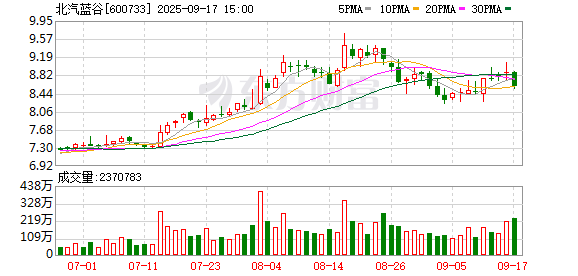
智能汽车、人形机器人、eVTOL加速融合,这个平台落地武汉
Di Yi Cai Jing· 2025-09-17 12:34
Core Insights - The global market for the "three major items" (smart electric vehicles, humanoid robots, and eVTOL) is expected to reach $280 billion in the next five years [4] - The establishment of the first integrated smart innovation platform in Wuhan aims to promote the convergence of smart vehicles, robots, and low-altitude travel [1] Industry Overview - The integrated smart innovation platform will focus on technology breakthroughs, standard formulation, and policy research in the fields of smart vehicles, humanoid robots, and eVTOL [1] - Wuhan's East Lake High-tech Zone is home to over 300 companies in the smart industry chain, including significant players in smart networking, low-altitude economy, and humanoid robotics [1] Technological Synergies - The underlying technologies in mobile control, human-computer interaction, and energy power systems are interconnected among smart vehicles, humanoid robots, and eVTOL [3] - The cost of industrial robots, currently ranging from 300,000 to 1 million yuan, is projected to decrease to 100,000 to 200,000 yuan due to breakthroughs in common technologies [3] Supply Chain Dynamics - Smart automotive suppliers are rapidly entering the eVTOL and humanoid robot sectors, with companies like CATL investing in aviation battery development and NVIDIA's chips being applicable across these domains [4] - The manufacturing techniques from the smart automotive sector, such as CNC machining and laser cutting, can be adapted for eVTOL and humanoid robots [4] Market Potential - The combined market for the "three major items" is anticipated to exceed $280 billion globally and $120 billion domestically by 2030, positioning them as key drivers for economic growth [4] Recommendations for Development - To foster the integrated smart industry, it is suggested to encourage single-component companies to expand into the integrated field and explore applications across different smart industries [5] - Establishing a collaborative regulatory framework that addresses common issues such as data security and ethical concerns is essential for the growth of the integrated smart industry [5]


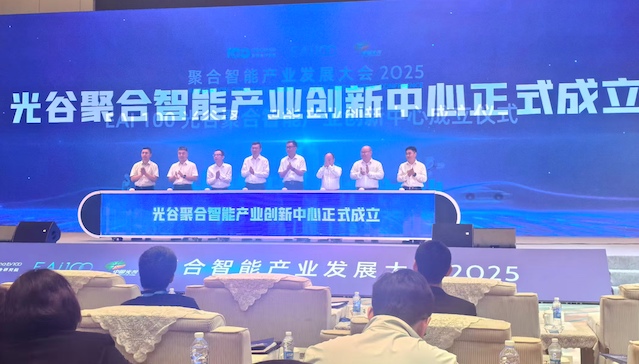
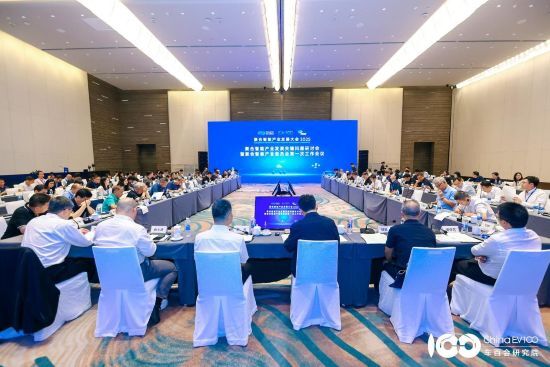
聚合智能产业发展关键问题研讨会在光谷召开
Zhong Guo Jing Ji Wang· 2025-09-17 11:29
Group 1 - The first Aggregated Intelligent Industry Development Conference (2025) was held in Wuhan, focusing on key issues in the development of the aggregated intelligent industry [1] - The conference discussed the integration of smart robots, low-altitude flight, and the automotive industry supply chain, as well as the development paths and industry division of smart robots [3] - The EAI100 committee aims to promote the collaborative development of smart vehicles, smart robots, and low-altitude flight, establishing a comprehensive service platform for the industry [5][6] Group 2 - As of September, EAI100 has over 110 expert and enterprise members covering all areas of the aggregated intelligent industry, including smart vehicles, smart robots, and low-altitude travel [6] - Future initiatives of EAI100 include research on key common issues, closed-door seminars on integrated management systems, and the establishment of international innovation centers [8]
“特斯拉数据案”判决的标杆意义:数字时代消费者权利一小步
Nan Fang Du Shi Bao· 2025-09-17 09:40
Core Viewpoint - The court ruling emphasizes the importance of consumer rights to access driving data from smart vehicles, marking a significant step in addressing data ownership and usage rights in the digital age [1][2][3][4] Group 1: Court Ruling and Implications - The Beijing Daxing District People's Court ruled that Tesla must provide complete driving data from 30 minutes prior to an accident, reinforcing the consumer's right to know [1] - The case highlights the shift from traditional vehicle accident analysis to the necessity of considering driving data, which is crucial for understanding accident causes in smart connected vehicles [1][2] - The ruling serves as a judicial correction to the "data asymmetry" issue, where companies previously withheld critical data from consumers, thus protecting consumer rights [3] Group 2: Data Ownership and Consumer Rights - The case raises broader questions about data ownership, specifically whether data generated by user behavior belongs to the consumer or the company [2][3] - Current laws in China do not clearly define data ownership for smart devices, but existing regulations like the Civil Code and Personal Information Protection Law provide a foundation for consumer rights to information [2] - The ruling establishes that consumers have the right to access their driving behavior data, which is essential for their safety and property rights [3] Group 3: Future Considerations and Legislative Needs - The case is seen as a starting point for discussions on data governance, emphasizing the need for clearer data property rights and classification of vehicle data [3][4] - There is a call for legislative action to explore data property systems and to establish a third-party data storage platform to ensure fair data management and compliance for companies [3][4] - The ruling is positioned as a critical judicial precedent that could influence future legislation and governance in the smart automotive industry [4]

纯血鸿蒙生态驶入快车道!3年200亿元押注享界,汽车成下一个“超级终端”
Hua Xia Shi Bao· 2025-09-17 09:19
Core Insights - The automotive industry is evolving into a major "super terminal" for smart operating systems, alongside smartphones [1] - Huawei and BAIC Group are intensifying their collaboration, with plans to invest 20 billion yuan over three years to develop the "Xiangjie" brand [1][2] - The launch of the Xiangjie S9T marks a significant step in Huawei's automotive strategy, featuring advanced technologies and a strong market response [2][4] Group 1: Product Launch and Features - The Xiangjie S9T, launched on September 16, is equipped with Huawei's advanced driving and health technologies, with a starting price of 309,800 yuan [2] - The vehicle has received over 40,000 pre-orders, indicating strong market interest [2] - The Xiangjie factory is ramping up production, currently producing a new car every two minutes, with plans for further capacity expansion [2][3] Group 2: Strategic Collaboration - Huawei and BAIC are forming a dedicated team to integrate their operations across research, manufacturing, and marketing [3] - The partnership aims to create a seamless experience under the Xiangjie brand, eliminating distinctions between Huawei and BAIC [3] - Other automakers, such as Chery, are also deepening their collaboration with Huawei, indicating a broader trend in the industry [3] Group 3: Market Performance and Expansion - In August, the delivery of new vehicles from Hongmeng Zhixing reached 44,579 units, with total deliveries surpassing 900,000 [4] - The delivery rate is accelerating, with expectations to exceed one million units by late October or early November [4] - The overall average transaction price for vehicles in this segment is 380,000 yuan [4] Group 4: Ecosystem Development - The expansion of the Hongmeng ecosystem is being driven by the automotive sector, with a focus on integrating various devices and applications [5] - As of July 30, the number of devices running on Hongmeng 5 surpassed 10 million, with smartphones being the primary driver [5] - The ecosystem's growth is contingent on the richness of applications, with a target of 100,000 applications by 2025 [6]
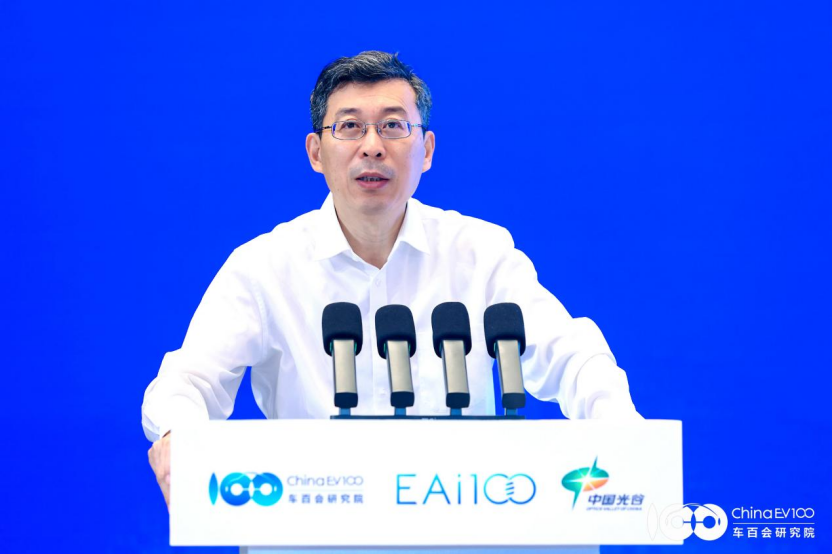
车百会理事长张永伟:以 “聚合思维” 推动智能产业迈入 “三大件” 时代
Zheng Quan Ri Bao Wang· 2025-09-17 08:28
Core Insights - The speech by Zhang Yongwei at the first Aggregated Intelligent Industry Development Conference emphasizes that "aggregated thinking" will be the core driving force for industrial breakthroughs, with collaborative and shared industrial chains as key pillars for achieving synergistic development [1][6] - The "three major components" (smart cars, embodied robots, and low-altitude economy) are highlighted as new engines for economic growth and overseas market expansion, succeeding the "new three samples" (electric vehicles, power batteries, and photovoltaics) [3][6] Summary by Sections Aggregated Thinking and Industrial Revolution - Aggregated thinking is identified as a hallmark of the Fourth Industrial Revolution, contrasting with the single-core dynamics of previous revolutions. Technologies like new energy and artificial intelligence are accelerating integration, necessitating a shift from single-industry thinking to cross-industry aggregated thinking [2][4] Synergy in the Three Major Components - The three major components exhibit deep coupling in three aspects: 1. Shared technology base, with AI as the core technology for smart cars, robots, and low-altitude vehicles [2] 2. Over 60% supply chain overlap among the three fields, indicating a shared industrial chain [3] 3. Emerging integrated applications and infrastructure, with interwoven application scenarios [2][3] Market Potential and Economic Impact - The global market for core components of smart vehicles (excluding complete vehicles) is projected to exceed $100 billion by 2025, with China accounting for over 50%, approximately $50 billion. By the end of the 14th Five-Year Plan, the market for smart driving components and systems is expected to double to over $200 billion, with China potentially reaching $100 billion [3][6] Development Paths for the Industry - Four development paths are proposed to deepen the synergy among the three major components: 1. Strengthening manufacturing advantages to accelerate cost reduction, aiming to lower robot prices from millions to between 100,000 and 200,000 yuan within five years [5] 2. Encouraging cross-industry expansion and supply chain collaboration, exemplified by Tesla's robot supply chain [5] 3. Expanding into international markets to seize blue ocean opportunities, particularly in the robot sector where trade barriers are minimal [5][6] 4. Innovating governance mechanisms to break down silos and promote integrated planning and policy adaptation across the three fields [6] Conclusion - The integration of smart cars, embodied robots, and low-altitude economy represents a significant opportunity for China to seize a competitive edge in the Fourth Industrial Revolution. By leveraging aggregated thinking and focusing on shared industrial chains, the country aims to create unique advantages in the aggregated intelligent industry, driving high-quality economic development [6]
光启技术联合中汽中心实现全球整车通信测试“零的突破”
Zheng Quan Ri Bao Wang· 2025-09-17 07:41
此次认证的核心支撑,正是依托光启技术的航空航天级紧缩场检验检测技术,通过专业的航空航天级测 试场地,以及高精度多维度转台,全方位模拟通信场;超过1万个角度的信号验证,全面评估了华为 S9T在复杂场景下的精准测试,最终为享界S9T提供了覆盖全面的通信性能评估,成为其斩获S级认证的 关键。 在"车路云一体化"的新浪潮中,光启技术以超材料技术为引擎,不仅为自己锻造出强劲的第二增长曲 线,更推动中国智能汽车产业在全球标准争夺战中率先突围。从服务尖端装备的"护航者"到定义智能汽 车检测规则的"车规考官",从技术跟随者到标准引领者,这场由超材料驱动的"产业赋能",正为中国智 能汽车的未来注入强劲动能,加速驶向全球创新高地。 本报讯(记者李雯珊)9月16日,华为年度重磅车型享界S9T正式亮相,以"全球首个整车通信性能S级认 证"引发行业震动——其通信性能通过光启技术(002625)股份有限公司(以下简称"光启技术")与中国汽 车技术研究中心有限公司(以下简称"中汽中心")基于联合成立的"汽车紧缩场联合创新实验室"的验证结 果。这一认证标志着智能网联汽车通信性能测试迈入"紧缩场标准"新纪元,折射出中国超材料技术从尖 端装备向 ...
纯血鸿蒙生态驶入快车道!3年200亿元押注享界,汽车接棒手机成下一个“超级终端”
Hua Xia Shi Bao· 2025-09-17 05:37
Core Insights - The automotive industry is evolving into a major platform for smart operating systems, alongside smartphones, with Huawei's Harmony OS gaining traction in this space [2][5] - Huawei and BAIC Group are intensifying their collaboration, with plans to invest 20 billion yuan over three years to develop the "Xiangjie" brand [2][4] Group 1: Product Launch and Features - The Xiangjie S9T, Huawei's first travel car, was officially launched on September 16, featuring advanced technologies such as Huawei's QianKun Intelligent Driving ADS 4 and the new Tuling platform [3][4] - The starting price for the Xiangjie S9T is set at 309,800 yuan, with over 40,000 pre-orders already received [3][6] Group 2: Production and Delivery - The Xiangjie factory in Beijing is currently ramping up production, with a goal of doubling its output, currently producing a new car every two minutes [3][4] - As of September 16, the total delivery of Harmony OS vehicles has surpassed 930,000 units, with expectations to exceed one million by late October to early November [6][8] Group 3: Ecosystem Expansion - The Harmony OS ecosystem is expanding rapidly, with over 90,000 vehicles delivered in August alone, and an average transaction price of 380,000 yuan [5][6] - Huawei's collaboration with multiple automakers, including Chery and Geely, has resulted in the establishment of five brands under the Harmony OS ecosystem [5][6] Group 4: Market Position and Strategy - Huawei's smartphone market share has rebounded, with Q2 2023 shipments reaching 12.5 million units, capturing an 18.1% share of the Chinese market [7][8] - The company aims to enhance the richness of its application ecosystem, targeting 100,000 applications by 2025 as a sign of maturity [8]
