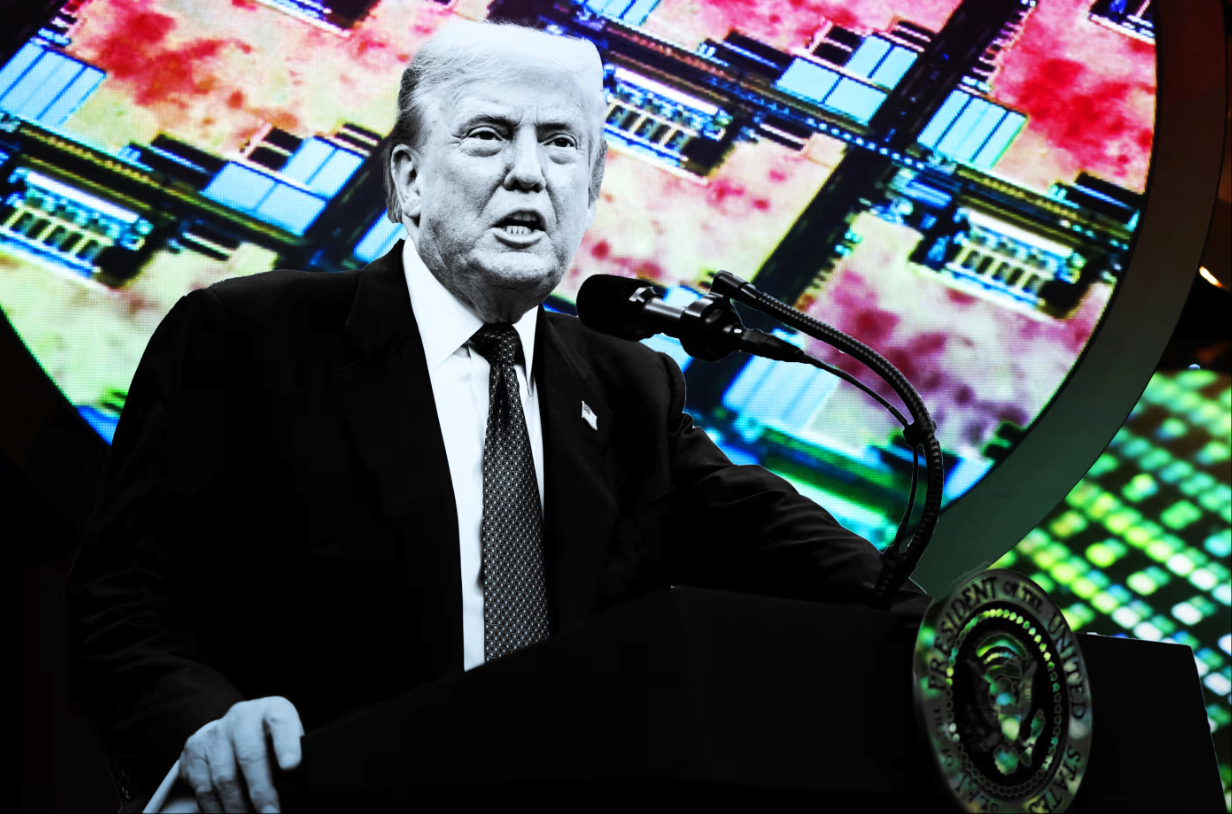
芯片制造

Search documents
英特尔的“方向盘”,不在英特尔CEO手里
Sou Hu Cai Jing· 2025-08-13 09:56
Core Viewpoint - Intel's recent turmoil highlights the unusual intervention of political figures in corporate governance, particularly following Trump's public demand for the resignation of Intel's CEO due to perceived conflicts of interest [1][2]. Group 1: Corporate Actions and Reforms - Intel's new CEO, Chen Liwu, initiated significant reforms, including a workforce reduction of over 20% aimed at eliminating bureaucracy and streamlining decision-making processes to focus on strategic areas like AI chips and custom semiconductors [1][2]. - Chen reaffirmed Intel's commitment to advanced process technology, including the mass production of the 18A process technology and the development of the Nova Lake processor [1]. Group 2: Political Influence and Corporate Response - Trump's demand for the CEO's resignation was unprecedented and sparked significant controversy, reflecting the growing trend of political figures influencing corporate decisions [2][4]. - Following Trump's public comments, Chen reached out to the White House, resulting in a meeting with Trump, who later praised Chen's story and leadership [2]. Group 3: Broader Implications for the Industry - The incident with Intel is part of a larger pattern of political interference in corporate affairs, as seen in Trump's previous actions regarding other companies like Walmart and Coca-Cola [4][9]. - The increasing influence of non-market factors on corporate governance may lead to a shift in focus away from technological innovation and global strategy, potentially altering the landscape of the business environment [9].


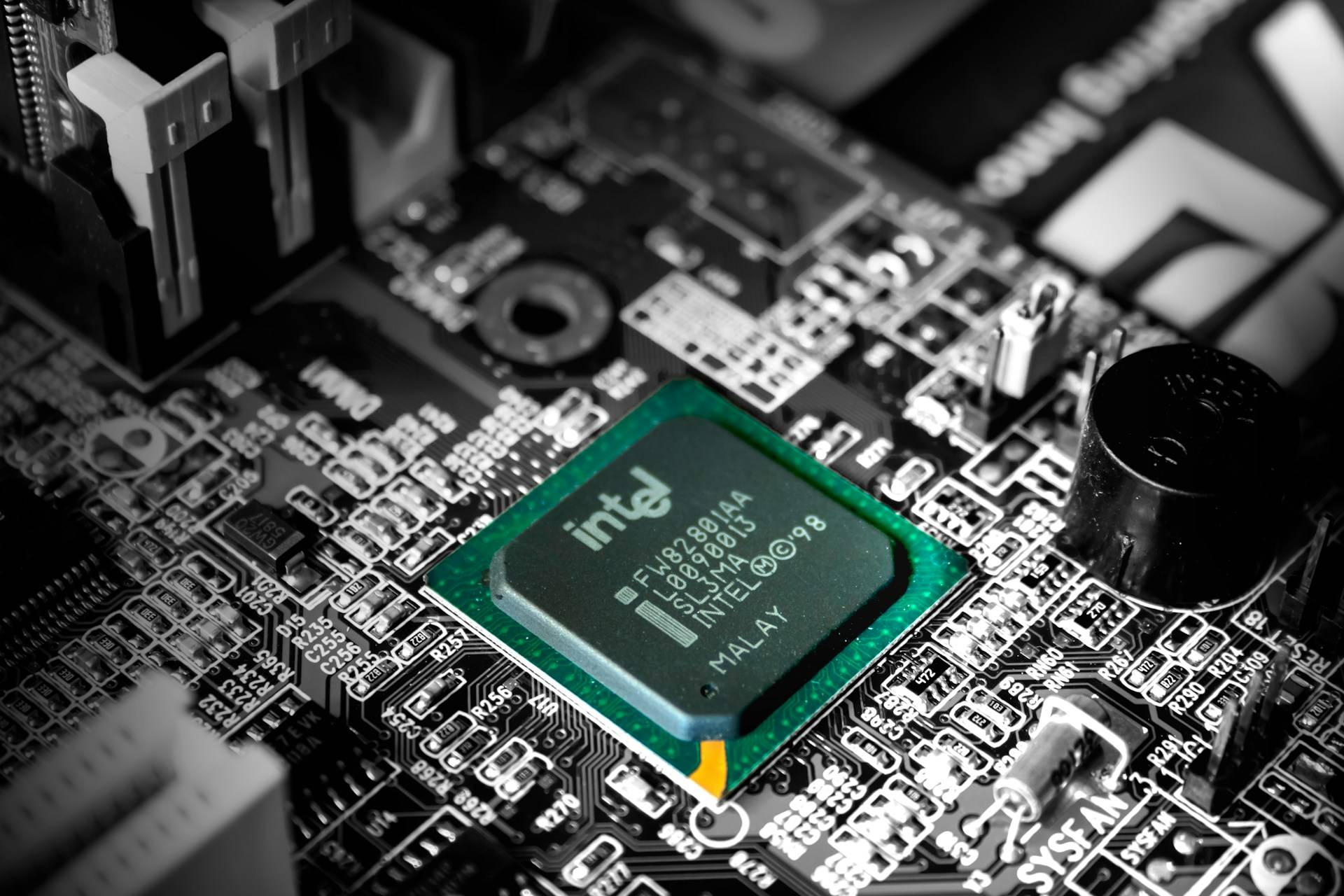
中方稳如泰山,最后24小时,美国终于签字,特朗普对华再让一步
Sou Hu Cai Jing· 2025-08-13 07:12
Core Viewpoint - The article discusses the recent developments in the US-China trade negotiations, highlighting the US's last-minute decision to extend the tariff suspension and the implications of this move for both countries' economic relations [1][3][9]. Group 1: US-China Trade Relations - Since early this year, the tariff issue between the US and China has been a focal point globally, with the US government employing aggressive measures to gain an upper hand in economic negotiations [3][5]. - The US aimed to pressure China into making concessions by increasing tariffs significantly, which has had a substantial impact on the trade relationship and global trade dynamics [3][5]. - The US's strategy involved using the deadline as leverage to signal its dominance in tariff negotiations, hoping to compel China to make further compromises [7][9]. Group 2: China's Response - China has maintained a firm stance against US pressure, emphasizing principles of equality, respect, and mutual benefit in trade discussions [11][12]. - China's economic strength as the world's second-largest economy, along with its robust industrial system, has provided it with the confidence to withstand US tariffs [14]. - China actively defends multilateral trade systems and has garnered international support against US unilateral tariff actions, which are viewed as trade bullying [14][16]. Group 3: Recent Developments - On August 12, both countries agreed to extend the tariff suspension for another 90 days, indicating a temporary easing of tensions in their economic relationship [16][18]. - Following the extension, President Trump hinted at a potential concession allowing Nvidia to sell a special version of its AI chips in China, which could be seen as a shift in US policy towards China [18][21]. - This concession aims to alleviate pressure on US tech companies and restore their competitiveness in the Chinese market while also seeking cooperation from China in other areas [23]. Group 4: Future Outlook - Despite the recent concessions, significant issues remain unresolved, including tariffs, market access, and intellectual property protection, necessitating ongoing negotiations [24]. - The article suggests that both countries need to engage in continuous dialogue to foster a healthy and stable economic relationship moving forward [24].

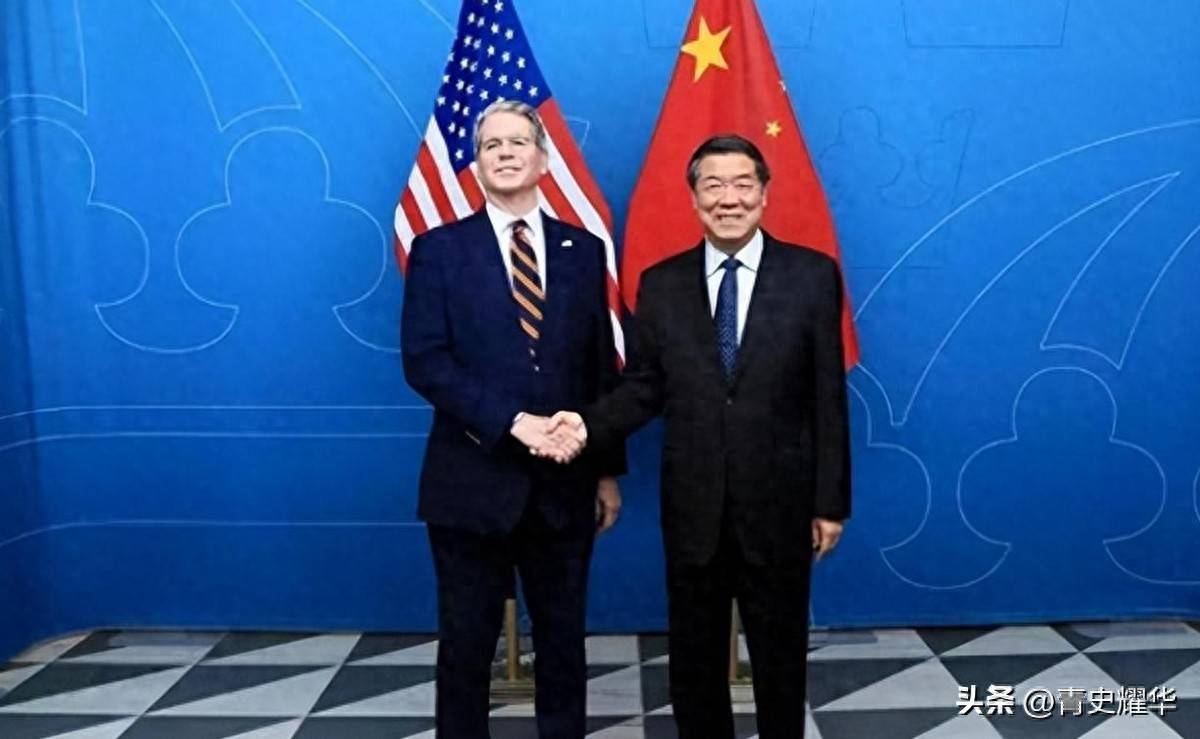
特朗普重磅辟谣 金价巨震!金饰价格跌破1000元大关
Mei Ri Jing Ji Xin Wen· 2025-08-12 15:07
Group 1 - The core point of the article highlights significant fluctuations in gold prices, with spot gold dropping below $3350 per ounce and COMEX gold futures falling nearly 2.5% [2][6][7] - Following a volatile week, gold prices rebounded above $3350 per ounce by August 12 [4] - The announcement by President Trump that no tariffs would be imposed on imported gold bars contributed to the market's reaction, leading to a decline in gold prices [6][8] Group 2 - The New York Mercantile Exchange saw a sharp decline in near-month gold futures, dropping nearly 2.5% and closing below $3400 per ounce, marking the largest drop since May [7] - The confusion regarding customs codes for gold bars led to a temporary spike in gold prices, which was later corrected after the White House announced plans to clarify the tariff situation [7][8] - Analysts noted that the current COMEX inventory levels are unusually high, indicating no liquidity issues despite the recent price fluctuations [8] Group 3 - Market attention is shifting towards upcoming U.S. inflation data, with expectations that the Consumer Price Index (CPI) and Producer Price Index (PPI) reports could influence Federal Reserve interest rate decisions [9] - A weaker-than-expected U.S. employment report has increased speculation about a potential rate cut by the Federal Reserve in September, with a 89.4% probability of a 25 basis point cut [9] - The ongoing trade tensions and tariff announcements are also impacting gold prices, as they have been significant factors driving price movements this year [9]
美国芯片制造困境
半导体芯闻· 2025-08-12 09:48
Core Viewpoint - Trump's chip tariff policy may disrupt global electronics trade and increase product prices, but it is unlikely to revive advanced chip manufacturing in the U.S. [2] Group 1: Tariff Implications - Trump threatened a 100% tariff on "chips and semiconductors," but companies promising to produce in the U.S. may receive exemptions [2] - Major chip companies have already invested in U.S. production due to previous government incentives, and other tech firms may invest in non-advanced chip areas to gain exemptions [2] - The latest tariffs may not incentivize chip manufacturers to expand U.S. operations significantly, as they might only make moderate investments to appease politicians while continuing to import necessary products [3] Group 2: Manufacturing Costs - Rising manufacturing costs in the U.S. remain a core issue for foreign chip manufacturers, with TSMC projecting a 2-3 percentage point decline in overall gross margins due to increased costs [3] - Advanced chip manufacturing is complex, with only a few companies like TSMC, Samsung, and Intel capable of producing at the most advanced nodes [6] - Intel is struggling financially, leading to significant layoffs and cuts in capital expenditure plans to catch up with TSMC [6] Group 3: Impact on Non-Chip Companies - Tariffs may have a more significant impact on electronics companies that do not produce chips, as tariffs on key imported components could lead to substantial losses [6] - Apple has avoided potential costs that could harm its U.S. business by securing a tariff exemption through a $600 billion investment commitment [6][7] Group 4: Broader Manufacturing Trends - Apple's investments support advanced chip manufacturing in the U.S., but many initiatives were already in progress before the tariff threats [7] - The higher costs associated with U.S. manufacturing will ultimately be borne by American consumers and various supply chain segments [8] - Companies are motivated to expand U.S. production due to factors beyond tariffs, such as geopolitical considerations and the desire to avoid supply chain disruptions experienced during the pandemic [8]

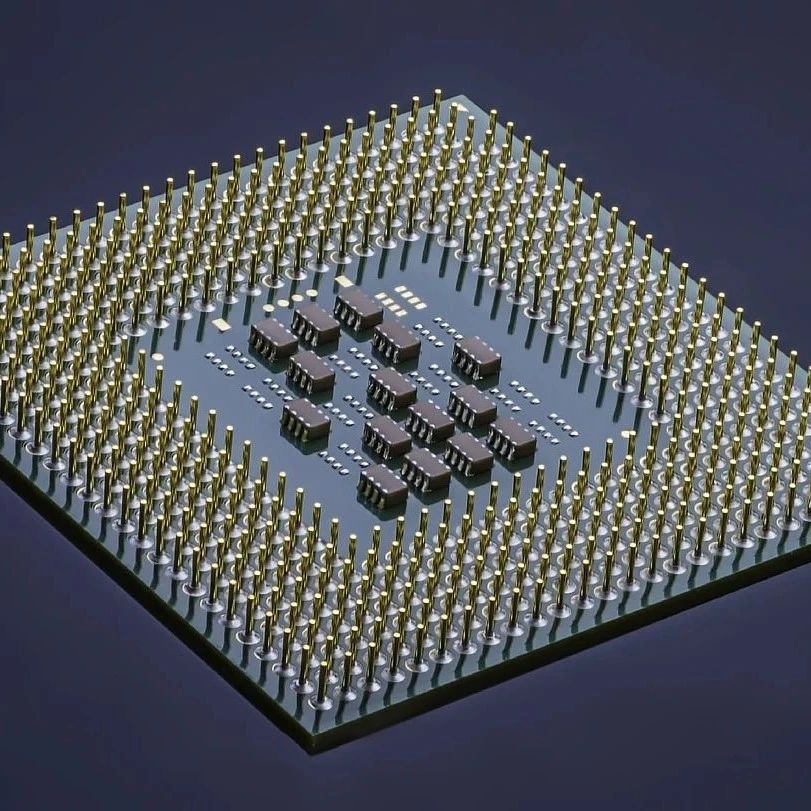
综艺股份拟2.2亿元取得吉莱微电子控制权 进入功率半导体芯片及器件领域
Zheng Quan Shi Bao Wang· 2025-08-12 05:04
Core Viewpoint - Zongyi Co., Ltd. plans to invest 220 million RMB in Jilai Microelectronics to acquire a 45.28% stake, gaining control over the company’s voting rights, which will exceed 50% after the transaction [1] Group 1: Company Overview - Zongyi Co., Ltd. operates in information technology, new energy, and equity investment, focusing on chip design, mobile gaming, and IT services [1] - Jilai Microelectronics specializes in the research, production, and sales of power semiconductor chips and devices, with a vertically integrated operation model [1] Group 2: Market Position and Clients - Jilai Microelectronics has established a competitive product quality and service system, serving notable clients in various sectors, including Midea and Xiaomi in consumer electronics, Zhejiang Chint Electric and Shanghai Liyang Electric in industrial applications, and BYD in automotive electronics [2] Group 3: Financial Performance and Projections - As of July 31, 2024, Jilai Microelectronics has an order backlog of 59.065 million RMB, which is projected to increase to 69.6929 million RMB by July 31, 2025, reflecting an approximate 18% growth [2] - The company anticipates revenue between 115 million RMB and 125 million RMB for the first half of 2025, with a year-on-year change of -3.32% to 5.08% [2] Group 4: Performance Commitments - Jilai Microelectronics has committed to achieving net profits of 26 million RMB, 33 million RMB, 41 million RMB, and 50 million RMB for the years 2025 to 2028, with a cumulative commitment of no less than 150 million RMB [3] Group 5: Strategic Implications - The acquisition will enhance Zongyi Co., Ltd.'s capabilities in the power semiconductor sector, aligning with the trend of domestic substitution and providing a foundation for future expansion into broader integrated circuit design, manufacturing, and testing [3]

午间涨跌停股分析:40只涨停股、4只跌停股,芯片产业链表现活跃,海立股份5天4板
Xin Lang Cai Jing· 2025-08-12 04:01
Group 1 - A-shares saw a strong performance with 40 stocks hitting the daily limit up and 4 stocks hitting the limit down on August 12 [1] - Local stocks in Xinjiang maintained strong momentum, with Hongtong Gas achieving 5 limit ups in 6 days and Xinjiang Communications Construction achieving 3 consecutive limit ups [1] - The chip industry chain showed active performance, with Haili Co. achieving 4 limit ups in 5 days [1] Group 2 - Stocks that experienced consecutive limit ups include Jishi Media with 5 limit ups in 7 days, Beixin Road and Bridge, Xinjiang Torch, and Bayi Steel with 3 consecutive limit ups, and Feiya and Jiuding Investment with 2 consecutive limit ups [1] - Stocks that hit the limit down include Huangting International, *ST Bio, *ST Gaohong, and Huanshanghuan [2]

美股三大指数小幅下跌,房利美房地美逆势大涨超13%创16年新高
Jin Rong Jie· 2025-08-12 01:16
Group 1 - The core viewpoint of the articles highlights the mixed performance of the U.S. stock market, with major indices experiencing slight declines while specific sectors, particularly real estate, showed significant gains [1][2]. - Major technology stocks, including Apple, Microsoft, and Nvidia, faced declines, with Intel experiencing a notable drop of over 3%, indicating growing investor concerns about traditional chip manufacturers [1][2]. - In contrast, Tesla's stock rose over 2%, marking its fourth consecutive day of gains, showcasing resilience in the electric vehicle sector amidst broader market pressures [1][2]. Group 2 - The strong performance of Fannie Mae and Freddie Mac was primarily driven by market expectations of their potential initial public offerings, supported by a recent U.S. Treasury statement facilitating their exit from government conservatorship [2]. - The overall market sentiment was cautious, with investors awaiting more economic data and corporate earnings reports to gauge future market directions [2]. - The notable rise in the real estate financial sector, particularly Fannie Mae and Freddie Mac, not only boosted their respective stocks but also provided support for the broader financial sector [2].
金价暴跌,特朗普澄清“黄金税”
Di Yi Cai Jing· 2025-08-12 01:11
本文字数:1963,阅读时长大约3分钟 作者 | 第一财经 樊志菁 在上周引起市场剧烈波动后,美国总统特朗普周一宣布,不会对进口金条加征关税。当天国际金价震荡走低超2%,创近三个月来最大跌幅。与此同时, 对黄金的避险需求因俄乌停火前景而减弱,投资者也在密切关注事关9月美联储降息的最新美国通胀报告及依然不明朗的全球贸易形势进展。 72小时市场巨变 纽约商品交易所近月黄金期货合约周一重挫近2.5%,盘后失守每盎司3400美元,创今年5月以来最大跌幅。 商品经纪商StoneX分析师奥康内尔(Rhona O'Connell)表示:"芝加哥商品交易所COMEX库存目前占未平仓合约的86%,而正常情况下为40%-45%,因此 没有流动性问题。"他预计,美国海关与边境保护局仍可能修改其观点,或者华盛顿可能会将第二个HS编码添加到其排除清单中,或者该行业可能会挑战 美国海关与海关保护局的立场。 多重因素或影响短期金价 如今,市场目光将转向最新美国物价数据。美国7月消费者价格指数CPI将于周二公布,周四将公布生产者价格指数PPI。 最近一份弱于预期的美国就业报告增加了交易员对美联储9月份降息的押注。根据芝加哥商品交易所集团的F ...

黄金创三个月最大跌幅!特朗普澄清:不会对金条加征关税
Di Yi Cai Jing· 2025-08-12 00:09
Core Points - President Trump announced that there will be no tariffs on imported gold bars, leading to a significant drop in international gold prices, which fell over 2% on the same day, marking the largest decline in nearly three months [1][2] - The recent volatility in gold prices was influenced by the uncertainty surrounding tariffs and the potential impact on the gold market, with futures contracts experiencing a nearly 2.5% drop, falling below $3,400 per ounce [2][3] - The market is closely monitoring upcoming U.S. inflation reports, as a weaker-than-expected employment report has increased bets on a potential interest rate cut by the Federal Reserve in September [4] Market Reactions - Following the announcement of no tariffs, gold prices initially surged to a record high of $3,534.10 per ounce before retreating as the White House planned to clarify tariff-related misinformation [2] - The COMEX inventory levels are currently at 86% of open contracts, significantly higher than the normal range of 40%-45%, indicating no liquidity issues in the market [3] - Analysts suggest that the elimination of tariff uncertainty may lead to a more bearish outlook for gold prices, especially if upcoming inflation data exceeds expectations [4] Trade and Economic Factors - The ongoing trade tensions and recent tariff announcements by the U.S. government are expected to influence gold prices, with the market reacting to the potential for new tariffs on various goods, including pharmaceuticals [4] - The anticipated meeting between President Trump and President Putin regarding the Ukraine conflict is also seen as a factor that could affect gold prices, as hopes for a ceasefire may reduce safe-haven demand for gold [5][6]
关税大棒挥向芯片,为何美国高端制造复兴仍是泡影?
Feng Huang Wang· 2025-08-11 09:23
特朗普 据《华尔街日报》报道,美国总统特朗普的芯片关税政策可能会扰乱全球电子产品贸易,推高各种商品价格。但有一点看起来不太可能实现让美国高端芯片 制造业重现繁荣。 上周,特朗普威胁对"芯片和半导体"征收100%关税,但同时提出豁免条件。根据特朗普的说法,那些承诺"在美国制造"的公司将免缴此关税。 尽管措辞含糊,但这一政策表面看来合乎逻辑。既然关税的目的是促使企业在美国增加生产,那么当它们真的这么做时,理应获得豁免。 该投的已投了 但问题是,全球主要芯片公司其实早已在美国投资建设生产线,这在一定程度上得益于拜登政府此前发放的补贴。为了获得关税豁免,其他科技巨头很可能 会选择投资高端芯片制造以外的领域。 例如,台积电正在菲尼克斯以北建设芯片工厂,这些项目是其对美投资1650亿美元的一部分。韩国三星电子也在得州投资建设价值400亿美元的芯片工厂。 类似的投资案例还有很多。 这些芯片制造商很可能会凭借这些巨额投资获得关税豁免。但如果真是这样,特朗普最新的关税政策就难以激励他们继续扩大在美国的业务。相反,这种激 励措施可能会促使他们仅在美进行足够的投资以安抚政客,然后进口所需的其他产品,尤其是考虑到在美国生产的成本要高 ...