咖啡

Search documents
受关税影响,巴西8月对美咖啡出口同比大跌55%
Guan Cha Zhe Wang· 2025-09-02 12:12
Group 1: Coffee Industry - Brazil's coffee exports to the US fell by 55.24% year-on-year in August due to a 50% tariff imposed by the US government [1] - In July, Brazil exported 450,000 bags of coffee to the US, which dropped to around 250,000 bags in August after the tariff policy took effect [1] - The Brazilian Coffee Exporters Association noted that US coffee consumption demand remains strong, but the tariff impact will ultimately harm US consumers [1] Group 2: Tea and Beverage Industry - 1点点 clarified that there is no mandatory purchase requirement for consumers ordering milk tea, addressing rumors about needing to buy additional items for delivery [2] - Bawang Tea has officially entered the Philippine market with three stores opened in Manila, contributing to a 77.4% year-on-year growth in overseas GMV to 235 million yuan in Q2 [2] - The total number of Bawang Tea's overseas stores reached 208, covering multiple countries including Malaysia, Singapore, and the US [2] Group 3: New Store Openings - Yeye Bu Pao Tea plans to open 17 new stores in the northwest region of China, expanding its market presence beyond core business districts to include third and fourth-tier cities [3][4] Group 4: New Product Launches - Lemon Right has officially entered the coffee market with a new product line, achieving a 416% year-on-year sales growth for its "Duck Shit Fragrant Lemon Coffee" [5] - The new coffee series uses Ethiopian specialty beans and aims to enhance the brand's product offerings while focusing on quality and market trends [5] Group 5: Financial Performance - Hu Shang A Yi reported a revenue of 1.818 billion yuan for the six months ending June 30, 2025, representing a 9.7% year-on-year increase [6] - The company achieved a gross profit of 572 million yuan, with a net profit of 203 million yuan, reflecting a 20.9% increase [6] - As of June 30, 2025, Hu Shang A Yi had 9,436 stores, with a registered WeChat mini-program membership of 131 million [6]
黑岩咖啡A类普通股IPO发行价区间预计为16-18美元/股。
Ge Long Hui A P P· 2025-09-02 11:42
格隆汇9月2日|黑岩咖啡(Black Rock Coffee Bar)向美国证券交易委员会(SEC)提交文件:A类普通股IPO 发行价区间预计为16-18美元/股。 ...
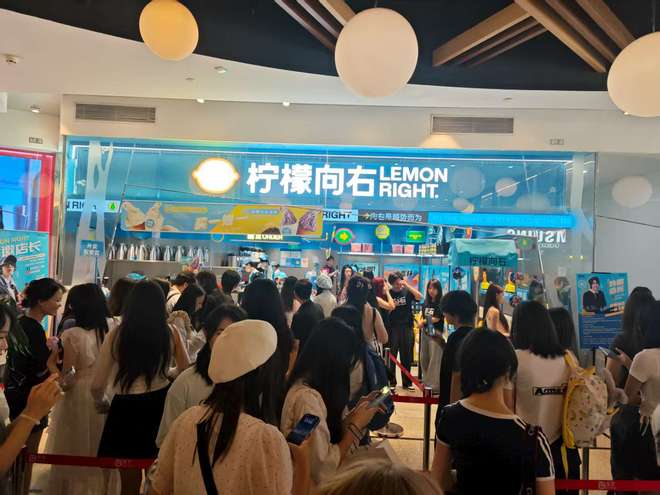
对话柠檬向右创始人:拥挤的咖啡赛道里做差异化
2 1 Shi Ji Jing Ji Bao Dao· 2025-09-02 08:31
Core Viewpoint - The local tea brand "Lemon Right" is entering the light coffee market with a new product line centered around "Lemon + Coffee" to enhance its brand positioning and extend its operational hours [1] Group 1: Market Positioning and Strategy - The founder of Lemon Right, Xu Baihe, emphasizes a clear brand positioning focused on lemon, aiming to differentiate from competitors who primarily use lemon syrup and essence in their coffee products [1][3] - The company plans to introduce breakfast items to complement coffee sales, targeting high-demand areas such as airports and train stations, where coffee sales have been performing well [2] Group 2: Competitive Landscape - The coffee market is described as crowded, but Lemon Right positions itself uniquely by focusing on a niche segment of lemon-infused coffee, distinguishing itself from other tea brands like Gu Ming and Mi Xue Ice City [3] - Xu Baihe notes that while many tea brands are entering the coffee space, Lemon Right is the first to explore the specific niche of combining lemon with coffee [3] Group 3: Expansion Plans - The company is currently refining its business model to enhance operational efficiency, with plans to control store size and staffing to facilitate rapid expansion once the model is proven effective [4] - Lemon Right has already engaged in overseas market expansion, particularly in Southeast Asia, where it aims to enter profitable markets rather than merely increasing brand visibility [4]
对话柠檬向右创始人:拥挤的咖啡赛道里做差异化丨咖啡茶饮龙门阵
2 1 Shi Ji Jing Ji Bao Dao· 2025-09-02 08:21
Core Viewpoint - The Shanghai-based new tea drink brand, Lemon Right, is entering the light coffee market with a new product matrix centered around "lemon + coffee" as it celebrates its fourth anniversary [1] Company Strategy - Lemon Right's founder, Xu Baihe, emphasizes a clear positioning strategy focusing on lemon as the core ingredient while eliminating unrelated products [1] - The company aims to extend operating hours and enrich consumption scenarios by introducing coffee and breakfast products [4] Market Context - The coffee market is experiencing significant growth, with competitors like Mixue Group's Lucky Coffee seeing a 164% year-on-year increase in new store openings in Q2, reaching over 7,000 stores by July 31 [3] - Xu Baihe notes that many existing brands attempting to launch lemon coffee often rely on yellow lemons or lemon syrup, lacking the complex craftsmanship of using multiple types of lemons [3] Product Development - Lemon Right plans to introduce breakfast items to complement coffee sales, particularly in locations like airports and train stations where coffee sales have been strong [4] - The company believes that coffee can better meet the demand for energy-boosting beverages compared to lemon tea, which primarily addresses the need for refreshing drinks [3] Competitive Landscape - Xu Baihe asserts that Lemon Right operates in a different segment compared to other tea brands that have introduced coffee, such as Gu Ming and Mixue Ice City, as their store formats and target markets differ [5] - The company positions itself as the first tea brand focusing specifically on the niche of lemon coffee [5] Expansion Plans - Currently, Lemon Right is refining its business model before accelerating store expansion, aiming for high efficiency with a target of three staff members per store and a strict area limit of 15 to 20 square meters [6] - The company has signed partnerships in multiple Southeast Asian markets and aims for profitability in its overseas expansion rather than merely increasing brand awareness [6]

5万家店赚27亿,蜜雪冰城还能跑多快?
投中网· 2025-09-02 06:33
Core Viewpoint - The article discusses the performance and challenges of Mixue Ice City, highlighting its significant revenue growth and expansion while addressing concerns about profitability and food safety issues [6][19]. Financial Performance - In the first half of 2025, Mixue Ice City achieved revenue of 14.875 billion yuan, a year-on-year increase of 39.3%, and a profit of 2.718 billion yuan, up 44.1% [6][8]. - The company opened nearly 10,000 new stores within a year, bringing the total to over 53,000 globally, with a daily average of about 27 new stores [6][8]. Market Position and Strategy - Mixue Ice City primarily targets lower-tier cities, with 57.6% of its stores located in third-tier and below cities, indicating significant growth potential in first-tier cities [9]. - The brand's marketing expenses are relatively low, with sales and distribution costs increasing by 40.2% to 913.7 million yuan, representing 6.1% of total revenue [9][10]. Brand and Consumer Engagement - The "Snow King" brand image has become deeply ingrained in consumer consciousness, contributing to its strong market presence and effective consumer engagement strategies [9][10]. - The brand has leveraged social media, with over 54.2 billion views on Douyin, and has engaged in promotional activities to enhance consumer interaction [10]. Challenges and Risks - Despite growth, Mixue Ice City faces challenges such as declining single-store profitability and food safety incidents, which have raised concerns about brand management [15][18]. - The number of store closures has increased, with 1,187 closures reported in the first half of 2025, up 48.6% from the previous year [16][17]. Expansion and Future Outlook - Mixue Ice City is pursuing international expansion, although its overseas store count has decreased from 4,895 to 4,733, focusing on optimizing existing operations [12][16]. - The company is also developing a second growth curve through its sub-brand Lucky Coffee, which aims to penetrate the coffee market with low pricing strategies [12][13].

6200元手冲翻车,主理人成为全民笑柄,一场10万亿消费市场的真相
创业邦· 2025-09-02 03:09
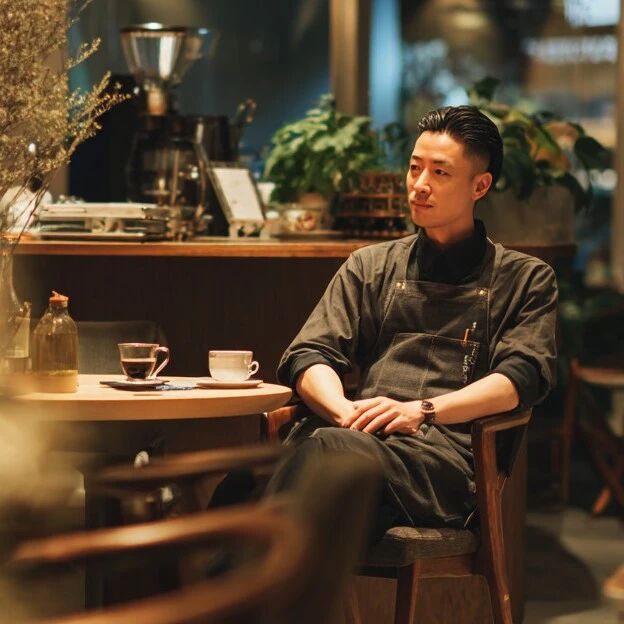
Core Viewpoint - The term "主理人" (zhǔ lǐ rén) has shifted from a prestigious title in the fashion and culinary industries to a subject of ridicule, reflecting a broader consumer backlash against pretentious marketing and service experiences [9][14][61]. Group 1: Evolution of the Term "主理人" - Originally, "主理人" referred to a creative director or brand manager, symbolizing a high-status role in brand culture [8][15]. - The term gained popularity in China as a sophisticated alternative to "small business owner," but its overuse led to a dilution of its meaning [18][19]. - The proliferation of the term in the food and beverage industry has resulted in absurd titles that confuse consumers about the actual offerings [23][26]. Group 2: Consumer Backlash - Consumers have reacted negatively to the pretentiousness associated with "主理人," leading to a trend of mocking the term on social media [31][55]. - Common complaints include condescending service, excessive rules, and a double standard in customer treatment, which have turned the dining experience into a test of cultural knowledge rather than a simple transaction [33][35][38]. - The expectation for genuine experiences has increased, with consumers preferring authenticity over inflated identities [40][46]. Group 3: Market Dynamics - The rise of low-cost coffee options has shifted consumer expectations, making them less willing to pay premium prices without clear value [40][42]. - The coffee market in China has expanded significantly, with over 380,000 stores and a growth rate exceeding 15%, but not all establishments are profitable [45]. - The trend of "消费降级不降质" (consumption downgrade without quality downgrade) indicates a shift towards value-driven purchasing behavior among younger consumers [46][59]. Group 4: Future of the "主理人" Concept - The survival of businesses in this new landscape will depend on their ability to provide transparent, stable experiences and genuine value [59][61]. - The industry may see a bifurcation where only those who maintain quality and authenticity will thrive, while others may face closure [59][62]. - The emphasis on emotional and cultural value in consumer spending suggests that brands must focus on real connections rather than superficial identities to succeed [59][62].
华润饮料,少卖了14亿元丨消费参考
2 1 Shi Ji Jing Ji Bao Dao· 2025-09-02 00:25
Group 1: Company Performance - China Resources Beverage reported a revenue decline of 18.52% year-on-year to 6.206 billion yuan in the first half of 2025, with a net profit drop of 28.63% to 805 million yuan [1] - The revenue from packaged drinking water decreased by 23.11% to 5.251 billion yuan, while beverage revenue increased by 21.28% to 955 million yuan [1] - The gross margin for China Resources Beverage was 46.67%, down 2.6 percentage points year-on-year, primarily due to a significant revenue drop and increased channel investments [1] Group 2: Market Trends - The overall beverage market in China is still in a growth cycle, with a 4.7% increase in the domestic beverage market across all channels as of June 2025 [2] - Nongfu Spring reported a revenue increase of 15.6% year-on-year to 25.622 billion yuan in the first half of 2025, with its packaged water business growing by 10.7% [2] - The performance disparity between companies like Nongfu Spring and China Resources Beverage indicates intensifying competition in the beverage market [4] Group 3: Competitor Analysis - Master Kong's beverage revenue declined by 2.6% year-on-year to 26.359 billion yuan in the first half of 2025, with tea beverage sales down 6.3% [3] - The beverage market is experiencing a split in performance, highlighting the competitive landscape where some companies are thriving while others are struggling [4]
25国暂停对美寄送包裹;迷你版Labubu全球开售丨出海周报
2 1 Shi Ji Jing Ji Bao Dao· 2025-09-01 02:05
Industry Overview - 25 countries have suspended parcel shipments to the U.S. due to new regulations that require all packages valued at $800 or less to pay applicable taxes starting from August 29 [1] - China's trade with the Arab League reached a record high of 1.72 trillion yuan in the first seven months of the year, marking a 3.2% year-on-year increase [2] - The Ministry of Commerce in China is set to optimize the zero tax rate declaration process for service exports, aiming to enhance export tax rebate efficiency [3] Major Platforms - Mini version of Labubu has sold out in Australia, New Zealand, and Japan on AliExpress, indicating strong overseas demand [4] - JD.com's cross-border e-commerce brand Joybuy has officially launched in France and plans to enter the German market soon [5] - Temu topped the Brazilian e-commerce traffic rankings with 410 million visits in July, a 70% month-on-month increase [6] - Amazon plans to build over 800 logistics distribution points in Brazil by the end of 2025 to enhance delivery efficiency [7] Company Updates - BYD announced the construction of an assembly plant in Malaysia, expected to commence production in 2026 [8] - Leapmotor's European manufacturing base will be established in Zaragoza, Spain, with production set to begin in Q3 of next year [9] - Lucky Coffee, a brand under Mixue Group, opened its first overseas store in Malaysia, selling nearly 2,000 cups on the opening day [10] - Alibaba's international business revenue grew by 19% year-on-year, driven by strong performance in cross-border operations [11] - Didi's international business saw a 24.9% year-on-year increase in order volume, reaching an average of 1.196 million daily orders in Q2 [12] - Anker Innovations reported a 33.36% year-on-year increase in total revenue for the first half of the year, reaching 12.867 billion yuan [13] - Legg's revenue grew by 29.56% year-on-year to 3.145 billion yuan, with overseas warehouse business showing significant growth [14] - Zhiou Technology's revenue increased by 8.68% year-on-year, with 50% of its production capacity for U.S. shipments relocated to Southeast Asia [15]
珀莱雅拟赴港上市;娃哈哈股权变更;香料龙头奇华顿CEO卸任
Sou Hu Cai Jing· 2025-08-31 13:24
Listing Dynamics - Proya plans to issue H-shares and list on the Hong Kong Stock Exchange to enhance its international strategy and overseas business development, aiming to improve its overall competitiveness [3] - The company is currently discussing the details of the issuance with relevant intermediaries, and the issuance will not change the control of the major shareholders [3] Mergers & Acquisitions - Apollo Global Management is one of the few potential buyers in preliminary talks with Coca-Cola regarding the sale of Costa Coffee, although a formal bid may not be submitted [5] - Coca-Cola's decision to sell Costa Coffee is seen as a move to offload heavy assets and recover cash, potentially sparking a new wave of mergers in the coffee sector [5] Brand Dynamics - Tims China reported Q2 2025 revenue of 349 million yuan, with system sales up 1.4% to 409.5 million yuan, driven by stable cash flow from franchise and retail operations [11] - The company’s franchise business continues to grow rapidly, with the number of franchise stores increasing to 449, up from 333 year-on-year [11] - Meituan's Q2 2025 revenue reached 91.84 billion yuan, a year-on-year increase of 11.7%, but operating profit fell significantly, indicating intense competition in the food delivery market [12][14] Corporate Governance - The control of Wahaha has been solidified with Zong Fuli inheriting 29.4% of the shares from Zong Qinghou, resulting in a new governance structure combining state-owned and family interests [8][9] - Yum! Brands appointed Chris Turner as a board member and future CEO, marking the beginning of a new leadership era [29]


周末的新民大街点亮长春金秋消费季
Sou Hu Cai Jing· 2025-08-31 11:11
Group 1 - The "2025 Autumn Consumption Season" was launched on August 30, transforming Xinmin Street into a popular city walk destination with thousands of visitors [1][3] - Eight themed zones were created, each offering immersive experiences and showcasing local products, including traditional crafts and specialty items from Jilin [3][5] - Various local businesses participated, featuring products such as Mid-Autumn gift boxes, new beer cans, and health products, contributing to a vibrant shopping atmosphere [5][7] Group 2 - The event attracted a diverse crowd, including students and tourists, who expressed excitement over the variety of offerings, including local delicacies and high-end hotel food [7][9] - The festival included interactive elements such as a flower and gardening area, financial and logistics information, and entertainment like parades and performances, enhancing the overall experience [11][19] - The atmosphere was lively, with performances and interactions that created a festive environment, reminiscent of an outdoor music festival [17][19]