智能手机

Search documents
苹果iPhone产品线揭秘:2027年或推出至少七款新机型
Huan Qiu Wang Zi Xun· 2025-12-17 04:25
来源:环球网 到了2027年,苹果预计将推出多款新机型,涵盖iPhone 18、iPhone 18e、iPhone 19 Pro、iPhone 19 Pro Max、iPhone Air 2、iPhone 19 Fold以及iPhone 20周年纪念版。(青山) 多位直接参与相关工作的知情人士透露,苹果计划在未来两年内大幅扩展其智能手机产品线。到2027年 秋季,苹果将至少推出七款新机型,相较于当前仅有的五款iPhone,产品线规模显著增加。 回顾苹果iPhone的发展历程,2007年,初代iPhone横空出世,开启了智能手机的新纪元;2017年, iPhone X带来重大设计变更,引领了全面屏时代的潮流。按照这样的发展脉络,2027年作为iPhone诞生 20周年的重要节点,苹果势必会带来另一款具有革新意义的iPhone机型,引发市场的高度期待。 今年,苹果iPhone系列已经推出了多款新机,包括iPhone 16e、iPhone 17、iPhone 17 Pro、iPhone 17 Pro Max以及全新的超薄机型iPhone Air,为消费者提供了更多选择。 而根据现有的爆料信息,苹果在未来的产品规划上 ...



第一创业晨会纪要-20251217
First Capital Securities· 2025-12-17 04:22
Macro Economic Group - The U.S. non-farm payrolls increased by 64,000 in November, exceeding the expected increase of 50,000, while October saw a decrease of 105,000 [4] - The unemployment rate in November was 4.6%, higher than the expected 4.4%, marking a four-year high [4] - Average hourly wages in November rose by 3.5% year-on-year, slightly below the expected 3.6% [4] Industry Comprehensive Group - Apple plans to significantly expand its smartphone product line, potentially releasing at least seven new flagship models by fall 2027, including the first foldable iPhone expected in fall 2026 [9] - The investment in new energy sources is expected to maintain strong levels next year, with a focus on building smart grids and microgrids [9] - The investment opportunities in the power grid equipment industry are anticipated to grow due to increased investment in energy infrastructure [9] Advanced Manufacturing Group - The largest grid-type lithium-sodium hybrid energy storage station in China has been officially put into operation, with a total installed capacity of 400,000 kW and a green electricity ratio of 98% [12] - This energy storage system can respond to grid load fluctuations and changes in renewable energy output, marking a shift from optional to essential infrastructure for grid resilience [12] - The industry is expected to see improved profitability as the focus shifts from price competition to system service fees [12] Consumer Group - The light manufacturing sector is experiencing structural opportunities, with companies that have established overseas production capacity expected to perform well in 2025 [14] - The U.S. housing market is at a historical low, and the anticipated interest rate cuts are expected to boost housing demand, positively impacting home-related consumption [14] - The outdoor sports category is expected to benefit from the recovery of the real estate chain and consumer upgrade trends, providing growth support for related companies [14]
围墙倒塌前夜:iOS 与 Android 迎来“世纪大和解”
3 6 Ke· 2025-12-17 04:17
Core Viewpoint - The article discusses a significant shift in Apple's strategy as it opens up iOS to better interoperability with Android, particularly through the introduction of features in iOS 26.3 that facilitate data transfer and notification forwarding between the two operating systems, driven by regulatory pressures from the EU's Digital Markets Act (DMA) [3][13][15]. Group 1: iOS 26.3 Features - iOS 26.3 introduces a "Transfer to Android" feature that allows seamless migration of data from iPhone to Android, including photos, videos, contacts, and even app compatibility lists [8][16]. - The new system-level functionality simplifies the data transfer process, making it as easy as a simple confirmation, akin to the AirDrop experience [8][9]. - The "Notification Forwarding" feature allows users to send system notifications to non-Apple devices, breaking the exclusivity of Apple Watch and enhancing user choice [10][12]. Group 2: Regulatory Influence - The changes in iOS 26.3 are a direct response to the EU's DMA, which mandates data portability and interoperability, indicating that user data belongs to the user rather than the platform [13][15]. - Apple's previous data export tools were cumbersome, and the new features align with regulatory requirements to facilitate easier data migration [15][16]. Group 3: Impact on Competitors - The opening of iOS to Android interoperability is seen as a boon for domestic smartphone manufacturers like Vivo, OPPO, and Xiaomi, who have struggled to break Apple's ecosystem barriers [16][22]. - The new features eliminate the last major reason for users to stick with iPhones due to ecosystem lock-in, potentially increasing competition in the high-end smartphone market [22][24]. Group 4: Long-term Implications for Apple - While Apple may risk losing some users to Android, the shift could lead to a renewed focus on hardware innovation and service revenue expansion, as the ecosystem lock-in diminishes [24]. - The changes may also alleviate antitrust pressures by demonstrating a willingness to comply with regulatory demands, potentially reducing the risk of severe penalties [24]. Group 5: Consumer Benefits - Consumers will benefit from increased freedom of choice between devices, as the barriers between iOS and Android diminish, aligning with the vision of a more interconnected digital ecosystem [25].
苹果的“野心”藏不住了!两年7款新机连发,折叠iPhone明年量产
Ge Long Hui· 2025-12-17 04:00
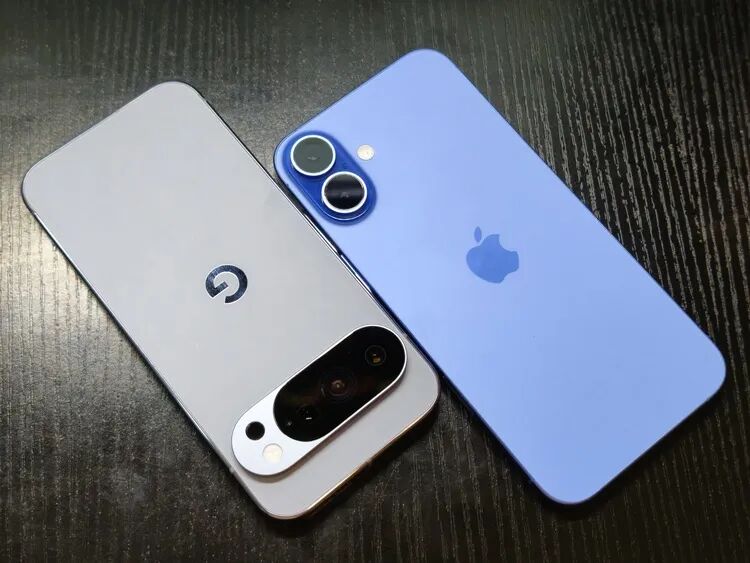
Core Insights - Apple is planning a significant expansion of its smartphone product line, with at least seven new flagship models expected to be launched by fall 2027, including the first foldable iPhone anticipated in fall 2026 [1][3][5]. Product Line Expansion - The expansion of the iPhone product line aims to mitigate the impact of seasonal downturns on business performance [2]. - iPhone sales account for nearly half of Apple's total revenue, but growth has stagnated in recent years due to extended consumer upgrade cycles [2]. - As of September 27, iPhone sales increased by 4% year-over-year, primarily driven by design upgrades in the iPhone 17 series [2]. Foldable iPhone Details - The foldable iPhone will feature a 5.5-inch external display with a resolution of 2088×1422 and a 7.8-inch internal display with a resolution of 2713×1920 [6]. - The device will incorporate advanced hinge technology to eliminate common foldable screen issues and will support self-healing coating technology for enhanced scratch resistance [6]. Upcoming Models - The iPhone 18 Pro and Pro Max, set for release in 2026, are expected to feature the A20 chip and a new chip packaging technology that separates the CPU and GPU for greater flexibility [7]. - The standard iPhone 18 may not be released in 2026, with its launch potentially pushed to early 2027 [8]. - The core new product for fall 2027 will be the iPhone 20th Anniversary Edition, which aims to be a groundbreaking device with a true full-screen design [9][10]. Market Position and Competition - Apple is expected to launch the second-generation iPhone Air and other derivative models, creating a "super product matrix" that covers various price segments [11]. - The foldable iPhone is projected to capture over 22% of the market share in its first year, with an estimated production target of 8 to 10 million units [19][22]. - By 2027, the foldable iPhone's shipment volume could reach approximately 25 million units, contributing to a projected 17% compound annual growth rate in the global foldable screen market by 2029 [22].
美团、京东、腾讯、抖音…多家平台签署→
新华网财经· 2025-12-17 03:35
记者16日了解到,市场监管总局缺陷产品召回技术中心发布了《网络销售消费品安全与召回共治承诺监测评估指南》,按照"网络销售消费 品安全与召回共治承诺"的内容,针对网络交易平台承诺实施情况设置了监测指标。 一是网络交易平台是否发挥数据和资源优势,建立缺陷消费品信息监测与共享机制,持续开展信息监测和风险研判,将涉及人身伤害相关 投诉举报信息实时向市场监管部门、相关平台内经营者共享。 二是网络交易平台收到市场监管部门推送的消费品召回信息后,是否在24小时内要采取措施,停止销售缺陷消费品。 三是网络交易平台是否为平台内经营者提供条件,供其在店铺主页面显著位置公布相关消费品召回信息,并明确告知消费者相关权利。 四是平台是否加强对缺陷消费品召回处置情况的跟踪,阻断缺陷消费品重新上架。 五是对明知消费品存在缺陷而继续在网络交易平台上销售的,或者将尚未消除缺陷的消费品重新上架的平台内经营者,网络交易平台是否 依据平台规则采取必要的管理措施。 苹果闪送官宣iPhone免运费 目前淘天、美团、京东、小红书、腾讯、快手、抖音、得物、唯品会9家网络交易平台企业签署了《网络销售消费品安全与召回共治承诺 书》。 后续市场监管部门将逐步扩大 ...

雷军“千万年薪”挖人,罗福莉首秀
3 6 Ke· 2025-12-17 03:32
Core Insights - Xiaomi is at a critical juncture, transitioning towards becoming a hard-tech company, with a strong focus on AI and intelligent hardware [1][5][19] - The launch of AI models like Xiaomi MiMo and MiMo-V2-Flash signifies Xiaomi's commitment to AI research and development, aiming to enhance its competitive edge in the smartphone market [2][6][12] AI Model Development - Xiaomi released its first inference model, Xiaomi MiMo, in April 2025, showcasing impressive performance in mathematical reasoning and coding competitions [1][6] - The latest model, MiMo-V2-Flash, features 309 billion parameters and has achieved top rankings in global open-source model benchmarks, outperforming many competitors in both performance and cost efficiency [2][12][14] Strategic Partnerships and Talent Acquisition - The appointment of Luo Fuli, a prominent AI talent, reflects Xiaomi's aggressive strategy to enhance its AI capabilities, with significant financial investments in talent acquisition [8][11][19] - Luo Fuli emphasized the need for AI systems to evolve beyond mere language processing to become true intelligent agents capable of understanding and interacting with the world [12][19] Market Trends and Competitive Landscape - The AI model landscape is rapidly evolving, with various competitors like Huawei, OPPO, and Vivo also investing in AI technologies, indicating a highly competitive environment [6][19] - The success of AI-integrated devices, such as the Nubia M153, demonstrates the growing consumer demand for AI capabilities in smartphones, which Xiaomi aims to capitalize on [16][17] Investment and R&D Commitment - Xiaomi plans to invest 30 billion yuan in R&D for 2025 and an additional 200 billion yuan over the next five years, covering multiple technology domains including AI [19][20] - The company has filed over 40,000 global patents, indicating a strong commitment to innovation and technology development [19]


卢伟冰:小米手机中国市场1-10月排名第二,今年高端手机出货量将超1500万台
Xin Lang Cai Jing· 2025-12-17 02:12
新浪科技讯 12月17日上午消息,在今日的小米2025小米人车家全生态合作伙伴大会上,小米集团合伙 人、集团总裁卢伟冰发表《一路同行,澎湃未来》的主题演讲。 他分享了小米手机业务的相关进展,第三方数据显示,今年第三季度小米手机在全球市场稳居前三,中 国市场1-10月排名第二。 他透露,2024年小米高端手机出货量超1300万台,今年预计超过1500万台。 新浪科技讯 12月17日上午消息,在今日的小米2025小米人车家全生态合作伙伴大会上,小米集团合伙 人、集团总裁卢伟冰发表《一路同行,澎湃未来》的主题演讲。 他分享了小米手机业务的相关进展,第三方数据显示,今年第三季度小米手机在全球市场稳居前三,中 国市场1-10月排名第二。 他透露,2024年小米高端手机出货量超1300万台,今年预计超过1500万台。 责任编辑:江钰涵 责任编辑:江钰涵 ...

薪酬惊人!苹果库克7小时收入超普通工人年薪;帮周鸿祎做数十亿假账?360集团回应:完全失实;昆仑芯完成股改,或明年上半年港股上市
雷峰网· 2025-12-17 00:38
Key Points - The article highlights the astonishing CEO compensation in the U.S., with Apple's Tim Cook earning $74.6 million in 2024, an 18% increase from 2023, which translates to more than the annual salary of an average American worker in just 7 hours of work [4][5] - The article discusses the ongoing controversy surrounding 360 Group, where allegations of financial misconduct were made against its founder Zhou Hongyi, which the company has vehemently denied [7][8] - Huawei has made significant changes in its executive leadership, appointing Yu Chengdong as the chairman of Huawei Terminal Co., aiming for a more agile decision-making process [10][11] - Xiaopeng Motors and Li Auto have received L3 autonomous driving road testing licenses, indicating advancements in their autonomous vehicle capabilities [13][14] - Kunlun Chip has completed its corporate restructuring and is expected to go public in Hong Kong in the first half of 2026, following a successful D-round financing [15][16] - Faraday Future has begun production of its FX Super One model, although the assembly process has drawn criticism for being overly manual and lacking quality standards [18][19] - The article notes that the EU is reconsidering its 2035 ban on internal combustion engine vehicles, allowing for a more flexible approach to emissions standards [43][44] - ByteDance has launched a new paid web novel app, "Red Candle Novel," which aims to differentiate itself from its free counterpart by offering premium content [37] - Alibaba is set to release a free enterprise information query app, "88查," to compete in the crowded market of business information services [38][39]

财联社12月17日早间新闻精选
Xin Lang Cai Jing· 2025-12-17 00:33
Group 1 - The Social Security Fund emphasizes the role of long-term capital in supporting national development and technological innovation while maintaining safety [1] - The Central Financial Office calls for the rectification of "involution" competition among enterprises and the improvement of capacity regulation mechanisms in key industries [2] - The Ministry of Housing and Urban-Rural Development holds a national conference on intelligent construction, promoting its wider application and emphasizing high-quality development in the construction industry [4] Group 2 - The smartphone industry faces inventory shortages, with a projected 2.1% decline in global smartphone shipments in 2026 and a 6.9% increase in average selling prices [5] - The tungsten market sees accelerated price increases, with tungsten concentrate prices exceeding 400,000 yuan per ton and ammonium paratungstate (APT) prices surpassing 600,000 yuan per ton [7] - Companies such as Huazhong Cable and Dongjie Intelligent announce significant acquisitions and investments, including a 70% stake in San Zhu Technology and a 90 billion yuan procurement for servers [9][10] Group 3 - Apple plans to significantly expand its smartphone product line, with at least seven new flagship models expected by fall 2027, including the first foldable iPhone anticipated in fall 2026 [16] - The U.S. non-farm payrolls increased by 64,000 in November, with the unemployment rate rising to 4.6%, the highest since 2021 [14] - The EU Commission considers abandoning the 2035 ban on internal combustion engines to support European automakers competing with Tesla and BYD [15]
深夜,暴跌!人民币,创一年多新高;蚂蚁阿福,下载量猛增!
Jin Rong Jie· 2025-12-17 00:25
Market Dynamics - WTI crude oil futures fell by 2.73% to $55.27 per barrel, marking the first time since February 2021 that it dropped below $55, with a year-to-date decline of approximately 22%, the worst performance since 2018 [1] - The S&P 500 index decreased by 0.24%, while the Nasdaq rose by 0.23%, with Tesla shares increasing over 3% to reach a new closing high [1] - The U.S. non-farm payrolls for October showed a decrease of 105,000 jobs, higher than the expected decline of 25,000, while the unemployment rate rose to 4.6%, the highest since 2021 [1] Currency and Investment Sentiment - The U.S. dollar index fell below 98 for the first time since October 6, with a daily drop of 0.37%, while the onshore and offshore RMB against the dollar reached new highs, with the onshore rate approaching 7.04 [2] - A Bank of America monthly survey indicated that investor sentiment is at its highest in four and a half years, with an investor sentiment index of 7.4 out of 10, reflecting strong confidence in economic growth, stocks, and commodities [2] Industry Developments - Ant Group's AI health application "Antifufu" saw a surge in downloads, reaching third place on the Apple app store, with over 15 million monthly active users [5] - Alibaba launched the next-generation "Wanshang 2.6" model, which supports role-playing functions and is aimed at professional film production and image creation [5] - The Hong Kong Stock Exchange reported that over 100 companies have listed since 2025, raising over HKD 270 billion, with more than 300 listing applications currently being processed [6] Economic Policies and Trends - The Central Financial and Economic Affairs Commission emphasized the need to expand domestic demand as a priority for the coming year, with a focus on increasing residents' income and consumption capacity [10] - The Ministry of Housing and Urban-Rural Development held a meeting to promote intelligent construction and high-quality development in the construction industry [12] - The Ministry of Commerce announced that anti-dumping duties will be imposed on imports of pork and related products from the EU starting December 17, 2025, for a period of five years [12]