粮油

Search documents
建圈强链 四川农业明确产业“路线图”
Si Chuan Ri Bao· 2025-05-14 00:25
Development Goals - The livestock industry aims to increase the total output value of the entire industry chain by 269 billion yuan within 3-5 years, reaching a new milestone of 1 trillion yuan [5][12] - The grain and oil industry targets a total grain output of over 73 billion jin by 2027, with a comprehensive output value exceeding 500 billion yuan [5] - The vegetable industry aims for a stable production of around 57 million tons by 2027, with a comprehensive output value surpassing 400 billion yuan [5] - The fruit industry plans to stabilize the total area at 13.3 million mu, achieving a total output of 15.43 million tons and a comprehensive output value of 254 billion yuan by 2027 [5] - The tea industry aims for a stable planting area of 5.9 million mu, with a gross tea output value of 45 billion yuan and a comprehensive output value of 130 billion yuan by 2027 [5] - The silkworm industry targets a stable mulberry garden area of 2.3 million mu, producing 110,000 tons of silkworm cocoons, with a comprehensive output value of 100 billion yuan [5] - The fishery industry aims for a total aquatic product output of 2.13 million tons and a comprehensive output value of 149 billion yuan by 2027 [5] - The food and medicine industry aims for a comprehensive output value of over 100 billion yuan for medicinal materials by 2027 [5] Current Situation - The current agricultural industry in Sichuan is characterized by a loose "circle" and a weak "chain," with many products still in the "raw material" selling stage [9][10] - Despite being a leading producer of various agricultural products, Sichuan's tea industry faces challenges, with over 70% of tea sold in raw or semi-processed forms [9][10] - The Sichuan tea industry has seen significant growth, with the total output value surpassing 100 billion yuan for the first time in 2021 [9] Planning - The "Thousand Billion Level Advantageous Characteristic Agriculture Industry Circle Strengthening Chain Cultivation Plan" outlines the overall strategy, development goals, regional layout, key tasks, and support measures for Sichuan's agricultural industry [6][11] - The plan emphasizes the importance of production, processing, branding, and service across the entire industry chain to enhance capacity and output value [11] - Specific targets are set for different agricultural sectors, with a focus on leveraging local climatic and geographical conditions for differentiated regional development [12] Key Focus - The plan highlights the role of enterprises as the main players in the "circle" and "chain," emphasizing the importance of chain-leading and chain-associated enterprises [13][14] - The plan encourages the establishment of agricultural industrialization unions to enhance collaboration among enterprises, cooperatives, and large-scale farmers [13] - Key projects will be implemented to strengthen the industry chain, with a focus on digital platforms covering the entire production process from breeding to consumption [14]


品牌商的选择题:代工订单接不接
经济观察报· 2025-05-11 06:34
Core Viewpoint - The article discusses the dilemma faced by a dairy company in East China regarding whether to accept private label orders from channel partners, highlighting the pressure on brand owners as retailers increasingly develop their own brands, which can lead to price competition and reduced brand value [2][12][16]. Group 1: Market Dynamics - Retailers' private label sales growth is significantly outpacing overall fast-moving consumer goods (FMCG) sales, with a reported 40% increase in private label sales compared to just 2% for overall FMCG sales in the first half of 2024 [2]. - Major retailers like Sam's Club have seen their private label, Member's Mark, capture over 0.5% market share in certain categories [2]. Group 2: Manufacturer Challenges - Manufacturers face extreme transparency in cost structures when competing for private label contracts, with channel partners demanding detailed breakdowns of all costs, including minor expenses like packaging and utilities [9][10]. - The profit margins for contract manufacturing can be significantly lower, with some products yielding gross margins that are half of those for proprietary brands [8][12]. Group 3: Strategic Responses - Some manufacturers, like a leading grain and oil company, have opted to engage in contract manufacturing to maintain market presence, acknowledging that if they do not participate, competitors will [4][15]. - Companies are increasingly focusing on building their own brands while balancing the need for immediate cash flow from contract manufacturing, which can help establish trust with channel partners for future brand collaborations [17]. Group 4: Competitive Landscape - The entry of retailers into private label production has led to increased competition, particularly in categories that were previously dominated by established brands, such as dairy products [20]. - Retailers are not only looking for low-cost products but also for unique offerings, which can create opportunities for brand manufacturers to negotiate better terms based on their product quality [21]. Group 5: Long-term Implications - The reliance on contract manufacturing can weaken brand value and increase vulnerability to price competition, as seen in the experiences of various manufacturers [12][15]. - The article suggests that while contract manufacturing can provide short-term revenue, it may also pose risks to long-term brand positioning and market stability [16][23].
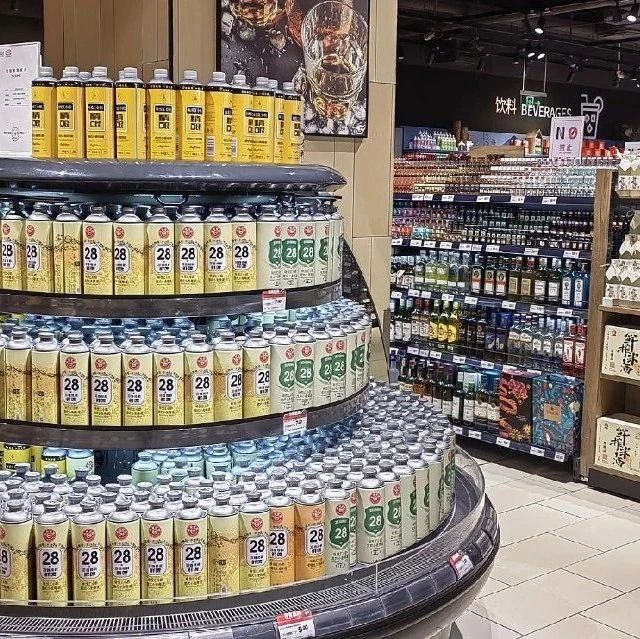
品牌商的选择题:代工订单接不接
Jing Ji Guan Cha Wang· 2025-05-10 03:56
Group 1 - A dairy company with annual sales of less than 10 billion yuan faces a dilemma regarding whether to accept private label orders from channel partners, which could alleviate excess milk supply but also lead to intense price competition and brand dilution [1][10] - The Kantar Consumer Index indicates that in the first half of 2024, the overall sales growth of private label products in monitored fast-moving consumer goods categories is 40%, significantly higher than the 2% growth of overall fast-moving consumer goods [1] - The trend of channel partners launching private label products is causing brand manufacturers to feel threatened, as they must compete directly with these private labels on supermarket shelves [1][14] Group 2 - A leading grain and oil company has adopted an open mindset towards the trend of channel partners launching private labels, acknowledging that if they do not participate, others will [2] - The company has decided to engage in contract manufacturing for channel partners, aiming to maximize profits despite the pressure to lower prices from these partners [3][11] - Contract manufacturing often results in lower profit margins, with some products yielding profits that are only half of those from self-branded products [5][11] Group 3 - The transparency required by channel partners during the bidding process for private label products puts significant pressure on manufacturers, as they must disclose all cost details [6][8] - The shift towards private labels has led to increased competition, with channel partners leveraging their pricing power to negotiate lower costs from manufacturers [9][12] - The dairy company’s market representative noted that the demand from channels includes both straightforward orders and specific product requirements, which can increase supply chain costs if not met [13] Group 4 - The emergence of private labels in traditionally branded categories, such as dairy, indicates a shift in strategy by channel partners, who are now competing in higher brand equity segments [14][15] - The collaboration between channel partners and manufacturers is evolving, with some partners seeking to create unique products rather than simply relying on low-cost options [16] - The competitive landscape is forcing manufacturers to consider high-end positioning for their own brands to differentiate from private labels, which often dominate shelf space [16][17]
一场“反商业直觉”的豪赌,金龙鱼这步棋下对了吗?
第一财经· 2025-05-09 08:58
Core Viewpoint - The collaboration between Yihai Kerry's Jinlongyu brand and the agricultural reality show "Zhongdi Ba" reflects a deep consideration of modern agriculture, focusing on the entire supply chain from farm to table, addressing food security, and reconstructing brand value under the rural revitalization strategy [1][5][19] Group 1: Cross-industry Collaboration - The partnership with "Zhongdi Ba" has transformed from a marginal concept to a phenomenon, achieving significant popularity and recognition in the variety show market [3] - Jinlongyu's early sponsorship decision was controversial, as it was perceived that the audience demographics of the show did not align with the traditional customer base of the brand [3][5] Group 2: Value Creation and Brand Strategy - Jinlongyu's strategy emphasizes value resonance over mere traffic conversion, aiming to connect with young audiences through shared values and commitment to agricultural revitalization [5][11] - The brand's involvement in the show includes not just sponsorship but also deep participation in content design, transforming technical knowledge into relatable narratives for consumers [9][11] Group 3: Technological Innovation in Agriculture - Jinlongyu's "6-step fresh rice precision control technology" represents a significant advancement in agricultural practices, ensuring quality and reducing waste [16][18] - The technology includes processes such as timely harvesting, low-temperature storage, and scientific cooking methods, enhancing the overall quality and sustainability of rice production [16][18] Group 4: Commitment to Food Security - The brand's initiatives align with national strategies for food security, focusing on reducing losses and enhancing the quality of agricultural products [14][18] - By adopting innovative practices, Jinlongyu aims to minimize losses during harvesting, potentially saving significant amounts of rice that could feed millions [18] Group 5: Rural Revitalization and Farmer Welfare - Jinlongyu's "order agriculture" model enhances grain production and quality while motivating farmers through better pricing and technical support [19] - The company is also focused on digital transformation to drive efficiency and innovation in the agricultural sector, ensuring a sustainable future for both the industry and the farmers [19]
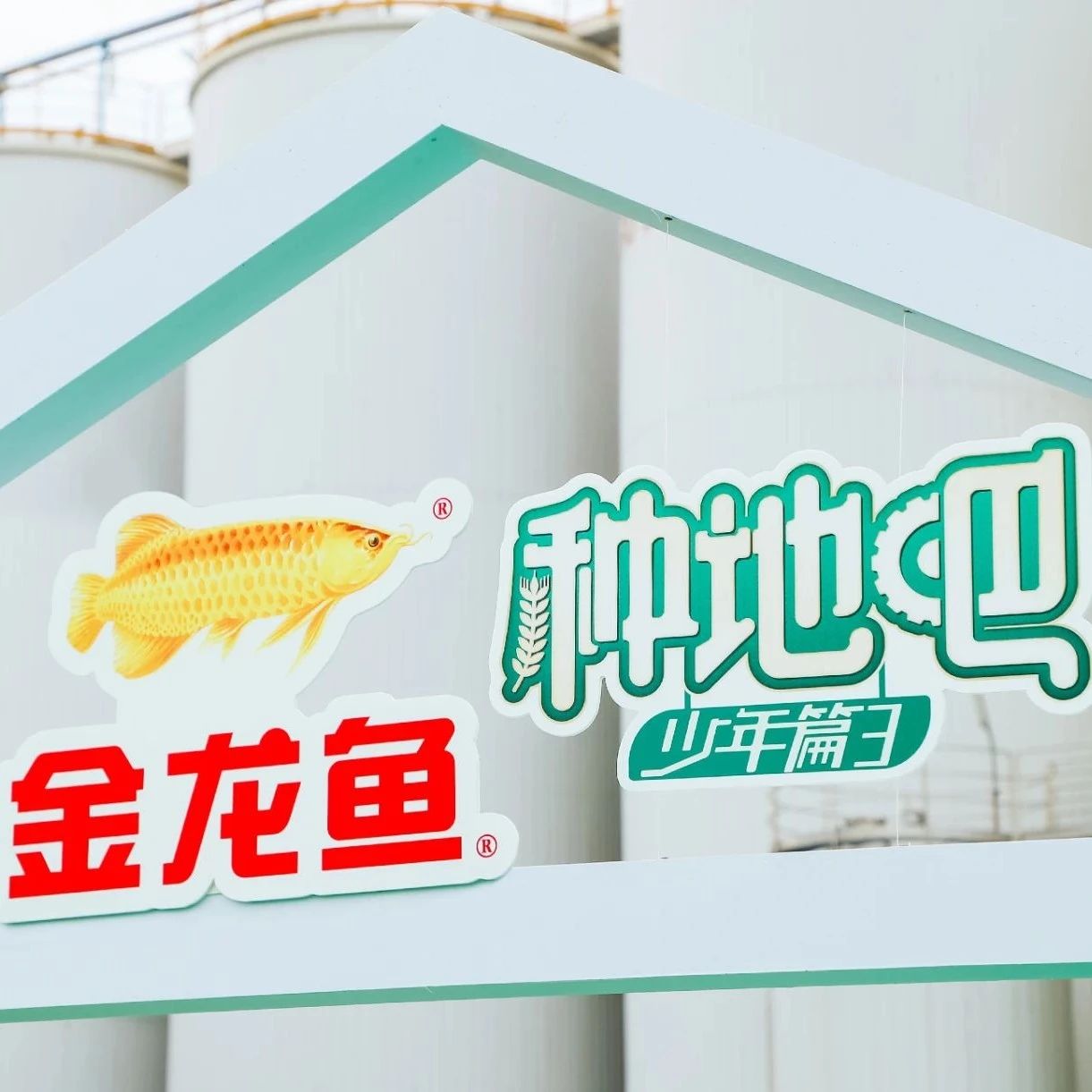
一项技术减少5%粮食损失,金龙鱼“藏粮于技”
Guo Ji Jin Rong Bao· 2025-04-29 09:41
Group 1: National Food Security Strategy - The core viewpoint emphasizes the importance of food security in China, highlighting the government's commitment to self-sufficiency in grain production and the implementation of strict land protection policies [1] - In 2024, China's grain production is projected to reach 1.4 trillion jin, significantly exceeding the international food security benchmark of 400 kg per capita [1] Group 2: Technological Innovations in Food Production - Yihai Kerry Golden Dragon Fish has introduced a "6-step fresh rice precision control technology" aimed at reducing food loss during the harvesting process, ensuring quality and minimizing waste [3][5] - The "fresh cutting" method, which involves harvesting rice at 90% maturity, can potentially reduce field losses by approximately 5%, equating to a loss reduction of about 2.35 million tons, enough to feed 21 million people for a year [5] Group 3: Sustainable Practices and Agricultural Modernization - The company is focused on maximizing the value of agricultural products through modern agricultural technology, ensuring that every grain of rice, soybean, wheat, and corn is fully utilized [10] - By-products from rice processing, such as rice bran and husks, are being repurposed into high-value products like rice oil and activated carbon, showcasing the company's commitment to sustainable practices [10] Group 4: Community Engagement and Agricultural Awareness - Yihai Kerry Golden Dragon Fish sponsors the agricultural reality show "Let's Farm," aiming to raise awareness about agriculture and respect for food among the public, particularly younger audiences [7] - The company's "contract farming" model enhances farmers' motivation to grow crops and increases overall grain production, contributing to rural revitalization [11]
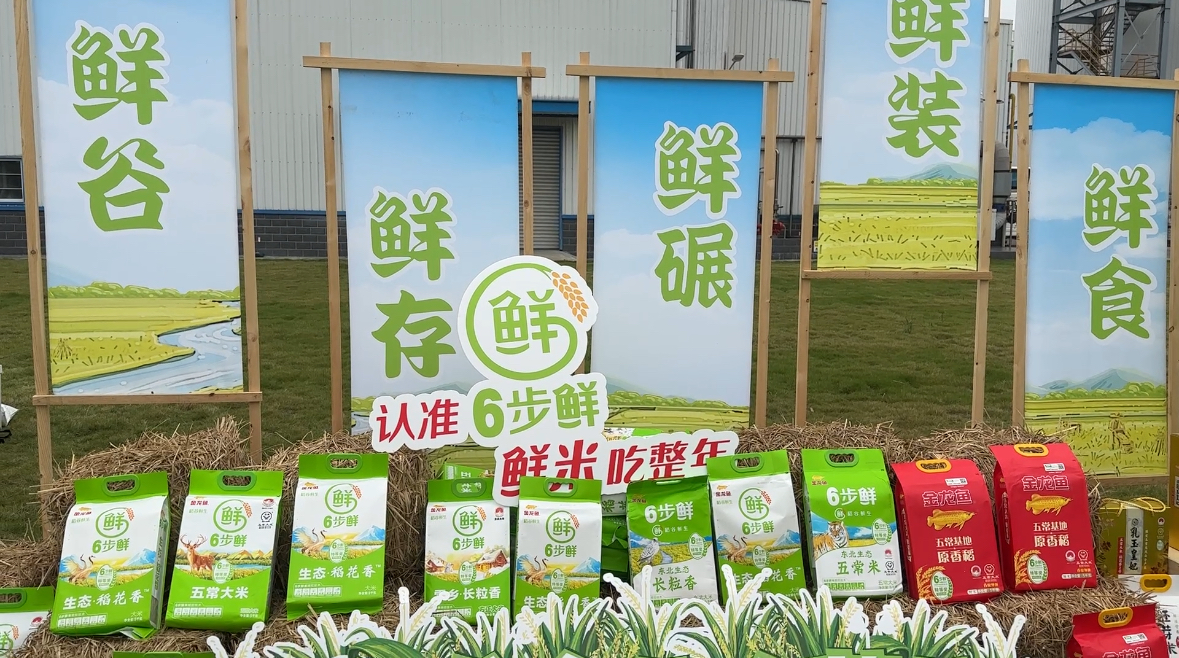
益海嘉里金龙鱼启动“6步鲜·春耕节邀您一起种地吧”春耕仪式
Zhong Guo Zhi Liang Xin Wen Wang· 2025-04-29 07:39
Core Viewpoint - Yihai Kerry Golden Dragon Fish Food Group launched a spring farming ceremony to promote its "6-step fresh rice" concept, emphasizing the importance of agricultural culture and modern management practices [1][2] Group 1: Event Overview - The spring farming ceremony took place in Hangzhou, Zhejiang Province, featuring participation from celebrities, industry experts, and consumer representatives [1] - The event aimed to provide an immersive experience to convey the idea that "fresh rice starts from the source" [1] Group 2: Company Commitment - The chairman and general manager of Yihai Kerry expressed a long-term commitment to supporting young people in agriculture, highlighting the importance of respecting the land and revitalizing new agriculture [1] - The company has been collaborating with the "Let's Farm" program for three consecutive years, fostering a connection with younger generations who appreciate nature and innovation [1] Group 3: Technological Innovation - The "6-step fresh rice precision control technology" includes six key processes: fresh cutting, fresh harvesting, fresh storage, fresh milling, fresh packaging, and fresh consumption, ensuring the quality and freshness of rice throughout the supply chain [1][2] - The first step, "fresh cutting," is crucial for maximizing yield and taste while minimizing losses during harvesting, aligning with national policies on reducing food waste [1]
【善融】领70元跨店满减券,尽享春日美味
中国建设银行· 2025-04-10 06:35
24)好宣节 金豆至高批域 兰临临。 领70元跨店满减礼券 二 U蒙古熟酸奶 QU 酒动时间:2025.4.1一2025.6.6 A | 型感要片0 村砀记忆 家乡9未造 春味煥新 放肆晦吃 SIME B TE 29 25 领券满199元减50元 领券满99减20元 满199减50元 活动时间 2025.4.1-2025.5.6 活动时间: 2025.4.1--2025.5.6 0 欧网 春日礼券 477 97 满99元可用 两199元可用 活动期间每人每天每种面额限领1张,每天早上6点开始,数量有限,领完即止,有效期1天 广告 模型米 li 大唐山花 食用菜籽油 5L 迎鹤春 稻花香长粒香大米 5kg*35 ( ☑ 油质稳定 减少油烟 ) 忆 颗粒饱满 清润透亮 下单先领券 下单先领券 到手 79元 到手 30 e 10 01-15 领券满99元减20元 领券满99元减20元 花 TOD% *115. ¥99 HE HD 活动价:¥700 and and the states of the states the state of the states 汇谷稼 丝苗米真空包装 暮秋坊 有机山茶油 5kg*3 ...
“油中茅台”金龙鱼为何跌落神坛?
Sou Hu Cai Jing· 2025-03-28 12:57
Core Viewpoint - The company "Golden Dragon Fish" (金龙鱼) is facing its most severe operational challenges since its listing, with significant declines in revenue and profit, reflecting broader structural issues in the traditional grain and oil industry [2][3]. Financial Performance - In 2024, the company reported a revenue of 238.87 billion yuan, a year-on-year decline of 5.03%, and a net profit of 2.50 billion yuan, down 12.14% year-on-year [2][3]. - The net profit has decreased for four consecutive years, with a cumulative reduction of nearly 60% since its peak in 2020 [2][3]. - The gross profit margin slightly increased by 0.52 percentage points to 5.35%, but the net profit margin fell to a record low of 1.03% [3]. - The company's operating costs account for 99.9% of its revenue, with raw material costs exceeding 90%, indicating minimal profit retention [3]. Brand Image and Trust Issues - The company has faced multiple brand crises, including involvement in a rice adulteration scandal and concerns over supply chain safety due to incidents with mixed oil products [4]. - These events have significantly damaged the brand's reputation and raised consumer concerns about product quality [4]. Operational Challenges - The company operates 80 production bases, but the utilization rates for oil refining and packaging are only 42.2% and less than one-third, respectively [5]. - The expansion strategy has led to increased fixed asset depreciation, negatively impacting net profits by 120 million yuan [5]. - The central kitchen business has not met expectations, with low revenue contribution and underutilized production capacity [5]. Industry Context - The per capita consumption of cooking oil in China has reached 25 kg/year, surpassing the World Health Organization's recommendation, indicating a saturated market [6]. - The grain and oil market has experienced three consecutive years of negative growth, with local brands gaining market share through competitive pricing strategies [6]. - Despite holding over 40% market share, the company's traditional business is being eroded by competitors with differentiated products and strategies [6]. Market Valuation and Investment Risks - The company's price-to-earnings ratio (TTM) stands at 82 times, significantly higher than the industry average, indicating potential overvaluation [7]. - The stock price has plummeted nearly 80% from its peak of 145.62 yuan per share to 32.09 yuan [7]. - A proposed share swap with a competitor may face regulatory scrutiny due to its significant market share implications and associated tax costs, complicating potential synergies [7].