
农产品加工

Search documents
聚人才之力,强发展之势 山东近三年年均集聚青年人才超80万人
Feng Huang Wang Cai Jing· 2025-12-04 00:46
Core Insights - Shandong province is actively enhancing its talent attraction and development strategies, aiming to become a highland for talent aggregation by 2025, evidenced by the addition of 5 academicians and 3 foreign academicians [1][2] Group 1: Talent Development Strategies - The province has implemented a comprehensive talent work system based on four lists: work mechanisms, institutional arrangements, talent policies, and target tasks, promoting a new governance model for talent development [1][2] - Shandong has launched the "Party Secretary Talent Work Project," focusing on major talent policies and key talent engineering, with 1870 projects implemented across 16 cities and 136 counties [2] Group 2: Talent Attraction and Retention - Over 180 academicians and more than 9600 high-level talents have been attracted to Shandong, with an average annual influx of over 800,000 young talents in the past three years [2] - Shandong's cities, including Jinan and Qingdao, have been recognized as talent-friendly cities for 2025, enhancing their attractiveness and capacity to retain talent [3] Group 3: Infrastructure and Policy Support - The province is upgrading key talent platforms, including the establishment of new educational institutions and major scientific infrastructure, to support talent development [3][4] - Shandong has introduced various policies to facilitate talent recruitment and entrepreneurship, significantly benefiting high-level talents like those in the robotics sector [4][5] Group 4: Education and Innovation - The province is optimizing its education system to align with talent needs, adjusting 1458 academic programs and establishing 406 new emerging majors, with a focus on high-tech industries [4] - Shandong is promoting the integration of talent supply, education, and industry needs through a "four-chain" approach, enhancing the overall innovation ecosystem [4][6]
吃在贵州:科技赋能让农业品牌从深山中走出来
Zhong Guo Fa Zhan Wang· 2025-12-04 00:42
Core Insights - The article highlights the rapid growth and unique qualities of Guizhou's local products, particularly focusing on the success of traditional food items like sour soup and innovative products like prickly pear red tea, driven by local companies and technological advancements [3][6]. Group 1: Sour Soup Industry - Guizhou's sour soup, a geographical indication product, has gained popularity, especially in the tourism sector, with local company Guizhou Yumeng Food Group producing over 80,000 tons annually, exporting to various countries including the USA and Spain [3][4]. - The company collaborates with around 400 restaurant brands, including Haidilao, and invests over 5 million yuan annually in innovation and standardization, holding more than 40 patents [4][5]. - The local government has established a dedicated office to promote the entire sour soup industry chain, indicating strong institutional support for its growth [5]. Group 2: Spicy Sauce Industry - Lao Gan Ma, a leading spicy sauce producer, operates a highly automated facility in Guizhou, producing 400,000 bottles daily with a 90% automation rate, significantly improving efficiency since the introduction of new machinery [5][6]. - The company has implemented advanced technologies in its production process, including automated sorting and packaging systems, enhancing operational efficiency [6]. Group 3: Prickly Pear Red Tea - The innovative prickly pear red tea, created by Phoenix Tea Co., combines local prickly pears with cloud mist red tea, achieving a unique flavor profile and a 90% repurchase rate among consumers [6][7]. - The product has seen explosive growth, with sales reaching over 20,000 pounds this year, a tenfold increase in value compared to the previous year, and has expanded into major markets like Guangzhou and Shanghai [6][7]. - The company aims to foster industry growth by forming alliances with other local producers, indicating a collaborative approach to market expansion [7]. Group 4: Smart Production in Prickly Pear Juice - Guizhou Mountain King Fruit Health Industry Co. has embraced smart manufacturing by partnering with China Unicom to create a 5G smart factory, enhancing production efficiency and traceability [7]. - The company focuses on preserving the nutritional value of prickly pears while catering to health-conscious consumers, particularly in coastal regions [7].

辽宁多点突破纵深推进乡村振兴
Zhong Guo Fa Zhan Wang· 2025-12-04 00:18
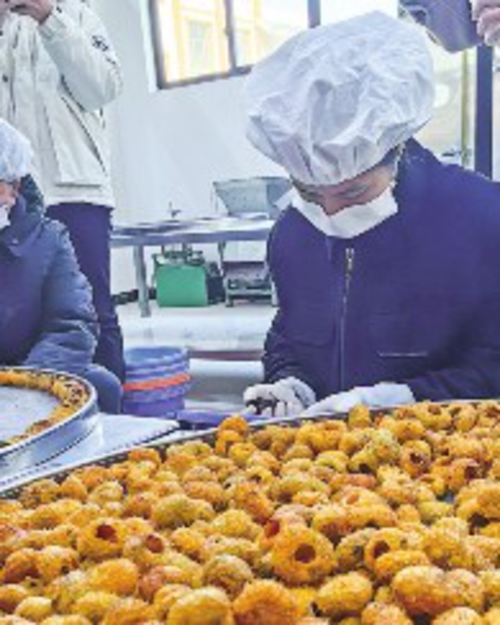
Core Viewpoint - Liaoning's Anshan City is focusing on the deep processing industry of Nanguo pear, extending the industrial chain to make it a pillar industry for rural revitalization [2] Group 1: Economic Performance - In 2024, the primary industry added value in Liaoning increased by 4.2% year-on-year, surpassing the national average by 0.7 percentage points [2] - The per capita disposable income of rural residents reached 22,744 yuan, growing by 5.9% year-on-year, which is 1.4 percentage points higher than the urban income growth rate [2] Group 2: Talent Attraction and Utilization - The "Return to Hometown" initiative in Donggang aims to address the talent outflow issue, with only about 400 out of 3,780 college graduates returning to work in agriculture and rural services [3] - By 2024, Donggang has recruited 459 university graduates to work in villages, significantly contributing to local agricultural development and e-commerce [4][5] Group 3: Agricultural Integration and Development - The Panjin City demonstration park integrates rice, crab, and persimmon industries, creating a comprehensive industrial chain that enhances farmer income, with an average increase of over 27,000 yuan per person this year [6][7] - Liaoning's agricultural clusters in key industries like grain, livestock, and aquaculture achieved outputs of 2,510 billion yuan, 2,720 billion yuan, and 1,040 billion yuan respectively, with year-on-year growth rates of 4%, 8%, and 5% [7] Group 4: Cultural and Social Development - Panjin County promotes cultural enrichment through public art programs and community engagement, enhancing the overall quality of life in rural areas [8] - The province is advancing infrastructure and public services to create livable and workable rural environments, contributing to the broader goals of rural revitalization [8] Group 5: Policy Implementation and Future Outlook - Liaoning is implementing the "Ten Million Project" to strengthen rural revitalization efforts, ensuring food security and increasing grain production to over 50 billion jin for two consecutive years [9][10] - The province is also innovating in rural reform, with successful cases in land use and property rights transactions, aiming to enhance agricultural productivity and rural economic vitality [10]
Archer-Daniels-Midland Company (ADM) Presents at Goldman Sachs Industrials and Materials Conference 2025 Transcript
Seeking Alpha· 2025-12-03 22:23
Group 1 - The environment in 2025 is described as very difficult and dynamic, indicating challenges faced by the company [2] - The team has focused on controllable factors to defend against adverse conditions, suggesting a proactive approach to management [2] - There is an emphasis on energy and flexibility within the team to adapt until conditions improve, highlighting resilience [2]


京粮控股:副总经理曾长柏因工作调整辞职
Xin Lang Cai Jing· 2025-12-03 12:57
12月3日,京粮控股(000505)发布公告,曾长柏因工作调整,请求辞去公司副总经理职务,辞职后将 不在公司担任任何职务。 12月3日,京粮控股(000505)发布公告,曾长柏因工作调整,请求辞去公司副总经理职务,辞职后将 不在公司担任任何职务。 2025年前三季度,京粮控股实现收入62.12亿元,归母净利润-5150万元。 2025年前三季度,京粮控股实现收入62.12亿元,归母净利润-5150万元。 ...

观察 | 从一场“村超”看浦北陈皮从百亿产业链到城市超级IP的雄心
Nan Fang Nong Cun Bao· 2025-12-03 10:31
Core Viewpoint - The article highlights the rapid growth and transformation of the Pu Bei Chen Pi (dried tangerine peel) industry, showcasing its potential to evolve into a significant urban brand and economic driver, with an expected increase in annual output value from 6 billion yuan in 2024 to 8 billion yuan in 2025 [11][12][125]. Industry Development - The Pu Bei Chen Pi industry has transitioned from scattered farming to standardized production, improving product quality and consistency through advanced processing techniques [22][23]. - The area dedicated to the cultivation of Da Hong Gan (big red citrus) has expanded from 70,000-80,000 mu in 2021 to 190,000 mu, with a target of reaching 200,000 mu by 2025 [36][126]. - The introduction of a five-year action plan (2022-2026) aims to enhance the entire industry chain, including seed selection, cultivation, processing, and sales [35][36]. Technological and Talent Integration - The establishment of a doctoral workstation has facilitated collaboration with agricultural experts, focusing on microbial research and disease-resistant variety development [50][56]. - The introduction of smart storage solutions has improved the efficiency and quality of Chen Pi storage, addressing previous challenges faced by farmers [72][73][76]. Cultural and Economic Synergy - A football friendship match served as a promotional event for the Pu Bei Chen Pi cultural tourism week, enhancing brand visibility and community engagement [6][102]. - The integration of sports and agriculture is seen as a strategic move to leverage cultural events for economic growth, with the Chen Pi industry benefiting from increased exposure [121][124]. Economic Impact - The Chen Pi industry has generated significant economic benefits, with 6 villages achieving over 100 million yuan in output and over 20,000 households benefiting from increased income [126]. - The expected growth trajectory positions the Pu Bei Chen Pi industry on a path towards a 10 billion yuan valuation, reflecting its potential as a key player in the agricultural sector [127].

率队来河南考察,广西农投集团董事长:有启发
Sou Hu Cai Jing· 2025-12-03 09:41
Group 1 - Guangxi Rural Investment Group, led by Chairman Liao Yingcan, conducted a research trip to Henan, visiting several key enterprises and institutions to learn from their technological advantages and successful experiences in agricultural product processing, cold chain logistics, market operations, brand marketing, agricultural machinery research and development, and agricultural finance [2] - During the visit, discussions were held with Henan Agricultural Investment Group to explore cooperation in areas such as agricultural social services, agricultural product processing and trade, foreign agricultural cooperation, smart agriculture, bulk agricultural product trade, and deep processing of agricultural products [2] - The innovative development paths of leading agricultural enterprises in Henan provided insights for Guangxi Rural Investment Group's planning of the "14th Five-Year Plan," aiming to explore feasible cooperation models and inject new momentum into the transformation and upgrading of Guangxi's characteristic agricultural industry [2] Group 2 - Henan and Guangxi, as two major agricultural provinces, have a deep cooperative history and vast cooperation potential [3] - Nanning serves as a key platform for trade cooperation between China and ASEAN, facilitating the transport of Henan's frozen and leisure foods to Guangxi and subsequently to ASEAN countries through a multi-modal transport system [3] - By 2024, ASEAN is projected to become Henan's largest trading partner, with this trend expected to continue into 2025 [3]
汾阳企业专场产销对接会在济南启幕
Sou Hu Cai Jing· 2025-12-03 06:06
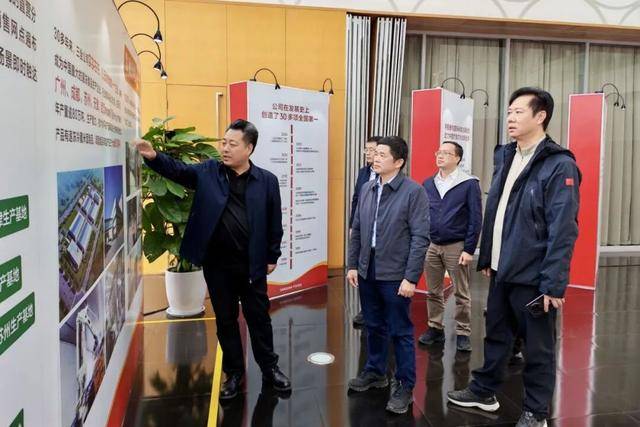
Group 1 - The core event is the Fenyang Enterprises Special Production and Sales Matchmaking Conference held in Jinan, aimed at promoting Fenyang's quality products in the East China market [2][4] - Fenyang is recognized as the largest production base for Qingxiang liquor in China and is among the top ten core liquor production areas globally, with a rich history of 6,000 years of brewing [2] - The GDP of Fenyang is projected to reach 37.63 billion yuan in 2024, reflecting a year-on-year growth of 4.2%, ranking it 10th among counties and cities in Shanxi Province [2] Group 2 - The event serves as a practical initiative for deepening cooperation between Shanxi and Shandong provinces, with expectations for Fenyang's quality products to enrich the lives of citizens in Huaiyin District [3] - Eight key enterprises from Fenyang presented their products, highlighting quality advantages, unique processes, and market value through detailed presentations [3] - The matchmaking conference is seen as a bridge for Fenyang's products to enter the Shandong market, fostering deep collaboration in specialty industries between the two regions [4]
四川农业以“圈”“链”破局谋升级 探索从“卖原料”到做产业
Si Chuan Ri Bao· 2025-12-03 00:42
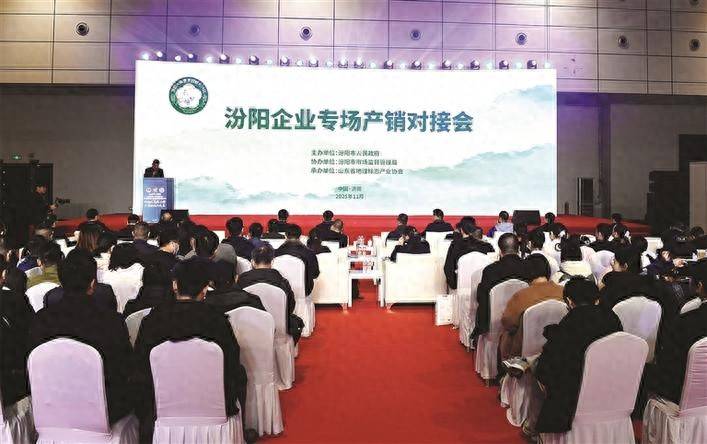
Core Viewpoint - Sichuan province is actively enhancing its agricultural industry by focusing on modernizing processing capabilities, strengthening brand recognition, and integrating resources to increase farmers' income and improve the overall agricultural value chain [4][5][6][7][8][10]. Group A: Enhancing Processing Capabilities - Sichuan is promoting the establishment of modern agricultural parks and enhancing local processing capabilities to address the issues of shallow processing and weak support in the agricultural sector [5][6]. - The province aims to build 24 livestock industry clusters focusing on key sectors such as pigs, poultry, and rabbits, while also developing necessary facilities for slaughtering and cold chain storage [5][6]. - In the first three quarters, Sichuan added 82 new large-scale agricultural processing enterprises, bringing the total to 4,370, with a year-on-year revenue growth of 2.8% [6]. Group B: Brand Development and Market Expansion - The province is focusing on brand development to overcome the challenges of scattered production and low added value of local products, such as "KJ Dazha Crab" from Dazhou, which lacks national recognition [7][8]. - Efforts are being made to enhance product quality and processing capabilities through the promotion of new varieties and technologies, supported by provincial financial projects for leading and small enterprises [7][8]. - Regional public brands are being established to unify marketing efforts and enhance consumer trust, with examples like the "Cangxi Red Heart Kiwi" brand [7][8]. Group C: Resource Integration and Income Generation - Sichuan is implementing a "company + village collective" model to integrate resources and enhance income for local communities, as seen in the successful case of mulberry cultivation in Mianyang [8][9]. - The province has cultivated 3,881 agricultural industrialization leading enterprises, which help connect farmers with the production process, allowing them to benefit from both labor income and value-added gains [10]. - Various projects are being coordinated to transform agricultural resources into tangible income, including initiatives in counties focused on consolidating poverty alleviation efforts [10].
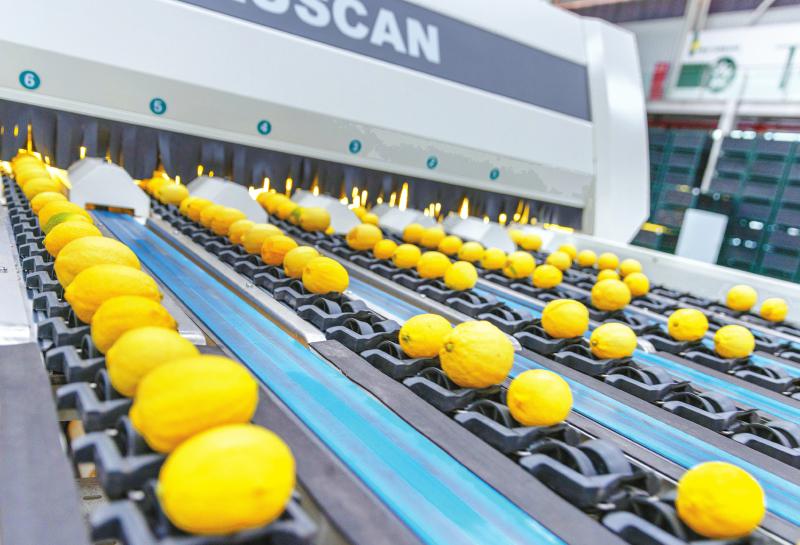
廊坊市原鲜萃坊包装有限公司成立 注册资本200万人民币
Sou Hu Cai Jing· 2025-12-02 21:53
天眼查App显示,近日,廊坊市原鲜萃坊包装有限公司成立,法定代表人为石雄,注册资本200万人民 币,经营范围为一般项目:包装服务;食用农产品初加工;非食用农产品初加工;供应链管理服务;蔬菜种 植;水果种植;新鲜蔬菜零售;新鲜蔬菜批发;新鲜水果零售;新鲜水果批发;食用农产品零售;食用农产品批发 (除依法须经批准的项目外,凭营业执照依法自主开展经营活动)。 ...