玩具

Search documents
2025年上半年我国出口美国消费品受阻情况
Sou Hu Cai Jing· 2025-08-22 10:15
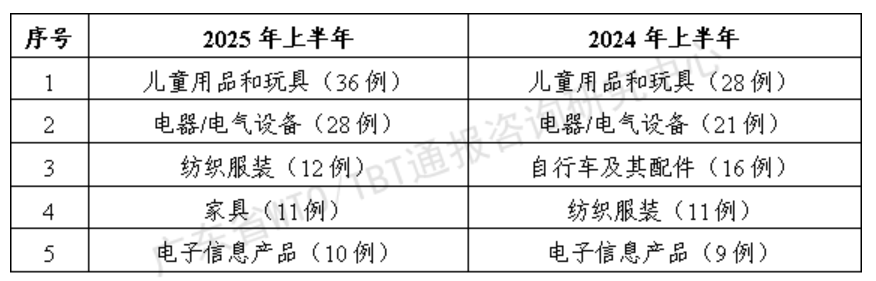
Core Insights - In the first half of 2025, the U.S. Consumer Product Safety Commission (CPSC) issued a total of 210 recall notices, representing an 18.0% increase year-over-year [1] - Products from China accounted for 144 of these recalls, making up 68.6% of the total, which is an increase of 6.2 percentage points compared to the previous year, with a total value of approximately $4.0 billion [1] - Among the recalls, 18 were joint recalls with Canada, representing 12.5% of the Chinese product recalls [1] Summary by Category - The most recalled products from China included children's products and toys (25.0%), electrical/electronic equipment (19.4%), and textiles/apparel (8.3%) [1] - In the category of children's products and toys, there were 36 recalls, with toys accounting for 16 cases. Major reasons for recalls included non-compliance with magnetic flux standards, excessive levels of lead or cadmium, small parts posing choking hazards, and the presence of button batteries leading to ingestion risks [1] - For children's products, 20 recalls were reported, including items like baby gates, carriers, cribs, and high chairs, with risks related to suffocation, entrapment, and falls [1] - In the electrical/electronic equipment category, 28 recalls were issued primarily due to fire or electric shock risks, with some products also recalled for burn and cut hazards [1] Comparison with Previous Year - In the first half of 2025, the top five categories of recalled products from China included: - Children's products and toys (36 cases) compared to 28 cases in the first half of 2024 - Electrical/electronic equipment (28 cases) compared to 21 cases in the first half of 2024 - Textiles/apparel (12 cases) compared to 16 cases in the first half of 2024 - Furniture (11 cases) compared to textiles/apparel (11 cases) in the previous year - Electronic information products (10 cases) compared to 9 cases in the first half of 2024 [2]

实丰文化成立潮流玩具创意公司
Qi Cha Cha· 2025-08-22 10:03
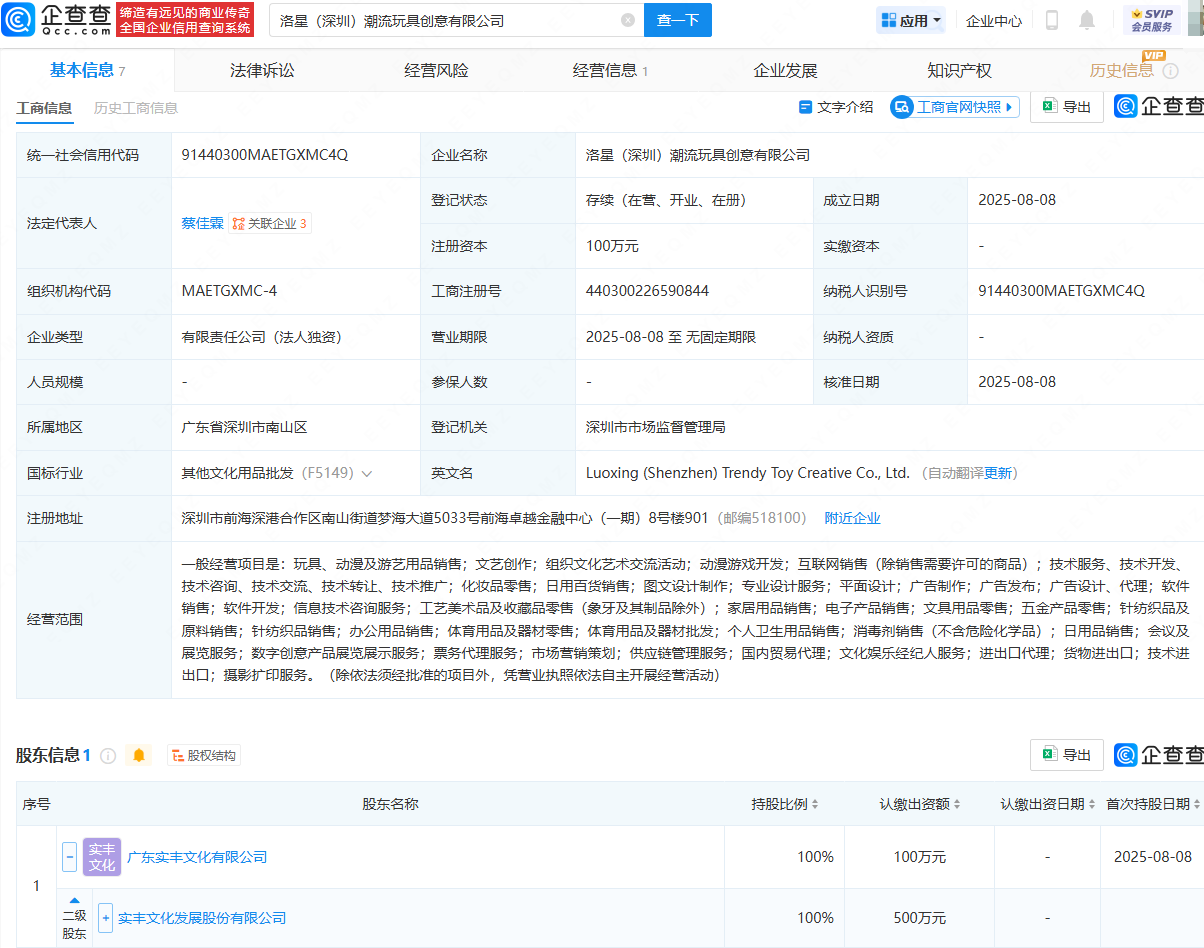
Company Overview - Luoxing (Shenzhen) Trendy Toy Creative Co., Ltd. has been established with Cai Jialin as the legal representative [1] - The company is wholly owned by Shifeng Culture (002862) through indirect shareholding [1] Business Scope - The business scope includes sales of toys, animation, and gaming products, as well as artistic creation, animation game development, graphic design, and professional design services [1][2] - Additional activities include cultural and artistic exchange organization, internet sales (excluding licensed products), technical consulting, advertising services, software development, and various retail sales [2] Company Registration Details - The company was registered with a capital of 1 million yuan and is classified as a limited liability company [2] - The registration date is August 8, 2025, and it is located in Nanshan District, Shenzhen, Guangdong Province [2]

泡泡玛特新增日用家电零售业务 此前已布局家电人才招聘
Feng Huang Wang· 2025-08-22 08:18
Group 1 - The core point of the article is that Beijing Pop Mart Cultural Creative Co., Ltd. is expanding its business scope to include retail of daily household appliances, home appliances, daily necessities, and paper products [1][2] - The company was established in October 2010 with a registered capital of 200 million RMB and is wholly owned by POP MART (HONG KONG) HOLDING LIMITED [1] - The company is actively recruiting talent for its new home appliance sector, indicating a strategic move into this market with positions such as small appliance procurement supervisor and quality experts [1] Group 2 - The recruitment efforts align with the recent changes in the company's business scope, suggesting a rapid expansion into the home appliance and daily necessities sectors [2] - The salary range for the new positions is between 12,000 to 45,000 RMB, indicating competitive market positioning [1] - Specific experience in products like refrigerators, coffee machines, and electric kettles is required for some roles, highlighting the company's commitment to significant investment in this new project [1]

港股异动 | 布鲁可(00325)涨近6% 公司中期业绩披露在即 机构指其中长期空间广阔
智通财经网· 2025-08-22 07:04
智通财经APP获悉,布鲁可(00325)涨近6%,截至发稿,涨5.91%,报116.5港元,成交额2.53亿港元。 消息面上,布鲁可今日举行董事会会议,以(其中包括)批准公司及其附属公司截至2025年6月30日止 六个月的未经审计中期业绩。东兴证券近日研报指出,布鲁可凭借"奥特曼+变形金刚"两大授权IP与"英 雄无限"等自有IP的组合,已成长为中国拼搭角色类玩具龙头。公司凭借独特的产品设计,持续扩展IP 矩阵,拓展价格带和年龄层,公司IP商品化与供应链管理能力已得到验证。未来IP运营纵深有望持续强 化,价格带和客户群打开新的成长空间。海外东亚、美国已成功试水,未来渠道复制与本地化内容同步 推进,出海模型初步跑通,中长期空间广阔。 ...
布鲁可涨近6% 公司中期业绩披露在即 机构指其中长期空间广阔
Zhi Tong Cai Jing· 2025-08-22 07:02
Core Viewpoint - Brikoo (00325) has seen a nearly 6% increase in stock price, attributed to the upcoming approval of its unaudited interim results for the six months ending June 30, 2025, during a board meeting [1] Group 1: Company Performance - Brikoo's stock price rose by 5.91%, reaching HKD 116.5, with a trading volume of HKD 253 million [1] - The company has established itself as a leader in the Chinese building block toy market, leveraging popular licensed IPs such as "Ultraman" and "Transformers" alongside its proprietary IPs like "Hero Infinite" [1] Group 2: Growth Potential - Brikoo's unique product design and continuous expansion of its IP portfolio have validated its capabilities in IP commercialization and supply chain management [1] - The company is expected to strengthen its IP operations further, opening new growth opportunities through an expanded price range and customer demographics [1] - Successful trials in overseas markets, including East Asia and the United States, indicate a promising model for channel replication and localization, suggesting significant medium to long-term growth potential [1]
A股独董观察:上海财经大学教授陈欣兼任厦门银行、群兴玩具、上海临港董秘 报酬合计40.8万元
Xin Lang Zheng Quan· 2025-08-22 05:29
Group 1 - The independent director system has become an important part of corporate governance in China's listed companies, enhancing decision-making and protecting the rights of minority investors [1] - Chen Xin serves as an independent director for three A-share listed companies in 2024, with total remuneration amounting to 408,000 yuan [1] - During his tenure, Chen Xin attended all board meetings and shareholder meetings for the companies he served, consistently voting in favor of all proposals without raising objections [1] Group 2 - Chen Xin, born in December 1975, holds a PhD in Finance from the University of Minnesota and has held various academic positions, currently serving as a professor at Shanghai University of Finance and Economics [2] - In addition to his role as an independent director for several companies, Chen Xin has also served as an independent non-executive director for a Hong Kong-listed company [2]


人民币再升值:1:1兑美元有望?百姓生活将会发生什么?
Sou Hu Cai Jing· 2025-08-22 02:48
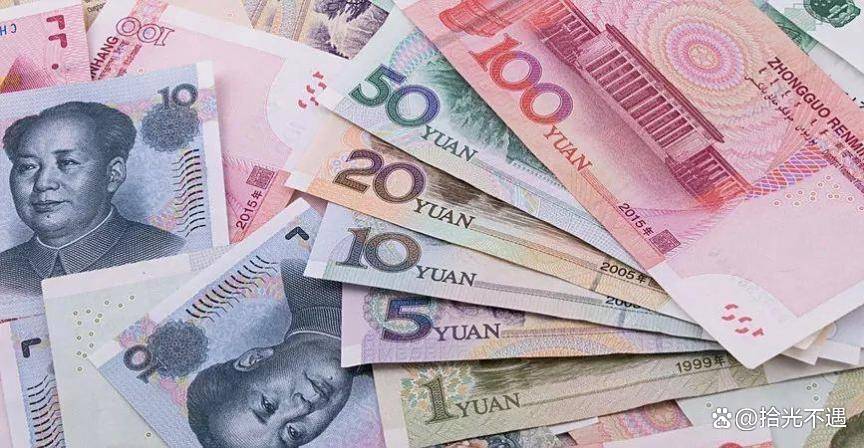
Group 1 - The recent appreciation of the RMB has led to discussions about its potential to reach a 1:1 exchange rate with the USD, with current data showing 1 USD equals 7.18 RMB, the highest in three years [3] - If the RMB continues to appreciate at a rate of 5% annually, it could take approximately 10 years to reach parity with the USD, although fluctuations in interest rates could accelerate this process [3][4] - The RMB's rise is influenced by China's growing economy and increasing foreign direct investment, with a reported 10.5% growth in outbound investment in 2024 [3] Group 2 - A 1:1 exchange rate would significantly benefit travelers and students, reducing costs for overseas travel and education, with potential savings of up to 60,000 RMB for a trip to the US [4] - Consumers engaging in cross-border e-commerce would see drastic price reductions on imported goods, with luxury items and electronics becoming significantly cheaper [4][5] - Investors could see substantial gains in the stock market, with a 1% appreciation in the RMB potentially leading to a 3% increase in stock returns, particularly for leading companies like Moutai and Tencent [5] Group 3 - Export-oriented industries would face challenges, with a potential 30% drop in orders as the RMB appreciates, leading to job losses in manufacturing sectors [7] - The agricultural sector may struggle as imported goods become cheaper, potentially leading to a 15% drop in domestic agricultural prices and impacting farmers' incomes [7] - Ordinary workers may experience rising living costs without corresponding wage increases, as imported raw material prices could drive up domestic product prices [7] Group 4 - Historical precedents, such as Japan's experience in the 1980s, highlight the risks associated with rapid currency appreciation, suggesting that the RMB's rise must be managed carefully to avoid economic pitfalls [9] - Experts recommend that individuals maintain a balanced approach to currency exchange and investment, suggesting diversification into assets like gold ETFs to hedge against inflation [10] - Upskilling is advised for workers in export industries to mitigate job loss risks, with potential for significant wage increases in emerging sectors like new energy vehicles [10] Group 5 - The appreciation of the RMB reflects China's economic strength and transition from low-end manufacturing to high-end production, but it also presents both opportunities and risks for various sectors [11]
8点1氪:12306回应高铁能否加挂吸烟车厢;官方通报50升油箱被加67.96升汽油;辛巴快手账号作品清空
36氪· 2025-08-22 00:21
Group 1 - 12306 stated that high-speed trains cannot add "smoking carriages" due to safety concerns [4] - The discussion about banning smoking in semi-enclosed high-speed train platforms continues, with suggestions for designated smoking areas [4] - In contrast, traditional green trains allow smoking in specific areas without affecting others [4] Group 2 - Yonghui Supermarket reported a net loss of 241 million yuan in the first half of 2025, with revenue down 20.73% year-on-year [6] - The decline in revenue is attributed to strategic transformations and the closure of loss-making stores [6] - Despite increased revenue from store adjustments, it could not compensate for the losses from closed stores [6] Group 3 - Delta Airlines experienced a wing component failure during a flight, but all passengers landed safely [6] - The aircraft was grounded for repairs following the incident [6] Group 4 - McDonald's is reducing prices on eight popular meal options by 15% to attract cost-conscious customers amid economic pressures [9] - The company plans to introduce $5 and $8 value meals to enhance its appeal [9] Group 5 - Nikon will close its Yokohama factory by September 30, 2025, shifting operations to other locations [11] - The factory's closure is not expected to significantly impact annual profits [11] Group 6 - Bilibili reported a 20% year-on-year revenue growth in Q2 2025, with net profit reaching 560 million yuan [16] - The platform's daily active users hit a record high of 109 million, reflecting strong user engagement [16] Group 7 - China Petroleum & Chemical Corporation (Sinopec) reported a 39.8% decline in net profit for the first half of 2025, totaling 21.48 billion yuan [17] - The company's revenue also decreased by 10.6% year-on-year [17] Group 8 - Miniso announced a 10.6% increase in adjusted net profit for Q2 2025, reaching 690 million yuan [18] - The company also reported a 23.1% year-on-year revenue growth for the same period [18] Group 9 - The AI toy market has seen a significant surge, with sales increasing by 600% in the first half of 2025 [12] - AI toys are gaining popularity across various age groups, not just children [12] Group 10 - Meta has paused some hiring in its AI department to focus on planning and restructuring [13] - This decision follows the introduction of new personnel and aims to enhance the company's AI capabilities [13]
实丰文化:8月21日召开董事会会议
Mei Ri Jing Ji Xin Wen· 2025-08-21 23:18
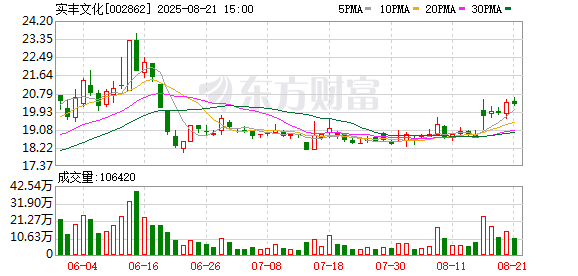
2025年1至6月份,实丰文化的营业收入构成为:玩具自产业务占比47.93%,游戏业务占比35.58%,玩 具贸易业务占比11.65%,光伏业务占比4.69%,其他业务占比0.15%。 (文章来源:每日经济新闻) 实丰文化(SZ 002862,收盘价:20.26元)8月21日晚间发布公告称,公司第四届第十二次董事会会议 于2025年8月21日在广东省汕头市澄海区文冠路澄华工业区公司一楼会议室以现场结合通讯表决方式召 开。会议审议了《关于修订的议案》等文件。 ...
滴滴等多家网约车平台降低抽成;货车司机月均净收入10512元,超过网络主播;7月全社会用电量超1万亿度丨每经早参
Mei Ri Jing Ji Xin Wen· 2025-08-21 23:14
Group 1 - Didi Chuxing, Cao Cao Mobility, and T3 Mobility have announced a reduction in commission rates, with Didi and T3 lowering their maximum commission to 27% and Cao Cao reducing it to 22.5% [19] - Gaode Dache has also stated that it will work with partners to ensure that the commission rate for at least 80 ride-hailing platforms does not exceed 27% [19] - The average net income of truck drivers is reported to be 10,512 yuan per month, making it the highest among six new employment groups [10][11] Group 2 - The total electricity consumption in China reached 1.02 trillion kilowatt-hours in July, marking a historic first and a year-on-year increase of 8.6% [11] - This figure is equivalent to the total annual electricity consumption of ASEAN countries and has doubled compared to ten years ago [11] - The increase in electricity consumption is attributed to high temperatures and stable industrial production [11] Group 3 - The Hong Kong Stock Exchange is considering extending trading hours but emphasizes the need for caution due to the potential impact on the market [6] - The National Development and Reform Commission plans to conduct central frozen pork reserve storage to stabilize the pork market amid price fluctuations [7] - The State Council has approved a plan for the Jiangsu Free Trade Zone to promote the open innovation development of the biopharmaceutical industry [8] Group 4 - The National Foreign Exchange Administration is launching a pilot program for green foreign debt in 16 provinces and cities to support green finance development [9] - The CEO of Zhiyuan Robotics expects to complete a Series C financing round by the end of the year, aiming to attract more international investment [20] - Xiaopeng Motors' CEO He Xiaopeng has purchased 3.1 million shares at an average price of 80.49 HKD, signaling confidence in the company's future [21] Group 5 - Sinopec plans to repurchase A-shares worth between 5 billion and 10 billion yuan, which is expected to enhance earnings per share and boost stock prices [22] - WanTai Biologics has received approval for its nine-valent HPV vaccine, marking a new revenue growth point for the company [25] - NIO has launched the new ES8 model with a starting price of 416,800 yuan, indicating a strong market presence in the electric SUV segment [26]