稀土

Search documents
缺电行情演绎持续,铝锂加速上行 | 投研报告
Zhong Guo Neng Yuan Wang· 2025-11-17 01:37
Group 1: Aluminum Market - LME aluminum price increased by 0.52% to $2877.00 per ton, while Shanghai aluminum rose by 0.99% to 21,800 yuan per ton [3] - Domestic electrolytic aluminum ingot inventory recorded at 621,000 tons, a decrease of 6,000 tons compared to earlier in the week [3] - National alumina production capacity stands at 110.32 million tons per year, with operational capacity at 89.56 million tons per year; weekly operating rate decreased by 0.81 percentage points to 81.18% [3] Group 2: Copper Market - LME copper price rose by 1.53% to $10,859.00 per ton, and Shanghai copper increased by 1.12% to 86,900 yuan per ton [2] - Import copper concentrate processing fee index dropped to -$42.21 per ton; national inventory increased by 5,200 tons to 201,100 tons [2] - Domestic waste anode plate production remains high with an operating rate of 73.62%, expected to rise by 2.61 percentage points next week [2] Group 3: Gold Market - COMEX gold price increased by 4.16% to $4,174.50 per ounce; SPDR gold holdings rose by 6.87 tons to 1,048.93 tons [4] - Market influenced by U.S. political dysfunction and geopolitical risks, leading to a strong oscillation pattern [4] Group 4: Rare Earth and Antimony - Praseodymium and neodymium prices decreased by 1.40%; rare earth prices expected to rise due to increased demand following the suspension of control measures [5] - Antimony price increased by 15.5% due to resource scarcity and reduced global supply [5] Group 5: Tin and Lithium - Tin price increased by 3.11% as Indonesia cracks down on illegal mining [6] - Lithium carbonate price rose by 3.14% to 83,200 yuan per ton, with total production at 21,500 tons [6]
关于中国稀土,美财长最新表态
Guan Cha Zhe Wang· 2025-11-17 01:11
Core Points - The article discusses the ongoing tensions between the U.S. and China regarding rare earth supply chains, highlighting U.S. Treasury Secretary Yellen's concerns and the potential for a supply agreement before Thanksgiving [1][3]. Group 1: U.S.-China Rare Earth Relations - U.S. Treasury Secretary Yellen expressed the hope to finalize a rare earth supply agreement with China by November 27, aiming to restore supply to pre-April 4 levels [1]. - Yellen indicated that if China were to change its stance, the U.S. has various retaliatory measures available [1][3]. - The article notes that previous U.S. trade policies, such as tariffs, have led to significant impacts on American farmers, particularly soybean producers [1]. Group 2: China's Export Control Measures - China has emphasized that its export control measures are a normal practice to enhance its regulatory framework and maintain global supply chain stability [3]. - The article mentions that despite claims of resolving the rare earth dispute, U.S. officials continue to express concerns about China's control over the supply chain [3][4]. Group 3: U.S. Efforts to Reduce Dependency - The U.S. is actively seeking alternative sources of rare earth materials globally, including engaging with resource-rich Central Asian countries [4][5]. - A new rare earth processing center in the U.S. is expected to help reduce costs and lessen reliance on Chinese supply chains [4]. - The article highlights that rebuilding the Western rare earth supply chain will take time and that there are significant gaps in experience and technical expertise outside of China [5].


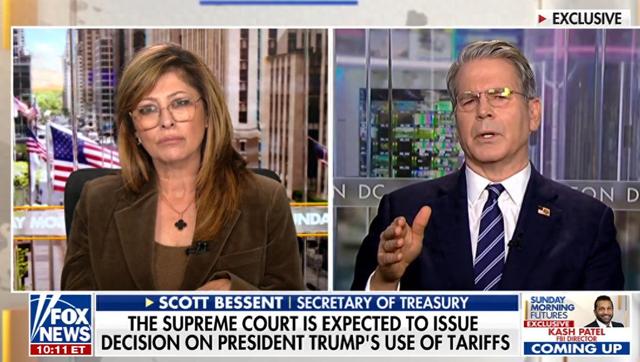
美财长放话:如果中国在稀土上“出尔反尔”,美国将随时准备动手
Sou Hu Cai Jing· 2025-11-16 17:46
Core Viewpoint - The U.S. Treasury Secretary has indicated readiness to impose tariffs on China regarding rare earth exports, despite recent agreements aimed at easing trade tensions between the two countries [1][3][5]. Group 1: U.S.-China Trade Relations - Recent negotiations led to a temporary agreement where China postponed new rare earth export regulations, while the U.S. agreed to suspend certain tariffs [5][41]. - The U.S. Secretary's statements appear contradictory, suggesting a mix of strategic posturing and underlying anxiety about the U.S. economy's reliance on rare earths [22][41]. Group 2: Rare Earth Industry Dynamics - The U.S. holds approximately 15% of global rare earth reserves but only 3% of processing capacity, leading to a heavy reliance on China for 90% of processed rare earth products [11][13]. - China dominates the rare earth market, controlling about 70% of extraction and over 90% of refining and separation capacity, creating a structural dependency for the U.S. [14][18]. Group 3: Technological and Economic Challenges - The U.S. faces significant technological gaps, with Chinese processing achieving purity levels of 99.999%, compared to the U.S. maximum of 99.9%, impacting high-end manufacturing capabilities [16][18]. - Imposing tariffs on a product that the U.S. heavily imports could increase costs for domestic manufacturers, complicating recovery efforts amid existing economic challenges [20][22]. Group 4: Strategic Responses and Limitations - The U.S. is attempting to form a "rare earth alliance" with allies like Australia and Canada, but logistical and environmental challenges hinder progress [24][29][31]. - The U.S. domestic rare earth mining efforts, such as the Mountain Pass mine, face significant delays and high costs, making rapid self-sufficiency unlikely [35][37]. Group 5: Political Implications - The Secretary's tough rhetoric may serve to placate domestic political pressures rather than reflect a feasible strategy for overcoming the U.S.'s rare earth dependency [41][43]. - China's agreement to delay export regulations is viewed as a strategic move to stabilize global supply chains rather than a concession under pressure [44].
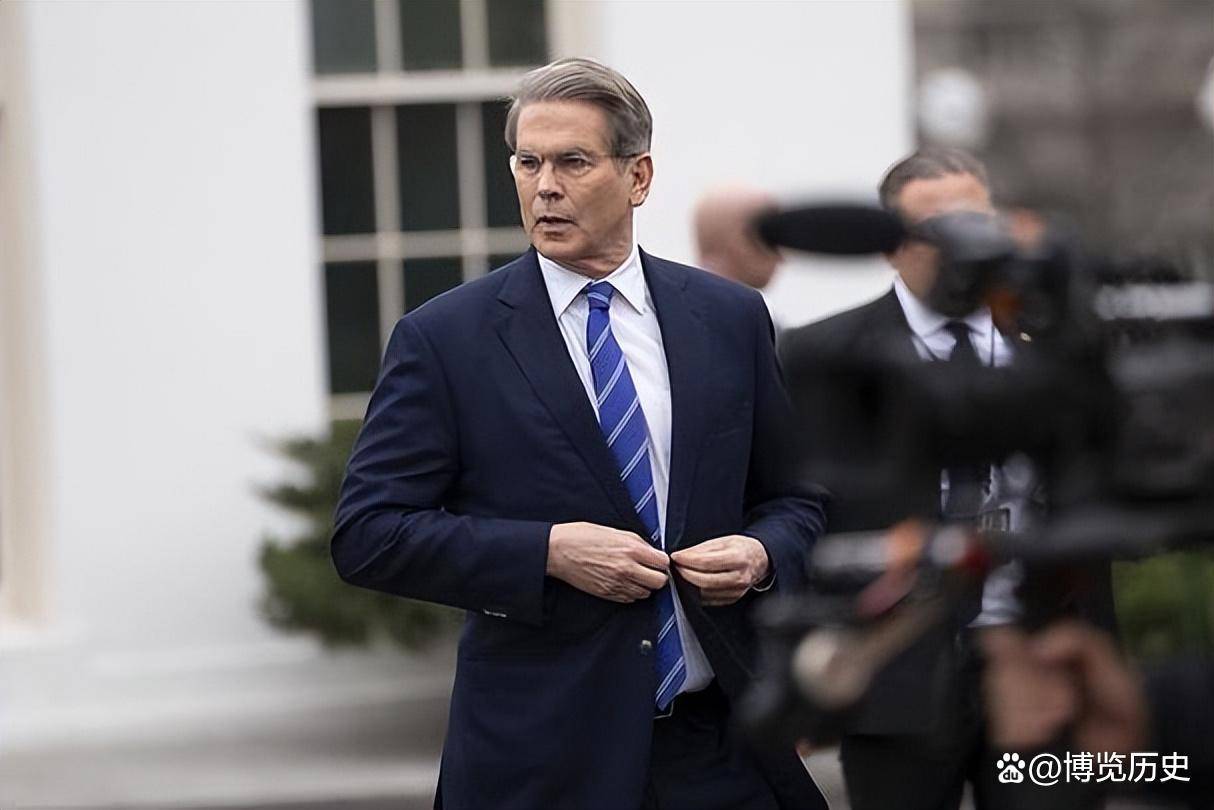
行业周报:有色金属周报:缺电行情演绎持续,铝锂加速上行-20251116
SINOLINK SECURITIES· 2025-11-16 15:24
Investment Rating - The report maintains a positive outlook on the copper, aluminum, and precious metals sectors, indicating a high level of market activity and potential for growth [2][3][4][5]. Core Insights - Copper prices have shown a weekly increase of 1.53% to $10,859.00 per ton on the LME, with domestic prices rising by 1.12% to 86,900 yuan per ton, reflecting a recovery in demand as the market approaches the traditional peak season [2][14]. - Aluminum prices also increased, with LME aluminum up 0.52% to $2,877.00 per ton, supported by low inventory levels and stable demand from downstream processing industries [3][15]. - Gold prices surged by 4.16% to $4,174.5 per ounce, driven by geopolitical risks and economic uncertainties in the U.S., indicating strong investor interest in safe-haven assets [4][16]. - The rare earth sector is experiencing upward momentum due to increased demand and the suspension of export control measures, leading to a bullish outlook for companies involved in rare earth production [5][32]. Summary by Sections Copper - LME copper price increased by 1.53% to $10,859.00 per ton, with domestic prices at 86,900 yuan per ton [2][14]. - The processing fee index for imported copper concentrate dropped to -$42.21 per ton, indicating supply chain pressures [2][14]. - Domestic copper inventory rose by 0.52 million tons to 20.11 million tons, reflecting a cautious market sentiment [2][14]. Aluminum - LME aluminum price rose by 0.52% to $2,877.00 per ton, with domestic prices at 21,800 yuan per ton [3][15]. - Domestic aluminum ingot inventory decreased by 0.6 million tons, indicating a tightening supply [3][15]. - The operating rate of downstream aluminum processing enterprises increased slightly to 62%, suggesting stable demand [3][15]. Precious Metals - COMEX gold price increased by 4.16% to $4,174.5 per ounce, with SPDR gold holdings rising by 6.87 tons to 1,048.93 tons [4][16]. - The market is influenced by U.S. political instability and geopolitical tensions, leading to a strong demand for gold [4][16]. Rare Earths - The price of praseodymium and neodymium oxide decreased by 1.40%, but overall demand is expected to rise due to the suspension of export controls [5][32]. - The rare earth sector is projected to benefit from increased strategic importance and price appreciation [5][32]. Other Metals - Antimony prices increased by 15.5%, driven by a suspension of export controls and a tightening supply situation [5][34]. - Tin prices rose by 3.11%, supported by reduced illegal mining activities in Indonesia [5][35]. - Lithium carbonate prices increased by 3.14% to 83,200 yuan per ton, reflecting strong demand in the energy storage sector [5][61].


中信建投:我国具备稀土全产业链优势,未来关注钕铁硼材料需求拉动领域
Ge Long Hui· 2025-11-16 05:23
Core Viewpoint - China is the largest country in the world in terms of rare earth resources, mining, production, and consumption, possessing a complete rare earth industry chain advantage [1] Group 1: Rare Earth Resources - According to USGS data, China's rare earth resource reserves account for approximately 40% of global totals, with a geographical distribution that is rich in medium and heavy rare earth resources, which have higher strategic value [1] Group 2: Market Demand - Rare earth permanent magnets are the largest consumption area for rare earths, experiencing rapid growth [1] - The demand for high-performance neodymium-iron-boron materials is most significantly driven by the electric vehicle sector, which is expected to account for about 50% of future demand [1] - Due to the rapid growth in sectors such as electric vehicles, energy-saving motors, and wind power generation, it is projected that the demand for high-performance neodymium-iron-boron magnetic materials will reach 212,000 tons by 2027, with a compound annual growth rate of 13% [1]

中国稀土太子爷一顿饭吃掉40万元人民币,父子联手败光百亿家产
Sou Hu Cai Jing· 2025-11-16 01:36
Core Insights - The article narrates the rise and fall of Jiang Quanlong, once a billionaire known as the "King of Rare Earths" in China, who has now become a debtor due to gambling and his son's extravagant lifestyle [1][13]. Group 1: Background and Rise - In the 1980s, Jiang Quanlong capitalized on the opportunity in the rare earth industry after the introduction of advanced extraction technology, leading to the establishment of several successful companies [2][4]. - By 1999, Jiang's company was listed in Hong Kong as "China Rare Earth Holdings Limited," achieving sales of 600 million yuan in its first year [4]. Group 2: Decline and Challenges - Starting in 2007, Jiang's company faced continuous losses due to increased government regulation on rare earth mining, leading to a decline in his fortune [4]. - Jiang accumulated significant gambling debts, totaling 1.29 billion HKD within a year, and has failed to repay 1.08 billion HKD [7][10]. Group 3: Family Dynamics and Impact - Jiang's son, Jiang Xin, led a lavish lifestyle, including a 410,000 yuan dinner, and attempted to enter the esports industry but ultimately failed [6][10]. - The family's financial troubles culminated in complaints regarding asset misappropriation and over 200 million yuan in overdue debts [10][13].

中信建投:我国具备稀土全产业链优势 未来关注钕铁硼材料需求拉动领域
智通财经网· 2025-11-15 23:49
Core Viewpoint - China is the largest country in the world in terms of rare earth resources, production, and consumption, possessing a complete rare earth industry chain, which is strategically significant for emerging industries and national defense technology [1][2][3] Group 1: Rare Earth Resource and Industry Chain - According to USGS data, China's rare earth resource reserves account for approximately 40% of global reserves, with a significant concentration of medium and heavy rare earth resources [1][3] - China dominates the global rare earth industry chain, covering mining, smelting, separation, production of rare earth oxides, metals, magnetic materials processing, and recycling [2][3] - The industrial value of rare earth deposits is limited due to the difficulty of extracting rare earth elements, which often coexist with other elements [2][3] Group 2: Demand Growth in Key Sectors - The demand for high-performance neodymium-iron-boron (NdFeB) materials is primarily driven by the electric vehicle (EV) sector, which is expected to account for about 50% of future demand [1][8] - The demand for high-performance NdFeB magnetic materials is projected to reach 212,000 tons by 2027, with a compound annual growth rate (CAGR) of 13% [1][9] - The penetration of energy-saving motors using NdFeB magnets is expected to increase significantly, with a target of 70% for new high-efficiency motors by 2025 [8] Group 3: Export Control and Market Dynamics - China has implemented export controls on several medium and heavy rare earth elements, enhancing its bargaining power in international trade disputes [4][5] - The growth rate of rare earth quotas has slowed down, with a significant drop to 5.9% in 2024, indicating a shift towards market balance [4][5] - The tightening of quota regulations will include the management of imported rare earth materials, further controlling the domestic smelting and separation processes [5] Group 4: Emerging Technologies and Future Opportunities - The development of humanoid robots is expected to create new demand for high-performance rare earth magnetic materials, with each robot requiring approximately 2-3 kg of rare earth magnets [9] - The market for humanoid robots could potentially reach over 100 million units, significantly increasing the demand for rare earth materials [9]
特朗普还是没死心!美国在稀土领域打出的王牌,让中国不得不防
Sou Hu Cai Jing· 2025-11-15 11:39
釜山会谈结束后,中国宣布放松部分反制措施。就在这个背景下,美国财长贝森特突然提出了一项令人 震惊的计划——他说美国将在两年内彻底摆脱对中国稀土的依赖。贝森特自信满满地表示,美国已经找 到了解决方案,还给出了明确的时间表:最快12个月,最慢不超过24个月。尽管外界对这番言论的真实 性存有怀疑,但不能忽视的是,美国确实已经开始采取一系列行动来推动这一目标。 更何况,尽管澳大利亚、日本和东盟国家与美国保持合作,但它们与中国的联系依然密切。这种复杂的 国际利益关系,给美国的稀土联盟战略带来了许多变数。稀土被称为"工业维生素",其战略价值不仅在 于当前的供需关系,还在于它在未来科技发展中的核心地位——从人工智能数据中心到电动汽车,从导 弹制导系统到卫星通信,每一个高科技领域都离不开稀土材料。 目前,中国的稀土战略不仅仅局限于出口贸易,更是逐步向高附加值的高科技产品转型。通过技术创新 和产业升级,中国正努力将稀土资源优势转化为科技和经济的双重优势。这也是为什么,即使美国不断 施压,中国仍能保持稳妥应对的重要原因之一。 归根结底,这场稀土之争的关键在于"韧性"——谁能够建立起更加韧性的供应链,谁就能够在未来的科 技竞争中占 ...
德媒:我不觉得中国手里有什么王牌,欧洲的稀土威胁被严重夸大了
Sou Hu Cai Jing· 2025-11-15 11:10
Core Viewpoint - The article discusses the exaggerated perception of China's dominance in the rare earth market and Europe's dependency on it, suggesting that the reality is more nuanced than often portrayed [3][20]. Group 1: China's Role in Rare Earths - China accounts for over 90% of global rare earth mining and initial processing, which has significant environmental costs that are often overlooked [7][24]. - The importance of rare earths is not just in current trade figures but in the potential disruption of supply chains if access is cut off [9][26]. - Historical actions by China, such as setting export quotas in 2010, have led to increased global awareness of the value of rare earths and have strengthened China's long-term bargaining power [16][18]. Group 2: Europe's Position and Strategy - European imports of rare earths from China are minimal, totaling less than $10 million annually, while Europe exports higher-value rare earth alloys to China [5][22]. - The EU is actively working to reduce dependency on China by establishing rare earth reserves and investing in mining operations in Africa and South America, although challenges remain [22][24]. - The perception that Europe holds a technological advantage is complicated by the fact that China is integral to the assembly and production of high-tech products [11][28]. Group 3: Implications for Global Supply Chains - A disruption in rare earth supplies would not only affect China but would have widespread implications for global manufacturers, including major companies like BMW, Airbus, and Apple [13][14]. - The rare earth industry is characterized by high pollution and low profit margins, making it less appealing for Europe to develop its own mining capabilities [24][26]. - The article suggests that the narrative of "no trump card" in the rare earths debate is more about wishful thinking than an accurate assessment of the geopolitical landscape [20][24].
美国以为“卡脖子”的是“稀土”,谁知道是“圣诞节”!
Sou Hu Cai Jing· 2025-11-15 09:43
Core Viewpoint - The article highlights the paradox of the U.S. striving for independence from China in rare earth production while facing significant supply chain challenges, particularly in consumer goods like Christmas trees, which are heavily reliant on Chinese imports [1][10][24]. Group 1: Rare Earth Industry - U.S. Treasury Secretary Becerra announced the production of the first domestically made rare earth magnet in 25 years, attributing this achievement to previous government policies aimed at reducing reliance on China [3][12]. - Despite the announcement, the U.S. still lacks the necessary technology and infrastructure for large-scale rare earth production, with 80% of global processing capacity and 90% of magnet production still in China [12][16]. - The U.S. faces a long road ahead to achieve self-sufficiency in rare earths, with significant cost implications, as Chinese rare earth prices are approximately 25% lower [17][24]. Group 2: Consumer Goods and Supply Chain - The U.S. imports 90% of its Christmas goods from China, particularly from Yiwu, which has started redirecting its products to the EU due to high tariffs imposed by the U.S. [7][10]. - U.S. Christmas tree imports dropped by 58% in August and 70% in September compared to the previous year, leading to skyrocketing prices for consumers [7][10]. - The tariffs imposed by the Trump administration have significantly increased costs for American consumers, with a Christmas tree that originally cost $1,000 now potentially costing $2,000 [10][19]. Group 3: Economic Implications - The tariffs have resulted in an estimated additional annual expenditure of about $800 per American household due to inflation caused by these trade policies [17][19]. - The article emphasizes that the push for "decoupling" from China has led to unintended consequences, affecting everyday consumers rather than achieving the intended political victories [24][25]. - The U.S. is caught in a structural anxiety, wanting to develop high-end industries while still relying on low-end manufacturing from China, highlighting the complexity of the supply chain dynamics [24][25].