
二手经济

Search documents
经济越来越差,这八大行业越赚爆!
创业家· 2026-03-14 09:58
Core Viewpoint - The article emphasizes that despite the prevailing narrative of economic hardship, certain industries are thriving and generating significant profits, particularly in the context of a "low-desire society" where consumer spending patterns are shifting towards specific sectors [3][4]. Group 1: Emerging Business Opportunities - The article identifies eight key industries that are experiencing growth and presents them as major business opportunities in the current economic climate [5]. - The first industry highlighted is the second-hand economy, where platforms like "闲鱼" and "转转" are seeing increased activity, indicating a shift in consumer behavior towards second-hand goods [6][9]. - The pet economy is also on the rise, with brands like "中宠" and "Inaba" capitalizing on the trend of pet ownership and spending on premium pet products [11][12][15]. - Adult care products, particularly in the context of an aging population, are projected to grow significantly, with the adult diaper market in Japan surpassing $10 billion [16][17][18]. - Health food and beverage sectors are thriving due to changing demographics and increased health consciousness, with brands like "东方树叶" and "简醇" gaining traction [21]. - The beauty and aesthetics market is booming, with products like collagen supplements and home beauty devices seeing high sales, indicating a persistent demand for beauty solutions [23]. - Outdoor and leisure products are gaining popularity, with brands like "凯乐石" and "伯希和" experiencing rapid sales growth as consumers seek outdoor experiences [25][26]. - The emotional economy, characterized by products that provide comfort and joy, is also highlighted, with brands like "Rio" tapping into the market for low-alcohol beverages [28][29]. Group 2: Consumer Behavior Trends - The article discusses the concept of a "low-desire society," suggesting that while consumers may be spending less on luxury items, they are reallocating their budgets towards experiences and products that enhance their quality of life [4][39]. - The trend of "lazy economy" is noted, where younger generations are opting for convenience in food preparation, leading to increased demand for frozen foods and smart home appliances [33][35]. - The article posits that in a low-desire cycle, time-saving products may hold more commercial value than cost-saving ones, indicating a shift in consumer priorities [36].



过去的一年,消费彻底变了
首席商业评论· 2026-01-01 04:42
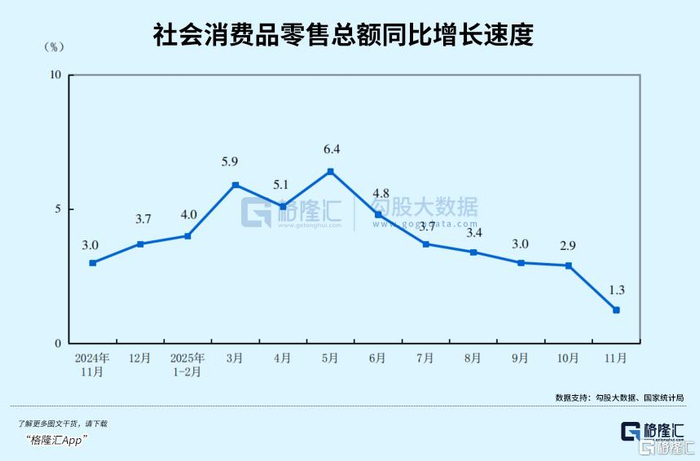
Core Viewpoint - The article discusses the evolving landscape of consumer behavior in China, highlighting the coexistence of emotional and rational consumption trends, and the implications for investment opportunities in the market [5][22]. Group 1: Consumer Trends - Despite perceptions of a cooling consumer market, data shows that final consumption expenditure contributed 53.5% to economic growth in the first three quarters of 2025, an increase of 9 percentage points from 2024 [6]. - Social retail sales grew by 4.0% year-on-year in the first 11 months of this year, surpassing the 3.5% growth expected for the entire year of 2024 [6]. - A McKinsey survey indicates that the expected share of domestic consumption in disposable income for 2025 is stable at 0.0%, a significant improvement from the previous year's expectation of -0.5% [9]. Group 2: Emotional and Rational Consumption - The article identifies two main trends in consumer behavior: emotional consumption, which focuses on personal satisfaction and identity, and rational consumption, which emphasizes quality and cost-effectiveness [13]. - A Nielsen IQ report reveals that 47% of respondents in China purchased only essential items to avoid waste, while 68% were willing to spend more on products that help relieve stress [13]. - The rise of the second-hand economy is noted, with platforms like Xianyu seeing a daily average of 7 million items listed, reflecting a growing acceptance of "recycling consumption" among young consumers [14]. Group 3: Future Consumption Landscape - The emotional economy in China is projected to reach a market size of 2.3 trillion yuan in 2024, with expectations to exceed 4.5 trillion yuan by 2029 [15]. - The article suggests that the health and wellness industry, as well as the pet economy, will benefit from shifting consumer spending towards self-investment and emotional fulfillment [20]. - The emergence of AI-driven emotional technology and virtual consumption is anticipated to create new market opportunities, as consumers increasingly seek personalized emotional experiences [21].
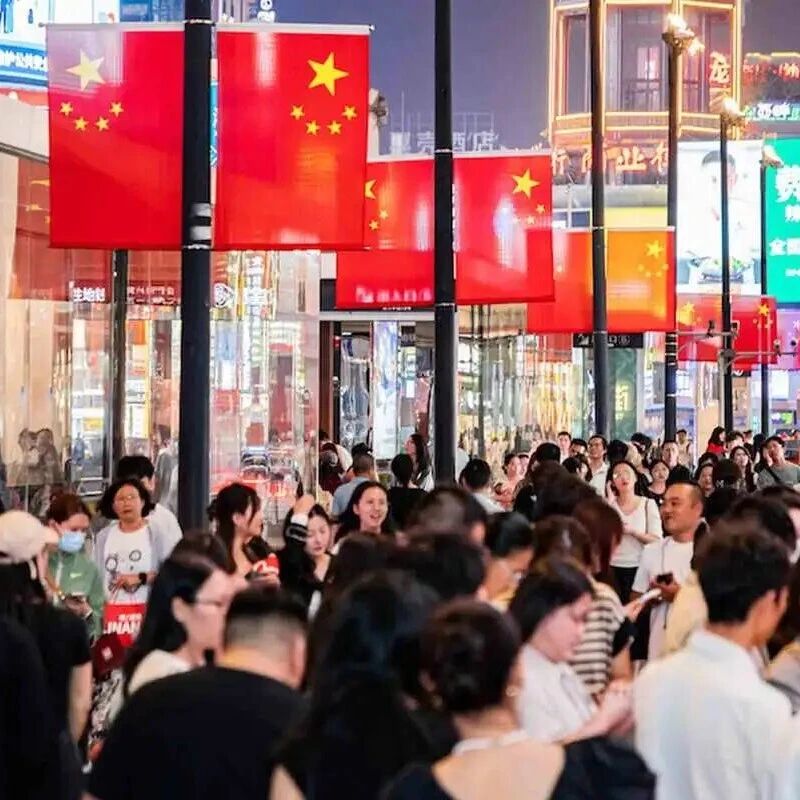
今年,消费彻底变了
Ge Long Hui A P P· 2025-12-28 08:57
Core Insights - The consumption industry has undergone significant changes over the past year, with a shift in focus from traditional products like liquor to new consumption trends driven by emotional and social factors [1][10]. Group 1: Consumption Trends - Despite perceptions of a cooling consumption market, consumer demand has shown stability, with retail sales growing by 4.0% year-on-year in the first 11 months of this year, surpassing the 3.5% growth expected for the entire year of 2024 [4][5]. - The contribution of final consumption expenditure to economic growth reached 53.5% in the first three quarters of 2025, an increase of 9 percentage points compared to the entire year of 2024 [4]. - The concept of "new consumption" has emerged, characterized by emotional and social attributes, as seen in the popularity of brands like Bubble Mart and the rise of "self-reward" consumption [8][9]. Group 2: Consumer Behavior - Young consumers, particularly those from the Z generation, are becoming the main drivers of consumption, with 56.3% of them willing to spend on emotional value and interests, a 16.2 percentage point increase from 2024 [10][9]. - The trend of "rational consumption" is also evident, where consumers are increasingly focused on quality and value, with 47% of respondents indicating they only purchase essentials to avoid waste, while 68% are willing to spend more on products that help relieve stress [11][10]. Group 3: Market Opportunities - The second-hand economy is thriving, with platforms like Xianyu seeing a 30% year-on-year increase in transaction volume, reflecting young consumers' acceptance of "recycled consumption" [12]. - The health and wellness industry is benefiting from consumers' desire to invest in personal growth, with products like smart home devices and effective skincare gaining traction [14][13]. - The pet economy is emerging as a significant market, driven by the emotional support pets provide, with a wide range of related products and services [24]. Group 4: Future Outlook - The emotional consumption market in China is projected to reach 2.3 trillion yuan in 2024, with expectations to exceed 4.5 trillion yuan by 2029, indicating substantial growth potential [16]. - The consumption landscape is evolving into a complex ecosystem where rational and emotional consumption coexist, reshaping investment strategies and market dynamics [27].
经济越冷,这些行业越火!这7个低门槛赛道逆势暴涨,现在入局刚刚好
Sou Hu Cai Jing· 2025-10-06 05:40
Core Insights - The article highlights eight sectors that are thriving despite the economic downturn, suggesting that wealth opportunities can be found in unexpected areas. Group 1: Second-Hand Economy - The second-hand economy is rapidly growing, with sales of items like light bottles reaching 150 billion yuan. Some individuals are successfully refurbishing old furniture and selling it at a 30% premium, while others are specializing in cleaning and reselling baby and digital products at an 80% markup [1]. Group 2: Emotional Value and Affordable Entertainment - Under pressure, consumers are willing to spend on affordable entertainment, with the 2025 Spring Festival box office expected to reach 7 billion yuan. The game "Black Myth: Wukong" sold 4.5 million copies in three months, generating over 1.5 billion yuan in revenue. Short dramas and gaming services are also seeing increased demand [3]. Group 3: Value of Affordable Consumption - The trend of affordable consumption is on the rise, with sales of low-cost food items like pickled vegetables and instant noodles soaring, and pickled vegetables seeing a price increase of 40%. Community group buying has surpassed 30 million daily orders, and discount snack stores are proliferating, with brands like Haitegou reporting annual revenue growth of 200% [5]. Group 4: Skills Exchange and Vocational Education - In tough economic times, there is a growing demand for skill enhancement, with orders for courses in Python programming and CAD design increasing by 230%. A former delivery worker has successfully launched a course on optimizing delivery routes, selling over 5,000 units at 298 yuan each [7]. Group 5: Silver Economy - The silver economy is emerging as a significant market, with over 300 million people aged 60 and above in China. New professions such as bathing assistants and elderly capability assessors are developing, with service fees ranging from 200 to 800 yuan per session [5]. Group 6: Repair Services - The demand for repair services has surged during the economic downturn, with a growth rate of up to 82%. High-margin repair projects, such as mobile phone screen repairs, can yield profit margins exceeding 60% [8]. Group 7: Domestic Substitution - The trend of domestic substitution is becoming essential, with companies like SMIC increasing production capacity and WPS software gaining 500 million users, growing at 30% annually. There are opportunities for service providers to teach users about domestic software [10]. Group 8: Green Economy - The green economy is witnessing new opportunities under the dual carbon goals, with significant growth in sectors like photovoltaics and energy storage. The number of buyers for new energy charging piles has increased by 2.5 times, with transaction volumes rising by 184% [13].

低欲望时代,这八大行业将赚得盆满钵满
Sou Hu Cai Jing· 2025-10-06 03:01
Group 1 - The core idea is that despite a perceived economic downturn, certain industries are thriving and generating significant profits, particularly in Japan and China [2][3][29] - The concept of a "low-desire society" does not equate to a lack of opportunities; instead, it presents unique business prospects [3][29] - Consumption patterns are shifting, with a focus on second-hand markets and affordable luxury items, indicating a migration of demand [4][5][6][7][8] Group 2 - The second-hand economy is booming, with platforms like Xianyu and Zhuanzhuan seeing substantial growth in user activity and transaction volume [8][9] - The pet economy is flourishing, with brands like Inaba in Japan and Guobao in China experiencing strong sales, reflecting a shift in spending priorities towards pet care [10][11][12] - The adult care market is expanding, particularly in China, with products like adult diapers showing significant growth potential [13][14][15] Group 3 - Health food and beverage sectors are rising due to changing demographics and increased health awareness, with brands like Dongfang Shuye and Jianchun gaining traction [17][18][19] - The beauty and personal care market is thriving, with products like Ulike hair removal devices achieving substantial sales [20] - Outdoor and leisure products are seeing increased demand, with brands like Kailas and Camel experiencing rapid sales growth [21] Group 4 - The emotional economy is gaining traction, with brands like Labubu and Rio catering to consumers seeking comfort and enjoyment [22][23] - The convenience economy is on the rise, with frozen food brands and smart home appliances addressing the needs of younger generations who prioritize time-saving solutions [25][26][27][28] - The overall trend indicates that in a low-desire market, time-saving innovations may hold more commercial value than cost-saving measures [28][29]



低欲望时代,这八大行业将赚得盆满钵满
创业家· 2025-08-21 10:16
Core Insights - The article emphasizes that despite the prevailing narrative of economic hardship, certain industries are thriving and generating substantial profits, particularly in the context of Japan's "lost 30 years" and its implications for China [3][4]. Group 1: Emerging Opportunities - The concept of a "low-desire society" does not equate to a lack of opportunities; instead, it presents new avenues for business growth [4]. - Consumer behavior is shifting towards second-hand markets, with significant growth in platforms like Xianyu and Zhuanzhuan, indicating a rising demand for second-hand goods [6][9]. - The pet economy is booming, with brands like Guobao and Zhongchong seeing strong sales as consumers prioritize spending on pets over traditional family structures [11][12][15]. - The adult care market is expanding, particularly in China, where products like adult diapers are expected to see significant growth due to an aging population [16][18]. - The beauty and wellness sectors are thriving, with products like collagen supplements and at-home beauty devices gaining popularity, reflecting a continued consumer focus on aesthetics [23]. - Outdoor and leisure activities are on the rise, with brands in camping and outdoor gear experiencing increased sales as consumers seek experiences over material possessions [24][30]. - The emotional economy is gaining traction, with products that provide comfort and joy, such as low-alcohol beverages, becoming increasingly popular [25][26]. - The "lazy economy" is emerging, driven by younger generations who prefer convenience, leading to growth in frozen food and smart home appliances [29][31]. Group 2: Market Trends and Strategies - The article suggests that the current economic climate, often viewed as a "winter," actually presents opportunities for those willing to invest in counter-cyclical sectors [33]. - The upcoming event, "Black Horse Consumption Rise," aims to provide insights into how Japanese and Chinese companies can thrive in a stock market era through product innovation and brand expansion [34][39]. - The importance of understanding consumer needs and market segmentation is highlighted, with successful companies focusing on niche markets and innovative product offerings [42]. - The article discusses the significance of global branding and the need for Chinese companies to build trust in international markets through effective storytelling and cultural adaptation [43][49].
