
生产性服务

Search documents
润州“小店主理人”站上大会演讲台
Xin Hua Ri Bao· 2026-02-26 20:58
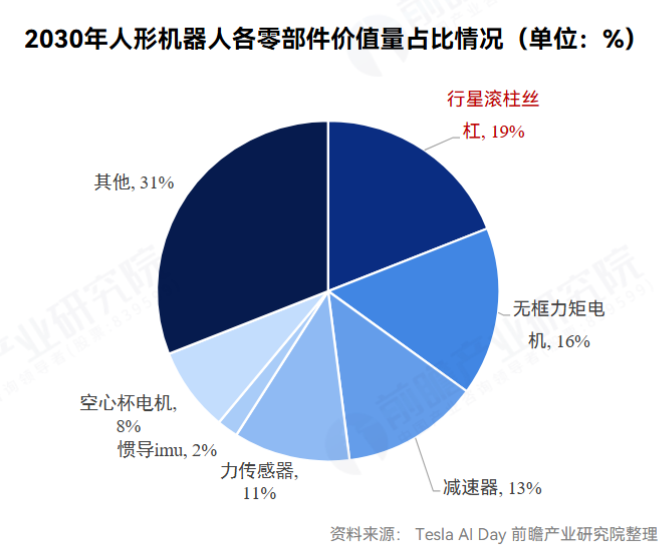
Group 1 - The core focus of the conference was on enhancing the quality of urban economic development and industrial upgrading in Runzhou District, emphasizing the importance of showcasing unique advantages and building industrial landmarks [1] - The five main strategic directions for industrial upgrading include: developing the cultural tourism industry as a landmark, leveraging digital economy through "Artificial Intelligence+" initiatives, promoting the specialization and high-end value chain of productive services, strengthening the manufacturing sector's intelligent, green, and clustered development, and prioritizing urban renewal to create a vibrant community [1] - The conference highlighted the role of local entrepreneurs, such as Zhang Yuchen, in driving market vitality and attracting talent, reflecting the district's commitment to fostering a dynamic business environment [1] Group 2 - Runzhou District introduced the "Runqi Tong + Economic and Safety Grid Management System," dividing the area into 32 economic grids to ensure that all enterprises, including small and micro businesses, have dedicated grid managers [2] - The district committed to timely responses to enterprise requests, promising feedback within one day, resolution of general issues within three days, and more complex issues within seven days, embodying the "city partner" concept to facilitate business development [2]
赵明琪获任普洛斯中国区首席执行官
Zheng Quan Ri Bao Wang· 2026-01-14 06:41
Group 1 - GLP Pte Ltd has appointed Zhao Mingqi as the CEO of GLP China, responsible for logistics, industrial infrastructure, data centers, new energy platforms, and fund management [1] - Zhuge Wenjing, the former Executive Vice Chairman of GLP China, will take on a larger global leadership role while continuing as a board member of GLP China [1] - GLP China focuses on new economy infrastructure and possesses comprehensive asset management capabilities from strategic planning and investment development to operational management [1]
服务业开放提速!宁波、合肥、苏州纳入试点
Guo Ji Jin Rong Bao· 2026-01-13 16:34
Core Viewpoint - The Chinese service industry is accelerating its opening up, with a broader range of benefits, as the Ministry of Commerce has issued a comprehensive pilot task for nine cities, including three in the Yangtze River Delta region, enhancing regional integration and development [1][2]. Group 1: Expansion of Pilot Cities - The number of pilot cities in the Yangtze River Delta has reached six, with the inclusion of Ningbo, Hefei, and Suzhou, which fills key gaps in the regional open layout and forms a comprehensive open network [2][3]. - By the end of 2024, the actual foreign investment in the service sector is projected to reach 8,262.5 billion yuan, with the service industry accounting for 7,845.6 billion yuan, representing over 70% of total foreign investment [2]. Group 2: Regional Economic Development - The expansion of service industry pilot programs is seen as a crucial engine for high-quality regional economic development, particularly in the Yangtze River Delta, which is one of the most active and open regions in China [3][4]. - The pilot program encourages cities to develop unique tasks based on their strengths, fostering a complementary open structure among the cities [4]. Group 3: City-Specific Strategies - Ningbo, leveraging its world-class port resources, focuses on technology services, digital trade, and international shipping, aiming to attract high-end manufacturing enterprises and enhance its cross-border trade environment [4][5][6]. - Hefei is positioned as a regional technology innovation hub, concentrating on reforms in the technology service sector to support high-tech achievements and deepen integration with advanced manufacturing [6][7]. - Suzhou aims to integrate modern services with advanced manufacturing, particularly in the biopharmaceutical sector, and explore mechanisms for efficient and secure cross-border data flow [7][8]. Group 4: Collaborative Development - The inclusion of these three cities in the pilot program is a significant milestone for collaborative opening in the Yangtze River Delta, promoting a multi-layered, differentiated, and high-level open structure [9][10]. - The cities are expected to complement each other, with Hefei focusing on high-tech services, Ningbo on manufacturing and export trade, and Suzhou on service outsourcing, enhancing the overall competitiveness of the region [9][10]. Group 5: National Economic Implications - The pilot exploration in these three cities will support the construction of a higher-level open economy in China, improving international competitiveness and attracting quality foreign investment and talent [11].
新一轮财富分配启动|十五五最具潜力的就业与投资赛道前瞻
Qian Zhan Wang· 2025-12-19 02:18
Core Insights - The article discusses the transformation of China's economy as it transitions from the "14th Five-Year Plan" to the "15th Five-Year Plan," highlighting a shift from quantitative growth to qualitative changes driven by deep technology and societal needs [1][30]. Group 1: Artificial Intelligence - Artificial intelligence is shifting focus from "computational power competition" to "embodied intelligence and vertical penetration," with humanoid robots poised for large-scale deployment [2][4]. - The demand for "vertical domain + AI" talent is increasing, as industries require professionals who understand both AI technology and specific industry knowledge [6]. Group 2: Energy Transition - The energy revolution is entering a "second half," focusing on energy storage and grid stability rather than just power generation [6][7]. - By 2030, China's non-fossil energy consumption is expected to reach 25%, with a total installed capacity of wind and solar power exceeding 1.2-2.4 billion kilowatts [7]. Group 3: Low-altitude Economy - The low-altitude economy is recognized as a new pillar industry, facing challenges in manufacturing technology, market maturity, and infrastructure development [11][12]. - The space information industry is expected to grow significantly, driven by satellite networking and data empowerment, creating demand for various new professional roles [13]. Group 4: 6G Communication - 6G is anticipated to be a central driver of the digital economy, with a projected global market size exceeding 24.4 trillion yuan by 2040, and China expected to be a major market [17]. - The integration of communication, sensing, and computing capabilities in 6G will revolutionize sectors like autonomous driving and industrial internet [19]. Group 5: Quantum Computing - Quantum computing is moving towards practical applications, with a projected market size of $17.689 trillion by 2029, growing at a compound annual growth rate of 32% [20][23]. - There is a significant talent gap in the quantum computing field, particularly for interdisciplinary professionals who can bridge quantum physics and computer science [23]. Group 6: Biomanufacturing and Silver Economy - The aging population is creating a "silver economy" market projected to reach 25 trillion yuan by 2030, with biomanufacturing playing a key role in addressing health needs [24][28]. - Professions related to biomanufacturing and personalized healthcare are expected to expand significantly during the "15th Five-Year Plan" [28]. Group 7: Productive Services Industry - The productive services industry is becoming a core support for manufacturing, with its GDP share expected to rise from 28% to 35% by the end of the "15th Five-Year Plan" [29]. - Key growth areas include high-end technology services, industrial digitalization, and green consulting services, driven by the need for innovation and sustainability [29]. Conclusion and Insights - The article emphasizes the importance of understanding long-term technological and societal trends for investment and career opportunities during the "15th Five-Year Plan" [30][31].

剑指“2000亿元”目标,内眉自遂四市竞相发力 冲刺阶段如何“争上游”
Si Chuan Ri Bao· 2025-12-08 00:32
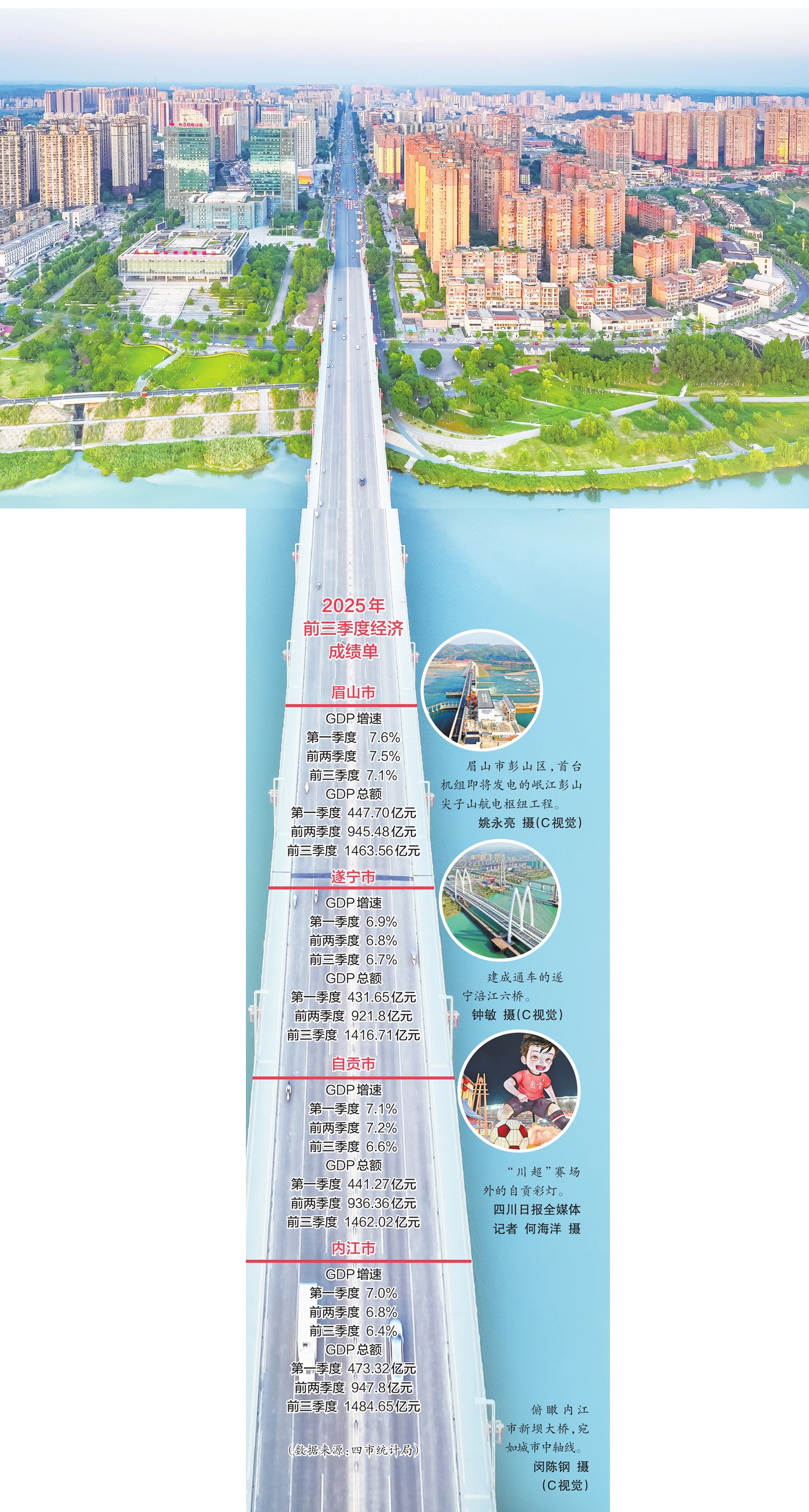
Economic Performance - The GDP growth rates for Meishan, Suining, Neijiang, and Zigong in the first three quarters of 2023 were 7.1%, 6.7%, 6.6%, and 6.4% respectively, placing them in the top five in the province [6][8] - Suining's fixed asset investment growth rate is projected to be 8.6% for the first eleven months of 2023, leading the province [4] Project Development - Key projects are crucial for achieving the collective economic target of surpassing 200 billion yuan by 2025, with significant investments in infrastructure and energy projects [4][5] - The "Project Pass" platform in Suining has improved project management efficiency by 48% [5] Business Environment - Local governments are implementing measures to enhance the business environment, including streamlining administrative processes and reducing costs for enterprises [7][8] - Suining has initiated an "efficiency revolution" to improve project processing times, while Zigong has simplified its approval processes [6][7] Future Growth Drivers - The four cities are focusing on upgrading their economic engines by developing new industries such as energy-saving equipment, new materials, and cultural tourism [9][10] - Suining aims to leverage its geographical advantages to boost its service sector, contributing significantly to its economic growth [10]
保持爱拼会赢的精气神!100名非公有制经济人士受表彰
Xin Hua She· 2025-07-30 00:35
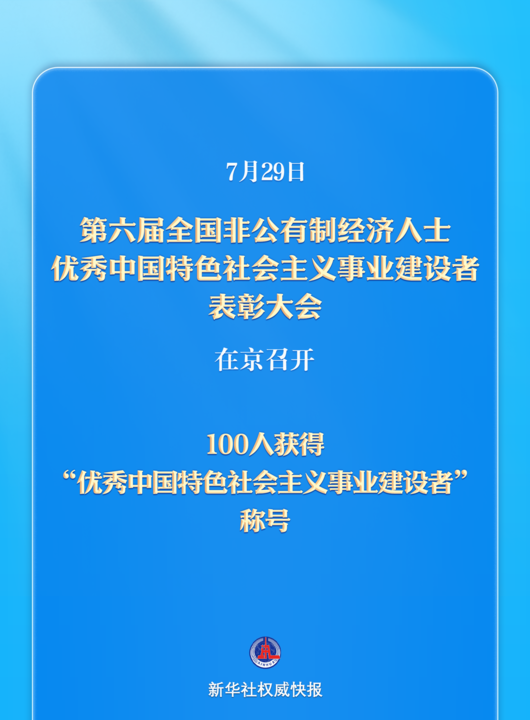
Group 1 - The sixth National Excellent Builders of Socialism with Chinese Characteristics for Non-Public Economic Personnel Award Ceremony was held in Beijing, recognizing 100 individuals for their contributions to the non-public economy [1] - The role of non-public economic entities is crucial for stabilizing growth, promoting innovation, increasing employment, and improving people's livelihoods, as evidenced by the achievements of the awardees [3] - Awardees include leaders from various companies who have made significant contributions to their industries, such as Qin Yinglin from Muyuan Foods, who has focused on independent breeding for over 20 years, and Yang Yongfeng from Hebei Shenghao Optoelectronics, who developed specialized testing equipment for optical communication chips [3][4] Group 2 - The awardees are seen as witnesses and participants in the development of China's non-public economy, integrating personal and corporate growth into the national development framework [3] - The event aims to inspire non-public economic personnel to maintain their ideals, stay committed to development, and take on the responsibilities of the times, thereby uniting efforts for progress [4][5] - The representatives of the awardees issued a call to action for private economic individuals and new social strata to contribute to the modernization of China, emphasizing the importance of responsibility and innovation in their endeavors [5]
奋楫争先立潮头
Ren Min Ri Bao· 2025-07-28 22:30
Group 1 - The Chinese government emphasizes the importance of private enterprises and entrepreneurs in contributing to national modernization and high-quality development [1][4] - Private enterprises account for over 92% of the total number of enterprises in China and contribute more than 70% of technological innovation results [4][5] - The "Three-body Computing Constellation" project aims to enhance satellite capabilities through AI and computing innovations, marking a significant step in China's space technology [2] Group 2 - Companies like Longi Green Energy and Spring Airlines demonstrate the importance of innovation and technology in achieving global competitiveness and operational efficiency [4][6] - The agricultural sector is being transformed through innovative practices, such as the "pig-raising and field-raising" model by Muyuan Foods, which promotes sustainable agriculture [7] - Entrepreneurs are increasingly integrating social responsibility into their business models, as seen in the initiatives by companies like Shengyuan Carpet Group and Good Doctor Pharmacy [8][9] Group 3 - The private sector is seen as a driving force for China's modernization, with a focus on high-quality development and social contributions [11] - The commitment to innovation and transformation is evident across various industries, from digital technology to green energy [5][10] - The entrepreneurial spirit is characterized by a strong sense of national responsibility and a commitment to societal well-being [9][11]