航空电子

Search documents
AIRO Group Holdings Inc(AIRO) - 2025 Q4 - Earnings Call Transcript
2026-03-31 13:00
Financial Data and Key Metrics Changes - For the full year 2025, the company reported revenues of $90.9 million, an increase from $86.9 million in 2024, driven primarily by the drone segment [26] - Fourth quarter revenue was $48.3 million, up from $39.7 million in Q4 2024, reflecting strong execution particularly in the drone and training segments [24] - EBITDA for the full year was $24.7 million compared to -$13.1 million in 2024, indicating a significant improvement in financial performance [28] Business Line Data and Key Metrics Changes - Drones accounted for approximately 87% of total revenue in 2025, highlighting their role as the primary growth driver for the company [8] - The training division secured a $1.9 million contract to support U.S. Navy training programs, enhancing naval readiness [16] - The avionics segment continued to perform well, with advancements in product development and foreign military engagement [20] Market Data and Key Metrics Changes - The company has a strong order pipeline with approximately $150 million in drone segment backlog as of March 31, 2026, providing visibility into future revenue [29] - Demand for combat-proven ISR systems remains strong across NATO-aligned nations and allied defense customers [9] - The macro environment is supportive, with sustained increases in defense spending across NATO and allied nations driven by modernization requirements [18] Company Strategy and Development Direction - The company is focused on building a differentiated, integrated aerospace and defense platform, emphasizing medium-lift, multi-role unmanned platforms [5] - Strategic joint ventures were announced to expand the deployment of unmanned aerial systems across the U.S., Ukraine, and NATO defense markets [12] - The company is shifting away from passenger eVTOL concepts to focus on multi-role, medium-lift drones, aligning with immediate demand and procurement cycles [21] Management's Comments on Operating Environment and Future Outlook - Management expressed confidence in the company's ability to capitalize on increasing defense spending and evolving threat profiles [18] - The outlook for full year 2026 revenue growth is projected at 15%-25%, not including potential contributions from joint ventures [30] - The company is well-positioned to meet customer demands and enhance operational capabilities through ongoing investments in R&D and manufacturing [31] Other Important Information - The company successfully went public in 2025, strengthening its balance sheet and expanding its manufacturing footprint [6] - Cash on the balance sheet as of December 31, 2025, was $74.4 million, providing substantial resources for growth investments [28] - The company is preparing for new product launches in the first half of 2026, leveraging capabilities in artificial intelligence and edge computing [10] Q&A Session Summary Question: Strategy change on air mobility and R&D investments - Management confirmed that capital expenditure will drop off as the focus shifts to multi-role, medium-lift cargo vehicles, which are expected to add meaningful revenues post-2027 [36] Question: Mix of customer demand between U.S. and international - The backlog is approximately $150 million, with strong visibility on a significant portion converting to revenue over the next 12 months, primarily driven by international demand [37][38] Question: Details on drone backlog and orders - Management indicated that the backlog consists of firm orders, with confidence in converting this backlog into revenue, particularly from NATO countries [44] Question: U.S. sales outlook and potential growth - The company expects meaningful growth as the U.S. pipeline continues to build, with the Phoenix facility operational and capable of producing up to 100 units per month [50] Question: Financial impact of joint ventures - Joint ventures are expected to be accretive to financials, with contributions from ongoing conflicts and battlefield-proven drones enhancing revenue potential [62]

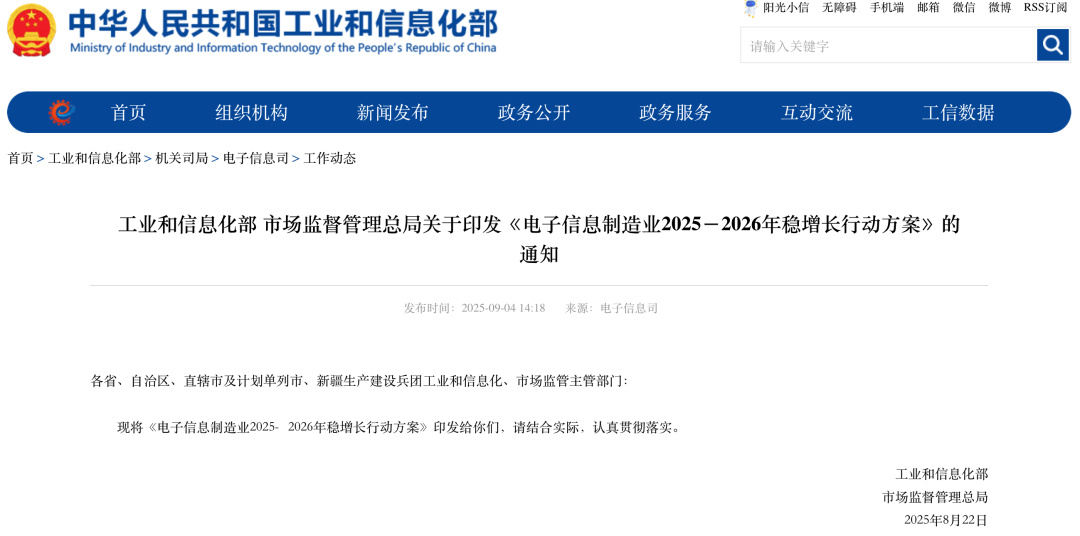
法国军工双面布局:左手省10%航空燃油,右手狂造四倍雷达
Sou Hu Cai Jing· 2026-02-12 06:41
Core Insights - The global defense industry is experiencing unprecedented growth due to increasing geopolitical tensions, with defense spending rising across almost all countries and regions [1][3] - In 2024, global military spending is projected to exceed $2.7 trillion, with the revenue of the top 100 defense companies reaching $679 billion, the highest since tracking began in 2002 [3] - Thales Group is expanding its production capacity significantly to meet the rising demand for defense technologies, particularly in radar systems, which have seen a fourfold increase in output [3] Defense Sector Trends - The demand for drone management and counter-drone technologies is surging, contributing to a more than 50% increase in Thales' stock price over the past year [5] - Countries are increasingly seeking to procure weapons from alternative sources due to doubts about the reliability of the U.S. and its security alliances, leading to over 100% stock price increases for companies like Rheinmetall, Hanwha Aerospace, and Mitsubishi Heavy Industries [7] Thales Group Developments - Thales is also a key player in civil aviation and avionics, investing in AI technologies to optimize flight paths and enhance safety, which can reduce fuel consumption by approximately 10% [9][11] - The company is expanding its cybersecurity division, producing over 200 million bank cards and 12 million ID cards annually at its Singapore facility [13] - Thales plans to deepen its presence in Asia, particularly in Southeast Asia and East Asia, with significant growth expected in its Indian operations [14] Financial Performance - In the first nine months of 2025, Thales reported revenues of €15.3 billion (approximately $18.1 billion), an 8.4% year-over-year increase, with nearly 80% of revenue coming from mature markets [14] - The defense segment contributed €8.2 billion (approximately $9.8 billion) to Thales' total revenue, accounting for over half of the company's income, with a 14% year-over-year growth, making it the fastest-growing part of the business [14]

开盘就抢筹!2.3万亿天量资金,全力猛攻这两个方向
Sou Hu Cai Jing· 2026-01-12 05:18
Core Viewpoint - The market is experiencing a significant rally, driven by a strong performance in technology sectors, particularly the Media and Computer industries, as well as the Defense and Aerospace sectors, indicating a shift in risk appetite towards high-growth narratives and industrial transformation expectations [1][2][3] Group 1: Market Performance - Major indices in the market showed strong gains, with the STAR 50 Index rising by 2.26%, and both the Shenzhen Component Index and the ChiNext Index increasing by over 1% [1] - A notable increase in trading volume was observed, with A-shares reaching a turnover of over 2.3 trillion yuan, indicating a healthy and sustainable market trend [1] - The Hang Seng Technology Index rose by 2.18%, outperforming the Hang Seng Index, reflecting a consensus on the importance of technology investments [1] Group 2: Sector Analysis - The Media and Computer sectors are experiencing a surge due to the onset of the "AI Agent" era, with advancements in AI capabilities leading to new business models and opportunities [2] - The Defense and Aerospace sectors are benefiting from the "low-altitude economy" trend, with significant policy support and project developments creating a large civilian market [2][3] - The growth logic for the Defense sector is supported by a combination of military applications, high-end manufacturing, and new production capabilities [3] Group 3: Policy and Funding Environment - Policy support is evident as regulatory bodies promote long-term capital inflows and deepen reforms in the STAR Market, providing a solid institutional backing for technology growth stocks [3] - Continuous high trading volumes signal that new capital is systematically entering the market, with significant inflows into Hong Kong's technology sector [3] Group 4: Future Outlook - The technology growth sectors are expected to remain the strongest market direction, driven by industry trends, policy support, and new capital inflows [3] - The performance of the STAR 50 and Hang Seng Technology indices will be key indicators for assessing the sustainability of the current market rally [3]
紫江企业:公司控股子公司持有中航民用航电15%股权
Zheng Quan Ri Bao· 2025-12-26 13:35
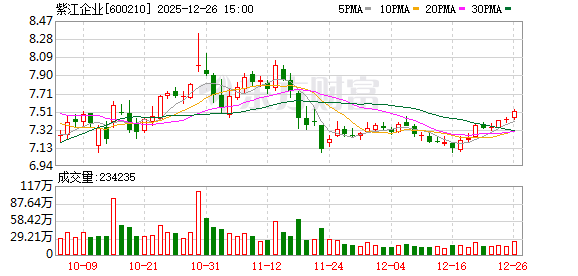
Group 1 - The company, Zijang Enterprise, has a 15% stake in AVIC Civil Aviation Electronics Co., Ltd. through its subsidiary, Shanghai Zijang Venture Capital Co., Ltd. [2] - AVIC Civil Aviation Electronics Co., Ltd. has formed a joint venture with General Electric (GE) to establish AVIC General Electric Civil Aviation Electronics Systems Co., Ltd. [2]


华安鑫创:核心围绕新能源汽车智能化、低空经济及下一代新能源技术展开
Sou Hu Cai Jing· 2025-11-25 03:43
Core Viewpoint - The company, Huazhong Xinchang, is aligning its industrial and technological reserves with the "14th Five-Year Plan," focusing on strategic emerging industries such as new energy vehicles, low-altitude economy, and next-generation energy technologies [1] Group 1: New Energy Vehicles - The company is developing capabilities in automotive electronics and intelligent cockpit technologies, enhancing the self-sufficiency of the domestic supply chain [1] Group 2: Low-altitude Economy - The company is entering the aviation electronics sector, preparing to meet the technical requirements for low-altitude economic equipment [1] Group 3: Next-generation Energy Technologies - The company is proactively investing in next-generation power battery technologies, aligning with the industrialization direction of new power batteries [1]

Garmin(GRMN) - 2025 Q3 - Earnings Call Transcript
2025-10-29 15:32
Financial Data and Key Metrics Changes - Consolidated revenue increased 12% to nearly $1.8 billion, setting a new third-quarter record, despite a strong comparison from last year when revenue increased over 24% [4] - Gross margin was 59.1%, a 90 basis point decrease from the prior quarter, primarily due to higher product costs [15] - Operating income reached $457 million, up 4% year-over-year, with a pro forma EPS of $1.99 and GAAP EPS of $2.08 [4][15] Business Segment Data and Key Metrics Changes - **Fitness Segment**: Revenue increased 30% to $601 million, driven by strong demand for advanced wearables, with gross and operating margins at 60% and 32% respectively [6][7] - **Outdoor Segment**: Revenue decreased 5% to $498 million, impacted by the anniversary of the Diesel Series launch and the Phoenix 8 launch, with gross and operating margins at 66% and 34% respectively [8][10] - **Aviation Segment**: Revenue increased 18% to $240 million, with gross and operating margins at 75% and 25% respectively [11] - **Marine Segment**: Revenue increased 20% to $267 million, with gross and operating margins expanding to 56% and 19% respectively [12][13] - **Auto OEM Segment**: Revenue decreased 2% to $165 million, with a gross margin of 15% negatively impacted by increased warranty costs, resulting in an operating loss of $17 million [14] Market Data and Key Metrics Changes - By geography, double-digit growth was achieved in all three regions: 14% in APAC, 13% in EMEA, and 10% in the Americas [16] Company Strategy and Development Direction - The company is focused on maintaining a diversified business model and anticipates delivering another record year of double-digit growth in revenue, operating income, and EPS [4][6] - The launch of new products, such as the Blaze Equine Wellness System and the Phoenix 8 Pro, reflects the company's strategy to innovate and capture market share in various segments [9][12] Management's Comments on Operating Environment and Future Outlook - Management expressed confidence in achieving full-year revenue of $7.1 billion and raised full-year EPS guidance to $8.15, reflecting strong year-to-date performance [5][18] - The company is managing through tariff impacts and is focused on optimizing its supply chain structure [70] Other Important Information - The effective tax rate increased to 21.2% due to new U.S. tax legislation affecting R&D cost capitalization [17] - Free cash flow for the third quarter was $425 million, with full-year expectations of approximately $1.3 billion [17] Q&A Session Summary Question: Downward revision to outdoor guidance - Management noted that the Phoenix 8 Pro launched late in Q3, impacting expectations, and acknowledged that previous expectations may have been too high [20][21] Question: Drivers behind gross margin guide for Q4 - Management indicated that higher product costs, tariffs, and warranty accruals impacted gross margins, with Q4 being a more promotional period [22][23][24] Question: Cycle for fitness and outdoor segments - Management views the market as an ongoing opportunity for growth rather than a cyclical pattern, emphasizing strong product lines [28][29] Question: Channel inventory health - Management stated that channel inventory is healthy and lean, ready for Q4, with strong sell-out trends [36] Question: Growth in auto segment - Management anticipates revenue pressure in 2026 due to end-of-life programs but expects new programs to come online in the latter half of 2026 [41] Question: Drivers of growth in aviation segment - Both OEM and aftermarket segments are performing strongly, benefiting from a long backlog and resilient consumer behavior [42] Question: Accrued warranty costs in auto segment - Management clarified that accrued warranty costs were an isolated issue and that long-term margin targets remain unchanged [60][61] Question: Component supply environment - Management acknowledged impacts from the semiconductor market but believes it will benefit customers in the long term [62] Question: Marine segment guidance - Management noted that the end market is stabilizing, with positive consumer interest and market share gains [68]

四川绵阳:竞逐高能级产业新赛道
Jing Ji Ri Bao· 2025-10-17 03:33
Core Insights - Mianyang, recognized as China's only science and technology city, has made significant contributions to national major science and technology projects, showcasing its innovation capabilities and resources [1] - The city has established a "587" industrial system to enhance its key industries, focusing on artificial intelligence, low-altitude economy, aerospace, healthcare, and new display technologies [1][2] - Mianyang aims to achieve a total industrial scale exceeding 5 trillion yuan by 2027, with specific targets for various emerging industries [6] Policy Empowerment and Innovation - Mianyang has introduced the "587" industrial system plan to ensure precise policy implementation for each industrial chain, identifying key products and areas for development [2][8] - The establishment of Mianyang Science and Technology City Innovation Investment Co., Ltd. aims to enhance early-stage project investment through a model of "early, small, and long-term" funding [3] - The city has seen a significant increase in innovation platforms and high-tech enterprises, with a goal of achieving a technology contract transaction volume exceeding 20 billion yuan in 2024 [3] Industry Development and Robotics - Mianyang has developed a complete supply chain for the robotics industry, with significant investments in intelligent robot manufacturing headquarters [5] - The city is actively promoting the integration of research institutions and market entities to foster innovation and collaboration [5] - Mianyang's robotics industry is part of the "587" industrial system, with efforts to create benchmark demonstration scenarios and promote the application of artificial intelligence [4][5] Technology Transfer and Research Institutions - Mianyang has established the Tianfu Industrial Technology Research Institute to facilitate technology transfer and industrial research, enhancing the city's innovation ecosystem [8] - The Advanced Technology Research Institute has successfully converted numerous scientific achievements into practical applications, driving significant industrial investment [7][8] - Collaborative efforts among various research units aim to break down barriers in innovation and enhance the efficiency of technology transfer [7][8]
四川绵阳 竞逐高能级产业新赛道
Jing Ji Ri Bao· 2025-10-16 22:14
Core Viewpoint - Mianyang, as China's only science and technology city, is making significant strides in various high-tech industries, particularly in artificial intelligence, aerospace, and healthcare, through the establishment of the "587" industrial system aimed at enhancing industrial chains and promoting innovation [1][2][6]. Policy Empowerment and Innovation - Mianyang has introduced the "587" industrial system plan to enhance precision in policy implementation, focusing on key products and areas needing development within each industrial chain [2][8]. - The city has established a new investment company to support early-stage technology projects through small, long-term investments, aiming to boost research and development efficiency [3][7]. Industry Development and Robotics - Mianyang is positioning itself as a major hub for the robotics industry, with initiatives to create a complete supply chain and attract significant investments, such as a 500 million yuan investment for a humanoid robot manufacturing base [5][6]. - The city has launched various educational programs in robotics, attracting over 5,000 students and generating substantial revenue, showcasing its commitment to developing the robotics sector [4][5]. Technology Transfer and Research Institutions - Mianyang has a robust framework for technology transfer, with over 260 innovation platforms and a focus on converting scientific research into practical applications, evidenced by the successful transformation of 48 technology achievements worth 408 million yuan in the past three years [7][8]. - The establishment of the Tianfu Industrial Technology Research Institute marks a significant step in enhancing the integration of technology innovation and industrial upgrading in Mianyang [8][9]. Future Goals and Economic Impact - By 2027, Mianyang aims to achieve a scale increase in seven key industrial tracks, targeting a total scale of 650 billion yuan and pushing the overall industrial scale beyond 5 trillion yuan [6].
杭州加快建设更高水平创新活力之城(奋勇争先,决战决胜“十四五”)
Ren Min Ri Bao· 2025-09-10 22:13
Core Points - The "Three-Body Computing Constellation," led by the new research institution Zhijiang Laboratory, has officially entered the networking phase, enabling real-time data processing in orbit [1] - Zhejiang Hangzhou Yushu Technology Co., Ltd. was recognized as one of the award-winning companies among over 780 companies from 95 countries in the 2025 World Intellectual Property Organization Global Awards [1] - President Xi Jinping emphasized the importance of enhancing technological innovation capabilities during his visit to Zhejiang, urging the integration of innovation resources and the acceleration of breakthroughs in cutting-edge technology [1] Group 1: Strengthening Technological Innovation Foundation - Researchers at Xianghu Laboratory in Hangzhou are exploring innovative applications of lasers in agriculture, focusing on breakthroughs in biological breeding and efficient ecological agriculture [2] - The "Hangzhou Supergravity Field" model and verification machines have met acceptance criteria, and significant progress has been made in the "Hangzhou Extremely Weak Magnetic Field" in frontier technology [2] - Zhejiang has recognized 137 new key laboratories this year, with 94 led by institutions in Hangzhou, accounting for 68.6% of the total [2] Group 2: Reinforcing Enterprise Subject Position - A private enterprise from Zhejiang, in collaboration with two universities, has developed a coating innovation technology for perovskite solar cell materials, achieving stable mass production of square meter-level components [3] - The company has established a 100 MW perovskite production line with a component yield exceeding 98.5%, reaching commercial application levels [3] - Hangzhou has implemented policies to strengthen the role of enterprises in technological innovation, including increased funding for R&D and support for the establishment of R&D institutions [3] Group 3: Optimizing Technological Innovation Ecosystem - Hangzhou has established a mechanism for linking technological innovation investment with resource allocation, integrating various resources from government, enterprises, research institutions, financial institutions, and social capital [4] - The city has formed a collaborative and efficient innovation investment system, with three major funds (science and technology innovation fund, innovation fund, and merger fund) expected to reach a total scale of 300 billion yuan this year [4] Group 4: Open and Inclusive Innovation Ecosystem - Since 2020, over 2.3 million university students under 35 have moved to Hangzhou, injecting youthful energy into technological and industrial innovation [5] - The city aims to lead in shaping new development advantages through technological innovation, contributing to high-level self-reliance and strength in technology [5]
事关芯片、人工智能终端、锂电池等领域,两部门联合发文
Sou Hu Cai Jing· 2025-09-04 08:44
Core Viewpoint - The Ministry of Industry and Information Technology and the State Administration for Market Regulation have issued the "Action Plan for Stable Growth of the Electronic Information Manufacturing Industry (2025-2026)", which outlines 16 specific measures to promote industrial upgrading, enhance the high-quality supply system, facilitate economic circulation, and drive technological and industrial innovation integration [1][3]. Group 1: Expected Goals - The average growth rate of the value-added in the computer, communication, and other electronic equipment manufacturing industries is projected to be around 7% from 2025 to 2026, with the annual revenue growth rate of the electronic information manufacturing industry expected to exceed 5% when including related fields such as lithium batteries and photovoltaics [3]. - By 2026, it is anticipated that the revenue scale and export ratio will maintain the top position among 41 industrial categories, with five provinces achieving over 1 trillion yuan in electronic information manufacturing revenue, and the server industry scale exceeding 400 billion yuan [3]. - The domestic market penetration rate for color televisions of 75 inches and above is expected to exceed 40%, while personal computers and mobile phones will advance towards higher levels of intelligence and premium quality [3]. Group 2: Industrial Upgrading and Innovation - The plan emphasizes promoting high-end electronic complete machines and enhancing product supply levels, focusing on key areas and industry applications, and continuously strengthening the supply level of electronic products [3]. - It encourages the integration of artificial intelligence terminals with end products, developing a grading method and standards for the intelligence of AI terminals, and promoting innovative applications of AI terminals across various regions [3]. Group 3: Quality Development and Consumption Expansion - The plan aims to eliminate "involution" competition in the photovoltaic sector and achieve high-quality development by legally addressing low-price competition in photovoltaic products [4]. - It supports the orderly layout of photovoltaic and lithium battery industries at the local level, implements quality management for photovoltaic modules and lithium battery products, and strengthens policy coordination with investment, finance, and safety [4]. - To expand consumption scenarios, the plan proposes improving the design level of smart products for the elderly and increasing the supply of high-quality terminal products for smart health and elderly care [4].