
采掘业

Search documents
【环球财经】巴西工业2025年微增0.6% 连续三年实现扩张
Xin Hua Cai Jing· 2026-02-08 08:34
Core Insights - Brazil's industrial production is projected to grow by 0.6% in 2025, marking the third consecutive year of expansion, although at a significantly slower pace compared to previous years [1] - The industrial production growth was 3.1% in 2024 and 0.1% in 2023, indicating a trend of declining growth rates [1] Industry Performance - In 2025, industrial production faced downward pressure due to rising interest rates, with a notable month-on-month decline of 1.2% in December, the weakest performance since July 2024 [1] - Among the four quarters of 2025, the industrial sector showed resilience despite economic challenges, with 15 out of 25 industrial categories experiencing expansion [1] - The production of consumer goods and intermediate goods grew by 2.5% and 1.5% respectively, indicating sustained growth in certain areas, while capital goods and durable consumer goods contracted [1] - Significant growth was observed in the extraction and food production sectors, highlighting specific areas of strength within the industrial landscape [1] Economic Context - The Brazilian Central Bank has been raising the benchmark interest rate since September 2024, maintaining high rates into 2025, which has suppressed investment and credit demand, contributing to the downward pressure on industrial production [1] - Despite the complex economic conditions, the annual data reflects that the industrial sector has managed to maintain expansion [1]
从超4%到1%:俄罗斯经济增速下降,普京表态
Di Yi Cai Jing Zi Xun· 2026-02-05 09:20
Economic Growth and Inflation - Russia's GDP growth for 2025 is projected at 1%, a slowdown from 4.1% in 2023 and 4.3% in 2024, primarily due to measures aimed at reducing inflation [2] - The inflation rate in Russia has decreased to 5.6% in 2025, down from 9.5% in 2024, with a year-to-date annualized inflation rate of 6.4% as of January 26 [3] - The Central Bank of Russia has adjusted the benchmark interest rate, which peaked at 21% in the first half of 2025 and was reduced to 18% in the second half, maintaining a "moderately tight" stance to prevent inflation rebound [3] Factors Contributing to Economic Decline - The ongoing Russia-Ukraine conflict has shifted financial resources towards military spending, limiting investments in production and technology [4] - Long-term impacts of Western sanctions have led to technological blockades, hindering industrial upgrades and weakening the industrial base [4] - High borrowing costs, reduced demand, and increased military expenditures have tightened fiscal conditions, contributing to economic slowdown [5] Sectoral Performance - Key sectors such as transportation, construction, and certain extraction industries, particularly coal, oil, and gas, have underperformed due to the Central Bank's interest rate hikes [5] - Investment growth in Russia has stagnated, with fixed asset investment projected to show zero growth by the end of 2025, marking the end of rapid growth driven by state spending and import substitution [5] Future Economic Outlook - The geopolitical uncertainty poses significant challenges for Russia's economy, with energy exports constrained and international oil prices declining [6] - The government plans to increase the value-added tax rate from 20% to 22% starting in 2026, which is expected to impact consumer prices and inflation [6] - Experts suggest that the continuation of the Russia-Ukraine conflict will likely lead to sustained economic decline unless significant changes occur [7]


解释城市|纽约市城市服务型制造对上海发展制造业有哪些参考
Xin Lang Cai Jing· 2026-01-30 10:23
Core Insights - The article discusses the economic structure and industrial layout of New York City, highlighting the distribution of major industry sectors and their impact on the regional economy [2][7]. - It emphasizes the concentration of economic activity in a few key sectors while many others contribute relatively less, illustrating a dual characteristic of concentration and dispersion in New York's economy [7][8]. Economic Structure - In 2023, New York City's total economic output was $1,285.74 billion, with a clear distinction between "core pillar industries" (over 10% contribution), "mid-tier supporting industries" (3%-10%), and "specialty supplementary industries" (below 3%) [7][8]. - The "core pillar industries" include finance and insurance, real estate, information, and professional and technical services, collectively contributing $785.84 billion, or 61.1% of the city's GDP [8]. Key Industries - The finance and insurance sector alone accounts for approximately 25% of New York City's GDP, underscoring its status as a global financial center [8]. - Real estate and rental services are significant contributors, primarily driven by transactions, property management, and related services concentrated in Manhattan [8]. - The information sector has seen rapid growth, increasing from 10% to 12.4% of GDP over the past 20 years, while professional and technical services contribute around 10% [8]. Supporting Industries - "Mid-tier supporting industries" encompass public administration, wholesale and retail trade, healthcare, and accommodation and food services, collectively making up 23.3% of the economy [9][10]. - These industries are essential for maintaining the city's operational stability and resilience against economic fluctuations, as they are less affected by short-term economic changes [10]. Specialty Industries - "Specialty supplementary industries" include agriculture, mining, utilities, construction, manufacturing, transportation, management services, education, and arts and entertainment [11]. - Although these industries have a lower economic contribution, they play a vital role in supporting core industries and enhancing the city's cultural vibrancy [11]. Manufacturing Sector - Manufacturing's share of New York City's GDP has drastically declined to only 0.8% in 2023, reflecting a broader trend of urban centers moving away from manufacturing towards service-oriented economies [14][19]. - The historical context shows that manufacturing was once a significant part of New York's economy, particularly post-World War II, but has since diminished due to the rise of the service sector [15][18]. Current Manufacturing Landscape - The remaining manufacturing in New York is characterized by "urban service-oriented manufacturing," focusing on light industries such as food and apparel, which cater directly to local consumer needs [22][23]. - The manufacturing sector is primarily composed of food manufacturing (26.9%), apparel manufacturing (15.0%), and printing (13.4%), indicating a strong alignment with urban consumption patterns [25][22].

2025年工业企业利润数据点评:同比转正,新旧分化
GF SECURITIES· 2026-01-27 15:35
Revenue Trends - In 2025, the revenue of industrial enterprises above designated size increased by 1.1% year-on-year, slightly lower than the 2.1% growth in 2024 and consistent with 2023, remaining in the low range of 1%-3% for three consecutive years[3]. - December 2025 saw a 3.2% year-on-year decline in revenue, marking three consecutive months of negative growth[3]. - The nominal GDP growth for the secondary industry in Q4 2025 was 1.28%, down from 1.45% in Q3, while the tertiary industry maintained a growth rate of 5.7%[3]. Profit Trends - The profit of industrial enterprises above designated size in 2025 increased by 0.6% year-on-year, ending three years of consecutive negative growth from 2022 to 2024, which recorded -4.0%, -2.3%, and -3.3% respectively[4]. - December 2025 profits showed a significant improvement with a 5.3% year-on-year increase, contrasting sharply with the negative growth seen in the previous months[4]. - The profit margin for 2025 was 5.31%, a slight decrease of 0.03 percentage points year-on-year, indicating a stabilization in profit rates[4]. Sector Performance - High-growth sectors in 2025 included high-tech manufacturing, non-ferrous metals, and public utilities, with specific industries like smart drones and semiconductors showing profit growth rates of 102.0% and 172.6% respectively[8]. - The mining sector experienced a profit decline of 26.2% in 2025, continuing a trend of negative growth from previous years[8]. - The profit share of high-tech manufacturing and non-ferrous metals reached a historical high of 44.6% in 2025, while traditional high-energy-consuming industries dropped to 18.3%[12]. Inventory and Debt - By the end of 2025, the nominal inventory of industrial enterprises grew by 3.9% year-on-year, with a sales-to-inventory ratio of 0.49 in December, indicating a slower inventory reduction compared to the previous year[13]. - The asset-liability ratio for industrial enterprises was 57.6% at the end of 2025, reflecting a decrease in debt growth to a historical low of 4.2% year-on-year[13].
PPI“失去十五年”之谜
李迅雷金融与投资· 2026-01-18 09:39
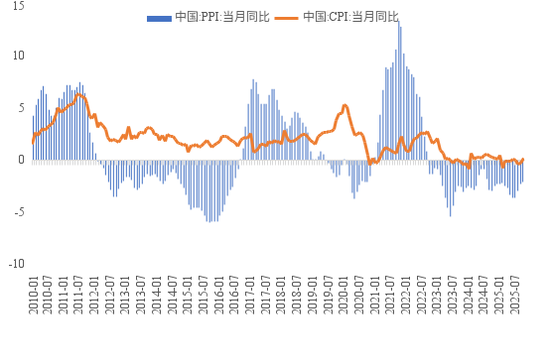
Core Viewpoint - The Producer Price Index (PPI) in China has shown a prolonged period of decline, with a year-on-year decrease of 1.9% reported for December 2025, marking 39 consecutive months of decline since October 2021. This trend raises questions about the underlying reasons for the stagnation in PPI despite significant GDP growth of 250% over the past 15 years [1][2][5]. Group 1: PPI Trends and Historical Context - The PPI has been in negative territory for 111 months from 2012 to 2025, indicating a long-term weakness in price levels despite substantial economic growth [1][2]. - The PPI index, set at 100 in December 2010, remained unchanged by December 2025, suggesting that the index has not increased over the past 15 years [1][5]. - Historical data shows that PPI experienced significant fluctuations, particularly influenced by production material prices, which have seen a cumulative increase of zero over the past 15 years [5][6]. Group 2: Economic Factors Influencing PPI - The 2008 financial crisis led to a surge in PPI due to government investment in infrastructure, but this effect was temporary, and PPI turned negative after March 2012 due to limited demand from final consumption [2][3]. - The divergence between Chinese and U.S. PPI post-2012 can be attributed to rapid capacity expansion in China, leading to a significant drop in export ratios relative to total industrial output [9][10]. - The prices of production materials, particularly in the upstream mining sector, have been volatile, heavily influenced by fluctuations in coal and oil prices [17][20]. Group 3: Demand and Supply Dynamics - The transmission of price changes from upstream to downstream sectors has been hindered by weak demand, particularly in the context of a competitive downstream market where prices are more sensitive to market conditions [23][24]. - Export dynamics play a crucial role in influencing midstream product prices, with a significant portion of revenue from industries like electronics and transportation being dependent on exports [27][28]. - The overall weak demand, especially in real estate, has contributed to a persistent decline in PPI, as seen in the correlation between real estate investment trends and PPI movements [38][39]. Group 4: Recommendations for Economic Adjustment - To address the long-term weakness in PPI, it is essential to adjust the supply-demand relationship, particularly by expanding effective demand through increased income for lower and middle-income groups [45][56]. - Stabilizing the real estate market is highlighted as a critical measure to boost consumption and alleviate overcapacity issues, with a focus on maintaining housing prices to prevent further declines [45][56]. - The government is encouraged to optimize fiscal spending to enhance residents' income, thereby supporting consumption and improving overall economic conditions [56].
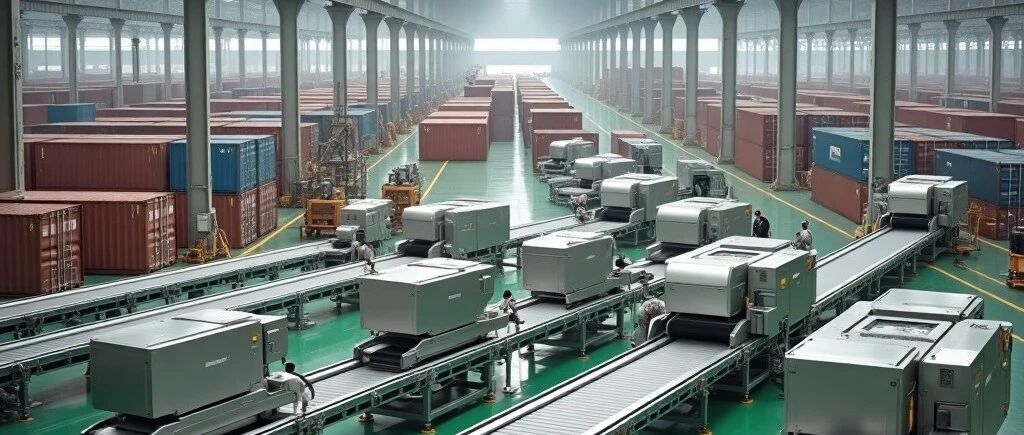
李迅雷:PPI“失去十五年”之谜
Xin Lang Cai Jing· 2026-01-18 09:25
Core Viewpoint - The Producer Price Index (PPI) in China has shown a continuous decline, with a year-on-year decrease of 1.9% reported for December 2025, marking 39 consecutive months of decline since October 2021. This trend raises questions about the underlying reasons for the prolonged weakness in PPI despite significant GDP growth over the same period [1][52]. Group 1: PPI Trends and Historical Context - The PPI has been in negative territory for 111 months from 2012 to 2025, indicating that two-thirds of this period has been characterized by negative growth [1][52]. - From 2010 to 2025, China's GDP increased by 250%, yet the PPI index remained unchanged, suggesting a disconnect between economic growth and producer prices [1][53]. - The decline in PPI began after a significant investment stimulus in response to the 2008 financial crisis, which initially boosted PPI and CPI but later led to a prolonged period of negative PPI starting in March 2012 [2][53]. Group 2: Factors Influencing PPI - The PPI's long-term decline is primarily influenced by the prices of production materials, which have shown significant volatility but an overall cumulative increase of zero over the past 15 years [4][56]. - The prices of living materials have fluctuated less, with a cumulative increase of 4.4%, indicating a divergence in price trends between production and living materials [4][56]. - The divergence between Chinese and U.S. PPI post-2012 is attributed to rapid capacity expansion in China, leading to a significant drop in the export share of total industrial output [8][60]. Group 3: Demand and Supply Dynamics - Weak demand, particularly in the real estate sector, has been a critical factor in the inability of upstream price increases to transmit downstream, resulting in persistent PPI weakness [41][93]. - The real estate market's downturn has been linked to a broader economic slowdown, with real estate investment growth declining significantly since its peak in 2021 [35][88]. - The overall supply-demand imbalance, characterized by excess supply, has hindered price recovery, with industrial value-added growth lagging behind demand growth since 2020 [31][93]. Group 4: Recommendations for Economic Adjustment - To address the persistent weakness in PPI, it is essential to adjust the supply-demand relationship, particularly by expanding effective demand [41][93]. - Increasing the income of middle and low-income groups and promoting consumption are recommended strategies to stimulate demand and support price recovery [103]. - Stabilizing the real estate market is also suggested as a means to alleviate excess capacity and promote consumer spending, although achieving stable housing prices may be challenging [103].
物价温和回升,央行持续购金
Hua Lian Qi Huo· 2026-01-11 14:00
Report Title - The report is titled "Hualian Futures Macro Weekly Report: Moderate Recovery in Prices and Continuous Gold Purchases by the Central Bank" [1] 1. Report Industry Investment Rating - Not provided in the given content 2. Core Viewpoints - In December 2025, China's CPI showed a moderate increase, with an annual CPI remaining flat compared to the previous year. The PPI decreased in 2025 but showed signs of improvement in December. The manufacturing PMI returned to the expansion range in December, and the non - manufacturing business activity index also rebounded [8][11][251] - The "Two New" policies (equipment renewal + consumer goods trade - in) and housing - related policies were introduced in 2026, which are expected to have an impact on the market, especially in the consumer and real estate sectors [14] 3. Summary by Relevant Catalogs 3.1 National Economic Accounting - GDP quarterly growth rates showed fluctuations from 2023 to 2025. Different industries had different growth trends, with industries like information technology and finance showing relatively stable growth, while the real estate industry had negative growth in some periods [17] 3.2 Industry 3.2.1 Industrial Growth - The growth of the industrial sector was diverse. Some industries such as automobile manufacturing and high - tech manufacturing had relatively high growth rates, while others like coal mining and textile had more moderate or negative growth in certain months [30][32][33] 3.2.2 Industrial Output - Output of various industrial products, including energy, raw materials, and finished products, showed different trends. For example, the output of crude oil and steel had fluctuations, and the output of new energy vehicles increased [35] 3.2.3 Industrial Electricity Consumption - In November 2025, China's total electricity consumption reached 8356 billion kWh, a year - on - year increase of 6.2%. The "14th Five - Year Plan" period is expected to have an average annual growth rate of 4.2% - 5.6% [42] 3.2.4 Industrial Enterprise Profits - From January to November 2025, the total profit of large - scale industrial enterprises increased by 0.1% year - on - year. Different industries had different profit situations, with some industries like electronics and power showing growth and others like coal mining showing a decline [46][50] 3.2.5 Industrial Enterprise Inventory - As of the end of October 2025, the finished - goods inventory of large - scale industrial enterprises increased by 3.7% year - on - year. The inventory of the mining industry decreased, while that of the mid - and downstream manufacturing industries remained stable [57] 3.3 Price Index 3.3.1 CPI - In December 2025, the national CPI increased by 0.8% year - on - year. Food prices had a significant impact on CPI, with fresh vegetables and fruits driving the increase, while pork prices had a downward effect [64] 3.3.2 PPI - In December 2025, the national PPI decreased by 1.9% year - on - year, with a narrowing decline. Production materials prices had a greater impact on the overall PPI decline [73] 3.3.3 Housing Prices - In November 2025, new - home and second - hand home prices in first - tier, second - tier, and third - tier cities generally showed a downward trend year - on - year, with different degrees of decline [83][88] 3.4 Foreign Trade and Investment 3.4.1 Import and Export Trade - In November 2025, China's total import and export value was $520.63 billion, a year - on - year decrease of 0.3%. Exports decreased by 1.1% year - on - year, and imports increased by 1.0% year - on - year [97] 3.4.2 Key Commodity Exports and Imports - The exports and imports of key commodities such as agricultural products, industrial raw materials, and high - tech products showed different trends. For example, the export of high - tech products like electric vehicles increased [105][106] 3.4.3 Foreign Investment - Not provided in detail in the given content 3.5 Fixed - Asset Investment - From January to November 2025, the national fixed - asset investment (excluding rural households) decreased by 2.6% year - on - year. Investment in different industries had different trends, with the secondary industry showing growth and the tertiary industry showing a decline [120] 3.6 Domestic Trade - The growth rates of service retail sales and social consumer goods retail sales showed fluctuations. The retail sales of different consumer goods categories also had different performance [163][170] 3.7 Transportation - The transportation volume of goods and passengers showed different trends in different transportation modes. For example, the railway and civil aviation transportation had different growth rates in passenger volume [173][178] 3.8 Banking and Currency 3.8.1 Social Financing - The new social financing scale and its components showed fluctuations from 2024 to 2025. Different financing methods such as RMB loans, government bonds, and corporate bonds had different growth trends [188] 3.8.2 Monetary Liquidity - In October 2025, the growth rates of M1 and M2 decreased. The M2 - M1 scissors gap widened slightly, and the money activation trend slowed down [204] 3.8.3 Interest Rates and Exchange Rates - The central bank emphasized reasonable interest rate control to reduce the financing cost of the real economy. The RMB exchange rate remained basically stable against a basket of currencies [213][231] 3.9 Fiscal and Employment 3.9.1 Fiscal Revenue and Expenditure - Fiscal revenue and expenditure data showed different trends in different months. Tax revenue and non - tax revenue, as well as different expenditure items such as infrastructure and people's livelihood, had different growth rates [239][240] 3.9.2 Employment - Not provided in detail in the given content 3.10 Business Climate Survey 3.10.1 Global Manufacturing PMI - The global manufacturing PMI showed fluctuations from 2024 to 2025. Different countries and regions had different manufacturing climate situations [248] 3.10.2 China's Manufacturing and Non - manufacturing PMI - In December 2025, China's manufacturing PMI returned to the expansion range, and the non - manufacturing business activity index also rebounded. Different industries within the non - manufacturing sector had different degrees of recovery [251][259] 3.11 US Macroeconomy 3.11.1 US GDP - The US real GDP had different growth rates in different quarters from 2022 to 2025, with private consumption, investment, and net exports having different impacts on GDP growth [266] 3.11.2 US Employment - The US non - farm payrolls and unemployment rate data showed the employment situation in the United States [269] 3.11.3 US Treasury Yields - The yields of different - term US Treasury bonds showed different trends, and the yield curve inversion situation also changed [274] 3.11.4 US Retail Sales - The US retail and food service sales had different growth rates from 2024 to 2025, with different categories of goods having different performance [277] 3.11.5 Federal Reserve's Assets and Liabilities - The Federal Reserve's asset structure and federal funds rate, as well as the changes in the reverse - repurchase amount on the liability side, were presented [278][281]
2025年摩经济形势总体向好,贸易赤字进一步扩大
Shang Wu Bu Wang Zhan· 2025-12-30 10:46
Core Insights - Morocco's economy is projected to close 2025 with strong domestic demand, ongoing investment activities, and an expanding trade deficit [1] Economic Performance - Household consumption remains robust, with a low inflation rate of -0.3% as of November [1] - Remittances from overseas Moroccans have increased, contributing to rising consumer credit [1] - The third quarter saw the creation of 220,000 new jobs [1] - Government investment spending has increased, with equipment spending growing by 16.9% as of the end of November [1] - Foreign direct investment has improved, with investment amounts increasing by 28.2% as of the end of October [1] Sectoral Developments - Agricultural production is expected to benefit from favorable climate conditions for the 2025-2026 season, with dam water storage reaching 34.7% as of December 24 [1] - Agricultural exports increased by 7.3% as of the end of October [1] - Industrial activity shows mixed performance, with manufacturing output growing by 2.2% and mining increasing by 7.4% in the third quarter [1] - Electricity generation rose by 6.1% and cement sales increased by 10.6% as of the end of November [1] - The service sector continues to strengthen, with inbound tourism reaching 18 million visitors, a 14% year-on-year increase, and tourism revenue growing by 16.7% [1] Trade Dynamics - Despite positive domestic conditions, the trade deficit is under increasing pressure, with exports growing by 2.6% as of the end of October [2] - Key export sectors include phosphates and derivatives (up 16.7%), aerospace products (up 8.3%), and agricultural products and food (up 1.1%) [2] - Imports increased by 9.4%, with a notable decline in energy imports by 4.4% [2] - The trade deficit expanded by 19.6%, with the export coverage ratio dropping to 56.5% [2] - Foreign exchange reserves are sufficient to cover 5 months and 21 days of import needs [2]
西藏矿业:12月22日召开董事会会议
Mei Ri Jing Ji Xin Wen· 2025-12-22 08:25
Group 1 - The core point of the article is that Tibet Mining (SZ 000762) held a temporary board meeting on December 22, 2025, to discuss the notice for the first temporary shareholders' meeting of 2026 [1] - For the first half of 2025, Tibet Mining's revenue composition was 98.77% from mining and 1.23% from other businesses [1] - As of the report date, Tibet Mining's market capitalization was 13.9 billion yuan [1] Group 2 - The article highlights a significant increase in sales for the new energy heavy truck sector, with November sales up 178% year-on-year [1] - The demand for new energy heavy trucks is so high that customers are directly urging manufacturers for orders, indicating a rare market situation [1]

积石山1.6万名安置点群众实现就业
Xin Lang Cai Jing· 2025-12-21 02:12
Core Insights - The article highlights the successful employment initiatives in Jishishan County, where 16,000 individuals from resettlement points have secured jobs through various methods, ensuring their stability and potential for wealth creation [1][2]. Employment Initiatives - Jishishan County has established a comprehensive employment service system, referred to as "1+16," which includes one labor market and 16 labor stations, facilitating job placements for the resettled population [1]. - A total of 46 recruitment events have been conducted, offering 8,754 job positions and achieving flexible employment for 8,247 individuals [1]. Training and Skill Development - Targeted training programs have been implemented for resettled individuals, covering practical skills such as Chinese pastry making, domestic services, and agricultural work, with 15 training sessions completed and 630 participants trained [2]. - Post-training, 289 individuals found employment, resulting in an employment rate of 46% [2]. Labor Transfer and Employment Support - The county has successfully transferred 9,981 surplus laborers to various industries, including mining, manufacturing, construction, services, and building materials, contributing to stable income growth [2]. - Local employment factories have absorbed 759 individuals, with an average monthly income increase of 2,200 yuan [2]. Public Welfare Positions - Jishishan County has developed 781 public welfare positions aimed at providing stable employment for vulnerable groups, prioritizing those unable to work outside or lacking fixed income [2].