今世缘·多少

Search documents
低度酒掀起风潮,“渠道保真”成关键
Xin Jing Bao· 2026-02-11 08:48
Core Insights - The Spring Festival is a traditional peak season for alcohol consumption, serving as a trend indicator for the industry [1] - Consumers are increasingly favoring high-quality, well-known brands, with a shift towards lower-alcohol beverages among younger generations [4][5] - The market for zodiac-themed alcohol is also thriving, with brands integrating cultural and artistic elements into their products [7][8] Group 1: Consumer Trends - Consumers are opting for "drink less, drink better," leading to a rise in sales of core products from top brands [1] - The demand for low-alcohol beverages is increasing, with sales of low-alcohol wines and beers seeing significant growth, such as a 714% increase in sales of bulk and mixed-pack wines [4][6] - The trend of "self-indulgence" among younger consumers is driving the popularity of health-oriented and low-alcohol drinks [4][5] Group 2: Pricing and Sales Dynamics - The white liquor industry is undergoing a deep adjustment, with significant price reductions observed; for instance, the price of 53-degree 500ml Moutai has dropped to between 1600 and 1800 yuan, down from over 2000 yuan last year [2] - Consumers are increasingly choosing core products priced around 600 to 700 yuan, benefiting from the wider selection due to price reductions [2] - Online channels are becoming crucial for alcohol sales, with brands enhancing partnerships with e-commerce platforms to ensure product authenticity [3] Group 3: Zodiac Alcohol and Cultural Elements - Zodiac-themed alcohol is experiencing a sales boom, with brands releasing limited-edition products that emphasize cultural significance and artistic value [7][9] - Moutai's zodiac series has seen prices fluctuate, with the retail price of the Moutai zodiac wine being significantly lower than previous years, yet still commanding a premium in the market [7][8] - The design of zodiac alcohol incorporates traditional Chinese cultural elements, appealing to consumers' desire for unique and meaningful gifts [8][9]
白酒掀起“降度”风潮
Sou Hu Cai Jing· 2025-11-06 13:05
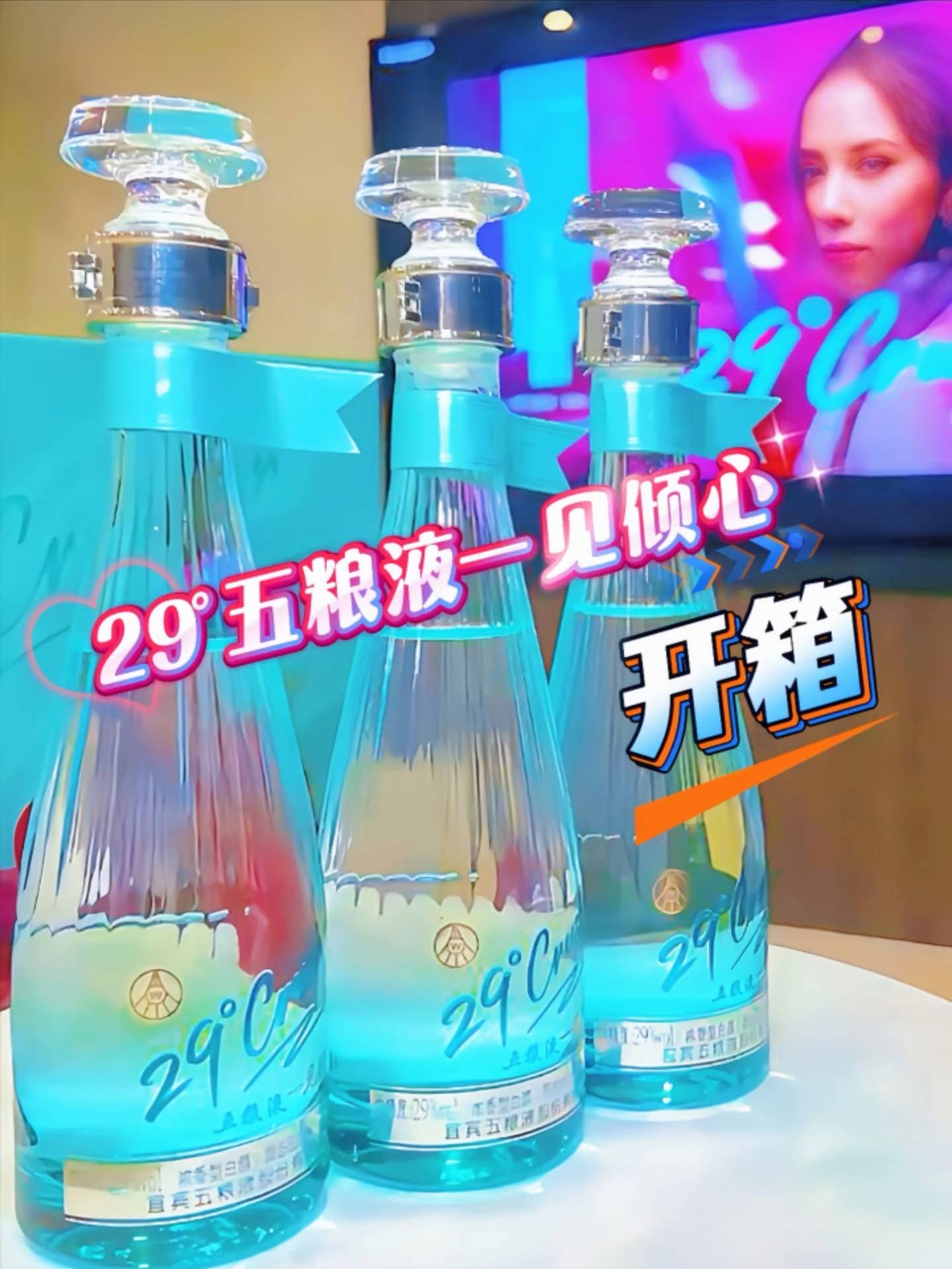
Core Viewpoint - The trend of "lower alcohol content" in the Chinese liquor industry is a response to the structural changes in consumer demographics, particularly among younger generations, and is seen as a necessary adjustment for companies to remain competitive in a changing market [3][4]. Group 1: Industry Trends - The low-alcohol liquor segment has seen rapid growth, with its production share increasing from approximately 15% in 2022 to over 25% by 2024 [4]. - The consumption patterns of younger generations (post-90s and post-00s) show a significant decline, with their liquor consumption being only one-third of that of their parents' generation [3][4]. - Major liquor companies are launching lower-alcohol products, such as Wuliangye's 29-degree "Yijian Qingxin" and Gujinggong's 26-degree "Light Gu 20," to attract younger consumers [3][4]. Group 2: Company Strategies - Jinshiyuan adopts a strategy of "super low alcohol + old liquor," creating a 22-degree product that emphasizes quality and appeals to younger consumers through innovative storage techniques [5][6]. - Shede Liquor positions its 29-degree "Shede Zizai" in the mid-range low-alcohol market, filling a price gap and utilizing a dual strategy of "next-high-end + mass-market" to expand its product matrix [5][6]. - Jinshiyuan focuses on regional market penetration, particularly in Jiangsu, to cultivate a new consumer base, while Shede Liquor employs a national distribution strategy to broaden its reach [5][6]. Group 3: Market Challenges - The low-alcohol segment faces challenges in market positioning, as younger consumers are more attracted to new-style beverages like RIO cocktails rather than diluted traditional liquors [8][9]. - There is a risk of alienating traditional consumers who may view low-alcohol products as a betrayal of liquor culture, leading to a potential loss of both new and existing customers [8][9]. - Companies must navigate channel conflicts and pricing issues as they manage both high and low-alcohol product lines, which can create resource allocation challenges [9][10]. Group 4: Technical and Cultural Considerations - The production of low-alcohol liquor presents technical challenges, including maintaining the quality of base liquor and managing flavor profiles, which can be adversely affected by the reduction in alcohol content [10][11]. - The shift towards lower alcohol content is not just a technical adjustment but also a cultural transformation that requires companies to innovate in branding and marketing to resonate with changing consumer preferences [11].



食品饮料:秋糖反馈符合预期
Dongxing Securities· 2025-10-27 09:36
Investment Rating - The industry investment rating for the food and beverage sector is "Positive" [5] Core Insights - The recent 113th National Sugar and Wine Commodity Fair indicated that while overall sales in the liquor industry have declined, the worst demand phase has passed. Companies are launching low-alcohol products to attract younger consumers, with new products like the 22-degree "Jinshi Yuan" being showcased [1][2][11] - The overall atmosphere at the autumn fair was subdued, with fewer exhibitors and visitors compared to previous years. Sales of liquor during the Mid-Autumn and National Day holidays dropped approximately 25%, primarily due to a significant decline in group purchases and government-related sales. However, it is believed that liquor demand has reached its lowest point, although destocking will take time [1][11] - The upcoming online Double Eleven shopping festival may temporarily affect liquor prices, but short-term price fluctuations are not expected to hinder the industry's recovery. Leading companies, particularly Kweichow Moutai, are showing signs of bottoming out and recovery [2][12] Market Performance - During the fair, the weekly price changes in various food and beverage sub-sectors were as follows: Yellow Wine +6.55%, Other Liquors +2.07%, Beer +0.76%, Baijiu +0.43%, Seasoning and Fermented Products -0.26%, Other Foods -0.66%, Dairy Products -1.42%, Soft Drinks -3.26%, Meat Products -3.44% [2][13] - The top five companies in terms of price increase during the fair were: Kuaijishan +11.08%, Guyue Longshan +5.07%, Shede Liquor +4.92%, Luzhou Laojiao +4.76%, and Bairun Co. +4.33%. The bottom five were: Weilang Co. -2.00%, Budweiser Asia -3.10%, ST Lanhua -3.11%, Huangtai Liquor -4.67%, and China Resources Beer -6.07% [3][18] Industry Tracking - Key upcoming events in the industry include shareholder meetings and performance briefings for various companies, such as Delisi and Jinhuijiu, scheduled for late October [6] - The food and beverage industry comprises 126 listed companies, with a total market capitalization of approximately 46,813.98 billion and an average P/E ratio of 21.65 [6]

今世缘业绩失速,抢滩低度酒
Shen Zhen Shang Bao· 2025-10-20 03:49
Core Viewpoint - The company is entering the low-alcohol liquor market with the launch of a new product, "Jinshiyuan·Duoshao," which has an alcohol content of 22 degrees, the lowest among recent low-alcohol offerings from major liquor brands [1] Group 1: Product Development and Market Strategy - The new product aims to transform the perception of low-alcohol beverages from being "bland" to embodying a "new drinking philosophy" [1] - The company plans to develop health-oriented liquor products using traditional Chinese medicinal ingredients like ginseng and longan [1] - Low-alcohol liquor is defined as having an alcohol content below 40 degrees, with a history in China dating back over 50 years [1] - The company acknowledges that low-alcohol consumption is adapting to changing drinking scenarios, particularly among younger consumers who prefer a more comfortable drinking experience [2] Group 2: Financial Performance - The company reported a revenue of 6.95 billion yuan in the first half of the year, a decrease of 4.84% year-on-year, and a net profit of 2.229 billion yuan, down 9.46% [3] - The second quarter saw a significant decline, with revenue dropping by 29.69% to 1.852 billion yuan and net profit falling by approximately 37% [3] - The company indicated that the second quarter's performance reflects actual market conditions, with expectations of similar trends in the third and fourth quarters, albeit with a slight narrowing of the decline [3] Group 3: Market Dynamics and Challenges - The company's primary market, Jiangsu province, experienced a revenue decline of 6.07% to 6.254 billion yuan in the first half of the year [3][4] - The largest region, Nanjing, saw a year-on-year decline of 7.94%, while other regions also reported varying degrees of revenue drops [4] - The company is focusing on expanding its presence in surrounding core markets such as Anhui, Shandong, Shanghai, and Zhejiang, despite facing pressures in these areas [5] Group 4: Future Outlook and Goals - The company's operational goal for 2025 is to achieve a revenue growth of 5% to 12% year-on-year, with net profit growth slightly lower than revenue growth [5] - The company is currently prioritizing market share over absolute revenue targets, acknowledging the need for flexibility in response to market fluctuations [5] - As of the latest market data, the company's stock price decreased by 0.24%, with a total market capitalization of 48.987 billion yuan [5]

“蛇茅”首推“日期酒”;今世缘老白干加码低度酒|观酒周报
2 1 Shi Ji Jing Ji Bao Dao· 2025-10-19 23:53
Group 1: Industry Trends - The current discussions at the Nanjing Autumn Sugar Conference and Wuhan Wine Expo revolve around whether the Chinese liquor industry has hit rock bottom, with low-alcohol beverages remaining a hot topic [1] - The white liquor consumption demographic in China is rapidly shrinking, and the demand for white liquor is believed to have reached its lowest point, with recovery expected to take several quarters [13] Group 2: Company Developments - Moutai has launched a new product called "Date Wine," allowing consumers to choose the production date when purchasing a full box of the 53% vol 500ml Moutai liquor [2] - Wuliangye Group reported positive performance across its various sectors in the first three quarters, aiming to achieve its annual targets [3] - Moutai's sales of its sauce-flavored liquor saw a significant recovery in September, with the channel inventory returning to a healthy level [4] - Guyue Longshan and China Resources Beer have announced a strategic partnership to develop a "yellow wine + beer" crossover product, expected to launch in November [5][6] - Langjiu will continue its sponsorship of the CCTV Spring Festival Gala, enhancing its brand visibility [7] - Huangtai Liquor's major shareholder has completed a share buyback plan, acquiring shares worth 600 million RMB [8] - Hengshui Laobaigan introduced a new low-alcohol product line, responding to the trend of lower alcohol content in the market [9] - Yanghe launched several new products during the Nanjing Autumn Sugar Conference, including themed packaging related to football [10] - Jinsiyuan introduced a new low-alcohol product with an alcohol content of 22 degrees, the lowest among recent low-alcohol offerings [12] - The new CEO of Zhenjiu Lidu, Tang Xiangyang, has outlined three strategies for the company's development in the new cycle [14] - Guyue Longshan's vice president has resigned, and Hu Feng has been appointed as the new vice president [15] Group 3: Market Challenges - Treasury Wine Estates has withdrawn its profit growth target for the current fiscal year due to weaker-than-expected sales in the Chinese market [16] - The company is implementing measures to address the declining prices of its BIN series products and is reallocating some products to other markets [17]
赵崇甫:白酒集体“降度”谋突围,理性看待低度化浪潮中的变与不变
Sou Hu Cai Jing· 2025-10-18 01:10
Core Insights - The low-alcohol trend in the Chinese liquor industry is gaining momentum, with major brands launching new low-alcohol products, indicating a significant shift in consumer preferences [1][4][8] Market Dynamics - The low-alcohol market is projected to exceed 74 billion yuan by 2025, with a compound annual growth rate of 25%, significantly outpacing the overall liquor industry growth [4] - The generational shift in consumer demographics is a key driver of this growth, as younger consumers show a preference for low-alcohol beverages [4][5] Consumer Preferences - A survey by Wuliangye revealed that only 19% of young consumers aged 20-35 favor traditional liquor, compared to 52% for beer and 29% for other alcoholic beverages [5] - Over 60% of young consumers prefer low-alcohol options, rejecting the strong taste of high-alcohol liquor [6] Changing Consumption Scenarios - Traditional consumption settings are evolving, with home drinking (50%) and outdoor activities (56% annual growth) becoming more popular, shifting the perception of alcohol from a social tool to a personal enjoyment [7] Technological Challenges - The production of low-alcohol liquor involves complex technical challenges, as reducing alcohol content can disrupt the balance of flavor compounds, leading to a bland taste if not managed properly [9][10] - Wuliangye's research on their 29-degree product highlighted the need for precise control of flavor components to maintain quality [11] Brand Strategies - Major brands are leveraging their existing brand equity to introduce low-alcohol products, while regional brands are creating independent brands to capture market share [13][14] - The 38-degree Guojiao 1573 has become a significant revenue source for Luzhou Laojiao, indicating the effectiveness of established brands in the low-alcohol segment [13] Channel Innovations - Instant retail is emerging as a crucial channel for low-alcohol beverages, with significant growth in categories like fruit wine (38% share, 72% growth) and tea wine (25% share, 65% growth) [16] - Data from Meituan indicates a dramatic increase in sales, with overall liquor sales reaching over 3 billion yuan in just 12 hours during promotional events [17] Cultural Context - Regardless of alcohol content, the essence of liquor remains tied to emotional, cultural, and social experiences, emphasizing that low-alcohol is not the ultimate solution but a response to evolving consumer needs [18][19]