保健用品

Search documents
银发经济再迎政策利好 万亿元级赛道发展提速
Zheng Quan Ri Bao· 2026-02-25 15:46
Group 1 - The State Council's recent meeting emphasizes the importance of the silver economy as a means to address aging population issues and drive economic transformation, indicating a significant policy push [1] - The Ministry of Civil Affairs and other departments are set to enhance the accessibility and intelligence of elderly care services, aiming to create competitive brands and leading enterprises in the sector [1][2] - The silver economy is projected to reach a scale of 30 trillion yuan by 2035, highlighting substantial market potential and opportunities for related enterprises [2] Group 2 - Companies are increasingly focusing on "consumption upgrades" and "technology empowerment" in their strategies to capitalize on the silver economy [2] - Specific sectors such as integrated medical care and rehabilitation are identified as key beneficiaries of the silver economy, with companies like Shanxi Panlong Pharmaceutical targeting the needs of the elderly [2][3] - Companies are integrating AI technology into healthcare services, enhancing efficiency and patient care, which positions them favorably in the emerging smart elderly care market [3]
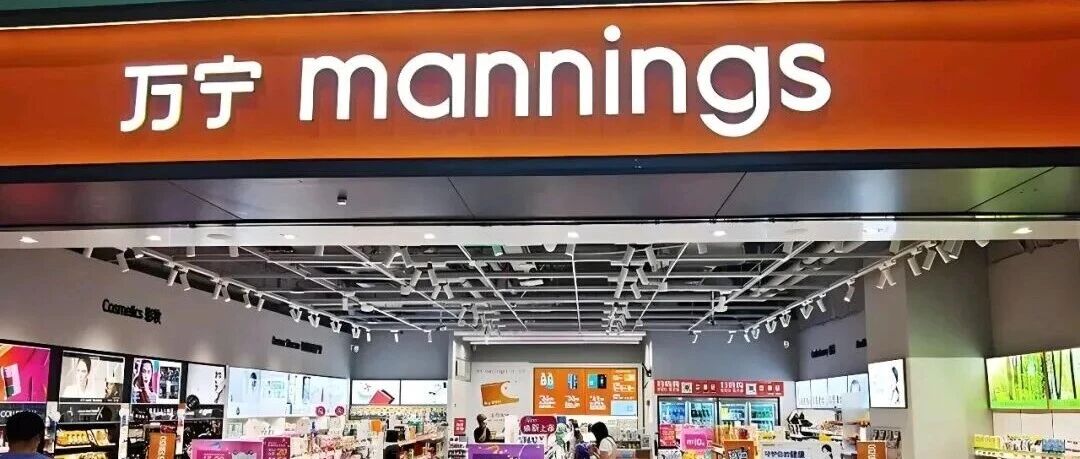
再见了,万宁!
首席商业评论· 2025-12-20 03:54
Core Viewpoint - Mannings, a Hong Kong-based health and beauty retail chain, has announced its complete withdrawal from the Chinese market, ceasing all offline and online operations by early 2026, which reflects a strategic decision influenced by its inability to adapt to the rapidly evolving consumer landscape in China [5][7][19]. Group 1: Company Withdrawal Announcement - Mannings will close its offline stores by January 15, 2026, and its online platforms, including its official mini-program, will cease operations by December 28, 2025 [5][6]. - The brand has struggled to establish a significant presence in the Chinese market, with over 120 stores but failing to penetrate beyond certain regions [7][9]. Group 2: Market Position and Competition - Mannings entered the Chinese market during a period of rapid retail growth but failed to capitalize on this opportunity, unlike its competitor Watsons, which aggressively expanded its store network [9][10]. - The brand's cautious and conservative approach hindered its ability to transition from a regional to a national brand, resulting in a lack of visibility among the broader consumer base [11][12]. Group 3: Consumer Behavior and Experience - The shift in consumer demographics, particularly among younger generations, has led to a disconnect between Mannings' traditional retail model and the expectations of modern consumers who prioritize experience and information transparency [13][14]. - The brand's in-store experience has been perceived as outdated, with younger consumers preferring brands that engage them through social media and experiential marketing [14][15]. Group 4: Strategic Misalignment - Mannings has not effectively adapted its product offerings to meet the evolving preferences of younger consumers, leading to a loss of market relevance [15][17]. - The company's supply chain and operational efficiency have lagged behind competitors, impacting its ability to respond to market changes and consumer demands [17][18]. Group 5: Parent Company Strategy - DFI Retail Group's decision to withdraw Mannings from the Chinese market reflects a broader strategic choice to focus on more promising business units, such as its successful restaurant and supermarket operations [19][21]. - The contrasting strategies of DFI's other brands, which have successfully adapted to local market demands, highlight the challenges Mannings faced in a competitive and rapidly changing retail environment [20][21].

百姓关注丨预售比现货贵,价格相关投诉超85%
Ren Min Ri Bao· 2025-12-01 05:50
Core Insights - This year's "Double 11" promotional event saw an early start and extended duration, with platforms focusing on AI-driven sales and instant retail, shifting from traffic competition to quality competition centered on user value [1] - Consumer complaints primarily revolved around pricing issues and the transparency of promotional rules, with over 13,000 complaints recorded during the event [1][2] Group 1: Consumer Complaints - Complaints related to pricing accounted for 85.6% of total complaints, highlighting issues such as "prepaid deposit betrayal," "current stock cheaper than pre-sale," and "automatic price increases" [2] - Many consumers expressed frustration over the lack of clarity in promotional rules, with some reporting that the final price paid was higher than the displayed price due to uncommunicated conditions [2] Group 2: Emerging Consumer Trends - There was a significant increase in complaints regarding smart technology and virtual goods, with complaints about smart products rising by 72.6% compared to last year, primarily due to discrepancies between advertised features and actual performance [3] - Complaints in the health product category grew by 36.2%, mainly concerning issues like drug quality and misleading claims about health products [3]
“双11”消费维权报告:预售比现货贵 价格投诉超85%
Huan Qiu Wang Zi Xun· 2025-12-01 00:44
Core Insights - The "Double 11" shopping festival this year saw a shift towards quality competition, with a focus on user value rather than just traffic competition, despite a significant number of consumer complaints primarily related to pricing issues [1][2] Group 1: Consumer Complaints - A total of over 13,000 complaints were recorded during the "Double 11" period, with price-related complaints accounting for 85.6% of the total [2] - Common complaints included issues such as "prepaid deposits being more expensive than actual prices," "price increases," and misleading promotional practices by merchants [2] - Consumers expressed frustration over the lack of transparency in promotional rules, leading to confusion during the checkout process [2] Group 2: Emerging Consumer Trends - There was a notable increase in complaints regarding smart technology and virtual goods, with complaints about smart products rising by 72.6% compared to last year, primarily due to discrepancies between advertised features and actual performance [3] - Complaints in the health product category increased by 36.2%, mainly related to issues such as product quality and misleading advertising [3] - Experts suggest that the rise in complaints is not due to technological immaturity but rather due to merchants' exaggerated claims and unclear marketing practices [3]
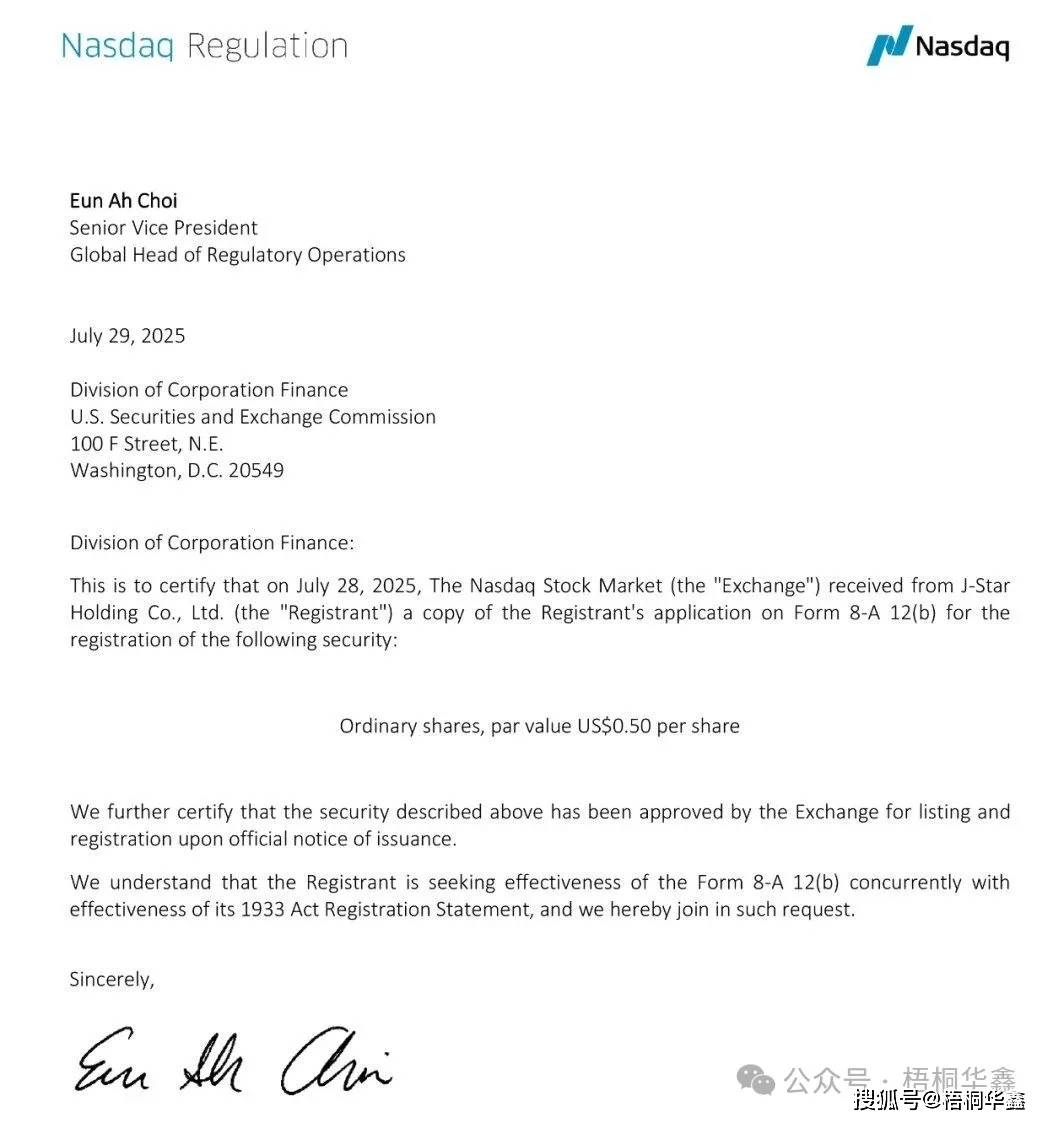
今晚来自台湾的碳纤维制造商J-Star将在纳斯达克上市!
Sou Hu Cai Jing· 2025-07-30 11:59
Core Viewpoint - J-Star Holding Co., Ltd., a Taiwanese carbon fiber composite materials manufacturer, is set to go public on NASDAQ, issuing 1.25 million shares at $4 each, raising a total of $5 million. The company initially submitted its application in 2021 [1]. Company Overview - J-Star's predecessor was established in 1970, focusing on the research and production of high-performance carbon composite materials. The company's product range includes carbon fiber bicycle components (such as frames and handlebars), high-end sports equipment (tennis and badminton rackets), automotive lightweight parts (body structure components), and health products. The company has over 50 years of technological expertise, with its R&D center located in Taichung, Taiwan, and its main production facility in Dongguan, China, along with subsidiaries in Hong Kong and Samoa [3]. Financial Performance - For the fiscal years ending December 31, 2023, and 2024, the company's revenues were reported at $23.77 million and $39.38 million, respectively, with corresponding net profits of $2.18 million and $1.01 million [6]. - For the six months ending June 30, 2024, the operating revenue was approximately $8.01 million, with a gross profit of about $2.45 million. Operating expenses were around $1.83 million, leading to a profit from continuing operations of approximately $497,249 [7].
以公益诉讼之剑斩断坑老黑手
Nan Fang Du Shi Bao· 2025-07-10 15:34
Core Viewpoint - The Guangdong Consumer Council has initiated a civil public interest lawsuit against a company involved in elder fraud, seeking over 15 million yuan in punitive damages, marking a significant step in protecting the rights of elderly consumers in China [1][4]. Group 1: Case Overview - This case is the first civil public interest lawsuit in Guangdong aimed at protecting the rights of the elderly, and it is also the first case of its kind initiated by a national consumer association [1]. - The fraudulent activities involved misleading marketing tactics targeting elderly individuals, resulting in over 100 million yuan in damages over nearly five years [1][3]. Group 2: Legal Implications - The case demonstrates the effectiveness of public interest litigation, providing a more accessible avenue for elderly victims to seek justice compared to traditional individual lawsuits [2][3]. - The use of punitive damages in this case highlights the advantages of public interest lawsuits, aiming to deter future violations and protect public interest [4]. Group 3: Economic Context - With over 300 million elderly individuals in China, the case underscores the ongoing issue of fraud targeting this demographic, emphasizing the need for stronger legal protections and market regulations [5]. - The outcome of this case is expected to serve as a valuable reference for handling similar elder fraud cases in other regions, thereby enhancing the judicial practice of protecting elderly consumer rights [4].
王永春:老年用品市场突破五万亿,成为银发经济的重要支撑
Xin Jing Bao· 2025-05-29 01:46
Core Insights - The report released by Wang Yongchun highlights the significant growth of China's elderly products market, which is projected to expand from 2.6 trillion yuan in 2014 to 5.4 trillion yuan by 2024, reflecting a compound annual growth rate of 7.3% [2][3] Market Overview - The elderly products industry is defined as manufacturing products aimed at elderly individuals, including clothing, daily assistance products, elderly care products, rehabilitation aids, and home environment improvements [3] - The number of products included in the Ministry of Industry and Information Technology's promotion directory has rapidly increased, from 216 in 2022 to 324 in 2023, and further to 354 in 2024, marking a cumulative growth of 63.9% over three years [3] Product Category Performance - Key growth drivers in the elderly products market include care assistance products, which saw a 290% increase, health products with a 175% increase, and mobility aids with a 125% increase, indicating a strong demand driven by an aging population [3][6] Regional Distribution - The development of the elderly products industry is highly concentrated in four provinces: Guangdong, Shandong, Jiangsu, and Zhejiang, which together account for 53% of the total projects nationwide, with Guangdong leading at 19.5% [4] Emerging Trends - The report identifies emerging potential products such as service robots and new lighting products, which align with the trend towards smart elderly care and may represent future growth points [6] - In the adult incontinence products sector, factory sales are expected to reach 15.63 billion yuan in 2024, with a year-on-year growth of 7.2%, while the assistive devices industry is projected to achieve total sales revenue of 25.88 billion yuan, growing by 8.46% [6] Future Outlook - The elderly products market is transitioning from basic needs to a focus on technology and specialization, with rehabilitation aids and smart wearable devices likely to become key growth drivers in the next phase [7] - Companies are advised to focus on high-growth areas such as care assistance and health technology, while government policies should support standardization and provide tax incentives for niche product development [7]