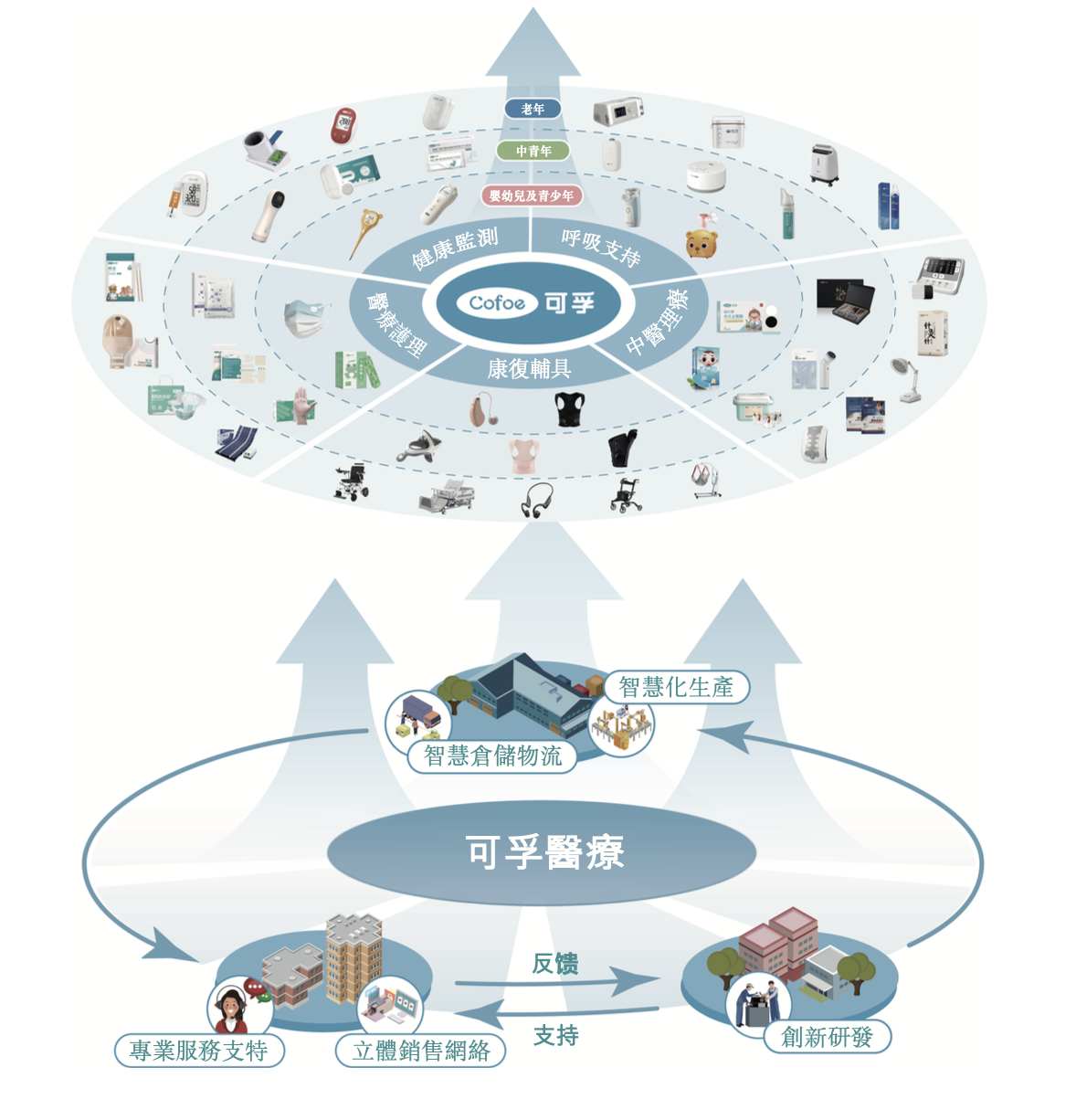
健康监测产品

Search documents
可孚人工智能研究院正式揭牌 加速推进AI与医疗深度融合
Zheng Quan Ri Bao Zhi Sheng· 2026-02-05 11:40
Core Insights - The establishment of the Kefu Artificial Intelligence Research Institute marks a significant advancement in Kefu Medical's strategy in the "AI + healthcare" sector, transitioning from isolated applications to a systematic and platform-based approach [1][2] Group 1: Company Developments - Kefu Medical has been deeply involved in the home medical device industry for 20 years, creating a comprehensive product system covering five major areas: health monitoring, rehabilitation aids, respiratory support, medical care, and traditional Chinese medicine therapy, serving over 50 million families globally [1] - The company has built three research institutes focusing on medical electronics and rehabilitation medicine, biosensors and innovative materials, and respiratory support, employing nearly 400 R&D personnel and holding approximately 700 authorized patents [1][2] Group 2: AI Research Institute Objectives - The AI Research Institute will focus on key areas such as medical large models and multimodal data analysis, aiming to upgrade products from "functional devices" to "intelligent health management terminals" [2] - The institute plans to implement a flat management model and aims to achieve a full-link closed-loop medical service through the dual drive of "intelligent medical devices" and "AI-driven medical services" [2][3] Group 3: Future Plans and Market Position - The research institute is expected to release the internal large model version 1.0 this year and will first validate AI algorithms on new respiratory devices, transitioning them from "data recorders" to "health analysts" [3] - As AI applications in healthcare deepen, competition is shifting from product performance to algorithm, data accumulation, and systematic R&D capabilities, positioning Kefu Medical for long-term technological evolution and product upgrades [3]
瞭望丨强化应对老龄化四种思维
Xin Lang Cai Jing· 2026-01-18 11:09
Core Viewpoint - The article emphasizes the need for a comprehensive and multi-faceted approach to address the challenges posed by an aging population in China, advocating for the establishment of national technology projects related to elderly care services to foster the development of the silver economy [1][17]. Resource Allocation Thinking - There is a pressing need to enhance the precision of financial support, social resource coordination, and human resource supply to effectively address the challenges of an aging population [4][20]. - A structured funding system should be established to ensure that financial resources are directed towards vulnerable groups such as disabled, rural, and impoverished elderly individuals [5][20]. - Performance management should be implemented to ensure the efficient use of financial resources, preventing waste or misallocation [5]. Social Resource Coordination - A comprehensive coordination mechanism should be established to integrate medical and elderly care resources, promoting the development of basic elderly care services alongside public health services [6][21]. - A three-tier elderly care service network should be developed at the county level to facilitate resource sharing and allocation [6][21]. - The establishment of an elderly care industry development fund is recommended to attract social capital for the construction of elderly care facilities [6][21]. Talent Development - There is a significant shortage of professional talent in elderly care services, particularly in areas such as disability care and smart elderly care [7][22]. - A unified assessment and training system should be established to enhance the quality and quantity of the elderly care workforce [7][22]. - Initiatives should be taken to promote cross-sector talent mobility and to develop community volunteer services to support elderly care [7][22]. New Quality Productivity Thinking - The development of the silver economy should focus on high-quality products and services, necessitating the establishment of national technology projects in elderly care [8][23]. - An innovation ecosystem for elderly care technology should be constructed to address the challenges of an aging society [8][23]. - The integration of smart technologies into elderly care services is essential to improve the quality of life for the elderly and alleviate the pressure on family caregivers [9][24]. Policy Supply Thinking - The approach to aging should shift from a singular response to a comprehensive and collaborative strategy, necessitating improvements in policy supply [12][27]. - Family support policies should be strengthened to enhance home-based elderly care, providing necessary resources and training for family caregivers [12][27]. - Health management should be prioritized to reduce the healthcare burden associated with aging, promoting preventive medicine and health education [13][28]. Project-Driven Thinking - The current framework for aging work requires further development in social participation and community engagement [30]. - Initiatives should be launched to promote respect for the elderly and to enhance community support for elderly individuals [30][15]. - The integration of elderly-friendly concepts into social governance is crucial for creating supportive environments for the elderly [31].

莱西式的忠诚仍在继续,双向奔赴才应该是最终答案
Nan Fang Nong Cun Bao· 2026-01-02 08:04
Core Viewpoint - The article emphasizes the evolving relationship between humans and pets, highlighting the themes of loyalty, companionship, and the emotional support pets provide, as illustrated by the story of "Lassie" [11][17][53]. Group 1: Loyalty and Companionship - The story of "Lassie" showcases the unwavering loyalty of the Scottish Shepherd dog, which transcends socioeconomic barriers and highlights the emotional bond between pets and their owners [11][15][17]. - The narrative illustrates how Lassie's journey home symbolizes not only loyalty but also a mutual rescue between humans and pets, reinforcing the idea of companionship [17][50]. Group 2: Industry Development - The pet industry is evolving from a simple breeding sector to a "happiness industry," focusing on emotional well-being and companionship [50]. - The upcoming first Greater Bay Area Pet Industry Annual Ceremony aims to empower love and companionship, bringing together experts and industry leaders to foster a harmonious ecosystem [55][56]. - The event will feature customized products and technological innovations aimed at enhancing pet happiness and owner peace of mind, aligning with the values of respect for life and commitment to companionship [58][60]. Group 3: Changing Perceptions of Pets - The relationship between humans and pets has shifted from viewing pets as tools to recognizing them as family members, reflecting societal progress and the increasing emotional needs of individuals [32][35][39]. - Current statistics indicate that over 120 million pets have entered Chinese households, signifying a significant cultural shift towards valuing pets as integral parts of family life [36][37]. Group 4: Social Impact - The bond between humans and pets extends beyond individual relationships, influencing various social dimensions, such as education and community building [41][42]. - Working dogs, such as guide dogs and rescue dogs, continue the legacy of loyalty and service, contributing positively to society [46][49].

最大程度激发消费活力,促进经济循环畅通——《关于增强消费品供需适配性进一步促进消费的实施方案》解读
Ke Ji Ri Bao· 2025-11-28 05:37
Core Viewpoint - The recently issued "Implementation Plan for Enhancing the Adaptability of Supply and Demand for Consumer Goods" aims to transform production and consumption from quantity to quality, addressing resource misallocation and waste issues, and stimulating consumption potential through high-quality supply [1][2]. Group 1: Supply and Demand Adaptation - The plan emphasizes the need for a shift from producing more to producing better and more suitable products, which is expected to enhance overall consumption potential and promote economic circulation [1]. - The Ministry of Industry and Information Technology (MIIT) will collaborate with relevant departments to implement the plan, increasing resource investment and policy support to expand consumption and stabilize growth [1]. Group 2: Quality and Variety of Consumer Goods - China's consumer goods supply has entered a new stage characterized by high quality and competitive pricing, with a total of 230 million varieties of consumer goods available, leading in over 100 categories such as home appliances and furniture [2]. - Innovative products like smart home devices and wearable technology have seen significant growth, with the manufacturing value added for smart drones and smart vehicle equipment increasing by 59.9% and 25.1% respectively in the first three quarters of this year [2]. Group 3: Future Consumption Goals - The plan sets ambitious targets to establish three trillion-yuan-level consumption sectors and ten hundred-billion-yuan-level consumption hotspots by 2027, focusing on areas such as elderly products, smart connected vehicles, and consumer electronics [2][3]. - The identified hotspots include baby products, outdoor goods, and civilian drones, which are expected to show strong growth and development potential [3]. Group 4: Structural Reforms and Market Resilience - The plan focuses on supply-side structural reforms, enhancing brand leadership, upgrading standards, and applying new technologies to stimulate the domestic market's multiplier effect and structural dividends [3]. - The approach aims to create a multi-faceted and resilient domestic consumption market, providing solid support for the new development pattern [3]. Group 5: Integration of Artificial Intelligence - The plan highlights the integration of artificial intelligence (AI) as a catalyst for promoting consumption, with the user base for generative AI products reaching 515 million by mid-year [4][5]. - Future efforts will focus on product and scenario innovation, leveraging AI and big data to enhance the digital ecosystem across the entire industry chain [5]. Group 6: Application Scenarios and Consumer Experience - The government has promoted 213 application scenarios for digital technology to enhance product variety, quality, and branding, with plans to further explore AI solutions to address industry pain points and improve manufacturing efficiency [5]. - The initiative aims to develop smart products that connect seamlessly, such as health monitoring devices and rehabilitation aids, enhancing consumer experiences and stimulating new demand [5].
中国工信部:推动人工智能技术在消费品领域加快落地
Zhong Guo Xin Wen Wang· 2025-11-27 11:40
Core Viewpoint - The Ministry of Industry and Information Technology (MIIT) of China is promoting the rapid implementation of artificial intelligence (AI) technology in the consumer goods sector, viewing AI as a catalyst for consumption [1][2]. Group 1: Product Innovation - MIIT aims to accelerate the establishment of a digital system across the entire industry chain, focusing on "user demand - intelligent design - flexible production - precise service" [1]. - In the home appliance sector, MIIT supports the development of an intelligent appliance ecosystem based on user behavior data for perception, analysis, and decision-making [1]. - An example provided is the smart refrigerator, which can automatically identify food consumption, generate shopping lists, and remind users [1]. Group 2: Scene Innovation - MIIT will actively promote the integration of AI technology into more consumer scenarios to create new experiences and stimulate demand [2]. - In the "AI + smart home" scenario, the goal is to advance from individual smart products to a fully interconnected smart home experience, creating an immersive and proactive lifestyle [2]. - In the "AI + health and elderly care" scenario, MIIT plans to implement the "AI + elderly products" initiative, focusing on developing rehabilitation aids, health monitoring products, and humanoid robots, aiming to transition from "mechanical care" to "warm companionship" [2].
解锁未来消费!冰箱自动生成购物清单、人形机器人也能“温情陪伴”
Bei Jing Ri Bao Ke Hu Duan· 2025-11-27 05:03
Core Insights - The Chinese government is promoting policies to enhance the adaptability of supply and demand in consumer goods, with a focus on artificial intelligence (AI) as a catalyst for consumption growth [1][3]. Group 1: AI User Base and Market Trends - As of the first half of this year, the user base for generative AI products in China has reached 515 million, with continuous expansion of application scenarios and a surge in new AI terminal products [1]. - AI is transforming consumption from merely purchasing products to subscribing to a lifestyle, indicating a shift in consumer behavior [3]. Group 2: Product Innovation - The government plans to drive product innovation by integrating AI and big data into the digital transformation of key consumer goods sectors, aiming to establish a digital ecosystem that connects user demand, intelligent design, flexible production, and precise services [4]. - In the home appliance sector, there is support for developing smart appliances that utilize user behavior data for decision-making, enhancing user experience through features like automatic shopping lists [4]. Group 3: Scenario Expansion - The initiative will promote the integration of AI into more consumer scenarios, creating new experiences and stimulating demand, such as in smart home environments and health care for the elderly [5]. - Examples include AI glasses that provide hands-free navigation and personalized services, and the development of AI-powered health monitoring products aimed at improving elderly care [5]. Group 4: Future Directions - The Ministry of Industry and Information Technology will focus on demand-driven, technology-led, and ecosystem-coordinated approaches to deepen the integration of AI with the consumer goods sector, continuously expanding new consumption scenarios [6].

工信部:未来的消费不再是购买一件商品,而是订阅一种生活
Sou Hu Cai Jing· 2025-11-27 04:45
Core Viewpoint - China's consumer goods supply has entered a new development stage characterized by high quality and reasonable pricing, meeting the basic needs of the population, but structural mismatches in supply and demand still exist in certain sectors [1][5][9]. Group 1: Supply and Demand Issues - There are structural mismatches in supply and demand, with some products experiencing oversupply while high-quality offerings remain insufficient, particularly in high-end brands for jewelry, bags, and cosmetics [1][5][9]. - The transition from old to new growth drivers is ongoing, with a lack of innovative products that meet the quality and personalization demands of consumers [1][5][9]. - Certain consumer hotspots, such as elderly care, cultural tourism, and smart consumption, have strong demand, but the supply of personalized products like elderly care items and smart devices is inadequate [1][5][9]. Group 2: Implementation Plan - The Ministry of Industry and Information Technology (MIIT) has jointly issued an implementation plan to enhance the adaptability of consumer goods supply and demand, which includes the application of generative artificial intelligence and 3D digital design tools [1][5][9]. - The plan aims to develop AI terminal products that provide entertainment, health, and companionship services [1][5][9]. Group 3: AI Product Development - As of mid-2023, the user base for generative AI products in China has reached 515 million, with continuous expansion of application scenarios and a surge in new AI terminal products [6][10]. - The MIIT will focus on product and scenario innovation to accelerate the integration of AI technology in the consumer goods sector [6][10]. Group 4: Digital Transformation - The MIIT plans to promote the integration of AI and big data technologies to build a digital ecosystem that encompasses user needs, intelligent design, flexible production, and precise services [6][10]. - In the home appliance sector, there is support for developing smart appliance ecosystems based on user behavior data, which has already shown positive user feedback [6][10]. Group 5: Scenario Expansion - The MIIT has released 213 application scenarios for digital technology to enhance product variety, quality, and branding, aiming to identify solutions that address industry pain points and improve manufacturing efficiency [7][11]. - In the "AI + smart home" scenario, the MIIT will promote the development of interconnected smart home systems, creating immersive and proactive smart living experiences [7][11]. - In the "AI + health and elderly care" scenario, initiatives will focus on developing rehabilitation aids, health monitoring products, and humanoid robots to transition from mechanical care to emotional companionship [7][11].

老龄化社会版本前瞻:日本银发经济蕴含多少红利?
3 6 Ke· 2025-11-14 08:35
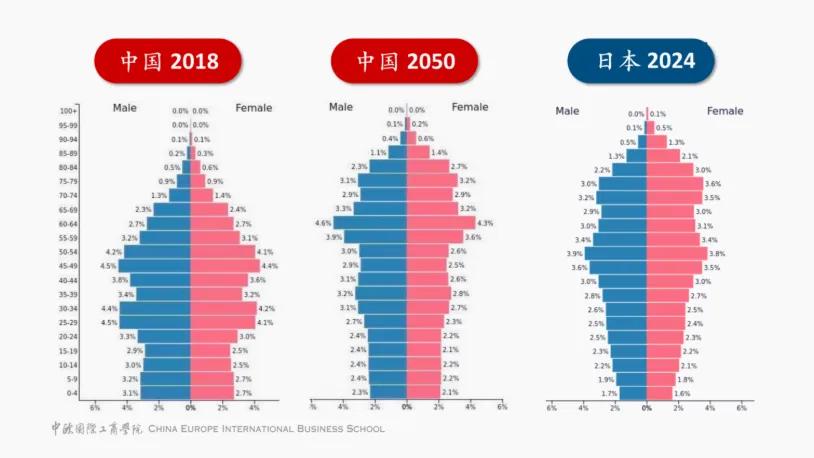
Core Insights - The aging population is a global challenge, with China's elderly population expected to exceed 300 million by the end of 2024, reaching 22% of the total population, and projected to surpass 400 million by 2035, leading to a "silver economy" worth approximately 30 trillion yuan [1][3] - Japan, having entered a "super-aged society," serves as a precursor to China's aging demographic, with over 36 million people aged 65 and above, representing 29.4% of the population, a historical high [4][6] - The silver economy in Japan is projected to exceed 100 trillion yen (about 5 trillion yuan) by 2025, encompassing high-demand sectors such as healthcare and wellness [3][4] Demographic Analysis - Japan's average life expectancy is increasing, with women at 87.13 years and men at 81.09 years, contributing to the growing elderly population [6][9] - The financial burden on Japan's social security system is significant, with social security expenditures exceeding one-third of the total budget, leading to adjustments in pension distribution and retirement age [9][11] - The elderly population in Japan is increasingly active in the labor market, with 25.7% of those aged 65 and above employed, reflecting a trend of delayed retirement [11][12] Consumer Behavior - Japanese elderly households hold a substantial portion of financial assets, with those aged 55 and above owning over 70% of total household financial assets, indicating strong purchasing power in sectors like healthcare and personalized services [12][17] - The trend of living alone among the elderly is rising, with predictions of 10.84 million individuals living alone by 2050, leading to increased health management and social interaction needs [18][20] - Japanese seniors show a preference for home-cooked meals and maintain loyalty to physical stores for grocery shopping, while also increasingly engaging in online shopping [20][23] Market Opportunities - The aging population in Japan presents significant opportunities in the elder care industry, with a projected shortage of 320,000 caregivers by 2025, prompting government initiatives to attract foreign labor and promote technological solutions [39][41] - The demand for elder-friendly products is growing, with a focus on safety, usability, and emotional value, as seniors seek products that enhance their quality of life and provide social connections [30][36] - Chinese sellers are encouraged to leverage supply chain advantages to introduce elder-friendly home goods, health monitoring devices, and social engagement products to the Japanese market [47][48] Strategic Recommendations - To succeed in the Japanese market, companies must prioritize localization in product design and marketing strategies, ensuring alignment with the preferences and needs of the elderly demographic [48][54] - E-commerce platforms like Amazon Japan and Rakuten are essential for reaching the elderly consumer base, with a focus on high-quality, user-friendly products that meet their specific requirements [50][53] - Understanding regulatory requirements and ensuring compliance in product offerings, especially in health and safety sectors, is crucial for market entry and sustainability [53][54]
“孝老爱老购物季”启动,促进银发消费扩容提质
Xin Jing Bao· 2025-10-29 04:38
Core Viewpoint - The Ministry of Industry and Information Technology, along with three other departments, has announced the "Filial Piety and Elderly Shopping Season" from October 21 to November 20, 2025, aimed at enhancing the supply of quality elderly products and services to meet the growing needs of the elderly population [1] Group 1 - The initiative will focus on government guidance, market leadership, and multi-party collaboration, featuring a variety of promotional activities for quality elderly products through online and offline integration [1] - Six key tasks have been outlined, including improving the supply of quality products, creating new online shopping platforms, establishing offline experience scenarios, enhancing precise matching of supply and demand, innovating themed service activities, and building a harmonious consumption environment for the elderly [1] Group 2 - The "Three Products" strategy will be implemented to increase variety, improve quality, and create brands, encouraging elderly product manufacturers to invest more in research and design to meet the consumption needs of the elderly [1] - The focus will be on upgrading and iterating products such as rehabilitation training aids, health monitoring products, elderly care devices, home service robots, and daily living assistance products [1] Group 3 - Mainstream e-commerce platforms are encouraged to establish special sections for the "Filial Piety and Elderly Shopping Season," inviting well-known elderly product manufacturers and brands to participate in diverse promotional activities [2] - Platforms are urged to utilize consumer big data for precise market demand analysis, offering personalized services and targeted subsidies to middle-aged and young consumers as well as active elderly users [2] - Enhancements in the online shopping interface for the elderly will include features like voice search, one-click ordering, and child payment options to lower the operational barriers for elderly consumers [2]
新股前瞻|登陆创业板三年后再闯关港股 可孚医疗寻求国际化新跳板
智通财经网· 2025-09-21 03:33
Core Viewpoint - Company seeks to list on the Hong Kong main board after nearly four years on the ChiNext, indicating a strategic move for further capital raising and global expansion [1][2]. Company Overview - Founded in 2007, the company specializes in home medical devices, offering over 200 product categories and thousands of specifications, ranking second in China's home medical device market by sales in 2024 [3]. - The company has expanded its international presence, operating in over 60 countries and regions across Asia, Africa, Europe, and America, establishing a global user base [3]. Financial Performance - Revenue figures for the company are as follows: 29.77 billion RMB in 2022, 28.54 billion RMB in 2023, 29.83 billion RMB in 2024, and 14.96 billion RMB for the first half of 2025. Net profits were 3.02 billion RMB, 2.53 billion RMB, 3.12 billion RMB, and 1.67 billion RMB for the same periods, indicating stable profitability [3]. - The company’s online sales reached 19.81 billion RMB in 2024, ranking second among Chinese home medical device companies [3]. Product Segmentation - The company’s revenue is primarily derived from three segments: medical health products, custom manufacturing, and other businesses, with medical health products contributing approximately 90% of total revenue [4]. - The rehabilitation aids segment has shown significant growth, with revenues of 5.26 billion RMB in 2022, 7.18 billion RMB in 2023, and 10.39 billion RMB in 2024, accounting for 17.7%, 25.2%, and 34.8% of total revenue respectively [6]. Market Trends - The global home medical device market is projected to maintain a significant share from rehabilitation aids, medical care products, health monitoring, and respiratory support devices, expected to account for 63.3% in 2024 and increase to 64.1% by 2030 [7]. - In China, online sales through platforms like Taobao and JD.com contributed approximately 44.3% of total sales in 2024, while offline channels accounted for 55.7% [8]. Global Expansion Strategy - The company is actively pursuing overseas market opportunities, with international sales revenue increasing from 1.4% in 2022 to 2.0% in 2024, and further rising to 6.5% in the first half of 2025 [8]. - The company plans to use funds from the Hong Kong IPO to enhance overseas sales channels, establish distribution networks, and invest in research and development for innovative products [9].