
全屋定制

Search documents
我乐家居(603326) - 关于2025年度主要经营数据的公告
2026-03-30 14:00
证券代码:603326 证券简称:我乐家居 公告编号:2026-011 南京我乐家居股份有限公司 关于 2025 年度主要经营数据的公告 | 分产品 | 营业收入 | 营业成本 | 毛利率 | 营业收入比 | 营业成本比 上年增减 | 毛利率比上年增减 | | | --- | --- | --- | --- | --- | --- | --- | --- | | | | | (%) | 上年增减(%) | (%) | | | | 整体厨柜 | 27,171.24 | 17,814.08 | 34.44 | -28.42 | -30.50 | 增加 | 1.97 个百分点 | | 全屋定制 | 117,917.35 | 60,101.67 | 49.03 | 11.99 | 17.24 | 减少 | 2.28 个百分点 | | 合计 | 145,088.59 | 77,915.75 | 46.30 | 1.29 | 1.33 | 减少 | 0.02 个百分点 | (二)主营业务分渠道情况 单位:万元 | 销售渠道 | 营业收入 | 营业成本 | 毛利率 | 营业收入比 | 营业成本比 | 毛利率比上年增减 | ...

兔宝宝20260303
2026-03-04 14:17
Summary of Conference Call for Company "兔宝宝" Industry Overview - The company operates in the wood-based panel industry, focusing on products such as particleboard and home furnishing solutions. Key Points and Arguments Sales and Inventory Management - Inventory for the panel business has decreased to 15-20 days, with a sales target of 15.5 billion yuan for 2026, emphasizing the recovery of retail channels [2][3] - The particleboard business is experiencing explosive growth, with sales of the property board expected to reach 16 million units in 2025 (a 300% increase year-on-year) and a target of 25 million units for 2026 [2][3] Product Strategy - The company is focusing on high-end product development, launching the "Pure New Board" to enhance gross margins, with brand usage fees increasing from 5 yuan (for colored steam boards) to 12 yuan [2][8] - The product structure is being upgraded, with a target of producing 2.5 million units of the "Pure New Board" and a total of 25 million units of particleboard by 2026 [7] Financial Performance and Risks - Accounts receivable risks are concentrated with Vanke, amounting to 347 million yuan, with potential provisions for long-term receivables reaching up to 100% [2][9] - The company anticipates a stable gross margin in 2026, supported by high-margin auxiliary materials and structural optimization [2][6] Business Segments Performance - The home furnishing segment, primarily focused on custom solutions, showed slight growth in 2025, while the Yufeng Hantang business is expected to cease production in 2026 due to significant losses [3][4] - The revenue for Yufeng Hantang is projected to shrink to around 100 million yuan in 2026, with a small loss expected [5] Dividend Strategy - The company plans to increase dividend payouts gradually over the next few years, with no major capital expenditures anticipated for 2026-2027 [2][10][11] Market Dynamics - The overall market for particleboard is expected to stabilize in 2026 after a period of decline, with potential for slight price increases due to supply and demand changes [5][6] - The company is enhancing its retail channel strategy, focusing on upgrading store formats and expanding into rural markets [4][15] Competitive Landscape - The company’s market share in the furniture factory channel is currently low, estimated at around 2%, indicating significant room for growth as the industry consolidates [13][14] - The competitive environment is intensifying, particularly in the home decoration and custom furniture sectors, necessitating a focus on product innovation and customer service [17][18] Future Outlook - The company aims to strengthen its operational capabilities in rural markets and enhance its online retail presence, with plans to open 100 model stores showcasing integrated solutions [15][16] Additional Important Information - The company is actively managing its receivables and assessing potential impairments, particularly concerning major clients [9] - The focus on high-margin products and structural optimization is expected to mitigate competitive pressures and maintain profitability [6][17]

交了钱,装修公司却一夜“蒸发”?
Mei Ri Jing Ji Xin Wen· 2026-02-09 01:03
Core Viewpoint - The article discusses the issues faced by homeowners who purchased products from Shenzhen Simijia Decoration Co., Ltd., highlighting the company's failure to deliver services after receiving payments, leading to a loss of trust and calls for accountability from the parent company, Sophia [1][3][11]. Group 1: Company Issues - Homeowners reported that after paying renovation fees ranging from 30,000 to 300,000 yuan, they encountered project stoppages and difficulties in recovering their funds [1][3]. - The company acknowledged that the incident stemmed from the misconduct of its authorized dealer in Shenzhen, asserting that it is also a victim in this situation and is taking steps to mitigate consumer losses [3][4]. - Simijia is currently categorizing orders to differentiate between authorized and unauthorized business operations, with distinct solutions being proposed for each category [4][22]. Group 2: Consumer Reactions - Many homeowners were drawn to Simijia through Sophia's official channels, leading them to believe they were engaging with a direct subsidiary of Sophia, which has caused confusion and frustration among consumers [11][22]. - Homeowners have been advised to terminate contracts and seek legal recourse, emphasizing the importance of verifying the qualifications of contracting parties and ensuring clear agreements [19][22]. - Some homeowners expressed dissatisfaction with Sophia's response, arguing that the company should bear some responsibility due to misleading advertising and the lack of oversight over its authorized dealers [17][22]. Group 3: Legal and Regulatory Context - Legal experts indicated that while Sophia may not be directly liable for the debts of its franchisee, it could still face supplementary compensation responsibilities if misleading practices are proven [17][19]. - The involvement of government authorities has been noted, as they are guiding the resolution of the situation and facilitating communication between affected parties [4][22].


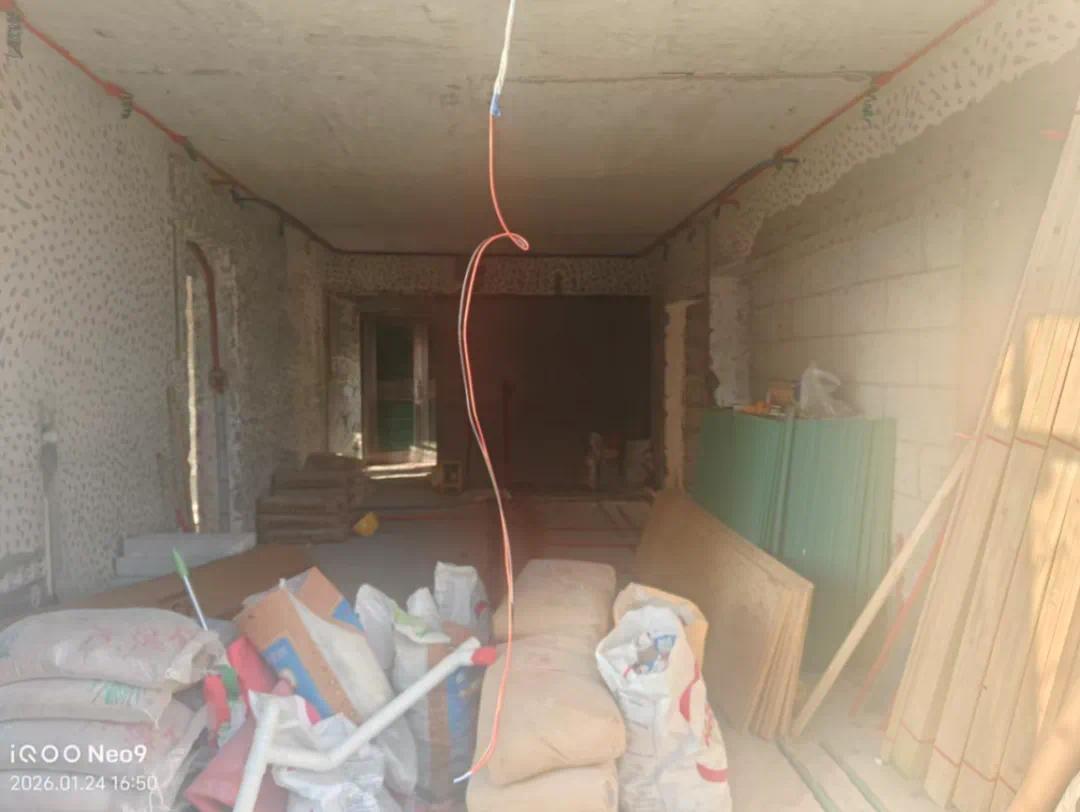
尚品宅配业绩断崖式坠落!连续两年亏损超2亿元
Shen Zhen Shang Bao· 2026-01-31 00:39
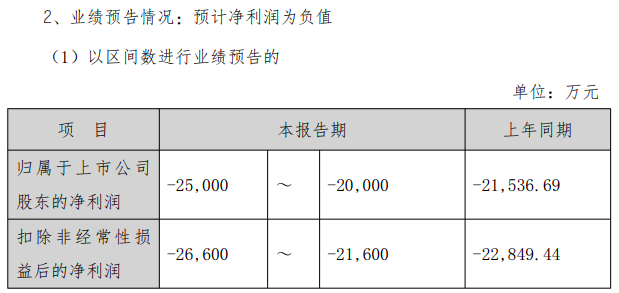
Core Viewpoint - The company, Shangpin Home, anticipates a net profit loss of 200 million to 250 million yuan for the year 2025, continuing the trend of losses from the previous year [1]. Financial Performance - The expected net profit attributable to shareholders is projected to be between -200 million and -250 million yuan, with a net profit loss after deducting non-recurring gains and losses estimated at -216 million to -266 million yuan [1]. - In the reporting period, the company's revenue has decreased significantly from 73.10 billion yuan in 2021 to 37.89 billion yuan in 2024, representing a nearly 50% decline [5]. - For the first three quarters of 2025, the company achieved revenue of 2.55 billion yuan, a year-on-year decrease of 6.66%, with a net profit loss of 79.48 million yuan, although this loss has narrowed by 30.38% compared to the previous year [7]. Operational Challenges - The company attributes its ongoing losses to the prolonged downturn in the real estate market, which has led to sustained pressure on demand within the home furnishing industry [3]. - Despite efforts to innovate and optimize operations, including the application of AI technology and restructuring of business models, the company continues to face challenges that have resulted in declining revenue and pressure on gross margins [3]. Financial Health - As of the end of the third quarter of 2025, accounts receivable surged by 121.22% year-on-year, reaching 442 million yuan, indicating potential liquidity issues [8]. - The net cash flow from operating activities was -171 million yuan, a decline of 75.95% year-on-year, raising concerns about the company's financial stability [8]. - The company faces significant debt pressure, with short-term borrowings amounting to 1.03 billion yuan and cash and cash equivalents of only 1.034 billion yuan, indicating that cash is nearly insufficient to cover short-term liabilities [8].

京东MALL斩获家居大雁奖,以“自营+场景”双驱动重构家居消费
Yang Zi Wan Bao Wang· 2026-01-30 04:58
Group 1 - The core viewpoint of the news is that JD MALL has been awarded the "Top Ten Commercial Circulation Platforms in China's Home Furnishing Industry" at the 9th "Dayan Award," highlighting its significant growth and innovative business model in the home furnishing sector [1] - The Dayan Award, established in 2013, is recognized as the "Oscar of the Chinese home furnishing industry" and serves as a key indicator of industry trends and the evolution from scale expansion to high-quality growth [1] Group 2 - JD MALL is a comprehensive consumption commercial entity under JD Group, focusing on self-operated models and strategic layouts in major cities, with store sizes ranging from 30,000 to 80,000 square meters [2] - The core philosophy of JD MALL is to provide a one-stop shopping experience for home appliances and furnishings, integrating various categories such as home decoration, digital products, and customized solutions to meet diverse consumer needs [2] - By 2025, JD MALL plans to open 26 experience stores in first-tier and new first-tier cities, with additional projects in Hong Kong, Shanghai, Zhengzhou, and Nanning under development [2] Group 3 - JD MALL's competitive advantages include a true self-operated model, high quality-price ratio, intelligent scenarios, and reliable services, breaking traditional barriers of price and trust in the home furnishing market [3] - Unlike traditional home furnishing markets that primarily use rental models, JD MALL leverages its vast consumer base and sales data to ensure consistent pricing across online and offline channels, addressing issues of inflated prices and lack of transparency [3] - The innovative "brand specialty + home scenario" business model involves deep collaborations with over 100 leading domestic and international home furnishing brands, enhancing the shopping experience through an AI visualization system for home design [3] Group 4 - JD MALL focuses on the smart home segment, offering hands-on experiences with smart products and integrating services such as old-for-new mattress exchanges, making smart home solutions more accessible to consumers [4] - The company enhances consumer acceptance of smart home products through face-to-face interactions with staff, providing professional advice and free on-site services [4] - Future plans for JD MALL include further development of smart home solutions and fostering collaborative innovation within the industry to build a more comprehensive and high-quality home furnishing ecosystem [4]

关店背后,宜家在中国不「香」了吗?
3 6 Ke· 2026-01-12 00:10
Core Insights - IKEA is facing significant challenges in China, with sales declining nearly 30% from its peak in 2019, leading to the closure of seven large stores and a shift towards smaller store formats [1][5][10] Group 1: Sales and Store Closures - IKEA's sales in China peaked at approximately 159 billion yuan in 2019, but are projected to drop to around 111.5 billion yuan in the 2024 fiscal year [1] - The company announced the closure of seven large stores, including the Shanghai Baoshan store, which was once the largest IKEA in Asia, after 12 years of operation [1][5] - The shift from large stores to smaller formats is a response to high operational costs and declining foot traffic, with new store sizes ranging from 300 to 3,000 square meters [5][6] Group 2: Restaurant and Pricing Strategy - IKEA's most popular product in China is its Swedish meatballs, reflecting the company's long-standing integration of dining into the shopping experience [2] - The pricing strategy includes low-cost items like 5 yuan hot dogs and 1 yuan ice creams to attract customers, although many other menu items have seen price increases [2][3] - Recent price hikes for items such as lamb skewers and shrimp have raised concerns about value perception among consumers [3] Group 3: Shift to Smaller Stores and Customization - IKEA is transitioning to a "small store" strategy, focusing on personalized design services and custom solutions, which are more profitable than traditional furniture sales [6][7] - The company plans to open over ten small stores in key markets like Beijing and Shenzhen within the next two years [5][6] - The exploration of pop-up stores in urban areas, including subway stations, aims to enhance brand visibility and customer engagement [7] Group 4: Online Sales and Market Adaptation - IKEA's online sales channels have been slow to develop, with significant growth in online traffic but still only accounting for 25.7% of total sales in 2025 [8][9] - The company has started to embrace social media and live streaming to drive traffic to physical stores, reflecting a need to adapt to changing consumer behaviors [9][10] - The overall market shift towards e-commerce and personalized shopping experiences has prompted IKEA to reconsider its traditional business model [10]
九大上市定制家居最新市值排行出炉,欧派超300亿稳居榜首
Xin Lang Cai Jing· 2025-12-19 12:36
Core Viewpoint - The custom home furnishing industry is showing a clear tiered differentiation, with leading companies like Oppein Home and Sophia dominating the market, indicating a strong competitive landscape [1][3]. Group 1: Company Market Capitalization - Oppein Home (603833) leads the industry with a market capitalization of 32.25 billion, covering a wide range of products including overall cabinets and whole-home customization [2][6]. - Sophia (002572) follows with a market capitalization of 13.3 billion, focusing on cabinet customization and implementing a multi-brand, all-channel strategy [8]. - Haolaike (603898) has a market capitalization of 4.172 billion, emphasizing eco-friendly materials and health-oriented home concepts [8]. - PIANO (002853) is positioned in the mid-to-high-end market with a capitalization of 4.116 billion, particularly strong in engineering channels and cabinets [6][11]. - Zhibang Home (603801) has a market capitalization of 4.026 billion, successfully expanding from cabinets to whole-home customization [6][11]. - Shangpin Home (300616) is valued at 3.249 billion, known for its internet+C2B model and digital service platform [9]. - Jinpai Home (603180) focuses on high-end cabinets with a market cap of 3.246 billion, recognized for its clear brand positioning and design capabilities [11]. - Wo Le Home (603326) has a market capitalization of 2.901 billion, emphasizing original design and modern style products [11]. - Dinggu Jichuang (300749) is valued at 2.316 billion, with active stock performance and a focus on customized wardrobes and smart locks [9]. Group 2: Industry Trends and Insights - The custom home furnishing industry has formed a competitive landscape characterized by "one strong and many strong," with Oppein Home's market cap significantly higher than its competitors [3][9]. - The second tier, represented by Sophia, has a market cap exceeding 10 billion, creating a gap with subsequent companies [3][9]. - Most other companies have market caps in the range of 3-4 billion, indicating intense competition with unique characteristics [3][9]. - The industry is expected to grow as the real estate market enters a stock era, with increasing consumer demand for personalization and space utilization [3][9]. - Future competition will focus on comprehensive service capabilities, supply chain efficiency, digitalization, and the implementation of whole-home solutions [3][9]. - Leading companies are likely to consolidate the market through scale, brand, and channel advantages, while smaller firms must pursue differentiation and niche markets for sustainable growth [3][9].




行业边界崩塌!为什么说贝壳、京东、盈峰们的收购,比同行价格战可怕十倍?
Xin Lang Cai Jing· 2025-12-11 11:18
Core Viewpoint - The home decoration industry is experiencing a shift from traditional price wars to capital-driven acquisitions, fundamentally altering the competitive landscape. Companies like Beike, JD.com, and Yingfeng are leveraging their capital to acquire established players, posing a greater threat to traditional businesses than mere price competition [1][22][50]. Group 1: Beike's Strategy - In 2021, Beike acquired Saintu for 8 billion yuan, marking the largest merger in the home decoration industry that year, which was initially seen as a business expansion but revealed Beike's deeper ambitions [2][29]. - Saintu, founded in 2002, had revenues exceeding 4 billion yuan in 2020 and provided Beike with a mature supply chain and delivery capabilities, which were essential for Beike's growth [4][31]. - By mid-2025, Beike's home decoration business transformed from a marginal player to a significant profit generator, with total revenue from 2022 to 2024 reaching 30.747 billion yuan, and a net income of 10.9 billion yuan in 2023 [6][34]. Group 2: JD.com's Expansion - JD.com has been strategically entering the home decoration market since 2011, launching its home decoration channel and expanding its offline presence to over 300 stores by 2025 [11][38]. - In June 2025, JD.com acquired a stake in Sichuan Living Home, enhancing its offline delivery capabilities and integrating its online and offline services [13][41]. - JD.com has launched its self-operated home decoration brand stores and plans to create a comprehensive experience space that combines home decoration, home goods, and home appliances [15][43]. Group 3: Yingfeng's Moves - Yingfeng Group, under the leadership of He Jianfeng, has been quietly building a "big home" industry platform by acquiring leading home furnishing companies, including a 29.42% stake in Gujia Home for 8.88 billion yuan [16][44]. - Yingfeng's strategy includes integrating Gujia and Sophia to create a comprehensive ecosystem that combines soft furnishings and customized furniture with home appliances [21][49]. - Despite Sophia's declining revenue, Yingfeng sees potential in its brand value and the customized home furnishing sector, supported by Midea's supply chain and digital capabilities [22][49]. Group 4: Impact of Capital Acquisitions - Capital acquisitions are seen as more destructive than price wars because they fundamentally change the competitive dynamics of the industry, allowing companies to bypass traditional customer acquisition challenges [22][50]. - The shift from price competition to capital-driven acquisitions is leading to a concentration of resources among a few major players, diminishing the survival space for smaller companies [25][53]. - The entry of cross-industry players like Beike, JD.com, and Yingfeng signifies a transition from product and price competition to a deeper contest of capital and ecosystem integration [25][53].


皮阿诺实控人筹划公司控制权变更事项
Zheng Quan Ri Bao· 2025-12-08 17:12
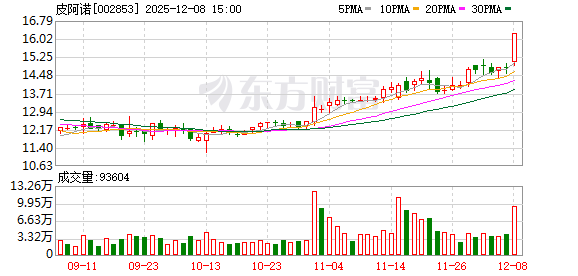
Core Viewpoint - The actual controller of PIANO, Mr. Ma Libin, is planning a change in the company's control, which may lead to a shift in the actual controller. The stock will be suspended from trading starting December 9, with an expected suspension period of no more than two trading days [2]. Group 1: Company Overview - PIANO has been focused on the research, manufacturing, and sales of storage cabinets, whole-house customization, wooden doors, and home delivery since its establishment in 2005. It has developed into an influential brand in the custom home furnishing industry over 16 years, with over 1,000 stores nationwide and more than 400 research and development patents [2]. - The company has built a mature custom home furnishing business ecosystem, with four intelligent manufacturing bases and a comprehensive product matrix. It has accumulated resources from several top 100 real estate companies and a stable consumer base, establishing a strong industry reputation and barriers in design and production capacity [2]. Group 2: Financial Performance - PIANO has faced operational pressure in recent years, with revenue declining from 1.824 billion yuan in 2021 to an estimated 886 million yuan in 2024. The net profit attributable to shareholders has also fluctuated, with a loss of 729 million yuan in 2021 and a projected loss of 375 million yuan in 2024 [3]. - In the first three quarters of the current year, PIANO reported revenue of 420 million yuan, a year-on-year decrease of 37.27%. The net profit attributable to shareholders was a loss of 7.525 million yuan, compared to a profit of 8.227 million yuan in the same period last year, representing a decline of 191.47% [3]. Group 3: Reasons for Control Change - The potential transfer of control by the actual controller may stem from the company's continuous decline in performance and high asset impairment, aiming to introduce quality capital to mitigate delisting risks. This decision may also be influenced by the downturn in the real estate industry, challenges in transformation, and factors such as equity pledges [3].
华帝股份:将继续坚持高端品牌定位
Zheng Quan Ri Bao Zhi Sheng· 2025-12-04 14:12
Core Viewpoint - The company has established a comprehensive product structure centered around kitchen appliances, including range hoods, stoves, and water heaters, while also expanding into integrated kitchen appliances and other home customization products [1] Group 1: Product Strategy - The company focuses on core kitchen appliance products such as range hoods, stoves, and water heaters [1] - The product line has been extended to include emerging integrated kitchen appliances like integrated stoves, dishwashers, and steam ovens, as well as whole-house customization and water purification systems [1] Group 2: Business Development - The company aims to maintain a high-end brand positioning and strengthen its traditional product advantages [1] - Future strategic development will be based on a comprehensive consideration of the company's operational status and industry market trends [1] Group 3: Operational Focus - The company plans to enhance sustainable development through technological innovation, operational efficiency optimization, and organizational capability strengthening [1]
