华为Mate X7系列

Search documents
华为折叠机独占七成份额 但苹果很快“杀到”
Zhong Guo Jing Ying Bao· 2026-01-24 01:00
Core Insights - The Chinese foldable smartphone market is transitioning from rapid growth to a plateau phase, with a projected shipment of approximately 10.01 million units in 2025, reflecting a year-on-year growth of 9.2%, contrasting with a decline of 0.6% in the overall smartphone market [1][2] - Huawei dominates the market with a share exceeding 70%, while other brands like Honor, vivo, OPPO, and Samsung hold less than 10% each, indicating a significant market concentration [1][2] - The anticipated entry of Apple into the foldable smartphone market in 2026 is expected to revitalize consumer interest and market dynamics [4][5] Market Dynamics - The foldable smartphone market in China is entering a "small year" in 2025, with many manufacturers adjusting their production targets downward, leading to a more pronounced market segmentation [2] - Huawei's market share increased from 50% in 2024 to 71.8% in 2025, while Honor and vivo hold 9.1% and 4.9% respectively, with OPPO and Samsung tied at 4.3% [2] - The market is characterized by a "one strong, many strong" dynamic, where Huawei's continuous investment and technological advancements have solidified its leading position [2] Product Innovations - Huawei's product lineup for 2025 includes various foldable designs, such as the Mate X6, Mate X7, and the innovative Mate XTs, which cater to different consumer preferences [3] - The expected launch of Apple's first foldable iPhone, tentatively named iPhone Fold, is set for fall 2026, featuring advanced materials and design innovations [5][6] Future Outlook - The entry of Apple is anticipated to attract more consumers to foldable smartphones, potentially driving market growth [6] - Analysts predict that the global foldable smartphone market will see a significant increase, with shipments expected to reach 20.6 million units in 2025, and a projected 30% growth in 2026 due to Apple's and Samsung's contributions [6][7] - The introduction of Apple's foldable iPhone is viewed as a pivotal moment for the foldable segment, likely catalyzing broader adoption and technological advancements in the supply chain [7]

鸿蒙的“生态时刻”:一场关乎数字未来的静水深流
Feng Huang Wang Cai Jing· 2025-12-25 13:54
Core Insights - The event "Hongmeng Starry Night" showcased the confidence in the Hongmeng ecosystem, highlighting the contributions of over 10 million registered developers and 40,000 partners, along with 32 million devices [1][6] Group 1: Ecosystem Development - The transition from Hongmeng OS 5 to 6 represents a significant ecological evolution rather than a mere version update, marking a milestone in the ecosystem's growth [3] - The ecosystem has reached a critical point with over 32 million devices and 350,000 applications, indicating a maturity level of 95% [5] - The collective participation of 32 million users signifies a strong endorsement of digital sovereignty [6] Group 2: User Experience Philosophy - The concept of "good usability" is defined through three dimensions: smart functionality, seamless connectivity, and enhanced security, emphasizing user-centric design [7][8] - The integration of AI in Hongmeng 6 aims to provide intuitive user experiences, making technology an invisible yet essential part of daily life [7] - The ecosystem's evolution is driven by user interactions, where each engagement contributes to its continuous improvement [10] Group 3: New Infrastructure Thinking - Hongmeng is positioned as a crucial component of China's digital economy, representing a shift towards a self-developed operating system that can compete globally [11] - The system aims to provide efficient, secure, and intelligent solutions for the interconnected world, moving beyond traditional operating system paradigms [11][12] Group 4: Collaborative Ecosystem - The Hongmeng ecosystem fosters a "co-evolution" model, where developers, users, and partners contribute to its growth, creating a symbiotic relationship [14] - The ecosystem encourages active participation from developers and users, transforming them into co-creators rather than passive consumers [14][15] Group 5: Future Outlook - By December 2025, Hongmeng aims to achieve what other ecosystems might take years to accomplish, driven by technological strength, user experience, and ecological value [16] - The launch of the Mate 80 and Mate X7 series marks the beginning of a new phase for the ecosystem, with optimism for its future growth [16][17]

鸿蒙的“生态时刻”:一场关乎数字未来的静水深流
凤凰网财经· 2025-12-25 13:48
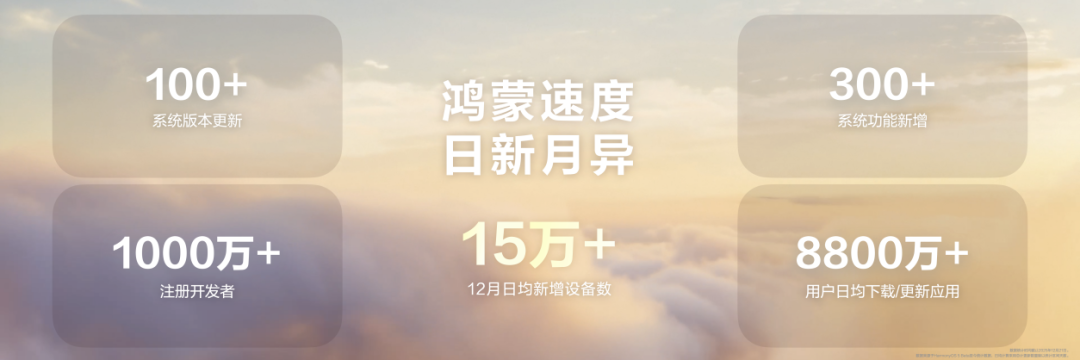
Core Viewpoint - The article emphasizes the significant progress and transformation of the HarmonyOS ecosystem, highlighting its evolution from a basic operating system to a robust platform that fosters collaboration among developers, users, and partners, ultimately contributing to China's digital sovereignty [1][3][19]. Group 1: Ecosystem Development - The HarmonyOS has achieved a milestone with over 32 million devices and 350,000 applications, showcasing a 95% ecosystem maturity, indicating a shift from mere usability to a fully functional and integrated ecosystem [3][8]. - The transition from HarmonyOS 5 to 6 represents a systemic evolution rather than a simple version update, marking a critical point in the ecosystem's development [5][6]. - The ecosystem's growth is driven by a collaborative approach, where developers and users actively contribute to its evolution, creating a self-sustaining growth model [16][17]. Group 2: User Experience Philosophy - The concept of "usability" in HarmonyOS is defined through three dimensions: intelligence, interconnectivity, and security, which enhance user experience by making technology seamlessly integrated into daily life [9][10][12]. - The system's ability to predict user needs and facilitate device integration reflects a significant advancement in user experience, moving beyond basic functionality [9][10]. - The security framework aims to rebuild trust in the digital ecosystem, which is essential for user confidence and the stable operation of the system [10]. Group 3: New Infrastructure Thinking - HarmonyOS is positioned as a crucial component of China's digital economy, representing a new form of infrastructure that supports the Internet of Things (IoT) and aims to establish a leading position in the global ecosystem [13][14]. - The operating system is not merely a technical product but a strategic initiative to regain control over the digital landscape, which was previously dominated by foreign technologies [13][14]. Group 4: Collaborative Ecosystem - The HarmonyOS ecosystem redefines the relationship between platforms and partners, promoting a "co-evolution" model where diverse developer needs and user behaviors contribute to system optimization [16]. - This collaborative approach ensures that all participants in the ecosystem derive value, fostering natural growth without the need for forced integration [16]. Group 5: Future Outlook - The article concludes with an optimistic view of the HarmonyOS's future, suggesting that the ongoing collaboration among developers, users, and technology will lead to a continuously improving ecosystem [21][23]. - The upcoming challenges in the market will be met with confidence, as the established user base and application ecosystem demonstrate the platform's potential for growth and innovation [21].
鸿蒙星光盛典:一场科技与人文交织的“追光”盛会
证券时报· 2025-12-25 11:02
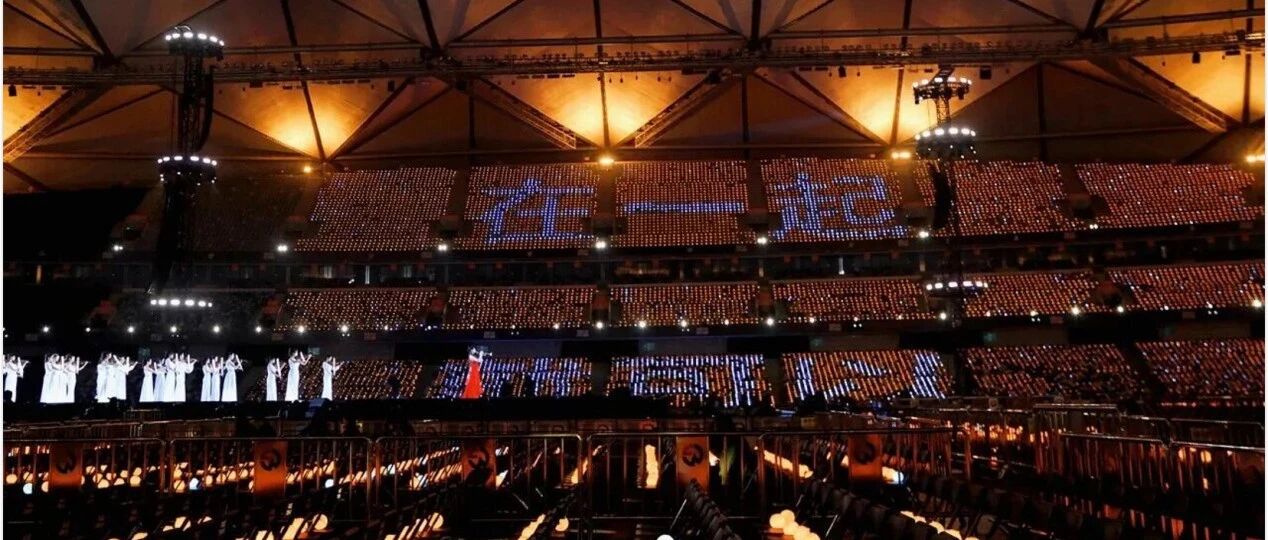
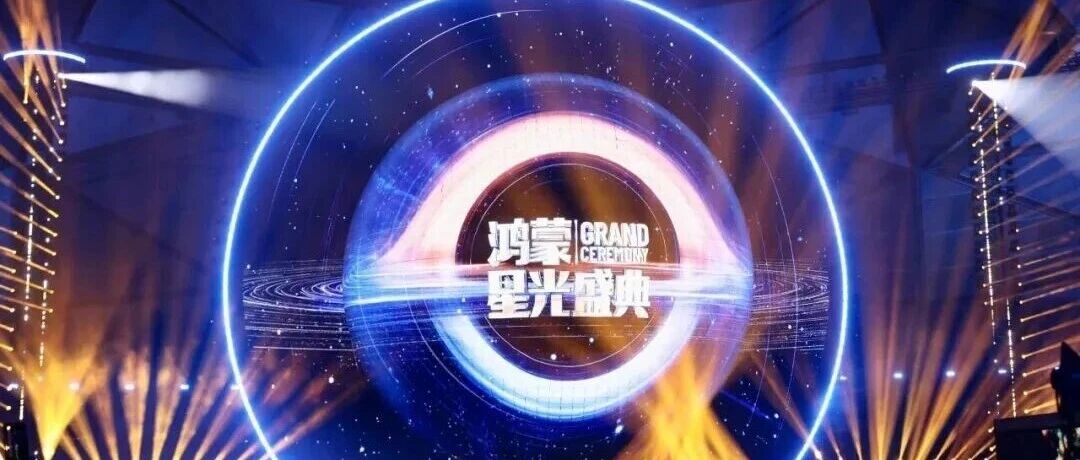
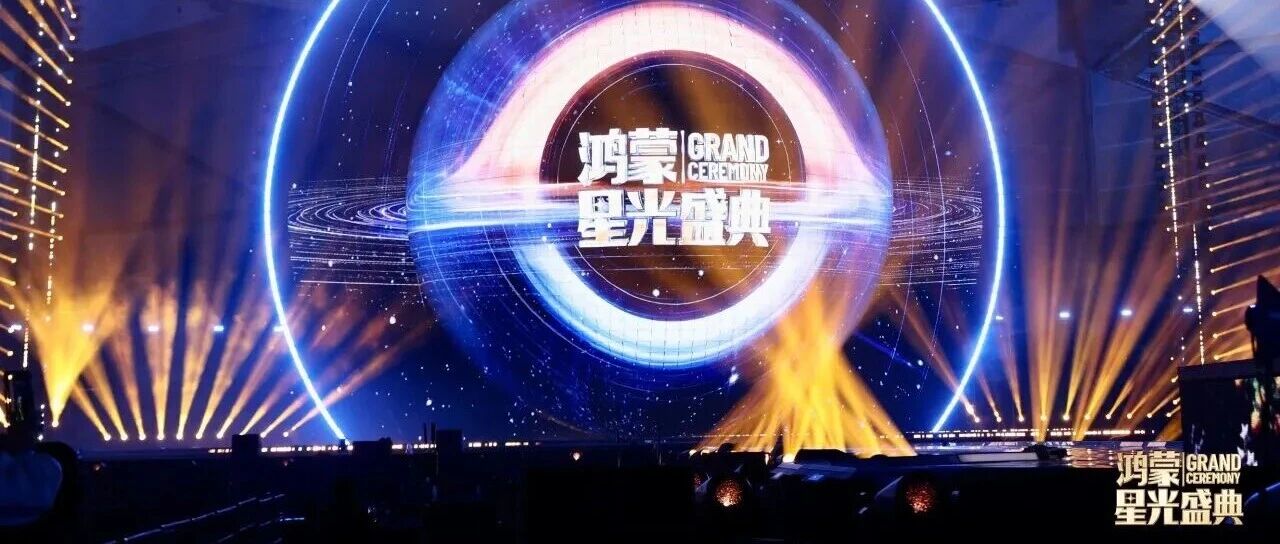
Core Viewpoint - The "Harmony Starry Night Gala" showcases the achievements of the HarmonyOS ecosystem, emphasizing its role in China's digital transformation and technological self-reliance [7][8][18]. Group 1: Event Overview - The gala was co-hosted by the Central Radio and Television Station and the Guangdong Provincial Government, featuring a visually stunning display with 40,000 light balls [1][2]. - The event's narrative focused on "breakthrough, growth, belief, and future," with prominent hosts and performers conveying a message of unity and warmth [4][6]. Group 2: Technological Integration - The stage design embodied the concept of "Harmony's initial opening, interconnecting the stars," blending Eastern philosophy with futuristic technology [6]. - The gala integrated cutting-edge technologies like AR and AI, illustrating the future of interconnectedness [6]. Group 3: HarmonyOS Achievements - HarmonyOS has evolved significantly since its launch in August 2019, with the upcoming HarmonyOS 5 and the recently released HarmonyOS 6 marking important milestones [8]. - The system has become a strong competitor to Android and iOS, providing users with a "third choice" in operating systems [10]. Group 4: Ecosystem Growth - The Harmony ecosystem now boasts over 350,000 applications and services, with a compatibility rate exceeding 95% across 18 major sectors [12]. - The number of registered developers in the Harmony ecosystem has surpassed 10 million, with over 7.32 million individuals learning Harmony development skills [12][14]. Group 5: Open Source Development - Open-source HarmonyOS is the fastest-growing open-source operating system, with over 1300 hardware products and more than 70 industry-specific versions developed [14][16]. - The system has been customized for various industries, including energy and telecommunications, demonstrating its versatility [14]. Group 6: National Significance - HarmonyOS represents China's first fully self-developed operating system, enhancing national information security and digital sovereignty [18]. - The ecosystem promotes collaboration among various market players, contributing to the overall digital economy and innovation [18][20]. Group 7: User Experience and Future Vision - HarmonyOS aims to provide a seamless user experience, with features designed to bridge digital divides and promote inclusivity [18]. - The ongoing journey of HarmonyOS reflects China's commitment to technological independence and innovation, inviting users and developers to participate in its growth [21][20].
从可用迈向成熟好用,鸿蒙进入规模化发展新阶段
财联社· 2025-12-22 12:01
Core Viewpoint - The narrative of China's self-operated operating system is gradually taking shape, with the Harmony ecosystem achieving significant milestones in user adoption and developer engagement [1][4][15]. Group 1: Ecosystem Growth - The number of devices running Harmony 5 and Harmony 6 has surpassed 32 million, with over 10 million registered developers and daily application downloads exceeding 8.8 million [1][4]. - The Harmony ecosystem is entering a new phase of scaled development, supported by major applications like WeChat and a rapid increase in mid-tail applications [3][6]. - The growth rate of Harmony devices is remarkable, with the number of devices increasing from 0 to 10 million in nearly 10 months, and from 10 million to 20 million in just over 2 months [4][11]. Group 2: Technological Advancements - Harmony's core technologies have been mastered, marking a significant step in China's technological self-reliance and innovation [4][13]. - The ecosystem now boasts over 350,000 applications and services, with major applications fully adapted to Harmony, covering 99.9% of consumer usage time [6][15]. - The introduction of new terminal products, such as the Huawei Mate 80 series and Mate X7, signifies a milestone in the maturity of the Harmony ecosystem, providing users with reliable alternatives to Android and iOS [11][12]. Group 3: Industry Impact - Harmony is driving a trillion-level digital economy market, with over 70 industry-specific versions of the open-source Harmony operating system launched [15]. - The technology innovations from Harmony are enabling developers to transition from being "ecosystem followers" to "rule makers," reshaping the software industry landscape [13][15]. - The collaborative ecosystem is essential for continuous growth, emphasizing that ecological construction is a process of shared development and innovation [12][15].
从华为Mate 80到鸿蒙星光盛典:鸿蒙生态的“集体冲锋”
2 1 Shi Ji Jing Ji Bao Dao· 2025-12-21 06:20
Core Insights - The year 2025 is a critical juncture for China's autonomous operating systems, marking a transition from breakthroughs to maturity and from singular innovations to ecological prosperity [1] - HarmonyOS is a key player in this transformation, with the recent launch of Huawei's Mate 80 and Mate X7 series, which are pivotal for the ecosystem's acceleration [1] - HarmonyOS has surpassed 300,000 applications and services, establishing itself as one of the three major mobile operating systems globally, alongside Android and iOS [1][2] Group 1: Growth and Development - HarmonyOS devices grew from 0 to 10 million in nearly 10 months, and from 10 million to 20 million in just 2 months, indicating unprecedented growth in a dual-monopoly market [2] - The Mate 80 and Mate X7 series are seen as critical milestones, showcasing significant improvements in security, fluidity, connectivity, and AI capabilities [2] - The ecosystem's adaptability has exceeded 95%, with top applications across 18 core sectors, including finance, entertainment, and government services [2] Group 2: Market Position and Strategic Importance - By Q2 2025, HarmonyOS is projected to hold approximately 17% market share in China's smartphone operating system market, making it the second-largest [3] - HarmonyOS represents a fully self-controlled stack, marking China's first complete foundation in the global operating system landscape, which has strategic implications in a complex international environment [3] Group 3: Ecosystem Collaboration - The growth of the HarmonyOS ecosystem is characterized by collective collaboration rather than being driven by a single entity, involving thousands of partners and developers [4] - Over 9,000 applications are participating in the joint development of more than 70 system-level innovations, marking a significant milestone in the history of operating systems and application ecosystems [5] Group 4: Economic Impact and Talent Development - The HarmonyOS ecosystem is expected to create over 3 million new jobs, with a projected average salary increase of 43.1% for developers, surpassing the 22.7% increase for Android developers [6] - Innovative applications are emerging within the HarmonyOS ecosystem, providing local developers opportunities to set new rules and interaction methods, thus enhancing the overall user experience [6] Group 5: Open and Collaborative Ecosystem - The HarmonyOS ecosystem emphasizes openness, altruism, and co-construction, with contributions from various stakeholders, making it a shared industrial system rather than the property of a single company [7] - Continuous policy support, industry investment, and demand are driving the participation of developers, partners, and industry applications in shaping the future of the ecosystem [7]
2026共谋“鸿”图:鸿蒙生态用户增长臻享会·北京站成功举办
Sou Hu Cai Jing· 2025-12-17 01:42
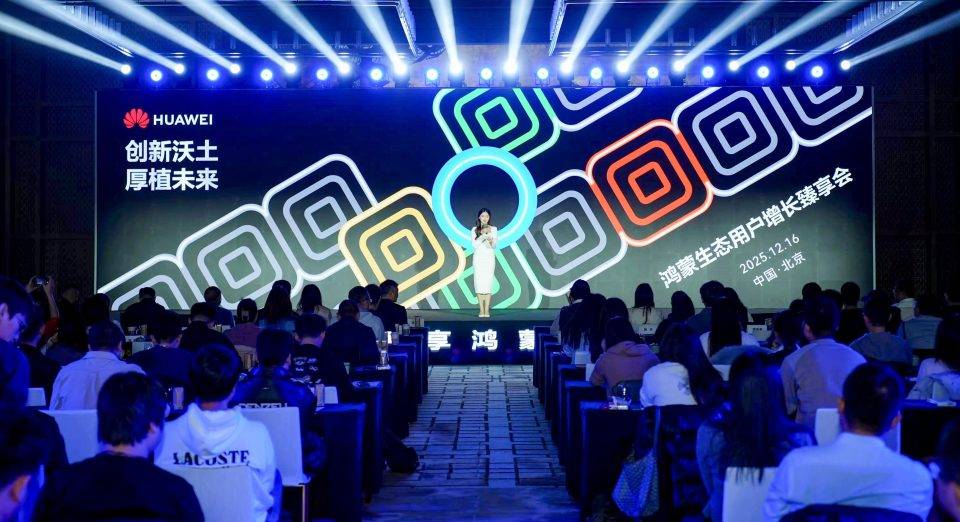
Core Insights - Huawei's HarmonyOS ecosystem is transitioning from "usable" to "well-used," with significant support from partners leading to historical growth in user engagement and developer collaboration [1][4][6] Group 1: Event Overview - The HarmonyOS user growth event held on December 16, 2025, in Beijing gathered over 200 developers and partners from various industries, focusing on the AppGallery's developer services and user growth solutions [1] - Huawei's Terminal Cloud Application Ecosystem BU President Cheng Qi emphasized the importance of collaboration with developers for achieving high-quality user growth in 2026 [1] Group 2: AppGallery Developments - The launch of the AppGallery Growth Engine includes features like appointment publishing, search optimization, and data services to enhance app visibility and transaction success rates [3] - AppGallery's attribution services provide insights into download sources and user engagement, replacing physical packaging and ensuring accurate attribution matching [3] Group 3: Ecosystem Growth and Opportunities - The HarmonyOS ecosystem has established a positive feedback loop among technology, scenarios, and data, creating unprecedented growth opportunities for developers [4] - New user growth solutions introduced include enhanced promotional methods and AI-driven content delivery, aimed at improving user experience and reducing disturbances [4] Group 4: Developer Engagement and Recognition - The AppGallery Awards 2025 showcased award-winning applications and games, highlighting the commitment of developers to optimize their HarmonyOS experiences [4] - The ecosystem's transformation from "usable" to "well-used" reflects the dedication of developers and the potential for future innovation within the HarmonyOS landscape [4] Group 5: Ecosystem Maturity - The number of devices running HarmonyOS 5 and 6 has surpassed 27 million, with over 10 million registered developers, indicating a more mature and vibrant application ecosystem [6] - The HarmonyOS ecosystem represents not only a technological upgrade but also a redefined approach to user growth and business logic [6]
Mate80显示5A是5G吗?华为回应
Guan Cha Zhe Wang· 2025-12-02 02:21
Core Viewpoint - Huawei's Mate 80 series has launched, featuring a "5A" signal indicator that signifies a premium network experience rather than a specific network standard like 5G or 5G-A [1][4]. Group 1: Definition and Features of 5A - 5A represents Huawei's advanced communication technology, providing faster access, higher speeds, lower latency, and more stable connections [2][3]. - 5A is not a network standard but indicates a 5A level premium network experience [3][4]. Group 2: Distinction from Other Technologies - 5A is distinct from 5G-A (5GA) and 5.5G, as it does not equate to these technologies but rather signifies an enhanced user experience [4][5]. - 5G is defined as the fifth generation of communication technology, which is a network standard, unlike 5A [4]. Group 3: Device Compatibility and Usage - Currently, the Mate 80 series and Mate X7 series support 5A, with other devices' compatibility determined by the signal status displayed [5]. - There is no additional charge for using 5A, as it is part of the device's advanced communication capabilities [6]. - 5A does not have a separate switch; it is enabled by default in supported devices to enhance user experience [7].

中国移动被调出上证50指数;微软承认Win11新BUG
2 1 Shi Ji Jing Ji Bao Dao· 2025-12-01 02:25
Group 1 - China Mobile has been removed from the SSE 50 Index due to its ranking based on average market capitalization and trading volume, despite a slight stock price decline of approximately 5% this year [2] - The removal does not indicate a change in the company's fundamentals, as it remains part of other major indices like SSE 180 and CSI 300, and is not expected to significantly impact its stock price [2] Group 2 - Shanghai Jiao Tong University plans to establish the world's first undergraduate program in "Embodied Intelligence" starting in 2025, in collaboration with Huawei [4] - The program aims to address the talent gap in the rapidly growing industry by integrating AI, mechanical dynamics, and computer science into its curriculum [4] - The first year will enroll 30 students, and the program will be led by a professor with a strong background in the field [4] Group 3 - ByteDance has launched a new AI model, Vidi2, which is a 12 billion parameter multimodal language model designed for video understanding [5] - Vidi2 can process hours of raw footage to understand storylines and generate complete video segments based on simple prompts, showcasing advanced video comprehension capabilities [5] Group 4 - The demand for AI is driving up the prices of high-end materials in the PCB industry, with significant shortages reported [6] - Companies are experiencing price increases for high-performance products, with some materials priced at six times that of standard products due to scarcity [6] - The industry is adjusting production processes to meet the growing demand for lightweight and high-performance materials in AI and robotics applications [6] Group 5 - AMD has confirmed the upcoming release of the Ryzen 7 9850X3D processor, which is expected to be unveiled at CES 2026 [8] - This new processor is anticipated to have a clock speed 500 MHz higher than its predecessor, the R7 9800X3D [8] Group 6 - Huadian Technology has submitted an application for H-share listing on the Hong Kong Stock Exchange [9] - The application is currently in draft form and will require approval from relevant government and regulatory bodies [9] Group 7 - Shanghai Yixin Communication Technology has also submitted a listing application to the Hong Kong Stock Exchange, with CITIC Securities as the exclusive sponsor [10]


华为Mate 80系列热销,鸿蒙生态实现成熟好用的生态跃迁
Huan Qiu Wang· 2025-11-30 11:47
Core Insights - The launch of Huawei's Mate 80 series and Mate X7 series is seen as a significant milestone for the HarmonyOS ecosystem, marking its transition from a breakthrough phase to a mature and user-friendly platform [1][2] - HarmonyOS now boasts over 300,000 applications and services, with an adaptation rate exceeding 95%, indicating its comprehensive integration into daily user scenarios [1][2] Group 1: HarmonyOS Evolution - HarmonyOS has transformed from a "forced entry" to a "proactive leader" in the market, with major internet applications fully integrated, covering 99.9% of daily usage scenarios [2] - The ecosystem has evolved to offer a smarter, safer, and more interconnected experience, making it a preferred choice for an increasing number of users [2][4] Group 2: Product Innovations - The Mate 80 series showcases significant technological breakthroughs, enhancing user experience and pushing the boundaries of the consumer electronics industry [5] - Key features of HarmonyOS 6 include AI support for 16 dialects, a security architecture that has intercepted over 24 billion unauthorized permission requests, and a performance boost of 15% due to the Ark Engine [6][10] Group 3: Market Opportunities - The current push for software infrastructure development in China positions HarmonyOS to create a trillion-level market and over 3 million new jobs [9] - Developers joining the HarmonyOS ecosystem can expect an average salary increase of 43.1% in 2024, significantly above the industry average [9] Group 4: Collaborative Ecosystem - The success of HarmonyOS is attributed to the collective efforts of millions of developers and small to medium enterprises, with over 10 million registered developers and 7.32 million learning development skills through HarmonyOS [12] - Major companies like Tencent have adapted over 60 products to HarmonyOS, demonstrating widespread industry support [12]