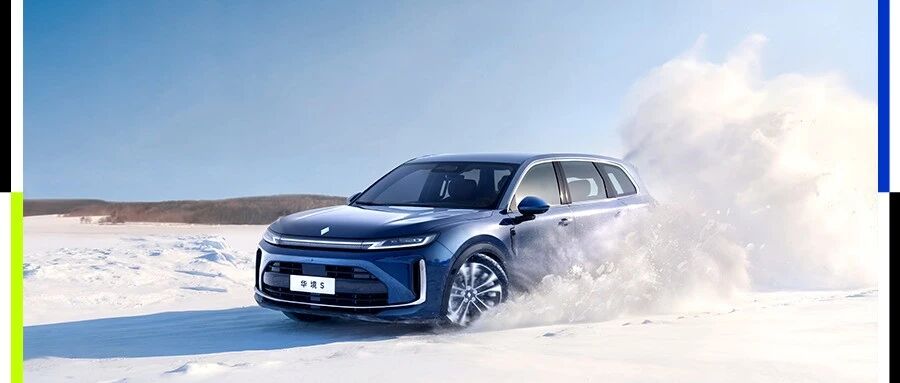
华境S

Search documents
广汽想借华为“摸鱼”,不过还是有四个难题
虎嗅APP· 2026-03-17 14:03
Core Viewpoint - The article discusses the strategic collaboration between GAC and Huawei in the niche market of shooting brake vehicles, highlighting the challenges and potential opportunities in this segment as GAC aims to leverage Huawei's technology to enhance its brand and product offerings [6][9][37]. Market Overview - The shooting brake market in China is currently small, with an expected market share of less than 3% by 2026 [2]. Despite its niche appeal, GAC has decided to enter this market with the launch of the Envision GT7, which is set to debut on March 17 and is equipped with advanced technologies from Huawei [4][10]. Strategic Intent - GAC's decision to collaborate with Huawei is seen as a strategic move to address its financial challenges, with projected net losses of 8-9 billion yuan in 2025 [6][17]. GAC Chairman Feng Xingya emphasized the importance of the Envision project for the company's long-term development, prioritizing it as a key initiative [6][9]. Competitive Landscape - The market for shooting brake vehicles is becoming increasingly competitive, with several new models expected to launch in the 20-35 million yuan price range [7]. Existing models like NIO ET5T and Zeekr 007GT have shown stable market performance, but the overall segment remains under pressure due to low resale values and supply chain issues [8][31]. Challenges Faced - GAC faces several challenges in the shooting brake market, including pricing strategies, user experience, brand perception, and internal reform processes [32][35]. The pricing of the Envision GT7 is critical, as exceeding 350,000 yuan may lead to competitive pressure, while pricing it too low could result in reduced features [32]. Collaboration Dynamics - The partnership between GAC and Huawei is characterized by a deep integration of teams, with over 200 Huawei engineers working alongside GAC's staff to ensure collaborative decision-making and product development [22][23]. This embedded approach aims to combine GAC's manufacturing expertise with Huawei's technological capabilities [20][21]. Future Outlook - The success of the Envision GT7 will depend on its ability to meet market expectations for quality and performance, especially as the automotive industry shifts focus towards reliability and traditional manufacturing standards [38]. The upcoming launch will be a critical test for both GAC and Huawei in establishing their presence in the shooting brake segment [38].


上汽集团:整体销量逆市增长,自主品牌及出口表现较好-20260307
Orient Securities· 2026-03-07 13:25
Investment Rating - The report maintains a "Buy" rating for the company with a target price of 17.1 CNY [3][6] Core Views - The company is expected to see EPS of 0.91, 1.14, and 1.28 CNY for the years 2025-2027, with slight adjustments made to gross margin and expense ratios [3] - The company has shown resilience with overall sales growth of 6.8% year-on-year in the first two months, outperforming the industry average [9] - The company is focusing on expanding its presence in overseas markets, with significant growth in export sales, particularly in Europe [9] Financial Information Summary - Revenue for 2023 is projected at 726,199 million CNY, with a slight growth of 0.7% year-on-year, followed by a decline of 15.4% in 2024 [5] - Operating profit is expected to drop significantly to 10,376 million CNY in 2024, before rebounding to 17,234 million CNY in 2025, reflecting a growth of 66.1% [5] - Net profit attributable to the parent company is forecasted to be 14,106 million CNY in 2023, with a substantial recovery to 10,492 million CNY in 2025, marking a growth of 529.6% [5] - The gross margin is expected to improve from 9.5% in 2023 to 11.4% by 2027 [5] - The company’s PE ratio is projected to be 15.5 for 2025, decreasing to 11.1 by 2027 [5][10]

上汽集团(600104):整体销量逆市增长,自主品牌及出口表现较好
Orient Securities· 2026-03-07 12:39
Investment Rating - The report maintains a "Buy" rating for the company with a target price of 17.1 CNY, based on an average PE valuation of 15 times for comparable companies in 2026 [3][6]. Core Insights - The company has shown resilience with overall sales growth of 6.8% year-on-year in the first two months, outperforming the industry average during a period of consumer hesitation [9]. - The company is expected to benefit from new vehicle launches, which are anticipated to drive sales and market share for its self-owned brands [9]. - The export performance has been strong, with significant year-on-year growth in overseas sales, indicating that international markets will be a key growth driver moving forward [9]. Financial Forecasts - The earnings per share (EPS) are projected to be 0.91 CNY, 1.14 CNY, and 1.28 CNY for the years 2025, 2026, and 2027 respectively, with slight adjustments made to gross margin and expense ratios [3]. - Revenue is forecasted to reach 726.199 billion CNY in 2023, with a decline to 614.074 billion CNY in 2024, followed by a gradual recovery to 742.172 billion CNY by 2027 [5][12]. - The net profit attributable to the parent company is expected to rebound significantly from 1.666 billion CNY in 2024 to 14.698 billion CNY in 2027, reflecting a growth rate of 529.6% in 2025 [5][12]. Key Financial Metrics - The company’s gross margin is projected to improve from 9.5% in 2023 to 11.4% by 2027, while the net profit margin is expected to increase from 1.9% to 2.0% over the same period [5][12]. - The return on equity (ROE) is anticipated to rise from 5.0% in 2023 to 4.6% in 2027, indicating a gradual recovery in profitability [5][12]. - The price-to-earnings (PE) ratio is forecasted to decrease from 11.5 in 2023 to 11.1 in 2027, suggesting a more favorable valuation over time [5][12].
上汽集团:马年开新篇 春耕正当时
Xin Lang Cai Jing· 2026-02-25 03:25
Core Insights - SAIC Motor Corporation has successfully implemented its user-centric philosophy, launching a series of customer care initiatives during the Spring Festival, including free safety checks and 24/7 roadside assistance [1][3] - The company reported strong sales figures for January 2026, with wholesale sales reaching 327,000 units, a year-on-year increase of over 23%, and retail sales at 363,000 units, both leading the industry [3][4] - The growth in sales is attributed to a structural transformation within the company, with a significant increase in sales from its self-owned brands, which accounted for 65.3% of total sales, up 7.3 percentage points from the previous year [3][4] Sales Performance - In January 2026, SAIC's self-owned brands sold 214,000 units, marking a 39.6% year-on-year increase, highlighting the company's successful restructuring of its product growth strategy [3][4] - The sales of new energy vehicles reached 85,000 units, a 39.7% increase year-on-year, with the IM Motors brand showing a remarkable 66% growth [4][6] - The overseas market also performed well, with sales of 105,000 units in January, a 51.7% increase, and the MG brand becoming the first Chinese brand to exceed cumulative sales of 1 million units in Europe [4][6] Reform and Strategy - The comprehensive reform initiated by SAIC in 2024 aims to break down organizational inertia and resource barriers, enhancing responsiveness to market demands [6][9] - The company has invested over 150 billion yuan in technological innovation, holding nearly 26,000 valid patents, which forms a solid technical foundation for its transformation [7][9] - SAIC's approach focuses on practical solutions rather than chasing trends, with a commitment to long-term investments in technology that address user pain points [9][10] Product Development - 2026 is set to be a pivotal year for SAIC's smart electric products, with a clear product strategy that covers all price ranges and travel scenarios [10][15] - The company is launching new models across its brands, including the Roewe i6 targeting the A+ class market and the MG brand focusing on the core new energy segment [12][14] - SAIC's joint ventures are also advancing in electric vehicle development, with plans for new models that leverage local market insights [14][15] Future Outlook - The ongoing reforms at SAIC are expected to continue driving growth, with a focus on core areas such as solid-state batteries and digital chassis technology [18] - The company aims to optimize its product matrix while balancing high-end and mainstream market demands, ensuring a sustainable approach to growth [18] - SAIC's transformation reflects broader trends in the traditional automotive industry, emphasizing the importance of technology and user needs in driving future success [18]
上汽通用五菱吕俊成:过去五年“神车”家族合计产销832万辆
Xin Lang Cai Jing· 2026-02-25 02:27
Core Insights - The core strategy for 2026 focuses on building a full lifecycle digital platform, utilizing "AI + digital twin" technology to evolve from "user portrait" to "user data twin" for precise demand identification [1][11] Sales and Performance - In 2025, the company achieved total sales of 1.635 million vehicles, a year-on-year increase of 6.2% - New energy vehicle sales exceeded 1 million units, growing by 31.9% - Overseas exports reached 267,000 units, up by 18.6% - The annual output value returned to over 100 billion [1][5][11] Strategic Framework - The company aims to establish a "manufacturing island + digital island + intelligent island" three-in-one system: - **Manufacturing Island**: Enhance the island-style development system for scientific restructuring and key ecological chain coverage - **Digital Island**: Utilize digital twin technology to create a consistent virtual and physical model across production lines, workshops, and bases, achieving full-link digitalization driven by market demand - **Intelligent Island**: Develop AI-based systems that allow for decoupled processes, reconfigurable production lines, and adaptive capacity [1][12][20] Operational Excellence - The company plans to implement a "five self-integration" system to achieve "four optimizations" and "four flows integration," aiming to reduce costs and increase efficiency - The goal is to complete the construction of a leading intelligent factory within two years and achieve systematic changes in the intelligent island manufacturing system within three years [2][12][22] Innovation and Market Strategy - The company emphasizes the importance of high-quality development and technological innovation in the context of a rapidly changing automotive industry - It aims to adapt to market fluctuations while maintaining a focus on sustainable health, creating a core capability that integrates demand, manufacturing, ecology, and operational excellence [6][18][22] Product Development Focus - The company will enhance product innovation by creating a digital platform that spans the entire user experience lifecycle, transitioning from experience-based to data-driven decision-making - The focus will be on high-quality, personalized, and rapidly iterating products to meet evolving user needs [18][19][21]

零下30度满员冬测,含华量拉满的华境S「葫芦里卖的什么药」?
3 6 Ke· 2026-02-05 15:38
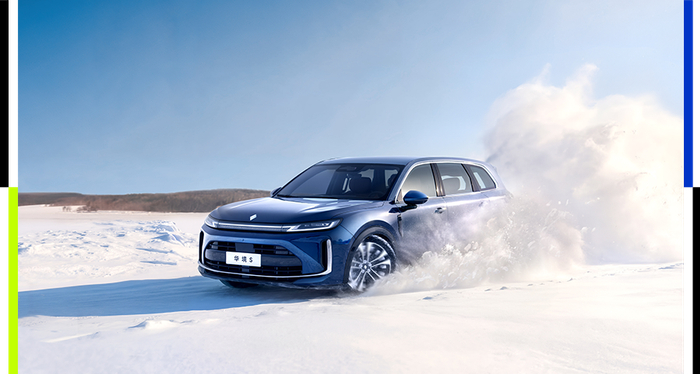
Core Viewpoint - The successful winter testing of the Huajing S in extreme conditions demonstrates the vehicle's reliability and performance, positioning it as a flagship model for SAIC-GM-Wuling and Huawei's collaborative efforts in the high-end SUV market [2][14]. Group 1: Testing and Performance - The Huajing S underwent comprehensive cold-weather testing in Black River, showcasing its readiness for the market launch in the second half of 2025 [3][14]. - The vehicle's testing included scenarios such as sudden obstacle avoidance and extreme slope climbing, where it exhibited stability and control, thanks to its robust chassis tuning and advanced stability systems [5][6]. - The Huajing S successfully managed challenging conditions, including 20% and 30% incline tests, demonstrating its intelligent four-wheel drive capabilities and effective power distribution [5][6]. Group 2: Technological Integration - The Huajing S is the first product resulting from the deep integration of SAIC-GM-Wuling and Huawei's "Three Intelligence" strategy, featuring the Huawei QianKun ADS 4 system as standard [6][10]. - The vehicle's advanced driving assistance system showed strong adaptability in low-temperature conditions, effectively detecting obstacles and ensuring safety during testing [6][10]. - The collaboration between SAIC-GM-Wuling and Huawei has led to a clear division of responsibilities, enhancing the vehicle's manufacturing efficiency and precision [8][10]. Group 3: Market Positioning and Strategy - The Huajing S represents a shift in the Chinese automotive industry towards high-end market competitiveness, moving away from traditional practices of merely stacking features and high pricing [13][14]. - The successful winter testing validates a new model of "smart manufacturing-supply chain collaboration-extreme performance verification," which could serve as a replicable framework for the development of high-end domestic vehicles [13]. - The vehicle is expected to set a benchmark in the industry, promoting a shift towards value-driven competition rather than price competition [14].
零下30度满员冬测,含华量拉满的华境S「葫芦里卖的什么药」?
36氪· 2026-02-05 14:10
Core Viewpoint - The article highlights the successful winter testing of the Huajing S in extreme cold conditions, showcasing its reliability and advanced technology as a flagship model from SAIC-GM-Wuling and Huawei, setting a benchmark for the industry [2][4][17]. Group 1: Testing and Performance - The Huajing S underwent comprehensive cold-weather testing in Black River, demonstrating its readiness for the market launch scheduled for the second half of 2025 [4][17]. - The testing focused on real-world scenarios, emphasizing the vehicle's dependability in critical winter driving conditions, with a full six-passenger load to test its limits [5][7]. - The vehicle successfully navigated challenging conditions, such as 20% incline and 30% snow-covered slopes, showcasing its intelligent four-wheel drive capabilities and stability control systems [7][8]. Group 2: Technology and Innovation - The Huajing S is equipped with Huawei's advanced driving assistance system (ADS 4), which performed reliably even in low-temperature conditions, effectively detecting obstacles and ensuring safety [8][13]. - The collaboration between SAIC-GM-Wuling and Huawei has resulted in a product that integrates advanced manufacturing and intelligent technology, enhancing the vehicle's overall performance and user experience [11][13]. - The vehicle's design and manufacturing process reflect a shift from traditional automotive production to a more integrated and efficient model, improving both manufacturing efficiency and assembly precision [11][16]. Group 3: Market Position and Strategy - The successful winter testing validates a new model of "smart manufacturing - supply chain collaboration - extreme performance verification," distinguishing it from traditional automotive development approaches [16]. - The Huajing S aims to break the cycle of high pricing and excessive feature stacking that has historically plagued Chinese brands in the high-end market, offering a new pathway for premium vehicle development [16][17]. - This model not only positions the Huajing S as a key player in the high-end market but also sets a standard for the industry, promoting a shift towards value-driven competition rather than price wars [17].
开年狂飙,上汽1月销售32万,同比大涨超两成,全矩阵新品蓄势待发
Xin Lang Cai Jing· 2026-02-04 12:22
Core Insights - SAIC Motor Corporation has achieved impressive sales performance, reaching 327,000 vehicles in January 2026, a year-on-year increase of 23.9%, making it the only company to surpass the 300,000 sales mark in the current market [1][24] - The overall automotive market in January 2026 showed a slight decline, with retail sales of narrow passenger vehicles around 1.8 million, down 20.4% month-on-month and only a 0.3% increase year-on-year [1][24] Sales Performance - The sales growth is attributed to a solid foundation from 2025, where the net profit is expected to be between 9 billion to 11 billion yuan, reflecting a year-on-year increase of 438% to 558% [3][24] - The growth is driven by three main segments: domestic brands, new energy vehicles, and overseas markets, showcasing a comprehensive strategy of "technology + user" [3][24] Domestic Brand Growth - The domestic segment was the core driver of growth, with January sales reaching 214,000 units, a year-on-year increase of 39.6%, accounting for 65.3% of total sales, up 7.3 percentage points from the previous year [5][26] - Key brands such as SAIC Passenger Cars, SAIC Maxus, and SAIC-GM Wuling contributed significantly, with respective sales increases of 53.8%, 18.2%, and 37% [5][26] New Energy Vehicle Performance - New energy vehicle sales reached 85,000 units in January, a year-on-year increase of 39.7%, solidifying its position in the industry [5][26] - Notable performances include a 576.9% increase in SAIC Passenger Cars' new energy vehicle sales, and a 316.1% increase for SAIC-GM's new energy vehicles [5][26] Overseas Market Expansion - Sales in overseas markets reached 105,000 units in January, a year-on-year increase of 51.7%, with SAIC MG continuing to lead as the top-selling Chinese brand in Europe for 11 consecutive years [8][29] - In January 2026, nearly 26,000 units were delivered in Europe, marking a 15% year-on-year growth [8][29] User Services and Promotions - SAIC has launched a comprehensive user service initiative in response to government policies, including tax subsidies and various customer benefits, enhancing the overall customer experience [10][31] - The initiative includes over 5,000 service points offering a full range of services, reinforcing the company's commitment to customer satisfaction [10][31] Product Matrix and Future Plans - SAIC has established a comprehensive product matrix covering all price ranges, with new models set to launch across various brands, including the new Roewe i6 and MG's upcoming electric models [11][34] - The company plans to introduce several new models in 2026, including the industry-first mass-produced four-wheel steering SUV, the Zhiji LS9 Hyper [14][35] Joint Ventures and Collaborations - SAIC-GM is set to launch the Zhijing E7 SUV, aiming to redefine luxury in the 200,000 yuan segment, while SAIC Volkswagen plans to introduce seven new energy models to meet diverse consumer needs [19][42] - The commercial vehicle segment will also see updates, with new models from SAIC Maxus designed to meet both commercial and recreational needs [22][43]
科技观察丨“岛”上造车,有什么新逻辑?
Xin Hua Wang· 2026-01-31 03:49
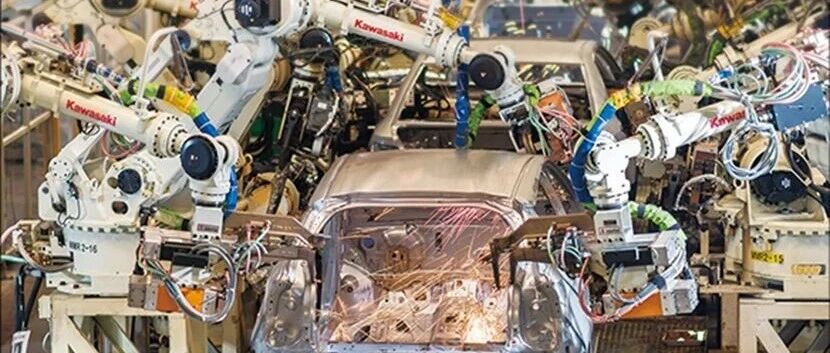
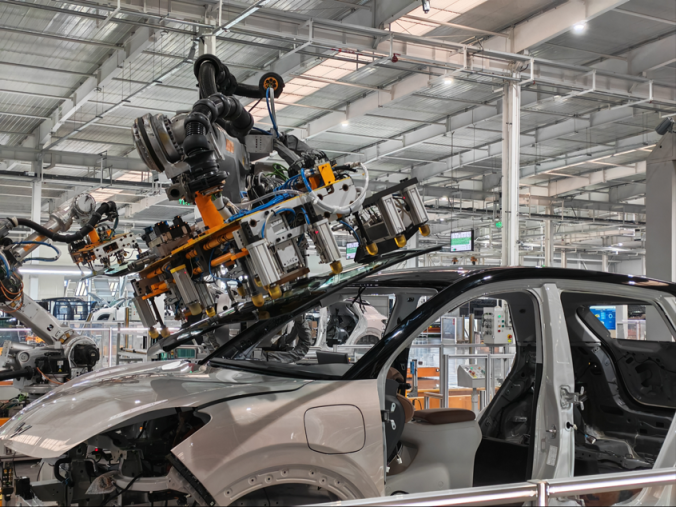
Core Viewpoint - The automotive industry is undergoing a transformation towards electrification and intelligence, prompting a reevaluation of production models to meet personalized and rapidly changing market demands [1] Group 1: Intelligent Manufacturing System - The "Intelligent Island Manufacturing System" (I²MS) developed by SAIC-GM-Wuling is a revolutionary approach that allows for flexible production supporting over 20 vehicle models through active collaboration rather than passive transmission [2][4] - The system incorporates advanced technologies such as 3D scanning and AI vision to achieve assembly precision within 0.1 millimeters, aiming for a "zero defect" standard [2][4] - The production architecture has shifted from a rigid assembly line to independent yet collaborative "smart islands," enabling quick adjustments to manufacturing systems in response to market fluctuations [4][10] Group 2: Strategic Investment and Market Position - In response to the increasing penetration of electric vehicles and heightened competition in the Chinese market, SAIC-GM-Wuling has initiated a strategic investment exceeding 10 billion yuan to enhance manufacturing agility and advanced capabilities [6] - The introduction of the new model, Huajing S, features advanced intelligent configurations made accessible to ordinary consumers, including high safety standards and innovative technologies [5] Group 3: Industry Leadership and Future Outlook - The intelligent island manufacturing model is being recognized as a core paradigm of the third automotive manufacturing revolution, positioning China as a leader in this new era of automotive production [8] - The evolution from traditional manufacturing to intelligent manufacturing reflects a broader trend towards high-quality development in Chinese manufacturing, driven by innovation and talent cultivation [10]
新华网科技观察丨“岛”上造车,有什么新逻辑
Xin Hua She· 2026-01-31 02:29
Core Viewpoint - The automotive industry is undergoing a transformation towards electrification and intelligence, prompting a reevaluation of production models to meet personalized and rapidly changing market demands. The "smart island manufacturing system" (I²MS) developed by SAIC-GM-Wuling is a pioneering approach that addresses these challenges by enabling flexible production and high-quality standards [2][4][6]. Group 1: Smart Island Manufacturing System - The "smart island manufacturing system" allows for over 20 different vehicle models to be produced on a single line through active collaboration rather than passive transmission [2]. - The system incorporates advanced technologies such as 3D scanning and AI vision to achieve assembly precision within 0.1 millimeters, aiming for near-zero defects [2][4]. - The manufacturing architecture has been fundamentally restructured from a rigid assembly line to independent yet collaborative "smart islands," enhancing flexibility and responsiveness to market demands [4]. Group 2: Quality and Safety Innovations - The quality assurance process utilizes high-speed scanning and real-time data comparison to create a digital "quality firewall" for vehicle bodies [4]. - The new model, Huajing S, features advanced technologies such as Huawei's QianKun solution, integrating high-level intelligent configurations that are accessible to ordinary consumers [4]. - Safety standards are elevated with the new vehicle designed to meet the ultra C-NCAP 2024 five-star rating, incorporating advanced battery technology and laser vision systems for improved night-time obstacle detection [4]. Group 3: Industry Context and Strategic Investment - The increasing penetration of electric vehicles in the Chinese market and the intensifying competition among domestic brands are driving the need for agile and advanced manufacturing capabilities [4][6]. - SAIC-GM-Wuling is responding to national strategies aimed at developing new productive forces and promoting high-quality manufacturing with a strategic investment exceeding 10 billion yuan [4]. - The smart island manufacturing model is being recognized as a leading paradigm in the third automotive manufacturing revolution, positioning China at the forefront of this transformation [6].