
天然色素

Search documents
Sensient(SXT) - 2025 Q4 - Earnings Call Transcript
2026-02-13 15:32
Financial Data and Key Metrics Changes - For the full year 2025, the company reported a 3% local currency revenue growth, a 10% local currency Adjusted EBITDA growth, and a 15% local currency Adjusted EPS growth [5][6] - The overall Adjusted EBITDA margin improved by 100 basis points [5] - In Q4 2025, the company achieved a 2% local currency revenue growth and flat adjusted local currency operating profit [5][6] Business Line Data and Key Metrics Changes - The Color Group delivered 7.4% local currency revenue growth and 16.9% local currency operating profit growth for the year, with an Adjusted EBITDA margin improvement to 23.7% from 22.1% [8][10] - The Flavors and Extracts Group experienced a 1.3% local currency revenue decline but a 3.4% increase in local currency operating profit, with an Adjusted EBITDA margin of 16.7% [10][11] - The Asia Pacific Group reported a 2.4% local currency revenue growth and a 3.8% local currency operating profit growth for the year [12][13] Market Data and Key Metrics Changes - The Color Group's performance is driven by strong natural color conversion momentum in the U.S., Canada, and parts of Latin America [6][7] - The Flavors and Extracts Group faced challenges due to severe weather events impacting agricultural ingredients, leading to a one-time inventory loss of approximately $3 million [11][12] - The Asia Pacific Group is expected to recover from regional demand disruptions, with a bounce back anticipated in the latter half of 2026 [13][14] Company Strategy and Development Direction - The company is focused on capturing substantial opportunities in natural color conversions, which is considered the largest opportunity in its history [7][8] - Investments in research and development, production capacity, and supply chain resilience are emphasized to support customer needs during the conversion process [8][16] - The company plans to invest $150 million-$170 million in capital expenditures for 2026, with a total of $225 million to $250 million allocated for natural color conversion-related capital expenditures from 2025 to 2028 [16][17] Management's Comments on Operating Environment and Future Outlook - Management expressed confidence in achieving double-digit growth in the Color Group for 2026, driven by natural color conversion activities [21][75] - The company anticipates a slower start to 2026 for the Flavors and Extracts Group, with expectations of strengthening revenue and profit performance as the year progresses [12][15] - Management noted that the first half of 2026 will see challenges in profit leverage due to ongoing investments, but expects significant growth in the second half [15][16] Other Important Information - The company reported cash flow from operations of $45 million in Q4 2025, up from $21 million in the same quarter of 2024 [25] - The consolidated adjusted tax rate was 17.1% in Q4 2025, compared to 24.9% in Q4 2024 [24] - The company’s net debt to adjusted EBIT ratio was 2.3x as of December 31, 2025 [25] Q&A Session Summary Question: Conversion opportunity and pipeline for 2026 - Management indicated that approximately $5 million in conversion revenue was invoiced in Q3 and Q4 2025, with expectations for acceleration in Q1 and Q2 2026 [33][34] Question: Impact of FDA changes on conversion timing - Management believes that FDA guidance will not materially change the conversion timelines, as customer commitment to conversion is driven by consumer demand [70][72] Question: Expectations for flavors and extracts improvement - Management expressed confidence in mid-single-digit revenue growth for the Flavors and Extracts Group, with a recovery in agricultural ingredients contributing to this growth [84][86]

FDA合成色素禁令后,哪些生物合成色素企业在涌入赛道?
合成生物学与绿色生物制造· 2026-01-29 06:36
Core Viewpoint - The article discusses the increasing demand for natural food colorants driven by regulatory changes and consumer preferences, particularly in light of the FDA's plan to phase out certain synthetic colorants by the end of 2026, creating a significant market opportunity for natural alternatives [2][5]. Group 1: Regulatory Changes and Market Impact - The FDA plans to eliminate eight synthetic colorants, including Tartrazine (E102), by the end of 2026, prompting major food and beverage companies to reformulate their products [2][4]. - This regulatory shift is expected to accelerate the transition towards natural colorants, with the global natural food colorant market projected to grow from approximately $2 billion in 2025 to over $4 billion by 2030 [5]. Group 2: Challenges and Technological Innovations - Key challenges in adopting natural colorants include stability, cost, and supply chain issues, with technologies such as microencapsulation, fermentation engineering, and plant cell culture being explored to address these challenges [6][8]. - Various natural colorant alternatives are being developed, including Lutein, Curcumin, Safflower Yellow, and Beet Red, which have shown progress in application within food products [6]. Group 3: Industry Players and Developments - Several companies are entering the natural colorant space, including Michroma, which uses filamentous fungi for fermentation to produce heat-stable red colorants, and Chromologics, focusing on natural red colorants through fungal fermentation [9][10]. - In China, companies like ZhiNuo Technology and DaoSheng Bio are making strides in microbial colorants, with ZhiNuo achieving significant growth in fermentation capacity and DaoSheng's blue colorant receiving FDA registration [12][13]. Group 4: Future Outlook and Competitive Landscape - The dual drivers of policy and consumer demand are pushing the industry towards natural colorant solutions, with companies needing to establish supply chains and participate in international standard-setting to remain competitive [13]. - The competition in the natural colorant market will not only focus on replacing synthetic options but also on technology, sustainability, and brand trust [13].



刘宁到漯河市临颍县源汇区调研时强调:推动党的二十届四中全会精神落实落细 不断开创高质量发展高效能治理新局面
He Nan Ri Bao· 2025-11-15 10:56
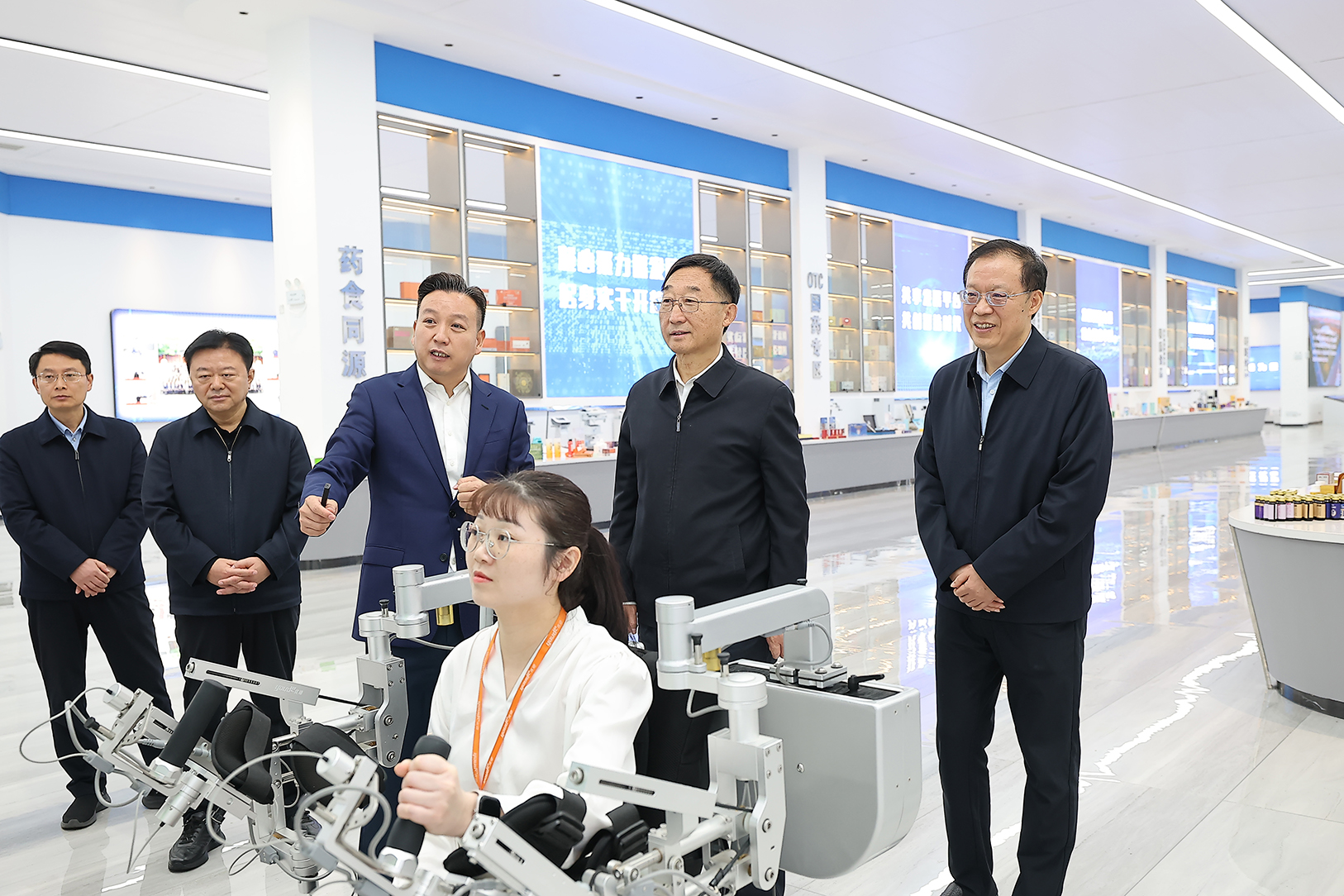
Group 1: Industry Development - The food industry in Linying County is well-developed with distinct characteristics, particularly in the health sector, as exemplified by Wo Health (Henan) Industry Group Co., Ltd., which focuses on rehabilitation medical devices and functional foods [3] - The emphasis on the "Healthy China" initiative aligns with the development of the health industry, providing new opportunities for enterprises [3] - The company Henan Zhongda Hengyuan Biotechnology Co., Ltd. is a pioneer in the application of natural pigments in the food sector, highlighting the importance of innovation and market expansion in the food industry [3] Group 2: Cultural and Tourism Integration - The need to strengthen the protection and utilization of cultural relics while developing rural tourism and leisure agriculture is emphasized, promoting the integration of agriculture, culture, and tourism [3] Group 3: Grassroots Governance and Community Engagement - The grassroots governance in the Ma Lu Street community is noted for its unique characteristics, with a focus on effective governance and community service [5] - The integration of "Party building + grid + big data" governance methods is encouraged to resolve conflicts and improve community services [5] - The development of new e-commerce models, such as "live streaming + culture + food," is promoted to leverage the digital economy and enhance local brand strength [5]
有色与化工行业领跑 多家上市公司前三季度业绩翻倍增长
Shang Hai Zheng Quan Bao· 2025-10-13 18:20
Core Insights - The A-share listed companies have begun disclosing their Q3 reports, with several companies like DaoShi Technology and JinLing Mining showing solid performance [1] - Over 70 companies have released Q3 earnings forecasts, with 65 companies expecting profit increases, indicating a positive growth trend [1] - Key industries such as basic chemicals, electronics, power equipment, and non-ferrous metals are seeing significant earnings forecasts, with 29 companies, including ChuJiang New Materials and Northern Rare Earth, expecting net profit to double [1] Industry Performance - The non-ferrous metals sector has seen substantial growth, with ChuJiang New Materials leading with an expected net profit increase of 2057.62% to 2242.56%, projecting a profit of 350 million to 380 million yuan [2] - YingLian Co. anticipates a net profit of 34.5 million to 37.5 million yuan, reflecting a year-on-year growth of 1531.13% to 1672.97%, driven by its metal packaging segment [2] - Northern Rare Earth expects a net profit of 1.51 billion to 1.57 billion yuan, marking a growth of 272.54% to 287.34%, supported by enhanced management and product optimization [3] Chemical Industry Highlights - The basic chemicals sector is performing well, with LiMin Co. forecasting a net profit of 384 million to 394 million yuan, a year-on-year increase of 649.71% to 669.25%, attributed to rising sales and prices [4] - YongHe Co. projects a net profit of 456 million to 476 million yuan, reflecting a growth of 211.59% to 225.25%, benefiting from supply-side policies and steady downstream demand [5] - Chenguang Biotech expects a net profit of 278 million to 314 million yuan, with a year-on-year increase of 344.05% to 401.55%, driven by improved revenue and profitability in its plant extract products [6] Other Notable Performances - DaoShi Technology reported a net profit of 415 million yuan, up 182.45% year-on-year, while JinLing Mining's net profit reached 220 million yuan, reflecting a 47.09% increase [6]
晨光生物等多公司预计前三季度净利润倍增
Zheng Quan Shi Bao Wang· 2025-10-13 12:28
Group 1 - Multiple listed companies, including Chenguang Biological and Shengnuo Biological, expect net profit to double in the first three quarters of 2025 [1] - Chenguang Biological forecasts a net profit of 278 million to 314 million yuan, representing a year-on-year growth of 344.05% to 401.55% [1] - Chenguang Biological attributes its performance improvement to increased revenue and gross profit from plant extraction products and a recovery in cottonseed business [1] Group 2 - Shengnuo Biological anticipates a net profit of 114 million to 140 million yuan, an increase of 100.53% to 145.1% year-on-year [2] - Shengnuo Biological cites stable development in its main business and growing demand for peptide raw materials as key factors for its performance [2] - Sanmei Co. expects a net profit of 1.524 billion to 1.646 billion yuan, with a year-on-year increase of 171.73% to 193.46% due to reduced production quotas and rising downstream demand [2] Group 3 - Yuegui Co. predicts a net profit of 420 million to 470 million yuan, reflecting a year-on-year growth of 86.87% to 109.11% [2] - Yuegui Co. attributes its performance to cost reduction efforts and rising prices of major mineral products [2] - Xichang Electric forecasts a net profit of approximately 12.4 million yuan, a growth of about 150.51% compared to the previous year [3] Group 4 - Xichang Electric's performance is driven by increased sales volume, effective cost management, and favorable water conditions for power generation [3] - Tian'ao Electronics expects a third-quarter net profit of 6.683 million to 7.623 million yuan, a year-on-year increase of 1281.13% to 1475.39% [3] - Tian'ao Electronics indicates that its overall performance for the first nine months of 2025 is expected to decline due to market competition and project progress [3]



山西证券:国内天然色素企业或受益于需求爆发 建议关注晨光生物
Zhi Tong Cai Jing· 2025-09-03 06:53
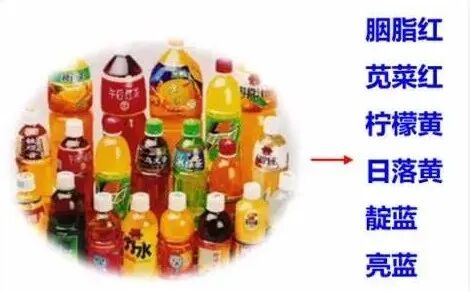
Group 1 - The U.S. HHS and FDA announced a plan to phase out petroleum-based synthetic food colorings, leading to a potential surge in demand for natural colorants [1] - The FDA will establish national standards and a timeline to encourage the industry to transition from synthetic to natural colorants, with a goal to eliminate six major synthetic colorants by the end of 2026 [1] - Sensient Technologies stated that the transition from synthetic to natural colorants represents the largest opportunity in the company's history, with over half of U.S. states initiating legislative activities regarding synthetic colorants [2] Group 2 - Natural colorant usage is expected to increase by 4-12 times compared to synthetic colorants due to lower color concentration in natural options [3] - For example, the demand for sunset yellow in the U.S. is projected to be around 2,500 tons in 2025, which would require at least an additional 10,000 tons of natural colorants if replaced [3] - The market for replacing synthetic colorants with natural alternatives is significant, particularly for colors like temptation red, sunset yellow, and lemon yellow, with various natural substitutes available [3]

新材料天然色素行业点评:FDA计划淘汰合成色素,国内天然色素企业或受益于需求爆发
Shanxi Securities· 2025-09-03 01:23
Investment Rating - The report maintains an "A" rating for the natural colorant industry, indicating it is expected to outperform the market significantly [3][10]. Core Insights - The FDA's plan to phase out petroleum-based synthetic colorants in the U.S. is anticipated to lead to a surge in demand for natural colorants, benefiting domestic companies in this sector [3][5]. - The transition from synthetic to natural colorants is seen as a major opportunity for companies like Sensient Technologies, with over half of U.S. states already taking legislative action against synthetic colorants [5][6]. - The report highlights that the usage of natural colorants will increase by 4-12 times compared to synthetic colorants due to lower color concentration, leading to a significant rise in demand [6]. Summary by Sections Market Overview - The FDA and HHS announced measures to eliminate synthetic colorants by the end of 2026, establishing national standards and encouraging voluntary transitions to natural alternatives [3][5]. Industry Trends - The report notes that the penetration rate of natural colorants is over 80% in Europe, around 30% in the U.S., and approximately 25-30% in Latin America, indicating substantial room for growth in the U.S. and China [5][6]. Investment Recommendations - The report suggests focusing on companies like Chenguang Biotech, which leads in the plant extraction industry and has a strong portfolio of natural colorants [6].
雀巢、好时、百事、通用磨坊将逐步取消人工色素,中国食企如何接招?
3 6 Ke· 2025-09-02 09:47
Core Viewpoint - The food and beverage industry is undergoing a significant transformation as major companies announce plans to eliminate artificial colors from their products by 2025, driven by regulatory changes and shifting consumer preferences towards healthier options [6][7][9]. Group 1: Artificial Colors and Their Role - Artificial colors are essential in the food and beverage industry, enhancing the visual appeal of products and masking imperfections [3][5]. - They help consumers identify flavors through color differentiation, such as orange juice being yellow and kiwi juice being green [3]. Group 2: Industry Changes and Regulatory Impact - Major food companies like Nestlé, Kraft Heinz, and PepsiCo plan to phase out artificial colors in response to a new FDA initiative requiring the elimination of certain synthetic colors by the end of 2026 [7][8]. - This shift marks a transition from voluntary clean label movements to mandatory regulatory actions in the U.S. food additive landscape [7]. Group 3: Market Demand and Alternatives - The growing consumer demand for healthier food options is accelerating the removal of artificial colors, as more people scrutinize ingredient lists [9]. - Natural colors are emerging as the primary alternative, although they present challenges in terms of cost and availability, being 3-5 times more expensive than synthetic options [13]. Group 4: Implications for Chinese Brands - Chinese food companies are likely to follow suit in eliminating artificial colors, especially as international brands introduce natural color products in the Chinese market [15][17]. - Some Chinese brands have already begun this transition, emphasizing clean labels and natural ingredients to meet consumer expectations [17].

莱茵生物:公司主营产品以功能性成分为主
Zheng Quan Ri Bao· 2025-08-21 12:52
Group 1 - The company, Rhein Biotech, stated on August 21 that its main products focus on functional ingredients and it currently has no plans for large-scale production of natural pigments [2]

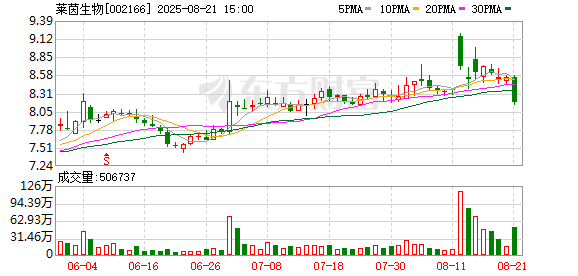
莱茵生物(002166.SZ):暂无规模化生产天然色素的计划
Ge Long Hui· 2025-08-21 07:19
Group 1 - The core viewpoint of the article indicates that the company, 莱茵生物 (Rhein Biotech), primarily focuses on functional ingredients and currently has no plans for large-scale production of natural pigments [1] Group 2 - The company engages in investor interactions to clarify its business direction and product focus [1] - The absence of plans for natural pigment production suggests a strategic emphasis on its existing product lines rather than diversifying into new areas at this time [1]