
宣威火腿

Search documents
中国口味最重的省,说云南第一,没人敢称第二!
3 6 Ke· 2026-02-25 03:10
Core Insights - The article explores the unique and diverse culinary practices in Yunnan, highlighting the consumption of insects and unconventional food preparations as a reflection of local culture and tradition [1][28]. Group 1: Insect Consumption - Yunnan is known for its love of eating insects, with fried bee larvae being a popular dish that is both visually appealing and flavorful [4][5]. - Other insect dishes include "stirred water dragonfly," made from dragonfly larvae, and various preparations of grasshoppers, which are commonly served in a banquet format [10][12]. - The tradition of eating grasshoppers is linked to local festivals, such as the "catching grasshoppers festival," which has evolved into a cultural event attracting tourists [13]. Group 2: Unique Food Preparations - Yunnan cuisine features a method called "pounding," where food, including insects, is crushed and mixed with other ingredients, showcasing a distinctive culinary technique [6][7]. - The article describes the preparation of dishes like "ant eggs salad," which combines fresh ant eggs with various herbs and spices, offering a unique taste experience [15][16]. - Another notable dish is "wild mushroom hotpot," which includes potentially toxic mushrooms that must be cooked thoroughly to ensure safety, reflecting the adventurous nature of Yunnan's culinary scene [29][30]. Group 3: Pork Dishes - Yunnan's pork dishes are diverse, with famous examples like Xuanwei ham, which is known for its long preservation and rich flavor [19][20]. - The article also discusses the unique practice of curing an entire pig, a method used by the Mosuo people to maximize the use of the animal in a resource-scarce environment [21][25]. - Additionally, Yunnan features raw pork dishes, such as "cool raw skin," which are prepared without cooking, emphasizing the region's bold culinary choices [27]. Group 4: Fermented Foods - The article highlights "hairy tofu," a fermented dish that requires careful preparation to avoid health risks, showcasing the region's unique approach to fermentation [30][31]. - The diverse and sometimes risky nature of Yunnan's food culture is emphasized, with dishes that challenge conventional tastes and preparation methods [32][33].

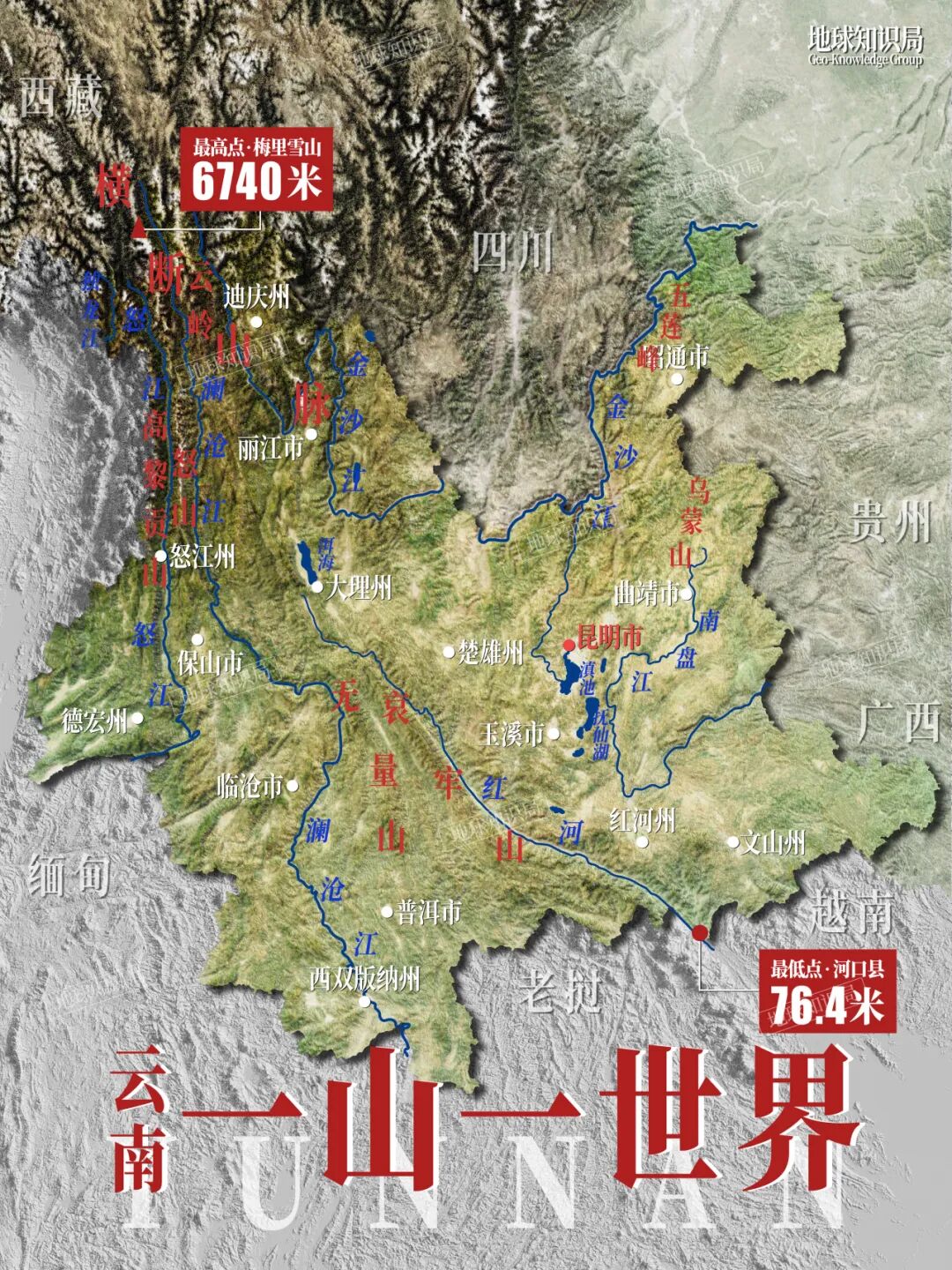
讲好“一带一路”故事 共绘美好生活画卷
Ren Min Ri Bao· 2026-02-05 00:46
Group 1: Economic Development and Opportunities - The transformation of Niulian Village in Kunming, Yunnan, showcases the integration of agriculture, culture, and tourism, leading to local employment and entrepreneurship opportunities [1][2] - The Dou Nan Flower Trading Center in Yunnan is the largest in Asia, with a trading volume exceeding 15.4 billion stems and a transaction value of over 13.4 billion yuan in 2025, maintaining its position as the national leader for over 20 years [2] - Yunnan has applied for 1,280 new flower varieties, with over 800 receiving national authorization, both ranking first in the country, indicating a strong focus on high-quality flower industry development [2] Group 2: Cultural Heritage and Tourism - The ecological corridor around Erhai Lake has improved local tourism, with increased visitor engagement and a focus on environmental protection, leading to a better quality of life for residents [4][5] - The Dali region has implemented comprehensive lake management strategies, resulting in a 100% water quality rate for 27 major inflow rivers and significant ecological restoration efforts [6] - The cultural richness of Dehong Prefecture is highlighted through its diverse ethnic heritage, with over 1,000 historical and cultural artifacts displayed in the local museum, promoting cultural tourism [7][8] Group 3: Rural Revitalization and Economic Growth - Yulhu Village in Lijiang has seen a significant increase in collective economic income, projected to reach 3.8 million yuan by 2025, with per capita income rising from 13,000 yuan in 2019 to 35,000 yuan by 2025 [10][11] - The village has embraced tourism through the establishment of a cooperative, offering horseback riding and homestay experiences, which has led to a projected 120 million visitors and 75 million yuan in tourism revenue by 2025 [10] - The integration of traditional culture and modern tourism in Yulhu Village reflects a successful model of rural revitalization, balancing development and preservation [11]
讲好“一带一路”故事 共绘美好生活画卷 ——2025“一带一路”媒体合作论坛联合采访成果扫描
Ren Min Ri Bao· 2026-02-04 22:01
Group 1: Economic Development and Opportunities - The transformation of Niulian Village into a model for rural revitalization through agricultural, cultural, and tourism integration is highlighted, showcasing local entrepreneurship and community engagement [1] - Yunnan's flower industry is a significant contributor to the economy, with the Dou Nan flower trading center projected to exceed 15.4 billion stems and 13.4 billion yuan in transaction value by 2025, maintaining its position as the largest in the country for over 20 years [2] - The development of the Yunnan ham industry, particularly in Xuanwei, is notable, with a projected production of 71,000 tons and a value of 12 billion yuan by 2025, driven by brand building and consumer preference [2] Group 2: Environmental Protection and Tourism - The ecological restoration efforts around Erhai Lake have led to improved water quality and biodiversity, with 100% of major inflow rivers meeting quality standards and significant land restoration initiatives [4] - The establishment of the Erhai Index reflects the ongoing commitment to environmental governance, achieving a score of 92.8 in the first half of 2025, indicating effective management of water resources [5] - The development of tourism in Dali, particularly around Erhai Lake, has been enhanced by the construction of ecological corridors, attracting visitors and boosting local businesses [3][4] Group 3: Cultural Heritage and Community Engagement - The rich cultural heritage of the Dehong region is showcased through its diverse ethnic exhibits, emphasizing the importance of cultural preservation and community identity [6] - The promotion of traditional practices, such as the production of sour tea by the De'ang ethnic group, is linked to economic development and cultural exchange, with plans for expanding tea cultivation supported by local financial institutions [7] - The preservation of the Tunpu culture in Guizhou, with its unique architectural style and historical significance, is being leveraged for cultural tourism, enhancing community engagement and economic opportunities [10][12]
再造消费新场域:如何让“家附近”的烟火气滋养日常生活?
Xin Lang Cai Jing· 2026-02-01 08:00
Group 1 - The article highlights the transformation of local consumption scenes, particularly in markets, from basic grocery shopping to vibrant spaces filled with diverse flavors and experiences [1][4] - A specific example is provided with the Daguanzhuan New Agricultural Market in Kunming, Yunnan, which features over 600 vendors and caters to both local residents and tourists, fulfilling daily needs and offering unique local products [3][4] - The market experiences an average daily foot traffic of 50,000, with peaks reaching 100,000 during holidays, indicating a strong demand for upgraded consumer experiences [4] Group 2 - The article discusses the supportive policy framework from the Chinese government aimed at boosting consumption, particularly in the service sector, emphasizing the need for innovative consumption scenarios and industry integration [4] - The transformation of traditional markets into attractive consumer spaces is seen as a way to enhance urban vitality and improve the quality of life for residents, blending daily necessities with cultural and tourism elements [4]
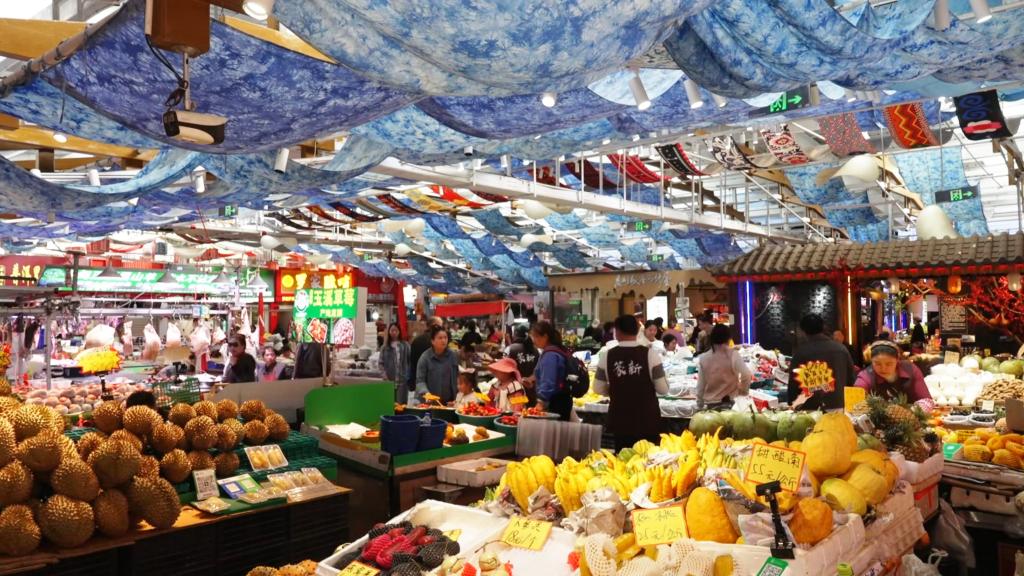
经济政策一线微观察丨再造消费新场域:如何让“家附近”的烟火气滋养日常生活?
Xin Hua Wang· 2026-02-01 03:26
Group 1 - The article highlights the transformation of local consumption scenes, evolving from basic grocery shopping to vibrant spaces filled with diverse flavors and activities [1][3]. - A specific example is provided with the Daguanzhuan New Agricultural Market in Kunming, Yunnan, which features over 600 vendors and attracts an average of 50,000 visitors daily, peaking at 100,000 during holidays, with nearly half being tourists [3][4]. - The market's success is attributed to its strategic upgrades that balance daily needs and consumer experience, showcasing a shift from traditional markets to engaging consumer spaces [3][4]. Group 2 - The revitalization of local consumption spaces aligns with clear policy directions from the central government, emphasizing the promotion of service consumption and innovative consumer scenarios [3][4]. - The government's initiatives include enhancing service supply capabilities and fostering cross-industry integration in commerce, culture, tourism, sports, health, and transportation [3].
昆明大观篆新农贸市场:文旅融合焕新老市集
Xin Hua She· 2026-01-27 11:48
Core Insights - The Daguanzhuan New Agricultural Market in Kunming has become a vibrant hub for both locals and tourists, showcasing local produce and culinary delights [1][2] - The market has successfully transformed from a traditional agricultural market into a comprehensive consumer space that integrates culture, leisure, and shopping [2][3] Group 1: Market Overview - The market covers an area of approximately 20 acres and attracts an average daily foot traffic of 50,000, with peak holiday traffic reaching 100,000, nearly half of which consists of out-of-town visitors [2] - The market features over 600 vendors, offering a diverse range of products including fresh produce, local specialties, and cultural experiences [2] Group 2: Transformation and Upgrades - The market has undergone multiple renovations to meet the evolving consumer demands, blending traditional market elements with modern tourism features [2] - By August 2025, the second phase of the market's project will be completed, enhancing infrastructure and optimizing space layout based on a "category zoning + scene interaction" principle [2] Group 3: Cultural and Educational Initiatives - The market has partnered with Yunnan Agricultural University to establish a research and study service station, turning the market into a practical classroom [3] - A Citywalk route has been introduced in collaboration with local authorities, linking the market with urban cultural landmarks to enrich the visitor experience [3]
年货模式提前开启!政策红利点燃开年消费热潮
Xin Lang Cai Jing· 2026-01-11 10:59
Group 1 - The consumer market in Shanghai is experiencing a surge in activity as the Lunar New Year approaches, with many residents already in "New Year goods mode" [1][3] - The first weekend after the home appliance trade-in subsidy program's first round of lottery has seen a significant increase in consumer spending, driven by policy benefits and festive atmosphere [1][2] - The New Year goods festival features over a thousand quality products, including traditional items and local delicacies, attracting large crowds and enhancing the festive spirit [1][2] Group 2 - The home appliance sector is particularly busy, with consumers taking advantage of the trade-in subsidies to purchase new appliances, leading to substantial savings [2] - Sales in stores have seen a remarkable increase, with a reported over 50% rise in sales and approximately 100% increase in foot traffic within three days of the coupon distribution [2] - The company plans to invest around 400 million yuan in consumer promotion funds in Shanghai, which is expected to generate approximately 2 billion yuan in sales [2]

解码曲靖:高原特色农业的“突围之路”
Xin Hua Cai Jing· 2025-05-06 08:32
Group 1: Agricultural Development in Qujing - Qujing, located in the eastern part of Yunnan, has a strong agricultural output, consistently ranking first in the province with an annual agricultural output value [1] - The Luliang Basin, known as the "granary of eastern Yunnan," is a major agricultural area with over 90,000 acres of vegetable cultivation planned for 2024, producing 2.45 million tons of various vegetables [2] - The unique artichoke, a trending vegetable, is part of Luliang's agricultural exploration, with local prices ranging from 15 to 20 yuan per kilogram, while retail prices in Shanghai can reach 60 yuan per kilogram [2][3] Group 2: Brand Development and High-Value Products - The Xuanwei ham, a premium product from Qujing, has become a billion-dollar industry, with a brand value of 10.284 billion yuan as of 2024 [4][5] - The Xuanwei ham industry has implemented a comprehensive industrial park to enhance production standards and product quality, resulting in over 100 new ham-related products by the end of 2024 [5] - The local government supports partnerships between companies and farmers to share the benefits of the ham industry, with an annual output value exceeding 11 billion yuan [5] Group 3: Digital Transformation and E-commerce - In 2024, rural online retail sales reached 2.65 trillion yuan, with agricultural live-streaming sales exceeding 800 billion yuan, indicating a significant shift towards digital sales channels [6] - Local influencer "Qujing Old Village Chief" has conducted over 100 live-streaming events, promoting more than 300 agricultural products and achieving sales of over 1 billion yuan annually [6][7] - Qujing's integration of traditional markets with live-streaming platforms is part of a broader strategy to enhance agricultural transformation and rural revitalization [7]