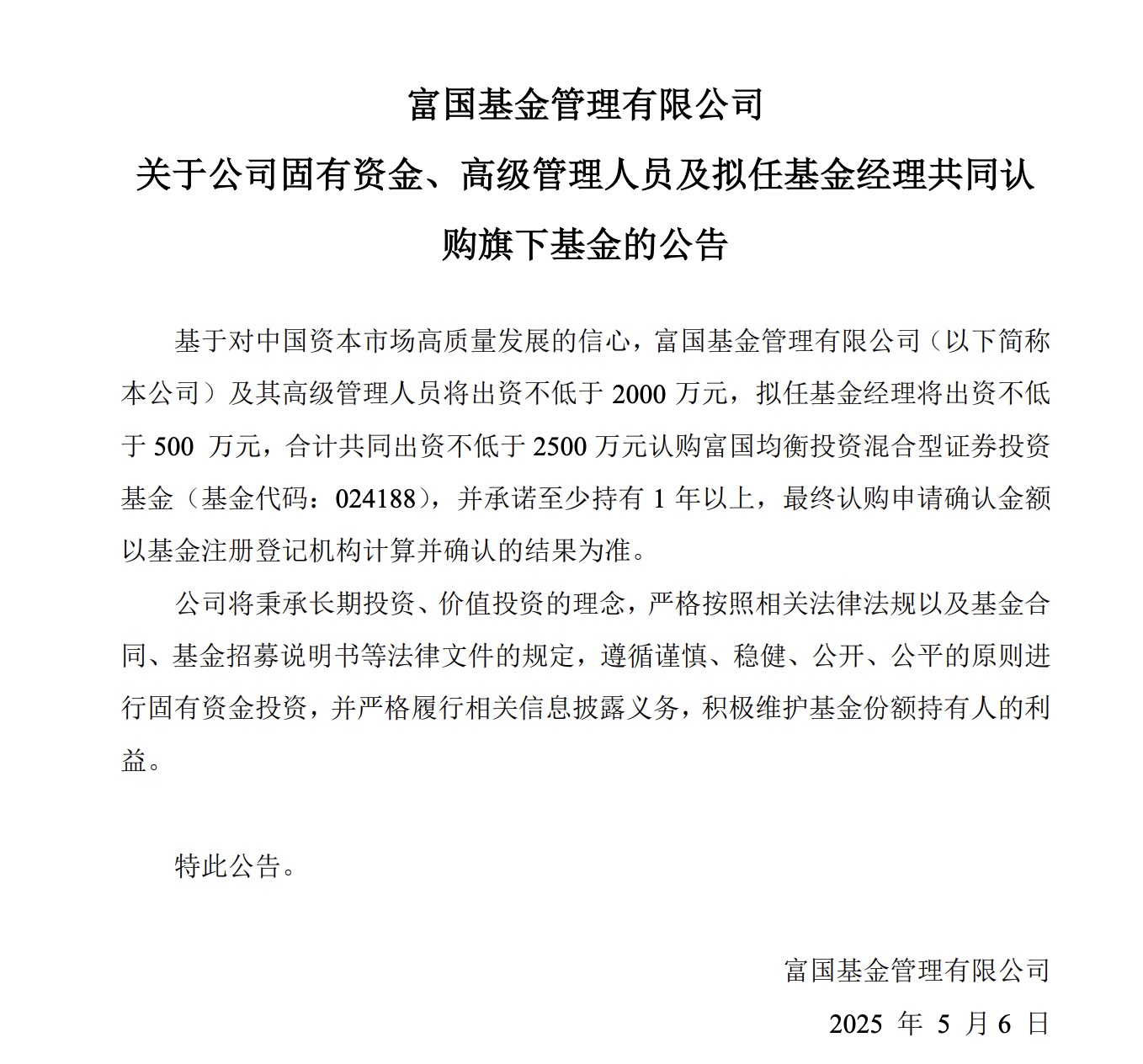
富国均衡投资

Search documents
富国基金女将手握170亿,基民却有点急了
Sou Hu Cai Jing· 2025-11-22 15:15
Core Insights - The article highlights the significant growth in assets under management (AUM) for certain fund managers, particularly noting the rise of manager Fan Yan from 3.4 billion to 17.1 billion within a year, attributed to institutional investments and the launch of new funds [2][3][5]. Fund Performance and Management - Fan Yan's management of the "Fuguo Stable Growth Fund" saw AUM increase from 520 million to 3.4 billion shortly after she took over, with the fund's performance historically poor before her arrival [2][3]. - The fund's institutional ownership surged from 0% to 80.64% over a year, indicating strong institutional interest [3]. - Despite the AUM growth, Fan Yan's fund performance has been underwhelming compared to peers, with a one-year return of 20.73%, significantly trailing the average return of 26.46% for similar funds [5][6]. Comparison with Peers - Other fund managers, such as Lan Xiaokang from China Europe Fund, have outperformed Fan Yan, achieving returns of 38.93% over the same period [6][7]. - Newer fund managers like Ren Jie from Yongying Fund have seen explosive growth, with returns of 196.95% and AUM increasing from 25.2 million to 11.5 billion [6][7]. Investment Strategy - Fan Yan's investment strategy is characterized by a balanced and diversified approach, with the top ten holdings only accounting for 14.20% of the fund's net value, which contrasts with peers who have higher concentrations in their top holdings [9][10]. - The diversified nature of her portfolio, while aimed at risk mitigation, has resulted in less aggressive performance compared to more concentrated strategies employed by other successful fund managers [10]. Company Performance - Fuguo Fund, despite its historical success, has faced declining profits, with net profit dropping from 25.64 billion in 2021 to 1.75 billion by the end of 2024 [14]. - The company has been actively recruiting well-known fund managers to improve performance, but the results have yet to reflect a significant turnaround [12][14].


保护持有人利益 多只绩优基金限购
Zhong Guo Zheng Quan Bao· 2025-11-05 20:10
Core Viewpoint - Recent announcements of fund subscription limits are aimed at controlling product scale to protect the interests of existing investors and improve annual performance rankings [1][5]. Fund Subscription Limits - Numerous funds have recently announced subscription limits, with some suspending subscriptions entirely to maintain stability and protect investor interests [2][4]. - For instance, Hengyue Fund suspended subscriptions for its Hengyue Balanced Preferred Mixed Fund starting November 5, citing the need to protect fund shareholders [2]. - Citic Prudential Fund adjusted its large subscription limits to 10 million yuan to ensure stable fund operations [2]. - Other funds, such as Yongying Fund and Fuguo Fund, have also set daily subscription limits of 500,000 yuan and 1 million yuan respectively [2]. Performance and Market Trends - Several funds that have implemented subscription limits have shown impressive performance this year, with returns such as 51.24% for Hengyue Balanced Preferred Mixed Fund A and 106.39% for Yongying Ruiheng A [4]. - The A-share market's continuous rise has attracted more funds, leading to rapid scale expansion, prompting fund companies to limit subscriptions to maintain smooth operations [4][5]. Industry Insights - Industry insiders suggest that limiting subscriptions is a common practice to maintain fund performance and protect existing investors, especially as year-end approaches [5]. - The trend of subscription limits is not solely driven by year-end performance rankings but is also a response to the long-term assessment rules in the fund industry [5]. Future Investment Outlook - According to招商基金, the A-share market is expected to continue its upward trend, with recommendations for balanced allocation and increased investment in low-position sectors [7]. - Minsheng Jianyin Fund anticipates a sustained upward trend in the market, with a focus on value styles and sector differentiation in the fourth quarter [7][8]. - Jin Ying Fund advises a balanced approach to industry allocation, focusing on technology and value sectors with strong performance expectations [8].
保护持有人利益多只绩优基金限购
Zhong Guo Zheng Quan Bao· 2025-11-05 20:08
Core Viewpoint - Recent announcements of fund subscription limits are aimed at controlling product scale to avoid dilution of returns and to achieve better annual rankings [1][3][4] Fund Subscription Limits - Many funds have announced subscription limits or suspensions, including Hengyue Fund and CITIC Prudential Fund, to protect the interests of existing shareholders [1][2] - Hengyue Fund suspended subscription and related activities starting November 5, while CITIC Prudential Fund set a limit of 10 million yuan for large subscriptions [1][2] - Other funds like Yongying Fund and Fuguo Fund have also implemented similar measures, with some funds like E Fund lifting restrictions [2][3] Performance and Strategy - Several funds that have announced subscription limits have shown strong performance, with returns such as 51.24% for Hengyue Fund and 106.39% for Yongying Fund this year [2][3] - Fund managers indicate that limiting subscriptions helps maintain stable operations and protects existing investors from the adverse effects of rapid scale expansion [3][4] Market Outlook - The A-share market is expected to continue its upward trend, supported by structural improvements in the domestic economy and declining risk-free rates [4][5] - Investment strategies suggest a balanced allocation with a focus on low-position sectors and core technology themes, while value styles may dominate due to upcoming earnings forecasts [4][5]
睿远基金陈光明专户产品“封盘”,多只明星基金同步限购
2 1 Shi Ji Jing Ji Bao Dao· 2025-11-03 13:59
Core Viewpoint - The recent decision by Ruiyuan Fund to "freeze" its specialized products has raised significant market attention, reflecting a broader trend among various funds to limit new subscriptions amid rapid growth in assets under management [1][12]. Group 1: Ruiyuan Fund's Actions - Ruiyuan Fund, led by Chen Guangming, will suspend subscriptions for its Ruiyuan Insight Value series starting in November, with no specified date for reopening [1]. - The fund has been controlling its scale for the past two years, only allowing existing clients to increase their shares while not accepting new clients [1][12]. - Other funds, such as Ningquan Asset and several public funds, have also announced subscription limits, indicating a collective response to market conditions [12][13]. Group 2: Chen Guangming's Background - Chen Guangming has over 25 years of experience in the Chinese capital market and is recognized as a key figure in the localization of value investing in China [2]. - He previously led the asset management division at Dongfang Securities, achieving significant returns and establishing a strong reputation for the "Dongfang Hong" brand [2][4]. - In 2018, he co-founded Ruiyuan Fund, which quickly gained traction with its specialized products, attracting substantial investments despite high entry barriers [3][11]. Group 3: Investment Strategy and Performance - Ruiyuan Fund emphasizes a value investment strategy, focusing on valuation, quality companies, and responding to market cycles rather than predicting them [5][6]. - The Ruiyuan Insight Value series has shown a concentrated investment approach, with significant allocations in sectors like power equipment, media, and electronics [6]. - The fund's performance has been strong, with its flagship Ruiyuan Growth Value fund achieving nearly 60% returns year-to-date, driven by the excellent performance of its top holdings [9][10]. Group 4: Market Context and Implications - The trend of limiting subscriptions is seen as a protective measure for existing investors, ensuring that rapid inflows do not dilute returns or force fund managers to invest outside their expertise [12][13]. - Chen Guangming has expressed optimism about China's long-term economic competitiveness, suggesting that the capital market will eventually reflect this strength [7][8].

年内募集规模超10亿权益基金达127只!指数基金成主力军
券商中国· 2025-10-15 15:09
Core Viewpoint - The article highlights a significant surge in the issuance of equity funds, particularly active equity funds, in October, with notable fundraising achievements from several funds [1][2][3]. Fundraising Overview - Two major active equity funds, the E Fund Hong Kong Stock Connect Technology Mixed Fund and the Penghua Manufacturing Upgrade Mixed Fund, each raised nearly 2 billion yuan, marking them as the largest and second-largest active equity funds issued in October [2][3]. - As of October 15, 127 equity funds have raised over 1 billion yuan this year, with more than 70% being index funds, predominantly non-ETF products [2][4]. Active Equity Funds - Many large-scale active equity funds were established in the third quarter, with the largest being the CMB Balanced Optimal Fund, which raised 4.955 billion yuan and had 38,355 effective subscriptions [4]. - Other notable funds established in the third quarter include the Dacheng Insight Advantage Fund, E Fund Value Return Fund, and others, each raising over 2 billion yuan [4]. New Fee Structure Funds - Nearly 40 new floating fee structure funds have been established this year, raising over 42 billion yuan in total, with 16 of these funds exceeding 1 billion yuan in fundraising [5]. Index Funds Performance - Among the 127 equity funds that raised over 1 billion yuan, 90 are index funds, accounting for over 70% of the total, with 51 being non-ETF index funds [6]. - The top four funds by fundraising are all ETF-linked funds, with significant contributions from the Huaxia and E Fund series [6]. Emerging Fund Managers - The article notes that several large-scale index funds have been launched by both major firms and smaller public funds, indicating a diverse market landscape [7].

牛市点燃中,基金公司新发产品明显提速
3 6 Ke· 2025-07-30 03:09
Group 1 - The core viewpoint of the articles highlights a significant recovery in the A-share market, with the Shanghai Composite Index surpassing 3600 points, leading to increased investor confidence and a surge in new fund issuances [1][2] - The number of new funds launched in July reached a record high for the year, with 149 new funds issued, reflecting a strong market sentiment and proactive adjustments by fund companies to meet investor demand [3][4] - The total share of public funds has been on the rise, reaching 30.94 trillion units by the end of July, indicating a continuous inflow of capital into the fund market since May [4][5] Group 2 - The recent week saw a notable acceleration in new fund launches, with 31 new funds initiated, marking a 34.78% increase from the previous week, and the average subscription period shortened to 14.97 days [2][3] - Equity funds dominated the new issuances, with stock and mixed equity funds accounting for 83.87% of the total, while bond funds saw a significant decline in issuance [2][3] - The market is witnessing a shift towards low-cost investment tools, particularly passive index funds, as fund companies adapt to the structural market changes [2][6] Group 3 - The year-to-date issuance of new funds has shown a high concentration in both type and structure, with the largest fund, "Oriental Red Yingfeng Stable Configuration," raising 6.573 billion yuan [6][7] - Active equity funds have seen a resurgence, with several products exceeding expectations in fundraising, reflecting renewed investor confidence in long-term growth themes [6][7] - Index funds remain a crucial pillar for annual issuance, with 471 new index funds launched by the end of July, representing over 60% of total new funds [8]
6月新发基金规模超900亿元!这类产品成“香饽饽”
券商中国· 2025-06-26 01:46
Core Viewpoint - The A-share market has experienced a structural "market" in public fund issuance since June, with a significant increase in new fund sizes, particularly in bond funds, while passive index products have seen a decline in popularity [1][2]. Fund Issuance Overview - The total new fund issuance in June exceeded 90 billion yuan, with bond funds raising 43.285 billion yuan, accounting for 47.63% of the total, and an average size of 19.68 billion yuan per fund [3]. - Notably, two policy financial bond index funds raised 60.01 billion yuan and 60 billion yuan respectively, indicating strong institutional demand for high-quality pure bond products [3]. Fund Types and Performance - Mixed-asset FOF funds raised 91.11 billion yuan, representing 10.03% of the total, with the largest fund, Oriental Red Yingfeng, raising 65.73 billion yuan in just 7 days, highlighting the growing recognition of asset allocation products [4]. - The issuance of mixed funds reached 215.71 billion yuan, the highest proportion since January 2023, reflecting institutional enthusiasm for equity market positioning [4]. Passive Index Products - The issuance of passive index products has cooled, with many tracking broad indices like the CSI A500 and CSI 300, showing limited differentiation and lower fundraising amounts, such as 2.52 billion yuan and 2.34 billion yuan for specific ETFs [5]. Innovative Fund Trends - The popularity of new floating-rate funds has surged, with 13 out of 26 approved funds raising over 12.6 billion yuan, indicating a significant advancement in fund fee reform [6]. - Innovative funds, such as the first central enterprise commercial real estate REIT, raised 5 billion yuan and ended fundraising early, reflecting market interest in quality asset securitization products [6]. Market Dynamics - The new fund market continues to reflect a "strong bond, weak equity" trend, driven by decreased investor risk appetite and a shift towards low-volatility bond products [7]. - Despite overall market issuance differentiation, innovative products like Sci-Tech theme ETFs and REITs have attracted attention, indicating a demand for structural investment opportunities [7]. Future Outlook - As market conditions improve, the issuance of floating-rate funds is expected to continue, with a gradual recovery in equity fund issuance while bond funds will remain crucial in asset allocation [8].

新产品净值频频变动基金经理坚信“入场时点”来临
Zhong Guo Zheng Quan Bao· 2025-06-17 21:14
Group 1 - Multiple newly established active equity funds have begun building positions, indicating that fund managers are actively entering the market shortly after fund establishment [1][2] - The first fundraising scale of the newly established fund "Shenwan Lingshin Industry Selection" was 1.219 billion yuan, making it one of the few active equity products this year to exceed 1 billion yuan in fundraising [2] - The net value of "Shenwan Lingshin Industry Selection A" fluctuated from 0.9802 yuan on June 6 to 0.9885 yuan on June 13, reflecting active market engagement by the fund manager [2] Group 2 - Several funds have announced early closure of fundraising, such as "Zhaoshang Value Select Mixed Fund," which closed fundraising on June 25 instead of the originally planned July 4 [3][4] - The trend of early fundraising closures is becoming more common, with some funds having fundraising periods as short as two days, indicating a strategic move by fund managers to capitalize on current market opportunities [4] - Fund managers are optimistic about the A-share market's upward trend, citing external disturbances easing and a potential rebound in previously affected sectors like technology and overseas industries [5] Group 3 - The long-term outlook for the Chinese economy remains positive, with ongoing industrial development and improvements in corporate performance, particularly in sectors like artificial intelligence, high-end manufacturing, and biomedicine [5][6] - The overall sentiment towards the mid-term market trajectory is optimistic, with signs of recovery in free cash flow among all A-share listed companies [5] - Key areas of focus for investment include stable assets represented by banks, offensive upstream assets like gold and oil, and event-driven assets such as new consumer products [6]
跳槽后接管基金规模暴涨近14倍,公募“明星经理效应”依旧拔群
Sou Hu Cai Jing· 2025-05-16 13:31
Core Viewpoint - The launch of the new fund "Fuguo Balanced Investment" by Fuguo Fund, managed by renowned fund manager Fan Yan, has attracted significant market attention as it marks her first new fund since joining the company [1][9]. Group 1: Fund Performance and Market Context - In Q1 2025, several actively managed equity funds performed well, significantly outperforming the market, which has drawn many investors [1]. - The "Fuguo Stable Growth" fund, under Fan Yan's management, has seen its total scale increase from 5.09 billion to 74.61 billion, a nearly 14-fold growth [6][9]. - The fund's top ten holdings accounted for only 17.31% of the total stock market value, indicating a diversified investment strategy [6]. Group 2: Manager Background and Impact - Fan Yan previously worked at Yuanxin Yongfeng Fund, where she managed a significant portion of the company's funds and achieved an annualized return exceeding 10% [3][4]. - After joining Fuguo Fund in May 2024, she took over the "Fuguo Stable Growth" fund in October 2024, which has since shown positive returns [5][6]. - The fund has attracted a large proportion of institutional investors, with their share rising from nearly zero to over 70% [6]. Group 3: Industry Trends and Challenges - The "star manager effect" remains strong in the public fund industry, where investors prefer managers with long-term stable performance [7]. - Recent changes in management, such as the departure of prominent fund managers, have led to significant fund scale reductions, highlighting the volatility associated with manager transitions [8]. - Fuguo Fund's financial performance has shown a decline, with revenue and net profit dropping by 4.62% and 3.62% respectively in 2024, making it the only top ten fund manager to experience a dual decline [9].
富国近年引进的那些基金经理都怎么样了?权益老将们命运各有不同
Xin Lang Cai Jing· 2025-05-11 12:12
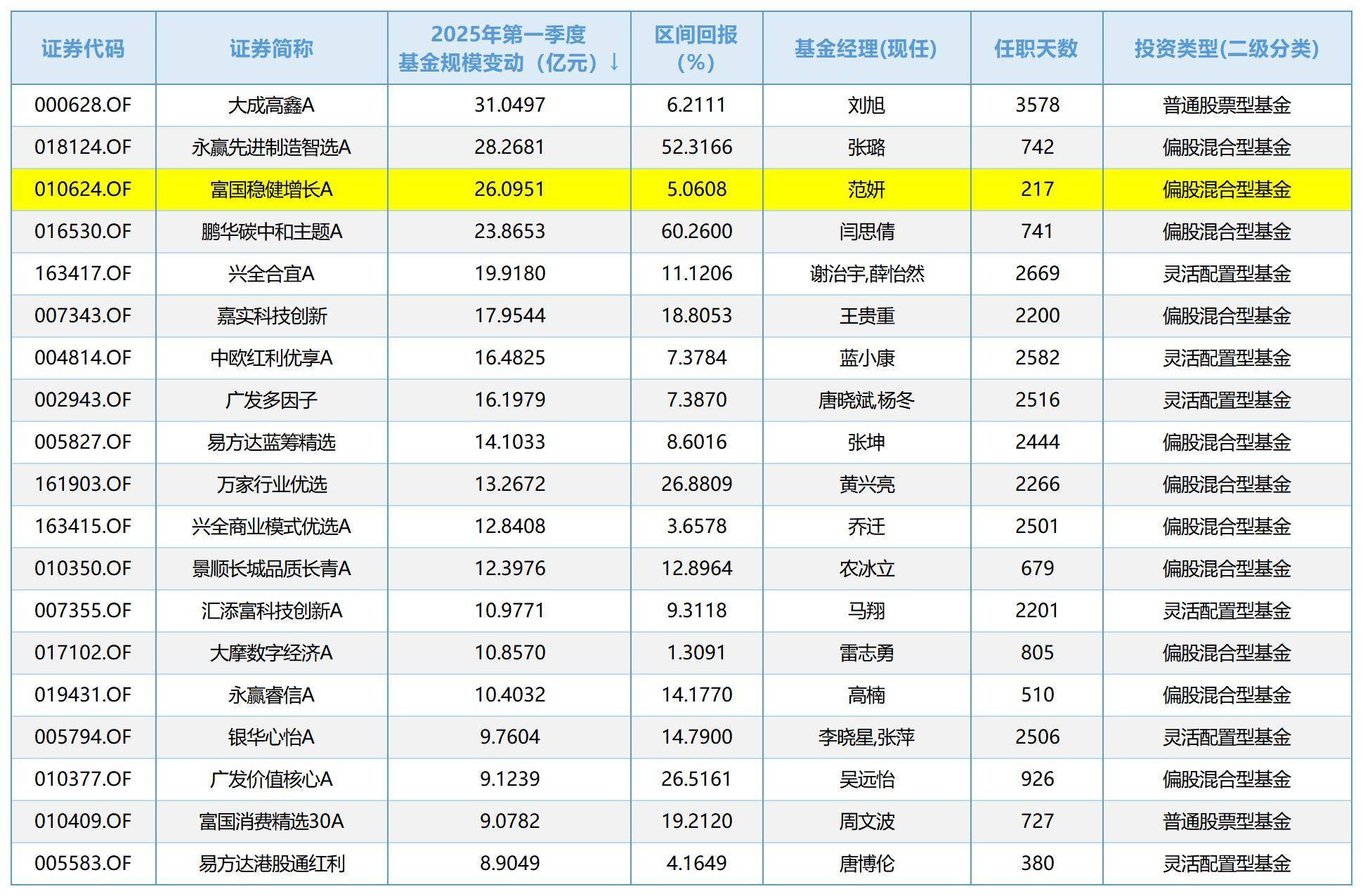
Group 1 - The core point of the article highlights the significant growth in the scale of the fund managed by Fan Yan at the China Universal Fund, driven by both personal investment and institutional support [5][6][18] - Fan Yan's management saw the fund's scale increase from 520 million to 7.461 billion, representing a growth of over 10 times within less than six months [6][18] - Institutional investors' interest in the fund surged, with the proportion of institutional holdings rising from 49.44% to 72.28% after Fan Yan took over [6][19] Group 2 - The article discusses the challenges faced by other fund managers who transitioned to China Universal Fund, indicating a common issue of talent retention and system adaptation within the public fund industry [4][22] - Zhang Hong, another fund manager, experienced a "bumpy period" with his fund's scale fluctuating significantly after his appointment, highlighting the difficulties in maintaining performance post-transition [8][10] - The article notes that the overall asset management scale of China Universal Fund reached 1.06 trillion, ranking sixth in the market, with a slight decrease compared to the previous quarter [18][19] Group 3 - The article emphasizes the importance of fund managers in driving the performance and growth of equity products, suggesting that their investment style and risk control capabilities are crucial [22] - The fund's equity assets increased from 45.3% to 47.3%, while fixed-income assets decreased from 46.2% to 44.6%, reflecting a strategic shift in asset allocation [20][22] - The performance of the funds managed by new managers varied, with some experiencing negative returns, indicating the challenges of adapting to a new investment environment [12][14][17]