崂山可乐

Search documents
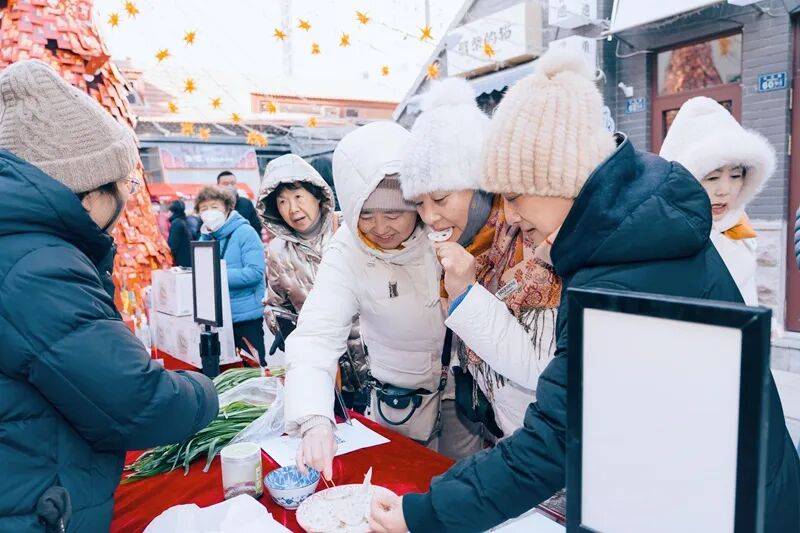
年味满市南 商会显担当丨市南区多家商协会助力新春大集
Sou Hu Cai Jing· 2026-02-12 10:33
Group 1 - The core idea of the articles is the initiative taken by the Shinan District to boost consumer activity during the upcoming Spring Festival through a series of special market events [1][3] - The 2026 Shandong Province Women's New Year Goods Fair and the "Women's Good Products" New Year Festival in Shinan District features numerous member enterprises showcasing quality goods and unique products to enhance the festive atmosphere [3] - The Shinan District Youth Entrepreneurs Association played a significant role in organizing the event, inviting various brands to participate, thereby promoting consumer spending during the New Year [3] Group 2 - The Shinan District Federation of Industry and Commerce plans to continue acting as a bridge to gather resources and encourage business associations to engage more actively in economic exchanges and public service activities [5] - The focus is on contributing to high-quality regional economic development and improving the well-being of the community [5]

2026“购在中国·乐购青岛” 迎新消费季启动
Da Zhong Ri Bao· 2026-01-14 06:31
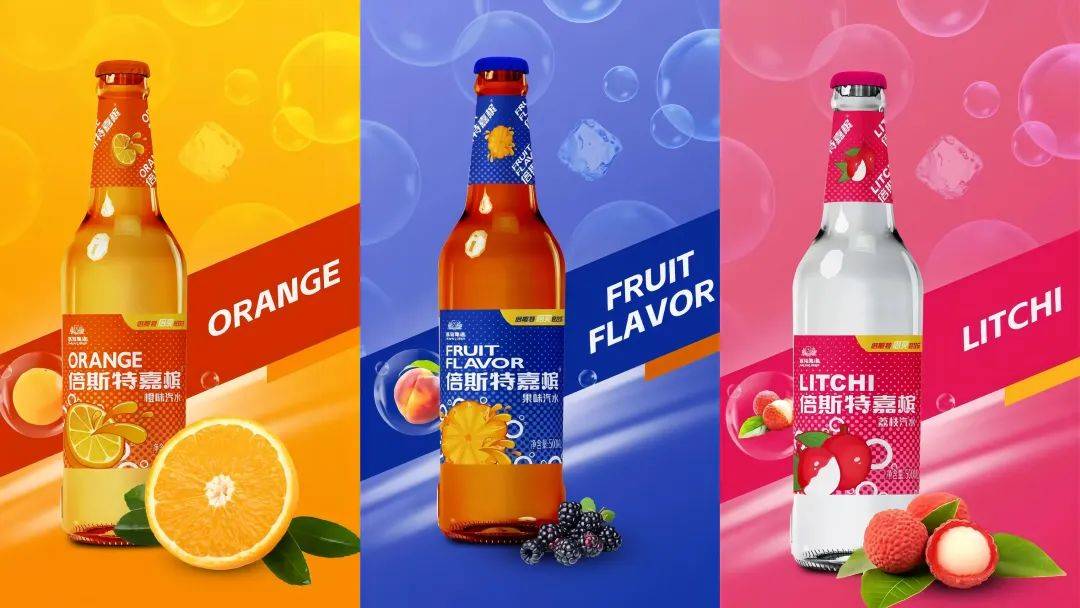
Group 1 - The "New Consumption Season" event in Qingdao aims to stimulate market vitality and promote consumption, with over 1.1 billion yuan in consumer vouchers distributed throughout the first quarter [1] - Qingdao has been selected as a pilot city for "new consumption formats, new models, and new scenarios," as well as for "international consumption environment construction," which will drive the city's consumption promotion efforts [1][2] - The event will feature over 300 diverse promotional activities, including street festivals and New Year markets, to enhance consumer engagement [1] Group 2 - In 2026, Qingdao will focus on building an international consumption center city by implementing specific actions to boost consumption, including expanding goods and service consumption, fostering new consumption types, and enhancing unique consumption hubs [2] - The city will leverage the "double pilot" initiative and a combination of policies and activities to create a consumer-friendly environment that integrates online and offline experiences [2] - Qingdao has recognized 79 local time-honored brands, forming a three-tiered system with 23 national and 21 Shandong time-honored brands to promote heritage and innovation [2] Group 3 - The event features an "Old Brands New National Trend" exhibition area, showcasing Qingdao's time-honored brands and their innovative products, such as a collaboration between Qingdao Beverage Group and a local tea brand [3] - New products like the "first hot cola of winter" and limited edition gourmet items have gained popularity among citizens and tourists, highlighting the blend of tradition and modernity in Qingdao's consumption landscape [3]
青岛|2026“购在中国·乐购青岛” 迎新消费季启动
Da Zhong Ri Bao· 2026-01-14 01:20
Group 1 - The "New Consumption Season" event in Qingdao aims to stimulate market vitality and respond to public demand for a better life by distributing over 1.1 billion yuan in consumer vouchers throughout the first quarter [1] - Qingdao has been selected as a pilot city for "new consumption formats, new models, and new scenarios," as well as for "international consumption environment construction," which will drive the city's consumption promotion efforts [1][2] - The event will feature over 300 diverse promotional activities, including street festivals and New Year goods fairs, to enhance consumer engagement [1] Group 2 - In 2026, Qingdao will focus on building an international consumption center city by implementing actions to boost consumption, including expanding goods and service consumption, fostering new consumption types, and enhancing specialty consumption areas [2] - The city will leverage the "double pilot" initiative and a combination of policies and activities to create a consumer destination that appeals to both locals and visitors [2] - Qingdao has recognized 79 local time-honored brands, forming a three-tiered system with 23 national and 21 provincial time-honored brands to promote heritage and innovation [2] Group 3 - The event features an "Old Brands New Trends" exhibition area, showcasing local time-honored brands and their innovative products, such as a collaboration between Qingdao Beverage Group and a local tea brand to create a unique beverage [3] - The introduction of limited-edition food items, like the black pepper pork chop burger from a time-honored brand, has garnered significant attention from citizens and tourists [3]
超11亿元礼包!2026“购在中国·乐购青岛”迎新消费季启动
Qi Lu Wan Bao· 2026-01-12 03:02
Core Viewpoint - The "2026 Shopping in China · Enjoy Qingdao" event aims to boost consumer spending in Qingdao by distributing over 1.1 billion yuan in consumer vouchers throughout the first quarter of the year, enhancing the city's brand as an international consumption center [1] Group 1: Event Overview - The event will feature over 300 diverse promotional activities, including street festivals and New Year markets, organized by various local government departments [2] - Qingdao's government emphasizes the integration of consumer welfare and spending promotion, focusing on expanding goods and service consumption, fostering new consumption types, and enhancing unique consumption areas [2] Group 2: Economic Impact - In 2025, Qingdao implemented over 1,000 seasonal promotional activities, contributing to a significant increase in retail sales, with a target of nearly 700 billion yuan in social retail sales [1] - The city aims to leverage its designation as a pilot city for new consumption formats and international consumption environment construction to stimulate market vitality and meet public demand for improved living standards [1][2] Group 3: Cultural and Historical Promotion - Qingdao has established a three-tiered system of time-honored brands, with 79 local brands recognized alongside national and provincial counterparts, promoting the protection and innovation of traditional brands [3] - The event includes a special exhibition area for time-honored brands, showcasing collaborations between traditional and modern brands, such as the launch of a new beverage combining traditional and contemporary elements [3]
青岛将发放超11亿元“消费大礼包”!2026“购在中国·乐购青岛”迎新消费季启动
Sou Hu Cai Jing· 2026-01-10 13:51
Group 1 - The core event "2026 'Buy in China · Shop in Qingdao' New Year Consumption Season" aims to stimulate consumer spending with over 1.1 billion yuan in consumption vouchers distributed throughout the first quarter [1] - Qingdao is recognized as a significant coastal city in China, known for its rich cultural history and modern marine tourism, with various commercial districts showcasing its unique urban characteristics [3] - In 2025, Qingdao implemented policies to boost consumption, hosting over 1,000 promotional events and achieving a retail sales total of nearly 700 billion yuan, solidifying its position as the second-largest consumer city in Northern China [5] Group 2 - The 2026 consumption season aligns with national and local strategies to expand domestic demand and promote consumption, leveraging Qingdao's status as a pilot city for new consumption models and international consumption environment construction [7] - During the event, over 300 diverse promotional activities will be held, including street festivals and traditional markets, organized by various municipal departments [9] - Qingdao's government emphasizes the integration of consumer welfare and consumption promotion, focusing on expanding product and service consumption, fostering new consumption types, and enhancing unique consumption hubs through a dual approach of policies and activities [11] Group 3 - The city is developing an international consumption environment, with plans for the Fushan Bay International Consumption Cluster and initiatives from major retailers like Walmart to enhance new consumption models [13] - Qingdao has recognized 79 local time-honored brands and established a three-tiered system with national and provincial brands, promoting the protection and innovation of these brands [13] - The event features an "Old Brands New Trends" exhibition, showcasing collaborations between traditional brands and new local businesses, highlighting innovative products that appeal to both residents and tourists [13]

一场前所未有的跨界浪潮,啤酒巨头纷纷涉足饮料市场,饮料大佬也反向加码酒饮领域
Sou Hu Cai Jing· 2025-07-07 04:37
Core Insights - The beer and beverage industries are experiencing unprecedented cross-industry collaboration, with beer giants entering the beverage market and beverage companies venturing into alcoholic drinks, blurring traditional boundaries [1][3][6] Market Potential - The beer industry has been in a decline since reaching its peak production in 2013, with a projected 0.6% decrease in production in 2024 compared to the previous year, and a total decline of 29.3% since 2013 [7][9] - In contrast, the beverage market is on an upward trajectory, with a total production of 18,816.9 million tons in 2024, reflecting a 7.5% year-on-year growth [9][11] - Yanjing Beer’s tea beverage segment generated revenue of 106 million yuan in 2024, marking a 48.43% increase, while Qingdao Beer’s related products saw sales growth of 74% and 47% respectively [11] Synergy Effects - Beer companies are leveraging existing distribution channels and production facilities to enter the beverage market, resulting in low-cost and high-efficiency cross-industry operations [12][13] - The production processes of beer and beverages share similarities, allowing for quick transitions in production lines and reduced capital expenditures [16] Consumer Trends - Beverage companies are tapping into the preferences of Generation Z, who seek diverse and health-conscious options, such as low-sugar and low-fat alcoholic beverages [15][18] - The cross-industry movement is driven by the need to connect emotionally with younger consumers and adapt to their evolving consumption patterns [18] Opportunities and Challenges - The cross-industry collaboration presents opportunities for both beer and beverage companies to overcome traditional market limitations and optimize resource allocation [20] - However, the beverage market is highly competitive, with established players like Coca-Cola and emerging brands like Yuanqi Forest posing significant challenges [20][22] - Beer brands must adapt their product strategies to navigate the beverage market's complexities, while beverage companies need to rethink their approach to entering the beer market [22][24]
青岛啤酒(600600)2024年股东大会调研反馈
Huachuang Securities· 2025-05-21 00:20
Investment Rating - The report maintains a "Strong Buy" rating for Qingdao Beer, with a target price of 90 CNY and 70 HKD [1][6]. Core Views - The new management team, led by Chairman Jiang Zongxiang, emphasizes "innovation-driven, quality improvement, and high-quality development" as the core strategy for the company [1]. - The company aims to enhance its market share in the southern regions and diversify its product offerings, including health-oriented beers and premium spirits [6]. - The report expresses confidence in achieving sales growth in the upcoming peak season, supported by cost advantages and strategic initiatives [6]. Financial Summary - Total revenue projections are as follows: 32,138 million CNY for 2024, with a decline of 5.3%, followed by growth of 4.7% in 2025, 2.7% in 2026, and 2.0% in 2027 [2]. - Net profit attributable to shareholders is expected to be 4,345 million CNY in 2024, with a growth rate of 1.8%, increasing to 4,875 million CNY in 2025, reflecting a 12.2% growth [2]. - Earnings per share (EPS) are projected to be 3.19 CNY in 2024, increasing to 3.57 CNY in 2025 [2]. Strategic Initiatives - The company is focusing on enhancing its product development and market presence, particularly in the northern market, while also addressing weaknesses in the southern market [6]. - Plans include the acquisition of a yellow wine brand to diversify offerings and the development of a whiskey line to tap into the premium market segment [6]. - The company is also investing in online and fresh retail channels to improve supply chain efficiency and meet diverse consumer demands [6]. Market Performance - The report notes that the beer industry is entering a phase of volume stabilization, with a continued focus on premiumization despite short-term competitive pressures [6]. - The company is expected to benefit from a recovery in sales volume and cost efficiencies, leading to resilient performance in the medium to long term [6].

青岛啤酒 6.65 亿元跨界黄酒:主业承压下的多元化突围与协同效应考验
Xin Lang Zheng Quan· 2025-05-09 09:22
Core Viewpoint - Qingdao Beer is strategically shifting towards diversification by acquiring 100% equity of Shandong Jimo Yellow Wine Factory for 665 million yuan, in response to stagnating growth in its core beer business [1][2] Group 1: Beer Business Challenges - Qingdao Beer has faced significant growth pressure, with 2024 revenue declining by 5.3% to 32.138 billion yuan, ending three consecutive years of growth [2] - Net profit for 2024 was 4.345 billion yuan, showing only a 1.81% increase, a sharp decline from the previous year's 17.59% growth [2] - Beer sales volume dropped by 5.9% to 7.54 million tons, marking two consecutive years of negative growth, with mid-to-high-end product sales also declining for the first time [2] Group 2: Yellow Wine Acquisition - The acquisition of Jimo Yellow Wine is seen as a strategic move to enhance Qingdao Beer's product portfolio, with Jimo Yellow Wine achieving 2024 revenue of 166 million yuan and a net profit of 30.47 million yuan, both showing significant growth [3] - The complementary nature of beer and yellow wine consumption patterns is highlighted, as beer sales peak in summer while yellow wine is favored in autumn and winter [3] - However, the yellow wine industry faces regional limitations, with leading companies like Kuaijishan and Guyue Longshan deriving over 50% of their revenue from specific regions, indicating slow national expansion [3] Group 3: Synergy and Challenges - Qingdao Beer aims to leverage its extensive distribution network of 11,600 dealers covering over 90% of county-level markets to support Jimo Yellow Wine's growth [4] - The integration of Jimo Yellow Wine into Qingdao Beer's existing beverage portfolio poses challenges, including consumer perception differences and potential brand conflicts [4] - The competitive landscape is intense, with established yellow wine brands having a significant head start in national markets, raising questions about Jimo Yellow Wine's ability to differentiate itself [4] Group 4: Industry Trends - The acquisition reflects a broader trend in the beer industry, where major players are diversifying to create multi-category portfolios amid intense competition [5] - Financially, Jimo Yellow Wine's contribution to Qingdao Beer's profits is minimal, accounting for only 0.7% of total net profit, indicating that the strategic value may outweigh immediate financial benefits [5] - The move is part of a larger strategy to mitigate risks associated with the cyclical nature of the beer business and tap into the health and wellness market through yellow wine's perceived benefits [5] Group 5: Future Outlook - The acquisition signifies a shift from single-category competition to a multi-faceted ecosystem in the Chinese alcohol industry, driven by consumer trends and market dynamics [6] - The success of this transition will depend on the ability to reconstruct consumption scenarios, iterate product logic, and enhance organizational capabilities [6] - The potential for Jimo Yellow Wine to become a significant growth driver for Qingdao Beer remains uncertain, as the company navigates the complexities of this new venture [6]
青岛啤酒主业进入瓶颈期,黄酒和饮料能拉动它的业绩吗?
Xin Lang Cai Jing· 2025-05-08 13:24
Core Viewpoint - Qingdao Beer announced the acquisition of 100% equity in Shandong Jimo Huangjiu Brewery for 665 million yuan, marking its first entry into the Huangjiu sector, aimed at diversifying its business and creating new growth points amid declining beer sales [1][2] Group 1: Acquisition Details - The acquisition price includes 6.65 billion yuan and the amount of profit and loss during the price adjustment period [1] - Jimo Huangjiu has a registered capital of 55 million yuan, with total assets of 908 million yuan and net assets of 203 million yuan as of the end of 2024 [1][3] - The acquisition is expected to complement Qingdao Beer's seasonal sales fluctuations, enhancing product diversity and market channels [3] Group 2: Financial Performance - Qingdao Beer reported a 5.30% decline in revenue in 2024, while net profit grew by 1.81%, indicating a slowdown in growth [1][2] - Jimo Huangjiu achieved revenue of 166 million yuan in 2024, a year-on-year increase of 13.5%, with net profit of 30.47 million yuan, up 38% [3] Group 3: Market Context - The beer industry is facing a shift towards stock competition, with major players seeking new growth drivers due to declining sales [1][4] - The Huangjiu market is characterized by strong regional branding but has not seen significant growth compared to beer and other spirits [6][7] - The beverage industry is also experiencing intense competition, with packaging drinking water's market share dropping below 50% [7] Group 4: Strategic Implications - The acquisition reflects a broader trend among beverage giants exploring diversification in response to market saturation [4][5] - Qingdao Beer aims to leverage its extensive distribution network of 11,622 dealers to enhance the market presence of Jimo Huangjiu and other regional brands [3] - The effectiveness of this diversification strategy remains uncertain, as the integration of different alcoholic beverages poses management challenges [4][5]
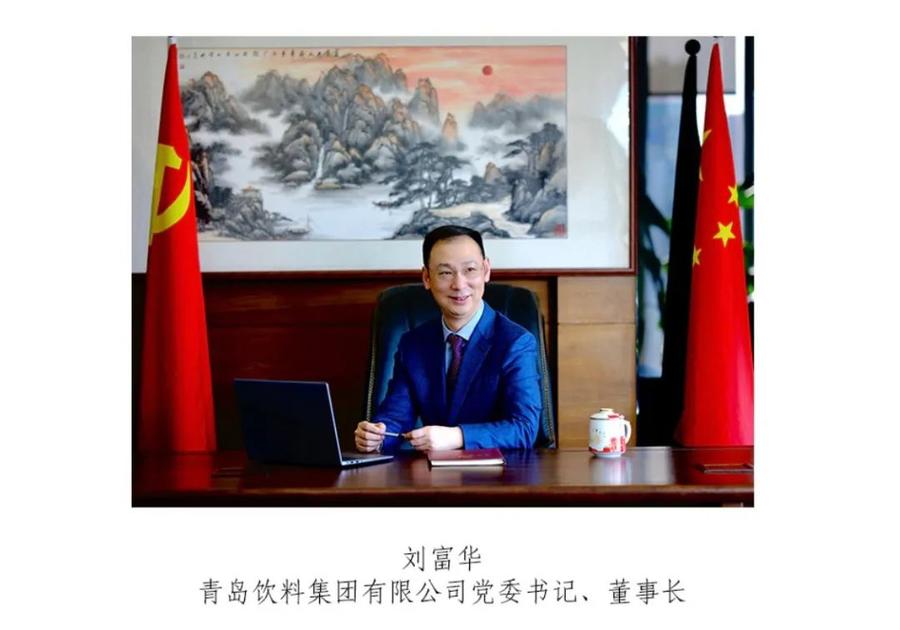
壹点企讯丨青岛饮料集团成青啤集团二级企业,刘富华任董事长
Qi Lu Wan Bao· 2025-04-14 07:29
Core Viewpoint - The restructuring and integration of Qingdao Beverage Group and Qingdao Beer Group is a strategic move to optimize the layout and structure of state-owned enterprises in Qingdao, aligning with national economic goals [5][6]. Group 1: Leadership Changes - Liu Fuhua has been appointed as the new Party Secretary and Chairman of Qingdao Beverage Group, previously serving as the Deputy General Manager of Qingdao Metro Group [5]. - The position of Chairman at Qingdao Beverage Group was vacant since the resignation of former Chairman Wang Da at the end of last year [5]. Group 2: Strategic Restructuring - The integration of Qingdao Beverage Group as a secondary enterprise under Qingdao Beer Group is part of a broader initiative to enhance the food and beverage industry in Qingdao [5][6]. - This restructuring is seen as a significant step in implementing the directives from the 20th National Congress of the Communist Party of China regarding the strengthening of state-owned enterprises [5]. Group 3: Business Overview - Qingdao Beverage Group operates in various sectors including mineral water, beverages, wine, food machinery manufacturing, international trade, cultural tourism, and ecological planting [6]. - The group owns two century-old brands, Laoshan Mineral Water and Qingdao Wine, with a combined brand value of 44 billion yuan, both ranked among the "Top 500 Chinese Brands" [6]. Group 4: Future Plans - Liu Fuhua outlined plans to position Laoshan Mineral Water as the "No. 1 high-end mineral water brand in China" and to develop a product matrix centered around health [6]. - The company aims to cultivate a tiered product lineup focusing on distinctive single products, establishing a development model centered on health [6].